
Turkish Van Cat Information
Turkish Van Cats defy the common belief that felines hate water. Unlike most domestic cats who avoid getting wet at all costs, these rare swimmers actively seek out water for play and recreation. In fact, their exceptional swimming abilities have earned them the nickname “Swimming Cats” among breed enthusiasts.
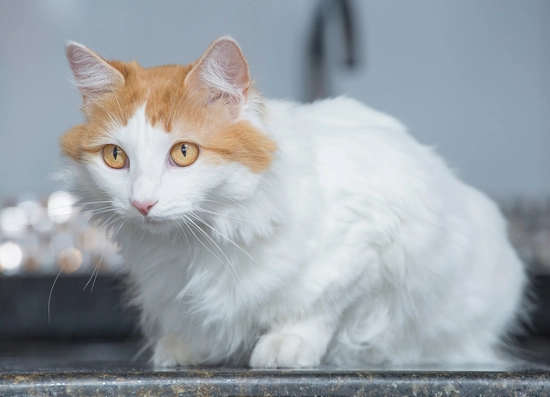
These distinctive felines originate from the Lake Van region of Turkey and possess remarkable characteristics that set them apart. Their water-resistant, cashmere-like coat enables comfortable swimming, while their strong, muscular build provides the necessary strength for water activities. Additionally, Turkish Van Cat behavior tends toward playfulness and curiosity, with a temperament that balances independence with affection. Though relatively rare outside their native region, these cats typically enjoy a healthy lifespan of 12-17 years and reach a substantial weight of 10-20 pounds when fully grown. Therefore, understanding their unique needs is essential for potential owners of this extraordinary breed.
The Origins of the Turkish Van’s Love for Water
The mysterious relationship between Turkish Van Cats and water dates back centuries to their birthplace in the rugged highlands of Eastern Turkey. This ancient breed’s affinity for swimming isn’t just a quirky trait—it’s deeply rooted in their history, geography, and cultural significance.
Ancient legends from Lake Van
The crystalline waters of Lake Van, a massive alkaline lake in Eastern Anatolia, Turkey, have been home to these distinctive felines for thousands of years. According to local folklore, two cats were aboard Noah’s Ark when it came to rest on nearby Mount Ararat after the Great Flood. As the waters receded, these cats supposedly swam to shore, making their way to what would become their ancestral home around Lake Van.
Another captivating legend tells of cats swimming daily across the lake to reach a small island where they believed holy spirits resided. Upon returning, they would share their gathered wisdom with favored humans. These tales, passed down through generations, highlight the breed’s extraordinary connection with water.
Throughout centuries, locals observed these unusual cats voluntarily diving into Lake Van’s waters—not just to catch fish but seemingly for the sheer joy of swimming. This behavior stood in stark contrast to most domestic cats’ typical aversion to water. Consequently, they earned respected status among villagers who considered their water affinity somewhat magical.
How geography shaped their traits
The harsh climate and unique geography of the Lake Van region profoundly influenced the development of these cats. Eastern Turkey experiences extreme temperature fluctuations—scorching summers followed by freezing winters. During hot months, the cats naturally sought relief in the cool waters of the lake.
Over many generations, natural selection favored cats with physical attributes that made swimming more efficient. Their muscular bodies developed exceptional strength for powerful swimming strokes, especially in the hindquarters. Moreover, their unique semi-long coat evolved a remarkable water-resistant quality unlike other cat breeds.
The isolated nature of the Lake Van region also contributed to the breed’s distinctiveness. With limited outside genetic influence for centuries, the cats developed and maintained their unique traits. The Van pattern—predominantly white with colored markings typically on the head and tail—became characteristic of the breed, possibly providing camouflage advantages in their snowy surroundings during winter months.
The story of their journey to the West
The Turkish Van remained largely unknown to the Western world until the mid-20th century. The breed’s international story began in 1955 when two British women, Laura Lushington and Sonia Halliday, were gifted a pair of these unusual cats during a photography trip to Turkey. Fascinated by their water-loving nature and distinctive appearance, they brought the cats back to England.
Lushington later wrote about her astonishment when the cats voluntarily joined her for a swim: “I was swimming in a small lake… when I felt something splash into the water beside me. It was one of the kittens and he was swimming strongly, if inelegantly, toward me.”
This incident confirmed what Turkish locals had known for centuries—these cats genuinely enjoyed water. Throughout the following decade, Lushington made several return trips to Turkey, bringing back more cats to establish a breeding program. She worked meticulously to preserve the breed’s natural characteristics, particularly their water-loving nature.
The breed received official recognition from the Governing Council of the Cat Fancy (GCCF) in Britain in 1969. Shortly thereafter, they made their way to America, where the Cat Fanciers’ Association (CFA) granted championship status in 1994. Throughout this international journey, breeders have carefully maintained the swimming ability and water affinity that makes these cats truly special.
Despite growing popularity abroad, the Turkish Van remains relatively rare outside Turkey, preserving their mystique and connection to their ancient homeland by the shores of Lake Van.
What Makes Turkish Vans Physically Suited for Swimming
Unlike most feline breeds, the Turkish Van Cat possesses a remarkable set of physical adaptations that make it naturally suited for aquatic adventures. These distinctive features have evolved over centuries, creating the perfect swimming companion in an unlikely species.
Water-resistant cashmere-like coat
The Turkish Van’s fur is immediately distinguishable from other cats upon touch. Most notably, these cats have a single coat with no evident undercoat . This unique characteristic gives their fur a sleek appearance and a texture often compared to cashmere or rabbit fur .
What makes this coat truly exceptional for swimming is its uncommonly water-repellent nature . When a Turkish Van takes a dip, water doesn’t penetrate to the skin as it would with other cats. Instead, it beads on the surface, allowing the cat to swim without becoming waterlogged. This water-resistant property serves as nature’s wetsuit, keeping them comfortable even in cold water.
Furthermore, once they exit the water, their distinctive coat dries remarkably quickly . This rapid-drying ability means they don’t experience the uncomfortable sogginess that would deter most cats from water activities. Essentially, their coat functions as both protection during swimming and quick-recovery afterward.
Despite the semi-long appearance, their fur rarely mats , making maintenance relatively simple compared to other longhaired breeds. This practical aspect further encourages their water adventures since they don’t suffer from tangled, uncomfortable fur after swimming.
Strong, muscular build
The Turkish Van’s body structure fundamentally supports their swimming prowess. These are substantial cats with males typically weighing between 10-20 pounds and females slightly smaller at 7-12 pounds . Their impressive size provides the necessary strength for water navigation.
Their physique has often been described as resembling that of an athlete . With broad shoulders, a moderately long body, and substantial bone structure, they possess the perfect build for powerful swimming strokes. Their frame is neither stocky nor thin but rather balanced specifically for strength and agility .
Interestingly, Turkish Vans are considered “late bloomers,” taking 3-5 years to reach their full size and muscle development . This extended growth period allows their musculature to fully develop, creating the robust swimming physique they’re known for.
Their overall body proportions contribute to efficient water movement. The broad shoulders that taper to slightly narrower hindquarters create a wedge-shaped appearance that helps reduce water resistance while swimming, similar to how competitive human swimmers develop V-shaped torsos.
Powerful hind legs for jumping and swimming
Perhaps the most critical swimming adaptation lies in the Turkish Van’s extraordinary leg strength, particularly in their hindquarters. Their powerful legs provide the propulsion needed for effective swimming strokes, pushing against water with significant force.
These muscular legs first reveal their strength on land. Turkish Vans can easily leap to the top of a refrigerator from a standing start on the floor . This impressive vertical jumping ability translates directly to powerful swimming kicks.
Notably, their hind legs are slightly longer than their front legs , creating a naturally angled body position that facilitates both jumping and swimming efficiency. This anatomical feature provides extra thrust when pushing off surfaces or propelling through water.
The tufted paws also assist with swimming, acting somewhat like natural paddles. These larger, rounded feet provide greater surface area to push against water, improving stroke efficiency and maneuverability.
Combined with their muscular build, these powerful legs make Turkish Vans extraordinarily agile both on land and in water. Their swimming motion—while perhaps not as graceful as aquatic mammals—is remarkably strong and effective, especially considering most domestic cats avoid water entirely.
The Van Pattern: More Than Just a Pretty Coat
The signature coat pattern of the Turkish Van Cat stands as one of the breed’s most recognizable features, yet serves practical purposes beyond mere esthetics. This distinctive patterning has become so iconic that it has lent its name to similar markings in other breeds throughout the feline world.
What is the Van pattern?
The Van pattern refers to a specific coloration where a cat displays a predominantly chalk-white body with colored markings restricted primarily to the head and tail . This pattern is so distinctive that the term “van” has been officially adopted across the cat fancy world to describe any feline—regardless of breed—that exhibits this particular color distribution .
For purists, true Turkish Van patterning requires a glistening white body with rich colors appearing only on the head and the magnificently plumed tail . Breed standards permit minimal color elsewhere—typically allowing for random color spots making up no more than 15-20% of the entire body surface . These random markings should remain small enough that they don’t detract from the classic van pattern or make the cat appear bicolored .
Ideally, the facial markings should form a symmetrical pattern divided by white extending up to at least the front edge of the ears . This creates the striking masked appearance that has fascinated cat lovers for centuries. Some Turkish Vans even display a distinctive mark between their shoulder blades, often referred to as the “thumbprint of God,” although this feature isn’t present in all individuals .
Color variations and eye types
Although the classic Turkish Van displays a combination of white with rich red (auburn) markings , the breed comes in numerous color variations. Modern breed standards recognize an impressive array of colors including: red, cream, black, blue, red tabby, cream tabby, brown tabby, blue tabby, tortoiseshell, dilute tortoiseshell (blue-cream), brown-patched tabby, and blue-patched tabby .
Remarkably, Turkish Van cats feature three distinct eye color possibilities, which adds to their captivating appearance. Their eyes may be amber, blue, or odd-eyed (heterochromia, meaning one eye of each color) . Interestingly, in Turkey, odd-eyed cats are traditionally considered the preferred variation , creating a strikingly asymmetrical face that contrasts beautifully with their symmetrical color markings.
The breed’s eye color might gradually fade with age , yet even in senior cats, the distinctive combination of bright eyes against the contrasting head markings remains dramatically beautiful. This ever-changing nature of their appearance means that Turkish Van cats continue developing their unique look throughout their lives.
Why the pattern may help in water
While no direct scientific evidence links the Van pattern specifically to swimming ability, several practical theories exist about how this pattern might benefit a water-loving cat. The predominantly white coat may have offered camouflage advantages in the snowy surroundings of Eastern Turkey during winter months , potentially allowing these cats to approach water sources without being detected by prey.
Their coloration might occasionally support swimming efficiency in subtle ways. With minimal coloration on the body, the majority of their coat consists of the water-resistant white fur. This water-resistant quality allows the cat to remain comfortable while swimming and enables quick drying afterward .
The semi-longhaired coat lacks an evident undercoat , giving it a sleek appearance and cashmere-like texture that naturally repels water. This unique coat composition makes bathing these cats challenging , as water beads on their fur rather than penetrating to the skin. Undoubtedly, this same quality serves them well during voluntary swimming excursions.
Turkish Vans happily ignore rain thanks to their water-resistant coat, though they typically dislike strong winds . Their comfort around water extends to various interactions—from fascination with dripping taps to dunking toys in water bowls . This comprehensive comfort with water likely stems from both their unique coat properties and their centuries of adaptation around Lake Van in Turkey.
Personality Traits That Encourage Water Play
Beyond their distinctive appearance, Turkish Van Cats possess a unique constellation of personality traits that naturally draw them to water play. Their behavioral characteristics combine to create the perfect temperament for a water-loving feline, making their aquatic adventures seem perfectly logical once you understand their nature.
Curiosity and intelligence
Turkish Van Cats stand out as remarkably intelligent creatures with problem-solving abilities that often surprise their owners. This exceptional mental capacity manifests in their boundless curiosity about their surroundings . Much like inquisitive scientists, they approach new experiences—including water—with experimental enthusiasm primarily to satisfy their intellectual curiosity.
Their intelligence extends beyond mere curiosity into practical exploration. Many Turkish Vans have taught themselves how to turn on water faucets , showcasing both their problem-solving abilities and determination to access water play. This extraordinary intelligence requires appropriate channeling; otherwise, it quickly transforms into mischievous behavior .
Turkish Vans respond exceptionally well to positive reinforcement training methods . Owners report success teaching these bright felines various tricks from fetching toys to walking on harnesses . This trainability extends to water-related activities—many learn to play specific water games or understand boundaries around certain water sources.
Their cognitive abilities manifest in everyday behaviors. They typically follow their human companions from room to room, keenly observing activities and seeking ways to participate . This engagement stems not just from affection but genuine intellectual interest in human behaviors—often including showering, bathing, or any activity involving water.
Playfulness and independence
Perhaps the most defining characteristic of Turkish Van Cat behavior is their extraordinary playfulness. These energetic felines maintain kitten-like exuberance well into adulthood . Their boundless energy requires regular outlets through interactive play and physical activity .
This playful spirit manifests in surprisingly athletic abilities. Turkish Vans enjoy demonstrating their physical prowess through:
- Impressive aerial maneuvers, even turning somersaults to catch toys in midair
- Climbing to high vantage points to survey their domain
- Retrieving toys in fetch games that seem more canine than feline
Yet alongside this playful energy exists a streak of independence that sets them apart. Unlike clingy breeds, Turkish Vans maintain autonomous personalities . They typically decide when interaction occurs—preferring to approach their humans rather than being pursued for attention .
This independence doesn’t indicate aloofness. In fact, Turkish Vans form strong bonds with family members , sometimes developing special connections with particular individuals they consider “their person” . This balance between independence and attachment creates a fascinating dynamic where they simultaneously seek companionship yet maintain personal boundaries.
Their playful yet independent nature perfectly complements their water interests. They approach water play on their own terms—exploring, splashing, and swimming when they choose rather than being coerced into water activities.
Why they’re not your average lap cat
Despite their affectionate nature, Turkish Van Cat temperament differs significantly from what many expect in a companion feline. They consistently demonstrate that affection needn’t involve constant physical contact . While deeply bonded with their humans, most Turkish Vans prefer active interaction over extended cuddling sessions .
Most Turkish Vans actively dislike being picked up or held for extended periods . Their independence manifests in clear boundaries around physical handling—they typically prefer engaging alongside you rather than being constrained in your arms or lap .
This doesn’t mean they’re standoffish. On the contrary, Turkish Vans show affection through playful engagement, following their people around the home, and participating in daily activities . Their attentiveness reveals deeper bonding than mere physical closeness could express.
Their preference for active engagement perfectly explains their water fascination. Rather than seeking passive comfort through cuddling, they find joy in dynamic interaction—splashing, paddling, and swimming offers precisely the kind of stimulating engagement they crave.
Without sufficient mental and physical stimulation, these intelligent, energetic cats may develop problematic behaviors . Their need for activity exceeds what many traditional cat toys provide—consequently, water play offers the perfect combination of physical exertion and mental engagement they naturally seek.
The Turkish Van’s distinctive personality creates the perfect temperament for a swimming cat—curious enough to investigate water, playful enough to enjoy it, and independent enough to approach it on their own terms, making water play a natural extension of their unique character.
8 Surprising Reasons Turkish Vans Love Swimming
Among domestic cats, Turkish Vans stand out as exceptional water enthusiasts. What drives these felines to embrace aquatic adventures when most cats avoid water at all costs? Here are eight fascinating reasons behind their unusual swimming habits.
1. Natural curiosity about water
Turkish Vans possess extraordinary curiosity that extends to water sources of all kinds. Their inquisitive nature compels them to investigate running faucets, water bowls, and even toilet bowls . This fascination goes beyond mere passing interest—many Turkish Vans actively seek out water to play in and explore . Their confidence and curiosity set them apart from other cats that instinctively avoid getting wet . Hence, don’t be surprised to find your Van cat dabbling in any available water source—it’s simply part of their exploratory character.
2. Water-resistant fur makes it enjoyable
The Turkish Van’s unique coat texture provides a practical reason for their water enjoyment. Their cashmere-like, semi-long haired coat is naturally water-resistant . This remarkable fur quality allows water to bead on the surface instead of penetrating to the skin . Most importantly, their coat dries remarkably fast compared to other breeds , meaning they can enjoy water play without the discomfort that would deter typical cats. In essence, they can be nearly dry even after a full swim , making water activities genuinely pleasant rather than distressing.
3. High energy needs an outlet
Turkish Vans are exceptionally energetic and require substantial physical activity. As Royal Canin notes, these cats “need plenty of exercise” . They’re built for action—both physically and mentally . With their strong, muscular bodies and playful temperament, swimming provides an ideal outlet for their abundant energy. Without sufficient physical stimulation, these intelligent, high-energy cats may develop problematic behaviors . Swimming offers the perfect combination of physical exertion and entertainment they crave.
4. They enjoy interactive play
The playful nature of Turkish Vans extends to their interactions with water. They thrive on companionship and interaction , making water play an exciting feature for families who enjoy engaging with their pets. These cats excel at interactive water games—from splashing in shallow basins to retrieving toys from water. To clarify, they don’t just tolerate water play; they actively seek it out and enjoy it as part of their social bonding with humans.
5. They mimic human behavior
Interestingly, Turkish Vans are keen observers who may copy human activities. They’re “smart and alert” with “high vocal adaptability” . Many owners report their Van cats joining them in the shower or bath . This mimicry stems from their intelligence and strong bonds with humans. They learn from watching their owners’ routines , coupled with their natural water affinity, creating a unique behavioral pattern rarely seen in other cats.
6. It helps them cool off
The Turkish Van’s love for water likely developed as an adaptation to their native climate. Originating from the Lake Van region with extreme temperatures , swimming provided a practical way to cool off during scorching summers . Local legends tell of these cats swimming in Lake Van specifically to escape summer heat . This cooling behavior remains instinctual even in domestic settings far from their homeland.
7. It’s a form of mental stimulation
For the highly intelligent Turkish Van, water provides valuable mental enrichment. Simple additions like a cat water fountain can enhance their daily mental stimulation . Water offers an engaging sensory experience that stimulates their active minds . Their fascination isn’t merely playful but forms an integral part of their exploratory intelligence . This mental engagement helps prevent boredom and associated behavioral issues.
8. It’s instinctual from their origin
Above all, the Turkish Van’s water affinity reflects their ancient heritage. As native cats from Turkey’s Lake Van region, they’ve been nicknamed “swimming cats” due to their unusual water fascination . For generations, these cats thrived near water—swimming and fishing for survival . The lake environment naturally selected cats comfortable with water activities . This instinctual behavior persists today, even in cats with no access to large bodies of water .
How to Safely Encourage Water Play at Home
Owning a water-loving Turkish Van Cat requires thoughtful preparation for safe aquatic adventures at home. Given their natural swimming abilities, providing appropriate water play opportunities enhances both their physical activity and mental stimulation in a controlled environment.
Using shallow tubs or sinks
First of all, select appropriate containers with minimal water depth. For safety, fill basins with only 1-2 inches of lukewarm water . Shallow paddling pools or large basins work particularly well for adult cats, even more importantly for active breeds like the Turkish Van . Maintain clean water without chemicals or soaps that could harm your cat if ingested during play .
The surface underneath water containers deserves careful consideration. Always place water play areas on non-slip surfaces to prevent accidents . Given these points, kitchen sinks or bathtubs can serve as excellent controlled environments for initial water experiences.
For Turkish Van Cats living in warmer climates, shallow water containers provide welcome relief during hot weather . Their water-resistant coat dries quickly, yet proper setup remains essential for positive experiences that encourage their natural behaviors.
Supervised water games
Ensuring safety requires constant supervision during water activities . In this case, never leave your Turkish Van Cat unattended near deep water, full bathtubs, or sinks . Their enthusiasm for water may lead them into potentially dangerous situations without proper oversight.
Enhance the experience by offering appropriate water toys that spark their interest. Floating balls, plastic ducks, or ping pong balls provide engaging options . Cat water fountains serve as another excellent addition, offering both hydration and entertainment for these naturally curious felines .
For optimal engagement, integrate water play gradually into their routine. Begin with damp toys or dripping faucets before introducing larger water bodies . This gradual approach respects their natural learning process while building confidence around water.
Avoiding forced interaction
Respecting your Turkish Van Cat’s individual preferences remains paramount for successful water experiences. Most importantly, never force your cat into water—allow them to approach on their own terms . Some Turkish Vans may immediately embrace swimming, whereas others might prefer less direct interaction with water.
Create positive associations through praise or treats when your cat shows interest in water . This positive reinforcement technique builds confidence and encourages natural curiosity. Keep the environment calm during water play, avoiding loud splashing or sudden movements that could startle even these water-loving cats .
Remember that while Turkish Vans generally enjoy water, individual preferences vary considerably. Some might eagerly jump into the shower with you, whereas others prefer merely dipping paws in shallow containers . By honoring these preferences and maintaining safety standards, you’ll create enriching water experiences that satisfy their unique behavioral needs without causing stress or anxiety.
Caring for a Turkish Van’s Unique Needs
Properly caring for a Turkish Van requires understanding their distinctive needs that differ from typical domestic cats. Their unique physical attributes and spirited personality demand specialized attention in several key areas.
Grooming tips for semi-long coats
Turkish Van cats possess a silky, semi-long coat that, fortunately, requires minimal maintenance compared to other longhaired breeds. Their unique cashmere-like fur lacks an undercoat, which naturally reduces matting and tangling. Nonetheless, weekly brushing with a soft bristle brush or fine-toothed comb helps remove loose hairs and prevents occasional knots, primarily during seasonal shedding periods.
Because of their water-resistant fur, bathing a Turkish Van can be challenging as water tends to bead on their coat rather than penetrate it. For this reason, when bathing becomes necessary, use a cat-specific shampoo and thoroughly rinse their fur to prevent residue. Always allow them to air-dry naturally – their specialized coat dries remarkably quickly without human intervention.
Feeding active cats properly
The Turkish Van’s athletic build and high energy levels necessitate a carefully balanced diet. These active felines require protein-rich nutrition to support their muscular physique and energetic lifestyle. Quality commercial cat foods with animal protein as the first ingredient provide an excellent foundation for their diet.
Portion control remains crucial since these cats can weigh between 10-20 pounds when fully grown. Split their daily food allowance into multiple smaller meals throughout the day to accommodate their active metabolism and prevent overeating. Fresh water should always be available – ironically, despite their love for playing in water, some Turkish Vans prefer drinking from running sources like fountains rather than still water bowls.
Keeping them mentally stimulated
The exceptional intelligence of Turkish Van cats demands consistent mental engagement. Without adequate stimulation, these clever felines may develop problematic behaviors out of sheer boredom. Consider these enrichment strategies:
- Provide puzzle feeders and interactive toys that challenge their problem-solving abilities
- Create vertical spaces with cat trees and shelves for climbing and observation
- Rotate toys regularly to maintain interest and prevent habituation
In addition to physical play, schedule regular interactive sessions that mentally engage your Turkish Van. Their trainability makes them excellent candidates for learning tricks and commands through positive reinforcement methods. Remember that mental stimulation is just as important as physical exercise for maintaining their wellbeing throughout their 12-17 year lifespan.
Health Considerations for a Water-Loving Cat
Turkish Van cats typically enjoy robust health with a lifespan of 12-17 years, yet their water-loving nature presents unique health considerations worth monitoring.
Common health issues in the breed
Hypertrophic cardiomyopathy (HCM) remains a primary concern for Turkish Vans, causing heart wall thickening that may lead to heart failure if left untreated . Deafness occasionally affects blue-eyed specimens, with odd-eyed cats (one blue, one amber) showing lower susceptibility . Beyond that, Turkish Vans may develop urinary tract infections , dental disease , and elevated liver enzymes . Many owners also report respiratory issues as a common reason for veterinary visits .
How water play affects hygiene
Indeed, their aquatic adventures require special hygiene attention, primarily for their ears. Water exposure increases ear infection risk, which manifests as black or yellow discharge, redness, and head tilting . After swimming, thoroughly dry your cat’s ears to prevent moisture buildup. Fortunately, their water-resistant coat naturally repels water, minimizing skin-related complications from frequent swimming.
Vet checkups and vaccinations
Regular veterinary examinations are crucial, ideally scheduled annually . Core vaccinations include feline distemper, herpes virus, calicivirus, and rabies . Your veterinarian might recommend additional non-core vaccinations based on lifestyle factors . Year-round flea, tick, and heartworm prevention should be maintained , as there’s no treatment for heartworm in cats once infected.
Conclusion
Turkish Van Cats stand as remarkable exceptions in the feline world with their genuine love for swimming. Throughout this exploration of these unique “Swimming Cats,” we’ve discovered how their natural affinity for water stems from centuries of adaptation near Lake Van in Turkey. Their special physical attributes – particularly their water-resistant cashmere-like coat and powerful muscular build – certainly make them natural swimmers unlike any other domestic cat breed.
Beyond physical traits, their distinctive personality creates the perfect temperament for water adventures. These cats combine exceptional intelligence, boundless curiosity, and playful independence, essentially creating the ideal mindset for a swimming feline. The famous Van pattern, with its predominantly white body and colored markings on the head and tail, adds another layer of uniqueness to this already special breed.
Potential owners should recognize that Turkish Vans require appropriate outlets for their high energy and sharp minds. Water play serves as an excellent form of both physical exercise and mental stimulation, though safety precautions remain essential. Shallow tubs, supervised games, and respect for individual preferences ensure positive experiences with water.
Turkish Vans demand specific care related to their semi-long coats, active lifestyle, and potential health concerns. Regular grooming, proper nutrition, and annual veterinary checkups help maintain their wellbeing throughout their 12-17 year lifespan.
Anyone fortunate enough to welcome a Turkish Van into their home gains more than just a pet – they invite an intelligent, water-loving companion who defies conventional cat stereotypes. These remarkable swimmers bring joy through their playful antics both on land and in water, proving that sometimes the most special animal companions are those who break all the expected rules.