
Tonkinese Cat
Tonkinese cats often get overlooked when families search for the perfect feline companion. However, these medium-sized, muscular beauties combine the best traits of their Siamese and Burmese ancestors, making them unexpectedly ideal family pets.
In fact, the Tonkinese cat temperament strikes a remarkable balance between playfulness and affection that suits busy households. These cats typically display engaging behavior patterns—they’re social without being demanding and active without being hyperactive. Additionally, with a Tonkinese cat lifespan averaging 15-18 years and a healthy Tonkinese cat weight ranging from 2.5 to 5 kg, they represent a long-term family member that stays kitten-like well into adulthood. Their moderate size makes them substantial enough for gentle handling by children yet nimble enough to navigate home environments with grace.
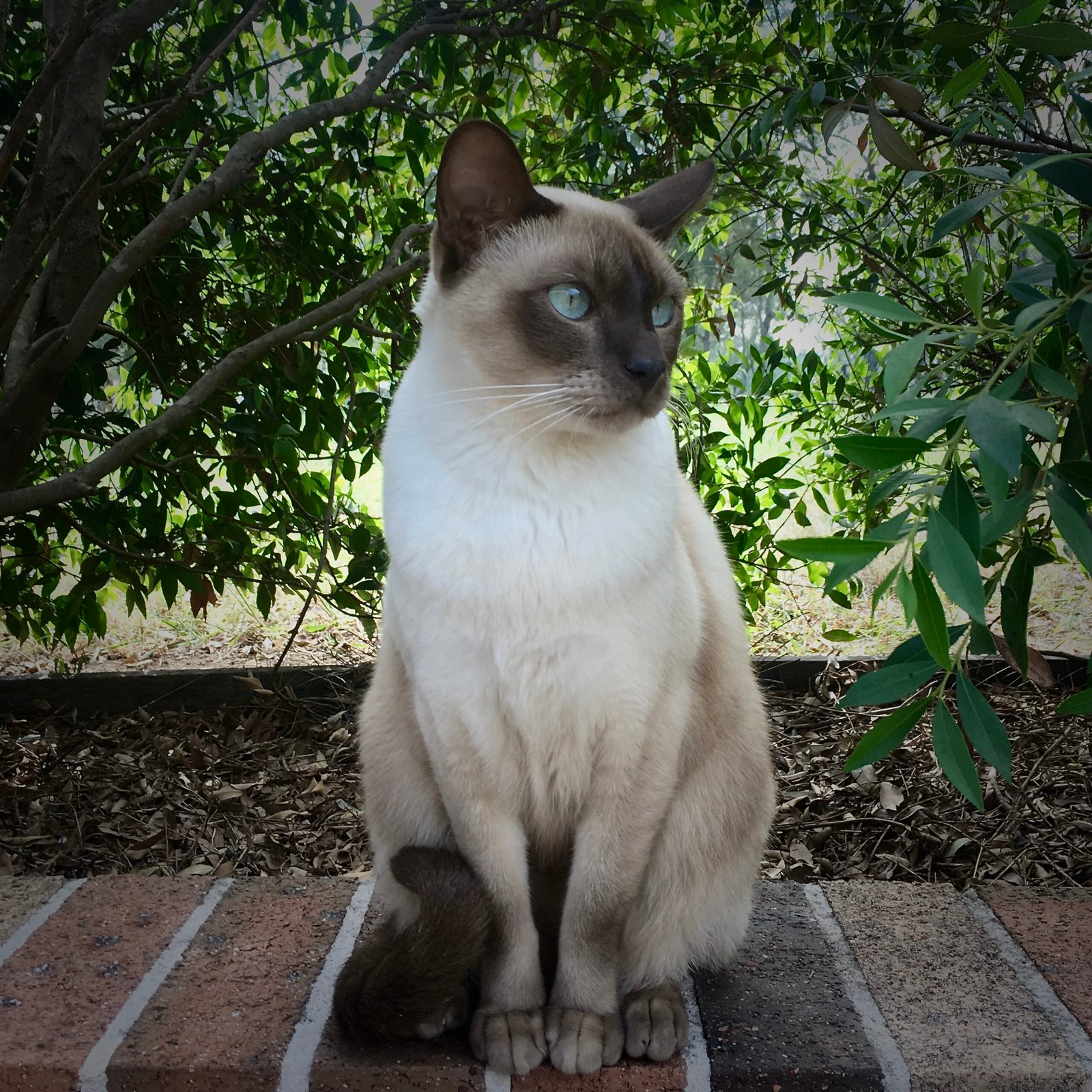
This comprehensive guide explores everything you need to know about these charming companions—from their fascinating origins and distinctive appearance to their surprising personality traits and specific care requirements. Whether you’re considering adding a Tonkinese to your family or simply curious about this delightful breed, you’ll discover why veterinarians often recommend them as unexpected stars of the cat world.
The Origins of the Tonkinese Breed
The fascinating history of the Tonkinese cat stretches back much further than many people realize. Originally recognized in the West as “chocolate Siamese” cats in the late 1800s, these beautiful felines represent one of the oldest acknowledged cat breeds in Western cat fancy .
A blend of Siamese and Burmese
The modern Tonkinese exists as a perfect genetic balance between the Siamese and Burmese breeds. Throughout history, breeders working with imported cats from Southeast Asia noticed certain cats possessed aquamarine eyes and darker coats than traditional Siamese . These distinctive traits eventually became hallmarks of what we now know as the Tonkinese.
The genetic relationship between these breeds is particularly interesting – Tonkinese, Siamese, and Burmese are essentially genetic cousins. The primary differences among them lie in their eye color and coat pattern distribution . Contrary to some misconceptions, the Tonkinese isn’t simply a hybrid but rather a reconstruction of a naturally occurring breed with historical significance.
What makes the Tonkinese genuinely unique is that there isn’t actually a specific gene for its signature “mink” coat pattern. Instead, this distinctive appearance results from the combination of the “solid” coat pattern (Burmese color restriction) and the “colorpointed” pattern typical of Siamese cats . This genetic interplay creates the balanced appearance that defines the breed today.
The story of Wong Mau
The pivotal character in Tonkinese history is undoubtedly Wong Mau – a small, walnut-colored female cat imported to San Francisco in 1930 by Dr. Joseph Thompson, a retired Navy doctor and established Siamese breeder . While initially considered merely a “poor-quality Siamese” by American breeders of the time , Wong Mau would ultimately prove tremendously significant to cat fancy history.
Dr. Thompson’s scientific curiosity led him to conduct genetic testing that revealed Wong Mau wasn’t simply a Siamese variant but actually possessed genetics of two different types . Through careful breeding programs starting with Wong Mau, Thompson effectively established the foundation for both the Burmese breed and, consequently, the Tonkinese .
Modern genetic analysis has confirmed that Wong Mau was, in fact, a Burmese-Siamese cross – essentially what we would classify today as a Tonkinese cat . This discovery places the Tonkinese at the very foundation of two major cat breeds, despite its later formal recognition.
Recognition by cat associations
Despite their historical presence, the formal development of the Tonkinese as a distinct recognized breed came much later. The modern breed’s deliberate development began in the mid-1960s through the parallel efforts of two dedicated breeders:
- Jane Barletta in New Jersey – a Siamese breeder who sought to develop a more moderate, balanced cat
- Margaret Conroy in Canada – who initially crossed Siamese and Burmese for practical reasons but became fascinated by the resultant tan-coated, aqua-eyed kittens
These pioneering breeders collaborated to establish the first standards for the breed . Their efforts led to the Canadian Cat Association (CCA) accepting the breed for registration in 1967 and subsequently granting championship status in 1971 . During this period, the name officially changed from “Tonkanese” to “Tonkinese” .
Other major cat registries gradually followed suit:
- The Cat Fanciers’ Association (CFA) accepted the Tonkinese for registration in 1978
- The CFA granted Provisional status in 1982 and full Championship status in 1984
- The Governing Council of the Cat Fancy (GCCF) recognized the breed in 1991
Today, the Tonkinese enjoys worldwide recognition, with over 30 countries featuring these distinctive cats on postage stamps . From their origins as “chocolate Siamese” in the 19th century to their careful development in the mid-20th century, Tonkinese cats represent a fascinating example of how historical breeds can be preserved and refined through dedicated breeding programs.
What Tonkinese Cats Look Like
With their distinctive medium-sized frame and striking facial features, Tonkinese cats combine the best physical attributes of both Siamese and Burmese breeds. These elegant felines stand out not only for their unique coat patterns but also for their captivating eye colors that change depending on their genetic makeup.
Coat types and patterns
The Tonkinese coat is remarkably short, close-lying, fine, and silky with a lustrous sheen that catches the light beautifully . Unlike many other breeds, Tonkinese cats come in three distinct coat patterns, each representing different expressions of the same colors:
- Pointed (CPP) – Similar to Siamese, featuring a pale body with darker extremities and high contrast between body and point color
- Mink (TCR) – The signature Tonkinese pattern showing medium contrast with a rich body color that blends almost imperceptibly into slightly darker points
- Solid/Sepia (BCR) – Resembling Burmese coloration with minimal contrast between body and points
These patterns appear across four base colors: natural (brown), blue, champagne (chocolate), and platinum (lilac) . This combination creates 12 standard color variations , though some registries recognize additional colors including cinnamon, fawn, red, cream, and apricot . Tonkinese kittens typically begin life with a uniform coat color that gradually develops its distinctive pattern as they mature .
Eye colors and their meaning
Perhaps the most fascinating aspect of Tonkinese appearance is how their eye color correlates directly to their coat pattern. This is not random but a genetic connection that creates three distinct eye color possibilities:
- Blue eyes – Associated with the pointed pattern, ranging from sky blue to brilliant blue or even violet
- Aqua eyes – The hallmark of the mink pattern, featuring a unique blue-green shade that was originally exclusive to the Tonkinese breed
- Green-gold to yellow-gold eyes – Present in solid/sepia pattern cats
The depth, clarity, and brilliance of eye color are highly valued traits , yet these characteristics can vary based on coat color. Generally, darker-coated Tonkinese display more intense eye coloration, with seal-point cats often exhibiting richer, more vibrant eye color than their lighter-colored counterparts .
Young Tonkinese kittens are born with blue eyes regardless of their genetic pattern . As they develop, their true eye color emerges alongside their distinctive coat pattern.
Size and build
The Tonkinese cat weight ranges between moderate extremes—not too slight like some Siamese nor as stocky as traditional Burmese. Males typically weigh between 8-12 pounds (3.6-5.4 kg), while females are slightly smaller at 6-8 pounds (2.7-3.6 kg) .
Their body structure strikes an appealing balance between the two parent breeds. The Tonkinese possesses a medium-length torso with well-developed musculature that feels surprisingly solid when picked up—they’re often heavier than they appear . Their proportionate body features:
- A gently rounded, slightly wedge-shaped head
- Medium-sized ears set toward the outside of the head
- Almond-shaped eyes that slant along the cheekbones
- Oval paws rather than round ones
- A tapering tail proportionate to body length
The Tonkinese silhouette presents a foreign body type that is neither overly long nor stocky . Their elegant yet muscular frame combines the Burmese’s substance with the Siamese’s height and agility , creating a distinctive look that cat enthusiasts immediately recognize.
Overall, the Tonkinese appearance reflects its heritage as a perfect blend between two beloved breeds, offering visual variety through its different coat patterns and eye colors while maintaining consistent physical structure and graceful proportions.
Personality Traits That Surprise New Owners
Many new Tonkinese cat owners are pleasantly surprised by the unique personality that sets this breed apart from its ancestors. Described as having “the smarts and inquisitiveness of a Siamese with the laid-back personality of a Burmese” , these captivating felines combine traits in ways that often catch first-time owners off guard.
Affectionate but not clingy
First and foremost, the Tonkinese cat temperament strikes a perfect balance between independence and affection. Unlike some needy breeds, Tonks demonstrate what many owners describe as a “Goldilocks” approach to attention—not too demanding yet thoroughly engaged with their humans.
These cats eagerly seek human interaction, wanting to be “pet, held, talked to, played with, and cuddled on a warm lap” . Nevertheless, they don’t typically exhibit the constant neediness that can be exhausting for busy households. As one experienced owner notes, “No matter where I am in the house, they are usually on me or within easy petting reach” .
Interestingly, Tonkinese show their affection by staying physically close without constantly demanding attention. They’re equally content observing family activities from a perch—perhaps “the top of the wardrobe or curtain rail” —as they are actively participating. This balanced approach makes them suitable companions for families with varied schedules.
Playful and intelligent
The Tonkinese brain power consistently astonishes new owners. These cats possess remarkable problem-solving abilities coupled with boundless energy for play. Their intelligence manifests in numerous ways:
- Learning and performing dog-like tricks, including fetching
- Mastering household operations such as turning lights on and off
- Solving puzzle toys and interactive games with minimal training
- “Helping” with household chores rather than simply observing
This intellectual capacity means Tonkinese require significant mental stimulation. Without proper enrichment, they become prone to mischievous behavior . As noted by veterinary experts, “horizontal and vertical scratching posts, cat trees, and toys that promote independent play will all help discourage unwanted behaviors” .
Their playfulness extends beyond solo activities—Tonkinese demonstrate exceptional social intelligence. They readily adapt to multi-pet households, typically getting along well with “children, other cats, and friendly dogs” . This adaptability stems from their inherently social nature, often preferring “to live with other cats for company” when human attention isn’t available.
Moderate vocalization
Contrary to common misconceptions, the Tonkinese isn’t typically as vocal as its Siamese parent. Their communication style falls somewhere between the persistent Siamese and the quieter Burmese.
The Spruce Pets notes that Tonkinese cats are “happy to ‘speak’ when spoken to but don’t vocalize excessively” . Their voice quality differs markedly from the Siamese—described as “softer and sweeter… similar to the gentle quacking of a duck” . These vocalizations tend toward “chirps” rather than the loud, demanding cries associated with some Asian breeds .
Moreover, vocalization patterns vary among individual Tonkinese. Some primarily vocalize around mealtime—”unless it is dinner time, and then everyone has an opinion!” —while others maintain ongoing “chatty conversations with their people” . This communication style proves less demanding than pure Siamese but certainly not silent, making Tonkinese suitable for environments where excessive noise would be problematic.
For potential owners concerned about compatibility with their lifestyle, adopting an older Tonkinese can provide clearer insights into that particular cat’s communication style and personality traits . Since individual variation exists within the breed, meeting specific cats before bringing them home helps ensure the right personality match for your household.
How Tonkinese Cats Fit Into Family Life
As social creatures by nature, Tonkinese cats thrive in family environments where their interactive personalities can shine. These felines possess a remarkable ability to integrate into various household dynamics, making them exceptional companions for families of all sizes and compositions.
Getting along with children
Tonkinese cats form strong bonds with children and generally enjoy their company. Their playful and affectionate nature makes them ideal playmates, while their patience allows them to tolerate the sometimes unpredictable behavior of younger family members . First and foremost, what makes Tonkinese particularly suitable for families with children is their easygoing temperament combined with their intelligence.
For households with young children, the Tonkinese offers a perfect balance – they’re tolerant enough to handle interaction with kids yet still maintain appropriate boundaries . Their medium build and robust nature also makes them sturdy companions who can withstand gentle play without becoming stressed or frightened.
Parents should nonetheless teach children proper handling techniques and respect for the cat’s personal space . Although Tonkinese are generally patient, they still appreciate respectful treatment. In rare instances, some Tonkinese can display dominant behavior, so supervision with very small children is recommended .
Compatibility with dogs and other pets
One of the most remarkable aspects of Tonkinese cat behavior is their exceptional compatibility with other animals. Unlike many felines who prefer to be the only pet, Tonkinese typically:
- Adapt quickly to multi-pet households
- Form strong bonds with dog companions
- Thrive in environments with other cats
Their sociability extends beyond merely tolerating other pets—they often actively seek their companionship. Specifically, Tonkinese cats are known for their dog-like personalities, which facilitates harmonious relationships with canine housemates . Some Tonkinese even rival golden retrievers in their enthusiasm for playing fetch .
Interestingly, many Tonkinese seem to identify with dogs on some level. As one breed enthusiast notes, “They tend to get along well with dogs (I think they think they are dogs)” . This unusual trait makes them particularly suitable for households with existing pets.
Furthermore, Tonkinese cats often function better when they have animal companionship during times when their humans are absent. Their social nature means they don’t do well when left alone for extended periods, so having another pet can prevent loneliness and associated behavioral issues .
Handling guests and new people
Unlike many cat breeds that hide when visitors arrive, Tonkinese are famous for their welcoming attitude toward strangers. They eagerly greet new people and typically don’t show the wariness that characterizes many felines .
Notably, Tonkinese cats “don’t tend to have favorites” , distributing their affection democratically among household members and visitors alike. This unusual trait means everyone in the room can expect some cuddle time when a Tonkinese is present . Their genuine interest in people extends beyond their immediate family, making them excellent hosts when guests visit.
The breed’s natural curiosity means they’ll likely investigate new people rather than retreat. They enjoy being the center of attention and will often insert themselves into social gatherings . This social confidence stems from their intelligent, people-oriented nature which helps them quickly assess and adapt to new individuals.
Simultaneously, their vocal communication style helps them express their opinions about household activities, including the arrival of guests . While not as vocal as their Siamese ancestors, they’ll certainly make their presence known and share their thoughts on new arrivals.
In conclusion, the Tonkinese temperament makes these cats extraordinarily well-suited to family life across various living situations—from busy households with children and other pets to quieter environments where they can form deep bonds with their human companions.
Health Considerations and Lifespan
When considering adding a Tonkinese cat to your family, understanding their health profile and longevity creates realistic expectations for this long-term commitment. Beyond their engaging personalities, these felines typically enjoy robust health compared to many purebred cats.
Common genetic conditions
Tonkinese cats face several breed-specific health challenges that potential owners should monitor. Most notably, these include:
Heart conditions deserve particular attention, as Tonkinese may be genetically predisposed to hypertrophic cardiomyopathy, where heart muscles enlarge and restrict blood flow . This condition often shows no symptoms initially but can potentially lead to heart failure if undetected.
Kidney issues appear frequently in older Tonkinese cats, with chronic kidney disease affecting many seniors . Some Tonkinese may also develop polycystic kidney disease (PKD), an inherited condition creating fluid-filled cysts in the kidneys . Early detection through veterinary screening proves essential for managing these conditions effectively.
Dental problems, primarily gingivitis and periodontal disease, commonly affect the breed . Left untreated, these issues can cause pain, tooth loss, and broader health problems . Regular dental care becomes crucial for prevention.
Other health concerns worth monitoring include:
- Feline lower urinary tract disease (FLUTD)
- Respiratory issues, including feline asthma
- Progressive retinal atrophy affecting vision
- Amyloidosis, a protein deposition disease
Preventive care and vet visits
Proactive health management significantly extends your Tonkinese cat’s quality of life. First and foremost, establishing regular veterinary checkups helps catch potential issues before they become serious problems .
For optimal preventive care, Tonkinese cats require:
- Complete vaccination protocols – Core vaccines include protection against feline calicivirus, rabies, feline viral rhinotracheitis, and panleukopenia
- Consistent parasite prevention – Even indoor Tonkinese can develop flea infestations or contract heartworm disease
- Dental maintenance routine – Daily tooth brushing with cat-specific toothpaste helps prevent dental disease
- Weight management – Tonkinese cats should maintain a healthy weight where you can feel their ribs beneath a thin layer of fat
- Genetic testing when available – Responsible breeders test for known genetic conditions before breeding
Furthermore, maintaining a clean litter box prevents numerous health problems, including respiratory infections and urinary tract issues . Regular play sessions not only satisfy their need for activity but additionally help maintain healthy weight and cardiovascular function.
Average lifespan expectations
The Tonkinese cat lifespan impressively exceeds that of many other breeds. On average, these cats live between 15-20 years , with many reaching their late teens or early twenties in good health.
Some Tonkinese have been documented living considerably longer than average. For instance, a male named Dickens lived nearly 22 years , while another named Hugo reached almost 23 years of age – remarkable longevity even among cats known for their long lives.
Several factors influence how long your Tonkinese might live. Their mixed genetic heritage apparently contributes to hybrid vigor, potentially explaining why they typically outlive the average indoor cat’s lifespan of 9-15 years . Proper nutrition, regular exercise, preventive healthcare, and maintaining indoor-only status all contribute to maximizing your cat’s years.
The Tonkinese weight impacts their health prospects too. Males typically weigh 3.6-5.4 kg (8-12 pounds), while females usually range from 2.7-3.6 kg (6-8 pounds) . Maintaining appropriate weight through diet and exercise helps prevent obesity-related conditions that might otherwise shorten their lives.
Grooming and Maintenance Needs
The Tonkinese cat may present one of the lowest-maintenance grooming regimens among purebred felines, yet consistent care remains key to their health and appearance. Their sleek coats and neat habits make them ideal companions for busy families, as long as a few essential routines are established.
Coat care and brushing
The Tonkinese boasts a remarkable short, silky coat that rarely mats or tangles. Weekly brushing forms the foundation of their coat care, removing loose hairs and distributing natural skin oils . This minimal requirement stands in stark contrast to many longhaired breeds that demand daily attention.
Throughout spring and autumn, you might notice increased shedding, warranting slightly more frequent brushing sessions . A soft bristle brush or grooming mitt works perfectly for their fine coat texture. Even better, many Tonkinese genuinely enjoy the bonding time that brushing provides—especially when introduced to grooming early in life .
Interestingly, bathing is seldom necessary with this breed. As fastidious self-groomers, Tonkinese typically keep themselves immaculately clean . Only bathe your cat if they encounter something particularly sticky or dirty. For allergy sufferers, occasionally wiping your cat with a soft, damp cloth can help reduce dander without stressing your pet .
Dental hygiene tips
Dental care deserves special attention with Tonkinese cats, as they show a genetic predisposition to periodontal disease . Without proper care, dental issues can progress to serious health problems beyond just bad breath or tooth loss.
Ideally, brush your Tonkinese’s teeth several times weekly using a cat-specific toothbrush and toothpaste . Never use human toothpaste, as it contains ingredients toxic to cats. For best results:
- Start dental care routines during kittenhood to build tolerance
- Use a small child’s or infant’s toothbrush for better control
- Consider chlorhexidine-based products for enhanced plaque control
- Provide dental treats or toys designed to reduce plaque buildup
Veterinarians often recommend monthly at-home dental checkups to monitor for signs of gingivitis (red, swollen gums) or tartar accumulation . Regular professional dental cleanings under anesthesia may become necessary depending on your cat’s individual needs.
Ear and nail care routines
Ear maintenance for your Tonkinese should include weekly inspections for wax buildup, redness, or unusual odors—all potential signs of infection . Clean only the visible parts of the ear using a cotton ball dampened with a vet-recommended cleaner . Never insert anything into the ear canal itself.
As for nail care, plan to trim your Tonkinese’s claws every 2-3 weeks . Overgrown nails can painfully break or snag on carpets and furniture, causing discomfort and potential injury. Use cat-specific nail trimmers rather than human clippers for safe, precise cuts.
Most effectively, introduce nail trimming during kittenhood when your Tonkinese is more adaptable to new experiences . During each trimming session:
- Work in a well-lit area to clearly see the “quick” (the pink area containing blood vessels)
- Cut only the clear tip beyond the quick
- Reward your cat immediately after each paw to create positive associations
Prior to attempting these care routines, gather all supplies beforehand to make sessions quick and stress-free. First-time cat owners often find that scheduling professional grooming demonstrations with their veterinarian helps build confidence in these essential maintenance techniques.
Feeding and Nutrition Tips
Proper nutrition forms the cornerstone of health for your Tonkinese cat. These active, athletic felines require specific dietary considerations to maintain their muscular build and support their energetic lifestyle.
Choosing the right food
First and foremost, select cat food that meets the nutritional standards established by the Association of American Feed Control Officials (AAFCO) . High-quality protein should always be the primary ingredient, ideally from animal sources like chicken, fish, or lamb . As obligate carnivores, Tonkinese cats poorly digest plants, hence carbohydrates should constitute only a small percentage of their diet .
Many veterinarians recommend established brands backed by extensive research, including:
- Royal Canin
- Hill’s Science Diet
- Purina Pro Plan
- Iams
For Tonkinese with sensitive stomachs, consider grain-free options or foods formulated specifically for digestive health . Always avoid foods containing onions, garlic, caffeine, alcohol, high-salt ingredients, and raw eggs .
Feeding schedules by age
Nutritional requirements shift throughout your Tonkinese cat’s life. Kittens require approximately 300 calories daily with higher protein and fat content to support rapid growth and brain development . Feed them multiple small meals throughout the day using kitten-specific formulas .
Adult Tonkinese (1+ years) typically need about 250 calories daily , divided into two meals . Maintain consistent feeding times to establish routine. Senior cats (8+ years) often benefit from lower-calorie diets with higher moisture content to support kidney and urinary health .
Accordingly, monitor your cat’s body condition regularly. The ideal Tonkinese cat weight ranges from 6-12 pounds (2.5kg-5.5kg) . Because of their slim, muscular build, they may appear underweight even at healthy sizes—yet obesity can lead to diabetes, arthritis, and shortened lifespan .
Supplements and hydration
Healthy Tonkinese eating balanced diets rarely require supplements . Under veterinary guidance, omega-3 fatty acids might benefit skin and coat health, whereas probiotics can support digestive function. Older cats sometimes need joint supplements containing glucosamine and chondroitin .
In addition to nutrition, hydration plays a crucial role in preventing urinary tract problems—a concern for this breed. Experiment with multiple water sources including fountains, which many Tonkinese prefer . Wide, shallow ceramic bowls work well because they don’t taint water and don’t irritate sensitive whiskers .
Throughout your cat’s life, regular veterinary consultations remain vital for adjusting nutrition based on changing needs. With proper diet and hydration, the Tonkinese cat lifespan can reach 15-20 years, making nutritional care an investment in your companion’s long-term health and happiness.
Training and Enrichment Ideas
Tonkinese cats rank among the most trainable felines due to their exceptional intelligence and people-pleasing nature. Providing proper mental stimulation alongside physical exercise ensures these bright companions remain happy and well-adjusted in your home.
Clicker training basics
First of all, clicker training works remarkably well with Tonkinese cats by creating a clear association between desired behaviors and rewards. The process begins by “charging” the clicker—simply click and immediately reward with a treat several times until your cat associates the click sound with positive feelings .
For optimal results:
- Keep training sessions brief (2-5 minutes) to maintain your cat’s focus
- Click at the exact moment your cat performs the desired behavior
- Deliver treats within 2-5 seconds after clicking
Beginners can start with simple commands like “sit,” “come,” or “touch” . As your Tonkinese masters these basics, you can progress to more complex behaviors. Their quick learning capabilities mean they can even master tricks like closing doors or activating buttons .
Interactive toys and puzzles
The innate curiosity of Tonkinese cats makes them excellent candidates for puzzle toys and interactive play. Mental stimulation proves just as crucial as physical exercise in preventing destructive behaviors .
Interactive toys that dispense treats serve dual purposes—they reward problem-solving while satisfying the hunting instincts of these intelligent cats . Teaser toys consisting of wands with dangling objects effectively channel the Tonkinese’s abundant energy into positive play .
Alongside these options, consider rotating through different toy types to keep your Tonkinese engaged:
- Motorized toys that mimic prey movements
- Dental chew toys for oral health
- Ball toys for active play sessions
Leash training and outdoor time
Many Tonkinese cats can learn to walk on a leash, opening opportunities for safe outdoor exploration . Unlike dogs, cats lead these walks rather than following, requiring patience from their humans .
The process begins with selecting a cat-specific harness that fits properly—you should be able to fit one or two fingers beneath it . Introduce the harness gradually by placing it on briefly, offering treats, then removing it. Once comfortable wearing it indoors, attach a lightweight lead with no pressure .
Only after your Tonkinese confidently walks with the harness indoors should you venture outside, starting in quiet, controlled environments like your garden . Remember that outdoor exploration provides valuable sensory experiences while keeping your intelligent companion safe .
Conclusion
Tonkinese cats truly represent the best of both worlds, combining the playful intelligence of Siamese with the gentle affection of Burmese breeds. Throughout this guide, we’ve seen how these captivating felines offer families an exceptional companion that adapts beautifully to various household dynamics. Their balanced temperament – social without being demanding, active without being hyperactive – makes them particularly suitable for busy families.
Perhaps most surprisingly, Tonkinese cats demonstrate remarkable versatility. They form strong bonds with children while maintaining enough independence to avoid becoming clingy. Their dog-like qualities, including trainability and sociability with other pets, further enhance their appeal as family companions. Additionally, their moderate vocalization strikes the perfect middle ground between the chatty Siamese and the quieter Burmese.
Practical considerations certainly favor the Tonkinese as well. Their short, silky coats require minimal grooming compared to many purebreds, while their robust health generally means fewer veterinary concerns. When properly cared for through regular preventive healthcare, appropriate nutrition, and mental stimulation, these cats typically enjoy remarkably long lives of 15-20 years.
Families searching for the perfect feline addition would be wise to consider the often-overlooked Tonkinese. These intelligent, affectionate, and adaptable cats bring years of companionship without excessive maintenance demands. Though they may not initially come to mind when considering cat breeds, Tonkinese consistently surprise and delight their owners with their perfect balance of playfulness and affection. Your family might just discover that this medium-sized, aqua-eyed wonder represents exactly what you’ve been looking for in a feline friend.