
Sphynx Cat
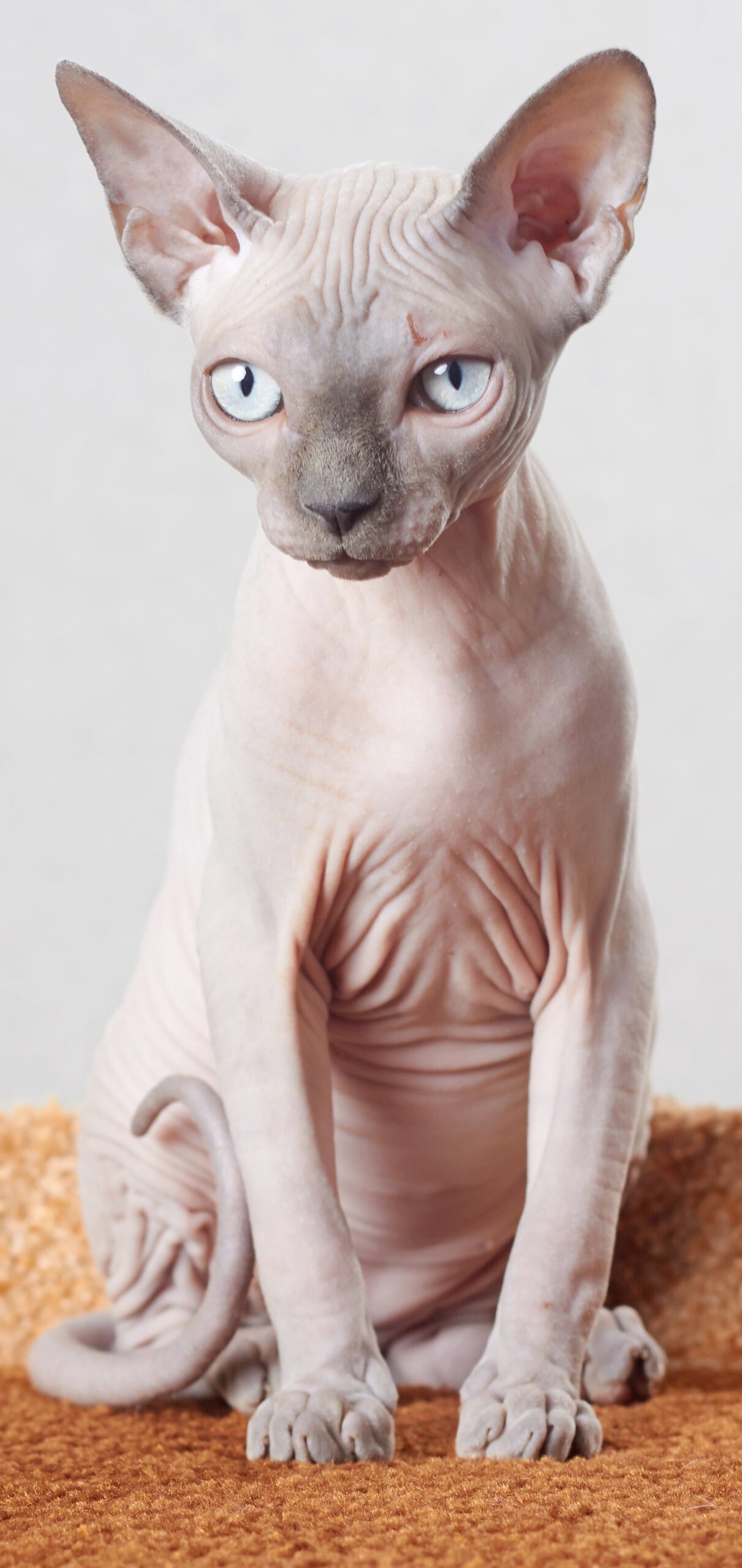
Sphynx cats captivate attention with their wrinkled skin and apparent hairlessness, despite not being completely bald as many believe. These enigmatic felines, often described as “naked cats,” actually have a fine layer of down that feels like warm suede to the touch.
Although their alien-like appearance might suggest otherwise, the Sphynx cat temperament is remarkably affectionate and people-oriented. These social creatures demand attention and exhibit unique hairless cat care needs that prospective owners should understand. Furthermore, their muscular build and surprising sphynx cat weight (typically 6-12 pounds) contradict the delicate impression they might initially give. With proper care, the sphynx cat lifespan can extend to 13-15 years, making them wonderful long-term companions.
This comprehensive guide explores everything from the breed’s unexpected origins to their distinctive sphynx cat behavior and specialized care requirements. Whether you’re considering adding one of these charming hairless companions to your family or simply curious about this remarkable breed, you’ll discover the fascinating truth behind these mysterious cats.
The Origins of the Sphynx Cat
Unlike most ancient breeds, the Sphynx cat emerged recently through natural genetic mutations. The contemporary Sphynx breed developed through two separate lines of naturally occurring hairless cats discovered in North America in the mid-20th century .
The Toronto kitten: Prune and the 1966 mutation
The Sphynx story begins in Toronto, Canada in 1966, when a domestic shorthair cat named Elizabeth unexpectedly gave birth to a hairless male kitten called Prune . This peculiar kitten represented a spontaneous genetic mutation . Ridyadh Bawa, a science graduate from the University of Toronto, purchased Prune and began working with his mother Yania (an experienced Siamese breeder) and the Tenhoves family to develop what they initially called “Moonstones” and “Canadian Hairless” .
This pioneering team became the first to determine that the hairlessness was caused by an autosomal recessive gene, allowing them to establish a foundation for breeding . Unfortunately, these early breeding efforts faced significant challenges due to health and fertility issues stemming from the limited gene pool . Consequently, by 1971, the Cat Fanciers’ Association revoked the breed’s status, and this initial attempt at creating a Sphynx breed was temporarily abandoned .
Minnesota barn cats: Epidermis and Dermis
The modern Sphynx lineage got a second chance in the mid-1970s at the farm of Milt and Ethelyn Pearson in Wadena, Minnesota. The Pearsons noticed hairless kittens appearing among their domestic shorthair barn cats . In 1975, a stray cat named Jezabelle produced a hairless female kitten called Epidermis, followed by another hairless kitten named Dermis in 1976 .
These two special kittens were sold to Oregon breeder Kim Mueske and became crucial foundation cats for the Sphynx breeding program . Meanwhile, another breeder named Georgiana Gattenby of Brainerd, Minnesota, also worked with the Pearson line of cats, incorporating Cornish Rex cats into her breeding program .
In addition to the Minnesota cats, two more hairless kittens named Punkie and Paloma emerged in Toronto around 1978 . Shirley Smith discovered these hairless cats on the streets of her Toronto neighborhood and sent them to Dr. Hugo Hernandez in the Netherlands . It remains unclear if these cats were related to Elizabeth or Prune from 12 years earlier .
Crossbreeding with Devon Rex and other breeds
To establish a healthier Sphynx breed with a broader genetic foundation, breeders strategically crossed these hairless cats with other breeds. In 1983, Dr. Hernandez bred Punkie and Paloma to a white Devon Rex named Curare van Jetrophin .
The Devon Rex breed played a particularly significant role in Sphynx development. Early breeders recognized that crossing with Devon Rex cats could help stabilize the hairless trait while expanding the gene pool . DNA analysis in 2010 confirmed what breeders had suspected—the Sphynx hairlessness and Devon Rex’s short curly coat were produced by different alleles of the same gene (KRT71) .
Research showed that the Sphynx mutation represents a complete loss-of-function allele where the hair structure is seriously compromised—hair is produced but easily dislodges due to poorly formed bulbs . Interestingly, the nearly hairless coat of Sphynx is recessive to normal coat, but dominates the curly coat of the Devon Rex breed .
Beyond Devon Rex, breeders also incorporated American Shorthair and Domestic Shorthair breeds to strengthen the gene pool . These crossbreedings proved successful, leading to the Sphynx breed we recognize today. As the breed stabilized, breed standards evolved—notably, the Cat Fanciers’ Association plans to require all Sphynx kittens born after December 31, 2023, to have only Sphynx parents to be considered purebred .
Breed Standards and Physical Traits
Breed standards define the Sphynx cat through distinctive physical characteristics that set this unique feline apart from other breeds. Their appearance has been carefully standardized by cat registries, with specific criteria for physical traits that showcase their extraordinary form.
Wedge-shaped head and large ears
The Sphynx cat features a modified wedge-shaped head that is slightly longer than wide, giving it a distinctive facial profile . This triangular shape includes prominent cheekbones and a distinctive whisker break . Specifically, the muzzle has a squared appearance created by noticeable whisker pads . The skull itself is slightly rounded with a flat plane in front of the ears and a straight nose with a slight to moderate palpable stop at the bridge .
Perhaps most striking about the Sphynx’s appearance are their extraordinarily large ears. Breed standards describe them as “large to very large” , typically standing 3-4 inches in height . These ears feature a broad base and are open and upright rather than folded . When viewed from the front, the outer base of each ear should begin at eye level—neither sitting too low nor perched on top of the head . Moreover, the interior of these prominent ears naturally lacks furnishing (hair), though the lower outside edges may have a slight amount of fine hair .
Lemon-shaped eyes and muscular build
Among the Sphynx cat’s most captivating features are their distinctively shaped eyes. Official standards describe them as “large, lemon-shaped, with wide-open center while coming to a definite point on each side” . This unique shape gives them an alert, expressive appearance. The eyes should be set at a slight upward angle, aligning with the outer base of the ear . Equally important, they must be positioned wide apart, with the distance between them being at minimum one eye width .
Regarding eye color, the Sphynx shows remarkable variety. Since no points are assigned to eye color in breed standards, all colors are accepted . The only requirement is that the eye color should harmoniously complement the cat’s coat/skin color .
The Sphynx’s body defies its seemingly delicate appearance with a surprisingly sturdy, muscular build. These cats are medium-sized with medium boning , yet they carry unexpected weight for their size . Their body is characterized by a medium-length torso featuring a broad, rounded chest and a full, round abdomen that sometimes gives the appearance of a “pot belly” .
A distinctive aspect of their structure is the back line, which rises just behind the shoulder blades to accommodate longer back legs when standing . The rump is well-rounded and muscular , coupled with a medium-length neck that is rounded, well-muscled, and slightly arched . Adult males typically display heavier musculature than females .
Skin texture and color variations
The hallmark characteristic of the Sphynx is their apparent hairlessness, though this is somewhat misleading. Despite appearing hairless, most Sphynx cats have a fine layer of down that gives their skin a distinctive texture. This texture has been compared to:
- Chamois leather
- Warm peach
- Smooth nectarine
- Suede
Short, fine hair may be present on specific areas, including the feet, outer edges of the ears, the tail, and the scrotum . The bridge of the nose should be normally coated . For the remainder of the body, the coat can range from completely hairless to a covering of soft peach-like fuzz . This unique skin/coat creates a feeling of resistance when stroking the cat .
Wrinkled skin is considered desirable in the breed standard, especially around the muzzle, between the ears, and around the shoulders . Sphynx kittens typically have very wrinkled skin, and adults should retain as many of these wrinkles as possible without affecting normal function .
Regarding coloration, Sphynx cats display the same wide variety of colors and patterns found in furred cats. Their skin shows whatever color and pattern their fur would be if they had a full coat . These include solid colors, tabby patterns, tortoiseshell, pointed, calico, and bicolor variations . Color and pattern can sometimes be difficult to distinguish , as they appear in the pigmentation of the skin rather than in fur.
Genetics Behind the Hairlessness
Behind the mysterious appearance of Sphynx cats lies a fascinating genetic story. At the molecular level, their distinctive nearly hairless appearance stems from specific DNA mutations that affect how hair grows and attaches to the skin. Understanding these genetic mechanisms helps explain not just their appearance, but additionally their unique care requirements.
The KRT71 gene mutation
The hallmark characteristic of Sphynx cats—their apparent hairlessness—results from a mutation in the KRT71 gene (Keratin 71). This gene normally produces a protein essential for proper hair follicle formation and hair structure . The specific mutation identified in Sphynx cats is a single nucleotide polymorphism (SNP) that alters a critical splice site in the gene .
This genetic alteration, commonly called the hr (hairless) allele, fundamentally changes how hair develops . Instead of producing normal, sturdy hairs with well-formed bulbs that anchor securely to the skin, the mutation creates structurally compromised hairs . As a result, whatever hair does grow lacks a properly developed bulb, making it extremely fragile and easily dislodged . This explains why Sphynx cats appear nearly hairless—they do produce hair, however it falls out readily because it cannot remain anchored to the skin .
Scientific analysis through direct DNA sequencing confirmed that this mutation causes a “complete loss-of-function” in the KRT71 gene . Practically speaking, this means that even as hair follicles attempt to produce hair, the structural integrity is so compromised that visible hairlessness results .
Difference from other hairless breeds
Interestingly, the Sphynx is not the only hairless cat breed, yet each hairless breed achieves its distinctive appearance through different genetic pathways. The Don Sphynx and Peterbald breeds, for instance, have standards that differ from the Sphynx, as they carry entirely different genetic mutations responsible for their hairlessness .
Most notably, the Devon Rex breed shares a connection with the Sphynx through mutations in the same KRT71 gene, yet with distinctly different results. The Devon Rex mutation (called the re allele) affects the same gene but produces cats with short, curly coats rather than hairlessness . DNA analysis in 2010 confirmed a fascinating relationship between these mutations—the Sphynx hairlessness and Devon Rex’s curly coat are produced by different alleles of the identical gene .
Scientists have proposed an allelic series for the KRT71 gene: KRT71+ > KRT71hr > KRT71re . In this hierarchy, the normal allele (KRT71+) is dominant to both mutations, followed by the Sphynx mutation (hr), which is dominant to the Devon Rex allele (re) .
Inheritance patterns and breeding challenges
The hairless trait in Sphynx cats follows an autosomal recessive inheritance pattern . For a kitten to exhibit the hairless phenotype, it must inherit two copies of the hr mutation—one from each parent . Cats with just one copy (heterozygotes) will have normal coats but carry the mutation, potentially passing it to offspring .
This recessive inheritance creates several breeding considerations:
- Two hairless Sphynx cats bred together will consistently produce hairless kittens only if both are homozygous for the hr mutation .
- Some Sphynx cats are actually compound heterozygotes, carrying both the Sphynx mutation and the Devon Rex mutation . When bred, these cats may not produce offspring with the expected hairless appearance .
- Testing is essential for breeders to determine which cats carry which mutations . Without genetic testing, a Sphynx carrying the Devon Rex mutation might not breed true for the hairless phenotype .
As a result of these genetic complications, ethical breeding practices necessitate careful selection and genetic testing. The Governing Council of the Cat Fancy specifically warns that “No Sphynx with ancestry from any other hairless breed or non-pedigree hairless cat should ever be bred from because of the risk of genetic [issues]” .
Despite appearing completely hairless, many Sphynx cats actually have a fine, downy layer of fuzz on their bodies, typically on the nose, tail, and paws—a direct manifestation of their unique genetics . This genetic reality furthermore explains why Sphynx cats have higher body temperatures and seek warmth more often than other breeds .
Personality and Behavior
Beyond their unusual appearance, the true magic of Sphynx cats lies in their extraordinary personalities that often surprise first-time owners. These hairless felines possess temperaments that stand in stark contrast to the stereotypical aloof cat, making them unique companions among domestic cat breeds.
Affectionate and social nature
The Sphynx breed is renowned for its exceptionally affectionate disposition. Frequently described as “velcro cats,” they follow their humans everywhere, seeking constant companionship . These cats form profound bonds with their owners, displaying a level of attachment that exceeds many other feline breeds.
Sphynx cats genuinely crave physical contact and warmth. They’ll eagerly jump into your lap, perch on your shoulder, or snuggle under blankets with you . This cuddle-seeking behavior serves both emotional and practical purposes—their lack of fur means they naturally gravitate toward warm spots . Their need for companionship runs so deep that they don’t do well when left alone for extended periods .
What truly sets the Sphynx apart is their active pursuit of attention. Unlike cats that maintain independence, these hairless companions will deliberately seek interaction, sometimes getting directly in your face if they feel ignored . Their affectionate nature isn’t limited to passive receiving—they actively give love through purring, kneading, and following their favorite humans throughout the day .
Dog-like traits and vocal tendencies
Perhaps most fascinating about the Sphynx temperament is how often owners compare them to dogs rather than typical cats. Their dog-like loyalty manifests in several distinctive ways:
- Greeting owners at the door when they return home
- Following humans from room to room
- Enjoying games of fetch
- Forming deep, loyal bonds with their families
One breeder aptly described them as “part dog, part cat, part monkey, and part human” . This unique behavioral blend makes them highly interactive companions who enthusiastically participate in household activities.
The Sphynx is additionally known for being quite vocal. While not described as extremely talkative compared to breeds like Siamese, they definitely communicate their needs through a range of expressive sounds . Their vocalizations span from soft purring to more insistent meows when seeking attention . This communication style further enhances their interactive nature—they’ll “chat” with you throughout the day about their desires and observations .
Compatibility with children and pets
The social adaptability of Sphynx cats makes them excellent companions in diverse household settings. Their gentle, tolerant nature typically translates to positive interactions with children . Their playful energy level provides entertainment for kids, yet they generally possess enough patience to handle younger family members’ attention appropriately .
Sphynx cats demonstrate remarkable compatibility with other animals as well. Their naturally curious and friendly demeanor helps them adjust to multi-pet households . Many owners report that their Sphynx cats actively seek companionship from other pets—even curling up with dogs for warmth and comfort .
Their acceptance of strangers further demonstrates their sociable nature. Unlike many cats that hide when visitors arrive, the typical Sphynx will investigate new people with genuine curiosity . This outgoing quality makes them particularly suitable for households with frequent guests or changing dynamics.
For potential owners considering a Sphynx cat, understanding these distinctive behavioral traits is just as important as recognizing their specialized physical care requirements. Their extraordinary social needs mean they thrive best in environments where they receive abundant attention, interaction, and companionship.
Care and Grooming Needs
The distinctive physical characteristics of Sphynx cats necessitate specialized grooming routines quite different from those of furry felines. Without fur to absorb natural oils and protect their skin, these unique companions require diligent care to keep them healthy and comfortable.
Weekly bathing and skin cleaning
Sphynx cats accumulate oils on their skin that would normally be absorbed by fur in other breeds. Without regular cleaning, this buildup can lead to greasy residue, clogged pores, and potential skin infections.
According to most experts, Sphynx cats should be bathed approximately once a week, though some cats may need baths every 7-10 days depending on their individual oil production. In contrast, some sources suggest bathing every 4-6 weeks may be sufficient for certain individuals. Over-bathing can strip away essential oils, while under-bathing allows excessive buildup. The key is monitoring your cat’s skin condition and adjusting accordingly.
For effective bathing:
- Use lukewarm water (never hot or cold as Sphynx cats are temperature sensitive)
- Choose a gentle, cat-specific shampoo free of harsh chemicals and fragrances
- Pay special attention to skin folds and wrinkles where oil collects
- Rinse thoroughly to remove all shampoo residue
- Dry completely with a soft towel to prevent chilling
Between full baths, unscented pet wipes or a damp cloth can help remove surface oils, particularly in skin folds. This maintenance cleaning helps prevent the “sticky” feeling that characterizes an unwashed Sphynx.
Ear wax and nail maintenance
Sphynx cats produce substantially more earwax than furry breeds since they lack the protective hair that normally prevents debris from entering the ear canal. Without weekly ear checks and regular cleaning, this wax can accumulate and potentially lead to infections.
For proper ear care, inspect your Sphynx’s ears weekly for buildup. Clean the outer ear using a cotton pad (never cotton swabs) moistened with a veterinarian-approved ear cleaner. Watch for signs of infection such as redness, swelling, or unusual odor, which warrant immediate veterinary attention.
Nail care is equally important for Sphynx cats. Their claws require trimming every 1-2 weeks, primarily because without fur as a barrier, long nails can accidentally scratch their sensitive skin, potentially creating wounds that might become infected. Additionally, dirt and oil tend to collect around their nail beds more easily than in furry cats.
When trimming, use cat-specific nail clippers and avoid cutting too close to the quick (the pink area inside the nail). After trimming, clean around the nail beds with a damp cloth to remove any oil or debris buildup.
Clothing and sun protection
The hairless nature of Sphynx cats makes them particularly vulnerable to temperature extremes. During colder months or in air-conditioned environments, they often need extra warmth. Soft, breathable cat clothing made from gentle fabrics can help maintain body temperature without irritating their sensitive skin. Remember that these clothes will absorb skin oils and require frequent washing.
Sun protection presents a more complex challenge. Sphynx cats can easily develop sunburn and hyperpigmentation from UV exposure. Nevertheless, commercial pet sunscreens must be used with extreme caution, as cats inevitably lick their skin and may ingest harmful chemicals. Even products marketed as “pet-safe” may cause stomach upset.
Essentially, the safest approach is limiting sun exposure altogether. For outdoor time, provide shaded areas and consider:
- UV-protective window films for indoor sunbathing spots
- Supervised, limited outdoor time (avoiding peak sun hours between 10 AM and 4 PM)
- Lightweight UV-protective clothing designed specifically for cats
- Pet-safe tents for outdoor shade
First thing to remember is that despite marketing claims, no sun protection method is foolproof for Sphynx cats. Even with protective clothing, you cannot cover every inch of skin, and overheating remains a serious risk during hot weather.
Common Health Concerns
While Sphynx cats often enjoy good health, their unique genetic makeup predisposes them to several specific medical conditions that prospective owners should understand. Regular veterinary monitoring plays a crucial role in maintaining the typical 13-15 year sphynx cat lifespan.
Hypertrophic cardiomyopathy (HCM)
HCM stands as the most common heart disease affecting Sphynx cats, causing abnormal thickening of the heart muscle that compromises cardiac output. A New Zealand study found approximately 21.8% of Sphynx cats developed HCM, with affected cats averaging 5.3 years of age versus 3.3 years for cats with normal hearts . The condition varies significantly in onset—many cats develop HCM between 2-3 years old, yet others may not show signs until 8-10 years of age .
A genetic mutation in the ALMS1 gene has been identified in approximately 60% of affected Sphynx . Cats with heart murmurs deserve particular attention, as 66.7% of HCM-diagnosed Sphynx exhibit murmurs compared to just 9.3% of cats with normal hearts .
Symptoms may be absent initially but progress to include:
- Labored breathing
- Decreased activity levels
- Loss of appetite
- Potential sudden collapse
Prevention focuses on genetic testing of breeding stock and annual echocardiogram evaluations beginning at 1-2 years of age .
Congenital myasthenic syndrome (CMS)
Formerly called spasticity or muscular dystrophy, CMS causes generalized muscle weakness in Sphynx cats. This inherited condition results from a mutation in the COLQ gene . Signs typically emerge between 3 to 23 weeks of age and include:
- Head bobbing and inability to hold the head steady
- Ventroflexion of the head and neck
- High-stepping forelimb gait
- Progressive dorsal protrusion of the shoulder blades
- Difficulty swallowing, which can lead to choking
Most notably, affected cats frequently adopt a characteristic “chipmunk” position with their front legs resting on objects for support . The condition follows an autosomal recessive inheritance pattern, meaning cats need two copies of the mutation to show symptoms .
Skin infections and dental issues
Without protective fur, Sphynx cats face unique skin challenges. Their skin produces oils that would normally be absorbed by fur, making them prone to:
- Oil buildup leading to acne, especially around the chin and tail
- Yeast infections in skin folds, manifesting as redness, itchiness, and strong odor
- Bacterial infections if the skin becomes cut or irritated
Dental disease likewise presents a significant concern. Sphynx cats show particular susceptibility to gingivitis and periodontal disease . Warning signs include bad breath, swollen or bleeding gums, difficulty eating, and excessive drooling .
Most importantly, regular dental care—including brushing your cat’s teeth 2-3 times weekly and annual professional cleanings—can prevent serious complications that potentially affect the heart, kidneys, and liver .
Living Environment and Lifestyle
Creating the ideal habitat for a Sphynx cat involves understanding their unique environmental needs. These hairless companions require specialized living conditions to thrive and remain healthy throughout their lives.
Indoor-only recommendations
Sphynx cats should be strictly indoor-only pets. Their lack of protective fur makes them extremely vulnerable to both cold temperatures and sunburn. Indeed, veterinary experts emphasize that their hairless bodies cannot withstand outdoor hazards like rough surfaces, temperature fluctuations, and UV exposure. Even supervised outdoor time should be limited and carefully managed to prevent health complications.
For those who wish to give their Sphynx some outdoor experience, consider using a secure, mesh-sided cat tent in shaded areas or training them to walk on a harness during mild weather conditions. Always remain vigilant about sun exposure, as these cats can burn quickly, even on moderately sunny days.
Need for warmth and cozy spaces
Given their hairless nature, Sphynx cats are natural heat-seekers who thrive in warmer environments. The ideal temperature range for these sensitive felines falls between 70°F to 80°F (21°C to 27°C). At these temperatures, they can maintain comfortable body heat without feeling chilled or overheated.
To create a cozy habitat:
- Provide multiple soft, washable bedding options throughout your home
- Invest in heated pet beds specifically designed for cats
- Create draft-free resting spots away from windows and doors
- Place beds in sunny windows (with UV-filtering screens for safety)
- Offer blankets for burrowing, as many Sphynx cats love to tunnel under covers
You’ll often find these warmth-loving companions curled up on heat vents, laptops, or even under your blankets seeking body heat. Their heat-seeking behavior isn’t just preference—it’s a physical necessity for maintaining body temperature.
Mental stimulation and playtime
In addition to physical comfort, Sphynx cats require substantial mental enrichment. Their intelligent, energetic nature demands daily play sessions to prevent boredom and maintain optimal physical condition. Without adequate stimulation, they may develop problematic behaviors stemming from pent-up energy.
Effective mental engagement includes interactive toys like feather wands, puzzle feeders, and laser pointers. Many Sphynx cats exhibit dog-like play behaviors, including playing fetch and learning simple tricks. Vertical spaces such as cat trees and wall perches satisfy their natural climbing instincts while providing exercise opportunities.
For best results, establish a consistent play routine with at least 15-20 minutes of active engagement twice daily. This schedule helps manage their energy levels and creates predictability in their environment, contributing to their overall well-being.
Diet and Nutritional Needs
The unique physiology of Sphynx cats necessitates a specialized diet that supports their distinctive metabolic requirements. Their hairless bodies work overtime to maintain temperature, creating nutritional demands unlike those of their furry counterparts.
High-calorie, protein-rich food
Sphynx cats require approximately 20-30% more calories than other breeds due to their higher metabolism and need to regulate body temperature . Their diet should consist of 35-40% high-quality protein , primarily from animal sources like chicken, turkey, or fish . Quality matters—protein sources with protein/phosphorus ratios above 35 (such as fish, eggs, and offal) are ideal, whereas those below 25 (cereals, carcasses) should be avoided .
Quality fats are equally essential, as they provide energy and support skin health. For optimal nutrition, Sphynx cats should consume at least 10% lipids (on dry matter basis) , with particular attention to omega-3 and omega-6 fatty acids that maintain skin elasticity and reduce inflammation .
Feeding frequency and portion control
Given their rapid metabolism, Sphynx cats benefit from structured feeding schedules based on age:
- Kittens (under 12 months): 3-4 small meals daily to fuel development
- Adults: 2-3 meals daily to maintain energy levels
- Seniors (7+ years): 2 smaller meals with adjusted nutrition for aging needs
Adult Sphynx typically need 25-35 calories per pound daily, approximately 240-320 calories for an average 8-10 pound cat .
Supplements for skin and heart health
Supplementation often proves beneficial, particularly for skin and cardiac function. Omega fatty acids (from fish, krill, or flaxseed oil) help maintain skin elasticity and reduce inflammation . For heart health, taurine supports cardiac muscle function, particularly important given the breed’s susceptibility to hypertrophic cardiomyopathy .
Additional beneficial supplements include probiotics for digestive support , CoQ10, L-carnitine, and antioxidants like vitamins E and C . Always discuss supplementation with your veterinarian before starting any regimen.
Conclusion
Sphynx cats certainly stand out among feline companions with their distinctive appearance and extraordinary personality. These remarkable cats shatter the myth that cats are naturally aloof, instead offering dog-like affection and constant companionship. Their wrinkled, warm skin requires dedicated care through regular bathing, ear cleaning, and temperature management—undoubtedly more maintenance than furry breeds demand.
First-time Sphynx owners should recognize the commitment involved. These social creatures thrive on interaction and suffer when left alone for extended periods. Additionally, their specialized diet, indoor-only lifestyle, and susceptibility to certain health conditions necessitate careful attention and regular veterinary monitoring.
Despite these considerations, Sphynx cats reward their owners with unparalleled devotion. Their playful antics, warm cuddles, and expressive communication create a unique bond unlike any other cat breed. Though initially striking for their unusual appearance, most Sphynx enthusiasts ultimately fall in love with their affectionate nature and vibrant personalities.
The Sphynx represents a fascinating genetic story and a testament to how selective breeding can preserve desirable traits while addressing health challenges. Prospective owners who understand both the joys and responsibilities of Sphynx ownership will find these “naked cats” make extraordinary, loving companions for many years. Before welcoming one into your home, evaluate whether you can provide the specialized care, warmth, and abundant attention these special felines need to truly flourish.