
Russian Blue Cat
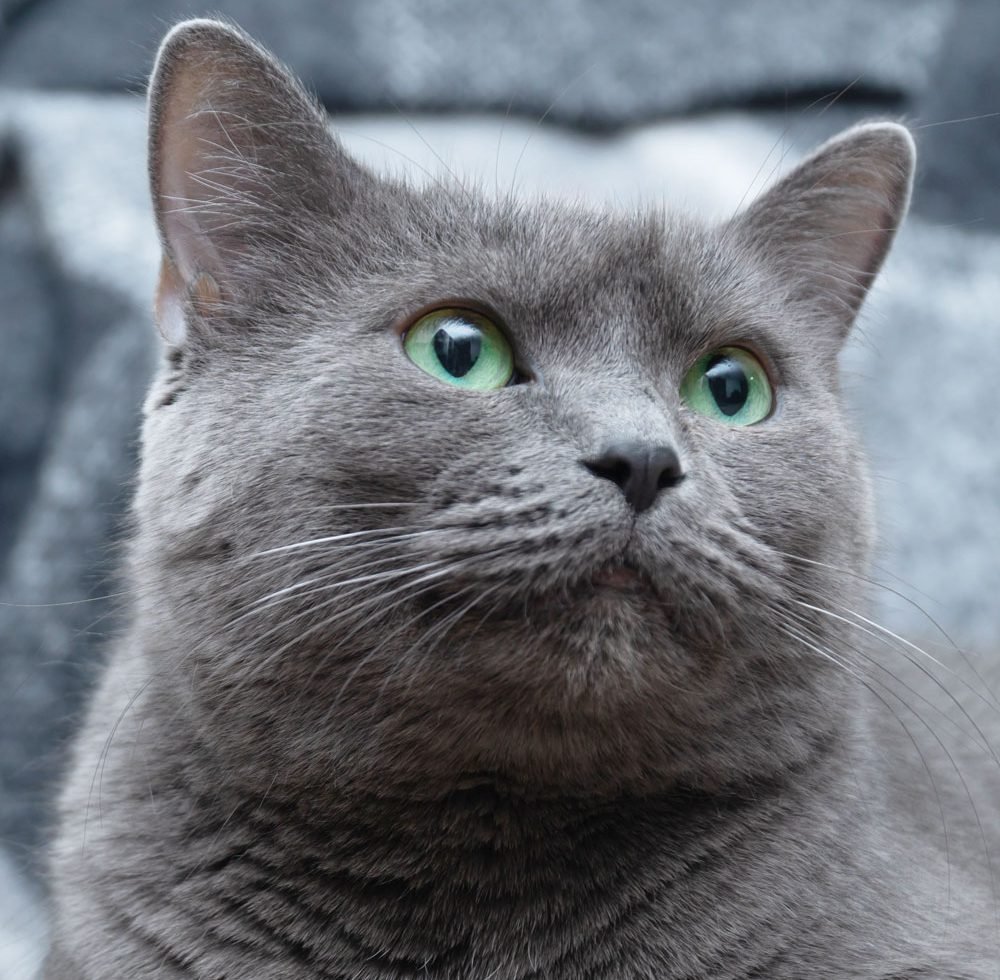
Russian Blue cats captivate owners with their striking silver-blue coats and emerald green eyes, earning them a place among the most visually stunning feline breeds worldwide. Despite their regal appearance, these cats possess a gentle temperament that makes them ideal companions for quiet households.
Known for their loyal yet independent Russian Blue cat personality, these felines form deep bonds with their owners while still respecting personal space. The Russian Blue cat lifespan typically ranges from 15-20 years, making them long-term family members. Their distinctive Russian Blue cat characteristics include a muscular body, triangular-shaped head, and plush double coat. Although the average Russian Blue cat weight falls between 7-12 pounds, their dense fur often makes them appear larger. Furthermore, their balanced Russian Blue cat temperament—intelligent, playful but not hyperactive—suits various living situations.
In this comprehensive guide, we’ll explore everything you need to know about bringing a Russian Blue into your home. From their fascinating royal history to practical advice on care, feeding, and training, you’ll discover why these magnificent felines make exceptional companions for the right owner. Additionally, we’ll provide guidance on finding a healthy Russian Blue through responsible channels, ensuring you start your journey with this remarkable breed on the right paw.
Breed Snapshot: What Makes the Russian Blue Unique
The Russian Blue stands out as a study in elegant contrasts – appearing robust yet gracefully fine-boned, unassuming yet utterly distinctive in the cat world. These felines possess a unique combination of features that set them apart from even their closest blue-coated cousins.
Size, weight, and physical traits
Russian Blues boast a medium-sized frame that conceals remarkable strength beneath their refined exterior. These cats typically weigh between 7–12 pounds when fully grown, with males generally larger than their female counterparts . From nose to tail, they can measure up to 24 inches in length and stand approximately 10 inches tall .
What makes the Russian Blue’s physique remarkable is how their dense fur often creates an optical illusion. Their thick coat frequently hides their neck and shoulders, giving the impression of a more robust frame than their actually slender, muscular body . This contrast between appearance and reality extends to their strength – beneath that elegant exterior lies considerable muscle and agility.
The breed features a distinctive triangular-shaped head with a broad forehead and straight nose . Their wedge-shaped face gives them a perpetual “smiling” expression that many owners find irresistible . Russian Blues possess rather large, wide-set ears that sit more on the sides than on top of the head . Their long, fine legs enable them to run at impressive speeds , ending in small, slightly rounded paws .
Coat color and texture
The Russian Blue’s most defining feature is unquestionably their luxurious coat. These cats come in varying shades of bluish-gray, ranging from light silver to deep slate, though lighter shades are generally preferred in show circles . The coat’s true magic lies in its distinctive silvery tips, which create a shimmering, lustrous appearance as the cat moves .
Notably, this breed possesses what’s called a “double coat” – a unique two-layered fur structure that contributes to their plush appearance. The undercoat consists of soft, downy fur equal in length to the guard hairs of the outer coat . This dense structure causes their fur to stand away from the body, creating a plush, thick appearance . The texture feels remarkably soft – often described as “softer than the softest silk” .
Beyond its esthetic qualities, this dense double coat serves a practical purpose, providing excellent insulation against cold weather . Remarkably, the fur is also relatively low-maintenance, requiring minimal grooming and shedding very little naturally .
Eye color transformation
Perhaps the most fascinating aspect of the Russian Blue’s appearance is the dramatic transformation their eyes undergo. Like all kittens, Russian Blues are born with blue eyes . However, over their first year, these eyes undergo a remarkable metamorphosis.
Around four months of age, the transformation begins as green color emerges from the outer edges of the iris, gradually working inward . During this transition period, owners might notice their kitten’s eyes passing through various stages, including a yellowish or “muddy” green phase . The eyes shift from blue to golden yellow, developing a green ring around four months, before fully transforming into their signature vivid green by their first birthday .
This eye color evolution is governed by specific genetic factors, primarily involving the MCOP and CEP290 genes . These genes control iris pigmentation, with a particular mutation in the MCOP gene resulting in reduced iris pigmentation that creates the breed’s signature emerald hue .
For show-quality Russian Blues, these vivid green eyes are crucial – accounting for up to 10 points in show scoring . The contrast between their bright green eyes, blue-gray coat, and pinkish lavender paw pads completes the distinctive appearance that has made Russian Blues one of the most visually striking cat breeds.
Personality Traits of the Russian Blue
Behind those emerald eyes and silvery coat lies a complex personality that makes the Russian Blue cat truly special. These felines combine seemingly contradictory traits into a harmonious character that cat enthusiasts find irresistible.
Affectionate but independent
Russian Blues masterfully balance affection with self-sufficiency. Unlike clingy breeds, these elegant felines express their love in more subtle ways. They’ll often demonstrate affection through gentle head nudges against your legs or by quietly sitting nearby while you relax . Their sweetness becomes apparent once they’ve established trust, yet they never become overwhelming in their demands for attention.
One of the most remarkable qualities of Russian Blues is their intelligence and adaptability. They can happily entertain themselves during your absence , yet eagerly engage in interactive play sessions when you’re available. Many owners report that their Russian Blues enjoy games of fetch – a testament to both their playfulness and intelligence .
These cats thrive on routine and predictability. Their internal clocks are so precise that some Russian Blues even serve as living alarm clocks, consistently waking their owners at the same time each morning to ensure they don’t miss breakfast . Consequently, they may become vocal or anxious when established routines are disrupted .
Despite their independent streak, Russian Blues maintain a gentle presence in your daily life. They’re perfectly content observing their surroundings from a comfortable perch, offering quiet companionship without constant demands for interaction .
Shy around strangers
Perhaps the most defining social trait of Russian Blues is their reserved nature around people they don’t know. First-time visitors shouldn’t expect an enthusiastic greeting – these cautious felines typically retreat to secure hiding spots when unfamiliar people enter their domain . This behavior stems from their sensitive temperament rather than unfriendliness.
Russian Blues are easily startled by loud noises and sudden movements . This sensitivity makes them best suited for calm, peaceful households where they can feel completely secure . Their natural wariness extends to:
- Noisy social gatherings
- Unfamiliar pets
- Energetic, unpredictable children
- Chaotic environments
When stressed by these situations, a Russian Blue will likely disappear until normalcy returns . Nevertheless, this doesn’t mean they can’t adapt to families with children or other pets. In fact, Russian Blues generally show tolerance toward gentle children and cat-friendly pets – they simply prefer when interactions occur on their terms.
For potential owners, understanding this natural reservation prevents misinterpreting their behavior as aloofness or unfriendliness. Given time and space, Russian Blues gradually warm up to regular visitors, though they may never become social butterflies around strangers .
Loyal to one person
The most endearing quality of the Russian Blue is undoubtedly their capacity for forming profound bonds with their chosen person. While these cats may be cordial with everyone in the household, they typically select one individual as their special human . This special relationship manifests in uniquely devoted behaviors.
Once a Russian Blue decides you’re their person, expect a faithful feline shadow. They’ll follow you from room to room , greet you at the door when you return home , and position themselves nearby wherever you settle . This devotion isn’t coincidental – Russian Blues deliberately choose their favorite person based on mutual trust and compatibility.
Earning this trust requires patience, as Russian Blues carefully evaluate potential companions before offering their full affection . Yet once that trust forms, their loyalty becomes unwavering – these cats form lifelong bonds with their chosen humans .
Perhaps most remarkably, Russian Blues possess an almost uncanny emotional sensitivity. They can detect their owner’s moods and respond accordingly, sometimes offering comfort during difficult moments . This emotional intelligence creates a meaningful connection that extends beyond typical pet-owner relationships.
For individuals seeking a meaningful, long-term bond with a feline companion, the Russian Blue offers something truly special – a quiet, loyal presence that enriches your life without demanding constant attention.
A Glimpse Into Their Royal Past
The mysterious history of the Russian Blue cat stretches back through centuries of folklore and maritime tales. Their journey from humble beginnings to worldwide recognition reveals a fascinating story of adaptation, royal connections, and global admiration.
Origins in Archangel, Russia
The Russian Blue’s story begins in the frigid northern reaches of Russia, specifically the port town of Arkhangelsk (meaning “Archangel”) . This harsh, cold environment played a crucial role in the evolution of their most distinctive feature—that thick, double-layered coat originally developed to protect them against brutal winter winds . Their natural adaptation to this severe climate resulted in a uniquely insulated coat that would later become one of their most prized characteristics.
Curiously, these cats weren’t initially bred by humans but instead represent a naturally occurring landrace . Originally known simply as “Archangel Cats,” their first documented reference in British print appears as early as 1862 . Throughout their early history, these resourceful felines served practical purposes beyond mere companionship—sailors valued them for keeping ships free of rodents during long voyages .
Association with Russian czars
Beyond their practical value as mousers, the Russian Blue held special status among Russia’s elite. Throughout Russian history, these cats were far more than ordinary housepets—they symbolized prosperity and elegance . Wealthy families and nobility particularly favored them as cherished companions .
According to various accounts, the Russian Blue may have descended directly from the cats kept by Russian czars themselves . These aristocratic felines reportedly resided in royal palaces, where they were appreciated not only for their striking appearance but also for their dignified, quiet temperament . This royal connection enhanced their reputation and contributed to their mystique.
Even today, the Russian Blue’s dignified bearing and reserved mannerisms seem to reflect this noble heritage. Their tendency to bond deeply with one person while maintaining a certain elegant independence might be viewed as an echo of their aristocratic past.
Introduction to Europe and the U.S.
The Russian Blue’s journey beyond Russian borders began in earnest during the mid-1800s . Sailors from the Arkhangelsk region, traveling between Russia and other European ports, transported these cats aboard their vessels . This maritime connection established the foundation for the breed’s eventual spread worldwide.
Their formal debut in the Western world occurred in 1875 at London’s Crystal Palace Cat Show, where they were exhibited under their original name: “Archangel Cats” . Initially, these elegant felines struggled to distinguish themselves from British Shorthairs, which shared somewhat similar coloring . Yet their more delicate bone structure, luminous green eyes, and refined demeanor eventually earned them recognition as a distinct breed.
The Russian Blue’s journey to America began in the early 20th century, with official recognition coming in 1912 when they received their own classification separate from other blue cats . Unfortunately, World War II nearly decimated the breed . Determined breeders saved the Russian Blue by crossing them with Siamese and British Blue cats . Subsequently, American breeders combined bloodlines from both Scandinavian and British Russian Blues to create the modern version we know today .
By the 1960s, the Russian Blue had firmly established its popularity, particularly in the United States . The Cat Fanciers’ Association officially accepted the breed for registration in 1949 , marking its formal recognition in the cat fancy world. Today’s Russian Blue—with its silver-tipped coat and emerald eyes—stands as a living connection to this rich historical lineage that spans continents and centuries.
Caring for a Russian Blue at Home
Living with a Russian Blue brings unique joys and responsibilities. These elegant felines require specific care to maintain their stunning appearance and support their distinctive temperament.
Grooming needs and coat care
Russian Blue cats possess a remarkably low-maintenance coat despite its luxurious appearance. Their dense, double-layered fur typically requires just weekly brushing with a soft-bristle brush or grooming mitt to maintain its sleek, shiny condition . This regular brushing helps remove loose hairs and distributes natural oils throughout their coat, keeping it healthy. Moreover, brushing becomes especially important during spring and fall when these cats experience their seasonal shedding .
One advantage of the Russian Blue is that they rarely need baths. Their coat naturally repels dirt and oils, making them largely self-cleaning . If bathing becomes necessary due to unusual circumstances, use a gentle cat-specific shampoo, rinse thoroughly, and dry completely to prevent skin irritation .
Beyond coat care, complete grooming includes regular nail trimming every few weeks , gentle ear cleaning with a cotton ball and vet-approved cleaner , and dental care several times weekly with cat-appropriate toothpaste . Given that Russian Blues can be prone to dental diseases if neglected, maintaining proper oral hygiene is particularly important for their overall health .
Exercise and playtime
Despite their typically calm demeanor, Russian Blues require regular physical and mental stimulation. These intelligent cats benefit from approximately 20-30 minutes of active play daily , which can be divided into shorter sessions throughout the day.
Their playful nature thrives with:
- Interactive toys like feather wands, laser pointers, and battery-operated toys that mimic prey
- Puzzle feeders that engage their problem-solving abilities and natural curiosity
- Climbing structures and multi-level cat trees that satisfy their love of perching and observing
Interestingly, many Russian Blues enjoy playing fetch—a somewhat unusual trait for cats . This simple game not only provides excellent physical exercise but taps into their hunting instincts and creates bonding opportunities . Toss lightweight toys across the room, and your Russian Blue might surprise you by retrieving them.
As a result of their moderate activity needs, Russian Blues can thrive in apartments and smaller living spaces , primarily because they’re content to entertain themselves during your absence .
Creating a calm environment
Russian Blues prefer structure and predictability in their daily lives. These sensitive cats can become anxious or grouchy when routines are disrupted . Therefore, feeding them at consistent times and maintaining regular play and rest schedules helps them feel secure.
They typically appreciate quiet, peaceful surroundings over chaotic, noisy environments . Creating a dedicated retreat space—perhaps a cozy bed in a secluded corner or a quiet room—gives them somewhere to escape when feeling overwhelmed by visitors or household activity .
These cats often select one favored human while maintaining cordial relationships with other household members . They generally get along well with gentle children and other pets but need time to adjust to new people and situations .
For multi-pet households, Russian Blues usually adapt well, but they often prefer being the only cat, especially since they don’t typically get lonely when left alone during the day . Coupled with their independent nature, this makes them excellent companions for working professionals who can’t provide constant attention throughout the day.
Common Health Concerns to Watch For
While Russian Blues are generally robust cats with impressive lifespans, they do face several health challenges that vigilant owners should monitor. Understanding these potential issues can help you take preventative measures, potentially extending your cat’s life by up to two years .
Obesity and weight management
Russian Blues have an infamous love affair with food. Their hearty appetite, combined with their relatively calm temperament, makes them particularly prone to weight gain . Without proper monitoring, this breed can quickly become overweight, leading to a cascade of serious health complications .
The challenge stems from their tendency to overeat and sometimes even beg for additional meals. Many Russian Blues will continue eating as much as you provide , making portion control essential. This food enthusiasm isn’t merely a behavior issue—it’s a significant health concern as obesity ranks as the number one health problem cats face .
Excess weight in Russian Blues increases their risk for numerous serious conditions:
- Diabetes
- Joint problems and decreased mobility
- Cardiovascular issues
- Certain types of cancer
- Hepatic lipidosis (fatty liver disease)
Fortunately, preventing weight gain is straightforward with consistent management. Measuring food portions carefully rather than free-feeding is crucial . Establishing regular feeding times helps regulate their consumption . Additionally, encouraging daily exercise through interactive play sessions maintains muscle tone while burning calories .
Dental disease and hygiene
Oral health represents another critical concern for Russian Blue owners. Between 50-90% of cats over age four suffer from some form of dental disease , making it an almost inevitable challenge without preventative care.
Dental problems typically begin with plaque accumulation, which hardens into tartar. Left unchecked, this leads to gingivitis (gum inflammation), periodontal disease, and potentially tooth resorption—a painful condition where teeth deteriorate from within . Beyond localized discomfort, untreated dental issues can affect internal organs through bacterial spread .
Be vigilant for warning signs including persistent bad breath, red or bleeding gums, difficulty chewing, excessive drooling, or pawing at the mouth . Even subtle changes like food dropping or decreased appetite might indicate dental pain .
Home dental care forms your first line of defense. Daily or weekly tooth brushing using cat-specific toothpaste (never human toothpaste, which contains toxic fluoride) can dramatically reduce plaque buildup . For cats resistant to brushing, dental wipes, specialized treats, or prescription dental diets offer alternatives .
Kidney and thyroid issues
As Russian Blues age, they face increased risk of both kidney disease and thyroid dysfunction. Regarding kidney health, this breed is twice as likely to experience renal failure compared to some other cats . This potentially life-threatening condition affects the kidneys’ ability to filter waste and regulate hydration .
Signs of kidney issues include weight loss, increased thirst, frequent urination, vomiting, lethargy, and a brittle coat . Once diagnosed, kidney damage cannot be reversed, yet it can often be effectively managed through special diets, fluid therapy, and medications to improve quality of life .
Hyperthyroidism primarily affects middle-aged and senior cats, creating a metabolic imbalance where the thyroid gland overproduces hormones . This common condition causes weight loss despite increased appetite, hyperactivity, excessive thirst, and increased urination . If untreated, hyperthyroidism can progress to heart disease, worsening kidney function, and neurological decline .
Early detection through regular veterinary checkups remains vital for managing both conditions. Blood tests can identify these issues before clinical signs become apparent, allowing for earlier intervention .
Feeding Your Russian Blue the Right Way
Proper nutrition forms the cornerstone of Russian Blue health and longevity. These elegant cats have a notorious reputation for their hearty appetites—a characteristic that requires careful management to prevent health complications.
Portion control and feeding schedule
Russian Blues thrive on structure, making consistent feeding times essential for their wellbeing. Free-feeding is never recommended for this breed, as their enthusiastic relationship with food quickly leads to overconsumption. First of all, establish a predictable routine with measured meals at specific times each day.
The feeding schedule should adapt to your cat’s life stage:
- Kittens (under 6 months): Require 3-4 small meals daily, approximately ¼ cup per serving to support their rapid development
- Adults (6 months to 7 years): Benefit from two balanced meals daily, spaced 8-12 hours apart, with portions between ⅓ to ½ cup per meal
- Seniors (7+ years): Often do better with 2-3 smaller meals as their metabolism slows, with portions adjusted downward
Precise portion control based on weight is fundamental. For instance, a Russian Blue weighing 2.3 kg requires approximately 327 calories daily, while one weighing 4.5 kg needs about 541 calories . Carefully measuring food rather than eyeballing portions helps maintain your cat’s ideal Russian Blue cat weight.
Wet vs. dry food
The debate between wet and dry food has particular relevance for Russian Blues. Wet food typically contains around 70% water compared to only 10% in dry kibble . This significant moisture difference makes wet food especially beneficial for preventing urinary tract issues—a concern for this breed.
Beyond hydration, wet food generally contains fewer carbohydrates. While dry food includes starches like corn, rice, and cereals that increase caloric content without adding biological value , wet options typically provide more protein-focused nutrition that aligns with a cat’s natural dietary needs.
Yet dry food offers specific advantages, primarily in dental health. The mild abrasive action during chewing helps reduce plaque buildup. Many veterinarians recommend a balanced approach—perhaps wet food for morning and evening meals with limited dry food during the day .
If your Russian Blue resists wet food, try these transition strategies:
- Warming the food slightly in a microwave
- Mixing small amounts of kibble into wet food
- Adding homemade broth (avoid milk, as most cats are lactose intolerant)
Avoiding overfeeding
Russian Blue cats possess what might kindly be called an enthusiastic approach to mealtime. This breed’s voracious appetite, coupled with a slower metabolism, creates a perfect storm for weight gain. Unfortunately, this tendency toward obesity can potentially reduce their lifespan by two to three years .
Daily weighing sessions help track your cat’s progress, allowing you to adjust portions before minor weight gain becomes problematic . For maximum effectiveness, maintain a food journal documenting exactly what your cat consumes—including treats—to identify patterns.
Regular body condition checks provide another valuable monitoring tool. You should be able to feel but not see your cat’s ribs when running your hands along their sides . If you notice your Russian Blue’s distinctive silhouette becoming less defined, consider reducing portions or increasing activity.
High-quality food makes a substantial difference in maintaining healthy weight. Look for options with named meat sources as primary ingredients rather than fillers or by-products . Protein-rich, low-carbohydrate formulations align better with your Russian Blue’s nutritional needs while promoting satiety with fewer calories.
Training and Mental Stimulation
Intelligence stands as a hallmark trait of Russian Blue cats, making them surprisingly responsive to training efforts. These bright felines can learn commands and tricks when motivated properly, offering mental enrichment beyond basic care.
Litter box and scratching post training
Russian Blues typically take to litter box training naturally thanks to their innate cleanliness. Most will instinctively use a litter box, yet young kittens or newly adopted cats might need gentle guidance . Place the box in a quiet, accessible location—if your home is spacious, consider having multiple boxes, ideally following the “one box per cat plus one extra” rule .
For these fastidious felines, cleanliness is non-negotiable. A Russian Blue will refuse a dirty litter box outright . Daily scooping followed by weekly complete changes ensures continued use . Should accidents occur, clean thoroughly with enzyme-based cleaners to eliminate odors completely .
Regarding scratching behavior, provide posts in strategic locations where your cat already shows interest. Sprinkle catnip on posts to increase appeal . When your Russian Blue scratches furniture, gently redirect them to appropriate posts instead of punishing—punishment creates fear whereas redirection builds positive associations .
Interactive toys and puzzles
Russian Blues possess strong hunting instincts requiring regular mental challenges. These intelligent cats need both physical and mental stimulation through access to various toys . Feathered fishing pole toys perfectly satisfy their predatory nature, though store these away after play as they may shred and consume feathers or string—potentially causing digestive issues .
Other effective options include:
- Puzzle feeders that reward problem-solving with treats
- Laser pointers that mimic prey movements
- Battery-operated toys simulating natural prey
These stimulating toys prevent boredom while supporting your cat’s emotional health. For indoor Russian Blues particularly, toys become essential rather than optional, mimicking natural hunting opportunities .
Routine and consistency
Fundamentally, Russian Blues thrive on predictability and structure. They’re easily unsettled by disruptions to their environment or routine, responding with stress or anxiety . Maintain consistent feeding times, playtimes, and training sessions to build security .
Keep training sessions brief—approximately 5-10 minutes—as cats have short attention spans . Russian Blues respond exceptionally well to positive reinforcement, so use treats, praise, and affection to encourage desired behaviors . Begin with basic commands like “come” or “sit,” gradually increasing difficulty as your cat masters simpler tasks .
These vocal cats will communicate their needs clearly, whether for play, food, or attention . Their persistence ensures their requirements are met, hence engaging them in regular conversation creates a deeper bond between you .
Where to Find a Russian Blue Cat
Finding your ideal Russian Blue companion requires careful consideration of various sources. As you embark on this journey, understanding your options will help ensure you bring home a healthy, well-adjusted cat.
Adoption vs. breeder
Considering adoption first often makes sense both ethically and financially. Adoption fees typically range between ₹8,438 and ₹25,314, which usually covers initial veterinary care including vaccinations, spaying/neutering, and microchipping . Conversely, purchasing from breeders costs substantially more—between ₹67,504 and ₹210,951 depending on bloodline quality and breeder reputation .
Beyond finances, each path offers distinct advantages. Adoption provides a deserving cat a second chance, sometimes bringing home a feline with basic training already completed. Ultimately, purebred Russian Blues occasionally end up in shelters or breed-specific rescues due to family changes, allergies, or owners unprepared for their shy nature .
Purchasing from quality breeders offers predictability regarding temperament, appearance, and health, plus early socialization benefits . On balance, both routes can lead to a wonderful companion if approached thoughtfully.
How to spot a reputable breeder
Legitimate Russian Blue breeders prioritize kitten welfare over profit. First, verify credentials with established registries like the Cat Fanciers’ Association (CFA) or The International Cat Association (TICA) . Ideally, visit the cattery personally to observe living conditions.
Trustworthy breeders typically:
- Provide comprehensive health records
- Allow meeting parent cats
- Offer ongoing support and advice
- Release kittens no younger than 13 weeks
Red flags to avoid
Beware of suspiciously low prices—anyone selling Russian Blues for significantly below market rates likely isn’t legitimate . Additionally, watch for online scams and kitten mills posing as reputable breeders .
Concerning signs include reluctance to show facilities, unavailable health records, or pressure to purchase immediately. Trust your instincts—if something feels wrong during your visit or the kitten seems too good to be true, there’s likely an issue .
Conclusion
Russian Blue cats stand as truly remarkable companions for the right owner. Their stunning silver-blue coats coupled with those mesmerizing emerald eyes certainly create an unforgettable first impression. Nevertheless, their beauty extends far beyond mere appearance. These elegant felines offer a perfect balance of affection and independence, forming deep bonds with their chosen person while respecting personal boundaries.
Throughout this guide, we’ve explored what makes these cats truly special – from their fascinating royal Russian heritage to their distinctive physical characteristics and balanced temperament. Their muscular yet fine-boned physique, plush double coat, and those signature green eyes combine to create one of the most visually striking cat breeds available today.
Personality-wise, Russian Blues prove themselves ideal for quieter households. These intelligent, sensitive cats thrive on routine and predictability. Their reserved nature around strangers transforms into unwavering loyalty toward their favorite person, creating a meaningful connection that enriches daily life without demanding constant attention.
Care requirements remain relatively straightforward compared to many other purebreds. Weekly brushing generally suffices for their low-shedding coat, while their natural cleanliness reduces grooming demands. Russian Blues do need mental stimulation through interactive toys and puzzles to prevent boredom, particularly since they excel at training exercises that challenge their sharp minds.
Health considerations primarily revolve around weight management, dental care, and monitoring for kidney or thyroid issues as they age. Proper feeding practices become essential given their notorious love of food and tendency toward obesity. Regular veterinary checkups help catch potential problems early, potentially extending their already impressive 15-20 year lifespan.
Whether you choose adoption through rescue organizations or carefully select a reputable breeder, bringing a Russian Blue into your home promises years of gentle companionship. These cats may start shy and reserved, but patience reveals their playful, affectionate nature. For those seeking a dignified, intelligent feline friend with a royal heritage and striking appearance, the Russian Blue deserves serious consideration. These gentle giants truly offer the perfect balance of independence and devotion that many cat lovers spend years searching for.