
Ragdoll Cat
Ragdoll cats stand out as one of the most fascinating breeds in the feline world, known for their striking combination of impressive size and extraordinarily gentle temperament. Despite weighing up to 20 pounds, these magnificent cats earned their name because they tend to go completely limp with relaxation when picked up — much like a child’s ragdoll toy.
Originally developed in the 1960s, Ragdoll cat characteristics include their large bodies, semi-longhaired coats, and captivating blue eyes. Their unique ragdoll cat behavior sets them apart from other breeds, as they typically follow their owners around, come when called, and show an unusual affinity for water. Furthermore, ragdoll cat temperament is characterized by an easygoing nature that makes them ideal companions for families with children and other pets. Although ragdoll cat lifespan typically ranges from 12-15 years, with proper care, these gentle giants can live longer. Additionally, ragdoll cat weight can be surprising to first-time owners, with males sometimes reaching 15-20 pounds without being overweight.
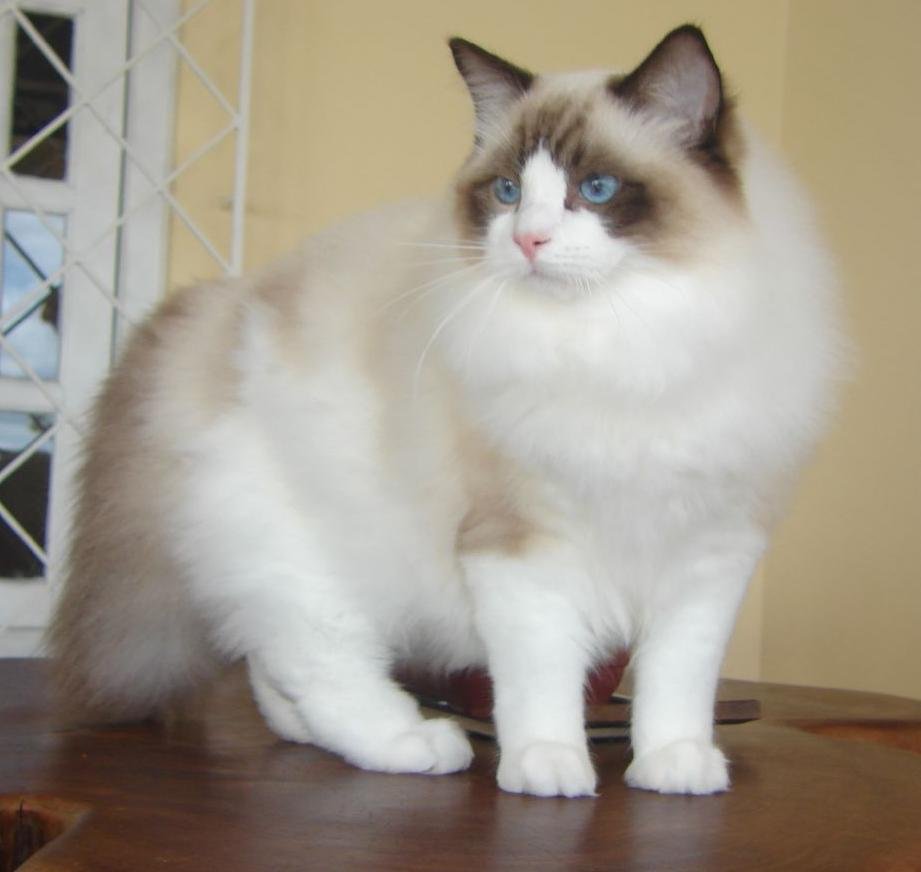
This comprehensive guide explores everything you need to know about these beloved gentle giants, from their mysterious origins with a cat named Josephine to practical advice on caring for their plush coats and understanding their distinctive personalities.
The Origins of the Ragdoll Breed
The story of the Ragdoll cat begins in the early 1960s in Riverside, California, with a white domestic longhaired cat who would ultimately change the feline world forever.
How the breed began with Josephine
The Ragdoll breed traces back to a single cat – a white, domestic longhaired female named Josephine. Initially, she was just an ordinary cat with no pedigree or special breeding. In fact, according to Ann Baker herself, Josephine was simply an “alley cat” . What made Josephine remarkable wasn’t her beginnings but what happened next.
According to several accounts, Josephine was involved in an automobile accident in the early 1960s. After recovering from her injuries, something seemingly changed. Notably, her subsequent litters displayed unusually relaxed, affectionate personalities . While some sources claim Josephine was taken to a university for treatment , others simply note that after her recovery, her kittens showed distinctly different temperaments than her previous litters.
From these special litters came the foundation cats of the Ragdoll breed. Three cats in particular would shape the future of Ragdolls:
- Daddy Warbucks: A seal point male with white feet
- Buckwheat: A dark brown/black female with Burmese-like features
- Fugianna: A bicolor female
All modern Ragdoll cats descend from these foundation cats through careful breeding. Specifically, early breeding involved mating Daddy Warbucks to both Fugianna and Buckwheat . This selective breeding established the distinctive traits that define the Ragdoll cat characteristics we recognize today.
Ann Baker’s role in development
Ann Baker wasn’t just a casual cat enthusiast – she was a determined breeder with a clear vision. Throughout the 1960s, Baker worked methodically to develop what she considered the perfect cat breed, combining beautiful appearance with an exceptionally loving personality .
Baker took an unconventional approach to cat breeding. Rather than working within established cat breeding associations, she created her own path. In 1971, she established the International Ragdoll Cat Association (IRCA) and trademarked the name “Ragdoll.” Through this organization, she maintained stringent control over who could breed cats under the Ragdoll name.
Her breeding program was precise and structured. Baker established what she called a “light side” (represented by Fugianna) and a “dark side” (represented by Buckwheat) in her breeding theory . She believed this approach produced superior litters, though this designation had nothing to do with the cats’ coloration.
The Cat Fanciers’ Association (CFA) eventually began registering Ragdoll cats in 1993 , marking an important milestone in the breed’s official recognition. Prior to this, the first Ragdolls were registered in the National Cat Fanciers Association in 1966 .
Why the name ‘Ragdoll’ was chosen
The name “Ragdoll” perfectly captures the most distinctive feature of these felines – their tendency to go completely limp and relaxed when picked up . Similar to a child’s cloth doll, these cats will often become completely floppy in their owner’s arms, demonstrating an extraordinary level of trust and contentment.
This remarkable ragdoll cat behavior stems from their unusually docile temperament. The breed is known for being placid and affectionate, traits that were deliberately selected for during Baker’s breeding program. Throughout development, Baker specifically chose cats that displayed this distinctive relaxation response, eventually making it a defining characteristic of the breed.
The name stuck not only because it described their physical response but also because it captured the essence of their gentle, trusting ragdoll cat temperament. Unlike many cats that resist being held, the Ragdoll typically enjoys being cradled, making them particularly suitable companions for those seeking an affectionate feline friend.
Today, Ragdolls consistently rank among the most popular cat breeds registered by the CFA , a testament to Ann Baker’s vision for creating a beautiful, loving companion cat that would capture the hearts of cat enthusiasts worldwide.
What Makes Ragdolls Physically Unique
Among the feline world’s most distinctive breeds, Ragdoll cats possess physical characteristics that set them apart from their domestic counterparts. From their impressive size to their silky coats and striking blue eyes, these gentle felines have a unique appearance that cat lovers find irresistible.
Size and body structure
Ragdolls rank among the largest domesticated cat breeds in existence. Full-grown males typically weigh between 12 to 20 pounds (5.4 to 9.1 kg) , making them substantially larger than their female counterparts, who generally weigh between 8 to 15 pounds (3.6 to 6.8 kg) . Consequently, even experienced cat owners are often surprised by their substantial size and presence.
One of the most remarkable aspects of Ragdoll cats is their extended growth period. Unlike most cat breeds that reach full size by their first birthday, Ragdolls continue developing until they’re 3-4 years old . This slow maturation process gives them ample time to develop their characteristic muscular build and impressive dimensions.
Physically, Ragdolls possess a sturdy body with a bulky frame and proportionate legs . Their heads are broad with a flat top and wide space between the ears . Moreover, they have long, muscular bodies complemented by broad chests and short necks . Their substantial size is balanced by large, round, and tufted paws , creating an overall impression of strength and elegance.
Coat texture and grooming needs
The Ragdoll’s coat stands as perhaps its most distinctive physical trait beyond size. Essentially, they have a silky, semi-longhaired coat that feels remarkably soft—often compared to rabbit fur . Their fur is medium to long in length , with a dense texture that nonetheless remains relatively easy to maintain.
What makes their coat truly unique is its composition. Ragdolls have a plush coat consisting mainly of long guard hairs but lack the dense undercoat typical of many longhaired breeds . This distinctive characteristic results in “reduced shedding and matting” , making them more manageable than many other longhaired cats.
As Ragdolls mature, they develop characteristic “knickerbockers” on their hind legs and a ruff around their necks , giving them an even more majestic appearance. Their fur is typically shorter on the face and shoulder blades, gradually lengthening toward the tail . Seasonal variations in coat length and thickness are normal , with some increased shedding typically occurring in spring .
For grooming, brushing two to three times weekly generally suffices to prevent tangles and reduce hairballs . A steel comb and soft slicker brush work best—using the comb for areas prone to mats like behind the ears and under the arms, followed by the slicker to smooth the topcoat .
Eye color and coat patterns
Arguably the most captivating feature of Ragdolls is their vivid blue eyes. Their eyes are typically large, oval-shaped, and set wide apart . The breed standard calls for a deep, vibrant blue color , with deeper shades generally preferred in cat shows .
Regarding coat colors, Ragdolls come in six distinct varieties: seal, chocolate, red, and their dilute versions—blue, lilac, and cream . Within these color categories, three primary pattern variations exist:
- Colorpoint: The classic pointed pattern showing darker colors on the extremities
- Mitted: Similar to colorpoint but with white “mittens” on the paws
- Bicolor: Features an inverted white “V” on the face and more extensive white markings
All Ragdolls are born completely white, developing their distinctive color points gradually as they mature . Full color development takes approximately 3-4 years, coinciding with their physical maturation . This gradual color transformation adds to their unique appeal, as owners can watch their Ragdoll’s appearance evolve dramatically during the first few years of life.
The combination of substantial size, distinctive coat texture, and striking blue eyes creates a truly remarkable feline that stands out even among pedigreed cats.
Temperament: Why They’re Called Gentle Giants
Beyond their impressive size and striking appearance, the behavioral qualities of Ragdoll cats truly set them apart in the feline world. Their nickname “gentle giants” perfectly captures the essence of these remarkable companions whose temperament is as distinctive as their physical characteristics.
Affectionate and calm nature
The hallmark of Ragdoll cat temperament is their extraordinary gentleness. These cats earned their name from their unique tendency to go completely limp and relaxed when picked up—much like a child’s ragdoll toy. This distinctive trait makes them exceptionally comfortable to hold and cuddle, setting them apart from most other cat breeds.
Ragdolls are famously non-aggressive. They rarely extend their claws during play and typically maintain a peaceful disposition even in situations that might stress other cats. This calm demeanor extends to their voices as well—Ragdolls are known for being relatively quiet, communicating with soft, melodious chirps instead of persistent meowing.
What truly distinguishes these felines is their intense desire for human companionship. Unlike more independent cat breeds, Ragdolls actively seek interaction with their human family members. They’ll often follow their owners from room to room, preferring to be wherever the action is taking place. Some Ragdoll owners even describe them as “clingy” due to their constant desire to be near their humans.
Dog-like behavior and loyalty
Perhaps the most surprising aspect of Ragdoll cat behavior is how frequently they’re described as “dog-like.” This comparison stems from several distinctive traits that are uncommon in the feline world:
- They come when called by name, responding reliably to their owner’s voice
- They greet family members at the door when they return home
- They can be taught to play fetch and retrieve toys
- They form deep, loyal bonds with their human companions
Their intelligence makes them highly trainable—many Ragdolls can learn commands, tricks, and even how to walk on a leash. This trainability, combined with their natural desire to please their humans, creates a unique pet experience that bridges the traditional divide between cat and dog personalities.
Simultaneously, Ragdolls maintain their independence in certain ways. They’re perfectly capable of entertaining themselves when necessary, yet they’ll almost always prefer interactive play with their humans over solitary activities. This balance between independence and attachment creates an ideal companion for many households.
Interaction with children and pets
For families with children, Ragdolls are often considered the ideal feline companion. Their patient, tolerant nature makes them exceptionally well-suited to households with younger family members. Equally important, they rarely respond negatively to being handled or carried, even by less gentle little hands.
Their natural gentleness extends to interactions with other pets as well. Ragdolls typically integrate smoothly into multi-pet households, getting along well with other cats and even dogs. This sociability stems from their non-territorial nature and low prey drive compared to many other cat breeds.
At the same time, prospective owners should understand that their gentle nature requires protection. Ragdolls lack some of the self-preservation instincts common in other cats—they may not defend themselves effectively against aggressive animals and often show little fear of potential dangers. Consequently, they’re best kept as indoor cats where their trusting nature won’t put them at risk.
The combination of affection, intelligence, and gentleness makes Ragdolls truly exceptional companions. Their temperament creates a unique bond with their families, offering the independence of a feline with many of the social qualities people typically associate with canine companions.
Understanding Their Behavior and Personality
Looking at Ragdoll cats play and interact reveals much about their fascinating personality beyond just their cuddly nature. These felines possess a unique combination of behavioral traits that make them stand out among domestic cats.
Playfulness and intelligence
Contrary to what their laid-back reputation might suggest, Ragdoll cats maintain a playful spirit throughout their lives. Many owners describe their Ragdolls as retaining kitten-like playfulness well into adulthood . Their intelligence shines particularly during playtime, as they quickly learn new games and adapt to different scenarios .
Perhaps the most remarkable aspect of their intelligence is their trainability. Unlike most cats, Ragdolls can learn tricks and commands with patient training . Some owners successfully teach their Ragdolls to fetch toys or come when called . This trainability stems from their eager-to-please nature and strong desire for human interaction.
First and foremost, their playfulness tends to be interactive rather than solitary. While they enjoy toys, they typically prefer games involving their human companions. Their moderate exercise needs pair with medium playfulness and low-to-medium energy levels , making them active enough to be entertaining without being hyperactive.
Low aggression and high sociability
Ragdolls practically redefine what it means for a cat to be social. These cats thrive on companionship and often follow their favorite humans from room to room . Remarkably, they demonstrate what many describe as “puppy-like” behavior, winning over even dedicated dog lovers .
Their sociability extends to other household members as well. Ragdolls typically get along wonderfully with:
- Children (showing exceptional tolerance and patience)
- Other cats
- Even dogs, after proper introductions
Yet what truly distinguishes Ragdoll cat behavior is their gentleness during play. They rarely extend their claws while playing, which contributes to their reputation for exceptional gentleness . This natural tendency makes them particularly safe companions for families with young children.
Considering their need for interaction, Ragdolls can become lonely if left alone frequently. Many behaviorists recommend getting a second cat if the Ragdoll will be alone for extended periods . Their need for human contact can sometimes manifest as what some owners describe as neediness—they may demand attention and become distressed when left alone for too long .
Common myths about their docility
The most persistent myth surrounding Ragdoll cats concerns their supposed insensitivity to pain. This misconception originated early in the breed’s history and continues to circulate among cat enthusiasts. In reality, Ragdolls feel pain normally—their relaxed disposition stems from an extremely trusting nature, not a lack of feeling .
Another common misunderstanding relates to their intelligence. Due to their laid-back nature, some assume Ragdolls aren’t particularly bright. This assumption is far from accurate—these cats are quite clever, with some even figuring out how to open doors using handles . Their intelligence simply manifests differently than in more high-strung breeds.
Additionally, many believe Ragdolls are completely docile in all situations. In truth, they can become quite feisty during play, sometimes attacking fingers or toes with enthusiasm . Though generally gentle, they still possess normal feline instincts that emerge during play.
Finally, their famous tendency to go limp when held doesn’t mean they lack normal muscle tone or motor control. This behavior represents a conscious relaxation response rather than any physical abnormality. It demonstrates their exceptional trust in humans rather than any strange physiological trait.
Understanding these nuances of Ragdoll cat temperament helps owners appreciate the unique blend of traits that make these gentle giants such beloved companions.
Daily Care and Grooming Needs
Behind the stunning appearance of Ragdoll cats lies a grooming routine that, while not overly demanding, requires consistency for these semi-longhaired beauties to maintain their signature look. Fortunately, caring for a Ragdoll’s physical needs can also serve as valuable bonding time, taking advantage of their naturally docile temperament.
Brushing and coat maintenance
Despite their luxurious coats, Ragdoll cats are relatively low-maintenance compared to other longhaired breeds. This advantage comes from their coat structure, which lacks the dense undercoat typical in many longhaired cats, resulting in less matting and reduced shedding .
Establishing a regular brushing schedule of 2-3 times per week keeps their coat in optimal condition . For best results, use a wide-toothed stainless steel comb or soft-bristle brush designed specifically for medium to long fur . These tools effectively remove dead hair while preventing painful tangles, especially in high-friction areas like the chest, armpits, and behind the ears.
Seasonal changes affect Ragdoll cat grooming needs significantly, with spring typically bringing increased shedding . During these transition periods, more frequent brushing prevents excessive hair distribution throughout your home while simultaneously making your cat more comfortable .
Several tools make Ragdoll grooming more effective:
- Slicker brushes: Remove knots and reduce shedding by up to 90%
- Dematting rakes: Target the undercoat while preserving the smooth topcoat
- Fur care gloves: Promote blood circulation while removing loose fur
Nail trimming and ear cleaning
Regular nail maintenance prevents both furniture damage and discomfort for your gentle giant. Trimming should occur every 2-3 weeks . The technique involves gently pressing the paw pad to extend the claw and carefully clipping just the clear tip, avoiding the pink “quick” area containing blood vessels .
Ear health requires vigilant monitoring in Ragdolls. Inspect their ears regularly for signs of infection or parasites, watching for redness, discharge, head shaking, or excessive scratching . For cleaning, never insert cotton swabs into the ear canal—instead, use a specialized feline ear cleaner applied to a cotton ball or pad .
Beyond nails and ears, checking the corners of the eyes for any discharge and gently wiping with a soft, damp cloth completes a thorough hygiene routine . This regular inspection helps catch potential issues before they become serious problems.
Bathing and hygiene tips
Unlike many cats, Ragdolls typically tolerate bathing well—yet this doesn’t mean they need frequent baths. Their self-grooming abilities handle most hygiene needs, with baths necessary only every 4-6 weeks or when they become particularly dirty .
Over-bathing can strip natural oils from their coat, leading to dry skin and diminished coat quality . However, when bathing becomes necessary, following a proper technique makes the experience less stressful:
- Start by thoroughly brushing the coat to remove tangles
- Use lukewarm water and cat-specific shampoo formulated for sensitive skin
- Support their body securely throughout the process while speaking calmly
- Rinse thoroughly to remove all shampoo residue
- Wrap in a soft towel and gently pat dry, avoiding hairdryers unless your cat is accustomed to them
Creating a positive association with grooming through treats and praise helps make these sessions enjoyable rather than stressful . Begin grooming practices when your Ragdoll is young whenever possible, as establishing these routines early leads to a cat that views grooming as a pleasant bonding activity rather than something to fear.
With consistent care, your Ragdoll’s stunning coat will remain a showcase of their natural beauty, free from mats and tangles that could otherwise cause discomfort for these gentle felines.
Health Considerations for Ragdolls
While Ragdoll cats enjoy relatively good health, proper care requires awareness of several breed-specific conditions that can affect their quality of life. Understanding these health considerations helps owners provide proactive care throughout their pet’s life.
Hypertrophic cardiomyopathy (HCM)
Hypertrophic cardiomyopathy stands as the most significant hereditary concern for Ragdoll cats. This serious condition causes the heart muscle to thicken abnormally, making it harder to pump blood effectively. Approximately 30% of Ragdolls carry the genetic mutation associated with HCM , placing them at higher risk for developing this potentially life-threatening condition.
The disease manifests differently depending on whether cats inherit one or two copies of the faulty gene. Homozygous Ragdolls (with two copies) typically develop severe symptoms between 1-2 years of age , whereas heterozygous cats (with one copy) might never show clinical signs .
Warning signs of HCM include:
- Lethargy and reduced activity
- Difficulty breathing or rapid breathing
- Decreased appetite
- In advanced cases, painful limb paralysis due to blood clots
Fortunately, genetic testing can identify carriers before breeding, helping responsible breeders reduce disease prevalence. Additionally, annual heart screenings using echocardiography provide early detection opportunities .
Weight management and joint care
Given their large frame, Ragdoll cats face unique challenges related to their size. Their substantial build places natural stress on joints, potentially leading to arthritis and mobility issues as they age . This risk increases substantially if they become overweight.
Ragdolls’ naturally docile temperament contributes to their weight management challenges. Without encouragement to exercise, they can quickly gain excess pounds . A Ragdoll reaching 22+ pounds isn’t uncommon, yet a healthy adult male should typically weigh 12-20 pounds .
For effective weight management:
- Feed measured portions of high-protein food
- Limit treats to no more than 10% of daily caloric intake
- Consider wet food for better hydration and weight control
Joint health can be supported through supplements containing glucosamine and chondroitin , alongside omega-3 fatty acids that benefit both heart and joint function. These supplements help maintain mobility and comfort, particularly as your Ragdoll approaches senior years.
Other common health issues
Beyond cardiac concerns and weight management, Ragdolls may experience several other health conditions requiring monitoring:
Polycystic kidney disease (PKD) affects some Ragdolls, potentially leading to chronic kidney problems . A diet low in sodium and phosphorus supports cats with this genetic predisposition.
Food and seasonal allergies occur more frequently in Ragdolls compared to some other breeds . These allergies often manifest as skin irritations, excessive grooming, or digestive upset. Regular veterinary checkups help identify and address these sensitivities early.
Dental disease represents another common issue in Ragdolls. Preventive care including regular tooth brushing and dental checkups helps maintain oral health . Poor dental hygiene can lead to more serious systemic health problems if left untreated.
With proper monitoring and preventive care, most Ragdolls can enjoy a healthy lifespan of up to 17 years . Regular veterinary visits, appropriate nutrition, and awareness of breed-specific concerns give these gentle giants their best chance at a long, comfortable life.
Training and Socialization Tips
Training a Ragdoll cat proves surprisingly rewarding, as these intelligent felines genuinely enjoy learning new skills. Their receptive nature plus desire to please creates an ideal foundation for successful training efforts.
Litter training basics
Ragdoll kittens typically begin litter training naturally around 4-5 weeks of age, often mimicking their mother’s behavior. By 6-8 weeks, most have mastered the basics, yet occasional accidents remain normal during this learning phase. For newly adopted Ragdolls, start by selecting appropriately sized litter boxes and place them in consistent locations throughout your home. Taking your kitten directly to these boxes after meals helps establish routine.
A critical element of successful litter training involves maintaining consistency. Never change box locations or litter types abruptly, as this might confuse your Ragdoll. Consider having multiple boxes available, particularly in larger homes, to ensure easy access. Once familiar with the routine, your Ragdoll will reliably find their way to the litter box independently.
Teaching tricks and commands
Ragdoll cats excel with training approaches that emphasize positive reinforcement. Rewards like treats, praise, and affection effectively encourage desired behaviors, from basic commands to more complex tricks. Given their relaxed temperament, patience remains essential—these laid-back felines sometimes respond more slowly to training cues.
Several effective training techniques work exceptionally well with Ragdolls:
- Clicker training: Pairing a clicking sound with treats helps signal correct behavior
- Luring: Guide your cat using treats to demonstrate desired positions
- Target training: Teach them to touch specific objects with their nose or paw
Keep training sessions brief—just a few minutes at a time—to maintain your Ragdoll’s attention. Their moderate playfulness combined with low-to-medium energy levels makes them attentive learners without becoming overstimulated. Fortunately, many Ragdolls can master impressive skills like retrieving toys, responding to their name, or following simple commands.
Early socialization with people and pets
Early socialization forms the cornerstone of a well-adjusted Ragdoll. Beginning in kittenhood, introduce your Ragdoll to various people, including different ages and appearances. Afterward, reward positive interactions with treats or playtime to reinforce these good experiences.
For households with other pets, controlled introductions in supervised settings create the foundation for harmonious relationships. Through gradual visual interactions and scent exchange, Ragdolls typically adapt well to multi-pet environments. Their naturally low aggression levels make them ideal candidates for successful socialization.
Indeed, creating positive associations through gentle handling and exposure to different environments helps Ragdolls develop confidence. Ultimately, well-socialized Ragdolls become exceptionally friendly, adaptable companions ready to face new experiences with their characteristic gentle temperament.
Feeding and Nutrition Guidelines
Proper nutrition plays a crucial role in maintaining the health and vitality of Ragdoll cats throughout their uniquely long development period. These gentle giants have specific dietary needs that change as they grow from playful kittens to majestic adults.
Ideal diet for different life stages
Ragdoll cats experience an exceptionally long growth period, taking up to four years to reach full maturity . This extended development demands carefully tailored nutrition at each life stage. Kittens need nutrient-dense food specifically formulated for growth, requiring approximately 60-65 calories per pound of body weight . Throughout their first year, high-quality protein supports their rapid development.
As Ragdolls reach adulthood (1-4 years), their caloric needs decrease to about 25-30 calories per pound . Adult Ragdolls benefit from diets with 35-40% protein and moderate fat content (15-18%) . By age 7, senior Ragdolls require fewer calories (18-22 per pound) but need higher-quality protein to maintain muscle mass .
Wet vs dry food considerations
Wet food offers substantial benefits for Ragdoll cats, primarily through its high moisture content (70-80% compared to just 10% in dry kibble) . Since Ragdolls are prone to urinary tract and kidney issues, this additional hydration is invaluable . Wet food typically contains more animal protein and fewer carbohydrates than dry alternatives .
Dry food, while convenient and shelf-stable, can increase the risk of dehydration, potentially contributing to urinary tract problems . If feeding dry food, consider adding water or low-sodium broth to increase moisture content .
Hydration and feeding schedule
Hydration remains critical for Ragdoll health. These cats need approximately 60 milliliters of water per kilogram of body weight daily . Fresh water should always be available, with some owners finding success using cat water fountains .
For optimal feeding, follow this general schedule: 4 meals daily for young kittens (2-4 months), gradually reducing to 3 meals by 6 months, then 2 meals for adults . Measured portions prevent obesity, which Ragdolls are prone to due to their naturally sedentary lifestyle . Consistently monitor weight and adjust portions accordingly, as proper nutrition directly impacts both Ragdoll cat weight management and overall Ragdoll cat lifespan.
Conclusion
Ragdoll cats truly deserve their reputation as the gentle giants of the feline world. Their striking combination of impressive size, docile temperament, and stunning appearance makes them stand out among domestic cats. Throughout their development from white kittens to fully colored adults, Ragdolls maintain their signature relaxed disposition that earned them their distinctive name.
Though large and powerful, these magnificent felines demonstrate remarkable gentleness, especially when handled. This unusual trait, paired with their dog-like loyalty and trainability, creates a unique companion unlike any other cat breed. Undoubtedly, their intelligence allows them to learn commands and tricks, while their affectionate nature ensures they remain close to their human family members.
Caring for a Ragdoll requires attention to their specific needs. Regular grooming sessions keep their semi-longhaired coats looking their best, while vigilant health monitoring helps prevent common issues like hypertrophic cardiomyopathy and weight management challenges. Additionally, proper nutrition tailored to their extended growth period supports their development from playful kittens to majestic adults.
Families searching for an ideal feline companion often find Ragdolls perfectly suited to their households. Their patience with children, compatibility with other pets, and overall gentle demeanor create harmonious home environments. Still, potential owners should remember that these trusting cats lack strong self-preservation instincts, making them best suited for indoor living where their safety can be assured.
Whether lounging relaxed in your arms or following you from room to room, Ragdoll cats offer a unique blend of independence and attachment that many find irresistible. The combination of their striking appearance, remarkable temperament, and loving nature explains why Ragdolls continue to captivate cat enthusiasts worldwide, firmly establishing themselves as beloved gentle giants in the hearts of those fortunate enough to share their lives with these extraordinary felines.