
Pixiebob Cat
Pixiebob cats captivate families with their wild bobcat appearance despite being completely domestic companions. These remarkable felines stand out in the cat world thanks to their distinctive looks, polydactyl paws, and surprisingly dog-like personality traits. The Pixiebob cat breed combines the best of both worlds – a rugged, wilderness-inspired appearance with a gentle, loving temperament perfect for family life.
Additionally, Pixiebob cat characteristics include a muscular build, spotted coats, and sometimes extra toes, making them truly unique among domestic breeds. Their sociable nature means they bond closely with their human families, often following them around like loyal canines. In fact, Pixiebob cat temperament is known for being patient with children and compatible with other pets. With proper care, these special cats typically enjoy a healthy Pixiebob cat lifespan, bringing years of companionship to those lucky enough to welcome them home.
The Origin Story of the Pixiebob
The Pixiebob cat’s story begins not with a dramatic crossbreeding experiment but with one woman’s fascination with a unique-looking domestic cat. This distinctly American breed has a relatively recent history that’s wrapped in both facts and folklore.
How the breed began with Pixie
The foundation of the Pixiebob cat breed traces back to 1985 when Carol Ann Brewer purchased an unusual male cat near Mount Baker, Washington. This distinctive feline had a spotted coat, short tail, and polydactyl paws (extra toes) . The true genesis of the breed, however, came in January 1986 when Brewer rescued another male cat—a strikingly large fellow named Keba who, despite being malnourished, weighed an impressive 17 pounds and stood as tall as Brewer’s knees .
Shortly after, Keba mated with a neighbor’s brown spotted female cat. In April 1986, this pairing produced a litter that included a special female kitten with a wild appearance whom Brewer named “Pixie” . This kitten’s unique characteristics captivated Brewer so completely that she decided to develop an entire breeding program around her. As she reportedly remarked about Pixie’s distinctive face, “I want a thousand more” .
Carol Ann Brewer’s role in development
By 1987, Brewer realized she had never seen another cat quite like Pixie. Consequently, she began a deliberate breeding program to create more cats with similar characteristics . Initially, she sought out cats with bobbed tails and spotted coats, particularly those with wild appearances .
Over the next several years, Brewer introduced 23 additional cats from around the Cascade Range into her breeding program . These cats, which she believed had the right look and characteristics, became the foundation for what would eventually be recognized as the Pixiebob breed. She created a breed standard in 1989 that reflected the traits consistently reproduced in her program .
The path to official recognition began when Brewer approached The International Cat Association (TICA) in 1993 . The breed achieved several important milestones:
- 1993 – Accepted into TICA’s “Exhibition” category
- 1996 – Promoted to “New Breed and Color” status
- 1998 – Gained Championship status in TICA
Brewer didn’t work alone. Other breeders throughout the United States joined her efforts, working with similar wild-looking barn cats to establish a broad genetic base for the breed . Together, they succeeded in registering the Pixiebob with both TICA and eventually the American Cat Fancier’s Association (ACFA) .
Myths about bobcat ancestry
Perhaps the most persistent legend surrounding the Pixiebob cat concerns its supposed wild ancestry. The romantic origin story claimed that Pixiebobs resulted from natural matings between wild bobcats and domestic cats . Some early cats in Brewer’s program, including Keba, were rumored to be offspring of such wild-domestic pairings .
Brewer even coined and trademarked the term “Legend Cat” to describe cats she believed were born from these natural bobcat-domestic cat matings . The term is still used by some breeders today to describe permitted outcrosses in breeding programs .
However, modern science has debunked this captivating tale. DNA testing conducted in 1996 by Stormant Labs in California examined the foundation cats in the TICA program . The results were conclusive—Pixiebob cats have no genetic markers indicating bobcat ancestry . As Alice Rhea, a regional director of TICA explained, “Wild cats have certain enzyme markers in their bloodstream and pixie-bobs do not” .
Today, the Pixiebob is classified as an established domestic breed—one that remarkably resembles the North American bobcat without sharing any of its wild DNA . This extraordinary resemblance, combined with their distinctive dog-like personality and polydactyl trait, makes the Pixiebob cat breed uniquely appealing to families seeking something special in a domestic pet.
What Makes the Pixiebob Look So Unique
With their striking resemblance to wild bobcats, the Pixiebob cat stands out in the feline world through distinctive physical characteristics that make them immediately recognizable. These domestic cats possess several unique features that set them apart from other breeds while creating their signature rugged, wilderness-inspired look.
Coat types and colors
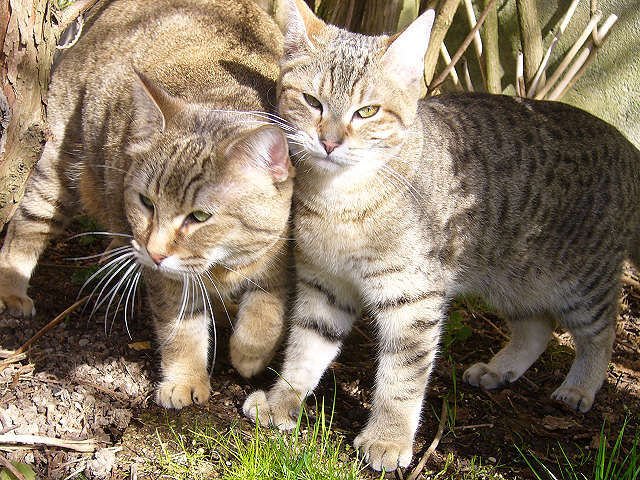
The Pixiebob cat comes in two coat varieties – shorthair and longhair. Both types feature a thick double coat with a wooly texture that stands away from the body, giving these cats a padded feel when petted . The shorthair has a dense, slightly coarse coat while the longhair version grows up to 2 inches in length with a softer, silkier texture .
What truly defines the Pixiebob’s appearance is their distinctive coat pattern. These cats are primarily brown spotted tabbies with shades ranging from tawny to reddish-brown . Their spotting pattern is somewhat muted by heavy ticking – tiny bands of color on each hair shaft that create depth and dimension. Notably, this ticking becomes more pronounced during winter months, sometimes taking on a more silvery tone . The belly area features particularly prominent spots with longer hair covering their primordial pouch .
The seasonal variations in their coat make them especially interesting – as temperatures drop, their fur becomes thicker and more heavily ticked, enhancing their wild appearance.
Tail length and polydactyl paws
Perhaps most distinctive is the Pixiebob’s bobbed tail, from which they derive part of their name. While many assume all Pixiebobs have extremely short tails, there’s actually considerable variation. The breed standard allows for tails ranging from 2 inches (approximately thumb length) to hock length . These tails often feature kinks or knots while remaining completely flexible with natural movement .
Interestingly, approximately 50% of all Pixiebob kittens are born with full-length tails . Although shorter tails are preferred for show specimens, cats with longer tails still possess the other distinctive Pixiebob characteristics.
Furthermore, the Pixiebob holds the unique distinction of being the only pedigreed cat breed whose standard officially allows for polydactyly – extra toes . While normal cats have five toes on their front paws and four on their hind paws, polydactyl Pixiebobs may have up to seven toes per foot . These extra digits contribute to their distinctively large, fleshy paws . For showing purposes, all toes must touch the floor and face forward, with penalties for toes that bend backward or curl under .
Eye color and facial features
The Pixiebob’s face truly exemplifies their wild appearance. Their head shape resembles an inverted pear and features a heavy brow ridge over medium-sized, deep-set, heavily hooded eyes . This brow structure, combined with bushy fur at the brow ridge, creates their characteristic brooding, wild expression .
Eye color options include gold, brown, or gooseberry green – a distinctive green with golden flecks throughout . Interestingly, Pixiebob kittens are born with blue eyes that gradually change to their adult color as they mature . The final eye shape, size, and placement may not fully develop until the cat is well into its second year of life .
Their facial features include black lips, white fur around the eyes (though with black eye skin underneath), and prominent whisker pads . Many Pixiebobs sport lynx tips on their ears and distinctive facial hair that grows downward, creating what some describe as “muttonchop sideburns” .
Together, these features – from their thick spotted coats to their bobbed tails, extra toes, and distinctive facial structure – create a domestic cat with a remarkably wild appearance that continues to fascinate cat lovers seeking something truly different in their feline companion.
Temperament: Why Families Love Pixiebobs
Behind the wild appearance of Pixiebob cats lies a surprisingly gentle, affectionate nature that makes them ideal family companions. Unlike many cat breeds that maintain an air of aloofness, these felines combine the best aspects of both cats and dogs in their engaging personalities.
Affectionate and loyal nature
Pixiebob cat temperament is primarily characterized by their exceptional loyalty to human family members. These cats form deep emotional bonds with their owners, often following them throughout the house as they go about daily activities . Their intense devotion manifests as a constant desire to participate in household routines – they’re not content merely observing family life but want to be active participants .
Moreover, many owners describe their Pixiebob cat behavior as remarkably gentle and composed. These cats maintain a calm disposition even in bustling households, making them suitable companions for first-time cat owners . This emotional stability doesn’t diminish their affectionate nature – Pixiebobs are known for being particularly cuddly and demonstrative with their loved ones .
Communication is another fascinating aspect of Pixiebob cat personality. Rather than typical meowing, these unique felines express themselves through a variety of chirps, chatters, trills, and even headbutts . This distinctive vocalization style creates a special form of dialog between cat and owner, strengthening their bond through a language all their own.
Compatibility with kids and pets
For families with children, Pixiebobs prove exceptionally valuable pets given their remarkable patience. These sturdy cats rarely become startled by the unpredictable movements and noises common with younger family members . Instead, they actively seek gentle play interactions and establish trusting relationships with children when properly introduced .
Within multi-pet households, the Pixiebob cat demonstrates impressive diplomatic skills. Their social instincts and naturally tolerant demeanor facilitate smoother introductions compared to more territorial breeds . They typically adapt well to homes with dogs and other felines when introductions are handled thoughtfully .
As one veterinary specialist noted, “Pixie-Bobs are natural diplomats. With slow, thoughtful introductions, they adapt to multi-pet households far better than most breeds” . This adaptability stems from their relaxed nature and strong social orientation – qualities that contribute significantly to household harmony.
Dog-like behaviors and social traits
Perhaps most distinctive about the Pixiebob cat breed is their remarkable display of canine-like behaviors. These traits include:
- Playing fetch enthusiastically, returning toys to their owners
- Walking comfortably on a harness and leash for outdoor adventures
- Responding to basic commands, demonstrating trainability unusual in cats
- Following family members from room to room
These intelligent felines also exhibit high levels of social awareness, often chirping or chattering to communicate their needs . Their inquisitive nature drives them to investigate household activities, sometimes getting “up in your face” as they try to “help” with daily tasks .
Essentially, Pixiebobs crave company and connection. While they can manage being alone during work hours, these cats become genuinely lonely during extended absences . Their social needs mirror their overall temperament – loving, engaged, and people-oriented.
For families seeking an interactive pet that offers the independence of a cat with many beloved dog traits, the Pixiebob represents a perfect compromise. Their balanced personality combines the best qualities of both companion animals – self-sufficient enough to manage alone time yet social enough to fully engage with family life.
Daily Care and Grooming Needs
Maintaining the distinctive appearance of your Pixiebob requires consistent grooming routines that address their unique physical traits. These wild-looking felines might appear rugged, but proper care ensures they stay healthy and comfortable throughout their lives.
Brushing routines for short and long hair
The Pixiebob cat’s double-layered coat comes in both short and long varieties, each requiring specific grooming approaches. For short-haired Pixiebobs, brushing 1-2 times weekly is typically sufficient to remove loose fur and dirt . Their thick undercoat has a distinctive “wooly” feel that benefits from regular maintenance to prevent matting.
Long-haired Pixiebobs need more frequent attention—ideally 3-4 times weekly . This becomes even more crucial during seasonal shedding periods when their already plush coats shed more heavily. Both coat varieties experience moderate shedding throughout the year, with increased shedding during seasonal changes .
When selecting grooming tools, opt for slicker brushes or stainless steel combs that can effectively reach the dense undercoat . These tools help distribute natural oils throughout the fur, promoting healthier skin and a shinier coat. As a bonus, regular brushing significantly reduces the amount of fur your Pixiebob might otherwise ingest during self-grooming, thereby preventing uncomfortable hairballs.
Nail trimming and ear cleaning
Due to their polydactyl nature, many Pixiebobs have extra toes that require special attention during nail trims. Trim your Pixiebob’s nails every 2-3 weeks to prevent them from becoming too long, which can cause discomfort and potentially lead to painful ingrown nails .
For successful nail trimming:
- Choose a quiet, comfortable location where your cat feels relaxed
- Gently hold their paw and press slightly to extend the nail
- Trim only the sharp tip, avoiding the pink “quick” area containing blood vessels
- Reward your cat with treats after each successful trimming session
Never use human nail clippers on your cat, as these can split the nails . Instead, invest in proper cat nail clippers designed specifically for feline claws.
Ear cleaning is another essential aspect of Pixiebob care. Check your cat’s ears weekly for signs of infection such as redness, swelling, discharge, or unusual odor . Clean ears only when necessary—over-cleaning can actually irritate the ear canal and lead to infection .
When cleaning is needed, use only vet-approved cleaners applied to a cotton ball. Gently wipe the visible parts of the inner ear without inserting anything into the ear canal . Crucially, never use cotton swabs (Q-tips) for cleaning cat ears, as they can push debris deeper and potentially damage the eardrum .
Dental hygiene tips
Dental care is often overlooked but remains vital for your Pixiebob’s overall health. Without proper attention, plaque and tartar buildup can lead to painful dental disease that may affect other organs .
Ideally, brush your Pixiebob’s teeth daily using a cat-specific toothbrush and toothpaste . Human toothpaste contains ingredients toxic to cats, so never use it for your pet . For cats unaccustomed to brushing, start with these steps:
First, let your cat taste a small amount of cat toothpaste. Next, gently rub their gums with your finger to build trust. Once they’re comfortable with this, introduce a soft cat toothbrush or finger brush . Focus primarily on the cheek-side surfaces where plaque tends to accumulate most.
If daily brushing proves challenging, consider alternatives such as dental wipes, treats specifically designed for dental health, or water additives that help fight bacteria between brushing sessions . Nevertheless, remember that these options supplement rather than replace regular brushing and professional dental checkups.
By establishing consistent grooming routines tailored to your Pixiebob’s specific needs, you’ll not only maintain their distinctive appearance but also strengthen your bond through these regular care sessions.
Exercise and Enrichment for a Happy Pixiebob
The muscular build and keen intelligence of Pixiebob cats require thoughtful physical and mental outlets to keep them happy and well-adjusted. Unlike some laid-back breeds, these active felines need structured exercise and stimulation to prevent behavioral problems that might arise from boredom.
Leash training and outdoor walks
Pixiebob cats stand out among feline breeds for their remarkable ability to be leash-trained, providing them with safe outdoor adventures. This trait ties perfectly to their dog-like Pixiebob cat personality. To successfully leash train your Pixiebob:
First, select a properly-fitted harness your cat cannot wriggle out of—never use a collar alone for walks as it poses safety risks. Start by allowing your Pixiebob to become familiar with the harness indoors before attaching a leash. Once comfortable wearing it, begin with short indoor practice sessions, keeping the leash loose while following your cat’s movements.
Gradually introduce direction using treats or toys, then transition to quiet outdoor spaces. According to veterinary experts, patience is crucial—this process may take several weeks before your Pixiebob is ready for true outdoor exploration . Throughout training, remember that positive reinforcement works best; never jerk the leash or force your cat.
Besides offering excellent physical exercise, these outdoor experiences provide rich mental stimulation through new sights, sounds, and smells. For owners unable to provide walks, creating a secure “catio” offers a safe alternative where your Pixiebob can experience the outdoors without risks to local wildlife or themselves .
Interactive toys and climbing trees
The Pixiebob cat breed requires environments that accommodate their active nature. Cat trees with multiple levels satisfy their natural climbing instincts while providing elevated perches from which they can survey their domain . These structures simultaneously address physical exercise needs and fulfill the Pixiebob’s desire for vertical territory.
Interactive toys keep their hunting instincts sharp. Consider these enrichment options:
- Puzzle feeders that challenge problem-solving abilities
- Wand toys with unpredictable movements that mimic prey
- Electronic toys with motion sensors for solo play
- Tunnels and cat wheels for energy release in smaller spaces
For maximum benefit, incorporate short play sessions (10-15 minutes) twice daily, focusing on quick sprints, sudden stops, and stalking—movements that mirror natural hunting behaviors . Rotating toys weekly prevents boredom, as Pixiebob cats quickly tire of repetitive activities .
Mental stimulation through play
The exceptional intelligence that characterizes Pixiebob cat behavior demands mental challenges alongside physical exercise. These cats respond positively to clicker training and food reward games, making them ideal candidates for teaching tricks that would challenge many other breeds . Training your Pixiebob to sit, high-five, or respond to commands provides valuable cognitive stimulation .
Fetch games particularly appeal to Pixiebobs—many will enthusiastically retrieve and return toys, further highlighting their canine-like tendencies . This activity combines physical exercise with mental engagement as they learn to anticipate patterns and responses.
Pay attention to signs indicating your Pixiebob needs more stimulation, including excessive meowing, furniture scratching, or over-grooming behaviors . Address these signs promptly by introducing new enrichment activities or increasing interactive playtime.
Accordingly, scatter enrichment opportunities throughout your home rather than clustering them in one area. This encourages natural exploration as your Pixiebob moves through different spaces . For additional mental stimulation when you’re away, consider playing low-volume nature sounds that engage their senses without causing stress.
Through thoughtful exercise and enrichment planning, you’ll ensure your Pixiebob remains not just physically fit but also mentally satisfied—the perfect balance for this uniquely active yet affectionate breed.
Health and Lifespan Considerations
The genetic diversity behind the Pixiebob cat breed contributes to their generally robust health, yet like all felines, they have specific conditions owners should monitor. Understanding potential health challenges and implementing proactive care ensures these distinctive cats maintain their playful energy throughout their lives.
Common health issues to watch for
Primarily, Pixiebob cats may face several health concerns that require vigilant monitoring. Kidney disease ranks among the top issues, with chronic kidney disease (CKD) being a condition that requires management if diagnosed . Their stocky build predisposes them to weight gain, which can cascade into more serious problems like diabetes mellitus, another chronic condition sometimes seen in this breed .
Hyperthyroidism represents another chronic concern for the Pixiebob cat breed . This condition affects the metabolic rate and can lead to weight loss despite increased appetite. Since these cats have muscular builds, unexplained weight changes should prompt veterinary consultation.
Male Pixiebobs occasionally experience cryptorchidism, where one or both testicles fail to descend . This condition, present at birth and likely inherited, can cause behavioral issues and potentially lead to health complications if left untreated . For female cats, pyometra (uterine infection) remains a risk for unspayed individuals .
Heart conditions, particularly hypertrophic cardiomyopathy (HCM), have been documented in some Pixiebob cats . Early screening proves vital for this condition as it causes thickening of heart walls and can lead to serious complications .
Signs that might indicate health problems in your Pixiebob include:
- Increased thirst and urination
- Changes in appetite or weight
- Lethargy or decreased activity
- Difficulty breathing
- Changes in litter box behavior
- Hiding or unusual aggression
Preventive care and vet visits
Regular veterinary care forms the cornerstone of maintaining your Pixiebob cat’s health. Annual check-ups allow for early detection of potential issues before they become serious . These visits should include comprehensive physical examinations along with any recommended screening tests based on your cat’s age and risk factors.
Dental care deserves special attention since dental disease affects many cats and can impact overall health . Daily tooth brushing represents the gold standard, yet dental treats and professional cleanings offer supplementary options . Maintaining oral hygiene helps prevent painful conditions and reduces risk of associated organ problems.
Vaccination schedules typically include protection against feline viral rhinotracheitis, calicivirus, panleukopenia, and rabies . Your veterinarian might recommend additional vaccines based on your Pixiebob’s lifestyle and regional risks.
Weight management remains crucial given the breed’s susceptibility to obesity . Your veterinarian can help determine your cat’s ideal weight and recommend appropriate feeding strategies . Controlling portions and ensuring regular exercise helps maintain healthy body condition.
For polydactyl Pixiebobs, nail care requires extra attention to prevent discomfort or mobility issues . Regular trimming prevents overgrowth and potential complications with the additional toes.
Expected lifespan and aging tips
The typical Pixiebob cat lifespan ranges from 13-15 years with proper care . Some cats may live even longer, reaching 16 years or more when provided with excellent healthcare . This relatively long lifespan means preparing for your cat’s senior years becomes an important consideration.
As Pixiebobs age, they may experience reduced mobility or arthritis, especially if they’ve struggled with weight management . Providing soft bedding in easily accessible locations helps aging cats remain comfortable. Ramps or steps to favorite perches accommodate those with joint stiffness.
Senior Pixiebobs benefit from more frequent veterinary visits—typically twice yearly after age 10—to catch age-related conditions early . Blood work helps identify metabolic changes before clinical signs appear. Kidney function tests become increasingly important as cats age, given their susceptibility to renal issues.
Adjusting nutrition to meet changing needs represents another vital aspect of senior care. Older cats typically require different nutrient profiles than their younger counterparts . Foods formulated for seniors often contain additional joint support, appropriate protein levels, and balanced calories.
Through attentive care throughout all life stages, your Pixiebob can remain an active, engaged family member well into their golden years—a fitting reward for these exceptional companions.
Feeding Your Pixiebob Right
Proper nutrition forms the foundation for your Pixiebob cat’s health, directly affecting everything from coat quality to energy levels. These muscular, active felines require specific dietary considerations to maintain their distinctive physique and vibrant personality.
Choosing the right food type
Pixiebob cats are obligate carnivores, requiring a diet predominantly based on animal protein to thrive . Their nutritional needs closely resemble those of other domestic cats, yet their muscular build demands careful attention to diet quality. High-quality commercial cat food formulated by reputable brands offers the best balance of nutrients .
When selecting food, look for options with meat-based proteins as the primary ingredient. Ideally, these should contain at least 60% human-grade poultry or fish to satisfy their carnivorous nature . Both dry and wet food varieties work well for Pixiebobs, with many owners finding a combination approach beneficial for both hydration and dental health .
Feeding schedules and portion control
Establishing a consistent feeding schedule helps regulate your Pixiebob’s digestive system and prevents unwanted food-seeking behaviors. Primarily, adult Pixiebobs should receive measured meals twice daily, while kittens may require up to four meals per day . Using non-plastic feeding bowls is recommended as plastic mixed with saliva can cause skin issues like chin acne .
First, determine appropriate portion sizes by consulting with your veterinarian about daily caloric needs based on your cat’s weight, age, and activity level . Subsequently, monitor your Pixiebob’s weight regularly, as they can be susceptible to obesity . For cats showing weight gain tendencies, interactive feeding options like puzzle feeders or lick mats help slow consumption while providing mental stimulation .
Foods to avoid
Importantly, certain foods commonly found in homes can be dangerous or even deadly to your Pixiebob cat. Never feed your Pixiebob:
- Onions and garlic – cause digestive upset and can damage red blood cells
- Chocolate and caffeine – toxic substances that affect heart function and can cause seizures
- Raw fish, meat, or eggs – can lead to thiamine deficiency and potential food poisoning
- Alcohol and yeast dough – even small amounts can damage the liver and brain
- Dairy products – many cats are lactose intolerant, leading to digestive issues
- Bones – risk of injury to digestive tract
Providing fresh, clean water at all times remains essential for your Pixiebob’s health regardless of diet type . Through proper nutrition management, your Pixiebob will maintain optimal health throughout their 13-15 year lifespan.
Where to Find a Pixiebob and What It Costs
Finding a Pixiebob cat requires patience and research given their status as one of the rarer domestic breeds in the United States. Their distinctiveness comes with considerations about sources and costs that potential owners should understand before beginning their search.
Adoption vs. breeder options
Pixiebob cats rarely appear in shelters or rescue organizations, making adoption an uncommon pathway to ownership . Nonetheless, checking local rescues occasionally yields results for determined seekers . The Pixiebob community primarily recommends contacting specialized breeders for those seeking this unique breed .
Dedicated breeders can be located through various channels—cat shows often feature Pixiebob breeders, whereas online searches for catteries specializing in the breed provide another avenue . Several organizations maintain lists of Pixiebob breeders worldwide, though these listings don’t constitute endorsements .
Price range for kittens
Pixiebob cat prices vary considerably based on multiple factors. Pet-quality kittens typically range from INR 67,504 to INR 84,380 . Conversely, show-quality kittens command premium prices—anywhere from INR 126,570 to INR 421,902 .
Physical traits significantly influence pricing structure:
- Straight-footed Pixiebobs start at approximately INR 156,103
- Polydactyl kittens (with extra toes) begin around INR 181,417
- Naturally short-tailed kittens cost more than those with longer tails
First-time Pixiebob owners should note that adoption fees from shelters typically include spaying/neutering, vaccines, and microchipping—offering considerable value compared to breeder prices .
What to ask a breeder before buying
Reputable breeders welcome questions from potential buyers. Indeed, thorough questioning helps establish the breeder’s credibility. Prior to purchasing, inquire about:
- Health testing—ask if cats are DNA tested for genetic diseases and annually scanned by a cardiologist for HCM
- Breeding practices—including how many litters females produce annually
- Living conditions—request to visit their cattery and see where cats are raised
- Guarantees—understand both short-term health guarantees and long-term genetic guarantees
- Breeding experience—including whether they show their cats (often indicating commitment to breed standards)
Many breeders require applications before selling kittens, utilizing waiting lists for popular bloodlines . Visiting in person typically yields the best results, allowing you to assess parent cats’ temperament and the environment where kittens are raised.
Conclusion
Pixiebob cats truly stand apart in the world of domestic felines. Their wild bobcat appearance paired with gentle, dog-like personalities creates a pet that offers the best of both worlds. These remarkable companions form deep bonds with their families while maintaining the independence cats are known for.
Perhaps most impressive about Pixiebobs is their exceptional compatibility with children and other pets. Their patient, tolerant nature makes them ideal for busy households where their muscular build helps them withstand enthusiastic play. Additionally, their distinctive traits – from polydactyl paws to bobbed tails – provide visual appeal that cat enthusiasts find irresistible.
Though Pixiebobs require consistent grooming and exercise, their responsive nature makes maintenance relatively straightforward. Their ability to learn commands, walk on leashes, and even play fetch creates engagement opportunities rarely found in other cat breeds. Essentially, Pixiebobs offer a unique middle ground between feline independence and canine companionship.
While finding a Pixiebob might require patience due to their rarity, families who welcome these special cats home discover a loyal friend with a 13-15 year lifespan. Their health-conscious owners will appreciate the breed’s generally robust constitution when provided proper nutrition and veterinary care.
Undoubtedly, the Pixiebob represents an exceptional choice for families seeking something different in their feline companion. These distinctive cats reward their owners with affection, intelligence, and a wild esthetic that continues to captivate cat lovers worldwide.