
Munchkin Cat
Munchkin cats captivate animal lovers with their distinctively short legs and adorable appearance, making them one of the most recognizable feline breeds worldwide. Despite their small stature, these cats display remarkable agility and playfulness that often surprises first-time owners.
Interestingly, the Munchkin cat’s unique characteristics stem from a natural genetic mutation affecting their leg bones. Their friendly temperament and sociable behavior make them excellent companions for families and single owners alike. Although their average weight ranges between 5-9 pounds, these compact felines typically enjoy a healthy lifespan of 12-15 years when properly cared for.
However, the breed isn’t without controversy. While many celebrate their charming appearance and pleasant disposition, others express concerns about potential health implications related to their genetic makeup. This comprehensive guide explores everything you need to know about Munchkin cats – from their physical traits and daily care requirements to the ongoing debates surrounding their breeding practices.
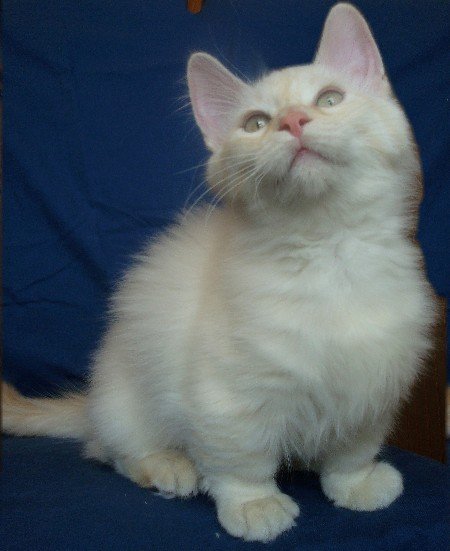
What Makes Munchkin Cats Unique
The signature feature of Munchkin cats lies in their extraordinary short legs, setting them apart in the feline world. These captivating cats maintain the proportions of standard cats from the legs up, creating a distinctive silhouette that has earned them nicknames like “sausage cat” and the “Dachshund of the cat world” .
Short legs and body proportions
Munchkin cats owe their defining characteristic to a naturally occurring genetic mutation that affects the development of long bones in their legs . This form of feline dwarfism results in legs approximately 3 inches shorter than those of average-sized cats . Interestingly, Munchkins come in three leg-length variations: “standard” (slightly shorter than normal cats), “super-short” (2-3 inches shorter), and “rug hugger” (the closest to the ground) .
Despite their shortened limbs, these cats maintain normal-sized bodies. Adult Munchkins typically weigh between 5-9 pounds and stand about 6-9 inches tall . Males generally weigh between 6-9 pounds, while females are slightly smaller at 4-8 pounds . Their bodies feature a moderate build with well-rounded chests and firmly developed muscles .
The hind legs of Munchkins may be slightly longer than their front legs, creating a subtle rise from shoulder to rump . Additionally, their legs might appear somewhat bowed, though excessive bowing would be considered a disqualification in show competitions . Consequently, their movement is often compared to that of a ferret rather than displaying the typical feline grace .
Coat types and color variations
The Munchkin breed features remarkable diversity in coat characteristics. They come in both short-haired and long-haired varieties, each with distinctive qualities. Short-haired Munchkins possess medium-length, semi-plush coats, whereas long-haired varieties showcase semi-long, silky coats . Both types feature soft, plush, all-weather coats , with the long-haired Munchkin sporting a plumed tail .
Furthermore, these cats display an impressive range of colors and patterns. Munchkins can appear in virtually any color or pattern combination found in the feline world . Common patterns include solid, tabby, calico, tortoiseshell, bicolor, pointed, and tuxedo . Eye colors also vary significantly, ranging from gold and green to blue and copper .
Particularly noteworthy are some color combinations with unique characteristics. For instance, white Munchkins with blue eyes have a significantly higher chance of deafness—approximately 65-85% of white cats with two blue eyes are born deaf . On the positive side, research suggests black-coated Munchkins may carry genes that provide protection against certain diseases .
Recognized vs. unrecognized breed status
The Munchkin breed has generated considerable debate within the cat fancy community since its public introduction in 1991 . The International Cat Association (TICA) first accepted Munchkins into their new breed program in 1994 and granted them Championship status in 2003 . Other organizations that recognize the breed include the Southern Africa Cat Council, the Australian Cat Federation, the World Cat Federation, and Catz Incorporated of New Zealand .
Nevertheless, several prominent cat registries have refused to recognize Munchkins. The Fédération Internationale Féline rejects them, considering the breed based on a genetic disease (achondroplasia) . Similarly, the Governing Council of the Cat Fancy and the Cat Fanciers’ Association do not recognize Munchkins, viewing them as “unacceptable” due to their “abnormal structure” .
This controversy stems from ethical concerns about perpetuating a genetic mutation that might affect the cats’ health and mobility . Many pedigree associations worldwide remain hesitant about acknowledging the breed due to uncertainties surrounding potential long-term health issues . Responsible breeders typically address these concerns by outcrossing Munchkins with domestic cats and other purebreds rather than pairing registered Munchkins with each other, thereby ensuring genetic diversity .
Personality and Behavior Traits
Beyond their distinctive physical appearance, Munchkin cats have won hearts worldwide with their vibrant personalities. These small-statured felines pack enormous character into their compact frames, making them stand out in the cat world for reasons that go far beyond their shortened legs.
Playful and energetic nature
Munchkin cats maintain their kitten-like playfulness well into adulthood—a trait that sets them apart from many other breeds . Their energetic disposition manifests in quick bursts of activity, often taking owners by surprise with their speed and agility despite their shorter legs. In fact, these cats are extremely active and require ample space to run and frolic .
When watching a Munchkin in motion, you’ll notice they race around rooms at impressive speeds, often taking tight corners with remarkable precision . This unexpected agility leads many to compare their movement to ferrets rather than typical cats . Their play style alternates between:
- Racing and chasing games
- Batting at string toys and feather wands
- Wrestling with playmates
- Basking in sunny spots between play sessions
Most notably, Munchkins maintain this high-energy, playful demeanor throughout their lives, rarely outgrowing their love for active play even as they age .
Sociability with humans and pets
Munchkins truly shine in their social interactions. These cats are genuine “social butterflies” who form strong bonds with their human companions . They typically follow their owners from room to room, acting as tiny shadows eager to participate in whatever activity is happening .
Initially shy with strangers, they quickly warm up once they realize attention and affection are on offer . Their sociable nature extends to children, seniors, and other pets—they’re especially known for getting along famously with other cats and dogs . This adaptability makes them excellent additions to multi-pet households.
As companions, Munchkins balance their playful energy with affection. They enjoy cuddling sessions after they’ve had the opportunity to expend energy . This balance of playfulness and affection makes them well-suited for various household dynamics.
Common behavioral quirks
What truly distinguishes the Munchkin’s personality are their endearing behavioral quirks. One of the most charming is their tendency to sit upright on their hind legs like rabbits when something catches their interest . This distinctive posture allows them to get a better view of their surroundings and has become one of their most recognizable behaviors .
Munchkins are also known for their “magpie” or hoarding tendencies—they often collect and stash small, shiny objects around the house . If you notice your jewelry or small trinkets mysteriously disappearing, your Munchkin might be creating a secret treasure trove . This playful collecting behavior stems from their clever, game-oriented minds.
Their intelligence deserves special mention as well. Munchkin cats respond well to training and can learn tricks like walking on a leash, playing fetch, and even performing simple commands . Their quick learning ability and curious nature make them engaged, interactive pets who remain mentally active throughout their lives.
Ultimately, Munchkin cats combine confidence, curiosity, and playfulness in a way that keeps their owners constantly entertained. They aren’t typically content to simply observe household activities—they want to be in the middle of the action . This engaging personality, coupled with their affectionate nature, explains why Munchkin enthusiasts remain devoted to the breed despite the controversies surrounding their physical characteristics.
Living Environment and Daily Needs
Creating the perfect home environment for Munchkin cats requires thoughtful consideration of their unique physical structure. Their shorter legs create specific needs that differ from those of standard cats, yet with proper accommodations, these special felines thrive in various living arrangements.
Ideal home setup
Munchkin cats adapt remarkably well to different living spaces, making them suitable for both apartments and larger homes. In essence, what matters most isn’t the size of your dwelling but how it’s configured to accommodate their shorter stature. These adaptable felines perform well in smaller spaces like apartments or condos, provided they have adequate toys, scratching posts, and daily interaction .
For optimal comfort, position food and water bowls at comfortable heights to prevent neck strain during meals . Actually, elevated feeders designed for small dogs often work perfectly for adult Munchkins . Likewise, litter boxes should feature low sides for easy access throughout their lives .
Safety considerations become particularly important in multi-pet households. Ensure your Munchkin has access to hiding spots and secure areas where they can retreat if needed, even if they require assistance reaching these locations . This security helps them feel confident in their environment.
Space and climbing considerations
Despite their shorter legs, Munchkins remain active cats with a natural desire to climb and explore. Indeed, many Munchkin owners report their cats experiencing intense “zoomies” – periods of heightened activity, primarily during morning and evening hours . Hence, your home should accommodate these energy bursts with sufficient floor space for running.
As opposed to standard cats, Munchkins cannot jump as high, so traditional vertical cat trees may pose challenges . Instead, provide:
- Low-height cat trees with gentle inclines rather than vertical jumps
- Stepping stones or small platforms at various heights
- Pet steps or ramps leading to favorite perches
- Stable surfaces with non-slip materials to prevent accidents
Modifying your home with these features allows your Munchkin to satisfy their natural climbing instincts without strain . The main selling point of ideal cat furniture for Munchkins is accessible ladder-type structures, making it easier for them to climb . Such modifications are also beneficial for senior or otherwise disabled cats needing extra assistance .
Companionship and stimulation
Munchkin cats thrive on social interaction and typically dislike being left alone for extended periods. Essentially, they are social butterflies who crave human companionship . Many breeders and Munchkin experts recommend having other animal companions in the home, as these cats are happiest with a buddy to play with .
To maintain optimal physical and mental health, establish a consistent daily exercise schedule. Rather than one long session, aim for several shorter play periods throughout the day, with each lasting about 10-15 minutes . Morning and evening sessions often work best, aligning with cats’ natural activity patterns .
For mental stimulation, Munchkins benefit from:
- Interactive toys like feather wands and laser pointers
- Ground-based toys that encourage chasing and pouncing
- Puzzle feeders that combine mealtime with problem-solving
- Small obstacle courses or tunnels that accommodate their mobility
Rotating toys regularly helps maintain your cat’s interest and prevents boredom . Given their heightened curiosity compared to other cats, environmental enrichment becomes particularly important for their psychological well-being .
Remember to monitor your Munchkin during play sessions for signs of fatigue. Their unique body structure may cause them to tire more quickly during certain activities . Fresh water should always be available, preferably in multiple locations throughout your home .
Grooming and Hygiene Tips
Proper grooming plays a crucial role in maintaining your Munchkin cat’s health and happiness, requiring special attention due to their unique body structure. Unlike standard cats, Munchkins often struggle with self-grooming certain areas because of their shorter limbs, making regular owner-assisted grooming sessions even more important.
Brushing frequency by coat type
Munchkin cats come in both short-haired and long-haired varieties, each requiring different grooming approaches. For short-haired Munchkins, weekly brushing is typically sufficient to remove loose hair and minimize shedding . This regular schedule helps distribute natural oils throughout their coat while removing dirt and dead hair . A soft-bristled brush or grooming glove works perfectly for these cats .
Long-haired Munchkins need more frequent attention—ideally two to three times weekly, with particular focus on their belly and tail areas where mats commonly form . Some long-haired varieties may even require daily grooming sessions to prevent tangles and mats from developing . For these fluffier felines, consider using:
- Wide-tooth combs for initial detangling
- Slicker brushes for thorough grooming
- Detangling spray for stubborn knots
Throughout your cat’s life stages, grooming needs may change. Munchkin kittens have particularly soft coats and delicate skin, requiring gentler handling . As they mature, establishing a regular grooming routine becomes important—adult Munchkins shed moderately year-round, so consistent brushing reduces both shedding and hairball formation .
Bathing and nail trimming
Fortunately, Munchkins rarely need baths unless they get particularly dirty . When bathing becomes necessary, use only cat-specific shampoos, as feline skin has a different pH than human skin . Keep bath time calm, quick, and positive—especially for kittens who are still forming associations with grooming . Always ensure your cat is completely dry afterward to prevent chilling .
Nail trimming represents a more regular requirement, generally needed every 2-4 weeks . This schedule prevents overgrowth and potential discomfort, particularly important since Munchkins may be less active than standard cats . When trimming:
- Use cat-specific nail clippers for safety
- Trim just the sharp tip, avoiding the pink quick
- Keep styptic powder handy for accidental nicks
- Start slowly with kittens to build positive associations
Regular ear cleaning should also be part of your grooming routine. Check your Munchkin’s ears for dirt or wax buildup, gently wiping with a damp cotton pad and vet-approved cleaner . Avoid using cotton swabs, as these can potentially damage the ear canal .
Helping with hard-to-reach areas
Perhaps most uniquely to Munchkin cats, their shortened limbs create challenges in reaching certain body areas during self-grooming . This limitation becomes more pronounced as they age or if they develop mobility issues . Greasy patches in hard-to-reach spots often indicate your Munchkin has difficulty grooming those areas .
First and foremost, pay special attention to:
- The back and base of the tail
- The rear hindquarters
- Between shoulder blades
- Behind the ears
Use a soft, damp cloth for eye area cleaning to prevent tear stains and infections . For stubborn mats in long-haired Munchkins, specialized mat-splitting tools help work through knots gently—never pull or cut mats hastily, as this risks hurting your cat and damaging their skin .
Notably, if you notice your Munchkin has stopped grooming altogether, this could indicate underlying health problems like dental issues, obesity, arthritis, or skin conditions . Such behavior changes warrant veterinary consultation, as grooming is a natural behavior essential to feline well-being .
Regular grooming sessions additionally provide opportunities to check for skin issues, lumps, or parasites while strengthening your bond with your Munchkin cat . With proper attention to their unique grooming needs, your short-legged companion will remain comfortable, healthy, and looking their best.
Feeding and Nutrition Guidelines
Proper nutrition forms the cornerstone of health for Munchkin cats, serving as the foundation that supports their unique physiology and helps mitigate potential joint concerns. A tailored nutritional approach becomes even more critical given their distinctive body structure.
Recommended diet types
First and foremost, Munchkin cats are obligate carnivores requiring high-quality animal proteins as the primary component of their diet. Look for foods listing real meats like chicken, turkey, or fish as the first ingredient. Although Munchkins don’t have specific nutritional requirements different from other cats, quality matters tremendously for their overall wellbeing.
A balanced approach combining both wet and dry food offers significant benefits:
- Wet food provides essential hydration and supports kidney health
- Dry kibble helps reduce tartar buildup on teeth
- Combined feeding ensures balanced nutrition and texture variety
Most veterinarians recommend AAFCO-approved cat foods appropriate for your Munchkin’s life stage. When selecting food, prioritize options with moderate fat content (around 12-18%) to prevent weight gain, which could put additional stress on their shorter legs. Moreover, minimal carbohydrate content is ideal since cats process carbs inefficiently.
For Munchkins specifically, foods containing joint-supporting nutrients like omega-3 fatty acids deserve special consideration. As your cat ages, senior-specific formulas with reduced phosphorus content can support kidney function while maintaining muscle mass.
Feeding schedule and portion control
Portion control ranks among the most crucial aspects of Munchkin cat care. Free-feeding is generally discouraged as it often leads to obesity, putting unnecessary strain on their joints. Instead, implement a measured feeding schedule of two to three balanced meals daily.
For kittens under 12 months, three to four small meals throughout the day supports their rapid growth and high energy needs. As they mature into adults, transition to twice-daily feedings with carefully measured portions based on weight, activity level, and life stage.
Feeding guidelines on commercial cat food packaging provide a starting point, but consulting with your veterinarian remains the best approach for determining appropriate portions. Adjust amounts if you notice weight changes, particularly weight gain, which can exacerbate potential joint issues.
Some Munchkins experience whisker fatigue when eating from deep bowls. In these cases, flat plates or specially designed feeding mats offer more comfortable alternatives. Additionally, their shorter stature might necessitate shallower food bowls than those used for standard-sized cats.
Supplements for joint health
Given their unique physical structure, Munchkin cats often benefit from joint-supporting supplements, particularly as they age. Glucosamine and chondroitin sulfate stand out as beneficial compounds that support cartilage repair and maintenance while helping to slow degradation.
Omega-3 fatty acids, specifically EPA and DHA, provide notable anti-inflammatory benefits. Studies show these compounds can significantly improve mobility and comfort in cats with joint concerns. Fish oil supplements represent one common source, though quality varies considerably between products.
Other beneficial supplements include:
- MSM (methylsulfonylmethane) for connective tissue support
- Hyaluronic acid to improve joint fluid viscosity
- Green-lipped mussel extract for comprehensive joint support
When selecting supplements, choose products specifically formulated for felines with the NASC Quality Seal from the National Animal Supplement Council. This certification indicates products meeting established quality standards. As always, consult your veterinarian before starting any supplementation regimen, as they can recommend appropriate dosages based on your cat’s specific needs.
For senior Munchkins or those showing early signs of joint discomfort, supplements often work best as part of a comprehensive approach including proper nutrition, weight management, and appropriate environmental modifications.
Common Health Concerns in Munchkin Cats
Understanding the genetic implications of Munchkin cats’ unique physical structure reveals several potential health complications these felines may face throughout their lives. The same mutation responsible for their adorable short legs can sometimes lead to medical concerns requiring attentive care.
Osteoarthritis and joint issues
Munchkin cats face a higher risk of developing osteoarthritis compared to standard-legged cats primarily because of their shortened limbs . This degenerative joint condition occurs when cartilage within the joints gradually breaks down, eventually causing bones to rub against each other painfully .
The controversy surrounding this condition stems from conflicting claims. Some breeders insist Munchkins “don’t have issues,” yet this assertion lacks support from robust veterinary science . Ongoing research aims to determine exactly how their abnormal limb structure affects joint health over time, particularly as these cats age.
Signs that your Munchkin may be developing osteoarthritis include:
- Stiffness and reduced activity
- Reluctance to jump or run
- Lethargy and personality changes
- Decreased appetite
- Poor grooming habits
Unfortunately, there’s no cure for osteoarthritis, making early management crucial. Treatment typically focuses on reducing pain and inflammation through prescription medications such as non-steroidal anti-inflammatory drugs (NSAIDs) . Joint supplements containing glucosamine and chondroitin often help maintain joint health alongside physical therapy and appropriate low-impact exercise .
Lordosis and spinal curvature
Lordosis presents another concerning condition for Munchkin cats—characterized by an abnormal inward curvature of the spine, often creating a visibly dipped appearance along the lower back . This congenital malformation results from the spine muscles being too short, causing the spine to curve downward toward the chest cavity .
In Munchkins specifically, this deformity relates directly to their front legs being shorter than their hind legs . The severity varies considerably among affected cats. Mild cases may show minimal symptoms, yet severe instances can dramatically impact quality of life by compressing vital organs .
When lordosis affects the chest area, it may compress the heart and lungs, potentially decreasing cardiac functionality and breathing capacity . Observable symptoms include pain, leaning to one side, reduced movement, and in extreme cases, a visibly distorted spine .
Veterinarians usually diagnose lordosis shortly after birth or during early development. Severe cases occasionally respond to specialized surgery, though such procedures carry significant risks . Regrettably, extreme instances of lordosis often prove difficult to treat effectively .
Pectus excavatum and chest deformities
Pectus excavatum—sometimes called “funnel chest”—represents a third notable concern affecting some Munchkin cats. This congenital abnormality involves a deformity of the cartilage in the sternum and ribs, resulting in a hollow, concave, or narrowed chest cavity .
The condition ranges from moderate to severe, potentially causing:
- Decreased exercise tolerance
- Persistent coughing
- Breathing difficulties
- Lethargy
- Frequent respiratory infections
- Weight loss or failure to thrive
- Abnormal heart rate
Primarily concerning is how pectus excavatum compresses the heart, shifting it leftward in the chest cavity and potentially squeezing the right side, thereby affecting cardiac function . The condition simultaneously compresses portions of the lungs, reducing overall respiratory capacity .
Veterinarians typically diagnose this condition through physical examination, identifying the characteristic concave chest, alongside X-rays or CT scans . Severe cases generally require surgical intervention, ideally performed when kittens are between 8-12 weeks old . Surgery typically involves either external splinting techniques for young kittens with flexible chest structures or internal procedures using plates for more serious cases .
Maintaining appropriate weight becomes absolutely critical for Munchkin cats with any of these conditions, as excess pounds dramatically increase strain on already compromised skeletal structures .
History and Controversy of the Breed
The story of Munchkin cats spans several decades, with documented sightings of short-legged felines appearing throughout history before becoming an officially recognized breed. Their journey from random genetic mutation to controversial pedigree cat illustrates how breeding practices sometimes outpace ethical consensus in the cat fancy world.
Origins and genetic mutation
Reports of cats with unusually short legs date back to at least 1944, when a British veterinary report described four generations of short-legged cats whose only difference from normal cats were their shortened limbs. This early line disappeared during World War II. Subsequent sightings occurred in Stalingrad in 1956 and New England in 1970, indicating the mutation has appeared naturally multiple times.
The modern Munchkin breed truly began in 1983 when Sandra Hockenedel discovered a pregnant short-legged stray cat in Louisiana, whom she named Blackberry. After Blackberry gave birth, Hockenedel gave a male kitten named Toulouse to her friend Kay LaFrance. These two cats—Blackberry and Toulouse—became the foundation for today’s Munchkin breed. The breeding program expanded by outcrossing with domestic cats to ensure genetic diversity.
Recognition by cat associations
The International Cat Association (TICA) accepted Munchkins into their New Breed development program in September 1994. Following years of development and observation, Munchkins achieved TICA Championship status in May 2003. This recognition came after breeding data confirmed that the short legs followed a dominant pattern of inheritance similar to that seen in Corgis and Dachshunds.
Nonetheless, many major cat organizations have refused to acknowledge the breed. The Fédération Internationale Féline, the Governing Council of the Cat Fancy, and the Cat Fanciers’ Association do not recognize Munchkins, considering them based on a genetic disease. Currently, beyond TICA, only the Southern Africa Cat Council, Australian Cat Federation, World Cat Federation, and Catz Incorporated of New Zealand officially recognize the breed.
Ethical concerns in breeding
The ethics of breeding Munchkin cats remains highly contentious in the feline community. Critics argue that deliberately breeding cats with genetic mutations raises significant welfare concerns, particularly regarding potential mobility issues and joint problems as the cats age.
In certain countries, breeding Munchkins is prohibited by law due to these concerns. The Australian Capital Territory government considers Munchkins “malformed animals” and their deliberate breeding “unacceptable” because of potential genetic health problems. Likewise, the Netherlands prohibited breeding Munchkins in 2014 under laws against breeding animals with genetic defects.
Proponents maintain that research under TICA’s Genetics Committee shows Munchkins don’t suffer from spinal issues common in dwarf dog breeds. They argue that many years of research have validated there are no debilitating genes associated with the breed.
At this point, the controversy continues, with veterinary science still working to determine the long-term implications of the mutation on feline health and welfare.
Cost, Adoption, and Breeder Tips
Acquiring a Munchkin cat involves significant financial considerations and ethical choices. Understanding regional price variations, asking the right questions, and weighing adoption options will help prospective owners make informed decisions.
Price range in different regions
The cost of Munchkin cats varies substantially by location. In India, prices typically range from ₹30,000 to ₹60,000, with metropolitan areas commanding premium rates . Major Indian cities show noticeable price differences:
- Mumbai/Delhi: ₹40,000-60,000
- Bangalore: ₹35,000-55,000
- Kolkata/Chennai: ₹30,000-50,000
- Tier-2 Cities: ₹25,000-40,000
In the United States, prices run higher—between $1,000-3,000 (₹84,380-₹168,760), with show-quality specimens potentially reaching $3,500 (₹295,331) .
What to ask breeders
Prior to purchasing, interview potential breeders thoroughly about:
- Health verification: “Can I see vaccination records and health certificates?”
- Parental lineage: “Are the parents tested for genetic conditions?”
- Living conditions: “May I visit where the kittens are raised?”
- Socialization: “How have the kittens been exposed to people and other animals?”
- Return policy: “What guarantees do you offer if health issues arise?”
Certainly avoid breeders who refuse vet examinations or seem reluctant to show parents .
Adoption vs. buying considerations
Alternatively, adoption offers a compassionate pathway to Munchkin ownership. Rescue organizations occasionally receive surrendered Munchkins, with adoption fees ranging from ₹3,375 to ₹25,314—substantially lower than breeder prices . These fees typically cover initial veterinary care including vaccinations and microchipping .
Beyond cost savings, adoption provides a second chance for cats in need. Yet regardless of acquisition method, remember that the initial investment represents only the beginning of ongoing expenses including food, litter, toys, and veterinary care .
Conclusion
Munchkin cats undoubtedly stand out in the feline world with their distinctive short legs and playful personalities. Their unique physical structure, resulting from a natural genetic mutation, creates both their charming appearance and the controversy surrounding them. Although these cats display remarkable agility despite their shortened limbs, potential owners should carefully consider the ethical implications and possible health concerns before bringing a Munchkin into their home.
Weight management becomes especially crucial for these cats, as excess pounds can exacerbate potential joint issues like osteoarthritis. Therefore, providing appropriate nutrition, regular veterinary care, and a well-designed living space will significantly improve their quality of life. Their living environment should feature accessible climbing options and plenty of floor space for their energetic play sessions.
Beyond physical considerations, Munchkin cats offer tremendous companionship with their sociable, affectionate temperament and kitten-like playfulness that continues throughout their lives. These little “magpies” with their tendency to collect shiny objects and sit up like rabbits bring endless entertainment to their families.
The decision to adopt a Munchkin ultimately requires balancing their undeniable charm against legitimate health and ethical concerns. Prospective owners who choose this breed should commit to responsible ownership through proper diet, regular grooming assistance for hard-to-reach areas, and attentive health monitoring. Alternatively, those drawn to Munchkins but concerned about supporting controversial breeding practices might consider adoption from rescue organizations where these special cats occasionally appear.
Regardless of where you stand on the Munchkin debate, these short-legged felines have certainly made their mark in the cat world. With proper care and understanding of their unique needs, Munchkin cats can live happy, healthy lives spanning 12-15 years while bringing joy and companionship to their human families.