
LaPerm Cat
Did you know the LaPerm cat is one of the few naturally occurring curly-coated felines in the world? This unique breed first appeared as a spontaneous genetic mutation in 1982, surprising its owner with a bald kitten that later developed distinctive curly fur.
The LaPerm cat breed stands out from other felines with its remarkable coat that can range from loose waves to tight ringlets. These medium-sized cats typically weigh between 8-10 pounds when fully grown and possess an alert, curious personality that endears them to cat lovers. Despite their exotic appearance, LaPerms boast a friendly, affectionate temperament that makes them excellent companions for families of all sizes. Additionally, the LaPerm cat lifespan averages 10-15 years, giving owners plenty of time to enjoy their distinctive feline friends.
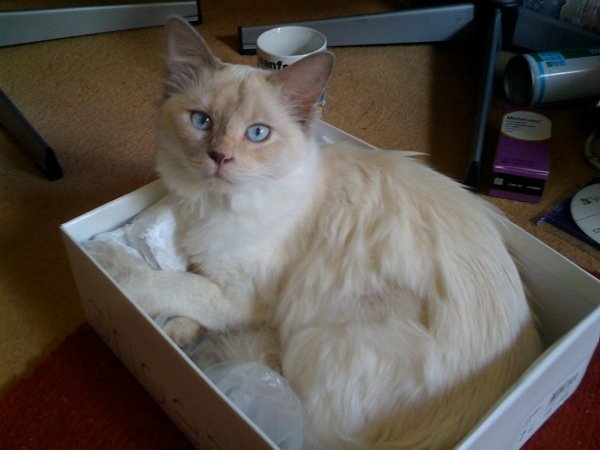
In this comprehensive guide, we’ll explore everything you need to know about this fascinating curly-haired cat breed—from their unusual origin story to their care requirements and characteristic traits that make them truly special companions.
Breed Overview: What Makes the LaPerm Unique
The LaPerm stands out in the feline world with its distinctive curly coat—a result of a natural genetic mutation that makes this breed truly one-of-a-kind. Unlike other rex breeds, the LaPerm possesses a dominant gene causing those signature curls, creating a cat that’s both visually striking and genetically unique .
Size, weight, and build
The LaPerm features an elegant, athletic build with a medium-sized, muscular body. These cats typically have longish legs and neck, creating a graceful silhouette . In terms of proportions, LaPerms are remarkably balanced with fine to medium boning that gives them surprising weight for their size .
Female LaPerms generally weigh between 6-8 pounds, while males are slightly larger at 8-10 pounds . From nose to tail, these felines can measure 12-18 inches in length, with their tails often matching their body length . Interestingly, despite their moderate size, their fluffy coats can make them appear larger than they actually are .
The breed develops at a moderate pace, taking 2-3 years to reach full maturity, with females typically maturing faster than males . Their heads feature a modified wedge shape with gently rounded contours and a muzzle slightly broader than the wedge .
Coat types and colors
Perhaps the most fascinating aspect of the LaPerm is its remarkable coat. The breed comes in both shorthair and longhair varieties, each with distinctive curling patterns. The coat stands away from the body with a springy, airy quality that gives it a unique “Gypsy Shag” appearance .
The coat texture is particularly special—not silky, but having a certain drag on the hand similar to mohair . The curls are most pronounced in specific areas:
- Tightest ringlets appear around the neck, throat, and at the base of the ears
- Long-haired LaPerms have curly plumed tails while short-haired have bottle-brush tails
- Both varieties have distinctively curled whiskers and kinked eyebrows
Furthermore, the LaPerm comes in virtually every color and pattern genetically possible for cats. From solid colors (black, white, blue, cream) to complex patterns like tabby, tortoiseshell, and colorpoint, the breed showcases remarkable variety . This impressive range stems from the LaPerm being a natural mutation rather than a selectively bred color variant .
Eye color variations
Complementing their diverse coat colors, LaPerms can have eyes in practically any feline eye color. Their medium-large, almond-shaped eyes may be copper, gold, yellow, green, blue, or aqua . Some LaPerms even display heterochromia (odd-eyes) with two different colored eyes .
Notably, unlike some breeds where coat color determines eye color, the LaPerm shows no correlation between the two . This independence adds to the breed’s visual diversity and uniqueness. Their expressive eyes, combined with their distinctive curly coat, give LaPerms an endearingly alert and innocent expression .
Life expectancy and general traits
The LaPerm is generally a robust breed with a healthy lifespan. Most LaPerms live between 10-15 years , though some have been known to reach 20 years of age . This longevity reflects their overall good health, as the breed isn’t especially prone to genetic diseases .
Beyond their physical attributes, LaPerms possess several distinctive traits. They have flared, medium-to-large ears often adorned with tufts at the tips and “ear muffs” (longer, silky hair on the backs of the ears) . Their whiskers are characteristically long and curled, matching their unique coat.
The LaPerm’s personality is as appealing as their appearance. They’re known for being affectionate, intelligent, and people-oriented cats . Their active, outgoing nature makes them excellent companions who enjoy being involved in household activities.
One common misconception concerns their hypoallergenic status—while some claim LaPerms trigger fewer allergic reactions, they’re not truly hypoallergenic . However, their unique coat may shed less than typical cats, potentially making them more suitable for some allergy sufferers.
The Origin Story of the LaPerm
Every cat breed has an origin story, yet few are as fascinating as that of the LaPerm cat. The tale begins not in a sophisticated breeding program, but rather in the humble surroundings of a cherry farm in The Dalles, Oregon.
The first bald kitten: Curly
In 1982, a remarkable event occurred on Linda and Richard Koehl’s cherry orchard. Their ordinary brown tabby barn cat named Speedy gave birth to a litter of six kittens. Among them was one female kitten that looked strikingly different from her siblings. This unusual female was completely bald with tabby markings and featured large, widely spaced ears. Linda had serious doubts about the kitten’s chances of survival.
Surprisingly, the strange-looking kitten did survive. At approximately eight weeks of age, something extraordinary happened – the bald kitten began to grow a coat. Not just any coat, but a soft, curly one that distinguished her from all her siblings. Fittingly, Linda named her “Curly.”
As Curly matured, she developed a full coat of distinctive curls by three months of age. Her unusual appearance wasn’t the only thing that made her special – she also had a sweet, docile personality that endeared her to the farm owners. Linda couldn’t resist picking up and petting this uniquely textured cat.
From barn cat to show cat
Originally, the Koehls did not spay Curly, allowing her to produce kittens of her own. Her offspring were sired by various local males, including a Siamese and a Manx. Interestingly, Curly’s first litter produced five male kittens, all born with the same curly coat as their mother.
For the next decade, the Koehls observed more bald kittens being born in the randomly bred litters on their farm. These kittens subsequently developed the same distinctive curly coats. Throughout this initial period, there was no formal breeding program – the working cat colony simply interbred naturally, with new kittens growing up and joining the group.
During this time, the dominant nature of the rex gene became evident. Regardless of what type of cat was crossed with the curly-coated cats, more curly-coated offspring appeared. This genetic dominance meant the trait was carried by both males and females, spreading quickly throughout the entire farm colony.
In time, both long and short-haired curly cats appeared naturally within the colony. As visitors to the farm consistently commented on these unusual cats, Linda began to realize she might have something special. She conducted research and discovered that this dominant rex gene represented something entirely new in the cat world.
Recognition by cat associations
The pivotal moment for the breed came in 1992, when Linda Koehl entered six of her curly-haired cats into a Cat Fanciers’ Association show in Portland, Oregon. Since the show required a breed name for registration, Linda registered them as “LaPerm” because the cats’ coats resembled a permanent wave hairstyle.
The cats received an enthusiastic response at the show. Several judges, including Dennis Ganoe and Kim Everett, became actively involved, providing invaluable advice and encouragement to ensure these unique cats were preserved through a proper breeding program.
Subsequently, Linda began registering her cats under her prefix “Kloshe” (a Native American word meaning “good”). The breed also gained strong support from Dr. Solveig Pflueger, head of the TICA genetics committee, when LaPerms started appearing in TICA shows.
The International Cat Association (TICA) granted the LaPerm New Breed status in 1995 and full championship recognition in 2002. The Cat Fanciers’ Association (CFA) followed by granting Miscellaneous class status in 2000 and Provisional class status in 2005.
After years of dedicated effort by breeders who exhibited LaPerms in every region, sometimes bringing up to six cats to each show, the breed finally achieved CFA championship status on February 4, 2008. A significant milestone was reached when the first CFA champion was crowned – Ch Sunfall’s BC Kahaha Towanjila.
Even today, the LaPerm remains relatively rare but is steadily gaining popularity worldwide. Through dedicated breeding programs and continuing recognition by major cat associations, this once-humble barn cat has secured its place in the pantheon of distinctive feline breeds.
Understanding the LaPerm’s Appearance
The LaPerm’s most fascinating feature is undoubtedly its remarkable curly coat—a characteristic so distinctive that it defines the entire breed. Looking at these cats for the first time, many people instinctively want to touch their unusual fur, which has been described as feeling like lamb’s wool or a teddy bear.
Curly coat patterns and textures
The LaPerm’s curl patterns vary considerably, ranging from loose, wavy locks to tight, corkscrew ringlets that create a bouncy, springy effect. These curls are not uniform across the body—instead, they form a natural mosaic of textures that give each LaPerm its own unique appearance.
The most pronounced curls typically appear in specific areas:
- Around the neck, creating a distinctive ruff or collar effect
- At the base of the ears, forming charming “ear furnishings”
- On the underside of the neck and throat
- In the prime “petting zone” between the shoulders
One of the most enchanting features of the LaPerm is its curled whiskers and eyebrows. These kinked facial accessories contribute to the breed’s whimsical, slightly surprised expression. Interestingly, the curl pattern can vary not only between individual cats but also on a single cat throughout its life, responding to hormonal changes, seasons, and even climate.
The texture itself has been described as having a distinctive feel—not silky smooth like many straight-coated breeds, but possessing a certain “drag” on the hand, similar to mohair. This unique texture helps prevent excessive tangling despite the curly nature of the coat.
Differences between short and long-haired LaPerms
Short-haired and long-haired LaPerms present noticeably different visual profiles, though both possess the signature curls that define the breed.
Short-haired LaPerms exhibit a coat that lies closer to the body while still maintaining distinct curls. Their fur typically measures 1-2 inches in length, creating a neat, compact appearance. The tail resembles a bottlebrush—full and plush but without the dramatic plume of their longer-haired cousins. Their curls tend to form tighter ringlets that create a more uniform, textured appearance.
In contrast, long-haired LaPerms display a more dramatic, flowing coat that can reach 3-4 inches in length. Their curls often form looser, more open waves, especially along the back and sides. The stomach and chest areas typically show more pronounced curling. Perhaps the most striking feature is their magnificent plumed tail, which waves and curls like a feathery flag.
Both varieties share the same genetic curl factor, yet they exhibit different grooming needs. The short-haired variants generally require less maintenance, while long-haired LaPerms benefit from occasional gentle combing to prevent mats from forming in the longer curls.
How the coat changes from kitten to adult
The development of the LaPerm’s coat represents one of the most fascinating aspects of this breed. Many LaPerms are born with straight coats or sometimes completely bald—a stark contrast to their curly adult appearance.
The typical developmental pattern follows these stages:
First, many LaPerm kittens experience what breeders call the “naked phase,” where they’re either born bald or lose their baby coat within weeks. This temporary baldness can be startling to the uninitiated, but it’s a normal part of the LaPerm’s development.
Around 3-4 months of age, the coat begins to grow in, often starting as straight fur that gradually develops curls as it lengthens. Some kittens skip the bald phase entirely, being born with curls that stay throughout their development.
By 8-10 months, the juvenile coat starts to develop its adult texture and curl pattern, though the full glory of the LaPerm coat may not be achieved until the cat reaches 2-3 years of age. Throughout this period, the curl can strengthen, loosen, or even temporarily disappear during coat changes.
Female LaPerms often undergo significant coat changes during hormonal cycles. After pregnancy and nursing, the coat may temporarily lose curl before bouncing back to its characteristic texture. Seasonal changes can affect the coat density as well, with many LaPerms developing thicker, more pronounced curls during colder months.
This dynamic quality of the LaPerm’s coat makes it an ever-changing canvas of texture and pattern—just one more reason why this unique breed continues to fascinate cat enthusiasts worldwide.
Personality Traits and Temperament
Beyond their distinctive curly coats, the personality of a LaPerm cat often captivates owners even more than their unique appearance. These felines possess a remarkable combination of traits that make them exceptional companions for various households.
Affectionate and people-oriented
LaPerms are extraordinarily people-focused cats who form deep bonds with their human families. They crave interaction and aren’t the type to hide when visitors arrive—quite the opposite. These sociable cats typically approach newcomers with confidence and curiosity .
“LaPerms are generally people cats—they love to be with their humans,” notes Carol Evans, secretary of the Laperm Cat Club . This people-oriented nature makes them excellent companions for those seeking an engaged feline friend.
These cats express their affection in charming ways:
- Gentle pats on your face with their paws
- Head nuzzles against yours
- Loud purring to express contentment
- Following you from room to room
Evans describes LaPerms as “in-your-face people-lovers” who are “never far away” . Consequently, if you prefer an independent cat who keeps to itself, the LaPerm might not be your ideal match.
There’s some debate among experts about whether LaPerms are lap cats. Although some sources describe them as calm companions content to lounge in your lap , others suggest they’re too active for extended cuddle sessions . In reality, most LaPerms seem to enjoy both—they’re active and playful yet equally appreciate downtime for snuggles.
Playfulness and curiosity
The LaPerm cat combines intelligence with playfulness, creating a feline that’s both entertaining and engaging. These cats remain kitten-like well into adulthood, maintaining their playful spirit throughout their lives.
Their inquisitive nature drives them to investigate every corner of their home. LaPerms want to participate in all household activities, making them excellent companions who stay involved in your daily life . Moreover, they enjoy perching on shoulders and being carried from room to room, giving them a better vantage point for observing activities .
Intelligence is another hallmark of the LaPerm personality. These smart felines can learn basic commands and tricks with relative ease . Many LaPerm owners discover their cats enjoy playing fetch—an unusual trait among felines . This intelligence means they require mental stimulation through puzzle toys, interactive games, and regular playtime .
As a result of their active minds, LaPerms benefit from rotating toys and new challenges to prevent boredom. Their energetic nature means they appreciate climbing trees, interactive toys, and opportunities for safe exploration .
Compatibility with kids and other pets
The LaPerm’s patient nature makes it an excellent choice for multi-pet households and families with children. Unlike some more sensitive breeds, LaPerms typically handle the energy and unpredictability of children with remarkable tolerance .
Their adaptable disposition allows them to integrate smoothly into families with existing pets. They generally welcome the companionship of other cats and dogs, forming friendships rather than rivalries . This accepting attitude stems from the breed’s origins as barn cats, where they naturally developed social skills for group living.
LaPerm cats combine playfulness with patience, making them ideal playmates for gentle children. Their curiosity and interactive nature mean they’ll often engage in games with kids rather than hiding from them . Furthermore, their moderate energy level provides a good match for family life—active enough to play but not so hyper they become overwhelming.
For families seeking a well-rounded cat that fits smoothly into busy household dynamics, the LaPerm offers an ideal blend of affection, playfulness, and adaptability. Their people-centered disposition ensures they become true family members rather than simply pets.
Caring for a LaPerm Cat
Maintaining the LaPerm’s distinctive curls requires specific yet surprisingly simple care techniques. Despite their exotic appearance, these cats are relatively low-maintenance compared to many long-haired breeds. With the right approach, keeping your LaPerm looking its best becomes a straightforward part of your routine.
Grooming tips for curly coats
The LaPerm’s unique coat requires different grooming approaches than straight-haired cats. Fortunately, their curls are remarkably resistant to matting, making routine care quite manageable. The ideal grooming tool for a LaPerm is a wide-toothed comb with revolving teeth, which can move through the coat without pulling at the hairs—important because LaPerm hair is more delicate than normal cat hair.
Brushing frequency depends on coat length:
- Short-haired LaPerms: Once weekly combing is typically sufficient
- Long-haired LaPerms: Twice weekly sessions help prevent tangles, especially during shedding periods
Essentially, over-brushing can damage the natural curl pattern, so less is often more with these cats. Many LaPerm owners discover that simple hand grooming works well between formal brushing sessions. This involves gently running your fingers through the coat to remove loose hairs and prevent potential tangles.
During seasonal changes or “molting” periods, your LaPerm may need extra attention. The curls tend to hold dead hair in the coat rather than shedding it around your home, which may contribute to matting if not addressed promptly. Hence, consistent grooming during these transitions becomes particularly important.
Dental and ear hygiene
Dental care forms a crucial part of LaPerm health maintenance. Ideally, brush your cat’s teeth at least three times weekly using feline-specific toothpaste and toothbrush. This regular attention helps prevent periodontal disease—a condition affecting more than half of cats over three years old that can lead to pain and tooth loss.
For ear care, check your LaPerm’s ears weekly for dirt, debris, or signs of infection. Clean them gently using a soft cotton cloth or cotton wool ball slightly moistened with water. Avoid cotton buds (Q-tips) inside the ear canal as they might cause accidental injury if your cat makes sudden movements.
Signs that warrant immediate veterinary attention include:
- Redness or inflammation
- Unusual odors
- Excessive ear wax or discharge
Alongside these routines, regular nail trimming every 2-4 weeks helps prevent scratching damage and keeps your LaPerm comfortable. When trimming, cut only the white part of the claw, avoiding the pink “quick” that contains blood vessels and nerves.
How to maintain coat curliness
The signature curls of your LaPerm can be enhanced with simple techniques. Occasionally misting the coat with plain water from a spray bottle followed by gentle scrunching with your hands helps define and tighten the curls. This method works particularly well for areas that appear flattened after your cat has been sleeping.
If bathing becomes necessary (typically only when your LaPerm gets exceptionally dirty), follow these guidelines:
- Use only cat-specific shampoo
- Apply conditioner made specifically for curly hair
- Rinse thoroughly until the coat feels “squeaky clean”
- Allow air-drying only—never blow dry, which straightens curls into frizz
Some LaPerm owners find that adding a tiny amount of distilled vinegar (approximately 1/8 cup per gallon) to the final rinse water helps ensure all soap residue is removed, preserving coat health and curl definition.
Between baths, cat grooming wipes provide a quick solution for minor cleaning needs. These special wet wipes contain conditioning oils that can be rubbed through the coat in both directions and scrunched to enhance curl definition—providing a quick refresh without full bathing.
Through these straightforward care routines, your LaPerm’s distinctive appearance remains at its beautiful best while maintaining the health that allows their playful, affectionate personality to shine through.
Exercise and Enrichment Needs
The active and playful nature of a LaPerm cat demands regular exercise and enrichment to maintain both physical health and mental well-being. These intelligent felines retain their kitten-like playfulness well into adulthood, making appropriate stimulation crucial for their happiness.
Interactive toys and games
LaPerms possess remarkable intelligence coupled with natural hunting instincts from their barn cat heritage. Indeed, these cats excel at interactive games, with many showing a surprising aptitude for fetch—an unusual skill among felines. Wand toys with feathers or strings prove particularly effective in engaging their predatory instincts, as they mimic the movement of prey.
When selecting toys for a LaPerm, consider these engaging options:
- Puzzle feeders that challenge their problem-solving abilities
- Electronic or automated toys that move unpredictably
- Crinkle balls and catnip mice for independent play
- “Cat dancer” ribbon wands that stimulate hunting behaviors
Daily interactive play sessions lasting 10-15 minutes help prevent obesity, reduce stress, and curb unwanted behaviors. Furthermore, rotating toys regularly maintains interest, as LaPerms can quickly become bored with the same playthings.
Climbing and perching preferences
Naturally, LaPerms adore heights and display an innate desire to survey their domain from elevated positions. Cat trees placed in central living areas fulfill this need perfectly, allowing them to feel “like the king of the castle.” Many owners discover their LaPerms attempting to perch on shoulders or climb bookshelves when proper vertical spaces aren’t available.
Vertical spaces serve dual purposes—providing exercise through jumping and climbing alongside satisfying the LaPerm’s natural inclination for elevated resting spots. Window perches offer an additional benefit by allowing these curious cats to observe outdoor activities, providing passive mental stimulation throughout the day.
Mental stimulation for intelligent cats
The LaPerm’s sharp mind requires regular challenges to prevent boredom, which can otherwise lead to mischievous behavior. Accordingly, puzzle toys that dispense treats when solved offer excellent mental workouts, simultaneously satisfying their intelligence and hunting instincts.
Some LaPerms demonstrate impressive trainability and can learn basic commands or tricks through positive reinforcement methods. Simple training sessions not only provide mental stimulation but likewise strengthen the bond between cat and owner.
Treasure hunts—hiding treats or toys around the house—tap into natural hunting behaviors while engaging their problem-solving abilities. Fortunately, even busy owners can support their LaPerm’s mental health through automated toys with motion sensors that activate periodically, providing entertainment during alone time.
Health and Wellness Considerations
As a naturally occurring breed with strong barn cat genetics, the LaPerm cat enjoys robust health compared to many selectively bred felines. Understanding their health profile ensures these curly-coated companions receive appropriate care throughout their lives.
General health status of the breed
The LaPerm stands as a remarkably healthy breed with few inherited health concerns. With a moderate risk score of 41/100 , these cats haven’t developed the genetic vulnerabilities that plague some highly specialized breeds. Most LaPerm owners enjoy their companions’ company for 10-15 years , though some exceptional individuals have reached the impressive age of 20 .
Despite their general hardiness, no breed is entirely free from health considerations. Some LaPerms may carry genetic traits for certain conditions, making DNA testing an important part of responsible breeding programs . Fortunately, the LaPerm’s genetic diversity—stemming from their natural mutation origins rather than intensive selective breeding—contributes significantly to their overall vitality.
Common age-related conditions
As LaPerms mature, they may develop several chronic conditions common to aging felines:
- Kidney issues – Chronic kidney disease appears among the most common late-life challenges
- Endocrine disorders – Particularly hyperthyroidism and diabetes mellitus
- Dental disease – Often developing without obvious symptoms until advanced
Furthermore, heart conditions such as hypertrophic cardiomyopathy might occur in some lines . Given these possibilities, maintaining appropriate weight becomes critical, as obesity exacerbates many age-related conditions and reduces quality of life .
According to veterinary experts, many of these conditions remain manageable with proper care. “The breed is not known to develop specific conditions if properly fed and given space to run and play,” notes Kurt Venator, DVM, PhD and Chief Veterinary Officer at Purina .
Importance of regular vet visits
For LaPerm owners, establishing a consistent veterinary relationship provides the foundation for long-term health. Annual check-ups allow veterinarians to detect subtle changes that might indicate developing issues long before symptoms become obvious .
Through regular examinations, veterinarians can provide:
- Early intervention for dental disease before it affects overall health
- Weight management guidance to prevent obesity
- Appropriate vaccinations against common feline diseases
Beyond basic wellness care, these visits create a comprehensive health history that proves invaluable if medical issues arise . For younger LaPerms, veterinary visits should occur every three to four weeks during the first four months, transitioning to annual visits after the first year .
Given their typically excellent health, LaPerms require minimal specialized veterinary care beyond standard feline wellness practices. Nevertheless, this natural advantage shouldn’t lead to complacency regarding regular check-ups.
Feeding and Nutrition Guidelines
Proper nutrition forms the cornerstone of your LaPerm cat’s health, supporting their active lifestyle and maintaining those signature curls. Unlike some specialized breeds, LaPerms have straightforward dietary requirements that are easy to accommodate.
Ideal diet composition
LaPerms thrive primarily on a diet high in protein, moderate in fat, and low in carbohydrates . This nutritional balance closely mimics what their ancestors would naturally consume. When selecting food, quality matters—premium commercial cat foods specifically formulated for your cat’s life stage provide the essential nutrients without unnecessary additives . For those interested in alternative feeding approaches, some LaPerm owners opt for natural, fresh diets, believing they offer superior nutritional benefits .
Feeding schedule by age
Kittens require more frequent meals throughout their development:
- Weaning to 4 months: Three daily feedings
- 4 months to adulthood: Transition to twice daily
- Adult LaPerms: Maintain twice-daily feeding schedule
Most LaPerms regulate their appetite effectively with a consistent schedule, which helps establish healthy eating patterns .
Avoiding overfeeding and obesity
A healthy adult LaPerm weighing around 10 pounds typically needs approximately 250 calories daily . Portion control remains vital—measured meals instead of free-feeding naturally help prevent weight gain . Alongside regular feeding, interactive puzzle feeders offer mental stimulation plus physical activity, effectively slowing consumption . Importantly, treats should never exceed 10% of your cat’s daily caloric intake .
Conclusion
LaPerms stand out as truly exceptional felines in the diverse world of cat breeds. Their naturally occurring curly coat, resulting from a spontaneous genetic mutation, makes them both visually striking and genetically fascinating. Beyond their distinctive appearance, these cats offer a remarkable blend of affectionate companionship and playful energy that endears them to families worldwide.
Despite their exotic appearance, LaPerms require surprisingly little maintenance. Their curly coats generally resist matting, though occasional gentle combing helps maintain those beautiful ringlets. Additionally, their adaptable nature allows them to thrive in various home environments, whether with children, other pets, or in quieter households.
The breed’s robust health represents another significant advantage for potential owners. Unlike many selectively bred cats, LaPerms benefit from strong genetic diversity thanks to their natural mutation origins. This translates to fewer inherited health issues and typically longer lifespans, giving families more years to enjoy their curly companions.
LaPerms truly shine through their people-oriented personalities. These intelligent, curious cats actively participate in household activities rather than merely observing from afar. They form deep bonds with their humans while maintaining enough independence to entertain themselves when necessary.
First-time LaPerm owners often express surprise at how well these cats balance affection with playfulness. Their moderate energy levels make them excellent companions for both active families and more relaxed households. After all, a breed that combines distinctive looks, charming personality, and good health creates an irresistible package for cat enthusiasts.
Therefore, while still relatively uncommon, the LaPerm continues winning hearts worldwide. These curly-coated wonders prove that sometimes the most remarkable breeds develop naturally rather than through intensive selective breeding. Consequently, if you’re seeking a distinctive feline companion with an engaging personality and minimal health concerns, the LaPerm cat deserves your serious consideration.