
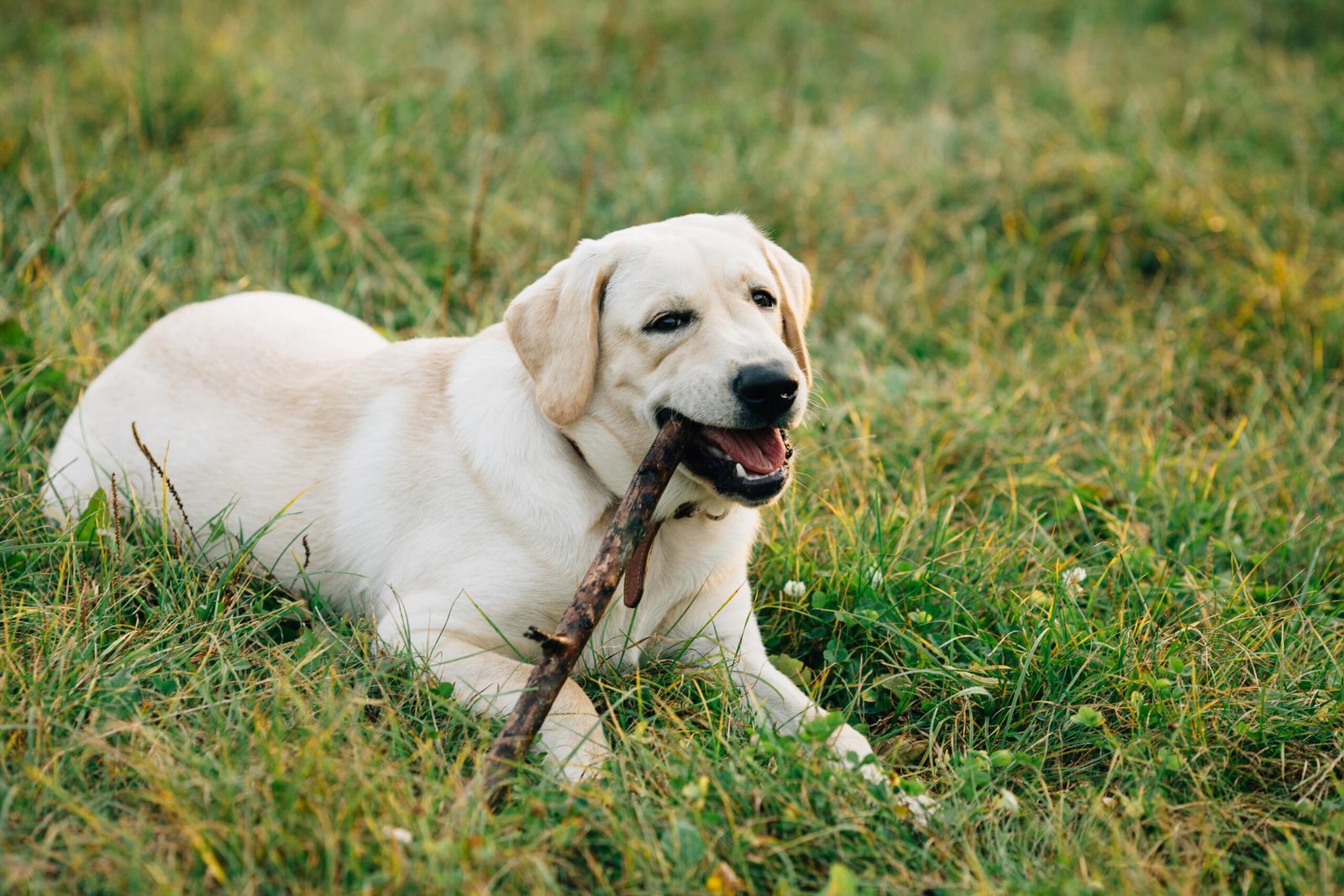
Labrador Retriever dominated America’s favorite dog breed rankings for 31 remarkable years. French Bulldogs finally took the top spot in 2023. These medium to large-sized dogs still rank among the world’s most cherished breeds. Their friendly nature, outgoing personality, and eagerness to please have won them countless admirers worldwide.
Many people believe Labradors came from Labrador, but their story began on Newfoundland’s coast in the 17th century. Male Labs reach heights of 22.5 to 24.5 inches and weigh between 65 and 80 pounds. Female Labs are a bit smaller, standing 21.5 to 23.5 inches tall and weighing 55 to 70 pounds. These athletic dogs live 10 to 14 years and sport distinctive water-repellent double coats. They need more than two hours of daily walks to stay healthy and happy. This piece dives into what future Lab owners should know about these amazing dogs – from their physical traits and behavior to health issues, care needs, and costs in India.
Breed Characteristics and Appearance

Image Source: The Labrador Site
The Labrador Retriever stands out from other dog breeds with its unique look that combines practicality and beauty. These dogs’ physical traits evolved from their role as water retrievers, which makes them beautiful pets and capable working dogs.
Coat type and color variations
A Labrador’s coat sets it apart from other breeds. These dogs have a short, dense, and straight double coat that includes a water-resistant outer layer and thick insulating undercoat. The coat feels firm to touch and shields them from water, cold weather, and rough terrain. Breed standards allow a slight wave along the back, though wooly, silky, or thin coats don’t fit the breed type.
You’ll find Labradors in three official colors: black, yellow, and chocolate. Black Labs make up about half the breed’s population because of genetic inheritance patterns. Yellow Labs show amazing variety, with colors from light cream to rich fox-red. Chocolate Labs, which people used to call liver, range from light to dark brown.
Breed standards say a small white chest patch might be okay but isn’t ideal, and other colors or combinations aren’t allowed. Some Labs might look like rare “silver” or “charcoal” colors, but these are just lighter versions of standard colors rather than separate categories.
Average height and weight (kg)
Labs fit into the medium to large dog category with their athletic, balanced build. The American Kennel Club lists these height requirements:
- Male Labradors: Stand between 22.5 to 24.5 inches (57-62 cm) at the withers
- Female Labradors: Measure 21.5 to 23.5 inches (55-60 cm) at the withers
A mature Lab’s weight usually falls here:
- Male Labradors: 65 to 80 pounds (29.5-36.3 kg)
- Female Labradors: 55 to 70 pounds (25-31.8 kg)
These measurements apply to working condition dogs. Show rings won’t accept dogs that are more than half an inch outside these height ranges. The ideal Lab should be “short-coupled,” with balanced leg and spine lengths.
Distinctive physical features
Labs have unique physical traits that make them special. Their “otter tail” stands out most – thick where it meets the body, narrowing to a point, and works like a powerful rudder while swimming. This special tail often shows their friendly and eager nature.
A Lab’s head shape really defines the breed. They have a broad skull, slightly raised eyebrows, and a moderate stop. Everyone knows their kind, smart expression, and their brown or hazel eyes. Black and yellow Labs usually have dark brown eyes, while chocolate Labs often have lighter, honey-colored eyes.
Their strong, athletic body features a deep chest and powerful muscles built for long-lasting work. A Lab’s jaws pack impressive strength, with 42 large white teeth – a reminder of their retrieving heritage. The breed’s build perfectly shows how strength and agility come together in a versatile working dog.
Labrador Retriever Temperament and Behavior

Image Source: Dutch
Labrador Retrievers rank among the world’s most loved family pets, thanks to their amazing temperament. These dogs excel in many roles beyond being faithful companions, and their unique personality makes them special.
Labrador retriever temperament explained
You can sum up a Lab’s personality in three words: friendly, outgoing, and eager-to-please. These dogs face life with optimism and enthusiasm. They’ll give the same warm welcome to family members and strangers alike. This friendliness runs in their genes, passed down through generations of breeding.
Labs are smart dogs that adapt well to different environments. Their intelligence helps them excel as service dogs, therapy animals, and in search and rescue work. In fact, these qualities have made them America’s most popular dog breed for many years.
On top of that, Labs build deep emotional bonds with their families and stay loyal throughout their lives. They love joining family activities and learning new commands. Their sweet faces and loving nature mean they have plenty of affection to share with everyone at home.
Are Labradors good with kids and other pets?
Labs make great companions for children because they’re patient and gentle. They handle young children’s unpredictable behavior well and respond with understanding instead of aggression.
In spite of that, you should watch them around toddlers. A Lab’s energy and strong tail can knock small children over during playtime. This happens because they’re excited, not aggressive.
Labs usually get along great with other animals. They become friends with other dogs and pets, especially when they meet them as puppies. Their social nature helps them live peacefully with other pets in the house.
Common personality traits
These key traits shape a Lab’s character:
- Energetic and playful: Labs keep their playful spirit throughout their lives. They need about an hour of daily exercise to stay happy and balanced. Without enough physical activity, they might start chewing things or barking too much.
- Strong retrieving instinct: As retrievers, Labs naturally love to fetch and carry things. You might see them walking around with toys in their mouth, but this can turn into problem chewing if not managed well.
- Water-loving: Most Labs love swimming and water activities, which comes from their history as water retrievers.
- Intelligent and trainable: Their smarts and eagerness to please make training easier. Taking them to puppy classes and starting obedience training early helps channel their intelligence the right way.
- Social and people-oriented: Labs need human company and don’t do well alone for long periods. They’d rather join family activities than stay in kennels.
New owners should know that Labs need consistent training from puppyhood. These strong, enthusiastic dogs can pull hard on leashes without proper training. Early socialization with different people and pets helps develop their natural good temperament.
Labs balance work ethic with loving companionship perfectly. This makes them great dogs for active families, first-time owners, and professional work.
Lifespan and Health Overview

Image Source: PetLab Co
A Labrador Retriever’s health profile and life expectancy helps owners give the best care throughout their dog’s life. Labs are strong dogs that live about as long as other breeds their size.
Average Labrador lifespan
Labs usually live between 10 and 13 years. Different studies show small changes in these numbers. A complete review of data from 1999 to 2013 shows Labs typically live 12 years. Some research shows Labs can live longer with the right care. The largest longitudinal study found that all but one of these Labs reached or lived past 12 years. This shows they can live longer when owners take good care of them.
Lab coat color might affect how long they live. Research shows chocolate Labs tend to have shorter lives, living about 10.7 years. Black and yellow Labs live up to two years longer. A UK study found Labs live 13.1 years on average. A newer study, published in 2024 by Italian researchers found an 11-year average.
Male and female Labs live about the same amount of time – gender doesn’t play a big role in their lifespan. Other factors matter much more in determining how long these beloved pets stay with their families.
Factors that affect longevity
These key factors determine a Lab’s lifespan:
- Genetics and lineage: A Lab’s family history forms the foundation of their health potential.
- Weight management: Keeping Labs lean helps them live longer. Research shows dogs at ideal weight live much longer than overweight ones.
- Nutrition quality: Good food matched to their age helps healthy aging.
- Exercise regimen: Daily physical activity keeps muscles and heart healthy.
- Preventive healthcare: Regular vet visits, shots, and parasite prevention add healthy years.
- Living conditions: A safe, calm environment helps them thrive.
Dogs that got excellent food, proper care, and complete healthcare lived way longer than average. Some exceptional Labs reached 15.6 years or more. The oldest Lab in one study lived to 17.9 years. This shows good care can add several years to your Lab’s life.
Routine health checkups
Regular vet visits are the life-blood of preventive health care for Labs. Vets suggest yearly checkups for adult Labs, and more often for puppies and senior dogs. These visits usually have:
- Complete physical examination
- Weight and body condition checks
- Dental checkups (every 6 months)
- Blood work and urinalysis (best done every 6 months)
- Updated shots based on risk
- Parasite screening and prevention
A complete preventive healthcare plan has yearly stool tests for parasites, regular heartworm testing, and monthly heartworm prevention. On top of that, it needs flea and tick treatments based on environmental risks.
Your Lab’s dental health needs checks every six months with professional cleaning when needed. Labs often get ear infections, so clean their ears regularly with vet-approved products, especially after swimming or baths.
Finding health issues early through regular checkups improves outcomes for common Lab conditions like hip and elbow dysplasia, eye problems, and weight issues. Regular testing helps vets spot small changes that might signal problems before they get serious.
Common Labrador Health Problems

Image Source: Dogster
Labrador Retrievers are healthy dogs overall, but they face some breed-specific health challenges that owners need to know about. You can help your Lab live a better life by spotting and managing these conditions early.
Hip and elbow dysplasia
Joint problems are common in Labrador Retrievers, and hip and elbow dysplasia top the list of orthopedic issues. These conditions develop because joints don’t form the right way, which leads to instability and wear over time. The ball of the femur doesn’t fit smoothly into the pelvis socket with hip dysplasia, which creates grinding instead of smooth movement. Elbow dysplasia can happen from several issues like loose bone fragments, damaged cartilage, or bones that don’t line up properly.
Genetics play a big role in both conditions, so screening is vital to identify dogs at risk. Dogs might show signs like limping, trouble with stairs, a “bunny-hopping” walk, avoiding exercise, and pain when you touch the affected areas. The best way to manage these conditions is through early screening and diagnosis, which helps determine if lifestyle changes, medicine, or surgery would work best.
Eye conditions like PRA and cataracts
Many Labs deal with vision problems, and PRA and cataracts are the most common. PRA includes several diseases that damage the retina over time. Dogs usually show signs of night blindness first, which gets worse until they lose all vision. There’s no cure, but dogs can still enjoy life with the right care and adjustments.
Cataracts cloud up the normally clear lens of the eye. They can show up anytime from birth to age six, and older dogs often develop them around 9-10 years. Some cataracts stay small and don’t affect vision much, while others get worse and need surgery.
Obesity and exercise-induced collapse
Lab owners often struggle with their dog’s weight. These dogs love food and pack on pounds quickly without proper diet control. Extra weight puts stress on joints, makes hip dysplasia and arthritis worse, and increases heart disease and diabetes risks.
EIC (Exercise-induced collapse) is another serious issue for Labs. This inherited condition affects about 5-15% of Labs, and 35-40% carry the gene. Dogs with EIC seem fine until they do intense, exciting activities—then their legs get weak, especially in the back, and they might collapse. Signs usually show up after 5-20 minutes of hard exercise:
- Weak back legs and rocking gait
- Dragging hind legs while running
- Wide-based stance and falling over
- High body temperature
- Recovery within 5-25 minutes in most cases
Most dogs show signs before they turn three, and DNA testing can confirm the condition.
Ear infections and skin issues
Labs have adorable floppy ears, but these create perfect conditions for bacteria and yeast to grow. About 20% of all Labs get ear infections. Their ears trap moisture, dirt, and debris, which becomes a bigger problem after swimming or baths.
Skin problems pop up often in Labs too. Moisture gets trapped under their thick coats, which bacteria love. These dogs make lots of histamine, so they tend to have more allergic reactions. Look out for lots of scratching, red or flaky skin, and hot spots—these painful, wet sores develop faster and need quick treatment.
Regular cleaning, good drying after water activities, and quick action when you notice problems help prevent and manage both ear and skin issues.
Grooming and General Care Tips

Image Source: Dirty Bertie
The life-blood of your Labrador’s health depends on good grooming, even though they’re known as a “wash-and-wear” breed. These retrievers don’t need complex grooming like longer-haired breeds do, but regular care prevents many problems and helps their overall health by a lot.
Brushing and bathing routine
Your Lab’s coat needs consistent care despite their short hair. Weekly brushing is enough to remove loose fur and spread natural skin oils around. We brushed daily during heavy shedding periods to handle all the hair loss. A quick brush before bath time works great, especially when you have debris and tangles to remove. This also keeps fur from clogging your drains.
Your bathing schedule should stay balanced. Indoor Labs need baths every four to six weeks, while outdoor dogs might need cleaning every two to three months. Too much bathing can actually hurt your Lab’s skin by removing essential oils, which leads to dryness, dandruff, and irritation.
Dog-specific shampoo works best – never use human products. Make sure you rinse out all soap and dry them really well. This matters most for their dense undercoat since trapped moisture can cause skin infections. A quick brush after the bath helps get rid of any remaining loose fur.
Ear, nail, and dental care
Your Lab’s floppy ears can trap moisture and cause infections since air doesn’t circulate well. Check their ears weekly. Clean only the outer ear area with vet-approved solutions and a cotton ball. Watch for redness, swelling, odor, or dark waxy discharge – these signs mean it’s time to see your vet.
The core team should know how to trim nails to keep proper foot structure and movement. You’ll hear clicking on hard floors when it’s trimming time, usually every 3-4 weeks. Professional groomers or vets can help if you’re not comfortable doing this yourself.
Your Lab’s teeth need brushing 2-3 times weekly with canine toothpaste and brushes. Dental issues often hide until they’re serious, so prevention matters. Raw bones (never cooked) can help clean teeth naturally along with regular brushing.
Seasonal shedding management
Labs have a thick double coat – a weather-resistant outer layer with an insulating undercoat. This combo protects them in all weather but creates lots of shedding, especially during spring and fall when they “blow” their coats.
Heavy shedding seasons need these steps:
- Use special tools like undercoat rakes or de-shedding tools such as the Furminator
- Brush daily for 5-10 minutes
- Add extra baths with warm water to help loose hair come out
- Clean your house more often with pet-specific vacuums
Remember – never shave your Lab’s coat. This ruins their natural insulation and can cause sunburn, temperature problems, and make cuts and injuries more likely.
Your vet should check any unusual shedding beyond seasonal changes. This might show health issues like allergies, diet problems, or skin infections. Adding omega-3 and omega-6 fatty acids to their diet could improve their coat and help control shedding.
Training and Exercise Needs

Image Source: The Labrador Site
Labrador Retrievers need regular physical activity and mental challenges to stay healthy and happy. A thoughtful mix of exercise and training helps prevent behavior problems in these intelligent, energetic dogs.
How much exercise does a Labrador need?
A healthy adult Labrador should get at least 80 minutes of quality exercise daily. Some Labs burst with energy and need more time, while others do fine with less. Your Lab’s exercise should be more than just walking on a leash—they need activities that get their heart pumping.
Mix up your exercise routine. Walking is essential, but Labs love these activities too:
- Swimming (which works great as low-impact exercise)
- Fetch games that tap into their retrieving instincts
- Hiking adventures (after building up stamina)
Puppy exercise needs are quite different. The “5-minute rule” works best—give puppies five minutes of exercise per month of age, twice daily, until they mature. Young Labs can hurt their developing joints if they exercise too much. Puppies under three months old need supervised playtime instead of structured walks.
Older Labs need different routines. Focus on gentle activities that keep them moving without putting stress on their aging joints.
Training tips for puppies and adults
Labs learn quickly because they’re smart and eager to please. Start training as early as eight weeks with quick three-minute sessions during meals. As your puppy grows, make the sessions longer but keep them frequent.
These training approaches work well:
- Quick, positive sessions (5-15 minutes) that leave your Lab wanting more
- Clear commands with instant rewards for good behavior
- Early focus on loose-leash walking
- Stay calm with energetic puppies
End each training session with success before moving to harder tasks. Your voice helps most—use an upbeat tone for praise and a deeper one for corrections.
Mental stimulation and socialization
Mental exercise matters just as much as physical activity for your Lab’s wellbeing. Even Labs that get enough exercise might destroy things if they’re bored. Mental games can tire them out better than physical exercise alone.
Keep your Lab’s mind busy with puzzle toys, training sessions, scent games, and new places to explore. Try using puzzle feeders instead of regular food bowls. Your Lab should take 10-15 minutes to get their food—this keeps them mentally sharp.
Your Lab puppy needs to meet different people, see new places, hear various sounds, and interact with other animals during their early weeks. Take your puppy everywhere possible to build confidence and prevent future aggression. Set up playdates with vaccinated dogs so they learn proper social skills.
Labrador Retriever Price in India

Image Source: Pets Lifestyle
Anyone planning to get a Labrador in India needs to know about the money they’ll spend. The prices change based on where you live and several other things that affect the final cost.
Labrador retriever puppy price in India
Right now, a Labrador puppy in India costs between ₹15,000 and ₹50,000. The prices vary by location. Big cities have higher price tags—Mumbai sellers ask for ₹25,000-₹60,000, Bangalore ₹20,000-₹55,000, Delhi ₹20,000-₹50,000, and Chennai ₹20,000-₹50,000. Small cities and villages offer better deals, with prices starting at ₹8,000.
The puppy’s coat color changes the price too. Black Labs cost ₹18,000 to ₹60,000. Chocolate Labs cost more because they’re harder to find. Yellow Labs are easier to find and usually cost less.
Factors affecting price (lineage, breeder, location)
The price of a Labrador depends on more than just where you buy them. A puppy’s family history matters most—those from champion families or with proper papers cost more. Show-quality Labs with top bloodlines can cost over ₹60,000.
The breeder’s reputation plays a big role in pricing. Good breeders who test for health issues and raise puppies properly charge higher prices. Their puppies come with all shots and know how to behave around people.
Other things that affect the price include:
- Age: Younger puppies (6-12 weeks) cost more than older ones
- Gender: Male Labs usually cost more than females
- KCI registration: Puppies with Kennel Club of India papers have higher prices
Adoption vs buying from a breeder
Adopting a Lab saves money compared to buying from breeders. You’ll pay ₹2,000 to ₹5,000 for adoption fees, which is much less than breeder prices. Most rescue groups give you dogs that have their shots and are fixed.
Places like Paw Foundation, CUPA Bangalore, and Blue Cross of India often have Labs ready for adoption. Beyond saving money, giving a home to a rescue dog feels amazing.
Watch out for very low prices—they often mean the breeder isn’t taking good care of their dogs. Your best bet is to either buy from trusted breeders or adopt from good rescue groups.
Pros and Cons of Owning a Labrador

Image Source: Ollie Blog
Before you bring a Labrador Retriever home, you should know about their wonderful traits and possible drawbacks.
Advantages of having a Labrador
Labradors are incredibly friendly dogs that build strong bonds with humans and adapt well to different environments. Their gentle nature makes them perfect companions for kids of all ages. These smart dogs learn simple commands quickly and excel at advanced obedience training. This explains why they make such great therapy and service dogs.
Labs are amazing emotional support animals and great listeners who stand by you through tough times. Their loving personality can boost your mental health, which many owners describe as a form of therapy. Lab owners often say their dogs have taught them to be more compassionate and patient through their steadfast dedication.
Challenges to consider before getting one
Labs come with their share of challenges. These dogs need lots of exercise—at least two hours daily of different physical activities. They might start destroying furniture or dig up your yard if they don’t get enough exercise.
Labs shed a lot throughout the year despite their short coat. The shedding gets worse during certain seasons, which might not work for people with allergies or those who like keeping their homes spotless.
These dogs have a huge appetite—about 25% carry a genetic mutation that affects their feeling of fullness, which makes them always hungry and likely to become overweight. Their love for food leads them to beg and sometimes raid the trash.
Your Lab won’t make a good watchdog because they’re too friendly and will probably greet intruders instead of scaring them away.
Conclusion
Labrador Retrievers rank among the world’s most beloved dog breeds, and with good reason too. Their friendly, outgoing nature pairs perfectly with exceptional intelligence, making them great companions for families of all types. These medium-to-large dogs still capture hearts with their kind eyes, distinctive otter tails, and water-repellent double coats that come in black, yellow, and chocolate varieties, even though they’re no longer America’s top breed after leading for 31 years.
Labs make excellent pets for first-time dog owners because they’re easy to train and eager to please. But anyone thinking of getting one should know about their substantial exercise needs. These energetic retrievers need at least 80 minutes of daily physical activity. They love swimming and retrieving games that tap into their natural instincts. Even the most well-behaved Lab might act up without enough exercise and mental stimulation.
Future Lab owners should also plan for health-related concerns. These dogs generally live 10-14 years and have a strong constitution, but they face breed-specific challenges. Hip and elbow dysplasia, eye conditions, and a tendency toward obesity are common issues. Regular vet checkups, proper diet, and weight management can substantially extend these dogs’ lifespan and quality of life.
People often call Labs “wash-and-wear” dogs, but they need regular grooming care, especially when they shed heavily. Weekly brushing, clean ears, and good dental care are the foundations of Lab ownership. Their considerable shedding might challenge anyone who wants to keep their home spotless.
Indian families can expect to pay between ₹15,000 and ₹50,000 for a Lab, depending on location, lineage, color, and the breeder’s reputation. Adopting through trusted rescue organizations offers a budget-friendly option while giving deserving dogs a second chance.
Labs strike an amazing balance between affection and capability. Their steadfast dedication, gentle nature with children, and ability to adapt to different living situations explain why people love them so much. They need lots of exercise, training, and care, but Labs give back with endless love and companionship that makes life better. Families ready for their energy and enthusiasm will see why these amazing dogs are one of the world’s most cherished breeds.
Key Takeaways
Understanding these essential insights will help you make an informed decision about Labrador ownership and provide optimal care for these beloved companions.
• Labradors need at least 80 minutes of daily exercise and mental stimulation to prevent destructive behaviors like excessive chewing and digging.
• These dogs are prone to obesity due to genetic mutations affecting satiety, requiring strict diet management and portion control throughout their lives.
• Regular health screenings for hip/elbow dysplasia, eye conditions, and routine ear cleaning are essential for preventing common breed-specific health issues.
• In India, Labrador puppies cost ₹15,000-₹50,000 from breeders, while adoption offers a cost-effective alternative at ₹2,000-₹5,000.
• Despite their “wash-and-wear” reputation, Labs shed heavily year-round and require weekly brushing, increasing to daily during seasonal coat changes.
• Their exceptional friendliness and intelligence make them ideal family pets and service dogs, but poor guard dogs due to their welcoming nature toward strangers.
While Labradors offer unmatched loyalty and companionship, they require significant time investment in exercise, training, and health maintenance. Families prepared for their high energy levels and care requirements will discover why these remarkable dogs have remained among the world’s most cherished breeds for decades. You Can Also Read More Other All Dog Breed Information & Characteristics Here
FAQs
Q1. What is the typical cost of owning a Labrador Retriever? The lifetime cost of owning a Labrador Retriever can vary widely, ranging from around INR 1.8 million to INR 15 million. This includes basic care, food, and medical expenses, with additional costs for services like dog walking, pet insurance, and boarding.
Q2. How would you describe a Labrador Retriever’s temperament? Labrador Retrievers are known for their friendly, outgoing, and eager-to-please nature. They are intelligent, gentle with children, and generally get along well with other pets. Labs are energetic and require plenty of exercise to maintain their happy disposition.
Q3. What is the price range for a Labrador puppy in India? In India, Labrador puppy prices typically range from ₹15,000 to ₹50,000. The cost can vary based on factors such as coat color, lineage, breeder reputation, and location. Black Labradors may cost between ₹18,000 to ₹60,000, while prices for other colors can differ slightly.
Q4. How much exercise does a Labrador Retriever need daily? Adult Labrador Retrievers require at least 80 minutes of quality exercise daily. This should include activities that elevate their heart rate, such as brisk walks, swimming, or fetch games. Mental stimulation through training and puzzle toys is also important for their well-being.
Q5. What are some common health issues in Labrador Retrievers? Labradors are prone to certain health conditions including hip and elbow dysplasia, eye problems like Progressive Retinal Atrophy (PRA) and cataracts, and obesity. They may also experience ear infections due to their floppy ears. Regular veterinary check-ups and proper care can help manage or prevent many of these issues.