
Bernese Mountain Dog Breed Information: Characteristics, Behavior, Temperament, Lifespan, Weight
 Bernese mountain dogs engage dog lovers with their beautiful tricolor coats and gentle nature. These impressive dogs weigh between 70 to 115 pounds for males and 70 to 95 pounds for females. The breed’s roots trace back to Switzerland near Berne city. These large working dogs have become beloved family companions because of their affectionate and patient character.
These strong dogs make excellent companions for children and often act as their protectors. They love to be part of every family activity. The breed’s short lifespan of 7 to 10 years needs careful thought before adoption. A Bernese Mountain dog’s health issues can include hip and elbow dysplasia, blood disorders, cancer, and bloat. On top of that, their thick double coats shed by a lot, so regular grooming becomes essential.
These gentle giants remain a top choice for families and with good reason too. Their blend of intelligence, trainability, and sweet nature, combined with impressive strength and calm, affectionate temperament, makes them outstanding companions [-5].
Breed Characteristics and Appearance

Image Source: Abposters.com
The Bernese Mountain Dog catches everyone’s attention with its magnificent presence and unique looks. This large Swiss breed perfectly blends strength and beauty that turns heads everywhere.
Size and build
The Bernese Mountain Dog shows off a solid, muscular frame built to work hard. Males stand 25 to 27.5 inches tall at the shoulder, and females reach 23 to 26 inches. These powerful dogs carry themselves with grace—males usually weigh between 80 to 115 pounds, while females tip the scales at 70 to 95 pounds.
The breed’s body is slightly longer than tall, which creates a balanced look despite its impressive size. A broad, strong back and deep chest that extends to the elbows define its structure. This deep-chested build gave these dogs the power they needed to pull carts and herd cattle in Switzerland. Their strong neck supports a flat-topped head that features a moderate stop and triangular ears sitting high on the head.
Coat type and colors
The Bernese’s beautiful coat sets it apart from other Swiss mountain breeds. These dogs sport a thick, moderately long double coat that comes either slightly wavy or straight. Their outer coat feels silky with a natural shine, and the thick undercoat shields them from harsh weather.
These dogs come in a striking tricolor pattern: jet black as the main color with clear white and rich rust markings. This color combination serves a purpose—the black coat soaks up heat from the sun, which helped these dogs stay warm in the cold Swiss mountains.
Distinctive markings
A Bernese Mountain Dog’s markings follow specific patterns that make them easy to spot. Rich rust markings appear above each eye, on the cheeks down to the mouth corners, on both sides of the chest, all four legs, and under the tail.
White markings create an eye-catching design. A white blaze runs up the face with a muzzle band that should stop at the mouth corners. The chest shows what looks like an “inverted cross” in white. These dogs also often have white paws and tail tips.
Some Bernese Mountain Dogs show off a “Swiss kiss”—a white mark behind the neck. The breed standard values symmetrical markings.
Breed group and origin
The Bernese Mountain Dog’s name comes from its birthplace—the canton of Bern in Switzerland—and belongs to the working dog group. It’s one of four Sennenhund breeds, which means “dairy farmer’s dog” in English.
The Bernese stands out from its cousins (the Greater Swiss Mountain Dog, Appenzeller Sennenhund, and Entlebucher) with its longer, silky coat. Romans brought these dogs to Switzerland more than 2,000 years ago, and they descended from Roman mastiffs.
These dogs proved their worth as versatile farm helpers throughout history. Their strong build made them excellent at pulling carts and moving cattle between pastures. They also protected farms from predators. This working background explains their physical traits, from their strong frame to their weather-resistant coat.
The American Kennel Club welcomed the Bernese Mountain Dog in 1937. Swiss farmers have valued these capable working companions for hundreds of years.
Behavior and Temperament

Image Source: Dogster
A heart of gold beats behind their impressive stature. The Bernese Mountain Dog’s temperament ranks among its most treasured qualities. These gentle giants blend affection with intelligence that makes families worldwide fall in love with them.
Affection level and loyalty
Bernese Mountain Dogs shower their families with affection and build deep emotional connections. Their calm and easy-going nature makes them perfect companions who flourish with human interaction. These devoted dogs feel happiest during family activities. They love neighborhood walks, fetch games in the yard, or just lounging at home.
Berners love everyone in the family but often create a special bond with just one person. Their deep loyalty shows in how they always want to stay close to their favorite human companion. Their sensitive nature means harsh corrections don’t work well during training.
Dog enthusiasts nicknamed these furry friends “lovebugs” because they love to cuddle. They provide comfort without being overbearing and strike the right balance between protective guardian and loving family member.
Interaction with children and pets
Patient and tolerant by nature, Bernese Mountain Dogs make outstanding companions for families with kids. These gentle giants know exactly how to be gentle around little ones. Parents often see their dogs quietly watching over children during playtime.
These dogs’ protective nature toward kids truly stands out. They keep a watchful eye on young family members while staying calm and loving. Many owners share stories of their Berners showing protective behaviors when kids needed it.
Bernese Mountain Dogs usually get along great with other pets too. They live peacefully with other dogs and even cats after proper introductions. Their easy-going personality helps them fit into homes with multiple pets, especially if they meet early in life.
Watchdog instincts
Bernese Mountain Dogs work well as watchdogs despite their gentle nature. Their deep, booming bark scares away unwanted visitors effectively. Rather than showing aggression, these dogs alert their families to unusual activities through barking.
These dogs stay alert and watch carefully when strangers come near. Berners prefer to discourage threats with their size and warning barks instead of aggressive behavior. This mix of watchfulness without aggression makes them perfect family guardians.
Swiss farm duties shaped the Bernese Mountain Dog’s natural watchfulness. Modern Berners keep this protective instinct while staying friendly. They’ll bark to announce visitors but quickly calm down afterward.
Socialization needs
A well-balanced Bernese Mountain Dog needs early socialization. Puppies learn best between 3 to 14 weeks of age, though older dogs still benefit from new experiences. Exposing puppies to different environments, people, and situations during this time builds confidence and reduces fearful behaviors.
Good socialization helps Berners become:
- More comfortable in different situations
- Less fearful of new environments
- More adaptable to family life
- Better at interacting with other dogs and people
Some Bernese Mountain Dogs naturally act shy or cautious in new places. Dogs without enough socialization might develop anxiety, especially when alone. Owners should introduce their dogs to new experiences gradually and use positive reinforcement.
Families thinking about getting this breed should know how much they need human company. Most Berners hate being alone for long periods and might get separation anxiety. Their social nature means they do best as indoor dogs rather than living outside.
Lifespan and Common Health Issues
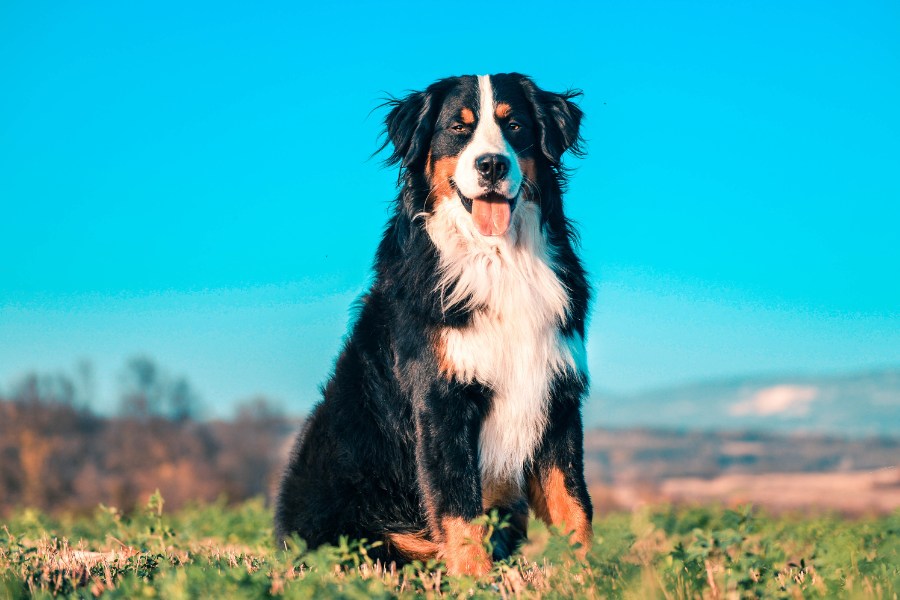
Image Source: Creek’s Edge Animal Hospital
Everything in Bernese Mountain Dog ownership revolves around their shorter-than-average lifespan and unique health challenges. These gentle giants face several breed-specific conditions that you should know about before bringing one home.
Average lifespan of Bernese Mountain Dogs
Bernese Mountain Dogs live between 7 to 10 years, which falls short compared to other breeds of similar size. Their life expectancy stays low even next to other large breeds. Recent studies paint a clear picture:
- A newer study, published in 2016 by Swiss researchers found these dogs lived about 8.4 years based on 381 dogs
- Dutch research showed they lived around 8 years
- French researchers found they lived about 8.1 years
Female Berners tend to live longer than males. One study showed females lived by a lot longer (8.8 years) compared to males (7.7 years). We have a long way to go, but we can build on this progress. The breed’s lifespan has improved from 5.7-6.8 years in older studies to 7-8 years in recent ones.
Genetic health concerns
These dogs often inherit several conditions that affect their quality of life. Hip and elbow dysplasia are the biggest problems, with studies showing elbow dysplasia affects 13.91% to 26% of the population. These joint issues can lead to arthritis and mobility problems. Some puppies show signs as early as 5 months old.
Other genetic issues include:
Von Willebrand’s Disease, a bleeding disorder where dogs lack proteins that help blood platelets form clots. Genetic tests can detect this inherited trait.
Degenerative myelopathy eventually causes paralysis in older dogs. Scientists have found two different genetic mutations in Berners linked to this condition.
Progressive retinal atrophy (PRA) causes the retina to degenerate, which leads to poor vision and often blindness. Berners inherit this condition from both parents.
These dogs can also develop autoimmune diseases like aseptic meningitis. This mainly affects puppies between 3-12 months old. Dogs need quick treatment to avoid long-term neurological problems.
Cancer prevalence in the breed
Cancer poses the most serious threat to Bernese Mountain Dogs. More than half of them develop cancer during their lives. One study found cancer caused 58.3% of deaths.
Histiocytic sarcoma tops the list of cancers, affecting up to 25% of Bernese Mountain Dogs. This aggressive cancer attacks immune system cells called histiocytes and claims more young dogs’ lives than any other cause. Dogs typically get diagnosed around age 7.7 years.
Beyond histiocytic sarcoma, Berners face higher risks of:
- Hemangiosarcoma, which attacks blood vessels and can become life-threatening if it ruptures
- Lymphoma, which can appear anywhere in the body and affects white blood cells
- Mast cell tumors, which make up 25% of all skin tumors in dogs
Scientists have found mutations in genes that should stop tumors (CDKN2A/B, PTEN, and RB1) likely contribute to cancer growth.
Preventive care and vet checkups
Your Bernese Mountain Dog needs regular preventive care to live longer and better. Regular vet visits help catch problems early.
Watch for subtle changes like less energy or decreased appetite – these could be the first signs of health issues. Older Berners benefit from yearly wellness tests and ultrasounds that can spot early signs of conditions like hemangiosarcoma.
Your prevention plan should include:
- Regular screening for common breed problems like hip and elbow dysplasia
- Blood tests to check for cancer signs, especially in middle-aged and older dogs
- Yearly urine tests to catch early kidney problems like glomerulonephropathy
- Quick action if you notice bloat symptoms, which can become life-threatening
- Keeping your dog at a healthy weight to protect their joints
Some vets suggest preventive surgery like prophylactic gastropexy to keep the stomach in place and prevent twisting during bloat. Genetic testing before breeding helps reduce inherited conditions in future generations.
Weight and Growth Patterns

Image Source: A-Z Animals
The Bernese Mountain Dog stands out with its impressive size. Their growth from a tiny puppy to a magnificent adult follows a unique pattern that owners need to understand for healthy development.
Average weight range (kg and lbs)
Male and female Bernese Mountain Dogs differ noticeably in size. Male Berners weigh between 80-115 pounds (36-52 kg), while females weigh between 70-95 pounds (32-43 kg). In metric units, males range from 35-55 kg, and females typically weigh between 35-45 kg.
The American Kennel Club’s data shows a fully grown male can reach over 27 inches at the shoulder and weigh up to 115 pounds – these are true gentle giants. Their size links back to their Swiss heritage as draft animals, where strength helped them pull carts and do farm work.
These dogs command attention even at their smallest adult size. A 70-pound female has an impressive presence, yet shows a gentle nature that balances her size. This blend of strength and sweetness makes the breed so appealing to many dog lovers.
Growth stages from puppy to adult
The trip from puppy to adult takes about a year for a Bernese Mountain Dog to reach full height and weight. Many Berners keep developing until age two, mostly by filling out their chest.
The growth progression typically follows this timeline:
- One-month puppies: 4-10 pounds (males), 4-8 pounds (females)
- Three-month puppies: 20-35 pounds (both genders)
- Six-month puppies: 45-70 pounds (males), 45-65 pounds (females)[204]
- Nine-month puppies: 60-90 pounds (males), 60-80 pounds (females)[204]
- One-year adults: 65-105 pounds (males), 65-90 pounds (females)[204]
New owners often see their Bernese puppies grow “in a very rapid, uneven and uncoordinated fashion”. This quick growth in the first 6-8 months can stress developing joints and bones. Young Berners usually gain 2-4 pounds each week during early growth.
You can spot ongoing growth by looking at paw size – puppies with oversized paws compared to their legs and body are still growing. Male Berners take longer to mature than females. Males need 15-18 months to reach full maturity, while females mature around 12 months.
Weight management tips
The right weight matters for Bernese Mountain Dogs because extra pounds strain their sensitive joints. These dogs tend to gain weight easily, so you need to watch their diet closely.
To keep a healthy weight:
- Choose high-quality food made for large breeds that matches your dog’s life stage (puppy, adult, senior)
- Don’t overfeed – it won’t speed up healthy growth but will stress joints, ligaments, and bones
- Set up regular exercise with two daily walks plus playtime, adjusted for age and health
- Check weight often and make slow changes if needed – aim for 1-2% weekly weight loss when necessary
- Limit treats and table scraps that add extra calories
Quick growth might seem good, but steady development leads to better health long-term. The period between six to eight months needs special attention because orthopedic issues often show up then.
Puppy owners should stick to their breeder’s diet and exercise plans for the first year to build a strong foundation. Note that Berners “grow fast but mature slowly,” so they need patient care during their extended growth period.
Grooming Needs and Shedding

Image Source: Hepper
A Bernese Mountain Dog’s beautiful double coat looks stunning but just needs regular maintenance to stay healthy. Owners must dedicate time to proper grooming routines that keep their pet’s thick fur in good shape.
Brushing frequency and tools
Your Bernese Mountain Dog will need brushing 2-3 times weekly [link_1] during regular periods. This increases to daily sessions when heavy shedding kicks in. A good grooming session should last 15-20 minutes to remove loose fur and stop painful matting.
The right tools will give you the best results:
- A slicker brush to detangle and surface brush
- An undercoat rake that removes loose undercoat
- A wide-toothed metal comb to find and remove tangles
- A de-shedding tool (like a Furminator) during heavy shedding times
Your brushing tool’s teeth should reach through the full coat depth instead of just skimming the surface.
Bathing and coat care
In stark comparison to this, these dogs don’t need frequent baths. A bath every 6-8 weeks works fine unless they get really dirty. Too much bathing strips natural oils and can irritate their skin, leading to hot spots or skin issues.
Lukewarm water and gentle dog shampoo work best for bathing. A de-shedding shampoo and conditioner can help loosen the undercoat during heavy shedding periods. Make sure you rinse out all shampoo completely since any leftover product might irritate the skin.
Ear, nail, and dental hygiene
These dogs’ floppy ears trap moisture, so weekly ear cleaning becomes vital. Clean the outer ear with a vet-approved solution on a cotton ball, but don’t insert anything deep inside.
Your dog’s nails need trimming every 3-4 weeks to avoid discomfort and walking problems. Daily tooth brushing with dog-safe toothpaste and dental chews helps fight plaque buildup.
Managing seasonal shedding
Berners shed their undercoat twice a year—usually spring and fall—as their bodies prepare for seasonal changes. Daily brushing becomes significant during these heavy shedding phases.
A diet rich in omega-3 fatty acids helps maintain coat health and might reduce excessive shedding. Professional grooming every 6-8 weeks can help too. Their powerful blow-dryers and specialized tools remove nowhere near the amount of fur you can manage at home.
Remember that shedding comes naturally to this breed. Regular grooming combined with good nutrition offers the best strategy to keep your home relatively fur-free.
Training and Exercise Guide

Image Source: Etsy
Training a Bernese Mountain Dog requires understanding their unique personality and exercise needs. These gentle giants have both brains and brawn. They need proper guidance to reach their full potential.
Trainability and intelligence
Bernese Mountain Dogs rank as the 27th most intelligent breed according to canine intelligence studies. They learn commands quickly, which makes them highly trainable. Most dogs pick up new behaviors after just a few repetitions. These dogs show remarkable retention and can remember commands taught months earlier.
These dogs naturally want to please their owners, which creates a cooperative training environment. They mature slowly and can show stubborn tendencies at times. The housebreaking process might take six to twelve months. Owners should stay patient throughout the training experience.
Positive reinforcement techniques
These sensitive dogs respond best to positive reinforcement. Harsh corrections or punitive training methods can cause them to shut down emotionally. Their feelings get hurt easily. A gentle approach works best with this breed.
The quickest way to see results:
- Reward desired behaviors with high-value treats
- Give plenty of praise and affection
- Stay consistent with commands
- Keep training sessions short and fun
- Begin training when they’re puppies—they can learn simple commands right away
Daily exercise requirements
Bernese Mountain Dogs need moderate exercise despite their size—usually 30 minutes to 1 hour each day. Adult Berners do better when this time splits into multiple sessions to protect their joints. Some experts recommend up to 1.5 hours of daily activity for adult dogs.
Exercise needs change with age. Puppies need shorter, more frequent sessions. Senior dogs do better with gentler activities that are easy on their joints. Regular light exercise helps more than occasional intense workouts.
Fun activities and dog sports
These dogs excel in many activities that challenge both mind and body:
- Carting/Drafting: This activity connects with their farm dog heritage
- Tracking/Nose work: Makes use of their natural scenting abilities
- Agility: Many enjoy this sport despite their size
- Obedience competitions: Shows off their intelligence and trainability
- Hiking: Gives excellent physical and mental stimulation
- Therapy work: Their gentle nature makes them great therapy dogs
Puzzle toys and food games help prevent boredom and reduce destructive behaviors like chewing or digging. A bored Berner might develop behavioral issues. Dogs with proper outlets for their energy become content companions.
Price and Availability in India

Image Source: Dogs India
Getting a Bernese Mountain Dog in India needs careful thought about costs and reliable sources. These beautiful dogs are hard to find in the Indian market, which makes them challenging and expensive to buy.
Average cost of a Bernese Mountain Dog in India
Bernese Mountain Dog prices in India vary quite a bit. Simple Bernese puppies cost between ₹45,000 to ₹55,000. KCI-registered puppies cost more at ₹55,000 to ₹65,000, and show quality dogs can cost ₹65,000 to ₹90,000. Some sellers ask for much more, with prices reaching ₹2,00,000 to ₹3,00,000 for certain dogs.
Different cities have different price ranges. Mumbai sellers ask for ₹45,000 to ₹1,20,000, while Delhi prices stay between ₹40,000 to ₹1,10,000. Bangalore has the highest prices at ₹50,000 to ₹1,25,000, and other big cities show similar variations.
Factors affecting price
The price of a Bernese Mountain Dog depends on several things:
- Type classification: Simple, KCI-registered, or show quality
- Age and gender: Puppies cost more than adult dogs, and males usually cost more than females
- Purity: Pure breeds cost more than mixed breeds
- Availability: Limited numbers in India push prices up
- Location: Big cities have higher prices
- Breeder reputation: Long-time breeders charge more for their puppies
Adoption vs buying from breeders
Adoption is an ethical way to get a dog. It’s a chance to give a loving home to dogs that need one. Adoption costs less than buying from breeders. Adult dogs up for adoption already have set personalities, which makes it easier to know if they’ll fit your family.
Buying from breeders lets you know more about the dog’s family history and health background. Many families like getting puppies to train them from the start, and breeders usually have more puppies than adoption centers.
Tips for finding a reputable breeder
Finding a trustworthy breeder matters a lot when you want a Bernese Mountain Dog. Good breeders care more about health and temperament than making money. You should visit the breeding facility and see how they keep their dogs. Real breeders will show you health certificates and let you meet the puppy’s parents.
Take your time and research well before you decide. Talk to previous buyers and check if KCI certification claims are real, because some sellers lie about registration.
Pros and Cons of Owning a Bernese Mountain Dog
Bringing a Bernese Mountain Dog into your home needs careful thought about many factors. These magnificent dogs come with unique benefits and great responsibilities that you should think over.
Advantages of the breed
Bernese Mountain Dogs make excellent family companions because of their patient, affectionate nature. They build strong bonds with children and often become gentle protectors. Their watchdog instincts are a great way to get security without aggression – they bark to announce visitors but quiet down quickly. These dogs show remarkable loyalty and greet their owners with excitement even after short separations.
Challenges to consider
The breed’s tragically short 7-10 year lifespan stands as their biggest problem. Health issues create another major challenge, with hip and elbow dysplasia, multiple cancer types (especially histiocytic sarcoma), and heart problems. Their thick double coat needs regular grooming because they shed a lot. Berners develop strong attachments and many suffer from separation anxiety when left alone too long. These dogs also struggle to handle heat well.
Is this breed right for you?
Bernese owners need plenty of space because these large dogs must move around comfortably. You should be ready for higher costs that cover food, grooming, vet care, and possible health issues. Berners thrive with home-loving owners who want an affectionate companion and don’t mind some drool. They fit well with families looking for a gentle, loyal dog who can spend time meeting their physical and emotional needs.
Conclusion
Bernese Mountain Dogs stand out as a rare mix of strength, beauty, and affection that other breeds can hardly match. These gentle giants make loyal companions and their impressive size helps them become cherished family members when owners are ready to handle their specific needs. Their sweet nature and special bond with children make these big dogs natural guardians of the family, despite their size.
Future owners should think about some challenges before bringing a Bernese Mountain Dog home. The family’s hearts will break sooner than expected since these dogs live just 7-10 years. On top of that, they tend to face serious health issues, especially cancer, so they’ll need regular vet checkups throughout their life. The dog’s thick, shedding coat needs constant grooming that takes time and dedication.
These dogs do best with families who give them enough space to move around, regular exercise, good social exposure, and plenty of love and attention. A Bernese Mountain Dog’s happiness runs on family time – they hate being alone and want to be part of everything the family does. The perfect home has people who value their loyal nature and can handle their physical requirements.
People who can accept a shorter time with their pet will find these dogs give back endless devotion and happiness. These magnificent Swiss breeds blend their working dog skills with a gentle soul that touches everyone’s heart. Their time may be short, but the bond you form with these amazing dogs will stay with you long after they’re gone.
Key Takeaways
Understanding these essential facts about Bernese Mountain Dogs will help you make an informed decision about this beloved breed and provide the best care possible.
• Bernese Mountain Dogs are gentle giants weighing 70-115 pounds with striking tricolor coats, originally bred as Swiss farm dogs with calm, family-friendly temperaments.
• Their tragically short lifespan of 7-10 years is coupled with high cancer rates (over 50%) and genetic health issues like hip dysplasia requiring vigilant veterinary care.
• These dogs need moderate daily exercise (30-60 minutes) but require consistent grooming 2-3 times weekly due to heavy seasonal shedding from their thick double coats.
• Berners excel with children and form deep family bonds, but they dislike being alone and can develop separation anxiety without proper socialization and companionship.
• In India, expect to pay ₹45,000-₹90,000 for quality puppies, with higher costs for show-quality dogs from reputable breeders in metropolitan areas.
While their lifespan may be brief, Bernese Mountain Dogs offer unmatched loyalty and gentle companionship that creates lasting memories for families willing to embrace both their joys and challenges.
FAQs
Q1. What is the typical temperament of a Bernese Mountain Dog? Bernese Mountain Dogs are known for their gentle, affectionate, and patient nature. They are loyal family companions with a calm demeanor, making them excellent with children. While they can be protective, they are not aggressive and generally get along well with other pets when properly socialized.
Q2. How long do Bernese Mountain Dogs typically live? The average lifespan of a Bernese Mountain Dog is relatively short, ranging from 7 to 10 years. This is one of the breed’s main challenges, as they have a shorter life expectancy compared to many other dog breeds of similar size.
Q3. Are there different types of Bernese Mountain Dogs? While there aren’t different types within the Bernese Mountain Dog breed itself, they are one of four Swiss Sennenhund breeds. These include the Greater Swiss Mountain Dog, Bernese Mountain Dog, Appenzeller Sennenhund, and Entlebucher Mountain Dog. Each has distinct characteristics, with the Bernese being known for its long, silky coat.
Q4. How intelligent are Bernese Mountain Dogs? Bernese Mountain Dogs are considered highly intelligent dogs. They rank 27th among dog breeds for intelligence, demonstrating good problem-solving skills and the ability to learn commands quickly. Their intelligence is characterized by a thoughtful, steady approach rather than quick reactivity, making them highly trainable with patience and consistency.
Q5. What are the main health concerns for Bernese Mountain Dogs? The primary health concerns for Bernese Mountain Dogs include a high cancer rate (over 50% develop cancer in their lifetime), hip and elbow dysplasia, and other genetic issues. They are particularly prone to histiocytic sarcoma, a type of cancer. Regular veterinary check-ups and genetic testing can help manage these health risks.