
American Bobtail
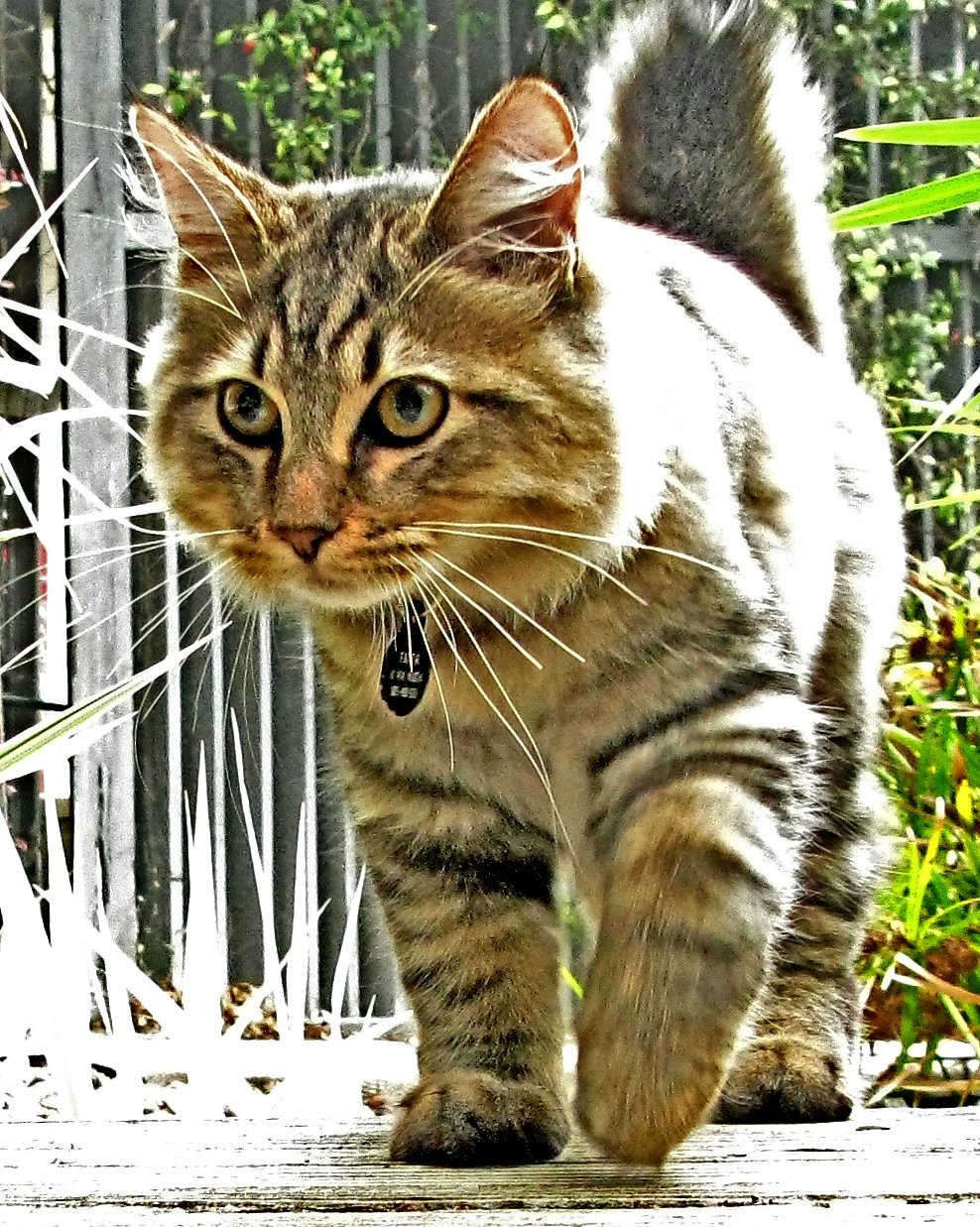
American Bobtail Cats captivate cat lovers with their wild appearance, despite being completely domestic house pets. Their distinctive bobbed tail and muscular build often lead people to believe they have wildcat ancestry, but this is merely an illusion created by their unique characteristics.
Although relatively uncommon, these cats are gaining popularity for their remarkable temperament and adaptability. The American Bobtail Cat behavior is often described as dog-like—they’re loyal, trainable, and surprisingly social. Furthermore, their weight typically ranges from 7-16 pounds, making them a medium to large breed with a healthy lifespan of 13-15 years. While their physical characteristics certainly turn heads, it’s their friendly, intelligent nature that truly sets them apart from other breeds. This article explores everything you need to know about these fascinating felines—from their mysterious origins to their specific care requirements.
The Origins of the American Bobtail
Unlike many pedigreed felines, the American Bobtail Cat began its journey not in breeding programs but through a chance discovery. The breed’s history reads like a serendipitous adventure, beginning with a vacation that would ultimately create one of America’s most distinctive native cat breeds.
The story of Yodie and Mishi
The tale of the American Bobtail Cat starts in the late 1960s with a young couple, John and Brenda Sanders. During their vacation through the southwestern United States, they made a fateful stop at an Indian Reservation in Arizona. There, they discovered a brown tabby kitten with an unusually short tail wandering beside the road. Charmed by his unique appearance, they decided to adopt him and named him Yodie.
Upon returning home to Iowa, Yodie matured and eventually mated with the couple’s female cat, Mishi, a non-pedigreed domestic color point. To the Sanders’ surprise, several kittens in the resulting litter inherited Yodie’s distinctive shortened tail. This indicated that the gene governing the bobbed tail was dominant, since only one copy was necessary for the trait to appear in offspring.
The unusual kittens quickly caught the attention of family friends Mindy Shultz and Charlotte Bentley, who recognized the potential for developing an entirely new breed of cats with this natural mutation.
How the breed was developed
Initially, some of these bobtailed kittens were bred with longhaired color points. These first matings produced what many consider the first true American Bobtails. The early breeding programs primarily focused on cats with the desirable bobtail trait, regardless of other physical characteristics.
Contrary to persistent urban legends, the American Bobtail is not the result of crossbreeding between domestic cats and wild bobcats. In fact, the shortened tail is the result of a random spontaneous genetic mutation that occurred naturally within the domestic cat population.
By the mid-1980s, however, the original bloodlines had become problematic due to inbreeding. Subsequently, a dedicated group of breeders took on the task of revitalizing the breed. They began selecting short-tailed random-bred domestic cats that fit the desired wild appearance while maintaining completely domestic temperaments.
Most original lines from Yodie were gradually phased out as breeders refined their approach. Through careful selection and breeding, they developed cats that resembled their bobcat namesakes in appearance only—large, rugged-looking felines with distinctive bobbed tails but thoroughly domestic personalities.
Notably, the breed’s foundation stock came from feral cats with naturally occurring short tails found in various regions across the United States and Canada. This diverse genetic background has contributed to the breed’s overall health and vigor.
Recognition by cat associations
After years of dedicated breeding efforts, the American Bobtail finally received official recognition. In 1989, The International Cat Association (TICA) formally acknowledged the American Bobtail as a naturally occurring breed. This marked a significant milestone in establishing the breed’s legitimacy in the cat fancy world.
The Cat Fanciers’ Association (CFA) followed suit years later, first approving the American Bobtail for registration in 2000 and granting provisional status in 2005. The breed has since been accepted for championship competition by several major organizations:
- The International Cat Association (TICA)
- Cat Fanciers’ Association (CFA)
- American Cat Fanciers Association (ACFA)
The breed is also technically sanctioned in the Cat Aficionado Association (CAA) of China, which adopted ACFA’s breed standards. Additionally, the Germany-based World Cat Federation (WCF) recognizes the American Bobtail in both longhair and shorthair varieties, though it is not yet accepted for competition.
Throughout its development, the American Bobtail has maintained its distinctive characteristics without known genetic defects, thanks to the diverse gene pool from which it originated. The breed stands as a testament to natural selection combined with thoughtful human intervention, creating a cat with wild looks but a wonderfully domestic heart.
What Makes the American Bobtail Look Wild
The American Bobtail Cat’s reputation for resembling a wild feline isn’t just clever marketing—it’s rooted in several distinctive physical characteristics that truly set this breed apart. When you first encounter an American Bobtail, you might momentarily wonder if you’re looking at a miniature version of a wild lynx or bobcat that somehow found its way into a domestic setting.
Short, expressive tail
The most defining feature of the American Bobtail is, unsurprisingly, its shortened tail. Unlike a regular domestic cat’s long, slender tail, the American Bobtail sports a stub that ranges from under an inch to just a few inches in length . This distinctive trait results from a natural genetic mutation affecting tail development, similar to what occurs in the Manx cat .
What makes this tail particularly special is its expressiveness. The tail is flexible and can be straight, slightly curved, or have small kinks or bumps along its length . According to breed standards, the tail should be visible above the back when the cat holds it straight up . Ideally, it’s broad at the base, strong and substantial to the touch—never fragile . Straighter tails often feature a characteristic fat pad at the end .
Importantly, this shortened tail exists naturally and isn’t the result of any artificial docking or modification. The gene responsible for this trait is dominant, meaning only one copy is necessary for offspring to inherit the bobbed tail .
Coat types and patterns
American Bobtails come in two distinct coat varieties: shorthair and longhair. The shorthair coat is medium in length and semi-dense with a slight loft, featuring a double-layer structure with a harder topcoat and softer, downy undercoat . The longhair variety has a medium-long, slightly shaggy appearance that tapers to longer fur on the ruff, britches, belly, and tail .
What truly enhances the wild appearance, nonetheless, is the coat’s coloration and patterning. These cats can display virtually any pattern or color, including:
- Tabby patterns (often resembling wild lynx or bobcat markings)
- Black, brown, chocolate, and cinnamon
- Blue, lilac, and fawn
- Red, cream, and orange variations
- Calico and tortoiseshell patterns
Many American Bobtails exhibit the classic “bobcat-” or “ocelot-“-like spotted coat, which is considered the most basal coloration for the breed . The coat may display varying amounts of white fur on the chest, neck, legs, or underside . Preference is generally given to colors and patterns that enhance the natural wild appearance .
Size and build
The American Bobtail possesses a distinctive body structure that further contributes to its wild look. This breed is categorized as medium to large, with males typically weighing between 12 to 16 pounds and females being somewhat smaller at 7 to 11 pounds . Some sources suggest they can range between 7-18 pounds in total .
Their body is moderately long and substantial with a rectangular stance . The chest is full and broad, with the hips being almost as wide . One notable feature is that they tend to be slightly higher in the hips with prominent shoulder blades, giving them a distinctive silhouette .
The American Bobtail’s muscular, athletic appearance gives off an impression of power and agility . They possess substantial boning and a stocky frame . Their legs are well-proportioned to their body with good length and substantial bone structure. Interestingly, their hind legs are typically longer than their forelegs . Their paws are large and round, sometimes featuring toe tufts, particularly in the longhaired varieties .
The head completes the wild appearance with its broad wedge shape without flat planes . They have a concave curve from nose to brow or a rise to a prominent brow, broad unpinched muzzle, prominent whisker pads, and full, strong jaws . Their medium-sized ears with rounded tips and almost-almond shaped eyes contribute to what breeders refer to as a unique “natural hunting gaze” .
Coupled with their distinctive bobbed tail, these physical characteristics create a remarkable resemblance to wild felines while maintaining all the benefits of a completely domestic cat.
Personality Traits That Surprise Most Owners
Behind their wild appearance, American Bobtail Cats possess personalities that often catch new owners by surprise. These cats bring an unexpected blend of characteristics that make them stand out among other feline companions—sometimes earning them comparisons to canine friends rather than typical cats.
Affectionate and dog-like behavior
The American Bobtail Cat has earned a remarkable nickname that speaks volumes about their temperament—they’re often called the “Golden Retrievers of the cat world” . This comparison isn’t merely cute marketing; it reflects their genuine behavioral patterns. These cats form deep bonds with their human companions, whether that’s a single person or an entire family .
One of the most endearing qualities of American Bobtails is their tendency to follow their owners around the home . Unlike more independent felines, they prefer being active participants in daily activities. Many owners are taken aback when their Bobtail greets them at the door after work —behavior typically associated with dogs rather than cats.
Moreover, American Bobtails are exceptionally social creatures who prefer being part of family life rather than solitary existence . They express their affection openly, enjoying cuddle sessions and willingly becoming lap cats . Their devotion goes beyond typical feline aloofness, making them ideal companions for those seeking a more interactive pet experience.
Intelligence and trainability
The American Bobtail Cat’s intelligence ranks among their most impressive characteristics. These cats demonstrate high trainability and problem-solving capabilities . Their cognitive abilities allow them to master tasks that many cat breeds find challenging.
Remarkably, these felines can learn several dog-like behaviors and commands:
- Playing fetch enthusiastically with their favorite toys
- Walking comfortably on a leash for outdoor adventures
- Learning interactive games like hide-and-seek
- Mastering tricks and responding to training cues
Their mental acuity demands proper stimulation. Without sufficient mental challenges, these bright cats may become bored. As one veterinary expert notes, “Potential owners should be prepared to provide a high level of enrichment through climbing opportunities, pouncing play, food puzzles, toys, training, lots of human interactions and even leash walking” . Their intelligence level requires the same attention as “a healthy young beagle dog” .
Compatibility with kids and pets
Families considering adding an American Bobtail to their household will appreciate their exceptional compatibility with children and other animals. These cats display remarkable tolerance, especially with kids. They handle the sometimes enthusiastic attention from children gracefully .
With proper socialization, American Bobtails adapt beautifully to multi-pet environments. They typically get along well with other cats and demonstrate surprising compatibility with dogs . This adaptability extends to various living situations—they adjust comfortably to apartments, houses, or even less conventional homes like RVs or boats .
What makes American Bobtails particularly suitable for families is their balance of playfulness and gentleness. They maintain a moderate to high energy level that makes them engaging playmates for children, yet they possess the patience and tolerance necessary for family life. Their willingness to participate in family activities creates natural bonding opportunities.
Perhaps most fascinating is their versatility—while they thrive in bustling family environments, they also form exceptionally strong bonds with single owners . This adaptability makes the American Bobtail an excellent choice across diverse household compositions.
Beyond household companions, their friendly, open temperament has led to their use as therapy cats . Their natural comfort around strangers and gentle demeanor makes them ideal for providing emotional support in therapeutic settings.
Caring for an American Bobtail at Home
Taking care of an American Bobtail Cat at home requires less effort than you might expect for such a distinctive-looking breed. These cats combine low-maintenance grooming needs with specific care routines that keep them healthy and comfortable throughout the year. Establishing regular care habits ensures your Bobtail remains not just beautiful but also healthy.
Brushing and grooming needs
Maintaining your American Bobtail’s coat is straightforward regardless of length. For most of the year, brushing once or twice weekly is sufficient to remove loose hair and maintain coat health . This modest grooming requirement makes them ideal companions for busy owners.
The specific grooming routine varies slightly between coat types:
- Short-haired Bobtails: A quick brush once or twice weekly keeps their dense coat shiny and removes loose hairs
- Long-haired Bobtails: These require slightly more attention with 2-3 brushing sessions weekly to prevent tangles, particularly around the belly and behind the legs
Neither variety demands excessive grooming compared to high-maintenance breeds like Persians . Medium-haired varieties benefit from twice-monthly brushing sessions , striking a balance between the short and long-haired maintenance requirements.
When selecting grooming tools, consider your cat’s specific coat type. Rubber brushes work effectively for short-haired Bobtails, whereas slicker brushes better suit the long-haired varieties . These specialized tools remove loose hair efficiently without causing discomfort.
Dental and nail care
Dental disease represents a common health concern among cats, making proper oral hygiene essential for American Bobtails. Ideally, you should brush your cat’s teeth daily using pet-friendly toothbrushes and toothpaste . Beginning this routine during kittenhood helps your Bobtail become comfortable with the process, as introducing dental care to adult cats often proves challenging.
Complementary approaches to maintain dental health include:
- Professional dental cleanings at your veterinarian
- Dental treats or chews specifically formulated for cats
- Specialized food designed for dental care
- Oral rinses developed for feline use
At minimum, brush your American Bobtail’s teeth weekly to prevent periodontal disease . Supplementing with plaque-controlling treats helps maintain dental health between brushings, though these should never replace regular brushing entirely .
Nail maintenance requires similar attention. Trim your American Bobtail’s nails every 2-3 weeks . Regular trimming prevents nails from growing too long, which can lead to painful catching, tearing, or even growing into the paw pads . Providing scratching posts allows your cat to perform some natural nail maintenance between trimmings .
Seasonal shedding tips
American Bobtails, like many cat breeds, experience increased shedding during spring and fall . During these seasonal transitions, your cat sheds its winter coat in preparation for warmer weather (spring) and then sheds its summer coat to grow a winter coat for colder months (fall) .
Throughout these high-shedding periods, increase brushing frequency to manage loose fur effectively . This more intensive grooming schedule serves two important purposes: it reduces the amount of hair accumulating in your home and prevents your cat from ingesting excessive fur while self-grooming, which can lead to troublesome hairballs .
To effectively manage seasonal shedding:
- Use a deshedding brush or grooming glove during high-shedding seasons
- Vacuum your cat’s favorite spots regularly
- Wash pet bedding weekly
- Consider washable furniture covers for heavily used areas
Proper hydration supports healthy skin and coat, potentially reducing excessive shedding. Encourage water consumption by offering multiple water bowls, trying a cat fountain, or incorporating wet food into your American Bobtail’s diet .
Essentially, with consistent care routines tailored to your American Bobtail’s specific needs, these captivating cats remain relatively easy to maintain despite their wild appearance and distinctive physical characteristics.
Feeding and Nutrition Guidelines
Proper nutrition forms the foundation of your American Bobtail Cat’s health, directly influencing their energy levels, coat quality, and lifespan. These naturally robust cats don’t have specific dietary requirements thanks to their diverse genetic background , yet understanding their nutritional needs remains vital for maintaining optimal health.
Choosing the right food
American Bobtails thrive on high-quality, protein-rich diets that honor their status as obligate carnivores. First of all, check ingredient lists carefully – quality animal-based protein should always appear as the first ingredient . Plant proteins don’t serve cats well, as their digestive systems simply aren’t designed to process them effectively .
When selecting food, consider your American Bobtail’s life stage:
- Kittens should eat specialized kitten formulas throughout their first year to support growth and development
- Adult cats generally do well on standard adult cat formulations
- Older or less active Bobtails may benefit from senior-specific or weight management formulas
The foundation of a healthy diet remains straightforward – prioritize foods with named animal proteins (chicken, turkey, salmon) instead of vague meat by-products. Many veterinarians recommend nutritionally balanced commercial foods that have undergone quality testing and meet established nutritional standards.
Wet vs. dry food
The debate between wet and dry food centers primarily around moisture content. Dry kibble contains approximately 10% water, while wet food provides about 70% moisture . This substantial difference makes wet food particularly valuable for cats with certain health conditions requiring increased hydration, such as kidney disease, diabetes, or urinary tract issues .
Wet food offers additional advantages beyond hydration:
- Higher palatability that appeals to picky eaters
- Variety of flavors and textures
- Often contains fewer carbohydrates than dry food
Conversely, dry food has its own benefits:
- Typically more affordable than wet food
- Longer shelf life once opened (vs. 24-hour refrigeration for wet food)
- Convenience for automated feeders or puzzle toys
- Potential dental benefits from chewing
Many owners find success with a combination approach – providing both wet and dry food to balance the advantages of each . This strategy works well for American Bobtails who need increased water intake but prefer dry kibble’s texture.
Avoiding obesity
Weight management deserves serious attention, as approximately 60% of domestic cats struggle with obesity . Excess weight in American Bobtail Cats increases risks for diabetes, arthritis, urinary problems, cancer, and skin conditions .
Portion control stands as the cornerstone of weight management. Commercial cat food packaging often overestimates recommended serving sizes , so consulting your veterinarian for personalized portion recommendations proves invaluable. Measured meals rather than free-feeding helps prevent overconsumption .
Establishing consistent mealtimes rather than leaving food available constantly helps control intake . Cats quickly adapt to regular feeding schedules, minimizing between-meal begging behaviors.
For American Bobtails needing more engagement while eating, consider:
- Interactive feeding toys that dispense kibble as rewards
- Food puzzles that slow eating pace
- Dividing daily portions across multiple small meals
Regular weight monitoring allows early detection of concerning trends. Schedule periodic weigh-ins with your veterinarian to track your cat’s body condition score alongside weight measurements . Minor adjustments made early prevent the need for major dietary overhauls later.
Through thoughtful food selection, appropriate feeding methods, and consistent monitoring, your American Bobtail Cat can maintain a healthy weight that supports their naturally athletic build and contributes to their overall well-being.
Health Concerns to Watch Out For
While American Bobtails are generally robust cats, being aware of potential health issues helps ensure they maintain their active lifestyle throughout their lifespan. As with any breed, knowing what conditions to watch for allows for early intervention and appropriate care when needed.
Spinal and hip issues
The genetic mutation responsible for the American Bobtail’s distinctive shortened tail occasionally brings accompanying health challenges. Primarily, completely tailless American Bobtails may experience spinal problems that affect their ability to control defecation . This condition occurs because of alterations to the spine’s structure directly related to the mutation affecting tail development.
Hip dysplasia, though relatively rare in domestic cats, appears more frequently in purebred cats like the American Bobtail . This condition develops when the hip joint fits loosely into the hip socket, leading to degenerative joint disease or osteoarthritis over time. Symptoms range from mild to severe lameness depending on the condition’s progression .
Owners should observe their American Bobtail Cat for:
- Difficulty jumping or climbing
- Unusual postures or gait
- Visible discomfort when moving
- Reluctance to engage in previously enjoyed activities
Fortunately, most cases of feline hip dysplasia require no surgical intervention. Weight management serves as the primary treatment approach, effectively reducing discomfort by minimizing pressure on affected joints .
Hypertrophic cardiomyopathy (HCM)
HCM stands as the most common heart disease affecting cats , with prevalence estimates varying between 3% and 15% depending on the cat population studied . This condition causes the heart’s walls to thicken, diminishing its ability to pump blood efficiently .
The concerning aspect of HCM is that affected American Bobtail Cats typically show no obvious symptoms until the condition becomes severe . When symptoms finally appear, they frequently include:
- Rapid or labored breathing
- Lethargy and reduced activity
- Open-mouth breathing during stress
- Pain or weakness in hind limbs
HCM has no preventable cause, as most cases stem from genetic factors that can manifest at virtually any age, from as young as four months to as old as sixteen years . Treatment options typically focus on symptom management rather than curing the underlying condition, often involving medications to regulate heart rate .
Regular cardiac examinations become increasingly important as your American Bobtail ages, as early detection allows for more effective management strategies even before symptoms appear.
Dental disease and prevention
Dental health represents a critical aspect of overall wellbeing for American Bobtail Cats, with more than half of cats over four years old experiencing some form of dental disease . Without proper care, minor issues like gingivitis can progress to more serious conditions like periodontitis .
The pain associated with dental disease often causes affected cats to stop eating , creating a cascade of additional health problems. Consequently, establishing proper dental hygiene routines from kittenhood proves essential for prevention.
Effective dental care strategies include:
Weekly tooth brushing using cat-specific toothpaste and brushes Professional cleanings performed by veterinarians to address early-stage problems Dental treats specifically formulated to reduce plaque buildup (as supplements to, never replacements for, brushing) Special diets designed to promote dental health
For severe dental conditions like tooth resorption, extraction typically becomes necessary, as neither professional cleanings nor at-home care can resolve advanced cases .
Considering that American Bobtails commonly face both genetic predispositions and standard feline health challenges, regular veterinary examinations throughout their lifespan remain crucial for maintaining their characteristic active, playful temperament and ensuring they live their fullest life.
How to Keep Your Bobtail Happy and Active
Keeping an American Bobtail Cat mentally and physically stimulated isn’t just about fun—it’s essential for their overall wellbeing. These energetic felines thrive on interaction and activity, requiring dedicated playtime to prevent boredom and behavioral issues.
Daily play and mental stimulation
American Bobtail Cats possess remarkable intelligence that demands regular mental challenges. Aim for at least 10-15 minutes of interactive play sessions daily to maintain their physical fitness and mental sharpness . Without adequate stimulation, these clever cats may develop undesirable behaviors born from boredom.
Their problem-solving abilities make them perfect candidates for puzzle toys and treat dispensers that reward their natural curiosity . Clicker training works wonderfully with American Bobtails—they can learn commands like sit, fetch, and even recall . Many owners find their Bobtails enthusiastically engage in games of fetch with small balls or toy mice .
Given their hunting instincts, interactive toys mimicking prey movements—such as feather wands, fishing rod toys, or laser pointers—tend to be particular favorites . Just remember with laser toys to eventually let them “catch” something tangible to avoid frustration .
Leash training and outdoor time
Surprisingly, American Bobtails adapt exceptionally well to leash walking . This breed often enjoys exploring the outdoors while safely secured in a properly fitted harness—never use a collar alone for leash attachment .
The training process involves several steps:
- Introduce the harness gradually indoors with positive reinforcement
- Allow your cat to become comfortable with leash attachment
- Practice walking indoors before venturing outside
- Begin with short, positive outdoor experiences
Outdoor adventures provide excellent mental stimulation plus an outlet for their natural curiosity and energy . Actually, many American Bobtails actively communicate when they’re ready for outdoor adventures, showing their desire to explore .
Toys and climbing structures
Vertical space is paramount for American Bobtails given their natural climbing inclination . A tall cat tree with multiple levels satisfies their desire to perch in elevated positions while providing exercise opportunities . Ideally, select structures with various platforms, hideaways, and integrated toys to create a complete playground .
For toys, variety matters greatly. Consider rotating through:
- Interactive toys that mimic prey movements
- Puzzle feeders that challenge their intelligence
- Shiny objects which often become favorites
- Tunnels for hiding and pouncing
Window perches offer environmental enrichment by allowing them to safely observe the outside world . Naturally, providing multiple scratching posts throughout your home helps protect your furniture while giving them necessary outlets for scratching behavior .
Remember that American Bobtails form strong attachments to their families and don’t appreciate extended solitude . Therefore, interactive toys become particularly important during times you must be away from home.
Where to Find or Adopt an American Bobtail
Finding an American Bobtail Cat requires patience and research, as these distinctive felines are among the rarer breeds in the domestic cat world.
Why they’re rare
American Bobtail Cats remain relatively scarce in the United States, making them challenging to locate . Interestingly, the American Cat Fanciers’ Association maintains a breeder directory that currently lists only two registered US breeders—one in North Dakota and another in Wisconsin . This limited availability stems primarily from their relatively recent development as a recognized breed. Locating these cats often requires connecting with local cat breeders and exploring online networks to find reputable sources with established businesses and positive reviews.
Adoption vs. breeders
The cost difference between adoption and purchasing from a breeder is substantial. Adopting an American Bobtail from a shelter or rescue typically costs between $50-$150 and includes basic veterinary services like exams, preventatives, vaccines, microchipping, and spay/neuter procedures . Meanwhile, purchasing from a breeder can be significantly more expensive, with prices ranging from $1,000-$1,200+ .
Fortunately, adoption options exist. Shelters occasionally list Bobtails, though they tend to be adopted quickly once posted . The easiest approach typically involves:
- Checking local shelters and cat rescues regularly
- Setting up alerts on adoption websites
- Using breed-specific search functions on platforms like Adopt a Pet
What to ask a breeder
When considering a breeder, inquire about:
- Whether parents have undergone genetic testing
- If kittens are X-rayed for spine length
- Access to comprehensive health records
- Socialization practices before eight weeks
Quality breeders typically provide clear contracts with return clauses and stand behind their kittens throughout their lives . Ask to meet the parents if possible to assess their health and temperament . Responsible breeders should willingly answer questions about congenital defects within the breed and their breeding practices to avoid those issues .
Conclusion
American Bobtail Cats certainly live up to their reputation as extraordinary companions. Despite their wild appearance, these felines possess thoroughly domestic personalities that make them ideal pets for various households. Their unique bobbed tails, muscular builds, and striking coat patterns create an impressive visual presence, while their affectionate, dog-like behavior wins hearts across the country.
Throughout their relatively brief history as a recognized breed, American Bobtails have proven themselves adaptable, intelligent, and surprisingly trainable. Though caring for these cats requires attention to potential health concerns such as spinal issues and HCM, their overall robust constitution makes them generally healthy companions. Additionally, their moderate grooming needs fit well with busy lifestyles, requiring just weekly brushing for most of the year.
Perhaps most compelling about American Bobtails remains their remarkable temperament. Few cats match their combination of playfulness, loyalty, and social adaptability. They thrive on interaction, whether through puzzle toys, leash walks, or simply following family members around the home. Consequently, these cats excel in active households where their intelligence receives regular stimulation.
While finding an American Bobtail might require patience given their rarity, the effort ultimately rewards owners with a truly special companion. Whether adopted from a rescue or purchased from a reputable breeder, these distinctive cats offer the perfect balance – wild looks paired with gentle hearts. For those seeking a feline friend with both visual impact and exceptional personality, the American Bobtail stands as a remarkable choice that continues growing in popularity for all the right reasons.