
Alaskan Klee Kai : Information: Characteristics, Behavior, Temperament, Lifespan, Weight kg
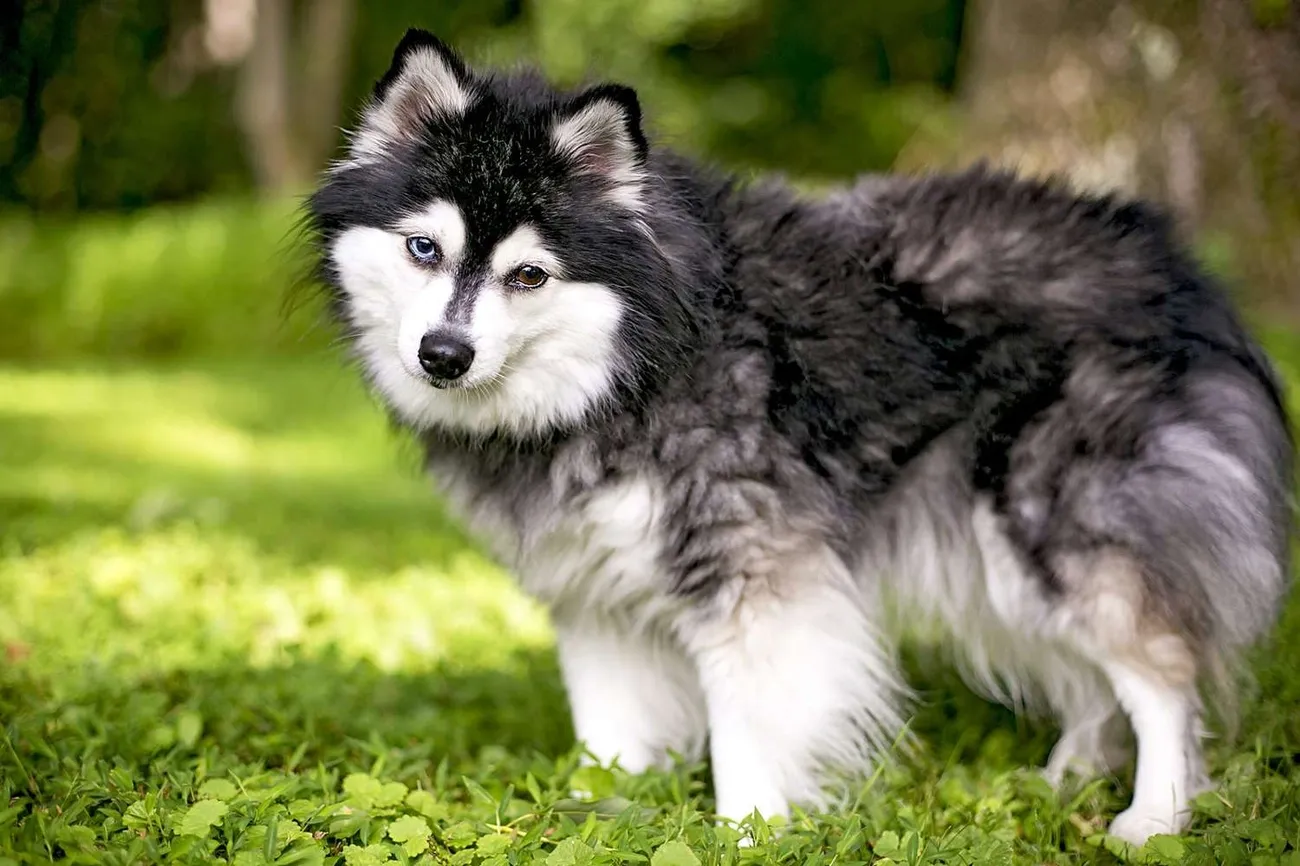 Dog lovers find themselves drawn to Alaskan Klee Kai dogs because they look strikingly like Huskies and Malamutes in a more compact, apartment-friendly size. This American spitz-type breed emerged in the late 20th century as a companion-sized alternative to larger snow dogs. The breed’s name comes from the Inuit term that means “little dog”. These dogs come in three distinct sizes: Toy (under 13 inches tall, weighing less than 10 pounds), Miniature (13-15 inches tall, 10-15 pounds), and Standard (15-17 inches tall, 15-20 pounds).
The Alaskan Klee Kai’s charm goes beyond their cute appearance – they boast an impressive lifespan. Most live between 13-16 years, and some owners report their pets reaching 15-20 years. The breed has stayed relatively rare since the United Kennel Club recognized it in 1997, with only about 700 registered dogs. Let’s explore this fascinating breed’s unique temperament, behavior patterns, and specific care needs that potential owners should know.
Understanding the Alaskan Klee Kai Breed
The Alaskan Klee Kai’s remarkable story began in Wasilla, Alaska during the 1970s. This 50-year old breed gives dog enthusiasts a perfect blend of husky appearance and companion-sized convenience.
Origin and development in Alaska
Linda Spurlin undertook the task of creating a smaller version of the Alaskan Husky. Her inspiration came after seeing a surprisingly small husky during a family visit to Oklahoma. This tiny dog, weighing merely 17 pounds, drew attention everywhere. The experience motivated Spurlin to start a careful breeding program that would create what we now know as the Alaskan Klee Kai.
Spurlin picked dogs that met her high standards for appearance and soundness from the early 1970s through 1988. Her breeding program combined Alaskan and Siberian Huskies with American Eskimo Dogs and Schipperkes. She followed her brother’s philosophy to “breed the best, and cull the rest”. This ensured only dogs with ideal traits shaped the developing breed.
She had a clear vision – to create a companion-sized version of the northern spitz-type dog. The goal was to keep the striking appearance and positive traits of the Alaskan Husky. Unlike their larger counterparts bred for work, these smaller dogs became companions suited to modern living while preserving their arctic heritage.
Meaning of the name ‘Klee Kai’
A generic term like “miniature Husky” was not enough. The name “Klee Kai” came from indigenous Alaskan language, reflecting both the dog’s size and cultural roots.
“Klee Kai” comes from the Athabaskan language, one of Alaska’s native dialects, and means “little dog”. Some sources link the term to Inuit or Eskimo origins but keep the same meaning. The name captures the breed’s essence—a smaller version of traditional northern sled dogs that kept their distinctive look and character.
Spurlin first called her creation “Klee Kai.” The name changed officially to “Alaskan Klee Kai” in 1995 to honor the breed’s birthplace. This change highlighted the breed’s Alaska roots and connection to the state’s rich dog sledding heritage.
Recognition by kennel clubs
The Alaskan Klee Kai remains rare but has earned recognition from major kennel clubs over decades. The United Kennel Club (UKC) made it official on January 1, 1997. This marked a key milestone in establishing the Alaskan Klee Kai as a distinct breed.
The American Kennel Club (AKC) welcomed the Alaskan Klee Kai into its Foundation Stock Service (FSS) in October 2020. This step brings them closer to full AKC recognition. The FSS tracks breeding information to monitor the breed’s growth.
Spayed and neutered Alaskan Klee Kais can join AKC Companion Events through the AKC Canine Partners program. This lets owners show their dogs’ skills in various dog sports.
Some international kennel clubs like the UK Kennel Club haven’t recognized the breed yet. Still, its popularity grows steadily. The Alaskan Klee Kai stays unique as a specially developed companion that looks like northern working dogs.
Alaskan Klee Kai Size and Appearance

Image Source: Facebook
The Alaskan Klee Kai stands out with its compact size and wolf-like looks. These beautiful dogs pack all the appeal of their bigger northern cousins into a more manageable size, which explains their growing popularity with dog lovers who want a spitz-type companion.
Toy, Miniature, and Standard sizes
You’ll find the Alaskan Klee Kai in three size categories. Each size has specific height requirements measured from the withers (shoulder) to the ground:
- Toy Alaskan Klee Kai: Up to and including 13 inches (33 cm) tall
- Miniature Alaskan Klee Kai: Over 13 inches up to and including 15 inches (33-38 cm) tall
- Standard Alaskan Klee Kai: Over 15 inches up to and including 17 inches (38-43 cm) tall
Dogs between 17-17.5 inches still qualify as Standard Alaskan Klee Kai but judges see this as a “fault” in show rings. Any dog bigger than 17.5 inches doesn’t meet breed standards.
Weight range in kg and lbs
Each Alaskan Klee Kai’s weight matches its height category:
- Toy: These little ones weigh between 6-14 lbs (2.7-6.3 kg), averaging around 12.6 lbs
- Miniature: The middle size weighs between 10-18 lbs (4.5-8.2 kg), averaging around 16.5 lbs
- Standard: The largest size weighs between 15-22 lbs (6.8-10 kg), averaging around 19.5 lbs
The breed’s weight range spans from 5-22 pounds (2.3-10 kg). These weights reflect fully grown dogs at about two years old. The breed standard states that “weight and bone are in proportion to the overall dog”.
Coat types and colors
The Alaskan Klee Kai’s distinctive double coat shows off its northern roots. This coat has:
- A dense, soft undercoat that keeps them warm
- A longer, straight outer coat of guard hairs that shields them
This two-layer coat does more than look good. It helps regulate their temperature in hot and cold weather while protecting their skin from sun damage. The coat naturally keeps dirt away and doesn’t have that strong “dog smell” many other breeds have.
These dogs come in three main color combinations:
- Black and white
- Gray and white
- Red and white
Every dog needs clear contrasting colors with white markings in specific spots: inside the ears, lower face, throat, chest, abdomen, legs, feet, and under the tail. Solid colors (including all white) don’t meet breed standards, except for non-albino white dogs.
Facial markings and tail shape
The Alaskan Klee Kai’s face catches everyone’s attention with its expressive look and distinct markings. Breed standards want symmetrical, clear markings that stand out.
Their facial mask looks like the goggles you see on Alaskan Huskies. A perfect “full mask” needs:
- Dark color running from the head down the nose bridge
- Dark shading under or around the eyes, staying within the top quarter of the cheeks
- White “eyebrow” marks that contrast above the eyes
The tail is thick and furry, sitting just below the back line. Alert dogs carry their tail in a loose curl over their back or to either side. This curled tail adds to their fox-like look and balanced appearance.
Temperament and Personality Traits
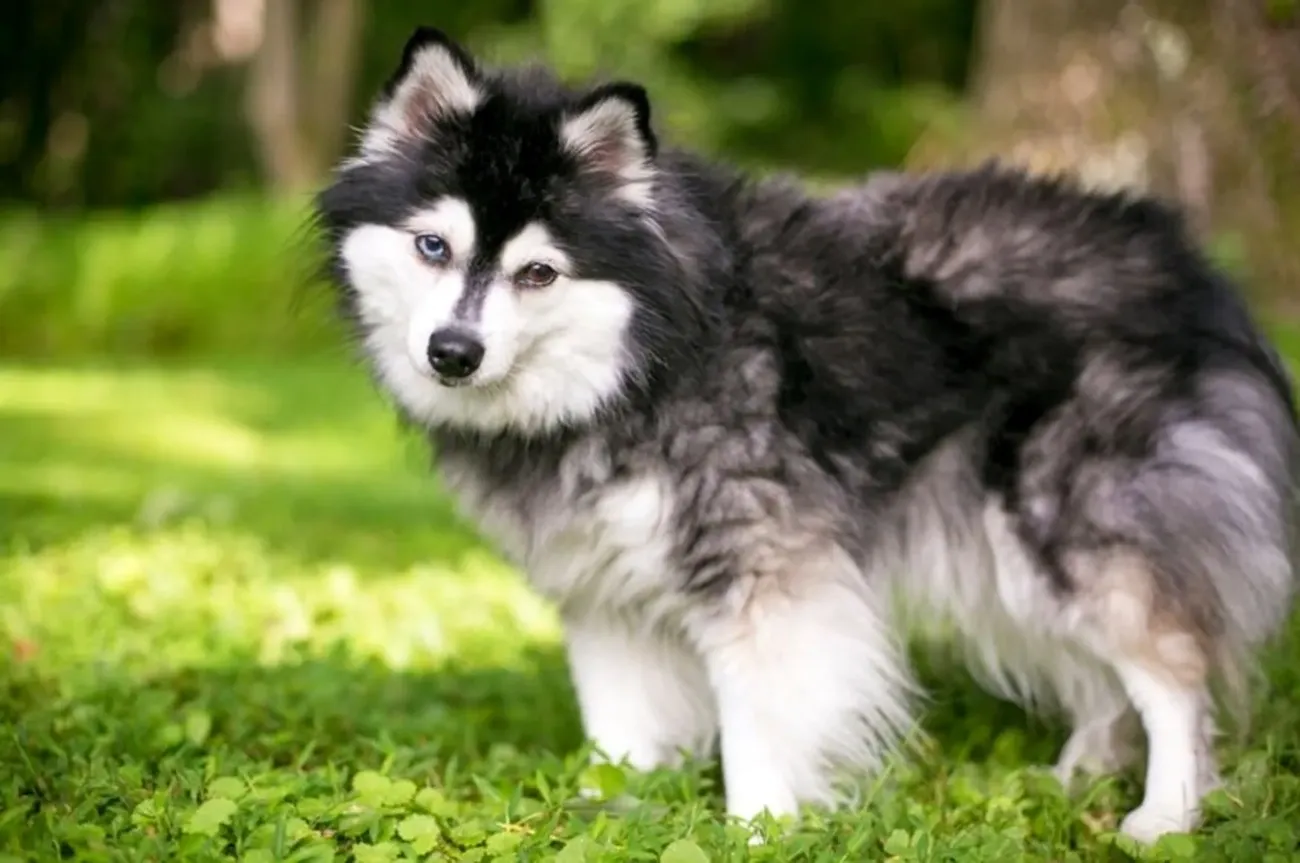
Image Source: Zooplus
The Alaskan Klee Kai’s stunning arctic looks hide a complex personality that sets this breed apart. These miniature huskies stand out from other companion dogs their size by mixing sharp intelligence with unique behaviors that showcase their northern roots.
Loyal but reserved with strangers
Alaskan Klee Kais build incredibly strong bonds with their families. Breed enthusiasts call them “velcro dogs” because they stick so close to their families. Each dog picks one family member and becomes their constant shadow. These dogs show their love in unique ways – some love cuddles and physical contact, while others prefer to play and “chat” with their humans.
Anyone visiting an Alaskan Klee Kai’s home will notice how cautious these dogs are around new people. Their wariness comes from protective instincts and natural suspicion rather than aggression.
Each dog’s reserved nature varies. Some warm up to visitors quickly after proper introductions. Others need more time to size up the situation. This careful nature makes them great watchdogs despite their small size.
High intelligence and alertness
Alaskan Klee Kais combine remarkable intelligence with curiosity and sharp instincts. They watch everything around them and notice the smallest changes in their environment. Nothing escapes their attention – from the mail carrier’s approach to wildlife outside.
Their smarts show up in different ways. They pick up new skills and commands fast and respond well to positive training. Games work better than formal training sessions. Sometimes their intelligence shows up as independence or stubbornness.
These dogs need mental challenges to stay happy. Boredom leads to destructive behavior. Their active minds need puzzle toys, training time, and varied activities. That’s why they excel in dog sports like agility, racing, obedience, rally, scent work, weight pull, dock diving, and carting.
Vocal tendencies and watchdog behavior
The Alaskan Klee Kai’s chatty nature can be both charming and challenging. Owners often have “conversations” with their dogs who love to express their opinions. They “talk back” with unique sounds and howl when excited or wanting attention.
New owners should know these aren’t quiet dogs. Their vocal nature makes them a poor fit for apartments or homes with shared walls. Still, they aren’t constant barkers – they vocalize with purpose rather than noise for noise’s sake.
Their alert nature and vocal tendencies create excellent watchdogs. An Alaskan Klee Kai will let you know about any unusual activity. While they’re great at raising the alarm, their size means they work better as alert systems than guard dogs.
The Alaskan Klee Kai gives you an intelligent, loyal friend with eye-catching looks and a unique personality. They pack the perfect mix of loving family dog and alert watchdog into a compact, northern package.
Behavioral Patterns and Socialization
Owning an Alaskan Klee Kai requires a deep grasp of their social behaviors and early guidance. These compact companions show distinct traits that shape how they bond with families and react to their surroundings.
Interaction with children and other pets
Alaskan Klee Kai build strong bonds with family members but react differently to children. Many adapt well to kids who know how to handle pets. Their naturally timid nature makes them jumpy around toddlers who move unpredictably and make sudden noises.
Each family’s experience with these dogs varies substantially. Some dogs show amazing patience with children, while others stay cautious and uneasy. Supervision is absolutely essential when these dogs spend time with young children because they might nip if they feel threatened. Parents should teach their children the right ways to approach and handle an Alaskan Klee Kai and respect the dog’s space.
These dogs usually get along with other canines, especially after proper introductions. Most thrive in homes with multiple dogs if they receive good socialization as puppies. Each dog’s personality plays a bigger role than breed traits in these relationships.
Prey drive and supervision needs
A strong prey drive runs through the entire breed. Alaskan Klee Kai see small animals—including cats, rodents, birds, and reptiles—as potential prey. Small pets might trigger their hunting instincts unless they grow up together from an early age.
Smart and driven hunters, even well-trained Klee Kai need supervision around pocket pets. Their predatory nature shows up during outdoor activities too. Leashes or secure fenced areas are must-haves since they chase squirrels, birds, rabbits, and other wildlife.
These clever dogs combine smarts with amazing agility to become skilled escape artists. Smart owners “Klee Kai-proof” their yards by checking fences and gates for small gaps these dogs might squeeze through. Leaving them alone outdoors puts them at risk.
Importance of early socialization
Alaskan Klee Kai puppies develop crucial impressions between 7-20 weeks of age. These early experiences shape how they react to different situations throughout their lives.
Good socialization helps balance their natural caution around new people and situations. Puppies might become too shy or reactive without enough exposure. Puppy classes provide great structured settings to build confidence and social skills.
Good socialization includes:
- Daily gentle handling of paws, ears, and tail with rewards
- Meeting different people beyond the family
- Time spent in various settings with different sounds
- Happy visits to vet offices before actual treatments
Puppies need to set their own pace during socialization. Rushing things leads to setbacks instead of progress. Owners must watch their puppy’s body language for stress signals.
Future Alaskan Klee Kai owners benefit from knowing these behavior patterns. These unique dogs become wonderful companions in many homes with the right training, supervision, and socialization.
Exercise and Activity Needs
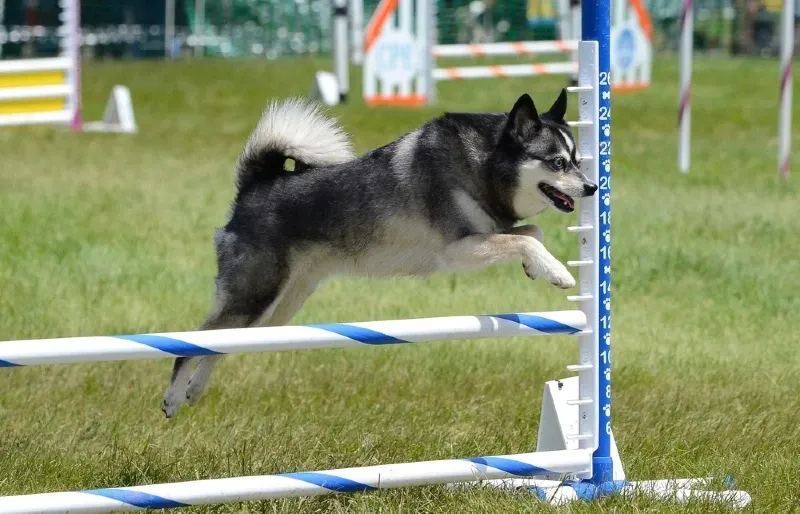
Image Source: Hepper
Alaskan Klee Kai dogs pack remarkable energy into their compact size. These spirited companions need consistent outlets for physical and mental exercise, just like their larger Husky relatives. Regular activity keeps them healthy and prevents behavior issues.
Daily physical activity requirements
These energetic dogs need about an hour of exercise and playtime each day to stay healthy and avoid boredom. Age and individual energy levels affect exact requirements. Young Klee Kai might need up to two hours daily, while adults do well with 30 minutes to two hours.
The sort of thing I love about this breed is how adaptable they are. Many owners say their dogs are happy to go on long 60-120 minute hikes one day, then settle for a quick 15-minute walk around the block the next when needed.
A Klee Kai’s exercise routine should include:
- Regular backyard play sessions
- Brisk daily walks
- Dedicated playtime with family members
These dogs won’t stay quiet if you skip their exercise – a bored Klee Kai will let you know about it with plenty of vocal complaints.
Mental stimulation and enrichment
Alaskan Klee Kai’s sharp intelligence means they need mental challenges as much as physical exercise. These clever dogs love to participate in various brain-teasing activities. They can become anxious or destructive without enough mental engagement.
Interactive toys are great for keeping a Klee Kai’s mind busy. Food puzzles, snuffle mats, and treat balls challenge their problem-solving skills while keeping them entertained. Owners should switch up different puzzle toys to keep things interesting and unpredictable.
Scent work games work really well with this breed. Simple activities like hiding treats around the house or playing “which hand” games tap into their natural hunting instincts while exercising their minds. These brain games help satisfy their need for stimulation even on days when outdoor exercise isn’t possible.
Best activities for Klee Kai
Alaskan Klee Kai shine in many canine sports thanks to their smarts and athletic ability. Popular organized sports that match their natural skills include:
- Agility training – Obstacle courses challenge both body and mind
- Dock diving – Many love water activities despite their northern roots
- Racing and lure coursing – Appeals to their natural running instincts
- Obedience and rally competitions – Shows off their intelligence and trainability
- Scent work – Uses their impressive sense of smell
Owners who prefer a more relaxed approach find that Klee Kai adapt well to outdoor adventures like hiking, swimming, camping, and paddle boarding. City dwellers can create indoor obstacle courses with chairs and pillows or play modified fetch games in hallways.
Dog parks give many Klee Kai a chance to burn energy while playing with other dogs. Their high prey drive means they need close watching in any unfenced areas.
A successful exercise plan for an Alaskan Klee Kai combines physical activity, mental challenges, and quality time with their humans. This balanced approach keeps these smart, energetic dogs fit and well-behaved.
Grooming and Coat Maintenance
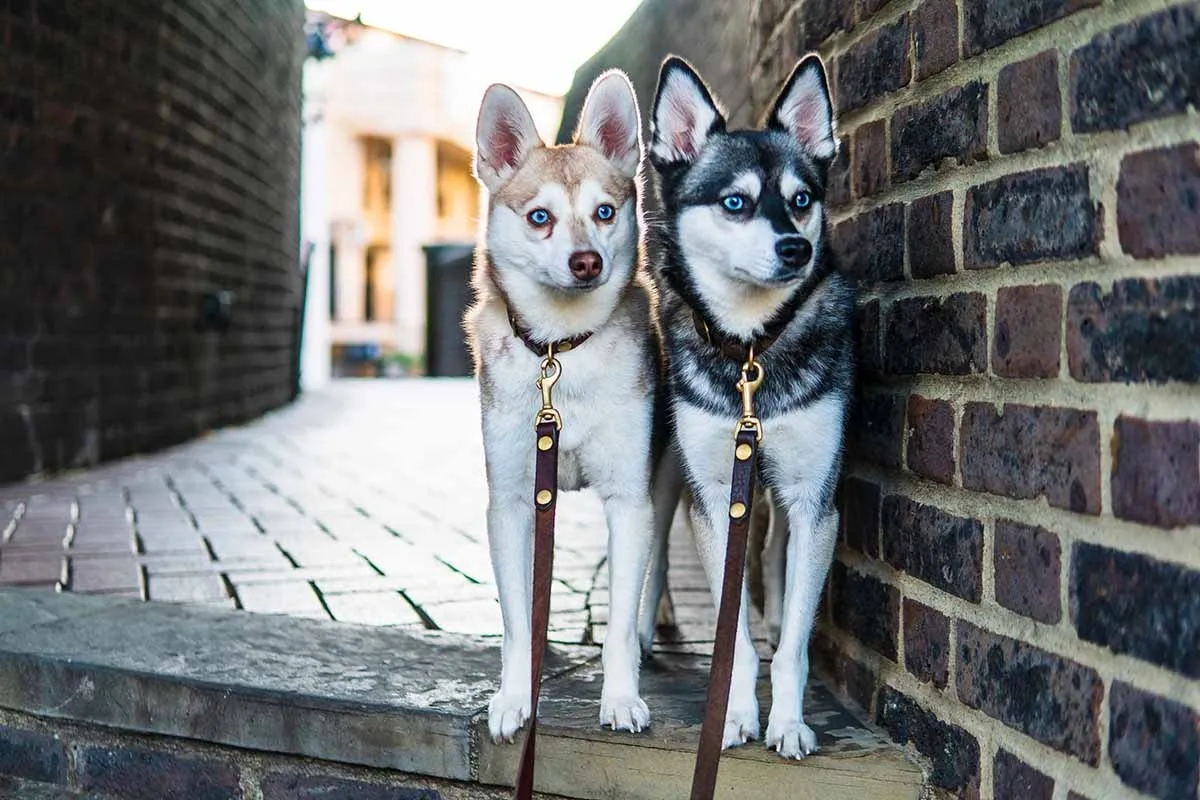
Image Source: Life With Klee Kai –
The Alaskan Klee Kai’s double coat needs special grooming care that is different from other breeds. A proper care routine and understanding of their unique coat features will help keep their distinctive look.
Shedding and coat blowing seasons
Alaskan Klee Kai dogs have a double coat with a dense, insulating undercoat and a longer, weather-resistant outer coat of guard hairs. Their specialized coat structure protects them from sun damage and keeps them warm in cold weather. These dogs don’t shed all year round like some breeds. They have two major shedding seasons each year, usually in spring and fall.
The dogs “blow their coats” during these seasonal changes. New growth pushes out the undercoat, which sheds heavily. You’ll likely find tufts of fur around your home as the old undercoat falls out. This natural process needs extra grooming attention to catch loose fur before it spreads.
Brushing frequency and tools
Weekly brushing is enough for Alaskan Klee Kai during regular times. Daily brushing becomes essential during the twice-yearly coat-blowing seasons. You’ll need several special tools to groom effectively:
- A rubber-toothed tool (like the Kong Zoom Groom) starts the process by loosening undercoat
- A grooming glove helps release more loose fur
- A slicker brush with coated bristle tips prevents skin irritation
- An undercoat rake removes deeper loose fur
- A finishing comb catches any remaining loose hairs
This sequence makes grooming most effective. Clean your brushes after each use to keep them working well.
Bathing and nail trimming tips
These dogs only need baths every three to four months. Their coats naturally stay clean and don’t have the strong “dog odor” common in other breeds. Too much bathing can remove essential oils and cause dry skin and coat problems.
Here’s how to give an effective bath when needed:
Start by getting both coat layers completely wet – the dense undercoat needs extra attention. Use a small amount of shampoo made for double-coated breeds. Work the shampoo deep into the undercoat where dirt collects. Rinse until all soap is gone since leftover soap attracts dirt and might irritate the skin.
Regular nail trims prevent walking problems and discomfort. Cut the tip straight across and avoid the quick – the pink area with blood vessels. Look for a chalky white ring when trimming dark nails. A nail grinder can be safer and give you more control.
Your Alaskan Klee Kai’s coat will stay healthy and look great with regular care throughout the year and extra attention during shedding seasons.
Health Issues and Lifespan
You should feel confident about getting an Alaskan Klee Kai. These charming miniature huskies are a healthy breed that lives long. Learning about their health risks helps you give them the best care throughout their lives.
Common genetic conditions
Like other purebred dogs, Alaskan Klee Kai can inherit several health issues. Patellar luxation (dislocating kneecap) stands out as one of the most common problems. Dogs with this condition might hold up a leg while walking or show an unusual gait. Small breeds, including the Klee Kai, face this issue more often.
Autoimmune thyroiditis leads to hypothyroidism in many cases. Your dog might gain weight, become lethargic, get chronic skin infections, and develop a dry, brittle coat. Blood tests can spot thyroid problems early, and medication manages the condition well.
Vets can detect heart murmurs by listening for a “whooshing” sound from irregular blood flow. Your Klee Kai’s eyes might also develop issues like juvenile cataracts.
Factor VII deficiency affects blood clotting and can cause heavy bleeding after injuries or surgery. While this inherited disorder sounds scary, vets can treat it effectively.
Quality breeders screen their dogs for these conditions and check for liver shunts and cryptorchidism to keep the breed healthy.
Expected lifespan of 13–16 years
Alaskan Klee Kai dogs live longer than many other breeds. Most live 13–16 years. Some breeders report their dogs reach 15-17 years, and a few live even longer.
Small breeds naturally live longer. The breed’s health has stayed strong despite its small gene pool, which shows how well breeders have managed their breeding programs.
Preventive care and vet checkups
Your Klee Kai needs regular checkups to live a long, healthy life. Early detection helps prevent small issues from becoming big problems.
Good breeders run these health tests:
- Patella evaluations
- Thyroid testing
- Cardiac assessments
- Ophthalmologist examinations
- Factor VII deficiency testing
Ask to see health screening results from both parents before getting your puppy. Watch your dog for changes in weight, energy, movement, or coat condition – these could signal health issues.
Regular exercise and proper diet help your Klee Kai stay fit and healthy. These active dogs need both to live longer.
Feeding and Nutrition Guidelines
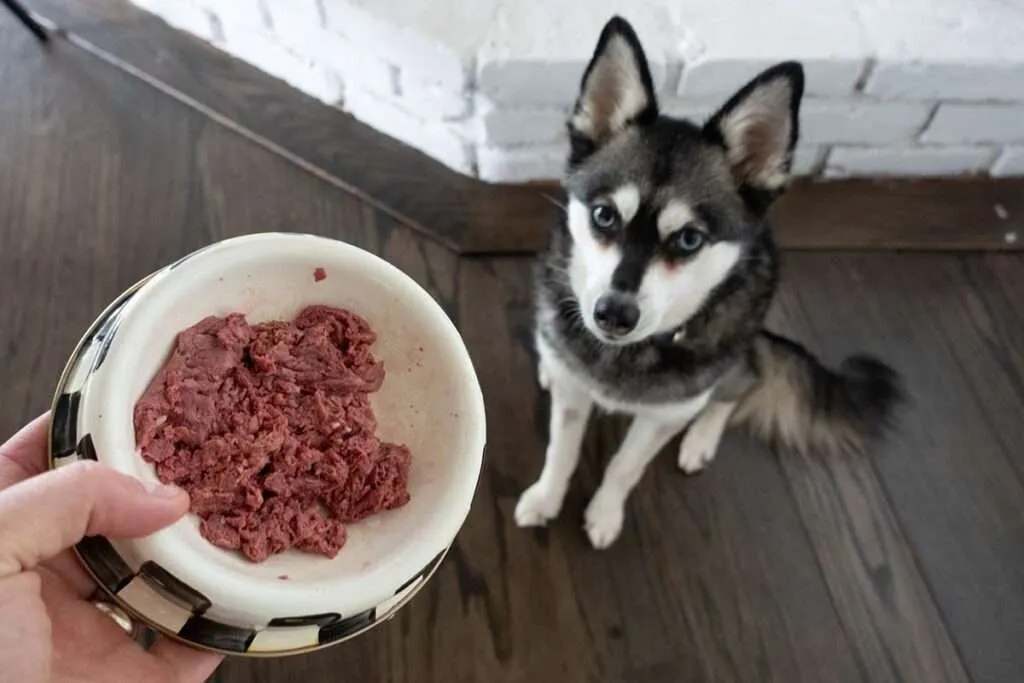
Image Source: Life With Klee Kai –
Nutrition is the life-blood of health for Alaskan Klee Kai dogs. These compact companions need different diets as they grow, and their feeding needs change throughout their lives.
Recommended diet for different life stages
Alaskan Klee Kai dogs do best with high-quality, protein-rich diets that have minimal carbohydrates. Most owners choose premium commercial dog foods or raw diets with muscle meat, organ meat, and small amounts of vegetables. Boiled chicken with steamed rice gives puppies excellent nutrition, especially during their first days in their new home.
Adult dogs need diets that list meat as the main ingredient. They should stay away from fillers like corn or soy. Many owners have found success with grain-free formulas that help reduce digestive sensitivities.
Portion control and feeding schedule
Feeding these dogs twice daily works best. This routine keeps their energy levels steady and prevents behavior problems caused by hunger. The dog’s size determines portion sizes – toy Klee Kai need nowhere near as much food as standard-sized dogs.
Weight monitoring is crucial since these small dogs pack on pounds easily. Breaking up daily portions into two or three meals helps maintain steady energy levels.
Use of puzzle feeders and treats
Puzzle feeders are a great way to get mental stimulation for these smart dogs. These devices help them eat slower, digest better, and stay entertained. Some feeders include movement features that add physical activity.
Many owners make healthy treats at home like boiled chicken pieces, sweet potato jerky, or peanut butter popsicles. Fresh fruits and vegetables should make up about 20% of a Klee Kai’s diet. Good choices include blueberries, carrots, green beans, and pumpkin – pumpkin helps especially when you have digestive problems.
Conclusion
The Alaskan Klee Kai is a remarkable breed that blends northern working dogs’ striking looks with a size that fits modern homes. These loyal companions give you husky’s beauty while fitting well in apartments or smaller spaces. Your family can enjoy 13-16 years with these smart, alert dogs.
New owners should think about both the rewards and challenges of this breed. These dogs build deep family bonds but stay reserved with strangers who need patience. Their sharp minds just need regular mental challenges and exercise to avoid unwanted behaviors. The breed’s beautiful double coat needs special care, especially when shedding twice a year.
Dedicated owners get a unique companion that stands out from other small breeds. These dogs look like their bigger northern relatives but stay compact enough for different homes. Active owners love their watchful nature, tendency to vocalize, and athletic abilities that create a special bond.
Anyone interested in this rare breed must know what they need for proper care. Early positive experiences help shape well-adjusted companions who adapt to family life. Their natural smarts help them excel at dog sports and activities throughout their lives.
The Alaskan Klee Kai makes an excellent choice for experienced dog owners ready for a smart, active partner with unique looks and character. These mini huskies reward good care with years of loyalty, fun, and the special joy that comes from life with a one-of-a-kind dog companion.
Key Takeaways
The Alaskan Klee Kai offers the stunning appearance of northern working dogs in a compact, apartment-friendly package perfect for modern living.
• Three size categories available: Toy (under 13″), Miniature (13-15″), and Standard (15-17″) with weights ranging from 5-22 pounds • Exceptional longevity: These dogs typically live 13-16 years, significantly longer than many breeds of similar heritage • High intelligence requires mental stimulation: Daily puzzle toys and training prevent boredom-related destructive behaviors • Reserved but loyal temperament: Forms strong family bonds while remaining naturally cautious with strangers • Seasonal grooming demands: Double coat requires daily brushing during spring/fall shedding seasons but minimal bathing • Strong prey drive needs supervision: Cannot be trusted alone with small pets and requires secure fencing outdoors
This relatively rare breed rewards dedicated owners with a unique companion that combines husky beauty, impressive intelligence, and remarkable longevity in a manageable size perfect for active families seeking an engaged canine partner.
FAQs
Q1. What are the typical personality traits of an Alaskan Klee Kai? Alaskan Klee Kai are intelligent, active dogs with a loyal but reserved nature. They form strong bonds with their families but can be cautious around strangers. These dogs are highly trainable, make good watchdogs, and often stay close to their owners.
Q2. How much do Alaskan Klee Kai typically weigh? Alaskan Klee Kai come in three size varieties. Standard Klee Kai weigh 15-22 pounds, Miniature Klee Kai weigh 10-18 pounds, and Toy Klee Kai weigh 6-14 pounds. The exact weight depends on the dog’s height and build.
Q3. What is the average lifespan of an Alaskan Klee Kai? Alaskan Klee Kai have an impressive life expectancy of 13 to 16 years. With proper care, nutrition, and regular exercise, these dogs can maintain an active and healthy life well into their senior years.
Q4. How much exercise does an Alaskan Klee Kai need? Alaskan Klee Kai typically require about an hour of exercise and playtime daily. This can include walks, backyard play, and mental stimulation activities. Young Klee Kai may need up to two hours of daily activity, while adult dogs generally need between 30 minutes to two hours.
Q5. What grooming needs do Alaskan Klee Kai have? Alaskan Klee Kai have a double coat that requires weekly brushing during most of the year. However, during their twice-yearly shedding seasons, daily brushing becomes necessary. They typically only need baths every three to four months, as their coats naturally repel dirt.