
Abyssinian Cat
Abyssinian cats stand out among feline breeds with their striking appearance and surprising personality traits. Unlike typical cats that might spend hours napping, these active and intelligent companions rarely sit still, preferring to explore every corner of your home with boundless energy and curiosity.
Although often mistaken for exotic wildcats due to their distinctive ticked coat, Abyssinians possess a temperament that makes them exceptional family pets. These medium-sized cats typically weigh between 8-12 pounds and boast an impressive lifespan of 12-16 years when properly cared for. Additionally, Abyssinian cat behavior tends to be more interactive and people-oriented than many other breeds, with characteristics that sometimes resemble dogs more than cats.
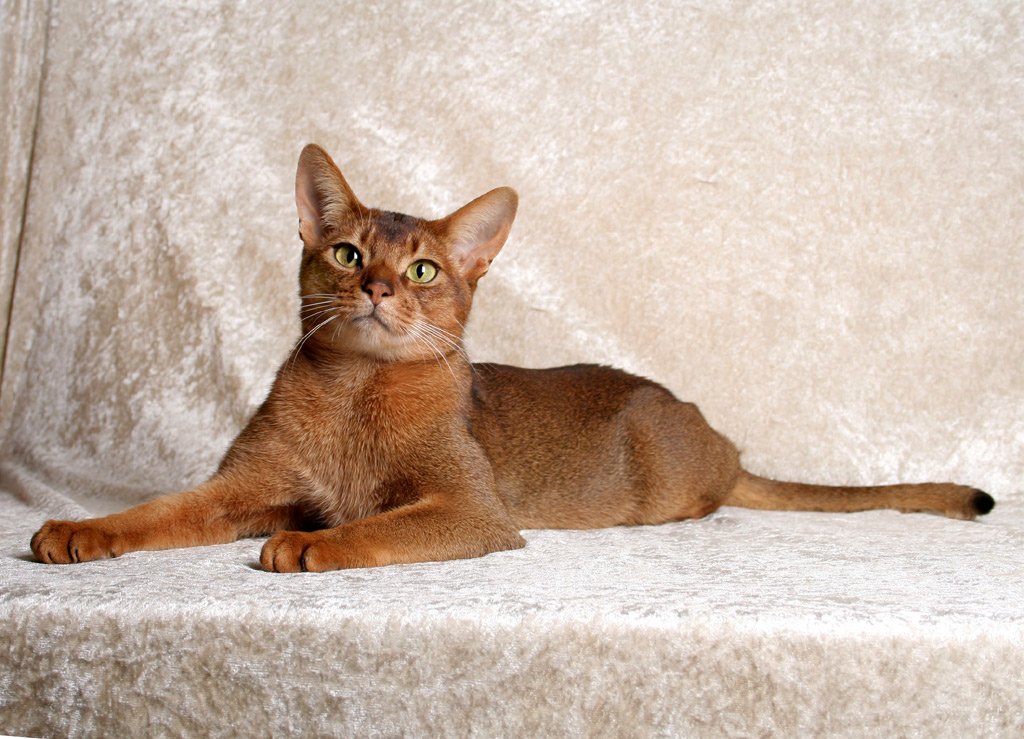
This comprehensive guide explores everything you need to know before welcoming an Abyssinian into your family. From their ancient origins and unique physical traits to their special care requirements and compatibility with children, we’ll examine why these remarkable cats might be the perfect addition to your household – despite some surprising quirks that potential owners should understand first.
What Makes Abyssinians Unique Among Cat Breeds
The rich history of Abyssinians stretches back through centuries, making them one of the oldest documented domesticated cat breeds in existence . Their elegant appearance and distinctive features have captivated cat enthusiasts worldwide, earning them a place among the top five most popular cat breeds according to major feline associations .
Their ancient and mysterious origins
The true origins of the Abyssinian breed remain shrouded in mystery, with several competing theories about their beginnings. Many romantics believe these cats descended directly from the sacred cats of ancient Egypt, pointing to striking similarities between Abyssinians and cats depicted in Egyptian paintings and sculptures dating back 4,000 years .
One popular origin story centers around a cat named Zula, reportedly brought to England by a British soldier returning from the Abyssinian War in 1868 . This cat is often credited as the foundation of the modern breed, first documented in Dr. William Sables’ book about cat breeds in 1876 . However, examining historical images of Zula reveals little resemblance to today’s Abyssinians .
More recently, genetic research has challenged these traditional narratives. Scientific studies trace the breed’s true origins to the coastal regions of the Indian Ocean and parts of Southeast Asia . Supporting this theory, the Leiden Zoological Museum in Holland displays a taxidermied cat from the mid-1830s with Abyssinian-like features, labeled “Patrie, domestica India” .
Distinctive ticked coat and wildcat look
The hallmark feature that sets Abyssinians apart is their extraordinary “ticked” coat. Each hair exhibits 4-6 bands of alternating light and dark colors, creating a shimmering, iridescent effect that appears to change with movement . This unique pattern results from a dominant mutant gene known as Ta .
The original and most recognized color, called “ruddy” in most regions (or “usual” in the UK), features a warm deep reddish-brown base with black ticking . Other officially recognized colors include:
- Sorrel (also called cinnamon or red) – a lighter coppery base with chocolate brown ticking
- Blue – slate blue ticking on a warm beige base
- Fawn – light cocoa ticking on a rose-beige base
Consequently, this distinctive coloration creates an appearance reminiscent of wild animals. Their medium-sized, muscular bodies (females being finer-boned than males) display a lithe, athletic build with long, slim legs and a tapering tail . Their wedge-shaped head features large, expressive almond-shaped eyes accentuated by fine dark lines, plus oversized pointed ears that contribute to their alert, wild appearance .
Why they’re often mistaken for exotic breeds
At first glance, many people mistake Abyssinians for miniature wildcats rather than domestic pets. Their ticked coat pattern creates a striking resemblance to wild rabbits or exotic felines from the jungle, particularly pumas . This resemblance is so pronounced that if you spotted an Abyssinian slinking through your yard, you might think you were seeing a mini mountain lion !
Furthermore, the breed’s long, lean muscular build and fine-boned structure enhance this exotic appearance. Their wedge-shaped head, expressive eyes, and distinctive ear shape – large, alert, and somewhat pointed – contribute to what cat experts describe as their “wild appearance” .
The combination of these features has led to Abyssinians being compared to human fashion models – long, lean, and finely colored compared to other cats . Their unique look has even earned them descriptive nicknames like “bunny cats” and “rabbit cats” throughout history .
Interestingly, in 2007, an Abyssinian named Cinnamon became the first cat to have its entire genome published , highlighting the scientific interest in this remarkable breed whose wild looks belie their status as one of the world’s most beloved domestic companions.
Personality Traits That Surprise First-Time Owners
Beyond their striking appearance, Abyssinian cats possess personality traits that often catch first-time owners by surprise. These distinctive behavioral characteristics make them unlike typical house cats and contribute to their reputation as exceptional companions.
High intelligence and curiosity
The Abyssinian’s remarkable intelligence stands out among domestic cats. Highly adept at problem-solving, these clever felines quickly figure out puzzles, interactive toys, and even how to open doors or cabinets . Their sharp minds constantly seek new challenges, leading to their nickname “Aby-grabbys” – a reference to their tendency to take items that catch their interest .
Moreover, their insatiable curiosity drives them to explore every inch of their environment. An Abyssinian rarely leaves any space uninvestigated, climbing to high perches to survey their domain . As one owner aptly described, living with an Aby means accepting that nothing on your countertops is truly safe!
This intelligence requires regular mental stimulation. Without proper enrichment through puzzle feeders or training activities, an Abyssinian may channel their cleverness into mischievous behavior . Indeed, many owners find that teaching these cats tricks isn’t just possible—it’s necessary for their psychological well-being.
Affectionate but not clingy
Despite forming deep bonds with their humans, Abyssinians display affection differently than many other breeds. They typically prefer being near you rather than on you . While they may not be traditional lap cats who settle in for hours of cuddles , they demonstrate their attachment through constant proximity, often following family members from room to room .
Their affection style tends to be on their own terms. As one breeder notes, “They’ll let you know when they want a good cuddle” . This independence paired with devotion creates a balanced relationship many owners find refreshing. They communicate their feelings through soft chirps, trills, and quiet conversations instead of demanding meows .
Generally, Abyssinians maintain a kitten-like playfulness throughout their lives . This youthful quality makes them delightful companions who bring continuous joy and entertainment to a household without the neediness some breeds exhibit.
Dog-like behaviors and loyalty
Perhaps most surprising to newcomers is how frequently Abyssinians display canine-like traits. Their tendency to follow owners throughout the home, eager participation in household activities, and genuine interest in what their humans are doing earns them the title “cats of the dog world” .
This loyalty manifests through several distinctive behaviors:
- Greeting family members at the door
- Following owners throughout the home
- Supervising household activities from nearby perches
- Responding well to positive reinforcement training
- Enjoying interactive playtime with their humans
Unlike most cats, many Abyssinians can be leash-trained and taught to play fetch . Their trainability extends to agility courses, with some owners successfully teaching complex behaviors typically associated with dogs .
Nevertheless, while dog-like in many ways, they maintain their feline independence. Veterinarian Joan O. Joshua observes that Abyssinians show “dog-like attachment to owners” which creates “greater dependence on human contacts” than typical cats who merely tolerate human company . This social nature means they form deep bonds with their family members but may struggle when left alone for extended periods .
First-time Abyssinian owners often remark that they never expected a cat could be so interactive, loyal, and engaging. Their blend of feline grace and canine-like devotion creates a uniquely satisfying pet relationship for those seeking an active, intelligent companion.
How Abyssinians Interact with Children and Other Pets
When it comes to family life, Abyssinians shine as social butterflies who flourish in lively household environments. Their exceptional adaptability to family dynamics, especially in homes with children and other pets, makes them stand out among domestic cat breeds.
Playful companions for active kids
Abyssinian cats form natural bonds with children, primarily because both share an affinity for play and movement. These energetic felines maintain a kittenish character throughout their lives, making them perfect playmates for active kids who enjoy interactive games . Their athletic abilities—jumping, climbing, and racing around the house—provide endless entertainment for children, who often delight in watching their acrobatic displays .
Yet Abyssinians aren’t equally compatible with all age groups. They tend to form stronger connections with older children who understand proper pet handling . Since these cats typically dislike being held or picked up, it’s essential to teach kids how to interact with them respectfully . As one owner noted, an Abyssinian’s tolerance for rough handling tends to decrease as children get older—they might tolerate more from babies and toddlers but establish firmer boundaries with school-aged children .
Interestingly enough, many Abyssinian owners report remarkable protective behaviors toward children. Some cats will alert parents when babies cry or even sleep near children’s beds, acting almost like guardians . This protective instinct, coupled with their playful nature, creates meaningful bonds between Abyssinians and the youngest family members.
Compatibility with dogs and other cats
One of the most appealing Abyssinian characteristics is their exceptional compatibility with other pets. These cats thrive in multi-pet households and often prefer having animal companions when their humans are away . Their social temperament makes them ideal additions to homes that already have cats or dogs .
Abyssinians exhibit surprising compatibility with canine companions. Sometimes called “the cats of the dog world,” they share many dog-like traits that facilitate cross-species friendships . Many adapt quickly to living with dogs, especially when introduced properly . Their confidence and playful energy often match well with similarly disposed dogs.
With other cats, Abyssinians usually establish harmonious relationships. Their playful nature and minimal territorial aggression make them good companions for most feline housemates . Plus, having another cat provides an outlet for their abundant energy and need for social interaction when human family members are busy .
Tips for safe introductions
Initially introducing an Abyssinian to existing family members—both human and animal—requires thoughtful planning and patience. For children, start by establishing clear rules about respectful interaction:
- Demonstrate proper petting techniques without grabbing or restraining
- Create designated “safe zones” where the cat can retreat undisturbed
- Supervise all early interactions, especially with younger children
- Teach recognition of feline body language indicating stress or discomfort
When introducing Abyssinians to other pets, follow these guidelines:
- Begin with scent exchanges before face-to-face meetings
- Use baby gates or cracked doors for visual introductions without physical contact
- Supervise first interactions carefully, rewarding calm behavior
- Provide separate resources (food, water, litter, beds) during the adjustment period
- Allow the Abyssinian to set the pace for interaction
Most importantly, remember that each Abyssinian has a unique personality. Even though breed tendencies suggest they’ll adapt well to family life, individual temperaments vary. Give the cat time to adjust at their own pace, recognizing that full integration into multi-pet households may take several weeks.
Overall, Abyssinians’ adaptable social nature, coupled with proper introductions, typically results in harmonious relationships with both children and other pets. Their energetic play style, intelligence, and social needs make them ideal for active families seeking a pet that will genuinely engage with all household members.
Daily Care Needs for a Happy Abyssinian
Caring for an Abyssinian requires attention to their unique physical and mental needs. These active felines thrive with proper grooming, mental challenges, and appropriate spaces to express their natural behaviors. Understanding these care essentials ensures your Abyssinian remains healthy and content throughout their 12-16 year lifespan.
Grooming essentials for their short coat
Fortunately for busy owners, Abyssinians are one of the most low-maintenance breeds when it comes to coat care. Their short, fine, ticked fur rarely mats or tangles and doesn’t hold much dirt or oil. A gentle brushing once weekly using a soft-bristle brush or grooming mitt is typically sufficient to remove loose hairs and distribute natural oils for a healthy shine. This brief 5-10 minute session also serves as valuable bonding time.
Unlike some demanding breeds, Abyssinians excel at self-grooming. As a result, baths are rarely necessary unless they get into something particularly messy. When bathing is required, use a gentle cat-specific shampoo and ensure thorough rinsing to prevent skin irritation.
Complete grooming care extends beyond coat maintenance. Check their ears weekly for dirt or signs of infection, cleaning the outer ear gently with a damp cotton ball if needed. Additionally, incorporate regular dental care—ideally brushing their teeth with cat-specific toothpaste—to prevent periodontal disease, a common health concern in the breed.
Mental stimulation and puzzle toys
Abyssinians possess remarkable intelligence that requires regular mental challenges. Without adequate stimulation, these clever cats may develop problematic behaviors from boredom or frustration. Puzzle toys offer an excellent solution by engaging their natural problem-solving abilities.
Food-dispensing toys represent a particularly effective option for Abyssinians. These devices require your cat to work for their meals or treats, tapping into their hunting instincts while slowing down eating—a bonus for cats who gulp their food. Rotating toys weekly maintains interest, as Abyssinians quickly lose enthusiasm for familiar objects.
Interactive play sessions are equally vital, with most Abyssinians requiring 30-60 minutes of active play daily. Consider dividing this into multiple shorter sessions to accommodate their high energy but shorter attention spans. Effective toy options include:
- Interactive wand toys that mimic prey movements
- Puzzle feeders that challenge their problem-solving skills
- Balls and toys that encourage chasing and batting
- LED or light-based toys that fascinate their hunting instincts
For working pet parents, automated or self-play toys can provide entertainment during your absence. Nevertheless, these should supplement—not replace—interactive playtime with their humans.
Creating vertical spaces for climbing
Vertical space fulfills a fundamental need for Abyssinians. In the wild, cats seek elevated positions for safety and hunting advantage; your domestic Abyssinian maintains this instinct. Without appropriate climbing options, these athletic cats may attempt scaling furniture, curtains, or other household items.
Cat trees represent an obvious solution, ideally standing 5-6 feet tall with multiple levels for exploration. Wall-mounted shelves and perches offer another space-efficient option, particularly valuable in smaller homes. Place these near windows where possible, allowing your Abyssinian to observe outdoor activities—a form of natural enrichment.
Fundamentally, any vertical space system should include varied heights with easy paths between levels. Abyssinians rarely climb completely vertically; instead, they prefer zigzagging paths upward. Each level should be wide enough for your cat to feel secure, with sufficient space to lie down comfortably.
For smaller living spaces, consider utilizing wall space with specialized cat shelving systems or repurposing bookcases with secure climbing paths between shelves. Multiple high resting spots are essential, as Abyssinians often prefer different perches depending on time of day or household activity.
Through proper grooming routines, mental challenges, and appropriate climbing spaces, you create an environment where your Abyssinian’s remarkable characteristics can flourish. This care approach acknowledges their natural behaviors while channeling their extraordinary energy and intelligence into positive outlets.
Common Health Issues and How to Prevent Them
While Abyssinians enjoy a relatively robust constitution compared to many purebred cats, they remain susceptible to several genetic health conditions that potential owners should understand. Proactive health monitoring, combined with preventative care, substantially improves the quality and length of an Abyssinian’s life.
Progressive retinal atrophy (PRA)
Progressive retinal atrophy represents one of the most serious genetic concerns for Abyssinian cats. This inherited eye condition gradually destroys photoreceptor cells in the retina, eventually causing complete blindness. Notably, Abyssinians suffer from a specific type called photoreceptor dysplasia, where these specialized cells fail to develop properly in early kittenhood .
The disease typically manifests in two forms among Abyssinians:
- Early-onset form: Begins at approximately 2-3 weeks of age, resulting in complete blindness by roughly 16 weeks
- Late-onset form: Starts around 1.5-2 years of age, with night blindness occurring first followed by gradual progression to total blindness over 2-4 years
Essentially, PRA has no effective treatment or cure . Nevertheless, blind cats can adapt remarkably well to their environment when owners avoid relocating furniture and maintain consistent surroundings. Prior to acquiring an Abyssinian kitten, inquire whether potential breeding parents have undergone genetic screening for PRA, as responsible breeders test for this condition to prevent passing the defective gene .
Pyruvate kinase deficiency (PKD)
Pyruvate kinase deficiency occurs when cats lack an essential enzyme required for red blood cell metabolism. This deficiency primarily causes hemolytic anemia, where red blood cells break down prematurely. In Abyssinians, PKD follows an autosomal recessive inheritance pattern—both parents must carry the gene for offspring to develop the condition .
Signs of PKD that warrant immediate veterinary attention include:
- Lethargy and weakness
- Muscle wasting
- Pale mucous membranes
- Elevated heart rate
- Inability to perform routine exercise
Interestingly, the severity and onset age vary significantly, with clinical signs appearing as early as six months or as late as five years . Some affected cats never display obvious symptoms, which unfortunately means they might produce numerous offspring before detection .
Bone marrow transplantation offers the only effective treatment, though this procedure remains expensive and carries significant risks . Without treatment, affected cats typically succumb to the disease by age four . Fortunately, genetic testing can identify carriers, allowing breeders to make informed breeding decisions.
Dental care and periodontal disease
Dental problems represent the most common health challenge for Abyssinians, with periodontal disease affecting over 85% of cats beyond four years of age . Abyssinians appear particularly predisposed to gingivitis and periodontal disease, often developing these conditions earlier than other breeds .
Periodontal disease begins innocuously with plaque formation that hardens into tartar within days. Subsequently, bacteria work underneath the gums causing inflammation (gingivitis), ultimately destroying supporting structures around the teeth . Warning signs include halitosis, bleeding gums, difficulty chewing, and pawing at the mouth .
Prevention requires diligent home care:
- Daily tooth brushing with cat-specific toothpaste
- Dental-focused diets that provide mechanical abrasion
- Professional dental cleanings under veterinary supervision
- Dental chews and treats designed to reduce tartar
Professional dental care remains crucial, with some Abyssinians needing dental cleanings as frequently as every four months depending on their predisposition . In essence, neglected dental issues can progress beyond mere tooth loss—the associated bacteria potentially affect other organs, impacting your cat’s overall health and lifespan.
By understanding these common health concerns and implementing preventative measures, you can help ensure your Abyssinian enjoys their typical 12-16 year lifespan with minimal health complications.
Feeding Your Abyssinian the Right Way
Proper nutrition forms the foundation of your Abyssinian’s health, powering their boundless energy and supporting their lithe, muscular physique. These active felines require specific dietary considerations that differ slightly from other, more sedentary breeds.
Choosing the right food for their energy level
Abyssinians need a high-protein diet to fuel their constant movement and maintain their sleek muscles. Ideally, their food should contain at least 40% protein from quality animal sources like chicken, turkey, or fish. These proteins support lean muscle tone and their naturally active metabolism. Alongside protein, moderate fat content provides essential energy and helps absorb fat-soluble vitamins.
When selecting food, focus on products listing high-quality animal proteins as the first ingredient. Specifically avoid foods containing fillers like corn, soy, or wheat among the first ingredients, as these add bulk without providing real nutrition. These ingredients have no biological value for your Abyssinian, an obligate carnivore designed to process meat, not plant matter.
Regarding wet versus dry food, a combination approach works best. Wet food supports hydration and typically contains higher protein levels, whereas dry food can promote dental health. Many veterinarians recommend serving wet food in the morning and dry food later in the day to balance these benefits. Furthermore, look for products containing omega-3 and omega-6 fatty acids to maintain your Abyssinian’s characteristic glossy coat.
Feeding schedules by age
Abyssinians are natural grazers who prefer multiple small meals throughout the day. Their feeding requirements vary by age:
- Kittens (up to 12 months): Require more protein and fat for growth and development. Feed 3-4 small meals daily totaling approximately 200-250 calories. Always choose food labeled for “growth” or “all life stages.”
- Adults (1-7 years): Need approximately 180-220 calories daily, depending on activity level. Divide into 2-3 meals throughout the day. Look for foods labeled for “adult maintenance” or “all life stages.”
- Seniors (7+ years): May require fewer calories but higher-quality protein to maintain muscle mass. Senior-specific formulas often include additional joint support. Typically need 2 measured meals daily.
Fundamentally, portion control matters even for active Abyssinians. Always measure food rather than free-feeding to maintain their ideal weight. Active outdoor cats may need slightly more calories, whereas indoor Abyssinians with somewhat lower activity should receive proportionately less.
Using food puzzles for enrichment
Food puzzles represent a perfect match for the intelligent, energetic Abyssinian temperament. These devices hold food or treats that your cat must manipulate to access, thereby mimicking their natural hunting behaviors. Studies show that cats using puzzle feeders are happier, more physically fit, and exhibit fewer behavioral problems such as aggression and over-grooming.
Puzzle feeders come in two main varieties:
- Mobile puzzles: Balls, tubes or eggs that must be rolled or pushed to release kibble
- Stationary puzzles: Featuring sturdy bases with holes, cups, or channels that cats must use their tongue or paws to retrieve food from
For Abyssinians specifically, food puzzles serve multiple purposes: they slow down eating, provide mental stimulation, and help prevent boredom-related behaviors. Begin introducing puzzles gradually alongside regular feeding methods, making them easy to use at first. Once your Abyssinian masters the concept, gradually increase difficulty and transition to using puzzles as the primary feeding method.
Remember that all cats, including those with special needs or disabilities, can use puzzle feeders. You may need to experiment with different types to find the perfect match for your Abyssinian’s problem-solving style and preferences.
Training and Enrichment Ideas for Smart Cats
Harnessing an Abyssinian’s intelligence through proper training not only prevents problem behaviors but creates a deeper bond between you and your feline companion. Their quick minds thrive on challenges that stimulate both body and mind.
Clicker training and leash walking
The exceptional intelligence of Abyssinians makes them perfect candidates for clicker training. This method uses a distinct clicking sound to mark the exact moment of correct behavior, immediately followed by a reward. To begin, simply help your cat associate the click with treats by clicking then treating about five times in succession. Once they understand this connection, you can start shaping behaviors by clicking and rewarding when they perform desired actions.
Keep training sessions brief—just 5-10 minutes—to maintain your Abyssinian’s interest. Many owners successfully teach commands like “sit,” “come,” or even tricks like high-fives. For optimal results, maintain consistency with commands and always reward immediately after clicking.
Surprisingly, many Abyssinians adapt well to leash walking. Proper harness training begins indoors with gradual introduction to wearing the harness before venturing outside. Some Abyssinians even enjoy joining their owners on hikes or observing nature from backpacks during outdoor adventures.
Fun games to play with your Aby
The playful Abyssinian temperament calls for interactive games that challenge both mind and body:
- Fetch: Unlike typical cats, many Abyssinians naturally retrieve toys and bring them back for another throw
- Puzzle games: Food puzzles or treat-dispensing toys challenge their problem-solving abilities
- Scent games: Hiding treats around the house taps into their natural hunting instincts
- Interactive wand toys: Simulate prey movements to engage their hunting drive
- Bouncy balls: Provide entertainment as they chase, bat, and pursue these unpredictable toys
Interactive tablet games featuring virtual mice or fish can also captivate their attention, offering mental stimulation when physical play isn’t possible.
How to prevent boredom-related behavior
Under-stimulated Abyssinians often develop problematic behaviors from excess energy and intelligence. Most require 30-60 minutes of daily active play, ideally split into multiple sessions. Without sufficient stimulation, they may resort to destructive activities like excessive vocalization, furniture scratching, or knocking items off shelves.
Rotate toys weekly to prevent disinterest, as Abyssinians quickly grow bored with familiar objects. Consider automated toys for times when you’re unavailable, though these should complement rather than replace interactive playtime. Furthermore, many Abyssinians benefit from having another pet as a companion, preferably one matching their energy level.
Remember that preparing pet sitters properly remains crucial. When leaving town, ensure sitters understand your Abyssinian’s exercise requirements—a bored Abyssinian can wreak surprising havoc in a short time.
Is an Abyssinian Right for Your Family?
Deciding whether an Abyssinian belongs in your household requires honest assessment of your lifestyle and expectations. These athletic, intelligent felines aren’t suitable for every family situation, despite their adaptability.
Ideal home environments
Abyssinians flourish in spacious settings that accommodate their boundless energy. Naturally, larger homes with vertical climbing opportunities create ideal environments for their athletic prowess . In contrast, while they can adapt to apartment living, they require extensive climbing structures, cat trees, and interactive elements to thrive in smaller spaces . First of all, secured outdoor access through catios or enclosed runs provides essential enrichment . These social cats perform best in active households where family members engage with them regularly .
Time and attention requirements
These cats demand significant daily interaction – plan for 30-60 minutes of interactive play split across multiple sessions . Likewise, mental stimulation through puzzle feeders, training sessions, and rotating toys prevents boredom . Many Abyssinians prefer having feline or canine companions when their humans are unavailable . Be prepared for a cat that wants to participate in everything you do .
Questions to ask before adopting
Before welcoming an Abyssinian, consider:
- Can you commit to daily interactive play sessions?
- Is someone home regularly, or can you provide a companion pet?
- Does your living space offer climbing and exploration opportunities?
- Are you prepared for a 12-15 year commitment?
- Do you enjoy an active, involved pet rather than an independent one?
Fortunately, those who appreciate intelligent, active companions will find these remarkable cats worth every moment of attention they require.
Conclusion
Abyssinians stand apart from typical domestic cats with their striking appearance, boundless energy, and dog-like loyalty. Their ticked coats and wild looks belie their gentle, playful temperaments that make them exceptional family companions. Though not lap cats, Abyssinians form deep bonds with their humans while maintaining their independent spirit.
Active families benefit most from these intelligent felines, as they require regular mental stimulation and interactive play to prevent boredom-related behaviors. Their compatibility with children and other pets, especially when properly introduced, makes them versatile additions to multi-member households.
Prospective owners must consider both the joys and responsibilities of Abyssinian ownership. Their minimal grooming needs balance against their significant requirements for attention, vertical space, and mental challenges. Additionally, awareness of potential health concerns such as progressive retinal atrophy, pyruvate kinase deficiency, and dental problems allows for proactive preventative care.
Ultimately, those seeking an engaging, intelligent companion who participates actively in family life will find Abyssinians worth every moment of attention they require. These remarkable cats reward their owners with years of loyalty, entertainment, and companionship. The perfect Abyssinian home provides space, stimulation, and consistent interaction – elements that allow these extraordinary felines to truly shine as surprising family pets.