
Siberian Husky
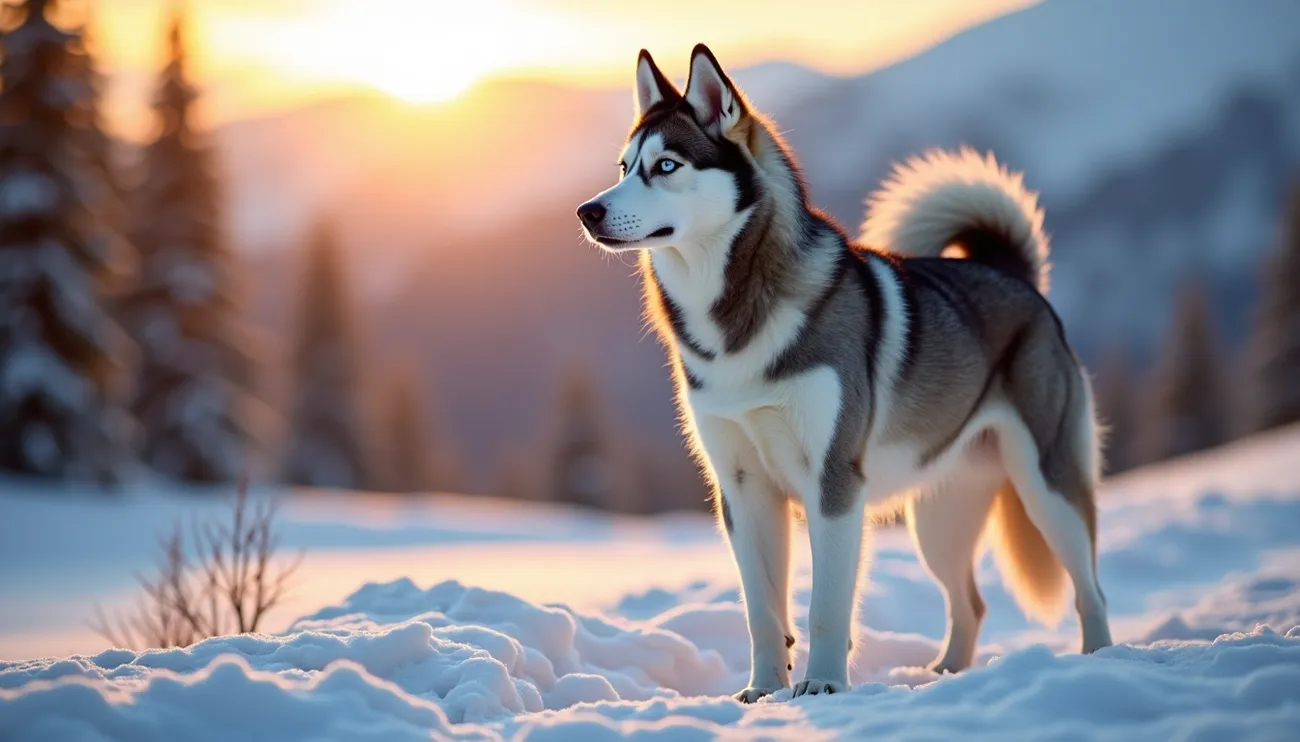 Siberian Huskies rank among the planet’s most resilient dog breeds, surviving extreme temperatures from -50 to -60°C (-58 to -76°F). The Chukchi tribe of Northeast Asia developed these medium-sized working sled dogs more than 3,000 years ago to excel at endurance while serving as companions. These remarkable dogs earned their legendary status during the 1925 “Great Race of Mercy.” Teams of huskies fought through fierce blizzards to deliver vital serum across 674 miles to Nome, Alaska, where a diphtheria outbreak threatened the population.
Siberian Huskies’ distinctive thick coats and striking features perfectly match their purpose. Male huskies weigh 45-60 pounds and reach heights of 21-23.5 inches, while females are more compact at 35-50 pounds and 20-22 inches tall. These dogs may look wolf-like but possess friendly yet independent personalities. Their remarkable stamina enables them to work together, pulling light loads at moderate speeds across vast frozen landscapes. Recent research from a 2024 UK study indicates the breed’s life expectancy reaches 11.9 years. The Siberian Husky’s journey from ancient working dog to beloved modern companion reveals their enduring appeal and versatility.
The Origins of the Siberian Husky
The bond between the Chukchi people and their sled dogs stands as one of the oldest partnerships between humans and canines in history. This special relationship laid the groundwork for what would later become one of the world’s best-known dog breeds.
Chukchi people and early sled dogs
The Siberian Husky’s story begins in the Chukchi Peninsula of eastern Siberia, where native Chukchi people developed the breed over thousands of years. These people split into two groups: Maritime Chukchi who lived on the coast and hunted sea mammals, and Reindeer Chukchi who herded reindeer in the inland tundra.
Both groups depended on their dogs to survive the brutal Siberian climate. The Chukotka Sled Dog, the Siberian Husky’s direct ancestor, helped the Chukchi pull sleds through frozen terrain and hunt sea mammals on pack ice. These dogs weren’t just workers – they played a vital role in Chukchi culture. Their mythology tells of two sled dogs guarding heaven’s gates, ready to turn away anyone who had been cruel to dogs.
The Chukchi’s breeding practices were precise. They picked only the strongest dogs and neutered weaker ones to keep the breed strong. This careful selection, along with their remote location and harsh environment, helped maintain a pure bloodline for hundreds of years.
Arrival in Alaska and the Gold Rush
The story of these remarkable sled dogs moved to Alaska between the 1890s and 1930s, as large numbers arrived from northeastern Siberia. The Klondike Gold Rush of 1896 sparked this migration – miners just needed reliable ways to move through snowy terrain. These Siberian dogs proved perfect for the job.
These dogs showed their true worth during the All-Alaska Sweepstakes, a tough 408-mile race from Nome to Candle and back. Russian fur trader William Goosak brought the first Siberian Husky team to compete in 1909. People laughed at first, calling them “Siberian Rats” because they looked small next to the local malamutes. The laughter stopped once these dogs proved what they could do.
Fox Maule Ramsay bought 60 Siberian dogs the next year and entered three teams. John “Iron Man” Johnson drove one team to victory, finishing in 74 hours, 14 minutes, and 37 seconds. These quick, tireless dogs soon dominated races, easily outperforming the bigger 100-120 pound freight dogs everyone used before.
The 1925 serum run and Balto’s legacy
The Siberian Husky’s finest hour came in January 1925 during Nome’s diphtheria outbreak. The only medicine sat in Anchorage, over 600 miles away. With planes grounded for winter, dog sled teams became Nome’s only hope.
This incredible mission, known as the “Great Race of Mercy,” brought together 20 mushers and about 150 sled dogs. They covered 674 miles in just 5½ days through blizzards and temperatures as low as -85°F (-65°C). Two dogs became heroes: Balto and Togo.
Balto, with musher Gunnar Kaasen, ran the final 53 miles into Nome, delivering the serum early on February 2, 1925. Togo, Leonhard Seppala’s lead dog, tackled the hardest part – a 261-mile stretch across the dangerous Norton Sound.
Both dogs showed amazing courage, but Balto became the public’s favorite. Sculptor Frederick Roth created Balto’s bronze statue that still stands in New York’s Central Park. The statue reads: “Dedicated to the indomitable spirit of the sled dogs that relayed antitoxin six hundred miles over rough ice, across treacherous waters, through Arctic blizzards from Nenana to the relief of stricken Nome”.
This amazing achievement saved many lives and proved to the world that Siberian Huskies were extraordinary working dogs with unmatched stamina, smarts, and bravery.
Physical Characteristics of the Husky Dog Breed
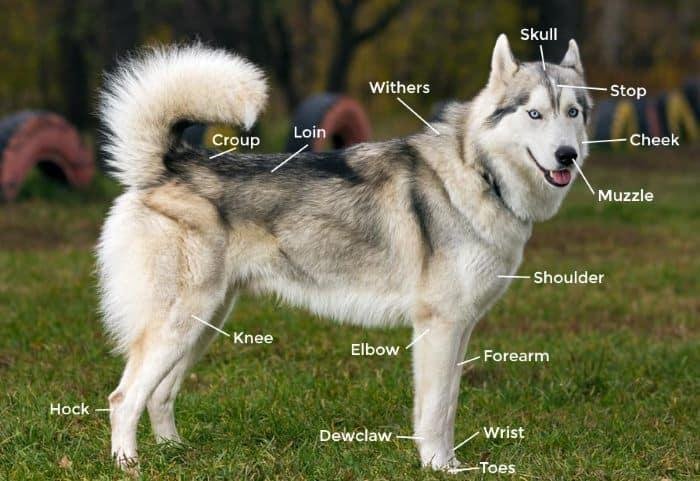
Image Source: petsKB
Siberian Huskies look like wolves and have striking features that help them thrive in harsh Arctic conditions. These dogs have medium-sized, compact bodies that blend strength, endurance, and agility – qualities that made them excellent sled dogs.
Coat types and colors
The Husky’s coat stands out as one of its most remarkable features and protects them from extreme temperatures. These dogs have a double coat with two distinct layers: a dense, soft undercoat and longer guard hairs that form the topcoat. This special coat lets them handle temperatures as low as -50 to -60°C (-76°F) while staying cool in warmer weather.
Siberian Huskies come in many beautiful patterns and colors. The most common coat colors are:
Black and white: Classic contrasting pattern
Gray and white: Ranges from silver gray (with white undercoat) to darker gray with beige undertones
Red and white: Varies from copper (dark red/brown) to light red (pale yellow/orange)
Agouti: Shows their wolf ancestry with banded hairs and a grizzled appearance
Sable: Guard hairs banded with red or brown near roots but tipped with black
White: Either pure white or banded with very pale cream
These dogs often show unique facial markings, with masks, spectacles, and other distinct patterns. The points (nose, eye rims, and lips) can be either black or liver-colored (pinkish/brown) in all color variations.
Eye color variations including blue eyes
The Husky’s almond-shaped eyes come in amazing colors and make them truly special. Unlike most dogs, Huskies can have blue eyes, brown eyes, or even one of each – a condition called heterochromia.
About 25% of Huskies have striking blue eyes due to a genetic mutation near the ALX4 gene on canine chromosome 18. This mutation reduces pigment in the eye, creating the blue color – just like how the sky looks blue even though space isn’t.
About 5% of Huskies have parti-colored eyes, where one eye shows both blue and brown colors. The American Kennel Club accepts all these eye color combinations as part of the breed standard.
Blue-eyed Huskies don’t have more health issues like cataracts. These conditions come from specific recessive genes that have nothing to do with eye color.
Size and build differences between males and females
Male Huskies are usually 15-20% larger than females. The American Kennel Club’s breed standards say adult males should be 21 to 23.5 inches tall at the withers and weigh 45 to 60 pounds. Females reach 20 to 22 inches and weigh 35 to 50 pounds.
Their medium size sets them apart from other sled dogs. Alaskan Malamutes weigh much more at 75-85 pounds. People in Nome during the gold rush even called Siberian Huskies “Siberian Rats” because they looked small next to Malamutes.
The Husky’s lighter build serves a purpose. Malamutes were bred to pull heavy loads with power, but Huskies worked in teams to pull lighter loads quickly over long distances. This explains their graceful look and smooth, effortless movement.
Both male and female Huskies share the same balanced proportions. They have well-spaced features and a bushy tail that keeps their faces warm while sleeping.
Understanding the Siberian Husky Temperament
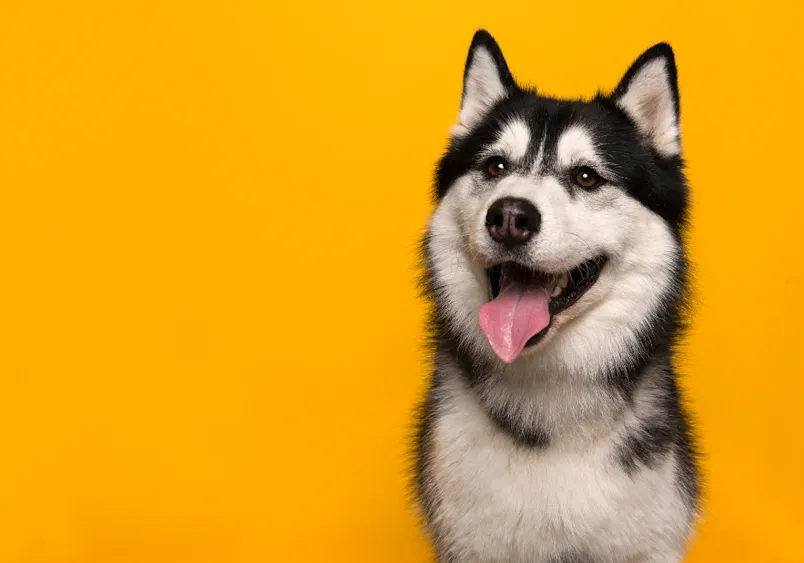
Image Source: Embrace Pet Insurance
Siberian Huskies are more than just their striking wolf-like looks and piercing eyes. These amazing dogs have personalities that match their rich history. They blend friendliness with independence, which makes them wonderful companions but can sometimes test their owners’ patience.
Friendly but independent nature
Siberian Huskies stand out because of their friendly, fastidious, and dignified demeanor. These good-natured dogs build strong family bonds but keep their independent spirit – a trait that sets them apart from other breeds. Their independence comes from their working background, where survival in harsh Arctic conditions needed quick thinking.
These dogs are smart but can be quite headstrong. They need consistent, gentle training from an early age to channel their independent spirit positively. New dog owners might struggle since Huskies often question the need to learn instead of showing eagerness to please their owners.
The breed’s natural friendliness makes them poor watchdogs. Most Huskies welcome strangers with joy instead of suspicion. Kids also benefit from this outgoing nature, as these dogs usually get along great with children.
Pack instincts and social behavior
Pack mentality runs deep in Siberian Huskies’ DNA. Their background as sled dogs working in teams shapes this trait. Pack instincts influence how they act and interact with others.
These dogs need companionship from both humans and other dogs. Loneliness can make Huskies anxious, bored, and destructive. Many become escape artists if they feel socially isolated and look elsewhere for company.
Huskies see their human family as their pack. They show love through several behaviors:
Cuddling or leaning against family members
Following their people around the house
Greeting returning family with enthusiastic tail wagging
Well-socialized Huskies play nicely with other dogs. They love wrestling, chasing, and showing their playful side through characteristic play-bows.
Howling vs barking: vocal traits
Siberian Huskies have a unique way of expressing themselves. Unlike most dogs that mainly bark, Huskies use many different sounds, with howling being their trademark.
Barking rarely happens with Huskies, but they’re not quiet dogs. They communicate through “woos,” chirps, whines, grumbles, and melodic howls. This vocal range comes from their wolf ancestors and working past, where they needed to communicate across big Arctic spaces.
Certain things trigger their howling, like sirens, music, or high-pitched sounds. Many owners say their Huskies “talk back” to questions or commands, creating what seems like real conversations.
Each Husky develops their own voice that shows their personality. Some love to chat and use sounds to get attention, while others only speak up when they really want something. Bored or lonely Huskies might start “howling concerts” that neighbors don’t usually appreciate.
Understanding these personality traits helps explain why Siberian Huskies need active owners who love their unique quirks and social nature.
Common Health Issues in Siberian Huskies
Siberian Huskies live an average of 11.9 years and are generally healthy dogs. In spite of that, these dogs face several genetic health issues that owners need to watch for. Early detection through regular vet checkups leads to better management of these conditions.
Eye conditions: cataracts, PRA, corneal dystrophy
Hereditary eye conditions affect Siberian Huskies at a higher rate, with three major problems to watch for. Hereditary or juvenile cataracts top the list as the most common eye problem, showing up in about 8% of Huskies. These cataracts can appear in puppies as young as 3 months old, unlike age-related ones. The lens becomes cloudy and blocks light, which can lead to vision problems or even complete blindness.
About 3% of examined Huskies develop corneal dystrophy, making it the second most common eye disorder. This condition creates hazy or crystalline patches in the cornea due to abnormal lipid deposits. Young adult dogs typically show the first signs. The condition shows up as “deep stromal dystrophy” and affects females more than males. Dog’s vision usually stays intact. Right now, there’s no effective treatment available.
Progressive Retinal Atrophy (PRA) affects less than 1% of Huskies, but it can be devastating. Siberian Huskies get a unique form called X-Linked PRA (XLPRA), which only appears in this breed and humans. The retina’s photoreceptor cells gradually break down in this condition. Male dogs often suffer more severe effects than females because the defective gene sits on the X chromosome. Some males go blind as early as 5 months old.
Hip dysplasia and joint concerns
Hip dysplasia rarely affects Siberian Huskies, in stark comparison to this breed’s reputation. The Orthopedic Foundation for Animals puts the breed at 155th out of 160 breeds at risk. Only 2% of tested Huskies show signs of dysplasia. The numbers look even better over the last several years – dysplastic dogs decreased by 55.6% between 1980 and 1995.
The condition still causes serious problems when it occurs. The femoral head doesn’t fit properly into the hip socket, which leads to inflammation, pain, and eventual arthritis. Huskies with hip dysplasia might show these signs:
Less activity and limited range of motion
Problems getting up, jumping, running, or climbing stairs
A limp or swaying “bunny hopping” walk
Thigh muscles getting smaller
Vets use physical exams and X-rays to diagnose hip dysplasia, and they often need to sedate the dog for proper positioning. Treatment ranges from lifestyle changes like weight management and controlled exercise to surgery in severe cases.
Hypothyroidism and other genetic risks
Hypothyroidism poses another genetic risk for Huskies. The thyroid glands don’t produce enough hormones in this endocrine disorder. Middle-aged Huskies (4-10 years old) typically develop this condition. It affects both males and females equally, but spayed females and neutered males seem more likely to get it.
Dogs with hypothyroidism often gain weight without eating more. They become lethargic and lose hair symmetrically, especially on their body and tail tip. Skin and ear infections keep coming back. These dogs also handle cold weather poorly – an ironic twist for a breed built for Arctic conditions.
Vets check thyroid hormone levels, including Total T4, Free T4, Total T3, and TSH to make a diagnosis. Treatment requires daily synthetic thyroid hormone (levothyroxine) for the rest of the dog’s life. Most Huskies respond well to proper medication and monitoring. Their symptoms usually improve within weeks.
Responsible breeders use genetic testing and careful breeding practices to reduce these conditions in future generations. Their work helps keep this remarkable breed healthy overall.
Exercise and Activity Needs of Husky Dogs
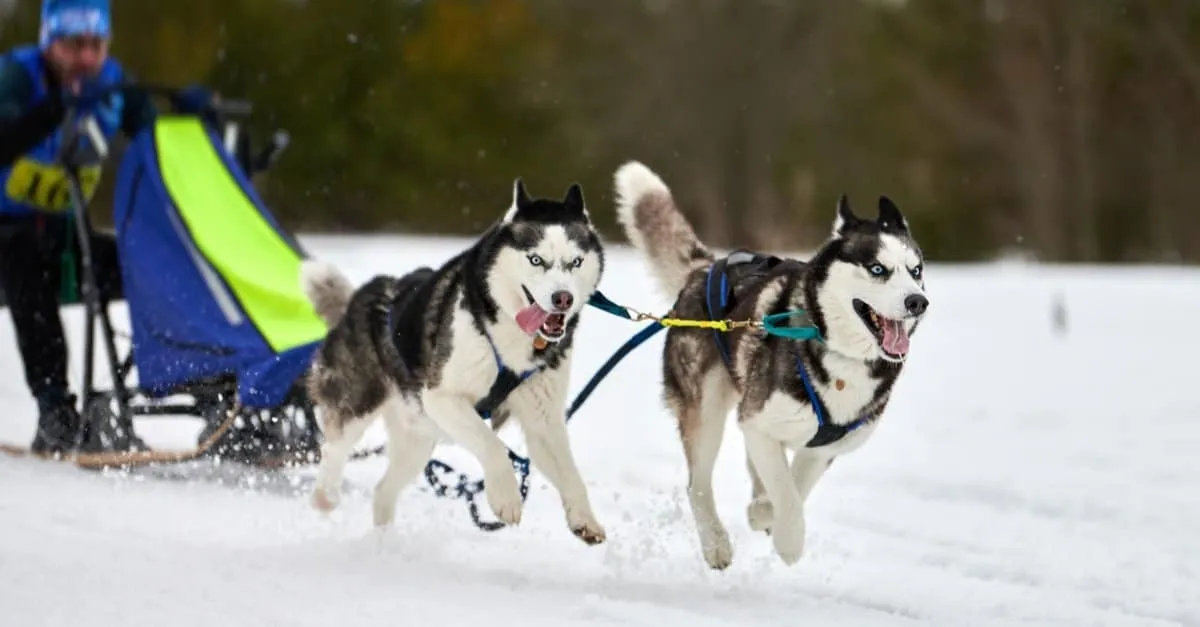
Image Source: A-Z Animals
Siberian Huskies are natural runners with boundless energy and stamina. These amazing dogs need much more than just walks around the block – their exercise needs reflect their history and biological makeup.
Why they need daily physical activity
A Siberian Husky needs 60-90 minutes of intense exercise each day. Their high energy comes from their background as sled dogs that could cover 30-60 km daily. These energetic dogs can develop unwanted behaviors like howling, chewing things up, and trying to escape if they don’t get enough exercise.
Regular exercise does more than just tire them out. Daily activities help maintain a healthy weight, keep joints healthy, and create a stronger bond between you and your dog. Some huskies would run all day if they could, so structured exercise sessions are vital to their health.
Exercise needs change throughout a husky’s life. The rule for puppies is 5 minutes of exercise per month of age. They build up their stamina as they grow older. Adult huskies do better with daily routines instead of random intense workouts.
Best activities: sledding, skijoring, hiking
These dogs shine in activities that let them use their natural skills and instincts. Sledding is the perfect outlet for these born pullers. This works best in winter months because their thick double coats protect them from cold weather.
Dog owners have several great options:
Skijoring – This winter sport lets the dog pull someone on skis. You just need a harness, towline, and cross-country skis. Most huskies love this activity naturally – they get to pull while you guide the direction.
Hiking – Huskies make great trail partners thanks to their amazing stamina. Different trails and new scenery keep their minds busy while giving them a good workout.
Canicross/Bikejoring – These sports involve dogs pulling their running or cycling owners with special gear. Both activities work great to train for winter sledding.
Temperature matters a lot for exercise. Huskies shouldn’t run when it’s above 80 degrees Fahrenheit (about 26°C). During summer, it’s best to exercise early in the morning or evening to keep these Arctic athletes from getting too hot.
Mental stimulation to prevent boredom
Physical exercise isn’t enough – Siberian Huskies also need mental challenges to stay happy and balanced. Mental workouts are just as important for these smart dogs. They help prevent destructive behavior caused by boredom and frustration.
Puzzle toys that give treats, scent games, and hide-and-seek are great ways to keep their minds busy. Switching up toys keeps things interesting, and interactive games build a stronger bond. Training sessions that teach new tricks give them mental exercise while improving their behavior.
Agility courses combine physical and mental challenges perfectly. Running through tunnels, jumps, and weave poles makes them think while exercising. The course work strengthens your connection with your husky too. Most owners find this true – a tired husky is a well-behaved husky, both in body and mind.
Training and Socialization Tips for Husky Puppies
Training a Siberian Husky puppy needs patience, understanding, and steady effort. The early months shape your puppy’s behavior patterns for life, just like raising a child. These intelligent canines can become well-mannered companions if you take the right approach.
Start early with obedience training
Husky puppies learn best between 8-10 weeks of age. Starting early builds good behavior patterns and channels their natural intelligence positively. Simple commands like sit, stay, and recall are the life-blood of effective husky training.
Your puppy needs a steady routine to master potty training. Take them outside often, especially after meals, naps, and playtime. Skip punishment if accidents happen indoors—just clean up and reward them with treats and praise when they go outside.
These dogs thrive on positive reinforcement. Punishment makes these independent-minded dogs more rebellious. Small, tasty treats make excellent rewards, along with praise and playtime. Training sessions should stay short and fun because husky puppies lose focus quickly.
Dealing with stubbornness and independence
Siberian huskies show their independent nature through stubborn behavior during training. They often give you that “Is this really necessary?” look. Everyone at home must follow the same rules—consistency becomes your best ally.
Set clear boundaries from day one because huskies need to know who’s in charge. Stay calm and avoid raising your voice if your husky ignores commands. Use toys or familiar commands to get their attention back.
Regular schedules work wonders because these dogs love routine. Set consistent times for feeding, walks, and training. Results come with persistence—huskies enjoy training tasks because working comes naturally to them.
Socializing with people and other pets
A well-adjusted husky needs proper socialization. The best time falls between 3-16 weeks of age. Your puppy should meet different people and animals in safe, positive settings during this crucial period.
Build up exposure slowly while watching how they react. Let your husky puppy meet:
Different types of people (children, adults wearing hats/glasses)
Various environments (parks, streets with different sounds)
Well-behaved, vaccinated dogs for proper canine social skills
Most socialized huskies get along with other pets. New dog introductions work best in neutral areas to avoid territorial behavior. Watch all interactions and reward calm, friendly behavior with treats.
Well-socialized huskies grow into confident, friendly companions without fear issues. This early effort prevents common problems like excessive barking, biting, and resource guarding that often come from poor socialization.
Grooming and Coat Maintenance for Huskies
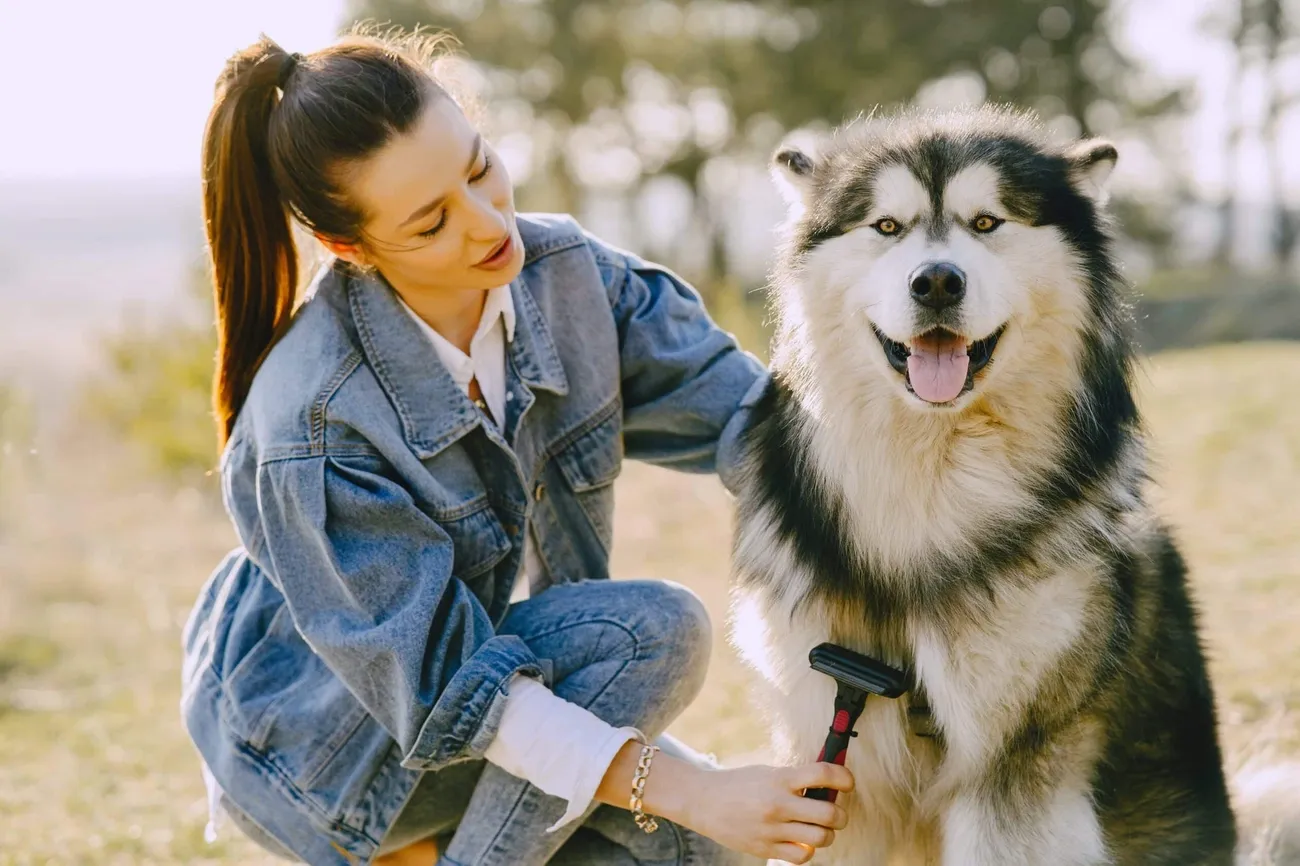
Image Source: Bama Huskies
A Siberian husky’s beautiful double coat needs specific care to stay healthy and reduce shedding in your home. Good grooming keeps their stunning looks and helps their health and comfort.
Brushing and deshedding routines
Regular brushing is the life-blood of husky coat care. These dogs need brushing 3-4 times weekly and daily brushing during shedding seasons. The best method starts with an undercoat rake to remove loose fur from the thick undercoat, then uses a slicker brush for the topcoat. Brush in the direction of hair growth and watch for mats behind the dog’s ears and under the legs.
Bathing frequency and coat care
Siberian huskies have naturally clean, odor-resistant coats that need less bathing than other breeds. Bathing every 6-8 weeks works well for most huskies. Too much bathing removes natural oils and can damage their coat and skin. Use lukewarm water and mild dog shampoo at the time you bathe them, and rinse thoroughly to avoid skin problems. Make sure to dry them completely—a damp undercoat can lead to mildew and matting.
Dental, ear, and nail hygiene
Good grooming has more than just coat care. Your husky needs teeth brushing 2-3 times weekly with dog-safe toothpaste to stop plaque buildup. Check their ears weekly for dirt, smell, or redness, and clean monthly with a vet-approved solution. Trim nails every 3-4 weeks—clicking sounds on hard floors mean it’s nail trim time. Their upright ears mean fewer infections than floppy-eared breeds, but regular cleaning still matters.
The Siberian Husky in Popular Culture
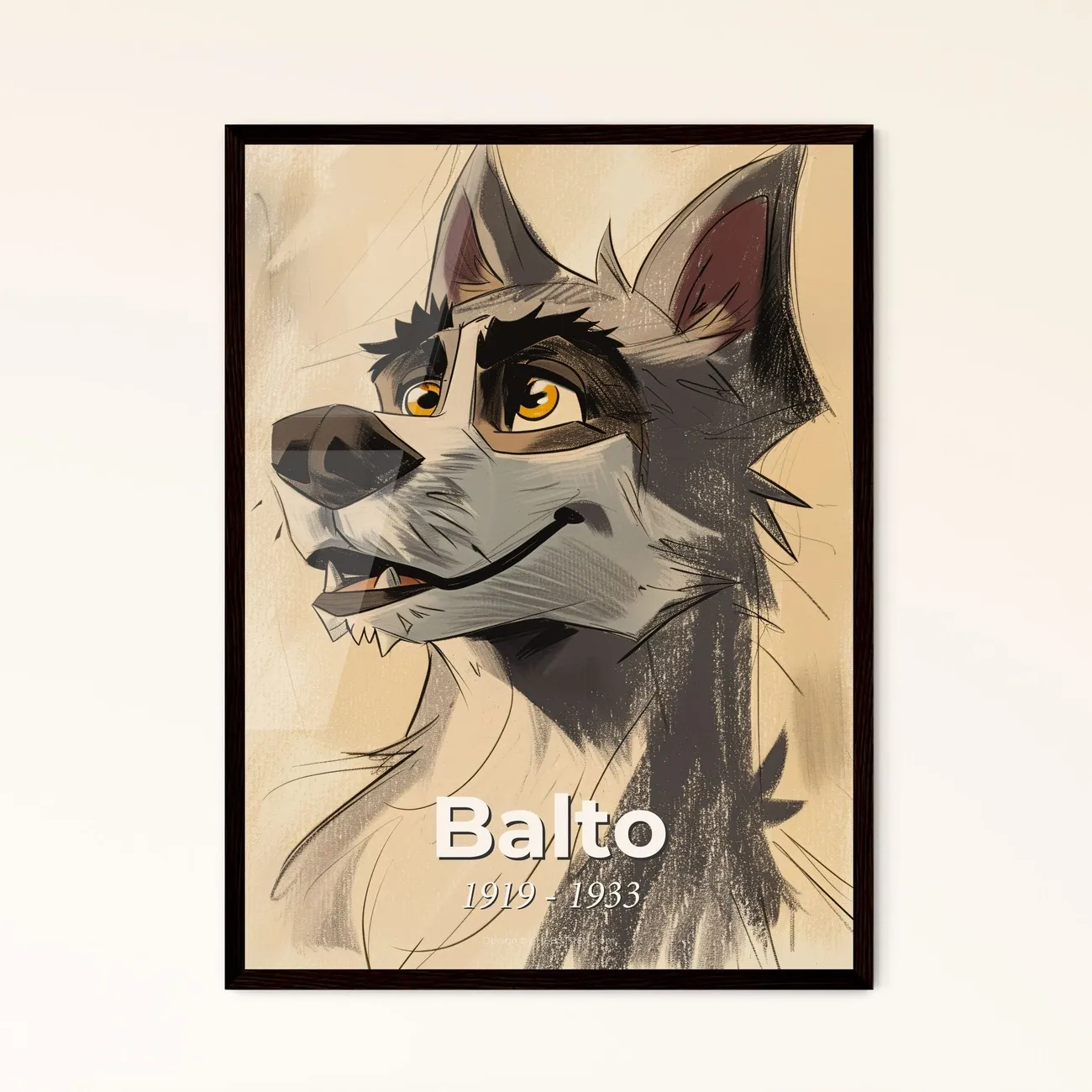
Image Source: hebstreit
Siberian Huskies have made their mark on popular culture and captured hearts worldwide through media and symbolic representations.
Balto and the Great Race of Mercy
Balto rose to fame as a cultural icon after the historic 1925 serum run. A bronze statue of Balto stands proudly in New York’s Central Park, drawing visitors from around the world. The statue’s inscription reads: “Dedicated to the indomitable spirit of the sled dogs that relayed antitoxin six hundred miles over rough ice, across treacherous waters, through Arctic blizzards”. Balto became more than a heroic dog – he emerged as a powerful symbol of courage, endurance, and teamwork.
Huskies in movies and TV shows
Husky dogs have starred in many movies throughout cinema history. The 1995 animated film “Balto” introduced the famous sled dog’s story to new generations, though it took creative liberties with historical facts. The 2019 Disney+ film “Togo” offered a more accurate portrayal of the serum run and highlighted Leonhard Seppala’s relationship with his lead dog. The 2006 film “Eight Below” showcased these amazing dogs’ survival instincts and loyalty in extreme conditions.
Mascots and symbolic roles
These beautiful and capable dogs serve as mascots at many universities because of their striking looks and remarkable abilities. The University of Washington Huskies rank among the most well-known, though they’ve actually used Alaskan malamutes instead of huskies since 1959. Husky dogs stand as powerful symbols of unwavering endurance and rich cultural heritage in modern times.
Conclusion
Siberian Huskies definitely rank among the most remarkable dog breeds that combine stunning beauty with practical functionality. These dogs were bred to handle Arctic sledding, but they’ve evolved into beloved family companions while keeping their working heritage. People worldwide recognize them by their wolf-like appearance, mesmerizing eye colors, and thick double coats.
Life with a Husky takes real dedication. These energetic dogs need active owners to give them daily physical and mental stimulation. They can become restless without enough activity and might develop behavior issues. On top of that, their independent streak means owners should establish clear boundaries and consistent training from day one.
The rewards make it worth it though. These dogs offer steadfast companionship through their friendly nature, playful spirit, and unique way of vocalizing. They build special bonds with their human families. Their good health and longer lifespan mean more years to share adventures together.
The 1925 serum run heroes Balto and Togo showed what makes this breed special – their amazing endurance, smarts, and heart. These dogs prove their worth whether they’re pulling sleds across snow or snuggling with family. Siberian Huskies carry the same unbreakable spirit today that’s defined them through thousands of years with humans. You’ll find their legacy not just in monuments and movies, but in dog lovers’ hearts everywhere.
Key Takeaways
Understanding the Siberian Husky breed requires recognizing their unique combination of beauty, athleticism, and specific care requirements that stem from their Arctic working heritage.
• Siberian Huskies need 60-90 minutes of vigorous daily exercise and thrive on activities like sledding, hiking, and skijoring to prevent destructive behaviors.
• These dogs have friendly but independent temperaments, making them poor guard dogs but excellent family companions who require consistent, patient training from puppyhood.
• Their double coat requires brushing 3-4 times weekly and minimal bathing (every 6-8 weeks) to maintain their natural oils and temperature regulation.
• Common health concerns include hereditary eye conditions (cataracts, PRA), though hip dysplasia is relatively rare compared to other breeds.
• Originally bred by the Chukchi people over 3,000 years ago, these medium-sized dogs gained worldwide fame during the 1925 “Great Race of Mercy” serum run to Nome, Alaska.
The Siberian Husky represents the perfect blend of working dog heritage and modern companionship, requiring dedicated owners who understand their exercise needs and independent spirit.
FAQs
Q1. Are Siberian Huskies suitable as family dogs? Siberian Huskies can make excellent family companions due to their friendly and playful nature. They generally get along well with children and other pets when properly socialized. However, their high energy levels and exercise needs require an active family committed to providing daily physical and mental stimulation.
Q2. How do Siberian Huskies handle warm climates? While Huskies are bred for cold weather, they can adapt to warmer climates with proper care. It’s crucial to provide shade, plenty of water, and limit outdoor activity during the hottest parts of the day. Indoor cooling like air conditioning may be necessary in extremely hot regions to prevent overheating.
Q3. What unique traits make Siberian Huskies special? Siberian Huskies are known for their striking appearance, including their wolf-like features and piercing blue eyes (though eye color can vary). They possess remarkable endurance, intelligence, and a distinctive “talking” vocalization instead of barking. Their friendly yet independent nature and rich sledding history also contribute to their special status among dog breeds.
Q4. How much grooming do Siberian Huskies require? Huskies have a double coat that requires regular maintenance. They need brushing 3-4 times a week, with daily brushing during shedding seasons. However, they only need bathing every 6-8 weeks as they have naturally clean coats. Regular nail trimming, teeth brushing, and ear cleaning are also important parts of their grooming routine.
Q5. What are the exercise requirements for a Siberian Husky? Siberian Huskies have high exercise needs, requiring at least 60-90 minutes of vigorous activity daily. They excel in activities that allow them to run and pull, such as sledding, skijoring, or hiking. Without adequate exercise, Huskies may develop behavioral issues due to pent-up energy. Mental stimulation through training and puzzle toys is also crucial for their well-being.