
Shepsky Dog
Shepsky dogs combine the striking looks of Siberian Huskies with the intelligence of German Shepherds, creating a mix that’s undeniably appealing. However, many owners find themselves unprepared for the realities of living with these energetic and complex canines.
This German Shepherd Husky mix brings together two working breeds with distinct Shepsky characteristics that potential owners should understand. While their wolf-like appearance and loyalty attract admirers, the Shepsky temperament can be challenging for unprepared households. In fact, their high energy levels, substantial exercise requirements, and occasional stubbornness make them better suited for experienced dog owners.
Before you fall in love with those striking blue eyes and athletic build, it’s essential to understand what Shepsky ownership truly entails. From their impressive size and shedding tendencies to their exercise needs and training requirements, we’ll explore everything prospective Shepsky parents should know before bringing one of these magnificent mixed breeds into their home.
What is a Shepsky?
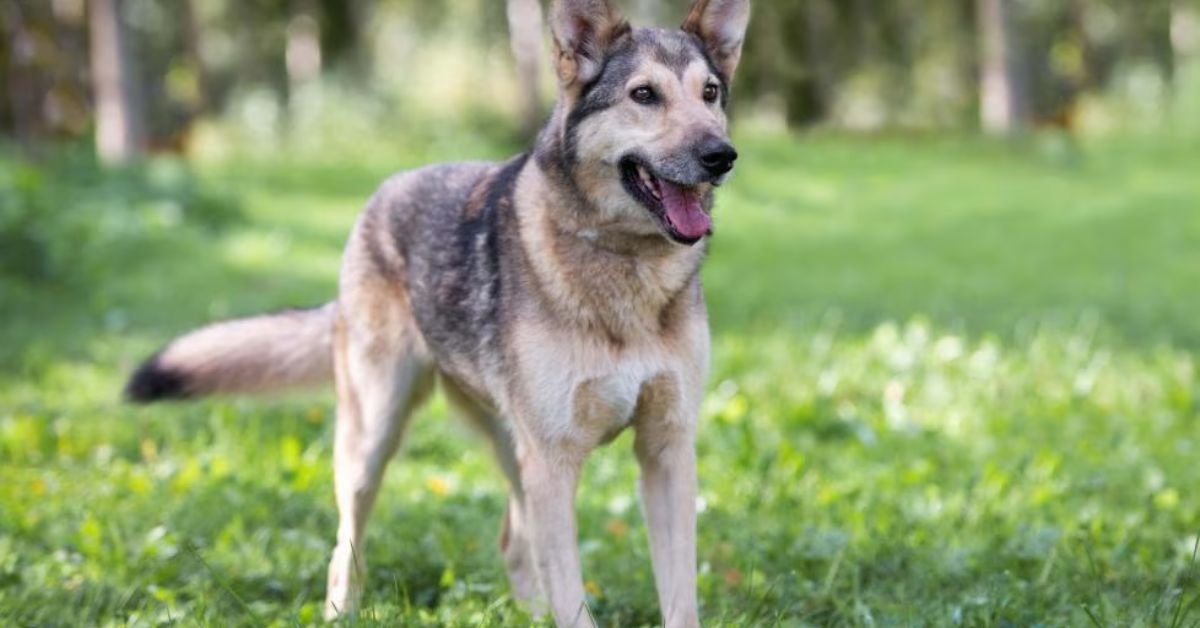
The Gerberian Shepsky—commonly known simply as a Shepsky—is a deliberate crossbreed between a German Shepherd and a Siberian Husky. This designer dog brings together two iconic breeds, each with distinctive characteristics and abilities, creating a unique canine companion that has gained considerable popularity among dog enthusiasts.
Origin of the breed
The precise beginnings of the Shepsky remain somewhat mysterious. Most canine experts believe intentional breeding began sometime in the late 1980s to early 1990s, primarily in North America [1]. This timing aligns with the rising interest in designer dogs during this period [2]. Unlike some mixed breeds created purely for appearance, the Shepsky was developed with a practical purpose: combining the best working traits from both parent breeds [1].
To fully understand the Shepsky, it’s essential to appreciate the rich histories of its parent breeds. The German Shepherd originated in Germany around 1899, initially bred for herding sheep and pulling heavy loads under challenging conditions [1]. These intelligent dogs eventually made their way to North America during the Alaskan Gold Rush, where they served as valuable sled dogs [1].
Meanwhile, the Siberian Husky has a much longer lineage, dating back approximately 4,000 years to northeast Asia and the Siberian Arctic [2]. The Chukchi people relied on these hardy dogs as both family companions and working animals—pulling sleds, herding reindeer, and serving as watchdogs in harsh arctic environments [2]. Huskies eventually reached North America in the early 1900s and were recognized by the American Kennel Club in 1930 [2].
Despite being a relatively young crossbreed, Shepskies have quickly established themselves in the canine world, although they remain unrecognized by major kennel clubs like the AKC [2].
Why people are drawn to this mix
The appeal of Shepskies stems from their striking physical attributes coupled with their impressive mental and physical capabilities. Among the most compelling reasons people seek out this mix:
The stunning appearance factor – Many owners are initially attracted to the Shepsky’s magnificent looks. This mix often resembles a blue-eyed German Shepherd or a white German Shepherd, depending on which parental traits dominate [2]. The possibility of inheriting the mesmerizing blue eyes of the Husky combined with the strong, wolf-like build of a German Shepherd creates a truly captivating canine [2].
Balanced temperament – Shepskies often exhibit a remarkable personality balance, inheriting:
- Friendly, playful, and gentle qualities from their Husky lineage
- Loyalty, bravery, and protectiveness from their Shepherd side [3]
This combination frequently results in dogs that are simultaneously affectionate family companions and reliable protectors.
Intelligence and trainability – Both parent breeds rank among the smartest dog breeds, making Shepskies exceptionally bright and capable of learning quickly [2]. Their intelligence makes them suitable for advanced activities like scent work and various dog sports [3].
Working capabilities – Unlike many designer breeds that serve primarily as companions, Shepskies often excel in working roles. Their combination of intelligence, strength, and stamina makes them valuable for police work, military service, and search-and-rescue operations [1][4]. This versatility appeals to active owners looking for a dog that can participate in challenging activities.
Active lifestyle match – For adventurous individuals and families seeking an energetic companion, the Shepsky fits perfectly. Their boundless energy and endurance make them excellent partners for hiking, running, and outdoor adventures [4].
Nevertheless, potential owners should note that the same qualities making Shepskies appealing—high intelligence, strong working drive, and boundless energy—also present challenges, particularly for first-time dog owners [3][4].
What Shepskies Look Like
The physical appearance of a Shepsky dog captures immediate attention with its striking wolf-like features and athletic build. With genetics from both parent breeds at play, these captivating canines showcase remarkable variety while maintaining distinctive characteristics that set them apart from purebreds.
Size and weight range
The Gerberian Shepsky falls squarely in the medium-to-large dog category. Males typically stand taller, measuring between 58-66 cm (approximately 20-26 inches) at the shoulder, while females range from 50-60 cm (about 20-25 inches) tall [5]. This height difference follows the natural sexual dimorphism pattern seen in both parent breeds.
Weight distribution similarly varies between genders. Male Shepskies generally weigh between 27-40 kg (60-88 pounds), with females being somewhat lighter at 22-34 kg (45-75 pounds) [5]. Some sources suggest slightly different ranges, with most Shepskies weighing between 40-60 pounds [6], though this likely refers to average weights rather than the full spectrum.
Beyond measurements, these dogs display an unmistakably athletic physique. Their muscular frame and confident stance reflect their working dog heritage [5]. Most Shepskies inherit a body structure that combines the robust build of a German Shepherd with the slightly more compact frame of a Siberian Husky, resulting in a dog that appears powerful yet agile.
Coat types and colors
A Shepsky’s double coat serves as both beautiful adornment and practical protection. This thick, medium-length fur consists of a dense undercoat beneath a weather-resistant outer layer—an inheritance from both parent breeds [7]. The texture typically falls somewhere between the slightly longer, coarser coat of a German Shepherd and the plush, soft fur of a Husky.
The color palette of Shepsky coats offers remarkable diversity, including:
- Solid colors: black, white, gray/blue, sable, or liver
- Bi-colors: black and white, gray and white, red and white
- Tri-colors: black, tan and white; black and red with white markings [7]
Many Shepskies display the distinctive facial markings and body patterns of their Husky parent, particularly around the face and chest, while inheriting the overall coloration and coat pattern of their German Shepherd lineage [8]. This blend creates a unique appearance that often draws admiring glances from passersby.
Eye color variations
Perhaps the most mesmerizing feature of many Shepskies is their eye coloration. Unlike most dog breeds limited to brown eyes, Shepskies can inherit the distinctive eye colors and patterns of their Husky parentage [2].
Common eye color variations include:
- Solid brown eyes (most common, representing about 60% of Huskies) [2]
- Solid blue eyes (approximately 25% of the Husky population) [2]
- Heterochromia or bi-colored eyes (about 10% of Huskies) – where each eye has a different color, typically one blue and one brown [2] [8]
- Parti-colored eyes (roughly 5% of Huskies) – where a single eye contains both blue and brown/amber coloration [2] [2]
Consequently, Shepsky puppies are born with blue eyes that may change as they mature. The final eye color typically develops between 6-8 weeks of age, though some puppies’ eyes continue changing color until around 6 months [2]. This eye color diversity adds to the breed’s visual appeal without affecting vision quality or health [2].
It’s worth noting that the striking blue eyes and heterochromia often seen in Shepskies come specifically from the Husky side of their genetics, as this coloration stems from a specific DNA duplication near the ALX4 gene on chromosome 18 [2]. This genetic marker differs from blue-eye genes found in other breeds, making the Husky’s—and by extension, potentially the Shepsky’s—eye coloration truly unique.
Understanding Shepsky Temperament
Predicting a Shepsky’s temperament presents a fascinating challenge for potential owners. Unlike purebred dogs with established behavioral standards, the Gerberian Shepsky combines two distinct personality types in ways that can vary significantly from one dog to another.
Common personality traits
Most Shepsky dogs display a combination of intelligence, energy, and loyalty that makes them captivating companions. These dogs tend to be highly alert and quick to learn, inheriting the remarkable intelligence of both parent breeds [9]. Their sharp minds require regular mental stimulation to prevent boredom and potential destructive behaviors [3].
Loyalty ranks among their most admirable traits, with Shepskies typically forming deep bonds with their families [1]. They often exhibit protective instincts toward their loved ones—a characteristic primarily drawn from their German Shepherd lineage [10].
At the same time, many Shepskies demonstrate:
- Playfulness and sociability (particularly with proper socialization)
- High energy levels requiring substantial daily activity
- Adaptability to different environments (given proper stimulation)
- Strong work drive and eagerness for tasks [11]
First-time dog owners should carefully consider these traits, as Shepskies aren’t typically recommended for novice pet parents [3]. Their need for copious mental and physical activity—a holdover from their parents’ working history—can overwhelm unprepared households [3].
How parent breeds influence behavior
To truly understand a Shepsky’s temperament, examining the distinct behavioral patterns of both parent breeds proves essential. German Shepherds contribute confidence, courage, and a working dog mentality [3]. They tend toward reservation with strangers and demonstrate strong protective instincts that often appear in their mixed offspring [2].
Siberian Huskies, alternatively, bring outgoing, friendly, and occasionally mischievous tendencies to the mix [3]. They typically approach strangers with curiosity rather than caution and exhibit independent problem-solving abilities [3]. This independence can manifest as stubbornness in Shepskies, making consistent training particularly important [11].
The balance between these inherited traits varies with each individual dog. According to canine behavior expert Melissa McMath Hatfield, “If you feel confident you could live with a German Shepherd and a Siberian Husky, you’re well on your way to being an appropriate Shepsky parent” [3]. This statement effectively captures the reality that Shepsky owners should appreciate both parent breeds’ characteristics.
Variability in temperament
Perhaps most importantly for prospective owners, Shepsky temperament follows no predictable formula. As Hatfield explains, “German Shepherds and Siberian Huskies have been bred for generations to acquire specific traits… Mixing their traits will result in a combination of traits from each breed, but there isn’t a breed standard yet. Temperament will ultimately vary from puppy to puppy” [3].
Some Shepskies may inherit the Husky’s talkative nature, expressing themselves through howls and “conversations” [2]. Others might display stronger German Shepherd traits like territoriality and watchfulness [2]. In many cases, the offspring develops a harmonious blend of both parents’ characteristics—intelligent, alert, and highly trainable, yet maintaining an independent streak [1].
Multiple factors influence which traits dominate, including genetics, early socialization, and training approaches [10]. Early socialization proves particularly crucial, helping young Shepskies develop comfort with various people, animals, and situations [3]. Without appropriate stimulation and exposure during critical developmental periods, behavioral problems may emerge later [3].
For anyone considering adding a Shepsky to their family, meeting multiple dogs of this mix offers valuable insight. Experts recommend visiting with Shepsky owners and breeders before making a final decision [3]. This hands-on experience provides the best understanding of temperament variability and helps determine whether a Shepsky’s complex personality suits your lifestyle and expectations.
Exercise and Activity Needs
Living with a Shepsky means embracing an active lifestyle. These energetic dogs inherited athletic prowess from both parent breeds, making regular exercise not just beneficial but absolutely essential for their wellbeing.
Daily physical requirements
Owning a Shepsky involves a serious exercise commitment. These dynamic dogs require between 1 to 2 hours of physical activity every day [12]. For most Shepsky parents, this translates to approximately 11 miles of walking each week [13]. This substantial requirement stems directly from their heritage—both German Shepherds and Siberian Huskies were originally working dogs with jobs that demanded sustained physical effort.
The consequences of insufficient exercise can be problematic. An under-stimulated Shepsky often becomes anxious or destructive [14]. Those chewed furniture legs or shredded cushions aren’t signs of a “bad dog” but rather an intelligent, energetic animal desperately seeking outlets for their natural drives.
Furthermore, a bored Shepsky may develop other unwanted behaviors including:
- Excessive barking or howling
- Destructive chewing
- Hyperactivity
- Escape attempts
- Anxiety-related behaviors [15]
First-time dog owners should honestly assess whether they can meet these substantial exercise needs. A large yard helps but isn’t enough on its own—Shepskies need structured activity and interaction [13].
Mental stimulation ideas
Mental exercise proves just as vital as physical activity for Shepsky dogs. Indeed, mental stimulation often makes these intelligent dogs even more tired than physical exertion alone [4]. Accordingly, incorporating brain games into their daily routine helps prevent problem behaviors while strengthening your bond.
Effective mental stimulation options include:
- Puzzle toys and food-dispensing gadgets that challenge problem-solving skills
- Scent games like “find it” where dogs must locate hidden treats or toys
- Training sessions that teach new commands or tricks
- Rotating toys to maintain novelty and interest [4]
For many Shepskies, these activities should occupy 30-60 minutes daily, broken into shorter sessions throughout the day [16]. Without this mental engagement, a Shepsky may channel their intelligence into less desirable behaviors like digging, excessive barking, or household destruction.
Primarily, mental enrichment should incorporate activities that challenge their intelligence and tap into their natural abilities. For example, scent games utilize their remarkable smell capabilities while puzzle feeders engage their problem-solving skills [17].
Fun activities to try
The ideal activities for a Shepsky combine physical exercise with mental challenges—much like the work their ancestor breeds were bred to perform. Above all, variety keeps these intelligent dogs engaged and prevents boredom.
Running ranks among the most natural activities for Shepskies. Their impressive endurance makes them excellent partners for jogging, hiking, or biking [18]. In colder weather, they particularly excel due to their thick coats [19].
Urban mushing presents another excellent option that taps into their pulling instincts. This activity involves a dog pulling a person on wheels (bike, scooter, skateboard) or a lightweight cart [19]. This engages both their physical strength and working dog instincts.
Beyond those basics, consider these Shepsky-friendly activities:
- Agility training that challenges both mind and body
- Swimming for low-impact exercise
- Hiking on varied terrain
- Scent work or tracking
- Retrieving games with varied items
- Tug-of-war (with proper rules) [2]
As a result of their athleticism, many Shepskies excel in dog sports. Their combination of intelligence, strength, and agility makes them naturals at competitive activities ranging from obedience trials to dock diving [19].
Obviously, the best exercise regimen varies based on your specific dog’s personality. Dogs with stronger Husky traits may prefer extended running sessions, whereas those with dominant German Shepherd characteristics might enjoy more structured training activities [15].
Training a Shepsky: What to Expect
Training a Shepsky begins with understanding that you’re working with one of the most intelligent mixed breeds available today. These dogs combine two highly capable working breeds, resulting in a companion whose training journey offers both remarkable rewards and unique challenges.
Trainability and intelligence
Intellectual prowess defines the Shepsky dog, merging the German Shepherd’s legendary intelligence with the Husky’s problem-solving capabilities. These dogs grasp new commands quickly when properly motivated, often mastering basic skills faster than many other breeds. Their exceptional smarts place them among the most mentally capable mixed breeds available today.
Primarily, what makes Shepskies so trainable is their natural eagerness to learn. This working breed mix inherits a strong desire to have jobs and purpose. Many Shepskies excel in advanced activities like scent work, where owners can hide toys or treats and watch their dogs’ natural tracking abilities shine [15]. Their quick learning abilities make them ideal candidates for obedience competitions and complex training scenarios that would frustrate less intelligent breeds.
Importantly, a Shepsky’s intelligence is also evident in their ability to discriminate when and how they’ll follow commands – a trait that can be both beneficial and challenging. This selective obedience requires owners to understand what specifically motivates their individual dog.
Challenges with stubbornness
Behind every training challenge with a Shepsky typically lies their Husky heritage. Admittedly, this mix can display remarkable stubbornness, especially if training methods don’t engage their interest [20]. Boredom sets in quickly with repetitive routines, potentially leading to resistance or complete disengagement from training sessions.
In essence, the independent character inherited from Huskies means some Shepskies may challenge authority or question commands rather than automatically comply [21]. One owner might have a highly responsive Shepsky eager to please, whereas another might struggle with a dog who refuses to perform tasks without proper motivation [22]. This variability presents one of the biggest hurdles for new Shepsky parents.
Additionally, Shepskies that aren’t mentally challenged often create their own entertainment – typically in destructive ways. As one expert notes, “They may make up their own games and entertainment, such as destroying your couch” [2]. This highlights how crucial proper training and mental stimulation are for this intelligent mixed breed.
Tips for effective training
Success with Shepsky training hinges on several key principles. First and foremost, start early. The critical socialization period between 3 weeks and 4 months of age establishes foundational behaviors that will affect your dog throughout its life [23]. Early obedience classes and socialization experiences help prevent many common behavior problems before they develop.
Secondly, positive reinforcement consistently outperforms punishment-based methods with this sensitive breed. Shepskies respond enthusiastically to:
- Reward-based training using treats, praise, or play as motivators
- Consistent, firm commands without harsh techniques
- Short training sessions (5-10 minutes) several times daily to maintain focus
- Mental stimulation through puzzle toys, scent games, or agility courses [20]
Finding your Shepsky’s unique “currency” – whether food rewards, praise, toys, or play – dramatically improves training outcomes [24]. For instance, a food-motivated Shepsky might work diligently for treats, while another might respond better to the freedom to play with other dogs as a reward.
Likewise, integrating physical exercise with training yields superior results. As the saying goes, “a tired dog is a good dog,” and this particularly applies to energetic Shepskies [20]. Combining training with activities like daily runs, biking, or playing fetch helps release excess energy, making your dog more receptive to learning.
Lastly, patience proves essential with this breed mix. Their independent thinking means they’ll test boundaries and occasionally refuse commands, not from disobedience but from their natural problem-solving approach. Remember that consistent, positive training builds a foundation of mutual respect and understanding with these remarkable dogs.
Grooming and Shedding Realities
Prepare yourself for a household filled with fur when bringing home a Shepsky dog. These magnificent German Shepherd Husky mixes come with a grooming reality that surprises many unprepared owners – a constant battle against their impressive shedding capabilities.
How much they shed
Make no mistake: Shepskies are heavy shedders, inheriting dense double coats from both parent breeds. This dual-layer system features a soft, wooly undercoat beneath a weather-resistant topcoat, creating the perfect storm for year-round shedding [6].
Most Shepsky owners find themselves astonished by the sheer volume of fur these dogs produce. During peak shedding seasons, your Shepsky can shed up to 2-3 cups of fur weekly [8]. Even with diligent grooming, expect to find dog hair on furniture, clothing, and mysteriously floating through the air at times.
Truthfully, regardless if your particular Shepsky is a moderate or heavy shedder (variations can occur), you’ll likely need to lint roll and vacuum almost daily [25]. First thing to remember about Shepsky ownership: acceptance of fur as a permanent home décor element.
Brushing and bathing needs
Regular brushing forms your primary defense against the fur invasion. At minimum, brush your Shepsky 2-3 times weekly during normal periods [6]. However, this increases significantly during shedding seasons when daily brushing becomes essential [8].
The most effective grooming approach combines multiple tools:
- An undercoat rake to reach deep and remove loose undercoat
- A slicker brush for detangling and removing surface fur
- A de-shedding tool like a FURminator for stubborn undercoat removal
Regarding baths, moderation is key. Essentially, Shepskies should be bathed every 4-8 weeks [8]. Bathing too frequently can strip natural oils and dry out their skin, as both parent breeds are prone to skin sensitivity [25]. To clarify, professional grooming every 4-6 weeks is highly recommended, as groomers perform essential services beyond bathing, including nail trimming and ear cleaning [26].
Seasonal coat blowouts
Twice yearly, Shepsky parents face what groomers dramatically call “coat blowing” – an intense shedding period when dogs shed their entire undercoat to prepare for seasonal temperature changes [5]. These blowouts typically occur in spring (shedding winter coat) and fall (preparing for winter), lasting approximately 2-4 weeks each time [7].
Primarily during these periods, your grooming routine must intensify. The fur will come out in tufts and clumps, creating what some owners describe as a “fur tornado” in your home [7]. Professional de-shedding treatments become particularly valuable during these weeks [25].
One crucial warning: never shave your Shepsky’s double coat [25]. Contrary to what seems logical, shaving doesn’t reduce heat or shedding. Double coats naturally insulate against both cold and heat, moreover, shaving can damage the coat texture and impair their natural temperature regulation [5]. Shaved coats often grow back patchy with altered texture [27].
Instead, manage blowouts through increased brushing frequency, de-shedding treatments, and strategic bathing with specialized shampoos that help loosen dead fur [27]. Consider investing in a high-velocity dryer (if your dog tolerates it) to blow out loose undercoat efficiently [27].
The shedding reality of Shepsky ownership requires commitment and patience, but with proper techniques and tools, it becomes a manageable aspect of life with these extraordinary companions.
Health Concerns to Watch For
Behind every Shepsky’s striking appearance and energetic personality lurks the potential for inherited health conditions that prospective owners should understand. Since both German Shepherds and Siberian Huskies can pass on specific genetic health issues, it’s vital to be aware of what might affect your Shepsky dog throughout their lifespan.
Hip and elbow dysplasia
Joint problems rank among the most common concerns in the Shepsky breed. Hip dysplasia occurs when the hip joint doesn’t develop properly, creating a looseness that leads to painful osteoarthritis. Typically, this condition affects the Shepsky’s mobility and comfort, with symptoms including limping, reluctance to get up or jump, shifting weight to front legs, and noticeable pain in the hip area [2].
Elbow dysplasia presents similar challenges but affects the front limbs. This hereditary condition can cause your Shepsky to exhibit limping (especially after exercise), stiffness, and sometimes a crackling sound during joint movement [2]. Although German Shepherds have one of the highest risks of joint dysplasia at approximately 20%, Siberian Huskies fortunately have one of the lowest rates among all dog breeds [28].
Treatment options range from anti-inflammatory medications and supplements to more serious interventions like surgery in severe cases. Primarily, keeping your Shepsky at a healthy weight helps reduce strain on affected joints [2].
Eye conditions like pannus and PRA
Eye health requires special attention in Shepsky dogs. Pannus (chronic superficial keratitis) commonly affects both German Shepherds and Siberian Huskies, making their mixed offspring susceptible [29]. This condition presents as inflammation that causes gradual thickening, redness, cloudiness, and pigmentation of the cornea, potentially leading to blindness without treatment [29].
Progressive retinal atrophy (PRA) represents another serious concern. This umbrella term covers genetic disorders affecting the retina, with Siberian Huskies particularly prone to the late-onset form [2]. Signs include reluctance to go outside at night, clumsiness, and eventually, cataracts [2]. Sadly, there’s no treatment for PRA, which ultimately results in vision loss [2].
Degenerative myelopathy
Perhaps the most devastating potential health issue is degenerative myelopathy (DM), an inherited, progressive disease of the spinal cord similar to Lou Gehrig’s disease (ALS) in humans [2]. This condition typically doesn’t show signs until dogs reach 8 years or older [2].
DM initially affects one hind limb before progressing to both. Signs include difficulty rising, weakness in back legs, uncoordinated movements, muscle loss, and scuffed toenails from dragging the feet [2]. The disease progresses through four distinct clinical stages, eventually leading to complete paralysis if allowed to advance [30].
Unlike hip dysplasia, DM is non-painful, but it significantly impacts quality of life [30]. While there’s no cure, regular physical therapy may help slow progression [3]. Most affected dogs are euthanized within 6-12 months after symptoms begin due to mobility loss [3].
For prospective Shepsky parents, discussing these health concerns with breeders and requesting health clearances for both parent dogs offers the best chance of getting a puppy with reduced health risks. Regular veterinary checkups remain essential for early detection of any developing conditions.
Is a Shepsky Right for Your Home?
Deciding whether to welcome a Shepsky into your family requires honest assessment of your lifestyle, living situation, and dog-handling experience. These striking hybrids demand specific environments and experienced handlers to truly flourish.
Best living environments
Ideally, Shepskies should live in homes with ample space, preferably with a secure yard where they can play safely [31]. Naturally, a cooler climate suits their thick double coats better [2]. Throughout their lives, where you live matters less than how you live—your activity level and commitment to their needs [2]. While some sources claim Shepskies can adapt to apartment living with sufficient exercise [2][10], others maintain they simply don’t adjust well to confined spaces [31]. What’s certain is that they dislike long periods of isolation and may become destructive when bored or lonely [31].
Compatibility with kids and pets
In many cases, properly socialized Shepskies form strong bonds with children, becoming loyal family companions [26][10]. Their playful nature makes them potential playmates for kids [32]. Understandably, experts caution that their size and boundless energy may not be suitable for homes with very young children [2][26]. Early socialization proves crucial for developing positive relationships with other household pets [33]. With proper introductions and supervision, they can integrate well into multi-pet households, although some may exhibit stronger prey drives [31].
Not ideal for first-time owners
Primarily, Shepskies require experienced dog parents who understand working breeds [15][1]. These dogs demand consistent training, substantial mental challenges, and extensive physical activity—requirements that often overwhelm novice owners [1][31]. Their stubborn independence, inherited particularly from their Husky parentage, requires patience and expertise [1]. First-time dog owners frequently underestimate the commitment needed for these intelligent, high-energy hybrids [11]. Without proper guidance, Shepskies may develop problematic behaviors including excessive barking, digging, and destructive tendencies [31].
Conclusion
Shepskies undoubtedly captivate potential owners with their striking wolf-like appearance, intelligence, and athletic abilities. Their magnificent blue eyes and loyal temperament make them seem like the perfect canine companion. However, living with these German Shepherd-Husky mixes demands far more than admiration for their looks.
Though beautiful and devoted, Shepskies require substantial daily exercise—11 miles of walking weekly at minimum—alongside consistent mental stimulation. Without both physical and mental outlets, these intelligent dogs quickly become destructive. Additionally, their shedding reality surprises many unprepared owners, especially during seasonal blowouts when fur seems to coat every surface.
Training success depends largely on starting early, staying consistent, and finding what specifically motivates your individual dog. Patience becomes essential when dealing with the stubborn independence many Shepskies inherit from their Husky parentage.
Most importantly, potential health issues like hip dysplasia, eye conditions, and degenerative myelopathy necessitate careful breeder selection and regular veterinary care. These concerns, combined with their exercise needs and strong personalities, make Shepskies poorly suited for first-time dog owners.
Families considering this remarkable mix should honestly assess whether their lifestyle can accommodate an energetic, intelligent dog that demands experienced handling. For the right owner—one who appreciates both German Shepherd loyalty and Husky independence—a Shepsky offers unparalleled companionship and a lifetime of adventures. The question remains not whether Shepskies make good dogs, but rather whether you’re prepared to be the owner they need.