
Samoyed
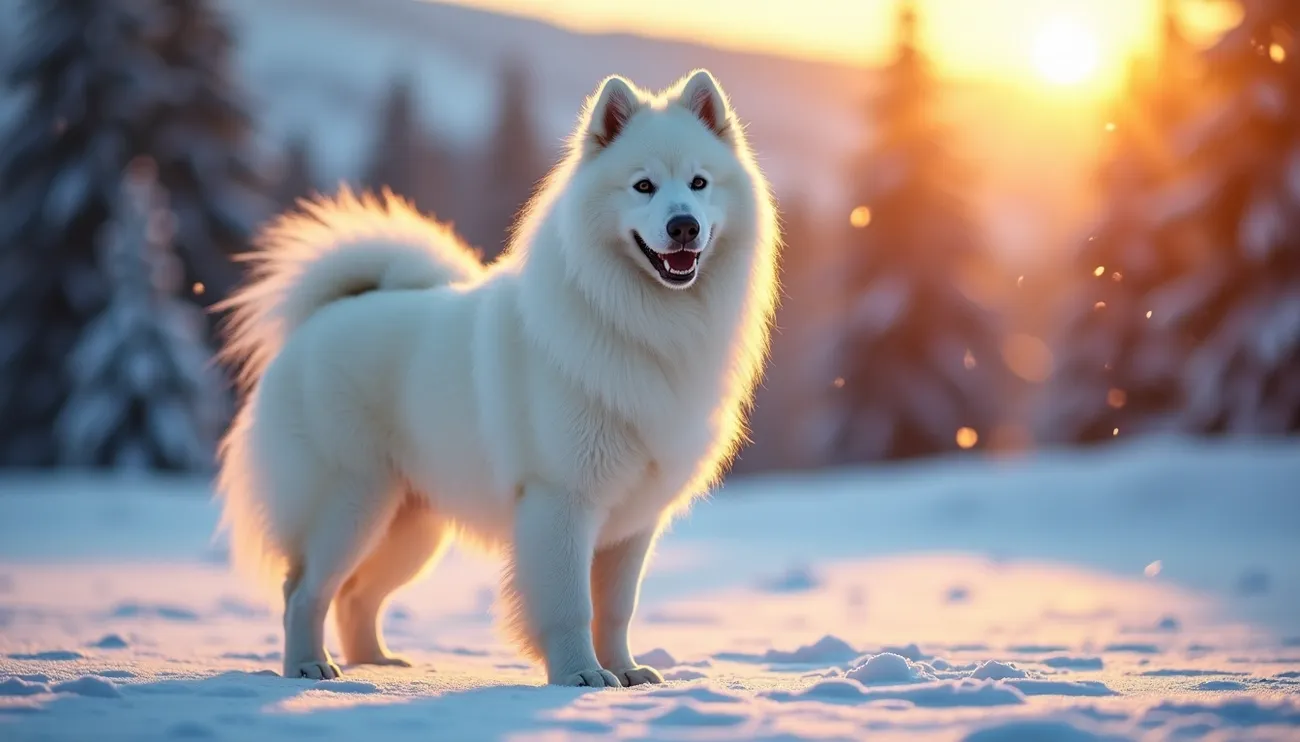 The Samoyed stands out with its iconic “Sammy smile,” a feature that keeps these dogs from drooling in subzero temperatures. These dogs rank among the world’s most ancient breeds. Their story began in ancient Siberia, where these magnificent working dogs made history by joining Norwegian explorer Roald Amundsen on his remarkable journey to find the South Pole in 1911.
Samoyeds have grown from their herding roots into cherished family pets. Their distinctive features include a thick, white, double-layered coat and a warm, friendly nature. A male Samoyed’s weight ranges from 45-65 pounds, with a height of 21-23.5 inches. Female dogs are a bit smaller, weighing 35-50 pounds and standing 19-21 inches tall. These medium-sized dogs live 12-14 years on average, despite their working background.
The American Kennel Club officially recognized Samoyeds in 1906, and these dogs continue to fascinate enthusiasts with their stunning looks and friendly character. Future owners should know that a Samoyed needs daily brushing and might not do well in hot weather. This piece will walk you through the breed’s rich history, physical traits, care needs, health issues, and training requirements.
The Origins of the Samoyed Dog Breed
The Samoyed breed’s roots go back thousands of years to northern Siberia’s frigid tundra. DNA evidence shows that Samoyeds rank among the world’s 14 oldest dog breeds, existing long before modern breeds emerged in the 19th century. Modern Samoyeds share genetic links with 2,000-year-old dog specimens, which places them among the oldest surviving canine bloodlines.
From the Nenets Herding Laika to modern Samoyeds
These dogs started as the Nenets Herding Laika. The Nenets people (once called Samoyeds or Samoyede) bred them as semi-nomadic tribes who relied on these hardy dogs to survive Siberia’s harsh climate. The bond between the Nenets and their dogs grew stronger than most working relationships between humans and dogs in other cultures.
Reindeer shaped the Nenets’ way of life. They first hunted these animals and later started herding them. Their dogs evolved with these changing needs. The early Samoyeds took on several vital roles:
Herding and guarding reindeer herds
Pulling sledges across snow and ice
Hunting wildlife (including polar bears)
Providing warmth during brutally cold Arctic nights
Guarding children and possessions
The Nenets shared an incredibly close bond with their dogs. They welcomed them into their tents (called “chooms”) where everyone slept together for warmth. This closeness became vital for survival when winter temperatures dropped to minus 60 degrees Fahrenheit.
Unlike other working breeds with single-purpose roles, Samoyeds became adaptable companions ready for any task. This versatility helped shape their balanced temperament and flexible nature.
Role in Arctic and Antarctic expeditions
Late 19th century polar explorers soon noticed these remarkable dogs. Norwegian explorer Fridtjof Nansen led the way by choosing Samoyeds for his 1893 North Pole expedition. These dogs later made their mark in Antarctic exploration too.
Roald Amundsen’s successful 1911 South Pole expedition stands out. His team of Samoyeds completed a challenging 99-day trip that proved their exceptional strength, intelligence, and resilience in extreme conditions. Stories tell us that Amundsen reached the South Pole “a sled-length behind his Samoyed lead dog”, showing how these amazing animals helped achieve this historic feat.
Robert Falcon Scott brought twenty Samoyeds on his 1902 journey. Carsten Borchgrevink took the lead earlier by bringing 90 Samoyeds to the southern hemisphere during the Southern Cross Expedition of 1898-1900.
Many surviving dogs returned home with their explorers to England and Norway after these expeditions. Most Samoyeds in the United Kingdom and United States today can trace their ancestry to these brave expedition sledge dogs.
Recognition by kennel clubs worldwide
British zoologist Ernest Kilburn-Scott started the modern Samoyed breed’s official journey. He brought back a puppy from a Samoyed camp near Arkhangelsk in 1889. His wife Clara played a key role in establishing the breed in England through careful breeding.
England adopted the first official Samoyed breed standard in 1909. The American Kennel Club followed suit in 1906. “Moustan of Argenteau,” owned by Grand Duke Nicholas (the Russian Czar’s brother), became the first AKC-registered Samoyed.
Early Samoyeds came in various colors, including brown and black. The breed’s development in England led to today’s standard white coat, though photos still exist of black Samoyeds winning early dog shows.
Physical Characteristics of the Samoyed
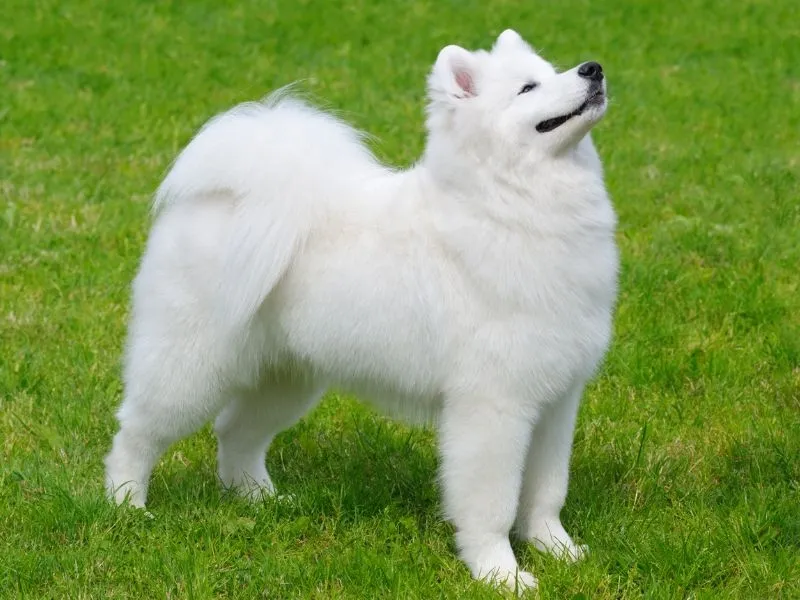
Image Source: Holistapet
The Samoyed’s appearance tells the story of its heritage – a working breed built to thrive in the Arctic’s harsh conditions. These dogs blend strength and grace with practical features that made them perfect companions to Siberia’s Nenets people.
Size and weight standards
Samoyeds are medium-sized, squarely built dogs that combine substance with grace. Male Samoyeds typically stand between 21 to 23.5 inches tall at the shoulder (withers) and weigh approximately 45 to 65 pounds. Females are smaller, measuring 19 to 21 inches in height and weighing 35 to 50 pounds.
Males stand about 51-60 cm tall and weigh 20-30 kg in metric measurements, while females measure 46-51 cm and weigh 16-20 kg. The breed’s size can range from 17 inches to 25 inches. In spite of that, these extremes show up mostly in pet-quality dogs rather than show specimens.
A Samoyed’s sturdy frame shows its power and stamina – qualities that helped the breed herd, hunt, and pull sleds across frozen terrain. Their balanced build lets them work tirelessly with remarkable agility.
Coat type and texture
A Samoyed’s magnificent double coat stands out as its defining feature. This unique fur has two layers: a soft, dense, wooly undercoat that shields against extreme cold, covered by longer, straight guard hairs. Silver-tipped outer hairs create the breed’s signature sparkle.
The coat does more than look beautiful. The thick undercoat provides excellent protection in freezing weather, and the coarse outer layer keeps the undercoat clean and debris-free. The coat stays virtually odorless despite its thickness.
The fur creates a fluffy look by standing away from the body instead of lying flat. This trait helps trap warm air close to the skin, which boosts insulation.
These dogs shed a lot throughout the year. They “blow their coat” once or twice annually in heavy seasonal shedding. Female Samoyeds usually shed twice yearly, while males tend to have one major shed each year.
Color variations including white, cream, and biscuit
White isn’t the only color these dogs can be. The American Kennel Club accepts four colors: white, cream, biscuit, and white & biscuit. Pure white remains the most common choice, giving dogs that bright, sparkling snow-white look.
Cream Samoyeds show a warmer, off-white shade from barely noticeable to distinctly creamy. Biscuit-colored dogs have subtle reddish or beige tints, mainly on their guard hair tips. This color appears much less often than white or cream. White & biscuit Samoyeds mix white coats with biscuit markings in various patterns.
Any colors beyond these approved options – especially black – disqualify dogs from breed standards. Black coloring likely points to mixed breeding rather than a purebred Samoyed.
The iconic Samoyed smile
The famous “Sammy smile” or “smiley dog” expression does more than charm people. Naturally upturned mouth corners create this distinctive look.
This trait kept dogs from drooling in Siberia’s subzero climate, where frozen saliva could form painful icicles around their faces and chests. Dark eyes, lips, and nose complete the smile, making a beautiful contrast against their light coat.
This mix of beauty and function shows why Samoyeds continue to excel as both companions and working dogs throughout their history.
Understanding Samoyed Temperament
Samoyeds are more than just beautiful dogs. Their personality matches their looks and makes them beloved pets worldwide. These dogs blend friendliness with smarts and playfulness with watchfulness – qualities that come from their roots as working dogs with the Siberian Nenets people.
Friendly and sociable nature
Samoyeds are loving, laid-back, playful, smart, gentle, and loyal dogs. Their temperament can be mischievous but remains loving. These dogs love human company because their nomadic families bred them to live close by.
These dogs need companionship and see themselves as family members. Experts say leaving a Samoyed alone in the backyard without interaction is like torture for this social breed. The lack of interaction can change their personality. They need to be part of the family’s daily life and routines.
A Samoyed’s playful spirit lasts into old age. They always want to interact with their human family. This endless youth defines the breed and explains why active families love them. Their smart, curious nature helps them adapt to different settings, though they do best in rural or suburban areas with room to run.
Behavior with children and other pets
The breed’s gentleness with children stands out as one of its best traits. Samoyeds stay patient with kids of all ages, which makes them great family dogs. The Samoyede people of Siberia trusted these dogs to watch their children while they hunted – proof of the breed’s natural gentleness and protective nature.
Unlike smaller breeds that might get defensive if stepped on or handled roughly, Samoyeds show amazing tolerance. Their size and strong build help them handle an occasional tail pull or bump without getting upset. Adult supervision remains vital because excited Samoyeds might knock over small children during play.
These dogs usually get along great with other dogs, especially those in their family. Their pack instinct helps them bond with every dog and human at home. Their herding background might make them chase or nip at other pets or small children. While they can live with cats after proper introductions, they might not work well with smaller pets like rabbits or guinea pigs.
Watchdog instincts and barking tendencies
Samoyeds work well as watchdogs despite their friendly nature. They bark to alert their family about visitors or unusual activity nearby. After the initial warning, they often greet strangers with a wagging tail – these dogs watch but don’t guard.
A Samoyed’s voice includes more than barks. They howl, “woo,” and what many owners call “talking.” Their sounds include:
Alert barks when someone comes to the house
Attention-seeking barks
Barks at moving objects or animals
Anxiety barks when left alone
Many owners say their Samoyeds talk too much, especially without enough exercise or when bored. Anyone thinking about getting this breed should know that good training and exercise reduce problem barking. A tired Samoyed barks less, which supports the trainer’s saying that “a tired dog is a good dog.”
Grooming Needs and Shedding Patterns

Image Source: Instagram
A Samoyed’s magnificent double coat requires much grooming commitment. Their coat care is vital not just to keep them looking beautiful but also to maintain their skin health and comfort.
Daily brushing and seasonal shedding
These dogs shed throughout the year, with dramatic increases during what owners call “blowing coat” seasons. The major shedding events happen once or twice annually and last anywhere from two to six weeks. Female Samoyeds usually shed twice a year, while males typically experience one major shed annually.
Brushing your Samoyed three to five times weekly works well during regular periods. Daily brushing becomes a must at the time of shedding seasons as massive amounts of undercoat come out in cottony tufts. A regular grooming schedule prevents painful mats from forming, especially when you have high-friction areas like:
Behind the ears
Under the armpits
Around the collar area
Behind the hind legs
The best grooming approach starts with an undercoat rake to remove loose undercoat. A slicker brush or pin brush works next for the outer coat. The final step uses a metal comb to catch any remaining mats. This all-encompassing approach will give a full treatment to both the soft undercoat and coarser guard hairs.
Bathing and coat maintenance tips
In stark comparison to this common belief, Samoyeds need regular baths—usually every four to eight weeks based on their activity and environment. Some owners prefer more frequent baths every 3-4 weeks, while others stick to 3-4 baths yearly. Too much bathing can strip natural oils from their skin, so finding the right balance is vital.
High-quality dog-specific shampoo that conditions both skin and coat works best for bath time. White-coated Samoyeds benefit from whitening shampoos to maintain their bright appearance. Their dense double coat needs really thorough wetting, and of course, complete rinsing removes all shampoo residue.
Proper drying is just as important as the bath itself. Towel-drying removes most moisture first, then a high-velocity dryer prevents trapped moisture that could cause hot spots or mildew. A complete bath and drying session might take over two hours, so you’ll need some patience.
Regular grooming includes nail trimming every three to four weeks and weekly ear cleaning with a specific solution to prevent infections. Paw pads and nose need hydration with appropriate balms, especially in cold or dry climates.
Managing allergens and fur in the home
The sort of thing I love about Samoyeds is that they’re relatively hypoallergenic for an unexpected reason—they don’t shed much dander (dead skin flakes), which triggers most allergic reactions. On top of that, it helps that they produce minimal drool, which reduces another common source of allergic reactions.
These practical strategies help manage fur in your living space:
A high-quality vacuum designed specifically for pet hair makes a big difference
Lint rollers placed in multiple locations around your home help
Washable slipcovers protect furniture
Regular cleaning schedules work best, especially during heavy shedding periods
HEPA air filters reduce airborne fur and dander
Pet-safe grooming wipes are a great way to get quick clean-ups done between full grooming sessions, especially after walks or outdoor play. These wipes remove dirt and allergens from your Samoyed’s coat without needing a complete bath.
Common Health Issues in Samoyeds
Samoyeds are reliable dogs that live a relatively long life of 12-14 years. Future owners should know about several breed-specific health conditions these dogs might face.
Samoyed hereditary glomerulopathy
Samoyed hereditary glomerulopathy (SHG) is a serious genetic kidney disorder unique to this breed. This X-linked dominant disease affects the glomerulus—the kidney’s filtration system—and causes blood proteins to leak into the urine. Male dogs suffer more because they have only one X chromosome and usually develop kidney failure by 15 months. Female carriers show milder symptoms that progress more slowly.
Dogs show early signs between 3-6 months old. These include excessive drinking and urination, weight loss, and lethargy. The disease can lead to vomiting, poor appetite, and weak muscles. Breeders can now use DNA tests to identify affected dogs and carriers to prevent this condition.
Treatment options include ACE inhibitors, specialized low-protein diets, and immunosuppressants like cyclosporine A. These treatments slow the disease but cannot cure it.
Eye disorders like PRA and retinal dysplasia
These dogs can inherit several eye conditions. Progressive Retinal Atrophy (PRA) affects 1-2% of examined Samoyeds and gradually destroys the retina until blindness occurs. Males face higher risks from the X-linked form. Dogs first show signs through night blindness and hesitate to enter dark spaces.
Retinal dysplasia causes abnormal retinal folding that can impair vision and eventually cause blindness. Scientists have found a genetic connection between some forms of Samoyed retinal dysplasia and abnormal forelimb development.
DNA tests now help breeders screen their breeding stock for both conditions. Regular checkups with veterinary eye specialists remain vital to catch these and other issues like cataracts and glaucoma early.
Hip dysplasia and joint concerns
Hip dysplasia affects about 7.22% of screened Samoyeds, much better than the 13.21% recorded through the 1980s. The condition develops when the hip joint grows abnormally, preventing the ball and socket from fitting together properly. The joint parts grind instead of sliding smoothly, which leads to inflammation and eventual osteoarthritis.
Dogs show signs through lameness, avoiding exercise or stairs, stiffness, and clicking sounds while walking. Both genes and environment play a role, including excess weight, poor nutrition, and certain exercise patterns.
Vets diagnose this through physical exams and X-rays, which they can send to organizations like the Orthopedic Foundation for Animals (OFA) or PennHIP. Treatment ranges from weight control and moderate exercise to medications. Severe cases might need surgery, including total hip replacement.
Heart conditions and diabetes
Samoyed heart problems include atrial septal defect (ASD)—a hole between the heart’s upper chambers—and valve narrowing conditions like aortic and pulmonic stenosis. These dogs face a 2.8 times higher risk of sub-aortic stenosis than other dogs.
Diabetes mellitus poses the most important metabolic risk for Samoyeds. They are about 12 times more likely to develop diabetes than mixed breed dogs, usually between ages 4-10. Scientists have linked the INS gene region to this higher risk.
Classic diabetes signs include excessive thirst, frequent urination, increased appetite despite weight loss, and tiredness. Dogs need lifelong insulin shots and careful diet control. Well-managed diabetic Samoyeds can still enjoy a good quality of life despite this ongoing condition.
Exercise and Activity Requirements
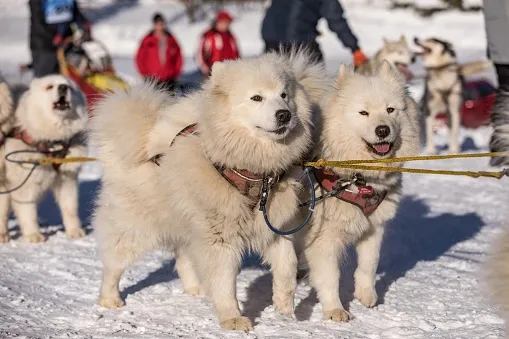
Image Source: iStock
Samoyeds use their sled dog heritage to stay physically fit and mentally balanced through substantial daily activity. These energetic working dogs thrive on structured exercise that matches their historical role as herders and sledge pullers in harsh Siberian conditions.
Daily physical activity needs
Samoyeds just need at least 1-2 hours of exercise daily. A quick walk around the block won’t satisfy this high-energy breed’s exercise requirements. Most experts suggest splitting this time into at least two separate sessions. This approach helps maintain consistent energy levels throughout the day.
Samoyeds can develop problematic behaviors like excessive barking, anxiety, and destructive tendencies without enough physical outlets. Their innate need for regular activity causes these problems. Regular exercise plays a vital role in their weight management, joint health, and overall well-being.
Best activities: sledding, hiking, agility
Samoyeds excel at activities that challenge both their physical abilities and intelligence because of their working dog background. These activities work best:
Sledding and urban mushing: These activities let Samoyeds fulfill their natural pulling instinct, matching their genetic makeup perfectly. Urban mushing with wheeled sleds provides excellent exercise even without snow.
Long walks and hiking: You should plan for at least 60-minute walks twice daily. Different environments offer varied scents and terrain. Their high endurance makes them great hiking partners, especially in cooler weather.
Agility and organized dog sports: The breed’s agility and intelligence make them ideal candidates for competitive activities like flyball and agility courses. Even backyard obstacle courses provide great mental and physical challenges.
Mental stimulation and avoiding boredom
Samoyeds just need regular mental stimulation alongside physical exercise. These intelligent working dogs thrive on brain-taxing activities to prevent boredom and resulting behavioral issues. Puzzle toys are a great way to challenge their problem-solving abilities. Scent games let them participate in natural foraging instincts.
Interactive feeding options like slow feeders or puzzle bowls turn regular mealtimes into engaging activities. Your Samoyed will love “treasure hunts” created by hiding treats around the yard or house. These activities tap into their scenting abilities.
Training sessions provide another excellent mental workout. Teaching new commands and tricks exercises both mind and body while deepening their commitment to their human companions. Note that Samoyeds need purpose—a tired Samoyed usually becomes a well-behaved Samoyed.
Training and Socialization Tips
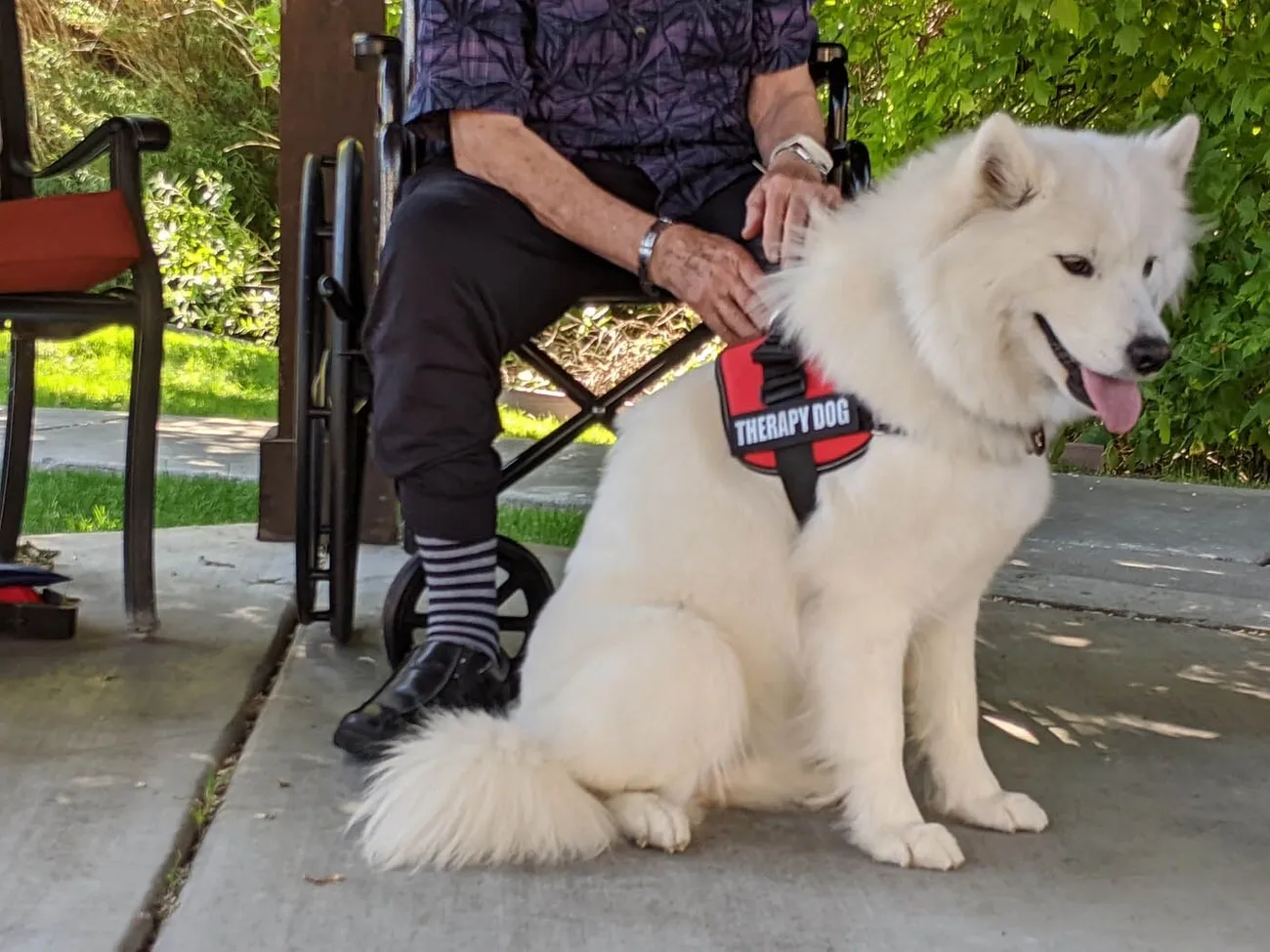
Image Source: Dog Training Elite
Training a Samoyed needs you to understand their smart yet sometimes independent nature. Good training creates a well-behaved companion and builds a stronger bond between you and your dog.
Early training and consistency
Your Samoyed puppy’s training should start right when you bring them home, ideally between 7 and 8 weeks of age. Starting early is vital as puppies can understand commands at this stage and haven’t picked up bad habits yet. The process becomes much harder if you wait until they’re 6 months or older.
The life-blood of successful Samoyed training is consistency. Every family member needs to use similar cues, hand gestures, and voice tones. Your Samoyed will get confused without this unity, and training progress will hit a wall. To name just one example, see what happens when one person lets the dog jump on furniture while another says no – your dog gets mixed signals that hurt the training.
Positive reinforcement techniques
Samoyeds love to please but can be stubborn at times. Positive reinforcement is the best way to train them. This method builds good associations with wanted behaviors through:
High-value treats (foods your Samoyed really loves)
Happy verbal praise and physical affection
Play sessions as rewards
Short, fun training periods (5-10 minutes) that keep their attention
This sensitive breed doesn’t respond well to harsh training. Punitive methods can damage your bond with your dog and make them anxious.
Preventing destructive behavior
Samoyeds might start destroying things if they’re bored, anxious when alone, or need more mental exercise. You can prevent these problems with proper exercise and brain games like puzzle toys, scent work, and problem-solving activities.
Dogs left alone need a safe space without tempting or dangerous items. Give them proper chew toys instead of letting them go after furniture or shoes. When you notice destruction while you’re gone, separation anxiety might be the cause. This needs a special behavior plan.
Early socialization plays a key role too. Let your Samoyed meet different people, places, and animals from an early age. Puppy classes are a great way to get structured socialization while learning basic obedience.
Diet and Nutrition for a Healthy Samoyed

Image Source: Samoyed 101
Nutrition is the life-blood of your Samoyed’s health. It affects everything from their stunning white coat to their vulnerability to breed-specific conditions. These medium-sized dogs need carefully balanced meals throughout their lives.
Feeding guidelines by age and activity
Premium-quality medium puppy food sustains Samoyed puppies until they mature at approximately 12-16 months. Your puppy needs three to four meals daily to support proper development during this rapid growth period.
Adult Samoyeds need about 2.5 to 3 cups of high-quality dog food daily. You should split this into two meals. Base the portion size on their ideal weight (35-65 pounds) instead of current weight if they’re overweight. Senior Samoyeds (over 7 years old) thrive on specialized senior formulas that maintain muscle mass without causing obesity.
Your Samoyed needs careful monitoring because they tend to gain weight easily. Female Samoyeds need extra attention with portion control after major shedding periods or pregnancy to avoid excess weight gain.
Supplements for joint and coat health
Omega-3 fatty acids help maintain your Samoyed’s spectacular coat and reduce inflammation. Glucosamine supplements support joint health, which matters especially when you have a breed prone to hip dysplasia.
Adding chondroitin with glucosamine helps older Samoyeds maintain healthy bones and joints. Some owners see benefits from supplements like fermented turmeric, especially during high-nutrition periods like nursing.
Foods to avoid and treat moderation
Your Samoyed’s pleading eyes might tempt you, but chocolate, macadamia nuts, garlic, and excessive salt can harm them. Don’t give bones that could splinter or wear down teeth. Choose specifically designed edible alternatives instead.
Treats should make up no more than 10% of daily calorie intake. Tiny pieces of cheese, boiled chicken, or small commercial treats work well for training. When you need frequent rewards, mix high-value treats with regular kibble in a treat pouch. The kibble absorbs the scent and creates cost-effective training rewards.
Your Samoyed should always have access to fresh water, especially during hot weather or after exercise.
Conclusion
Samoyeds rank among the most extraordinary canine companions that blend ancient heritage with modern appeal. These majestic dogs showcase their Arctic origins through their thick double coats, friendly temperaments, and remarkable adaptability. The Nenets people originally bred them as versatile working dogs. Now these beautiful creatures thrive as beloved family members while they excel at sledding, agility, and hiking.
Anyone wanting to own a Samoyed should know these fluffy companions need steadfast dedication. Their stunning coats need regular grooming sessions, especially when they shed. On top of that, it takes substantial daily exercise and mental stimulation to match their high energy levels. Samoyeds might develop unwanted behaviors from boredom or frustration without proper physical outlets.
Smart owners stay alert about breed-specific conditions like hereditary glomerulopathy, eye disorders, and hip dysplasia. Regular vet checkups, proper diet, and genetic testing before breeding help reduce these risks. These dogs also need carefully monitored nutrition throughout their lives, with extra attention during growth periods and senior years.
The breed’s connection to humans matters deeply. Their history with Siberian families created dogs that see themselves as part of the household. This social nature makes them perfect companions for active families but they’re nowhere near suitable for people who can’t provide consistent attention and companionship.
The Samoyed’s iconic smile perfectly captures what makes this breed special. Behind their working dog capabilities lies a joyful, affectionate spirit that wins hearts worldwide. Of course, investing time, energy, and resources pays off through the boundless love and loyalty that defines these magnificent snow-white companions.
Key Takeaways
Understanding the Samoyed breed requires recognizing their unique blend of ancient working heritage and modern family companion needs.
• Samoyeds are ancient Arctic working dogs requiring 1-2 hours daily exercise and consistent mental stimulation to prevent destructive behaviors.
• Their double coat demands daily brushing during shedding seasons and regular grooming maintenance throughout the year.
• These social dogs thrive on human companionship and suffer when isolated, making them ideal for active families but unsuitable for frequent alone time.
• Breed-specific health concerns include kidney disease, eye disorders, and hip dysplasia, requiring genetic testing and regular veterinary monitoring.
• Early training with positive reinforcement works best for their intelligent yet independent nature, establishing lifelong behavioral foundations.
The Samoyed’s famous smile reflects their joyful temperament, but potential owners must commit to substantial grooming, exercise, and social interaction to ensure these magnificent dogs reach their full potential as loving family companions.
FAQs
Q1. How much exercise does a Samoyed need daily? Samoyeds require at least 1-2 hours of exercise daily. This high-energy breed needs substantial physical activity to stay healthy and prevent behavioral issues. Activities like long walks, hiking, or sledding are ideal for meeting their exercise needs.
Q2. Are Samoyeds good with children and other pets? Yes, Samoyeds are generally excellent with children and other pets. They are known for their gentle and patient nature, making them great family dogs. However, their herding instinct may lead to chasing smaller animals, so proper introductions and supervision are important.
Q3. How often should I groom my Samoyed? Samoyeds need regular grooming. During non-shedding periods, brushing 3-5 times a week is sufficient. However, daily brushing becomes essential during shedding seasons, which occur once or twice a year. Bathing is typically needed every 4-8 weeks, depending on the dog’s activity level.
Q4. What are some common health issues in Samoyeds? Common health concerns for Samoyeds include hereditary glomerulopathy (a kidney disorder), eye problems like progressive retinal atrophy, hip dysplasia, and a predisposition to diabetes. Regular veterinary check-ups and genetic testing can help manage these risks.
Q5. How long do Samoyeds typically live? The average lifespan of a Samoyed is 12-14 years. With proper care, nutrition, and regular veterinary attention, these dogs can lead long, healthy lives. Factors such as genetics, diet, exercise, and overall health management can influence their longevity.