
Saint Bernard
 Saint Bernard dogs are gentle giants of the canine world. These magnificent creatures weigh between 120 to 180 pounds and can reach up to 30 inches tall at the shoulders. Swiss monks bred them to rescue people in the Alps during the 1600s, and these incredible dogs saved countless lives throughout history[-3]. Barry, the most famous rescue Saint Bernard, became a legend by saving between 40 and 100 people from avalanches between 1800 and 1814.
The breed’s rich history traces back to the early 18th century. The earliest written records come from the Great St Bernard Hospice monks in 1707. The American Kennel Club recognized these gentle giants in 1885, and they became one of the world’s most beloved breeds even though their AKC registration numbers remain low. The 1992 family movie Beethoven sparked their popularity and secured their place in popular culture. These powerful dogs pack impressive size and strength, yet their lifespan typically ranges from 8-10 years. This piece covers everything about this remarkable breed, from their unique traits to their care needs.
Breed Overview: What Makes the Saint Bernard Unique
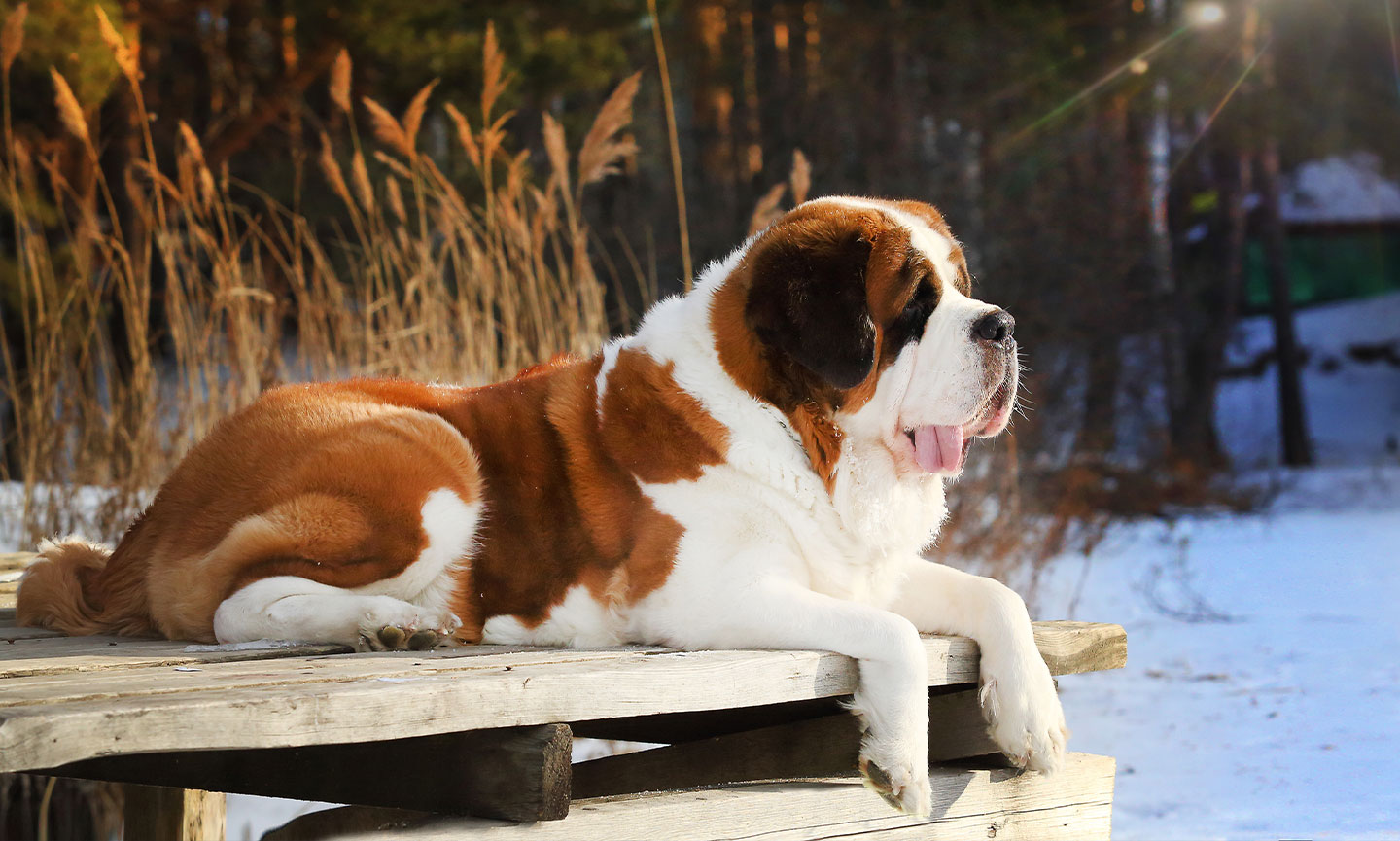
Image Source: arloren
Saint Bernards are one of the most distinctive and recognizable dog breeds you’ll ever see. Dog lovers often call them “Bernies” or “Saints” – names that perfectly match their gentle nature despite their impressive size. These amazing dogs truly stand out in the canine world.
Size and weight of a full size big Saint Bernard
These gentle giants belong to the giant dog breed family. Male Saint Bernards typically weigh between 140-180 pounds, while females are slightly smaller at 120-140 pounds. Some exceptional dogs can grow even bigger – like Kris, who starred in the first couple of Beethoven movies and weighed over 200 pounds.
Males stand proud at 28-30 inches tall at the shoulder. Females are a bit shorter at 26-28 inches. Some sources suggest males can grow between 70-90 cm (28-35 inches) and females between 65-80 cm (26-31 inches).
Saint Bernards take their time growing up. These big pups need 2-3 years to reach their full size. This slow growth matters especially when you have plans to bring one home – you’ll watch your giant friend grow for quite a while.
Coat types and colors
You’ll find Saint Bernards with two different coat types: long-haired and short-haired. Both varieties have thick, double coats that help them brave harsh weather. The long-haired variety came about when breeders mixed them with Newfoundland dogs in the early 19th century.
The coats need regular care but aren’t too demanding. Be ready for lots of shedding though, especially during spring and fall. These dogs shed all year round, but seasonal changes kick the shedding into high gear.
The AKC recognizes nine beautiful color combinations:
Brown and white
Mahogany and white
Orange and white
Red and white
Brindle and white
Rust and white
White and brown
White and orange
White and red
Most Saint Bernards sport a mostly white coat with eye-catching patches of color. Many have that famous black mask on their face – it’s part of what makes them so easy to spot. The brindle pattern isn’t as common, but it gives them striking tiger-like stripes.
Saint Bernard height and bite force
Male Saint Bernards tower at 28-30 inches (70-75 cm) at the shoulder. Females reach 26-28 inches (65-70 cm). Their massive heads feature wrinkled brows, short muzzles, and dark eyes that give them that smart, friendly look we all love.
These gentle giants pack some serious power in their jaws. Their bite force tops 400 PSI (pounds per square inch). This is a big deal as it means that they have one of the strongest bites among all dogs. Don’t worry though – their sweet nature means they rarely use this strength.
Their powerful jaw muscles fit perfectly in their massive head. Their drooping ears and sometimes droopy eyes add to their unique charm. Many Saint Bernards have noticeable jowls, which means they tend to drool – something to think about before bringing one home.
Saint Bernards are truly special dogs. Their mix of enormous size, beautiful coat patterns, and powerful build makes them both impressive and lovable – unlike any other breed out there.
The Origins of the Saint Bernard Dog

Image Source: Bixbi Pet
The story of one of the world’s most beloved dog breeds began in the treacherous Alpine mountains. Saint Bernard’s origins can be traced to a mountainous pass that connected Switzerland and Italy, where these amazing dogs became legends for saving lives.
The Great St. Bernard Pass and the monks
The Great St. Bernard Pass stands nearly 2,500 meters above sea level. This pass created a vital but dangerous route between Martigny in Switzerland’s Valais canton and Aosta in Italy. Snow covers this mountain passage most of the year, and it became the Saint Bernard breed’s birthplace.
An Augustine monk named Bernard de Menthon (later Saint Bernard) built a hospice and shelter on this dangerous pass in the 11th century. He wanted to help tired travelers who made this risky trip. The monks became known for their kindness as they gave food and shelter to pilgrims on their way to Rome.
The hospice records didn’t mention any dogs at first. A simple note from 1707 shows the first written reference: “A dog was buried by us”. Dogs likely came to the monastery as watchdogs between 1660 and 1670. The monks soon learned these strong dogs could help them with rescue missions. They took the dogs along on mountain patrols after bad snowstorms.
Barry the legendary rescue dog
Barry der Menschenretter (Barry the people rescuer) stands out as the most famous rescue dog from the hospice. Barry was born in 1800, the same year Napoleon crossed the pass with about 46,000 soldiers. He worked at the hospice until 1812.
Barry saved more than 40 human lives during his career, which made him the most well-known Saint Bernard in history. His most memorable rescue involved finding a young boy who had fallen asleep in an ice cavern. Barry warmed the child by licking him and then carried the boy to safety on his back.
Bern’s Natural History Museum challenges some Barry stories, including one about a French soldier who killed him after mistaking him for a wolf. The truth is that Barry spent his last two years enjoying retirement in Bern at the hospice prior’s request. He died there in 1814 at age 14.
A taxidermist preserved Barry’s skin for Bern’s Natural History Museum after his death. Georg Ruprecht, another taxidermist, remounted Barry in 1923. He gave him a prouder pose that matched his heroic status better.
How the breed evolved over time
Barry’s preserved body shows he was much smaller than today’s Saint Bernards. He weighed between 40-45 kilograms (88-99 pounds), while modern ones weigh 54-81 kilograms (120-180 pounds). This shows how much the breed has changed over centuries.
The Great St. Bernard Pass saw terrible snowstorms during 1816-1818. Many dogs died during rescue operations, which almost wiped out the hospice’s dog population. The monks brought in similar dogs from nearby valleys to rebuild their numbers.
The monks tried breeding with large longhaired dogs like Newfoundlands around 1830. They hoped longer coats would protect the dogs better in extreme cold. This plan failed because ice would form on the long hair during rescues. The extra weight slowed the dogs down. The monks went back to using shorthaired dogs for mountain rescues.
The breed got its official name “Saint Bernard” in 1865. People called them different names before that, like “Barry hounds” in Bern’s Canton (1814-1860), “Hospice Dogs,” “Holy Dogs,” or “Alpine Mastiffs”. The Swiss Kennel Club made the name “Saint Bernard” official in 1880.
Saint Bernards don’t do mountain rescues anymore because their weight makes helicopter transport difficult. Yet they remain beloved companions and cultural icons. Their heroic history will always be part of the Swiss Alps’ snow-covered passes.
Temperament and Personality Traits

Image Source: PetsCare.com
A Saint Bernard’s true character shines through beyond their impressive size and strength. People know them as “gentle giants” because they blend a relaxed demeanor with steadfast loyalty. These traits make them beloved family companions worldwide.
St. Bernard temperament with children
Saint Bernards have built a reputation as outstanding family companions. These dogs show remarkable patience and understanding with kids. They are exceptionally gentle and tolerant and know how to be careful around children during playtime. This carefulness shows they understand their size and strength.
Many owners call their Saints “four-legged nannies.” These dogs put up with energetic play and love quiet cuddle time equally. Their loving nature suits family life perfectly, though you should watch them because of their size.
Saints get along great with kids, but they might become too protective around strangers. Some Saint Bernards might not match very active children’s energy levels. You should always supervise first meetings between dogs and children, especially with large breeds like these.
Behavior with strangers and other pets
Saint Bernards often stay reserved around people outside their family. Most remain distant with strangers, though each dog has its own personality. They make good watchdogs just by being there – their size and deep bark usually deter intruders without aggression.
These dogs rarely bark without good reason. They focus more on protecting family than territory.
Saint Bernards usually act friendly toward other dogs. They get along with both cats and dogs at home. Their low prey drive helps them live peacefully with other pets if they learn to socialize early. Early socialization helps develop these good traits.
Common personality quirks
Saint Bernard owners should know their distinct personality traits. These dogs need companionship above all else. They can develop behavior problems if left alone too long. Saints might even “sulk” if they feel left out of family activities.
These dogs can show a stubborn streak sometimes. They want to please but occasionally dig in their heels. Training needs patience because they respond best to positive reinforcement that matches their eagerness to please.
Other personality quirks include:
They learn quickly but think things through
Adult dogs prefer shorter play sessions
They love snow, thanks to their Alpine roots
They like to dig, which connects to their rescue history
Saints enjoy pulling kids in carts, which shows their draft dog heritage. These dogs live to please their owners and work with a friendly yet determined attitude.
A well-trained Saint Bernard balances protective instincts with friendliness perfectly. Their smart, friendly face matches their loving nature that families have cherished for generations.
Training and Socialization Needs
Saint Bernard training demands dedication, consistency, and deep knowledge of their unique temperament. These massive dogs can become well-behaved companions with proper guidance early on. The right training isn’t just helpful – it’s vital for both dog and owner.
Why early training is essential
Starting with socialization and puppy training classes is a must for dogs as large and powerful as Saint Bernards. You should start training from day one with either an 8-week-old puppy or an adult dog. This prevents them from picking up bad habits that become tough to fix later.
Saint Bernards take their time to mature, both mentally and physically. They stay puppy-like in behavior longer than other breeds. These dogs need a well-laid-out training plan. Without it, their natural guardian instincts might lead to overprotective behavior toward strangers. Their size is impressive – some adults weigh over 80kg (176 lbs). This means even playful behaviors like jumping or pulling can become dangerous.
These gentle giants must learn not to jump on people, bump into small children, grab food from tables, or misuse their impressive size. The good news is that they’re smart and eager to please. They usually follow commands once they understand what you want from them.
Tips for obedience and leash training
Here are some proven approaches to train your Saint Bernard:
Use positive reinforcement: Give your dog treats, praise, and gentle encouragement instead of harsh methods that don’t work with this sensitive breed.
Keep sessions short: Saint Bernards are a relaxed breed. They learn best in brief 5 to 10-minute sessions that prevent boredom or frustration.
Maintain consistency: The same command words and training cues should be used each time. This is vital for Saint Bernard training.
Focus on basics first: Simple commands like ‘sit,’ ‘stay,’ ‘come,’ and ‘down’ build good behavior and keep everyone safe.
Leash training needs special attention. It helps you stay in control during other training exercises. A Saint Bernard’s strength means good leash manners keep walks safe and fun instead of turning them into a tug-of-war. Start teaching loose-lead walking, heel work, and impulse control early. Adult Saint Bernards with established pulling habits are almost impossible to retrain.
Managing separation anxiety
These dogs build strong bonds with their families. This makes them prone to separation anxiety when left alone too long. Watch for signs like excessive barking, destructive behavior, and escape attempts.
You can help your Saint Bernard handle time alone with these strategies:
Gradual acclimation: Start with short absences and slowly increase the time away.
Create a safe space: Set up a special area with cozy bedding and familiar items where your dog feels secure [171].
Establish a routine: Regular schedules for meals, walks, and play help reduce stress by creating predictability.
Provide mental stimulation: Interactive toys and puzzles keep your Saint Bernard busy while you’re gone.
A well-trained Saint Bernard makes an amazing family companion. Their intelligence and eagerness to please help them learn fast when you use patience and positive reinforcement. The time spent on proper training results in a confident, obedient, and well-adjusted gentle giant.
Health Concerns in the Saint Bernard Breed
Saint Bernard owners need to understand their breed’s specific health challenges that affect their pet’s quality of life. These gentle giants bring immense joy to families. Their unique physical traits make them prone to certain conditions that need careful monitoring.
Common issues: hip dysplasia, bloat, osteosarcoma
Saint Bernards face hip dysplasia more often than other breeds. An American study ranks them as the second most affected breed. About 14.70% of Saint Bernards develop this condition, compared to just 3.52% of all dogs. This inherited condition prevents proper hip joint development and leads to deterioration over time.
Gastric Dilatation-Volvulus (GDV), or bloat, poses the most immediate life threat to Saint Bernards. The stomach fills with gas and twists itself, which cuts off blood supply to vital organs. Dogs can die within 30 minutes if left untreated. Saint Bernards are 4.2 times more likely to get GDV than average dogs. A health survey shows 15.1% of Saint Bernards died from this condition.
Warning signs of bloat include:
Distended abdomen
Unsuccessful retching or heaving
Restlessness and pacing
Prayer position (front feet down, rear end up)
Bone cancer (osteosarcoma) poses another serious risk, especially for middle-aged Saint Bernards. The breed inherits this aggressive cancer. Dogs usually show lameness and leg pain first. Any unexplained limping needs immediate vet attention.
Saint Bernard lifespan and aging
Saint Bernards don’t live as long as other breeds, despite their sturdy look. Most live 8-10 years, nowhere near the purebred dog average of 12.7 years. A 2024 UK study shows their life expectancy at 9.3 years. Swedish research reveals 74% of Saint Bernards die by age 10, while only 35% of other dogs do.
These dogs develop more health issues as they age. Heart problems like dilated cardiomyopathy (DCM) affect 2.6% of Saint Bernards versus 0.2% of mixed breeds. Older Saints often get arthritis, eye conditions like entropion, and skin problems.
Preventive care and vet checkups
Good health management helps extend both lifespan and quality of life. Weight control tops the list of preventive measures. Extra pounds make joint problems much worse. A lean body through proper diet and exercise reduces strain on vulnerable joints.
Vets suggest smaller, frequent meals instead of one big daily meal to prevent bloat. Many owners opt for preventative gastropexy surgery. This procedure attaches the stomach to the abdominal wall to stop twisting.
Heart screenings become vital as Saint Bernards age. Yearly cardiac evaluations help catch early signs of heart disease. Regular orthopedic checks also help detect hip dysplasia or early-stage bone cancer quickly.
Saint Bernard owners should maintain these regular vet visits:
Annual (or biannual for seniors) comprehensive physical examinations
Regular blood work to detect metabolic changes
Joint supplements when appropriate
Prompt attention to any changes in mobility or behavior
Daily Care and Grooming Tips
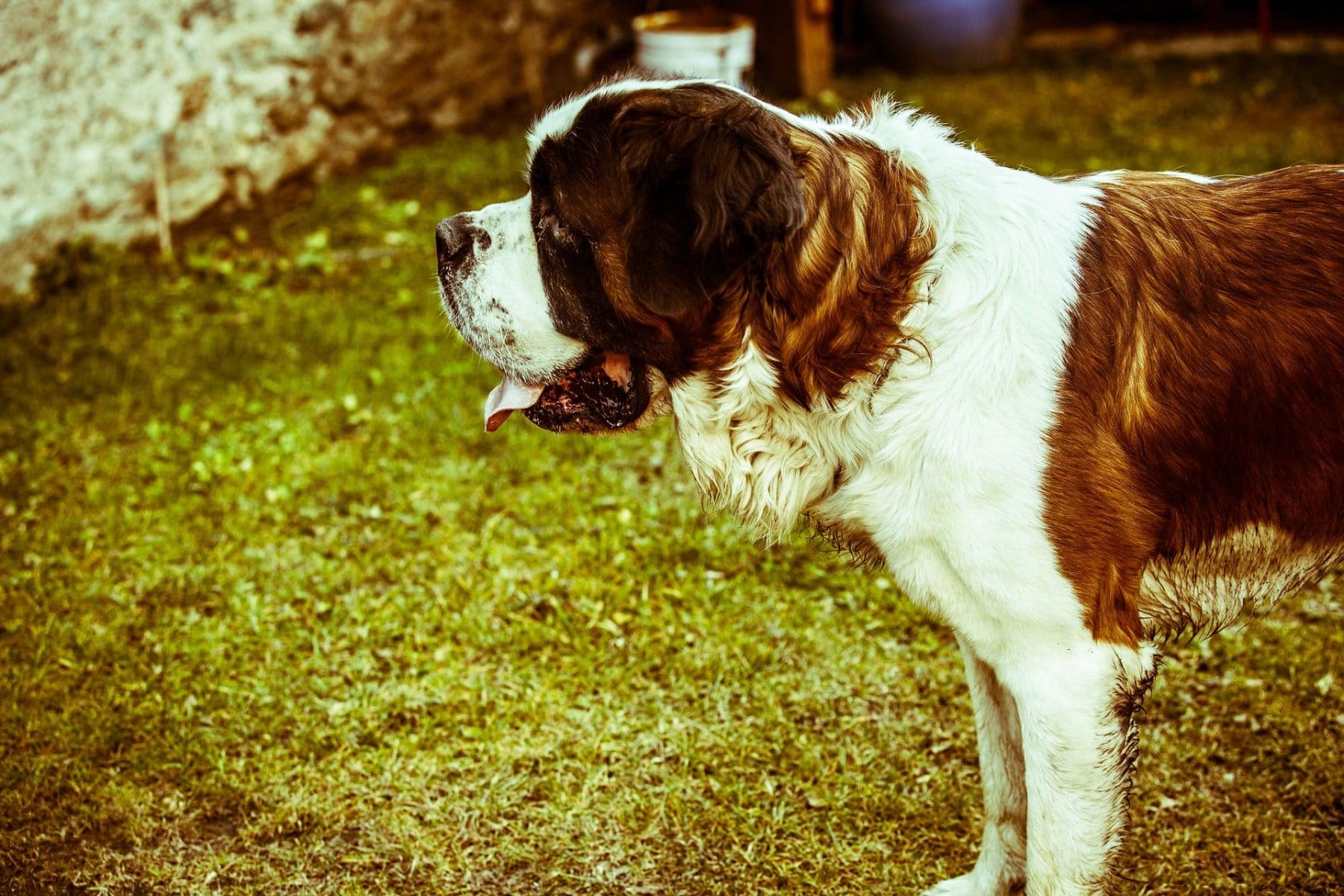
Image Source: Rover.com
Your Saint Bernard’s appearance needs consistent care and attention. These magnificent dogs stay comfortable and healthy with several significant grooming routines.
Brushing and coat maintenance
Regular brushing is the life-blood of proper care for Saint Bernards, regardless of their coat length. Most people think different coat types need different care, but that’s not true. Brush your dog two to three times weekly at least to control shedding and prevent matting. These dogs shed a lot throughout the year, so daily brushing becomes essential during spring and fall shedding seasons.
The quickest way to groom your Saint Bernard is to use the right tools:
Slicker brushes or grooming rakes work best for removing loose fur
Metal combs help tackle stubborn tangles and check for skin issues
Bristle brushes serve as excellent all-purpose options
Missing even a few brushing sessions can create cobweb matting in their thick undercoat and lead to skin problems. Each grooming session gives you a chance to spot any skin irritations, parasites, or unusual changes.
Bathing and skin care
Saint Bernards are among the smellier dog breeds, but too much bathing creates more harm than good. A bath every 2-3 months is enough unless they get really dirty. Dog-specific shampoo works best as it protects their coat’s natural oils.
Brush your dog before the bath to prevent mats from forming when wet. Use plenty of shampoo and work it down to the skin, then rinse completely. Your Saint Bernard needs thorough drying after bathing to avoid skin issues from trapped moisture.
Regular skin checks between baths help catch problems early. Part the fur and look for redness, bumps, or parasites. This proactive approach prevents small issues from becoming serious.
Managing drool and eye care
Saint Bernards drool excessively because of their facial skin structure. No reliable way exists to reduce this natural trait. Most owners keep washcloths around the house for quick cleanup.
Clean eye care is vital for your Saint. Use a soft, damp cloth regularly around their eyes to prevent tear staining, which often shows up in white-coated breeds. The skin folds need regular cleaning too, or they might get irritated or infected.
Weekly ear cleaning is essential since their floppy ears trap moisture and bacteria easily. Use cotton balls with vet-approved ear cleaners, but never push anything deep into the ear canal.
Feeding and Nutrition Guidelines
Nutrition plays a vital role in your Saint Bernard’s health and vitality. These massive canines need specific dietary requirements that differ from smaller breeds because of their enormous size and likelihood of certain health conditions.
Feeding schedule for puppies and adults
Saint Bernard puppies need specialized nutrition during their extended growth period. Young puppies should be fed a large-breed puppy formula until they reach 18-24 months of age. Puppies under 6 months old thrive on 3-4 meals daily, and they gradually transition to fewer feedings as they mature.
A full-grown Saint Bernard typically eats between 4-8 cups of food daily. Traditional wisdom suggests feeding adult dogs twice daily, but experienced Saint Bernard handlers recommend 5 or more smaller meals throughout the day. This feeding pattern can increase longevity by reducing stress on the digestive system.
Best food for large breeds
Your Saint Bernard’s ideal diet should contain:
Appropriate protein levels (18-22% for adults, 22-24% for puppies)
Moderate fat content (10-12% for adults, 12-15% for puppies)
Joint-supporting nutrients like glucosamine and chondroitin
Balanced omega fatty acids for skin and coat health
Note that any food you choose should meet nutritional guidelines set by the Association of American Feed Control Officials (AAFCO). Large or giant breed formulations work best as they contain proper nutrient balance to support massive skeletal development without promoting excessive growth.
Avoiding bloat through proper feeding
Bloat poses a life-threatening emergency for Saint Bernards. You can implement these preventive feeding practices:
Divide daily food into multiple smaller meals instead of one large portion
Avoid elevated feeding bowls, in stark comparison to outdated advice
Keep your dog from vigorous exercise for one hour before and after meals
Use slow-feeder bowls for dogs that eat quickly
Keep fresh water available always, except right after meals
Never add water to dry food, especially if it contains citric acid
These feeding guidelines help Saint Bernard owners minimize health risks while providing optimal nutrition for their gentle giants.
Saint Bernards in Pop Culture and History
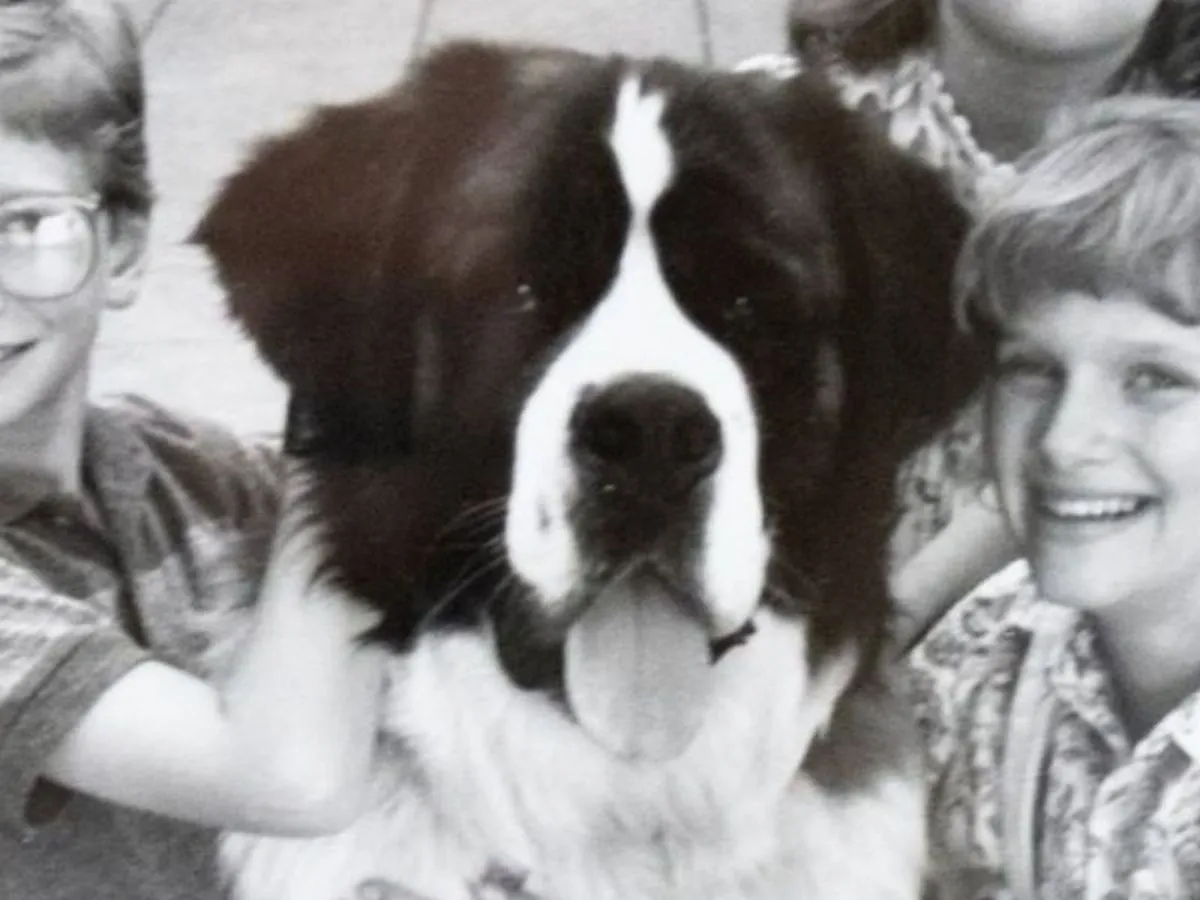
Image Source: Wamiz
Saint Bernards have earned their place in popular culture and become one of the world’s most recognizable dog breeds.
Famous dogs like Beethoven and Cujo
The family comedy film Beethoven launched Saint Bernards into the spotlight in 1992. This lovable movie tells the story of a Saint Bernard who becomes part of a suburban family. It raked in $147.2 million worldwide and grew into a successful franchise with sequels and an animated TV series. Stephen King took a darker turn with his 1981 novel “Cujo” and its 1983 film adaptation that transformed a Saint Bernard into a terrifying, rabid antagonist.
The brandy barrel myth explained
The famous image of Saint Bernards with brandy barrels around their necks turns out to be pure fiction. This myth started with an 1820 painting called “Alpine Mastiffs Reanimating a Distressed Traveler” by Edwin Landseer. A 17-year-old artist’s imagination added the small cask to the dog’s collar. The monks at St. Bernard Hospice have always maintained that their dogs never carried such barrels.
Saint Bernard with human companions in media
These gentle giants have left their paw prints far beyond Beethoven. They’ve starred in films like “Swiss Miss,” appeared in the TV series “Topper,” and delighted audiences in classic cartoons such as the 1938 Merrie Melodies short “Cracked Ice”. Disney’s animated “Peter Pan” features a Saint Bernard named Nana who watches over the Darling children, cementing their reputation as natural caretakers.
Conclusion
Saint Bernards are amazing companions that blend massive size with a gentle nature. These majestic dogs can weigh up to 180 pounds, yet they have the softest temperament that has engaged dog lovers for centuries. Their legacy as rescue dogs in the Swiss Alps shows their natural helping spirit. They remain patient with children and show remarkable gentleness despite their huge size.
Owners of these gentle giants just need to understand their special care requirements. These magnificent animals have a short life span of 8-10 years, so every moment with them becomes precious. Good grooming habits, the right diet, and careful health monitoring are vital to their wellbeing. Owners should watch for serious health issues like hip dysplasia and bloat.
Saint Bernards give their dedicated owners steadfast loyalty and love in return. Smart and eager to please, they become wonderful family pets with proper training from an early age. They might ask for lots of space, time, and money, but few breeds can match their blend of protective instincts and gentle nature.
Saint Bernard’s influence reaches way beyond their reach and influence as rescue dogs. Movies like “Beethoven” have secured their place in popular culture. The brandy barrel story might be a myth, but these dogs have built their reputation through real acts of heroism and faithful companionship over centuries. Saint Bernards embody everything we love about dogs – loyalty, gentleness, courage, and a special bond with humans that surpasses their short time with us.
Key Takeaways
Saint Bernards are gentle giants that require dedicated care and understanding of their unique needs as massive family companions.
• Saint Bernards weigh 120-180 pounds and live only 8-10 years, requiring significant space and financial commitment for their care.
• Early training and socialization are essential due to their size – untrained behaviors become dangerous when dogs reach full weight.
• Bloat is a life-threatening emergency affecting 15% of the breed; feed multiple small meals and avoid exercise around feeding times.
• Despite their imposing size, these dogs are exceptionally gentle with children and make patient, protective family companions.
• Regular grooming 2-3 times weekly is mandatory year-round, with daily brushing needed during heavy shedding seasons.
• Hip dysplasia affects 14.7% of Saint Bernards – maintain lean body weight and provide joint supplements for prevention.
The Saint Bernard’s heroic Alpine rescue heritage and gentle temperament make them beloved family dogs, but their short lifespan and specific health needs require committed, knowledgeable owners who can provide proper care throughout their lives.
FAQs
Q1. Are Saint Bernards good family dogs? Saint Bernards are excellent family companions due to their gentle and patient nature. They are known for being exceptionally understanding with children and getting along well with other pets. Their affectionate personality and eagerness to please make them ideal for families seeking a loving, large breed dog.
Q2. What makes Saint Bernards special? Saint Bernards are special for their combination of massive size and gentle temperament. They are known for their patience, intelligence, and desire to participate in family activities. Their history as rescue dogs in the Swiss Alps also adds to their unique appeal and heroic reputation.
Q3. How much do Saint Bernards typically weigh? Adult Saint Bernards usually weigh between 120 to 180 pounds (54 to 82 kg). Males tend to be larger, often weighing 140 to 180 pounds, while females typically range from 120 to 140 pounds. Their massive size is one of their most distinctive characteristics.
Q4. What are some common health concerns for Saint Bernards? Common health issues in Saint Bernards include hip dysplasia, bloat (gastric dilatation-volvulus), and certain types of cancer like osteosarcoma. They are also prone to heart problems and joint issues due to their large size. Regular veterinary check-ups and proper care are essential to manage these potential health concerns.
Q5. How often should Saint Bernards be groomed? Saint Bernards require regular grooming to maintain their coat and overall health. They should be brushed at least 2-3 times per week, with daily brushing recommended during heavy shedding seasons in spring and fall. Bathing every 2-3 months is typically sufficient unless they get particularly dirty.