
Pomeranian
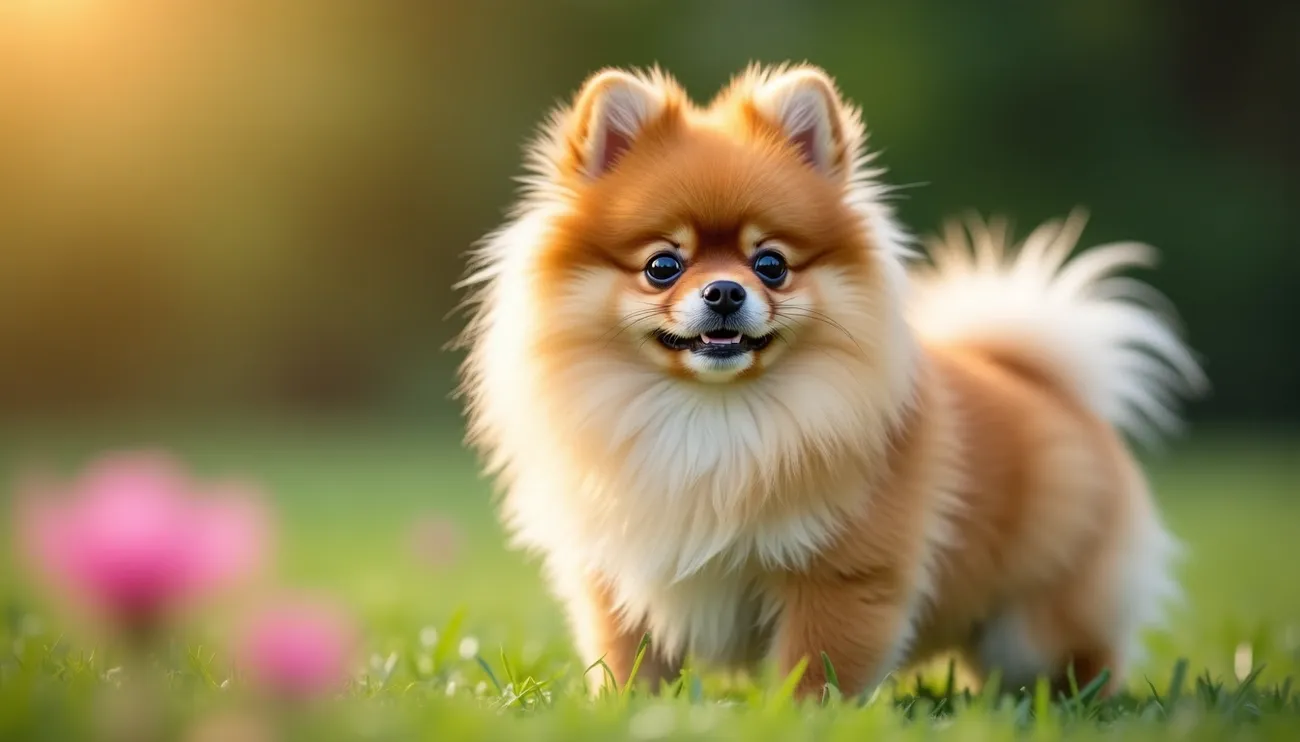 Pomeranians pack a lot of personality into their tiny bodies and definitely grab attention with their fox-like faces and fluffy coats. These compact companions started as 30-pound sheepdogs but now weigh just 1.36–3.17 kilograms (3.0–7.0 lb) and reach 8–14 inches in height. The breed’s royal reputation comes from being favorites of both monarchs and everyday dog lovers.
These little dogs descended from Spitz sled dogs and showcase a luxuriant double coat with alert prick ears. A Pomeranian’s lifespan ranks among the longest in the canine world at 12–16 years. Their cheerful and confident personality has kept them popular, and the breed has stayed in America’s top fifty most popular dogs since 1998. These intelligent and fun-loving companions need regular exercise and respond well to training. Their spirit and charm make them perfect for anyone wanting a small but lively four-legged friend.
Breed Overview and Physical Traits
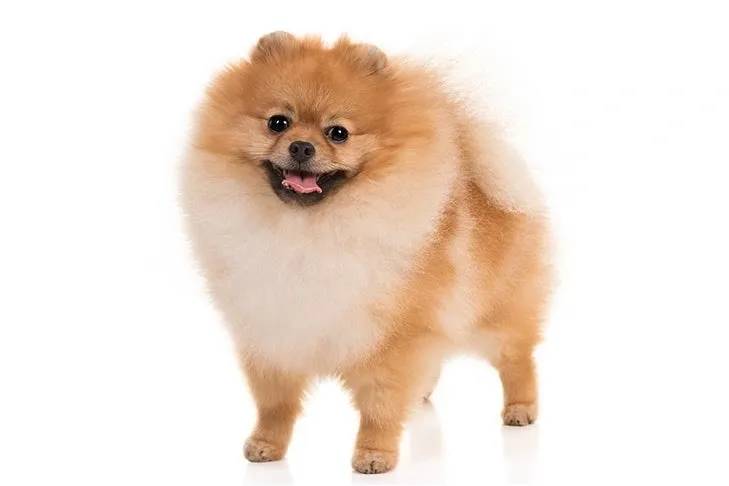
Image Source: American Kennel Club
The Pomeranian is one of the most distinctive members of the toy dog group. These adorable pets have a fox-like face and a lively personality. They come from larger German Spitz breeds and have grown into the small, fluffy companions we know today.
Size and weight range
The Pomeranian’s small size makes it special in the toy group classification. The American Kennel Club states that a standard Pomeranian should stand between 6 and 7 inches tall at the withers (shoulders). These little dogs usually weigh between 3 to 7 pounds (1.36 to 3.17 kilograms).
Male and female Pomeranians are the same size. These little dogs grow fast and reach their full adult size between seven to ten months. Their body has a square shape, which gives them a compact yet strong look despite being tiny.
Pomeranians are among the smallest in the toy breed category. They’re about the same size as Yorkshire Terriers (3-7 pounds) and Chihuahuas (3.3-6.6 pounds). These little dogs might look delicate, but they have a strong build.
Distinctive coat and colors
The Pomeranian’s most eye-catching feature is its luxurious double coat. This plush fur has a short, dense undercoat with a longer, rougher outer coat or “guard hairs”. A thick ruff of fur circles their neck like a lion’s mane, adding to their royal look.
Their fluffy tail curves up and over their back. Feathery hair decorates their hindquarters. These features create the breed’s famous “pom-pom” appearance that dog lovers adore worldwide.
Common types: white, black, sable, and more
The Pomeranian’s color range has changed a lot through history. Early Pomeranians were mostly white, with some brown or black ones. Queen Victoria changed everything in 1888 when she got a small red Pomeranian. This made red the fashionable color by the end of that century.
Today’s Pomeranians come in more colors than almost any other dog breed. The American Kennel Club lists nearly two dozen colors and various patterns. Orange, black, and cream/white are the most common shades. Here are some popular variations:
- Orange/Red Varieties: These range from light honey blonde to deep rust. Red Pomeranians show a darker, rusty orange color.
- Black and White: Pure black Pomeranians have black undercoats, guard hairs, and points. White ones should be completely white without cream or lemon tints.
- Sable Varieties: These dogs have guard hairs with dark tips over lighter base coats. Wolf sables show a gray undercoat with black-tipped guard hairs.
- Rare Colors: You might find blue ones (like faded black with blue points), chocolate (rich brown), or beaver (from light biscuit to brownish-gray).
- Pattern Variations: Some Pomeranians show interesting patterns. You’ll see parti-colors (white with other color patches), brindles (striped patterns), and merles (mottled patches).
Each color variety keeps the classic Pomeranian shape and personality. The colors only change how they look on the outside. The sort of thing I love about this breed is its amazing range of coat colors.
Temperament and Personality
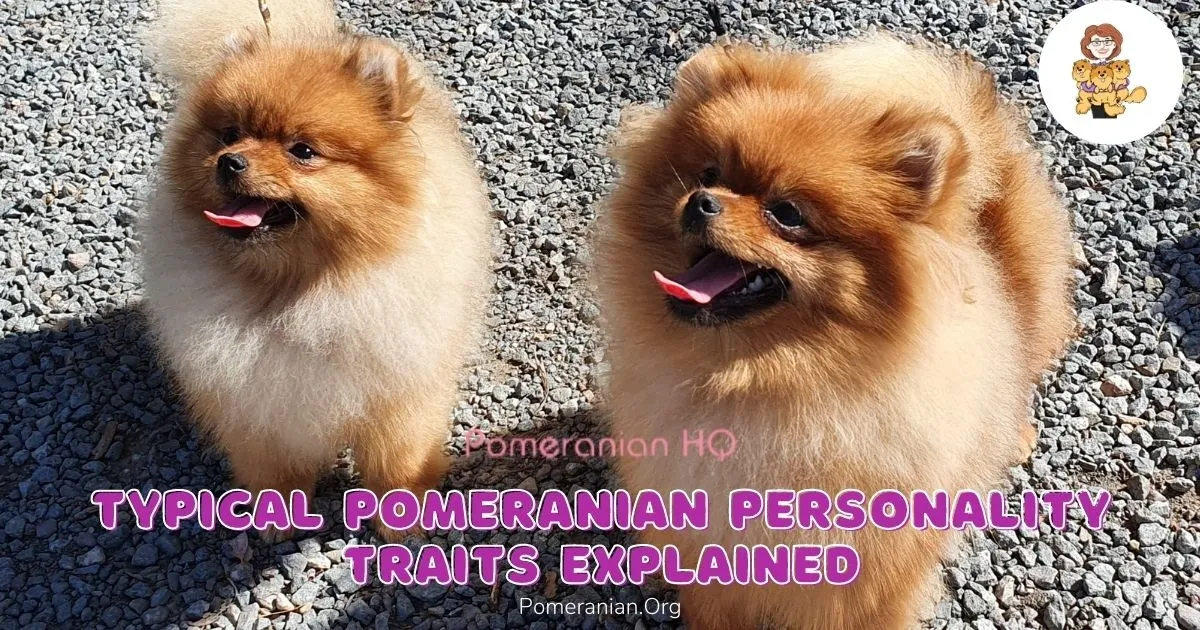
Image Source: Pomeranian.org
A Pomeranian’s personality is nowhere near what you’d expect from their fluffy exterior and tiny size. These small dogs have a unique mix of traits that made them popular companions throughout history.
Typical pomeranian temperament
Smart, perky, and friendly – these words perfectly describe a Pomeranian. These confident little dogs often forget how small they are and challenge much larger dogs. Their bold attitude comes from their Spitz heritage, which gives them a fierce independence despite being classified as toy dogs.
These energetic dogs need daily exercise, even if it’s just a quick walk around the block. You can train them easily thanks to their smarts, though they do have a stubborn side. As they get older, most Pomeranians happily settle into their role as lap dogs.
Pomeranians have sharp minds. They shine in canine activities like agility, rally, and obedience competitions. These clever little dogs pick up tricks and games quickly. Their bright personalities really show when they bond with their owners, and they usually pick one person as their favorite human.
Interaction with children and other pets
Pomeranians can be great family pets, but you need to think about a few things first. They get along well with kids, especially when they grow up together. In spite of that, these dogs aren’t as tough as bigger breeds because of their small size. So children must learn to handle these delicate dogs with care.
Homes with toddlers need extra care. Even well-behaved little ones might hurt a Pomeranian during normal play. These tiny dogs can easily get stepped on, squeezed too hard, or dropped by accident. That’s why many experts say Pomeranians fit better in homes with older kids who know how to handle them properly.
These dogs can live happily with other pets, both dogs and cats, especially when you socialize them early. They might act bossy or territorial at first, so you’ll need to watch them carefully during introductions. Once everyone knows their place, their playful nature makes them great companions for other pets.
Alertness and barking tendencies
A Pomeranian’s most notable trait is their alertness. Changes in their environment rarely go unnoticed, which makes them excellent watchdogs. Their natural alertness drives them to tell their owners about anything suspicious or unusual.
Pomeranians use different types of barks to communicate:
- Alert barks: Deep sounds, sometimes with growls, to warn about possible threats
- Attention-seeking barks: High-pitched repeated barks when they want to play, get pets, or need something
- Warning barks: Deep barks when they feel threatened and go into defense mode
- Distress barks: Special barks that show physical pain or emotional stress like separation anxiety
Their chatty nature can become an issue without good training. These dogs bark at anything unusual they hear or see. Regular exercise helps control excessive barking by burning off extra energy. Positive reinforcement works great to teach them when it’s okay to bark.
Elderly people find these alert little companions particularly valuable. Their combination of watchfulness and small size makes them perfect alarm dogs that don’t need much space or exercise. While they can’t guard your home due to their size, their sharp senses and loud barks make them fantastic at spotting unusual activity.
Health and Lifespan
Pomeranians may be tiny, but these dogs are tough and live longer than you might expect. While they enjoy better health and longer lives than many bigger breeds, they have specific health issues their owners should know about.
Average pomeranian life expectancy
Pomeranians live longer than most other dog breeds. The American Kennel Club reports that a typical Pomeranian lives 12 to 16 years. Small and toy breeds usually outlive larger dogs.
Research from different countries backs up these numbers. UK researchers found Pomeranians lived about 12.2 years on average. A Japanese study of pet cemetery records showed they lived around 14 years. This puts them just below the 15.3-year average for cross-breed dogs under 10 kg in Japan.
Female Pomeranians tend to live about 1.2 years longer than males. This gender gap in lifespan matches what we see in other dog breeds and humans too.
Common health issues in pomeranian dogs
These small dogs can develop several breed-specific health problems. Here’s what owners need to watch for:
Luxating Patella: This happens when the kneecap slips out of place. England’s Pomeranians have the highest rate of patellar luxation at 6.5%. U.S. Pomeranians are 18.6 times more likely to get this condition than mixed breeds. Dogs might limp, “skip,” or hold their leg at strange angles.
Tracheal Collapse: The windpipe’s supporting cartilage can weaken. Dogs make a distinctive honking or hacking cough. Pomeranians make up 6-16.7% of tracheal collapse cases in the US and 11.9% in South Korea. A harness works better than a collar to protect the windpipe.
Dental Problems: Small breeds like Pomeranians often get dental disease. Poor dental care leads to tooth loss, infections, and other health problems. By age two, 80% of all dogs have dental disease, and Pomeranians face higher risks.
Alopecia X: This “Black Skin Disease” causes hair loss and dark skin. Japanese clinics report that Pomeranians make up 79.3% of cases. The condition starts near the tail and back legs.
Hypoglycemia: This sudden blood sugar drop hits Pomeranian puppies hard. They become weak, lethargic, shaky, and might have seizures. Poor nutrition or too much activity often causes this.
These dogs can also develop hypothyroidism, eye problems like cataracts and distichiasis, and heart issues. Most Pomeranians reach their senior years between 8-11 years old.
Preventive care and regular checkups
Good health care helps Pomeranians live longer, better lives. Regular vet visits are vital:
- Puppyhood (0-1 year): See the vet every 3-4 weeks until 16 weeks, then every 6-12 months for shots, parasite control, and behavior help.
- Adulthood (1-6 years): Yearly checkups for vaccine boosters, dental care, and weight checks.
- Mature adulthood (7-9 years): Annual or twice-yearly visits to check senior health and joints.
- Senior years (10+ years): Checkups every six months for full exams, pain control, and cancer screening.
Your Pomeranian’s dental health needs daily attention. Brush their teeth, get professional cleanings, and give them dental chews. Watch their weight too – extra pounds can hurt their joints and cause other problems.
The Orthopedic Foundation for Animals (OFA) keeps health screening records public. Ask to see OFA results for a puppy’s parents before buying. Pick a good breeder who checks for genetic problems.
These dogs need proper food, exercise, and harnesses instead of collars to protect their throats. With good care and regular vet visits, your Pomeranian can have a long, healthy, happy life.
Grooming and Coat Maintenance
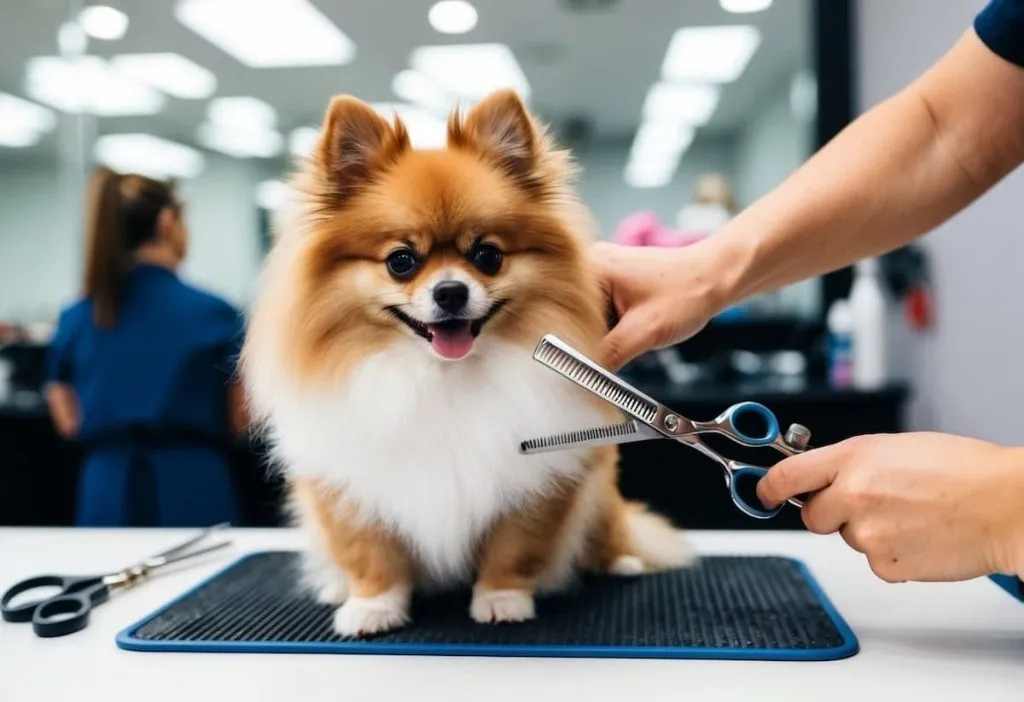
Image Source: Hound Therapy
A Pomeranian’s beautiful fluffy coat needs regular care to stay gorgeous. Their remarkable double-layered fur features a soft, dense undercoat covered by a longer, textured outer coat. These adorable dogs need constant attention to keep their coat healthy and beautiful.
Brushing and bathing routine
Regular brushing is the life-blood of proper Pomeranian coat maintenance. Your furry friend will just need thorough brushing 3-4 times per week to prevent tangles and minimize loose fur. During each brushing session, you should focus on spots where matting happens: behind the ears, under the legs, and around the neck.
The best brushing results come from a step-by-step approach. Start with a high-quality slicker brush to remove tangles. Use gentle strokes to protect your pet’s skin from irritation. A wide-toothed comb helps catch any remaining snags. This method reaches both coat layers and prevents mats from forming close to the skin.
Most Pomeranians do well with a bath every 3-4 weeks. Show dogs might need weekly baths. Remove all tangles before bathing because water makes existing mats tighter. The bath water should be lukewarm, and you should use a mild dog-specific shampoo. Keep the soap away from your pet’s eyes and ears. A good conditioner helps the coat stay soft and easy to manage. Here are some products experts recommend:
- Shampoo appropriate for Pomeranian’s coat type
- Conditioner to protect and soften fur
- Leave-in conditioner spray for between baths
Proper drying after a bath is vital. Don’t rub with a towel because it creates tangles. Instead, gently press and squeeze the coat. Your Pom needs to be completely dry – any moisture left in the undercoat can cause skin issues or bad smells.
Managing shedding seasons
Pomeranians shed a little throughout the year but experience heavier shedding or “coat blows” twice yearly, in spring and fall. They shed their thick undercoat to adjust to changing temperatures.
These high-shedding periods require daily brushing to prevent matting and control loose fur. The right tools make a big difference. A non-rotating undercoat rake works best during heavy shedding without hurting the coat structure.
Here’s what helps if your Pom sheds too much:
Good nutrition supports coat health. Foods rich in omega-3 and omega-6 fatty acids can improve the coat’s condition and might reduce shedding. De-shedding shampoos help loosen and remove excess fur during baths. Extra brushing during these times catches dead hair before it ends up all over your home.
Professional grooming tips
Your Pomeranian should visit a professional groomer every 4-6 weeks. These visits include bathing, trimming, deep brushing, plus ear and nail care. Professional grooming helps maintain coat texture and skin health between home care sessions.
One vital tip from pros: never shave a Pomeranian. Shaving ruins the coat’s natural balance and leads to permanent damage, frizzy regrowth, or patchy spots. It also removes their natural protection against hot and cold weather.
Try these expert tips between professional visits:
Work in layers instead of just brushing the surface – separate the fur and tackle each section to reach the undercoat. Clean your grooming tools often to remove dirt and oils. Use a proper dog dryer on cool settings after baths because human hair dryers run too hot.
Start training your Pomeranian early to enjoy grooming. Short sessions with treats and praise create positive associations. This approach helps your pet stay cooperative throughout its life.
Feeding and Nutrition
Good nutrition forms the foundation of your Pomeranian’s health and vitality. These tiny but energetic dogs need nutrient-dense meals that support their quick metabolism. Their dietary needs change as they grow older.
Recommended diet for pomeranian puppies and adults
Pomeranians do well with high-quality, protein-rich diets made for small breeds. Your pet needs food containing 10-25% fat and 22-32% protein. The higher protein content helps build and maintain muscles, which becomes vital during early growth stages.
Small breed formulas are perfect for Pomeranians because manufacturers design them with tiny jaws in mind. These foods pack more calories per gram and come in smaller kibble sizes that your Pomeranian can eat easily.
Your Pomeranian will thrive on food that includes:
- High-quality animal proteins (chicken, turkey, fish) as main ingredients
- Healthy fats with omega-3 and omega-6 fatty acids for coat health
- Limited digestible carbohydrates from wholesome sources
- Small kibble size that fits their tiny mouths
Most owners choose commercial dry kibble and add wet food for moisture and taste. Wet food helps with hydration and makes chewing easier for these small-jawed dogs.
You should know that dogs don’t need carbohydrates, especially refined ones. Premium Pomeranian foods often limit carb content since these small dogs get their energy from proteins and fats.
Feeding frequency and portion control
Your Pomeranian’s feeding schedule depends on age. Puppies under six months need constant access to food to avoid hypoglycemia. Eight-week-old puppies typically eat 1-2 heaped tablespoons of canned puppy food 3-4 times daily, plus dry food available all day.
Adult Pomeranians (1+ years) should eat twice daily for stable metabolism. This schedule prevents overeating while keeping energy levels steady. Senior Pomeranians (8-9+ years) keep the same schedule but often switch to senior-specific foods.
Watch portion sizes carefully. Adult Pomeranians need about 40-45 calories per pound of body weight each day. A 3-pound Pomeranian might eat ¾ to 1½ cups of food daily, split into two meals.
Here’s a handy feeding chart:
- 3-pound Pomeranians: ¾ to 1½ cups daily
- 5-pound Pomeranians: 1¼ to 2½ cups daily
- 7-pound Pomeranians: 1¾ to 3½ cups daily
Keep track of your dog’s weight because even small gains can harm their health. You’ll need to adjust portions based on activity level, metabolism, and body condition.
Supplements and special dietary needs
High-quality commercial food gives healthy Pomeranians all the nutrients they need. However, some situations might call for extra supplements.
Omega-3 fatty acids can improve your Pomeranian’s coat health, reduce inflammation, and help joint function. Older dogs benefit from joint supplements with glucosamine and chondrotin to stay mobile. These supplements repair cartilage and lubricate aging joints.
Probiotics help Pomeranians with sensitive digestion. These good bacteria balance gut flora and improve digestion and nutrient absorption.
Some Pomeranians need special diets. Dogs with food allergies often show skin problems instead of digestive issues. Puppies need careful feeding schedules because they risk hypoglycemia.
Talk to your vet before changing your Pomeranian’s diet or adding supplements. Their guidance will help you make the right choices for your pet’s specific needs.
Training and Socialization
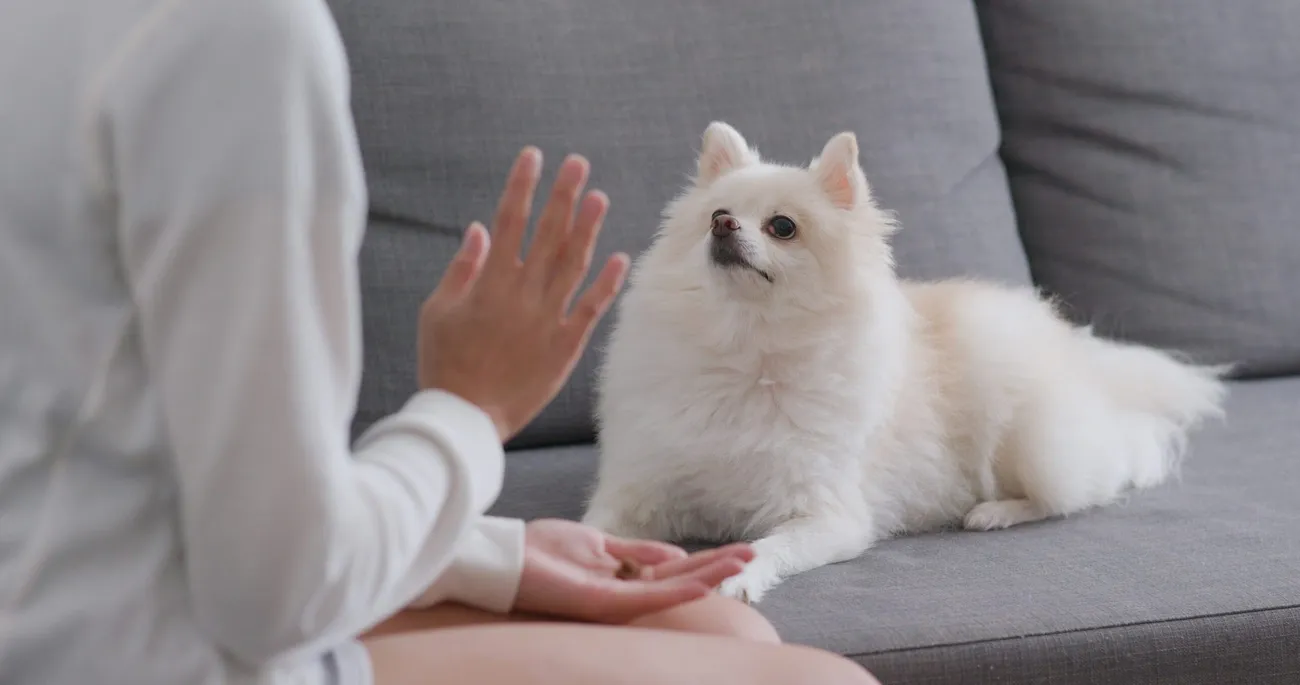
Image Source: Pommy Mommy
Pomeranians pack intelligence and spirit into their tiny bodies, making them quick learners during training. These bright dogs respond well to structured guidance that matches their unique personality.
Training techniques for toy pomeranian
A Pomeranian’s distinctive learning style needs special attention. These dogs learn best through short training sessions of 2-3 minutes because they grasp concepts quickly but have short attention spans. Positive reinforcement is the life-blood of successful Pomeranian training. Treats, praise, and affection work better than punishing mistakes.
The “clicker” method gives these dogs clear signals about their correct actions. Your Pomeranian needs consistency because they take commands at face value – “down,” “lie down,” and “get down” mean three different things to them.
These dogs can show their stubborn side during training. You’ll need patience to handle this trait. Stay calm and confident instead of raising your voice.
Importance of early socialization
A Pomeranian’s behavior throughout life depends on early socialization. The prime window for socialization runs from 3 to 14 weeks. During this time, puppies easily form positive connections with new experiences. Good exposure to different people, places, animals, and situations helps create a well-adjusted adult dog.
Good socialization helps prevent issues like too much barking, anxiety, or aggressive behavior. Your Pomeranian needs careful introductions to new situations. Let them meet friendly dogs their size, different types of people, and explore various environments safely.
New Pomeranian owners should watch for fear periods around 8-10 weeks, with another possible phase between 6-14 months. Bad experiences during these sensitive times can leave lasting marks, so introduce new things with extra care.
Fun activities and mental stimulation
Mental exercise often works better than physical activity to calm these smart dogs. A busy Pomeranian mind means less problem barking and destructive chewing.
Brain games your Pomeranian will love:
- Puzzle toys and treat-dispensing challenges
- Scent work activities like treat hunts and snuffle mats
- Hide-and-seek games with toys or people
- Short trick training sessions (spin, bow, wave)
These activities tap into their natural smarts and strengthen your bond. A mix of physical and mental exercise creates the perfect routine for these small but energetic companions.
History and Cultural Significance
The sort of thing I love about Pomeranians is their remarkable trip from working dogs to beloved pets. These tiny dogs have earned their spot in royal courts and entertainment, with a history that goes back hundreds of years.
Origin in Pomerania and German Spitz lineage
Pomeranians came from larger Arctic working dogs of the Spitz type, with artifacts depicting similar dogs dating back to 400 B.C.. The breed’s name comes from Pomerania—a region bordering Poland, Germany, and the Baltic Sea. These dogs were much bigger in this coastal area and weighed between 30-50 pounds. They pulled sleds, guarded livestock, and protected homes. James Boswell’s diary first mentioned the breed in 1764, talking about “a Pomeranian dog named Pomer”. People called these dogs by different names like Wolf Spitz, Lion Spitz, and Bear Spitz during their early days.
Royal influence and Queen Victoria’s role
Royal support changed everything for these dogs. Queen Charlotte brought her white Pomeranians Phoebe and Mercury to England in 1761 when she married King George III. Queen Victoria reshaped the scene after she got a small sable Pomeranian named Marco from Florence, Italy in 1888. Marco weighed just 12 pounds and sparked a trend toward breeding smaller dogs. Victoria loved her Pomeranians so much that she kept 35 dogs in her royal kennels. She bred and showed her dogs, and first displayed them at Crufts in 1891. The breed’s size dropped by half during her lifetime. When Victoria was dying in January 1901, she asked for her favorite Pomeranian, Turi, to comfort her.
Pomeranian in pop culture and media
Pomeranians caught the eye of many creative people. Mozart wrote an aria for his Pomeranian Pimperl, and Michelangelo reportedly had one nearby while painting the Sistine Chapel. Beatrix Potter featured a black Pomeranian called Duchess in “The Pie and the Patty Pan”. These dogs appeared in movies like “Titanic,” “Dumb and Dumber,” and “The Secret Life of Pets”. TV shows also loved them – a Pomeranian named Lestat played Mr. Muggles in “Heroes,” and they showed up in “The Nanny” too. The American Kennel Club officially recognized the breed in 1900, showing just how popular they had become.
Buying or Adopting a Pomeranian

Image Source: Facebook
Bringing a Pomeranian home needs careful thought about costs and where to find your new companion.
Pomeranian dog price in India and globally
A Pomeranian in India costs between ₹5,000 and ₹75,000. The price varies based on breed quality, pedigree, and where you live. Major cities have higher price tags. Mumbai’s prices range from ₹15,000 to ₹75,000, while Delhi sees prices between ₹18,000 and ₹60,000. Bangalore’s market follows similar trends at ₹15,000 to ₹60,000. White Pomeranians are rare and command premium prices from ₹30,000 to ₹80,000.
Teacup pomeranian vs standard pomeranian
Many people don’t realize that teacup Pomeranians are just smaller versions of the standard breed, usually weighing about three pounds. These tiny dogs cost between ₹50,000 and ₹1,50,000. The smaller size comes with risks. These dogs often face health challenges like heart defects, hypoglycemia, seizures, and breathing problems. Their delicate bones break easily, so they need extra care.
Tips for choosing a responsible breeder
Good breeders put their dogs’ health before profits. The best way to find the right breeder is to visit their facility and see how they care for their dogs. Ask for vaccination records and health certificates. Stay away from puppy mills, pet shops, and sketchy online sellers. Reliable breeders use contracts with return clauses and talk openly about both the good points and challenges of owning a Pomeranian.
Conclusion
Pomeranians are the perfect mix of personality and portability. These fluffy companions pack tons of character into their tiny frames. They offer loyal companionship and show off their fox-like looks. Pomeranians might be small, but they’ve got amazing confidence and smarts. They often act like they’re much bigger dogs. Their alert nature makes them great watchdogs, and they form strong bonds with their human families.
Small as they are, Pomeranians just need a lot of dedication when it comes to grooming, training, and health care. You’ll need to brush them regularly to stop their luxurious double coats from matting, especially when they’re shedding. On top of that, these energetic pups need both physical exercise and mental stimulation to stay well-behaved. Anyone thinking of getting a Pomeranian should definitely keep these needs in mind.
The breed’s royal background and unique looks have made them popular throughout history. Queen Victoria played a huge role in creating the modern Pomeranian we know today. She helped change them from bigger working dogs into the tiny companions we see now. This fascinating history makes them even more appealing to dog lovers worldwide.
People who want a Pomeranian should do their homework about good breeders or look into adoption. The price can change substantially based on pedigree, color, and where you live. The cost goes way beyond the original purchase. Notwithstanding that, people who bring these spirited dogs home usually find the joy they bring is worth all the responsibility.
These little dogs give you about 12-16 years of devoted companionship. They bring happiness, entertainment, and love to anyone who appreciates their special mix of confidence, smarts, and charm. Their unique looks might catch your eye first, but their loyal and lively personalities will steal your heart forever.
Key Takeaways
Understanding these essential Pomeranian insights will help you make informed decisions about this beloved toy breed and provide optimal care for your fluffy companion.
• Pomeranians are tiny but mighty dogs weighing 3-7 pounds with 12-16 year lifespans, requiring daily grooming and mental stimulation despite their small size.
• These intelligent dogs excel in training through positive reinforcement and short 2-3 minute sessions, but need early socialization to prevent behavioral issues.
• Common health concerns include luxating patella, tracheal collapse, and dental disease—regular vet checkups and preventive care are essential for longevity.
• Their double coat requires brushing 3-4 times weekly and professional grooming every 4-6 weeks; never shave a Pomeranian as it damages coat permanently.
• Expect to invest ₹5,000-₹75,000 in India for a quality Pomeranian from reputable breeders who provide health certifications and transparent breeding practices.
While Pomeranians make wonderful companions, their care requirements and potential health issues demand committed owners who understand the breed’s specific needs. Their royal heritage and confident personalities continue to make them one of the most beloved toy breeds worldwide.
FAQs
Q1. What makes Pomeranians unique as pets? Pomeranians are known for their vibrant personalities packed into a small package. They are intelligent, energetic, and bold dogs that love attention. Their fluffy double coat and fox-like appearance make them visually striking, while their alert nature makes them excellent watchdogs despite their tiny size.
Q2. Are Pomeranians suitable for families with children? Pomeranians can be good family dogs, but caution is needed with young children. Their small size makes them fragile, so they’re better suited for families with older children who understand how to handle them gently. Proper socialization and supervision are key to ensuring positive interactions between Pomeranians and kids.
Q3. What kind of temperament do Pomeranians typically have? Pomeranians are known for their lively and confident personalities. They are often described as feisty, curious, and playful. Despite their small size, they can be quite bold and may not hesitate to confront larger dogs. They’re also intelligent and respond well to training, though they can have an independent streak.
Q4. How much grooming do Pomeranians require? Pomeranians need regular grooming to maintain their luxurious double coat. They should be brushed 3-4 times a week to prevent matting and tangles, with more frequent brushing during shedding seasons. Professional grooming every 4-6 weeks is recommended, along with regular baths, nail trims, and dental care.
Q5. What are some common health concerns for Pomeranians? While generally healthy, Pomeranians can be prone to certain health issues. These include luxating patella (kneecap dislocation), tracheal collapse, dental problems, and a condition called Alopecia X that causes hair loss. Regular veterinary check-ups, proper nutrition, and maintaining a healthy weight are important for preventing and managing these potential health concerns.