
Miniature Schnauzer
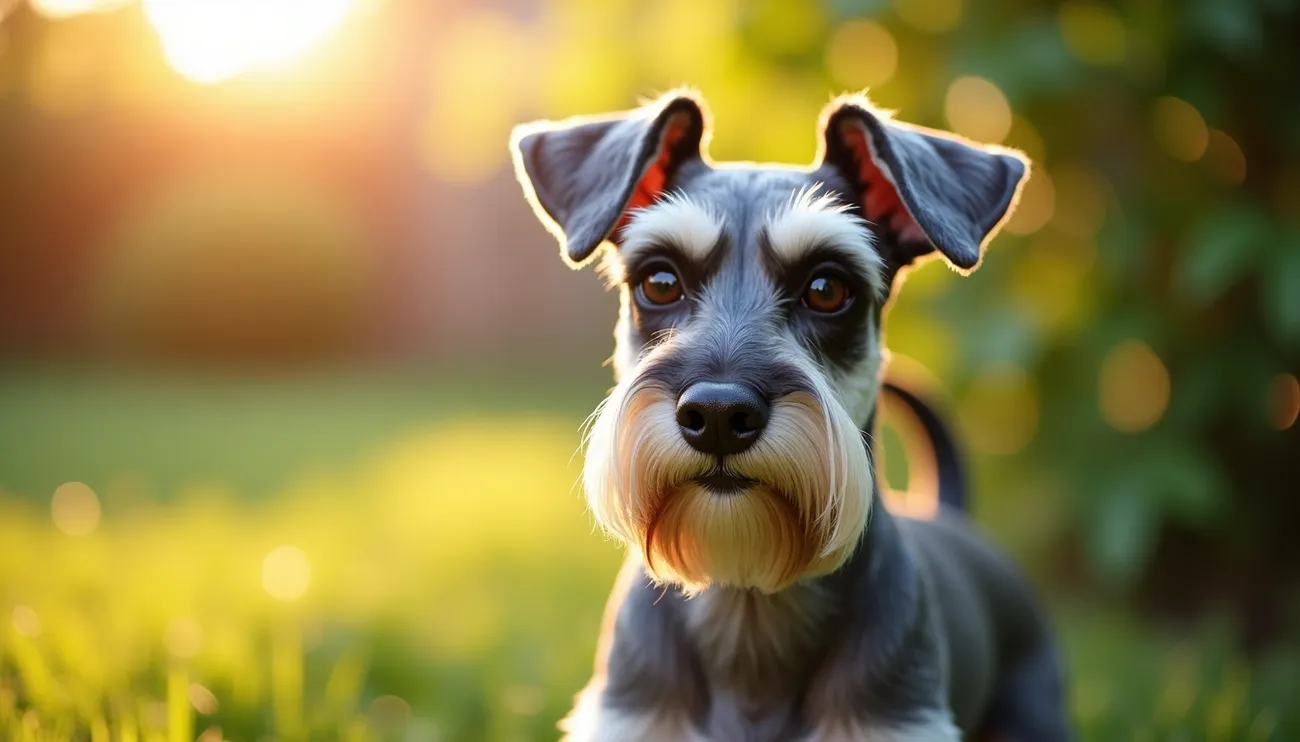 Miniature Schnauzers blend their iconic bearded looks with a playful spirit that makes them special German dogs. These small breeds emerged in Germany during the late nineteenth century when breeders scaled down Standard Schnauzers to create them. A black female named Findel made history as the first recorded Miniature Schnauzer in 1888.
These compact dogs pack a lot of personality into their small frame. They stand 30-36 cm tall and weigh between 5.4-9.1 kg. Most of them live 12-15 years, bringing joy to their families for quite a while. Dog lovers can choose from four international color variations: solid black, black and silver, salt and pepper, and white. These little companions have won many hearts and now rank as the 17th most popular dog breed in the United States as of 2022.
A Miniature Schnauzer’s double coat needs regular care, but these dogs shed very little – good news for allergy sufferers. Still, no dog is completely hypoallergenic. These spirited and loving pets have come a long way from their farming roots. They’ve transformed into perfect family companions that need specific care, from grooming routines to proper diet.
History and origin of the Miniature Schnauzer
The Schnauzer’s story goes back to 15th century Germany. Artists captured these distinctive dogs in their work as early as 1492. Albrecht Dürer featured a Schnauzer in his watercolor “Madonna with Many Animals.” The dog also appeared in a mixture of artwork called “The Crown of Thorns” from 1501.
From farm dog to family pet
Standard Schnauzers started as hardworking dogs on German farms. These medium-sized dogs excelled at many tasks. They herded sheep and cattle, protected property, pulled produce-laden carts to market, and stood out for their rodent-hunting skills. German Schnauzer Clubs valued these skills so much that they held “ratting” trials. These trials helped the breed keep its working abilities instead of just focusing on looks.
Late 19th century farmers needed a smaller version of this versatile farm dog. They wanted a dog that could hunt rats, voles, and other small rodents both inside homes and barns. This practical need sparked the development of today’s Miniature Schnauzer—a compact version that kept its larger relative’s work ethic and distinctive looks.
The breed’s rise from farm worker to family companion happened naturally. People first valued these dogs for their practical skills. Their intelligence, loyalty, and unique appearance soon made them beloved pets and show dogs.
Breeds involved in its development
Dog historians debate the Miniature Schnauzer’s exact ancestry. The miniaturization process involved more than just breeding smaller Standard Schnauzers. Several small breeds helped create the Miniature Schnauzer. Most reliable sources point to crosses with:
Affenpinschers
Miniature Poodles
Miniature Pinschers
Other possible contributors include:
Pomeranians
Fox Terriers
Scottish Terriers
The first documented Miniature Schnauzer was a black female named Findel. She was born in 1888, and Herr Max Hartenstein of Germany’s Plavia Kennels owned her. Seven other females joined the registry around that time, though few looked like today’s Miniature Schnauzers.
First breed recognition and popularity rise
Germany formed the Pinscher-Schnauzer Klub in 1895. The club registered Standard Schnauzers, Miniature Schnauzers, German Pinschers, and Miniature Pinschers together. The breed’s name has an interesting story—it comes from a dog that won a prize at the 1879 International Show in Hanover. “Schnauze” refers to the breed’s signature bearded muzzle.
Miniature Schnauzers got their first dedicated show in 1899. The Bavarian Schnauzer Club started in Munich in 1901. It later joined with the Pinscher Club in 1918 to become the Pinscher-Schnauzer Club.
W. Goff brought the first two Miniature Schnauzers to America in 1923. These dogs didn’t produce enough puppies to establish the breed. Success came the next year when Mrs. Marie E. Slattery imported four Miniature Schnauzers from German breeder Herr R. Krappatsch. Slattery’s Marienhof Kennels produced America’s first Miniature Schnauzer puppies in 1925. The next decade saw 108 more Miniature Schnauzers arrive in the United States.
The American Kennel Club officially welcomed the breed in 1926. People first saw Miniature and Standard Schnauzers as versions of the same breed. The Miniature was known as the “Wirehaired Pinscher”. The American Miniature Schnauzer Club formed in 1933, breaking away from the parent club that included Standard Schnauzers.
The breed’s popularity took off in America after World War II. The Miniature Schnauzer reached third place among all breeds at its peak. By 2016, it held the 17th spot in popularity rankings.
Physical characteristics and size
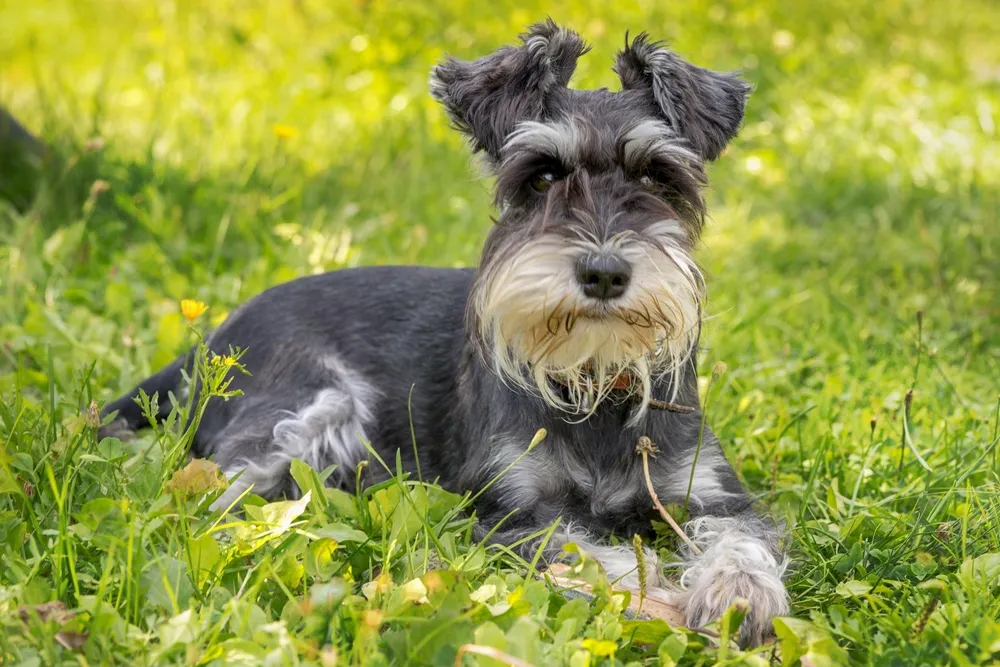
Image Source: Petland Texas
Miniature Schnauzers catch everyone’s eye with their square build and unique facial features. These reliable little dogs pack a sturdy appearance that sets them apart from other small breeds. Their body proportions show their working dog background while highlighting their signature bearded look.
Miniature schnauzer size and weight range
Miniature Schnauzers reach 12-14 inches (30-36 cm) in height at the shoulder (withers). Their weight falls between 10-20 pounds (4.5-9.1 kg), with males usually weighing a bit more than females.
These dogs reach their full height by 10-12 months. They keep building muscle and filling out until they’re 12-18 months old. A puppy weighs about 2-3 pounds by one month and reaches adult weight around their first birthday.
The breed’s balanced proportions create their signature square silhouette. Their front legs look straight and firm, ending in compact “cat feet” with thick black pads – a feature that made them great working dogs.
Distinctive features: beard, eyebrows, and coat
The Miniature Schnauzer’s bushy beard, bold eyebrows, and facial furnishings are their trademark features. These aren’t just for show – they’re key parts of the breed standard and tie back to their German name. “Schnauzer” comes from “schnauze,” which means muzzle or snout in German – a nod to their bearded look.
Their rectangular head should be clean-sided to keep that brick-like shape with the beard. Dark oval eyes and V-shaped ears that fold forward create their signature expression. Some countries allow cropped ears that stand up.
These dogs have a special double coat. A wiry, harsh topcoat protects a softer undercoat beneath. Regular grooming keeps this coat looking sharp, and it barely sheds. Show dogs need hand-stripping instead of clipping to remove dead hair.
Recognized coat colors including black and white
The American Kennel Club accepts three coat colors: salt and pepper, black and silver, and solid black.
Salt and pepper is the classic Schnauzer look. The coat has banded hairs that create a “peppering” effect with black and white pigment bands. Light gray or silver-white marks show up on their eyebrows, beard, legs, and throat.
Black and silver dogs are mostly black with silver marks in specific spots: eyebrows, cheeks, beard, throat, two chest triangles, lower legs and paws, leg insides, and under the tail.
Solid black Schnauzers have rich black color everywhere, including their undercoat. Sometimes they might have a tiny white chest patch.
The Fédération Cynologique Internationale (FCI) also accepts pure white as a standard color. Other colors like liver, parti-color, and merle exist but aren’t allowed in shows and usually come from mixed breeding.
Miniature Schnauzers blend form and function beautifully. Their size, build, and weather-tough coat reflect their farming background. Those expressive faces have helped make them beloved companions today.
Understanding the Miniature Schnauzer temperament
A bearded face of a Miniature Schnauzer hides a personality full of character and charm. These small but confident companions rank among America’s top 20 most popular dog breeds. They bring a unique mix of intelligence, affection, and spunk to families worldwide.
Understanding the Miniature Schnauzer temperament
Alert and spirited personality
The American Kennel Club describes Miniature Schnauzers as “alert and spirited, yet obedient to command… friendly, intelligent and willing to please… never overaggressive or timid”. Their intelligence stands out among other breeds. Canine expert Stanley Coren ranked them 12th out of 140 breeds in his book The Intelligence of Dogs. He placed them in the “excellent working dogs” category because of their impressive cognitive abilities.
These dogs differ from many British terriers. They show a more relaxed, obedient, and friendly temperament with less aggression toward other dogs. You’ll find them exceptionally trainable. They pick up commands and tricks quickly. Their eagerness to please and high intelligence helps them excel in various activities including:
Agility trials
Obedience competitions
Flyball
Tracking events
The Miniature Schnauzer’s outgoing and affectionate nature sets them apart. These social butterflies build strong bonds with their families. They love following their owners around the house and seek companionship throughout the day. Their natural curiosity and energy make them lively household members who thrive on mental stimulation and family time.
Compatibility with children and other pets
These dogs fit perfectly into family settings. They build wonderful relationships with children, especially when socialized properly. Their playful nature makes them great playmates. They have enough energy to keep up with kids while being smart enough to play gently with younger ones.
Early socialization plays a key role in spite of their friendly nature. Miniature Schnauzers can be sensitive to sudden unfamiliar actions. Kids should learn proper pet handling to avoid misunderstandings. These dogs sometimes show human-like traits. They might feel jealous of babies and toddlers if they think their family position is at risk.
Most Miniature Schnauzers get along well with other dogs if introduced early. Small animals like rabbits or hamsters need careful consideration due to the breed’s ratting history. Their strong prey drive might make them chase small creatures. Multi-pet households need proper introductions and supervision.
Watchdog instincts and barking tendencies
The Miniature Schnauzer’s exceptional watchdog skills define their character. These small dogs show natural alertness that makes them excellent guardians. Stanley Coren’s experts placed them fifth among top 15 breeds for watchdog barking ability.
They have strong territorial instincts. You’ll notice them barking at strange sounds, sights, or approaching strangers. This behavior shows their protective nature—they want to keep their family and territory safe. People often say they’re “more bark than bite.” They focus on alerting rather than showing aggression.
New owners should understand their barking habits. Common triggers include:
Doorbells or knocking
Passing strangers or vehicles
Unfamiliar animals near the property
Separation anxiety when alone
Early training helps manage these behaviors. Teaching “quiet” commands helps control excessive barking. Regular mental stimulation and exercise reduce boredom-related noise.
The Miniature Schnauzer combines intelligence, affection, and protective instincts perfectly. They’re ideal for anyone wanting a small dog with a big personality—one that balances independence with family devotion.
Grooming needs and coat care
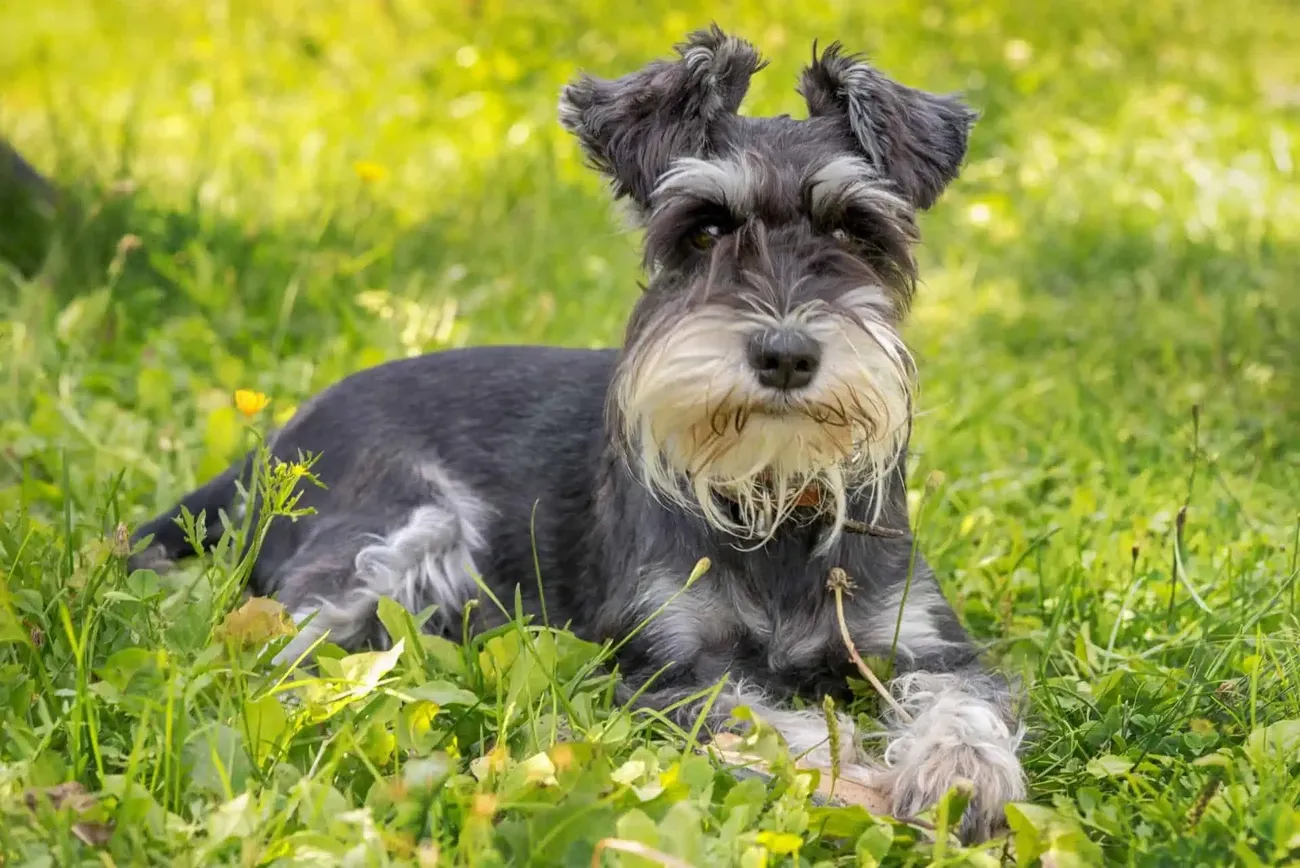
Image Source: Burgess Pet Care
Miniature Schnauzers have a distinctive double coat that needs regular care to look good and stay healthy. Good grooming helps these dogs stay comfortable and maintains their signature appearance.
Stripping vs. clipping: what’s the difference?
Miniature Schnauzers have a double coat consisting of a wiry, harsh topcoat and a soft undercoat. Their unique coat structure gives owners two main grooming options: hand stripping and clipping.
Hand stripping pulls dead hair out from the follicle. This old-school technique makes the coat grow back coarser and brighter with richer color. Show dogs often get this treatment because it keeps their coat’s natural texture and weather resistance.
Clipping cuts the hair to length with dog grooming clippers. This approach offers several benefits:
Takes less time
Costs less for pet owners
Makes dogs more comfortable
Needs less maintenance between sessions
The downside? Clipping changes the coat texture permanently. “Shaving breeds with a wired coat can cause the hair to grow back much softer and take on a cotton-like appearance”. The coat also looks more faded over time because clipping removes the pigmented hair ends.
Pet owners usually pick clipping because it’s easier, while show dog handlers stick to hand stripping to keep that classic harsh coat.
How often to groom a Miniature Schnauzer
Regular brushing prevents matting in the double coat. Puppies need daily brushing between 12-15 months when their adult coat comes in. After that, brushing every other day works well.
Dogs that get clipped need professional grooming every 6-8 weeks. Hand-stripped Schnauzers can wait 2-3 months between sessions since this method helps the coat grow properly.
These dogs should get a bath every 4-6 weeks based on their activity and coat condition. Too much bathing strips natural oils and irritates their skin. It’s worth mentioning that Schnauzers need gentle, dog-specific shampoo because their skin can be sensitive.
Beard and eye area maintenance
The signature beard and eyebrows need extra care to keep their distinctive look. Food, water, and outdoor debris collect in these areas more than anywhere else.
Clean the beard daily to prevent stains and smells, especially if your dog eats wet food. Baby wipes or damp cloths work great for quick cleanups between baths. White or light-colored beards might need whitening shampoo to stay bright.
Here’s how to shape those classic eyebrows:
Comb the eyebrows and beard forward
Scissor diagonally from the nose bridge toward the outside corner of the eye
Cut an inverted V-shape between the eyes to make eyebrows more distinctive
Lift a thumb’s width of beard hair and clip underneath while keeping enough for the classic look
Never shave the facial area completely. “The hair on the top of the muzzle can be parted and combed downwards”. Some owners prefer a narrow shaved strip up the muzzle for easier care.
Keep the eye area trimmed to prevent irritation from stray hairs. Careful trimming around the eyes keeps debris away while maintaining your dog’s expressive look.
Regular grooming sessions give you a chance to check for skin problems, parasites, or other issues you might miss otherwise.
Exercise and activity requirements
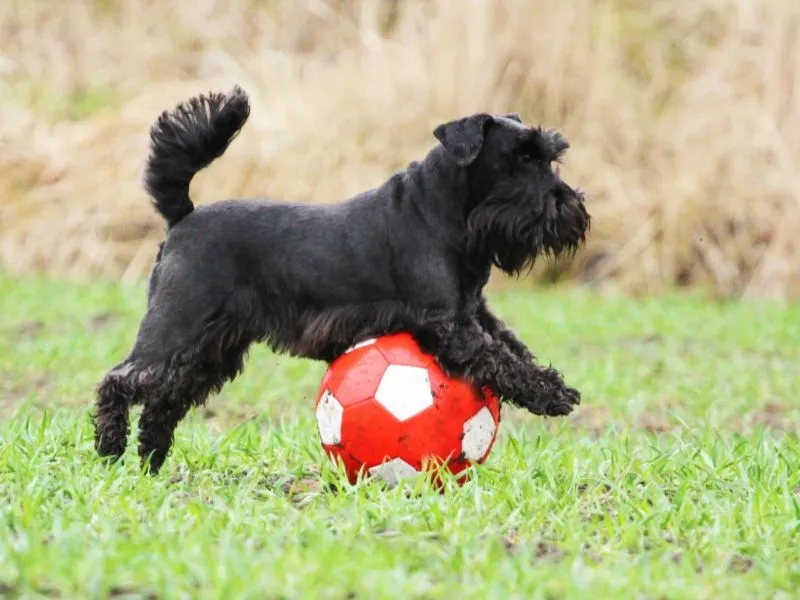
Image Source: Holistapet
Miniature Schnauzers burst with energy and smarts. These lively dogs need the right mix of physical and mental exercise to stay happy and healthy. Their farm-working background still shows in their personality, which makes regular activity a vital part of their daily routine.
Daily walk and playtime needs
A Miniature Schnauzer needs about 30-60 minutes of exercise each day to stay healthy. This comes from their history – generations of farm work have shaped them into naturally active companions. Their exercise should include:
Daily walks that let them explore their world
Fun games like fetch, tug-of-war, or chasing balls
Time to run freely in secure areas
Swimming, which works great for older dogs’ joints
As these dogs get older, their exercise needs change. Many slow down around age 8 and do better with shorter walks. Puppies should get 5-10 minutes of exercise per month of age throughout the day. This helps protect their developing joints.
Mental stimulation through games and training
Mental exercise can tire a Miniature Schnauzer more than physical activity. These smart dogs need brain games to stay out of trouble and avoid boredom.
Good ways to keep their minds busy include:
Puzzle toys and treat dispensers that make them think
Games where they search for hidden treats around the house
Learning new tricks and obedience training
Activities that use their excellent sense of smell
Training helps develop their memory and problem-solving skills while strengthening your bond. Short 5-10 minute sessions several times a day work better than longer, less frequent ones.
Indoor vs. outdoor activity balance
Miniature Schnauzers fit well in homes of all sizes, from city apartments to sprawling farms. They thrive with a good mix of indoor and outdoor activities.
These dogs love exploring different environments outdoors. New walking routes keep things interesting and provide fresh experiences. Their strong prey drive means they should stay leashed or in fenced areas to prevent chasing small animals.
Bad weather doesn’t mean no exercise. Indoor activities can keep them active and engaged:
Running up and down stairs
Playing hide-and-seek
Navigating homemade obstacle courses
Gentle games of tug-of-war and fetch with soft toys
Regular exercise schedules help these dogs develop good habits, but mixing up activities keeps things fun. Physical exercise plus mental challenges proves what many owners say: “A tired Schnauzer is a happy Schnauzer”.
Common health issues in Miniature Schnauzers
Image Source: Dogster
Miniature Schnauzers live 12-15 years and stay healthy, but they face certain health conditions that owners need to know about. Understanding these problems helps owners spot and manage them early.
Pancreatitis and high cholesterol
These dogs have a genetic tendency toward pancreatitis. Studies show they develop it 4.51 times more often than other breeds. This condition inflames the pancreas and causes digestive enzymes to activate inside the organ instead of the intestines where they belong.
Dogs with pancreatitis show these signs:
Their energy drops and their belly hurts
They throw up and stop eating
They get dehydrated and might collapse
Severe pancreatitis can send dogs into shock, which becomes deadly without quick treatment. Treatment ranges from simple anti-nausea pills at home to hospital stays with IV fluids.
About one-third of Miniature Schnauzers develop hyperlipidemia (high blood fat). This inherited condition gets worse with age. Dogs with triglyceride levels above 862 mg/dL are 4.5 times more likely to get pancreatitis. Vets treat this with special low-fat diets, supplements, or medicine based on how serious it is.
Eye conditions like cataracts
Cataracts rank among the most frequent eye problems these dogs face. The lens becomes cloudy, which reduces vision and sometimes leads to blindness. Dogs can develop this inherited condition from birth until they’re six years old.
Vets call cataracts present at birth Congenital Juvenile Cataracts (CJC). Surgery often helps remove cataracts and brings back vision. These dogs should see a veterinary eye specialist regularly because they might develop progressive retinal atrophy and dry eye too.
Skin issues and Schnauzer comedo syndrome
Schnauzer Comedo Syndrome sets this breed apart. People often call these “Schnauzer bumps”. This skin problem shows up as blackheads or wart-like bumps mostly on the dog’s back. Hair follicles get clogged with keratin and oils to form these comedones.
The condition doesn’t harm the dog’s overall health but can make some dogs uncomfortable. Though there’s no cure, owners can manage it well through:
Using special antiseborrheic or benzoyl peroxide shampoos
Cleaning with vet-approved antiseptic solutions
Keeping affected areas’ hair short
Vets might prescribe antibiotics if bacteria infect the bumps. Some dogs benefit from vitamin A supplements when their vet recommends them.
Feeding and nutrition guide
Nutrition is the life-blood of health for Miniature Schnauzers. These dogs have specific dietary needs that affect their wellbeing. Their small but sturdy frame and certain health conditions make proper feeding a top priority.
Best dog food for Miniature Schnauzer
Quality commercial dog food with fat content between 10-15% helps Miniature Schnauzers thrive, according to the American Miniature Schnauzer Club. Your dog needs balanced nutrition with the right mix of protein, healthy fats, fiber, vitamins, and minerals that meet AAFCO (Association of American Feed Control Officials) standards.
Your food choice should include:
Real animal proteins (chicken, fish, lamb) listed first
Balanced fat levels that won’t upset their stomach
Small kibble sizes that fit their mouth
Royal Canin Miniature Schnauzer Adult dry food and similar breed-specific options support these dogs’ unique needs. These foods include skin-nourishing EPA, DHA, and vitamin A. The kibble shape works perfectly with the Schnauzer’s moderately blunt muzzle and scissor bite.
Feeding schedule and portion control
Adult Miniature Schnauzers do best with two meals daily. Puppies need more frequent meals – four times daily until 3 months old, then three times daily until their first birthday. This schedule helps their developing digestive systems and meets their energy requirements.
An adult Miniature Schnauzer between 5-9 kg needs about 370-600 calories each day. Package feeding guides offer a starting point but often suggest too much food. You should measure portions with a proper measuring cup instead of guessing.
Regular weight checks tell you if portions are right. You should feel your dog’s ribs easily. Visible ribs mean more food is needed, while hidden ribs suggest cutting back portions.
Avoiding obesity and related health risks
These dogs love their food and have mastered the art of begging with irresistible “puppy-dog eyes”. Extra weight can lead to joint problems, diabetes, pancreatitis, and heart disease.
Keep your dog at a healthy weight by:
Standing firm against begging
Keeping treats under 10% of daily calories
Using healthy snacks like baby carrots or green beans
Setting fixed meal times instead of leaving food out
Making exercise part of their daily routine
Their tendency toward hyperlipidemia and pancreatitis makes diet control vital. Prevention works better than treatment. If your Miniature Schnauzer needs to lose weight, aim for a gradual reduction of 1-2% body weight weekly.
Training and behavior management
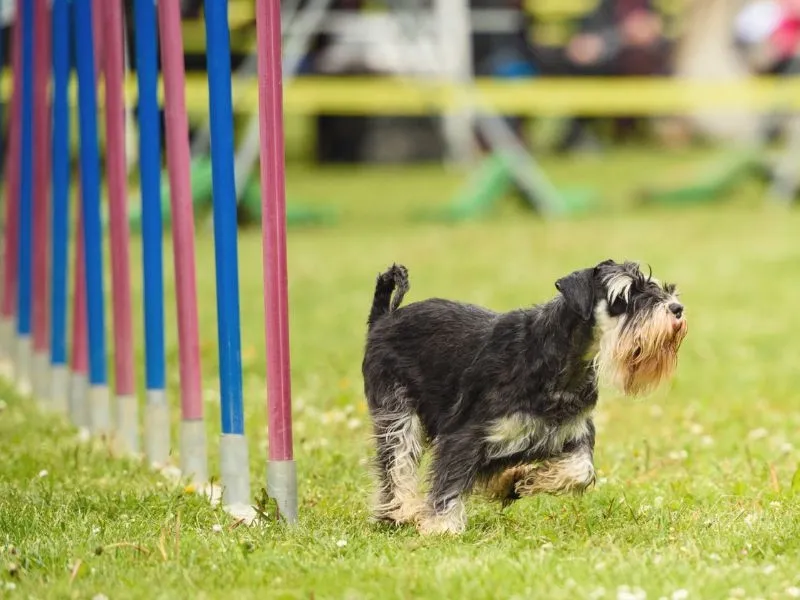
Image Source: Holistapet
Miniature Schnauzers learn fast and show remarkable intelligence. They thrive with structured training that channels their natural abilities into good behaviors. A thoughtful approach helps create a well-mannered companion without dampening their lively spirit.
Early socialization and obedience
The critical period between 3 and 14 weeks shapes a Miniature Schnauzer’s development significantly. Puppies need gradual exposure to different people, animals, and environments to build confidence. These smart dogs pick up commands quickly but can lose focus easily. Their attention span works best with short training sessions of 5 to 10 minutes.
Simple obedience commands like “sit,” “stay,” “down,” and “come” are the foundations for advanced training. These dogs respond best to positive reinforcement and may resist harsh training methods. You should establish leadership early and stay consistent with rules and boundaries.
Fun activities like agility and barn hunt
Miniature Schnauzers shine in performance sports that test both mind and body. Their enthusiasm and smarts help them overcome their shorter legs in agility competitions. Natural athletic ability makes them quick studies on equipment and courses.
Barn Hunt fits perfectly with their ratter heritage. Dogs search for rats safely contained in aerated tubes hidden throughout straw mazes. This sport lets them use their hunting instincts and keeps their minds sharp.
Managing barking and prey drive
These natural watchdogs often bark at new sights and sounds. The “quiet” command helps control excessive barking. A calm “quiet” command followed by immediate rewards once they stop barking works effectively.
A strong prey drive needs proper direction rather than suppression. Structured activities like flirt pole exercises, fetch games, or scent work provide excellent outlets. These activities satisfy their hunting instincts while you retain control.
Conclusion
Miniature Schnauzers are definitely special – they blend charm, intelligence, and adaptability in a way that makes them such popular family pets. Their transformation from German farm workers to cherished companions shows how well they adapt to different homes. These bearded little dogs bring their own special mix to any family – they’re watchful, full of energy, and deeply devoted to their people.
Anyone looking to bring one home should think over what these spirited dogs really need. Their unique double coat needs regular care, and you’ll either need a groomer or learn to do it yourself. On top of that, these smart dogs just need both physical exercise and mental challenges to avoid problems like too much barking.
Smart pet parents keep an eye on breed-specific health issues like pancreatitis, hyperlipidemia, and eye conditions. A low-fat diet and good weight control reduce these risks by a lot and help these dogs live longer. With a lifespan of 12-15 years, there’s plenty of time to build deep connections with these wonderful pets.
These dogs do best with people who value their protective nature while guiding these instincts through good training and social skills. They’re amazingly adaptable and excel at everything from simple obedience to fun sports like agility or barn hunt. Families ready to handle the grooming, exercise, and special diet will find a loyal, energetic friend with a personality and look that’s truly one of a kind in the dog world.
Key Takeaways
Miniature Schnauzers are intelligent, spirited German dogs that make excellent family companions when their specific needs are understood and met.
• Size and Lifespan: These compact dogs stand 12-14 inches tall, weigh 10-20 pounds, and live 12-15 years with proper care.
• High Grooming Needs: Their distinctive double coat requires professional grooming every 6-8 weeks and daily brushing to prevent matting.
• Exercise Requirements: Need 30-60 minutes of daily exercise plus mental stimulation to prevent boredom and behavioral issues.
• Health Vigilance: Prone to pancreatitis and hyperlipidemia, requiring low-fat diets (10-15% fat content) and weight management.
• Training Success: Highly intelligent (ranked 12th smartest breed) but respond best to short, positive training sessions due to distractibility.
• Natural Watchdogs: Excellent alert dogs with strong barking tendencies that require early training to manage excessive vocalization.
These bearded companions excel when owners commit to their grooming, exercise, and dietary needs while channeling their intelligence through consistent training and mental challenges.
FAQs
Q1. How much exercise does a Miniature Schnauzer need daily? Miniature Schnauzers typically require 30-60 minutes of exercise daily. This can include brisk walks, interactive games like fetch, and off-leash playtime in secure areas. Mental stimulation through puzzle toys and training is also important to keep them happy and healthy.
Q2. Are Miniature Schnauzers good with children and other pets? Yes, Miniature Schnauzers are generally excellent with children and get along well with other dogs when properly socialized. However, due to their strong prey drive, they may chase smaller pets like rabbits or hamsters. Early socialization and proper introductions are key to ensuring good relationships with all family members.
Q3. How often should a Miniature Schnauzer be groomed? Miniature Schnauzers require regular grooming to maintain their distinctive coat. They should be brushed every other day to prevent matting, and professionally groomed every 6-8 weeks if clipped, or every 2-3 months if hand-stripped. Their beard and eye areas need special attention to prevent staining and irritation.
Q4. What are some common health issues in Miniature Schnauzers? Common health concerns for Miniature Schnauzers include pancreatitis, hyperlipidemia (high blood fat), cataracts, and Schnauzer Comedo Syndrome (skin bumps). They’re also prone to obesity, which can exacerbate these issues. Regular vet check-ups and a proper diet can help manage and prevent many of these conditions.
Q5. How trainable are Miniature Schnauzers? Miniature Schnauzers are highly intelligent and trainable, ranking 12th out of 140 breeds in working intelligence. They excel in obedience, agility, and other dog sports. However, they can be easily distracted, so short, positive training sessions work best. Consistency and early socialization are key to developing a well-behaved Miniature Schnauzer.