
Lhasa Apso
 The Lhasa Apso ranks among the world’s oldest dog breeds, with roots in Tibet dating back to 800 BCE. These hardy dogs might stand less than a foot tall at the shoulder, yet they carry themselves like true aristocrats. Tibetan monasteries and Himalayan palaces valued these companions as watchdogs, and their status was so high that they became prized gifts.
The breed’s dark, oval-shaped eyes peek through their luxurious facial hair, showing what admirers call their “merry soul”. Lhasa Apsos live 12-15 years on average, and many stay healthy into their early 20s. Future owners should know that hereditary kidney problems pose the biggest health risk for the breed.
These dogs managed to keep their elite status through time. The breed’s American journey began in the early 1930s when the 13th Dalai Lama gave two puppies to a Westerner. The American Kennel Club officially recognized them in 1935 [-5]. The breed’s popularity continues worldwide, and Indian markets now price them between ₹15,000 and ₹45,000, while puppies from champion bloodlines can cost up to ₹60,000.
Origin and Meaning of the Lhasa Apso
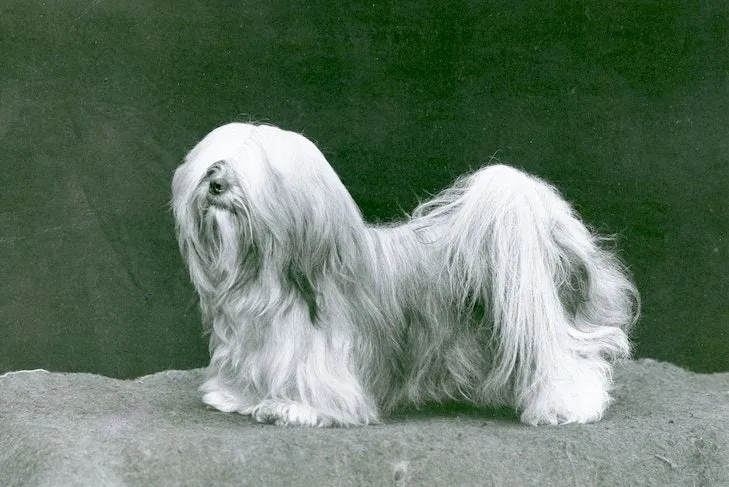
Image Source: American Kennel Club
A fascinating breed’s story begins deep in the remote Himalayan mountains. The Lhasa Apso’s history goes back thousands of years, making it one of the oldest dog breeds with a remarkable cultural legacy.
The Tibetan roots of the breed
The Lhasa Apso flourished in Tibet’s harsh climate, developing traits that perfectly matched the region’s extreme conditions. This ancient breed has existed since at least 800 A.D., though some sources hint at an even older origin. The dog’s physical features evolved specifically to handle high-altitude living in the Himalayas. Its compact, muscular body helped conserve heat, while its broad muzzle and large lungs made breathing easier in thin mountain air. A dense weatherproof coat protected it from freezing nights and intense daytime sun.
These tough little dogs lived with Tibetan Buddhists in isolation for centuries and became part of the region’s spiritual traditions. Their body adaptations show how the challenging environment shaped them. They developed round, large feet to grip icy slopes and a feathered tail that curves over their back – nature’s own sunshade against harsh sunlight.
What does ‘Lhasa Apso’ mean?
The name carries deep historical meaning. “Lhasa” points to Tibet’s sacred capital city. The word “apso” has sparked different interpretations through time. Language research suggests “apso” might come from the Tibetan word “ag-tshom” (ཨག་ཚོམ་) meaning “goatee,” or possibly “ra-pho” (ར་ཕོ་) for “billy goat” – both describing the dog’s unique facial hair.
Some experts suggest it could mean “bark-guard,” combining “ap” (ཨཔ, to bark) and “so” (སོ་, to guard) – which matches their historical role. Tibetans know the breed as Abso Seng Kye, meaning “Bark Lion Sentinel Dog” or “Bearded Lion Dog”. The name “Lhasa Apso” first appeared in writing in 1935, right as the breed made its way to the Western world.
Cultural significance in monasteries
Lhasa Apsos held an exceptional place in Tibetan Buddhist culture. These dogs have played a special symbolic and sometimes sacred role in Lamaist tradition since the Himalayan monasteries began in the seventh century. Tibetan monks, led by the Dalai Lama, took great care in breeding these dogs.
The breed shares a deep connection with Tibetan mythology. Ancient stories tell of the Snow Lion – a mythical creature living in the eastern Himalayas – that protects Tibet and the Lord Buddha. This legendary beast remains Tibet’s national symbol and appears on its flag. A traditional Tibetan saying states: “If the snow-lion stays in the mountains it is a snow-lion, and if it comes down to the valleys it becomes a dog” – specifically, a Lhasa Apso.
Their spiritual importance extends to beliefs about reincarnation. Tibetan Buddhists believe that when a lama (spiritual master) died, their souls found temporary shelter in Lhasa Apsos while waiting to be reborn as humans. When a Lhasa Apso died, people would identify a small child as its human reincarnation. These beliefs explain why nobody sold these sacred dogs – they were only given as gifts to bring good fortune.
Through generations, these brave little guardians served two roles – they watched over monks by warning them of intruders and acted as spiritual companions. Their story reflects deep cultural beliefs about the connection between animals, humans, and the sacred.
A Look Back: History of the Lhasa Dog
Lhasa Apsos have stood as faithful guardians for more than a thousand years. Their remarkable story spans continents and cultures. These dogs made an incredible trip from remote Himalayan monasteries to become cherished pets in homes worldwide.
Early roles as palace and monastery watchdogs
Lhasa Apsos served a vital role in ancient Tibet as household sentinels. They protected Tibetan nobility’s homes and Buddhist monasteries throughout the region. These small but fearless dogs worked as interior watchdogs alongside the mighty Tibetan Mastiffs, who guarded monastery entrances and outer boundaries. Their exceptional hearing and distinctive bark would alert others when intruders slipped past the exterior guards.
The partnership between these two breeds worked remarkably well. One source explains, “The Lhasa would sound the alarm at the approach of an intruder, and the Tibetan Mastiff would meet the threat with some serious muscle”. Their smarts, sharp senses, and amazing ability to tell friend from foe made them perfect protectors.
These dogs meant more than just security to the Tibetan people. Many believed that souls of deceased lamas could enter Lhasa Apsos’ bodies while waiting to be reborn in human form. So these dogs were never sold – people could only receive them as gifts, usually from religious or political leaders.
Introduction to the West
The first documented arrival of Lhasa Apsos in the Western world happened in the early 20th century. Dog enthusiasts fell in love with them when they first appeared in England around 1901. British people called them “Lhassa Terriers” back then – which wasn’t right since they didn’t dig burrows or hunt vermin.
A fascinating diplomatic exchange brought the breed to America. The 13th Dalai Lama, Thubten Gyatso, gave two Lhasa Apsos to Charles Suydam Cutting and his wife from New Jersey in 1933. Cutting, known as a socialite, financier, naturalist, explorer, and adventurer, had become the first Westerner to visit Lhasa in 1928.
Cutting met the Dalai Lama during his second visit in 1930 and found they both loved dogs. This unexpected friendship between the holy leader and New Jersey adventurer led to trading dogs as gifts. After Cutting sent the Dalai Lama several Western breeds, including Dalmatians and Great Danes, he received two Lhasa Apsos named Taikoo and Dinkai.
Recognition by kennel clubs
The American Kennel Club officially recognized the Lhasa Apso in 1935. The breed started in the Terrier Group, probably because of their small size and lively personality rather than their actual purpose or background. The AKC moved them to the Non-Sporting Group in 1959, almost 25 years later.
British recognition followed a similar path. The Kennel Club of England officially accepted the breed in 1902, still using the wrong name “Lhasa Terrier”. Later, they correctly placed them in the Utility Group.
The Fédération Cynologique Internationale (FCI), the world’s biggest dog organization, fully accepted the breed in 1960. Dedicated breed lovers worked hard through these years to keep the Lhasa’s unique traits and ensure breed standards stayed true to their Tibetan roots.
The American Lhasa Apso Club started on February 9, 1959, and plays a key role in maintaining breed standards and teaching people about these special dogs. Their work helps preserve both physical traits and the dignified personality that makes Lhasa Apsos such beloved companions today.
Physical Traits and Appearance
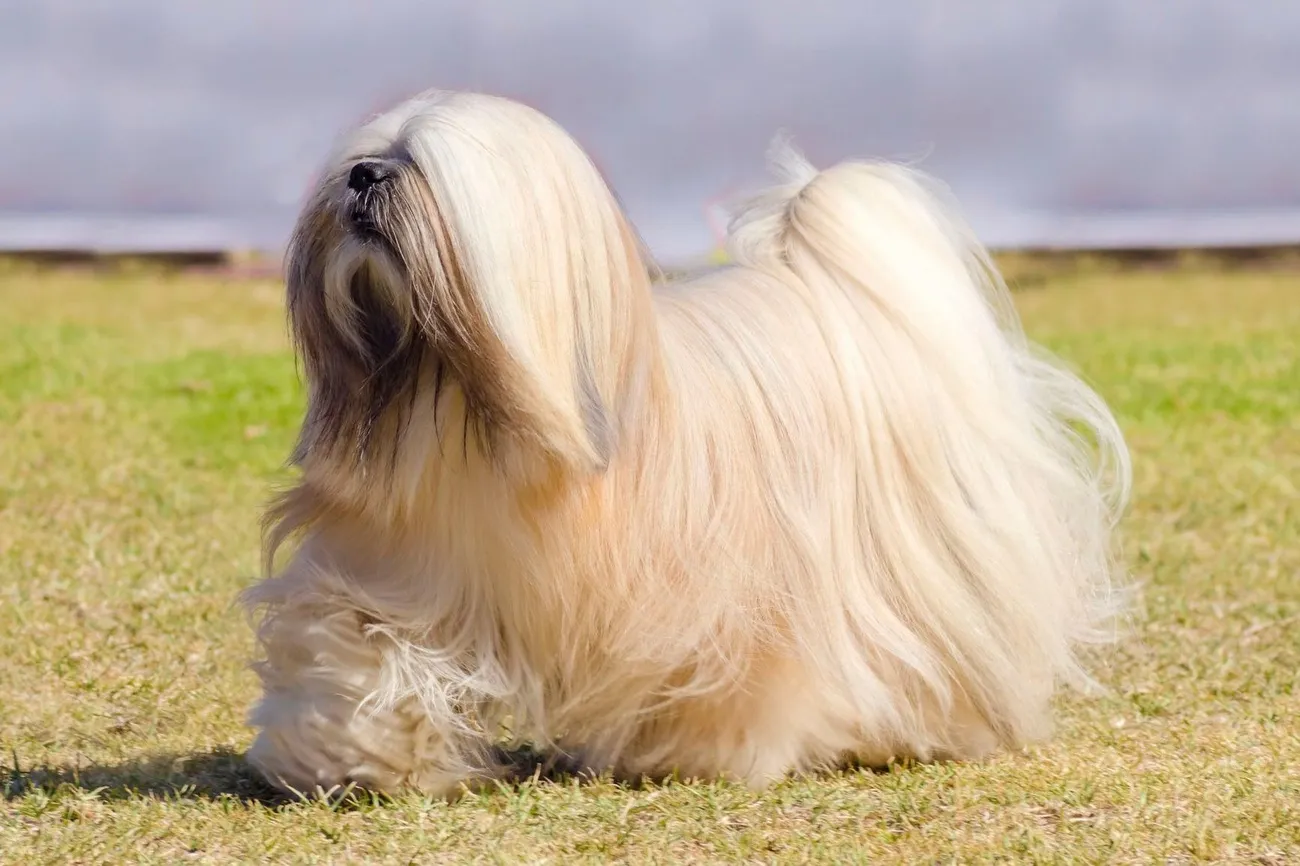
Image Source: The Spruce Pets
The Lhasa Apso catches everyone’s eye with its distinctive look and regal bearing. These dogs have physical traits that show their ancient Tibetan roots, traits that helped them survive the harsh Himalayan climate.
Size and weight range
The Lhasa Apso is small, but its confident personality makes it seem bigger than it really is. Males reach 25-28 cm (9.8-11 inches) at the withers, and females are a bit smaller at 22.5-25.5 cm (8.9-10 inches). Their compact size made them perfect watchdogs inside Tibetan monasteries.
Male Lhasa Apsos usually weigh 5.5-7 kg (12-15.4 pounds), while females are lighter at 5-6 kg (11-13.2 pounds). Some males can reach 8 kg (17.6 pounds) if they’re muscular. These dogs might be small, but they’re sturdy with a rectangular body that feels substantial compared to other dogs their size.
Coat types and colors
The sort of thing I love about the Lhasa Apso is its magnificent coat, which protected them from Tibet’s extreme weather. They have heavy, straight, dense double-coated fur that’s neither wooly nor silky. This luxurious coat flows to the ground when fully grown, creating their signature look.
The American Kennel Club lets these dogs come in any color, making the Lhasa Apso’s appearance incredibly diverse. Common colors include:
Black (solid or with markings)
Black and tan combinations
Cream and white shades
Golden and honey tones
Grizzle (mixed black and white)
Red and red gold
Sable (dark brown with lighter brown mixed in)
A Lhasa’s coat often changes as time goes by, and it usually gets lighter with age. Black puppies might “silver out” as they grow up, and red ones can fade into different gold shades. Many show off special markings like black masks, black-tipped ears and beards, white chest patches, or parti-color patterns.
Distinctive features like tail and eyes
The Lhasa Apso stands out from other small breeds with several unique features. Their dark brown, almond-shaped eyes show an alert, smart expression that comes from their watchdog background. The breed standard doesn’t favor round or sunken eyes.
Their tail is special too. It sits high and curls over the back to one side, often with a small kink at the end. This tail position wasn’t just for show – it acted like a natural sunshade in the Himalayas.
The breed’s head furnishings are another standout trait. Long hair falls over their eyes, and they sport a pronounced beard and whiskers that frame their face. They have a slightly shortened muzzle with an undershot bite, and feathered ears that hang down. All these features come together to create a dog that looks truly aristocratic despite its small size – a living reminder of its noble Tibetan heritage.
Lhasa Apso Temperament and Personality
A Lhasa Apso’s lavish coat hides a complex personality that blends ancient watchdog instincts with devoted companionship. Their temperament shows their noble heritage and explains why these small dogs have been beloved companions for centuries.
Independent yet loyal nature
The Lhasa Apso has a remarkable independent streak that reminds many people of cats. They like to do things their way and might not always follow commands right away. This self-sufficient attitude comes from their history as monastery guards who had to make decisions on their own.
These dogs build deep bonds with their families. They become fiercely loyal companions who love spending time with their humans. This mix of independence and devotion creates an interesting relationship – Lhasas enjoy attention but don’t just need it all the time. One expert points out that they “appreciate their share of hugs and cuddles, but make no mistake; the Lhasa Apso is not an ornament or a lap dog”.
Their independence can show up as stubbornness during training. Unlike dogs that are happy to please, Lhasa Apsos will please you “if it pleases them to please you”. They pick things up quickly but might resist repetitive drills. You’ll need creative training methods to keep them interested.
Behavior with family and strangers
Lhasa Apsos show affection and playfulness with family members and often form strong bonds with one or two favorite people. Many owners call their Lhasas “family comedians” who love entertaining their humans. These dogs can surprise you with their mischief and curiosity, bringing fun moments to everyday life.
A different personality comes out around strangers. True to their watchdog roots, Lhasas stay naturally cautious with unfamiliar people. They act reserved and sometimes distant with newcomers. Instead of rushing to greet visitors, they watch from afar until they decide someone can be trusted.
This protective nature makes them great watchdogs with sharp, loud alarm barks. Owners should know this isn’t aggression – it’s built-in watchfulness. They’re simply doing what they were bred to do for hundreds of years.
Common temperament traits
The Lhasa Apso’s personality has several key features beyond their independence and watchfulness:
Confidence: Most Lhasas carry themselves with amazing self-assurance, often acting like much bigger dogs.
Intelligence: These dogs are smart and need mental challenges to avoid destructive behaviors from boredom.
Sensitivity: Though physically tough, Lhasas don’t respond well to harsh training or raised voices.
Adaptability: They do well in different living situations, including apartments, thanks to moderate exercise needs.
Early socialization is vital to develop well-adjusted Lhasa Apsos. Without proper exposure to different people, places, and experiences as puppies, their natural caution can turn into excessive fear or reactivity. Well-socialized Lhasas become comfortable in various situations while keeping their unique personality.
Lhasas can build great relationships with older kids who know how to interact properly, but they might have less patience with toddlers’ unpredictable movements. Their strong sense of personal space means they’ll likely walk away from rough handling rather than put up with it.
The Lhasa Apso brings together an interesting mix of opposites – independent but devoted, dignified yet playful, small in size but big in spirit. These traits make them companions that continue to fascinate dog lovers worldwide.
Grooming Needs and Coat Care

Image Source: Smart.DHgate
The beautiful coat that makes Lhasa Apsos stand out just needs dedicated care to stay healthy and stunning. These unique dogs just need regular grooming attention from their owners, whether they keep their traditional flowing locks or choose a more practical style.
Long coat vs puppy cut
Lhasa Apso owners face a key choice between a traditional long coat and a shorter puppy cut. The classic long coat—parted down the middle and flowing nearly to the ground—shows off the breed’s royal heritage. This style looks amazing but just needs serious dedication. Long coat maintenance means daily brushing sessions lasting up to 30 minutes. Many owners find they must wrap the hair to protect it and replace these wrappings weekly.
The “puppy cut” has become popular, and with good reason too. This style keeps the coat at an even 1-2 inches all over the body. While it might not look as dramatic as the long coat, this shorter style substantially cuts down maintenance time between groomer visits. A puppy cut helps keep dogs cooler in summer and leaves less hair around your home. Senior Lhasas love this style since they often struggle with long grooming sessions.
Brushing and bathing routines
Whatever style you pick, regular brushing is key to a healthy coat. Short-coated Lhasas just need weekly brushing, but long-coated dogs must be brushed daily to avoid painful mats and tangles. The right technique uses “line brushing”—you part the coat and work in layers down to the skin. Brushing before baths prevents tangles since water can make mats harder to remove.
Most experts say these dogs should get a bath every two to four weeks. Lukewarm water works best, and thorough drying prevents skin problems. Dog-safe conditioner after the bath helps remove tangles and cuts down on static. A quick wipe of the face with a damp cloth helps control tear stains around the eyes.
Tools and products for grooming
You’ll just need specific tools to groom a Lhasa Apso’s unique coat properly. The best tools include:
A slicker brush to remove tangles and loose fur
A metal comb with both wide and narrow teeth
A pin brush for initial drying that won’t stretch wet coat
Detangling spray or leave-in conditioner to make brushing easier
Most Lhasas visit a professional groomer every 6-8 weeks to complement home care. Nail trimming every 3-4 weeks prevents discomfort and posture issues. The hair between paw pads also just needs regular trimming to prevent slipping and dirt buildup.
Gentle, dog-specific shampoos work best since harsh products can strip natural oils and harm the coat. Light-colored Lhasas benefit from special whitening or toning shampoos that maintain coat color without bleaching or chemical damage. The right product selection is a vital part of keeping the coat’s natural texture and color looking great over time.
The right tools and consistent care make managing a Lhasa Apso’s distinctive look achievable even for busy owners. Good grooming keeps these dogs looking their best while supporting their overall health and comfort.
Training and Socialization Tips

Image Source: iHeartDogs.com
Training a Lhasa Apso demands a deep grasp of their unique psychology and heritage as sentinel dogs. These smart but headstrong companions bring special training challenges that you can overcome with the right methods.
Why early training is important
Your Lhasa Apso puppy needs training from day one to build vital foundations for growth. These dogs have an independent nature that can turn into stubbornness without proper guidance. They need early socialization because they tend to eye strangers and other pets with suspicion.
The prime window for socialization runs between 3-16 weeks of age. Puppies learn best during this period. Any delay makes it harder by a lot for them to adapt. A well-socialized Lhasa Apso needs exposure to:
Different people, including friends and family
New places like parks and community events
Supervised playtime with friendly dogs
Regular household noises from vacuum cleaners and washing machines
Puppy classes offer great opportunities for obedience training and socialization once vaccinations are done.
Positive reinforcement techniques
This sensitive breed responds best to positive reinforcement. Reward-based training builds trust, while harsh methods can damage the bond between you and your dog. Short training sessions work best—aim for 5-10 minutes several times a day since Lhasa Apsos don’t focus for long.
These dogs take well to clicker training. A quick click followed by a treat marks good behavior clearly. You can also use a specific word as your marker.
Teaching simple commands like “sit” starts with holding a treat above your puppy’s head and moving it back slowly. They’ll naturally sit to watch the treat—that’s when you reward them. Regular practice helps them link commands with actions and rewards.
Common challenges and how to handle them
Housetraining can be tough with Lhasa Apsos. Many experts suggest crate training to set boundaries and avoid accidents. Pick a specific spot outside for potty breaks and use the same command like “potty” or “get busy” to create routine.
These playful pups often see training as game time rather than learning time. Stay patient and consistent—it pays off. Skip the punishment during training because Lhasa Apsos don’t respond well to harsh corrections.
Their cautious nature around strangers calls for careful socialization. Without proper introductions, they might bark too much or show fear. Remember that patience wins the day—these independent thinkers like to consider commands before following them.
Health and Common Medical Issues
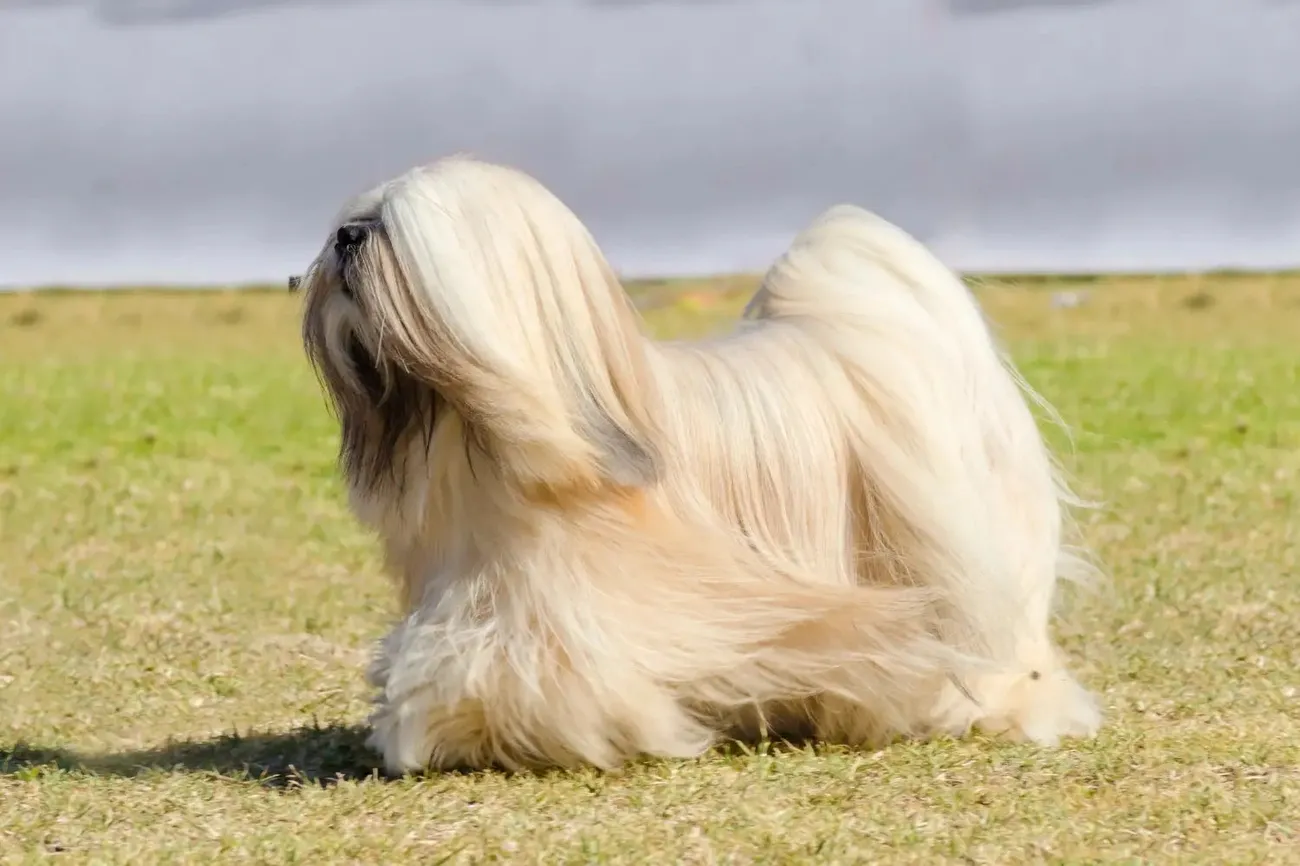
Image Source: A Pup Above
Lhasa Apsos need careful health monitoring throughout their lives, just like other purebred dogs. These dogs usually live long lives, but owners should watch for several inherited health conditions.
Lhasa Apso health problems to watch for
Chondrodysplasia, a genetic mutation found in short-legged breeds, shows up in many Lhasa Apsos. This condition can trigger joint and spine problems as time passes. The dog’s body structure makes them prone to Intervertebral Disk Disease (IVDD), which happens when disks between vertebrae bulge or rupture. Dogs might show signs like back pain, a hunched posture, unwillingness to jump, and possible nerve damage.
Dental disease is a big worry too. By age two, it affects 80% of all dogs, and Lhasas face an even higher risk. Without good dental care, these dogs might lose one to three years off their lives.
Eye, kidney, and joint conditions
Eye problems run rampant in this breed. The immune system can attack tear-producing glands, causing dry eye (keratoconjunctivitis sicca). This leads to red eyes, too much blinking, and possible corneal ulcers. Older Lhasas often develop cataracts that cloud their vision and might cause blindness. Glaucoma creates high pressure in the eye, causes lots of pain, and needs quick treatment to save the dog’s sight.
Kidney problems, especially renal dysplasia, rank among the most dangerous health threats to Lhasa Apsos. This inherited condition affects kidney development. Puppies might drink and urinate more than usual and grow slowly. Some dogs with mild cases live normal lives with proper care, but puppies with severe cases rarely make it to adulthood.
These dogs can also suffer from joint problems. The kneecap might slip out of place (patellar luxation), making the dog skip or hop. Hip dysplasia also affects many Lhasas and leads to arthritis and movement problems.
Preventive care and vet visits
Regular vet check-ups help catch problems early. Keeping your Lhasa at a healthy weight reduces joint strain, which helps especially with conditions like luxating patella.
Adult dogs need good dental care. Brush their teeth daily and get professional cleanings every 1-2 years. Dogs with kidney problems do better on special diets that limit protein intake.
Lhasas with joint issues should avoid high-impact activities. Skip the jumping and rope-pulling to prevent IVDD and other muscle and bone problems from getting worse.
Lifespan and Quality of Life
Lhasa Apsos are known for living exceptionally long lives, which sets them apart from other ancient breeds. These dogs developed their toughness over centuries in the harsh Himalayan climate, and this resilience serves them well in homes worldwide today.
Average Lhasa Apso lifespan
Lhasa Apsos live remarkably longer than most dogs. Most Lhasas live between 12-15 years, and this is a big deal as it means that they outlive both purebreds (12.7 years) and crossbreeds (12 years). A 2024 UK study backs this up, showing these dogs live 14 years on average.
These dogs often surprise everyone by living even longer. Many stay healthy into their early 20s. The record holder lived to an amazing 29 years old – quite an achievement!
Tips for a long, healthy life
Your Lhasa’s weight management through good diet and exercise is the key to a long life. The right food matters a lot – older dogs need about ½ to ¾ cup of senior-formula food each day.
Regular vet visits become more important as your dog ages. Checkups, dental care, and updated vaccines and parasite treatments are the foundations of good health care.
Brain exercise deserves as much attention as physical care. Puzzle toys and ongoing training keep older Lhasas’ minds sharp and might help them live longer.
Signs of aging and senior care
Your Lhasa becomes a senior around 10-12 years old. Watch for these aging signs:
Decreased activity and increased sleep
Stiffness, especially after resting
Changes in appetite or weight
Vision or hearing difficulties
Graying fur, particularly around the muzzle
Senior Lhasas need special care. Orthopedic beds help ease joint pain. Gentle exercise works best, but keep the schedule regular. You should watch them carefully with young children since older dogs might not enjoy rough play.
Conclusion
Lhasa Apsos have kept their unique character for over a thousand years. They’ve evolved from sacred monastery guardians to beloved family pets. These small but dignified dogs are a fascinating mix of independence and loyalty, which sets them apart from other canine companions. Dog lovers worldwide are drawn to their aristocratic bearing and cheerful nature, just as they were when these dogs guarded Tibetan monasteries.
What makes Lhasa Apsos special is their amazing ability to adapt. These tough little dogs were bred for the harsh Himalayan climate, yet they do just as well in modern apartments or big homes. They don’t need much exercise and their natural watchdog instincts make them perfect companions in any living situation.
Anyone thinking about getting a Lhasa Apso should know about the time needed for coat care. A regular grooming routine is essential whether you choose their traditional flowing coat or go with a more practical puppy cut. These dogs have an independent streak, so training needs to be patient and consistent. The key is to respect their intelligence while setting clear boundaries.
Taking care of your Lhasa’s health is vital to make the most of their impressive lifespan. Good veterinary care, proper diet, and attention to their specific health needs – especially their kidneys and eyes – will help keep them active well into their senior years.
The Lhasa Apso is a gift in our ever-changing world. These dogs often live into their mid-teens or even longer, becoming true family members who share life’s daily moments. This ancient breed that Tibetan monks treasured now brings the same loyal devotion and watchful spirit to homes everywhere.
Key Takeaways
Understanding the Lhasa Apso means appreciating a breed that combines ancient heritage with modern companionship needs. These remarkable dogs offer unique characteristics that make them exceptional pets for the right owners.
• Ancient guardians with modern appeal: Lhasa Apsos originated in Tibet around 800 BCE as monastery watchdogs, developing independence and alertness that makes them excellent family protectors today.
• High-maintenance grooming is non-negotiable: Their signature flowing coat requires daily brushing for long styles or professional grooming every 6-8 weeks for shorter cuts to prevent painful matting.
• Independent personalities need patient training: These intelligent dogs think for themselves and respond best to positive reinforcement rather than harsh corrections, requiring consistent early socialization.
• Exceptional longevity with proper care: Most Lhasa Apsos live 12-15 years with many reaching their early 20s, making them long-term family companions when given quality nutrition and regular veterinary care.
• Small size, big personality: Standing under 11 inches but carrying themselves with aristocratic confidence, they’re naturally wary of strangers while deeply loyal to their families.
The Lhasa Apso represents a perfect blend of ancient wisdom and modern adaptability, offering devoted companionship to those willing to invest in their unique grooming and training needs.
FAQs
Q1. How much grooming does a Lhasa Apso require? Lhasa Apsos need regular grooming. For long coats, daily brushing sessions of up to 30 minutes are necessary. Those with shorter “puppy cuts” still require weekly brushing. Professional grooming every 6-8 weeks is recommended for most Lhasas, regardless of coat length.
Q2. Are Lhasa Apsos good with children? Lhasa Apsos can form wonderful relationships with older children who understand appropriate interaction. However, they may be less patient with toddlers’ unpredictable movements. Early socialization and supervision are key for positive interactions between Lhasas and young children.
Q3. How long do Lhasa Apsos typically live? Lhasa Apsos are known for their longevity. On average, they live between 12-15 years, with many reaching their early 20s. With proper care, nutrition, and regular veterinary check-ups, some Lhasas have been known to live even longer.
Q4. Are Lhasa Apsos easy to train? Training a Lhasa Apso can be challenging due to their independent nature. They learn quickly but may resist repetitive drills. Positive reinforcement techniques work best, and early socialization is crucial. Consistency, patience, and creative training approaches are key to success.
Q5. What are common health issues in Lhasa Apsos? Common health concerns for Lhasa Apsos include eye problems like dry eye and cataracts, kidney dysfunction (particularly renal dysplasia), and joint issues such as patellar luxation. They’re also prone to dental disease and intervertebral disk disease (IVDD). Regular veterinary check-ups are essential for early detection and management of these conditions.