
Kanni Dog
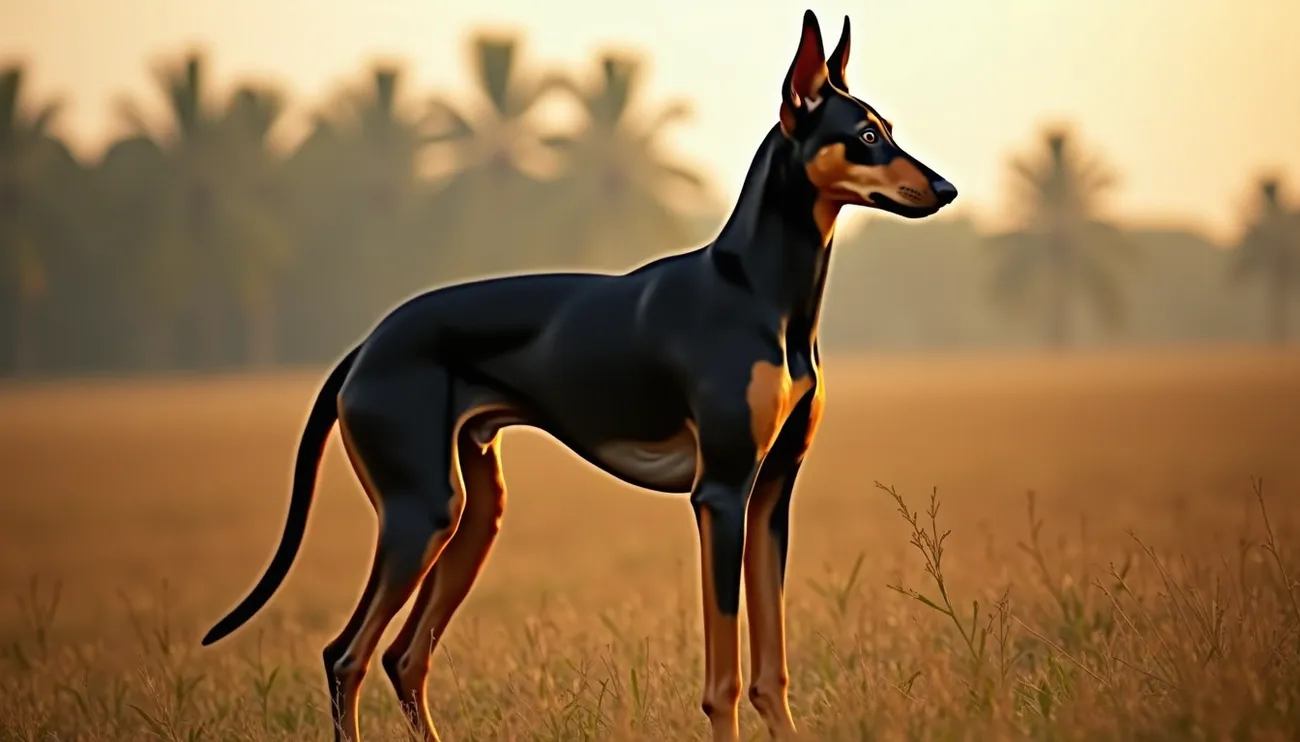 South India’s rare indigenous sighthound, the Kanni dog, races at breathtaking speeds of up to 60 km/h. These athletic dogs from Tamil Nadu state possess an ideal build that combines speed and endurance. Their height ranges from 64-74 cm with a weight between 16-22 kg.
People call them the “Maiden’s Beastmaster,” and these dogs show deep devotion to their families but remain reserved with unfamiliar faces. Their sleek bodies and powerful legs demand extensive space to burn off their abundant energy[-5]. The breed’s development varies by gender – males reach full growth at 12-15 months, while females take 15-18 months. This piece covers the essential aspects of Kanni dogs that make them unique – their rich heritage, physical traits, personality, care needs, and the story behind their distinctive name.
History and Origin of the Kanni Dog
The Kanni breed has deep roots in southern India and a rich cultural heritage that goes back centuries in Tamil history. These ancient sighthounds have been treasured for generations because they are exceptional hunters and loyal companions.
Early presence in Tamil Nadu
Kanni dogs originated in the southern districts of Tamil Nadu, India. They thrived in Tirunelveli, Thoothukudi (Tuticorin), and Virudhunagar districts. These dogs first appeared in specific areas across these regions, including rural parts near Kovilpatti, Kazhugumalai, Sivakasi, and Madurai.
Agricultural laborers and rural communities valued these elegant hounds because they adapted well to the local environment. The breed developed traits that suited the Western Ghats foothills and dry landscapes of Tamil Nadu. Local owners bred these dogs without formal kennel systems, which helped shape their unique characteristics.
Rural families kept the breed pure through careful breeding practices. They kept females indoors during heat cycles and picked specific males for breeding. This approach helped create the Kanni’s lean body type and amazing hunting skills that made them perfect companions in rural Tamil society.
Traditional uses and symbolism
Kanni dogs played many roles in Tamil culture. They served as prized hunting companions for Zamindars (aristocrats) and landlords in ancient times. These dogs were great at chasing small game like rabbits. They relied on their sharp eyesight instead of smell, which made them true sighthounds or “Gaze Hounds”.
The Kanni’s importance goes beyond hunting. The name carries deep meaning in Tamil culture:
“Kanni” means “pure” in Tamil, showing the breed’s loyalty and pure heart
People called them “Maiden’s Beastmaster” because they fiercely protected territory from wild animals
Families gave black and tan Kannis to brides during wedding ceremonies as guardians
This wedding tradition became such a big part of Tamil culture that the Kambalathu Naicker community often included these dogs in a bride’s dowry. People never sold these dogs—they only gave them away if the new family promised to take good care of them.
Connection to Chippiparai breed
People often mix up Kanni and Chippiparai breeds. Both are native sighthounds from Tamil Nadu with similar physical features and hunting abilities. All the same, these breeds have clear differences.
Tamil people traditionally tell them apart by their colors:
Kanni dogs have multi-colored or black-and-tan coat patterns
Chippiparai dogs usually come in solid colors
The breeds also have slightly different tails. Both have thin, slender tails, but the Chippiparai’s tail points up like an umbrella handle. The Kanni’s tail hangs down with a gentle curve.
Even with these differences, some confusion exists at official levels. The Kennel Club of India (KCI) lists black and tan dogs as “Kanni” and solid-colored ones as “Chippiparai”. This official system doesn’t match traditional naming practices and has created some misunderstandings about these related breeds.
These native dogs need protection as their numbers have dropped sharply with foreign breeds becoming more popular. Their place in history and deep cultural ties make them precious parts of Tamil Nadu’s heritage.
Meaning Behind the Name ‘Kanni’
The name “Kanni” has deep cultural meaning in Tamil Nadu. It gives us a glimpse into the breed’s traditional roles and the values that Tamil communities hold dear. This unique name tells us a lot about the dog’s character, its uses, and the customs linked to it.
Translation and cultural meaning
The origin of “Kanni” reveals interesting details about Tamil culture. The name means “pure” in Tamil, given to this breed because of its steadfast loyalty and pure heart. Tamil households value this trait highly, and the name celebrates the dog’s dedication to its owners.
Some sources say “Kanni” also means “virgin” or “unmarried girl” in Tamil. This meaning links to marriage traditions in southern India, where these dogs were part of a bride’s dowry. The Kambalathu Naicker community made this practice a strong tradition.
The Tamil word “கன்னி” (Kaṉṉi) shows up in several ways:
To mean virginity or maiden status
As the zodiac sign Virgo
To describe something done for the first time
Both meanings—”pure” and “virgin”—show values that Tamil culture prizes: loyalty, faithfulness, and pure devotion. The name shows how the breed represents these cherished qualities.
Why it’s called Maiden’s Beastmaster
The Kanni earned another powerful name, “Maiden’s Beastmaster,” for good reasons. This title comes from how fiercely it guards its territory against wild animals. These protective instincts made it the perfect guardian for a new bride starting her married life.
Marriage traditions run deep with this breed. These dogs were:
Given to new brides as protectors
Listed among dowry items for grooms
Given as “siruvaada” (small savings for the future) with goats to provide security
This marriage custom lasted for generations. An 83-year-old source mentioned that this tradition went back to his grandfather’s time at least. The practice showed how protection and loyalty mattered in marriage—traits that the Kanni dog embodied perfectly.
Color-based naming confusion
Coat color plays a vital role in naming these dogs, which creates some confusion about what makes a true “Kanni.” Black and tan dogs were the traditional marriage gifts. People started calling all black and tan dogs “Kannis”—even goats with similar colors.
The color names are rich and varied:
Karun Kanni: Black-colored Kanni dogs
Paala Kanni: Cream or off-white colored variants
Pottu Kanni: Dogs with two brown spots above the eyebrows (like a “tilak” marking)
Sevalai: Light red-colored Kanni
Tamil communities showed their breeding expertise through this detailed color system. They had an intricate way of grouping dogs even without formal kennel clubs.
The Kennel Club of India (KCI) made things more complex by officially listing black and tan dogs as “Kanni” and solid-colored ones as “Chippiparai”. This official grouping doesn’t match the traditional Tamil system where Kannis come in many colors. Modern understanding of what makes a true Kanni sometimes clashes with historical Tamil classifications.
Today’s enthusiasts might mean either the broader native breed in various colors or just the black and tan variety that kennel clubs recognize. This rich cultural and historical background adds depth to the Kanni’s story, though it sometimes puzzles those studying this beloved Tamil breed.
Physical Characteristics of the Kanni Breed
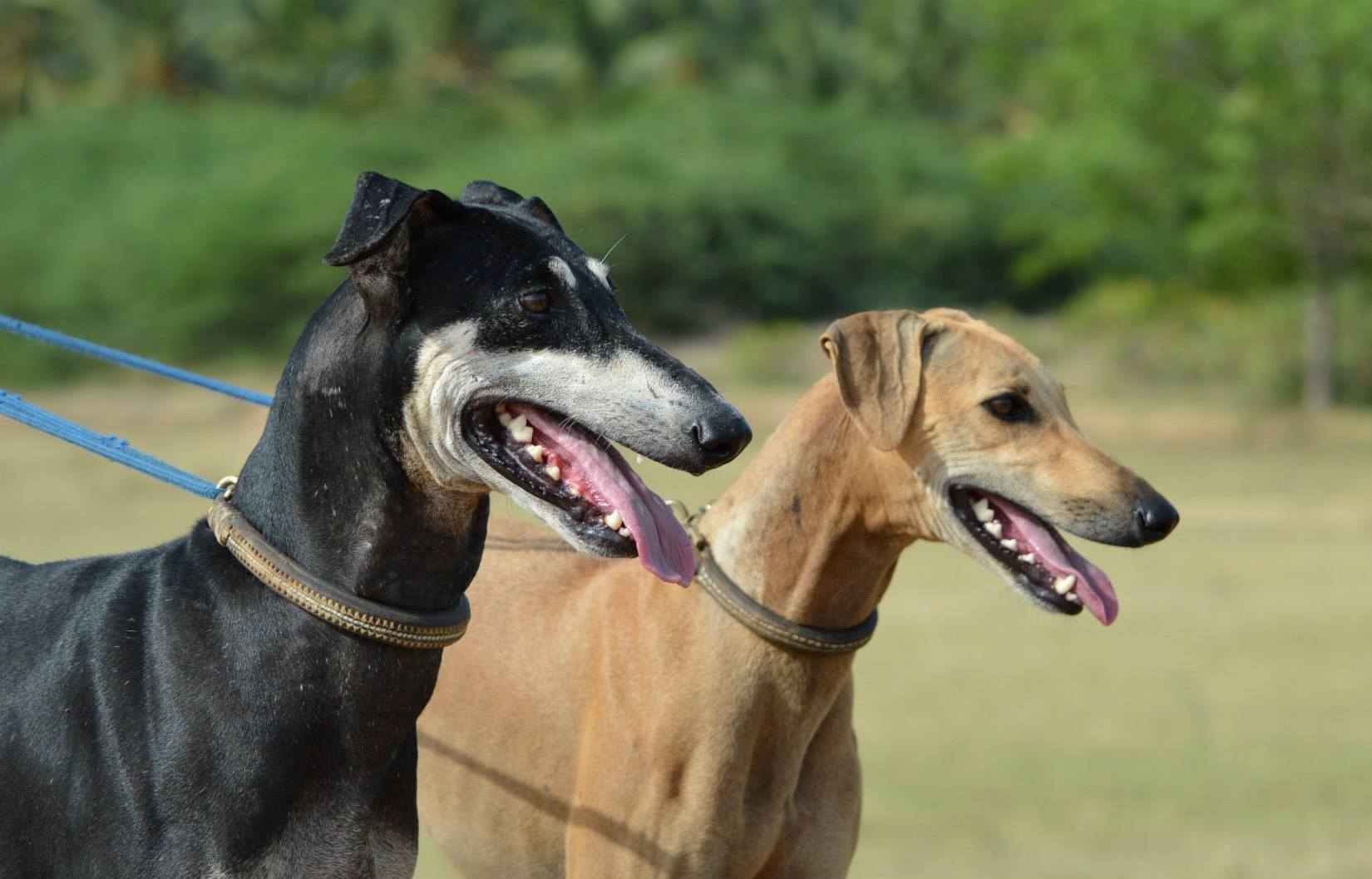
Image Source: Wikipedia, the free encyclopedia
Kanni dogs showcase a graceful, aerodynamic build and athletic ability that exemplifies the classic sighthound form. Centuries of selective breeding have refined these medium-sized dogs. Their unique build lets them reach amazing speeds while they manage to keep their stamina on southern India’s diverse terrains.
Height and weight range
The Kanni’s well-balanced proportions reflect its hunting background. These dogs typically stand between 64-74 centimeters (25-29 inches) at the withers. Their height makes them stand out and supports their coursing abilities.
Adult Kannis weigh between 16-22 kilograms (35-49 pounds). This light weight compared to their height helps them run fast and stay agile. The breed shows clear differences between males and females:
Males grow to about 67.39 centimeters and weigh around 24.69 kilograms
Females are a bit smaller at 65.07 centimeters and 21.42 kilograms
These measurements create the perfect balance for a dog built to run fast and far. They can reach speeds up to 60 km/h.
Coat type and body structure
Kannis have a short, dense coat that needs little care yet offers good protection in southern India’s climate. Their coat has better density than many sighthounds, even though it stays short.
The breed’s body shows classic sighthound features made for coursing. Their key physical traits include:
A straight topline that flows smoothly from shoulders to hindquarters
A distinctive tucked-up belly that helps them move and run better
A long, lean neck connected to a balanced head
A deep chest that gives them plenty of breathing capacity
Slim, muscular legs that create their tall, stretched appearance
These dogs look like they’re built for pure performance – no extra weight or extreme features. Their body works like a well-oiled machine. They move with an impressive double suspension gallop and can bend their spine like cheetahs.
Distinctive features like ears and tail
The Kanni’s ears make them special. These medium-sized, flat ears come in three styles: fully erect, semi-dropping, or completely dropping. Each dog’s ear style adds to its unique look while keeping the breed’s alert expression.
The breed’s head shape stands out with:
A straight, dome-like head and narrow muzzle
Strong jaws that can hold prey firmly
Bright golden eyes that show intelligence
A black nose with large nostrils
Their tail is another standout feature – it curves slightly and extends down their leg. Unlike similar breeds with upward-pointing tails, Kannis carry theirs lower with a gentle curve. The tail helps them balance during fast chases and communicate with others.
These physical traits come together to create a dog that looks both graceful and practical. The breed’s slim build, strong muscles, and streamlined shape make it perfect for its traditional hunting role in Tamil Nadu’s landscapes. Yes, it is a testament to natural selection and careful breeding through generations of Tamil culture.
Kanni Dog Colors and Their Names
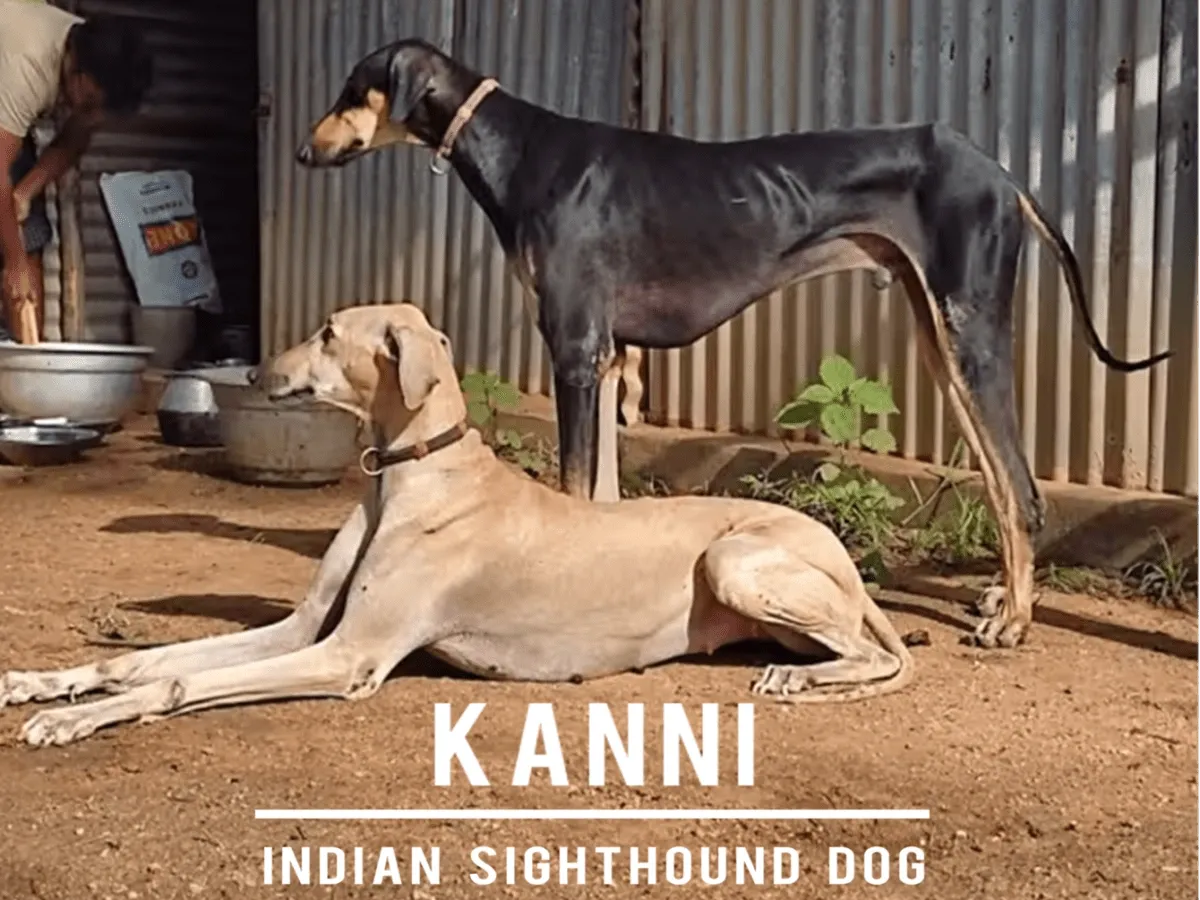
Image Source: HubPages
The color of a Kanni dog is a vital way to identify and classify this breed from Tamil Nadu. Each color variation has its own unique name in Tamil culture. This naming system shows the deep bond between these dogs and their traditional keepers.
Black and tan (Karun Kanni)
Many people call the black and tan coloration the “true” Kanni dog look. Some traditional standards say a dog must have this black and tan pattern to be a Kanni. Black and tan Kannis hold special meaning in Tamil culture – they were the ones given to brides during wedding ceremonies.
“Karun Kanni” in Tamil specifically means Kanni dogs with mostly black fur. Dogs without specific markings above their eyebrows are known as “karun kanni” – the black kanni. These dogs are mostly black with tan markings on their face, chest, and legs.
The Kennel Club of India (KCI) made this difference official by registering black and tan colored dogs as “Kanni”. While this is just one of many traditional color variations, this official recognition has made black and tan the classic Kanni look.
Cream and white (Paala Kanni)
Cream and white Kannis are another major color variation in the breed. Local people know these lighter-colored dogs as “Paala Kanni”. “Paala” refers to their milky or cream-like coat, which looks completely different from the darker Karun Kanni.
Some regions use the name “Mayila Pillai” for cream-white dogs, while others prefer “Paalakanni”. These naming differences show how Tamil terminology changes in different parts of southern India.
Modern kennel clubs might label a Kanni with an off-white coat as a Chippiparai, even though traditional systems would still see it as a Paala Kanni. This shows how traditional practices sometimes clash with formal breed registries.
Other color variants and their local names
Tamil communities have developed an extensive naming system based on color patterns. Their sophisticated breeding knowledge shows in how they name each unique color pattern:
Santhana Pillai: Brown with black and fawn coloration
Karum Sevalai: Dark red or light red coloring
Sevalai: Light red Kanni
Sambal: Red and white, or pale gray variants[191]
Seng Kanni: Black with dark tan markings[191]
Parukki: Dogs with fawn head and legs while the rest of the body is black
Semmarai: Brown and white coloration
Pottu Kanni: Dogs with brown spots, especially two distinct brown spots above the eyebrows (resembling a “tilak” marking)
Traditional breeders paid close attention to maintain specific traits through this detailed color system. A dog’s color pattern could determine its classification – solid-colored dogs might be called Chippiparai while patterned ones became Kanni.
The Kennel Club of India made this official by registering black and tan dogs as “Kanni” and solid-colored ones as “Chippiparai”. Traditional Tamil classification often sees both types as part of the same breed group with different color expressions.
These diverse colors show the breed’s rich genetic heritage and cultural importance. Dog enthusiasts and potential owners can better understand these remarkable dogs by learning about their color classifications and cultural background.
Temperament and Behavior Traits
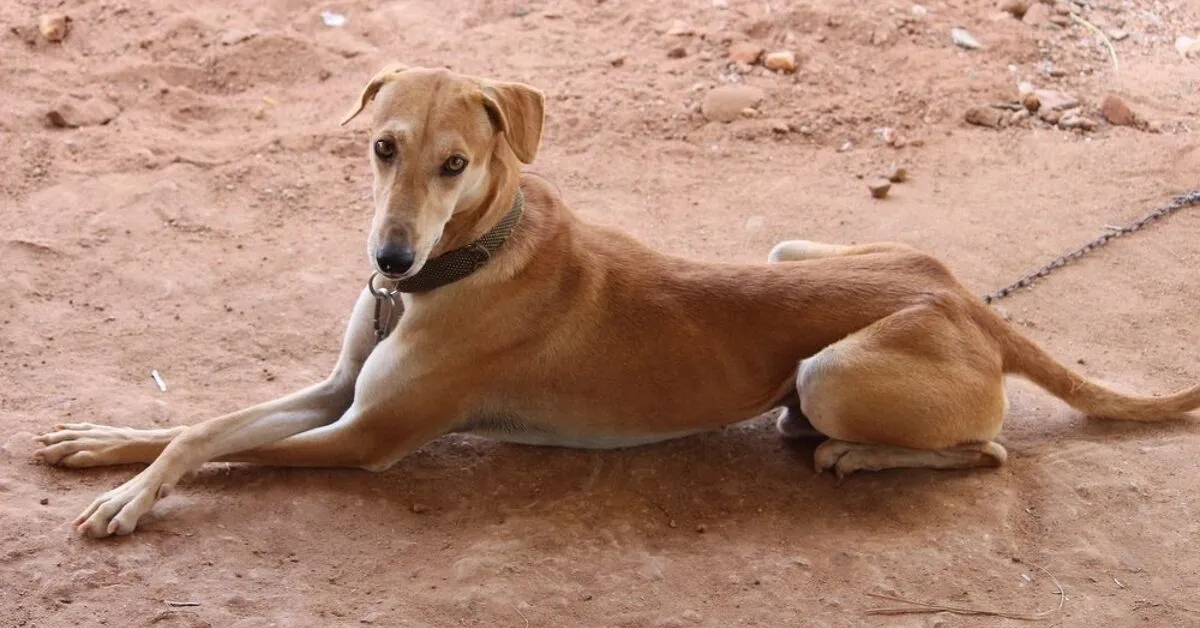
Image Source: PetGuide
Kanni dogs are more than just beautiful animals – they have complex personalities that blend fierce loyalty with natural caution. These smart sighthounds have evolved behavioral traits that fit their traditional roles in Tamil society. You won’t find many companions quite like them.
Loyalty and protectiveness
Kanni dogs show remarkable devotion to their family. Their steadfast dedication makes them exceptional companions who build deep bonds with their owners and show amazing protective behaviors. This exceptional loyalty isn’t random – their name “Kanni” means “pure” in Tamil, which reflects their spotless devotion.
These dogs don’t show affection to everyone they meet. They save their deepest attachment for family members and build especially strong bonds with their main caretakers. You’ll often find them following their favorite person around all day. This deep attachment explains why these dogs get anxious when left alone too long.
Their protective instincts show through their watchfulness. These dogs stay alert to possible threats and let their owners know about unusual activity right away. This watchful nature makes them great guard dogs for homes and farms. While they’re not aggressive by nature, they’ll step up to defend their territory and family when needed.
Shyness with strangers
The Kanni breed’s most notable trait is how cautious they are with people they don’t know. Many sources describe these dogs as shy or reserved around strangers. This natural caution comes from fear rather than aggression – an important difference that future owners should understand.
When these dogs meet someone new, they typically show defensive behaviors to keep their distance from what they see as threats. Their reactions often include:
Alert barking to warn about strangers
Keeping their distance until they size up the situation
Showing protective behavior near family members
This wariness doesn’t mean Kannis are dangerous or aggressive. With good socialization, many learn to accept new people after they’ve had time to watch and assess them. Their original reservation usually turns into acceptance once they decide someone isn’t a threat.
Families thinking about getting this breed should know that this shyness is natural, not a behavior problem. Early exposure to different people helps reduce – but rarely eliminates – this natural caution.
Trainability and independence
The Kanni’s intelligence is one of their best features. These dogs learn commands quickly and are relatively easy to train. They’re sharp enough to learn complex tasks, especially ones that use visual cues and hand signals.
Behind this trainability lies a streak of independence that’s typical of sighthounds. Kannis can be stubborn sometimes and might follow their instincts instead of commands. This independent thinking becomes obvious during hunting, where they often make their own decisions while chasing prey.
These smart dogs need enough physical activity and mental challenges to stay happy. Without proper exercise, they might develop destructive habits. High energy levels mean they need regular exercise – skipping this almost guarantees behavior problems. On top of that, their strong prey drive means they’ll chase small animals, so they need secure fencing or leashed walks.
The way Kannis respond to training shows how sensitive they are. Harsh corrections or irregular routines don’t work well with them. You’ll get much better results with positive reinforcement since these dogs want to please their owners, despite their independent nature.
Hunting Instincts and Abilities
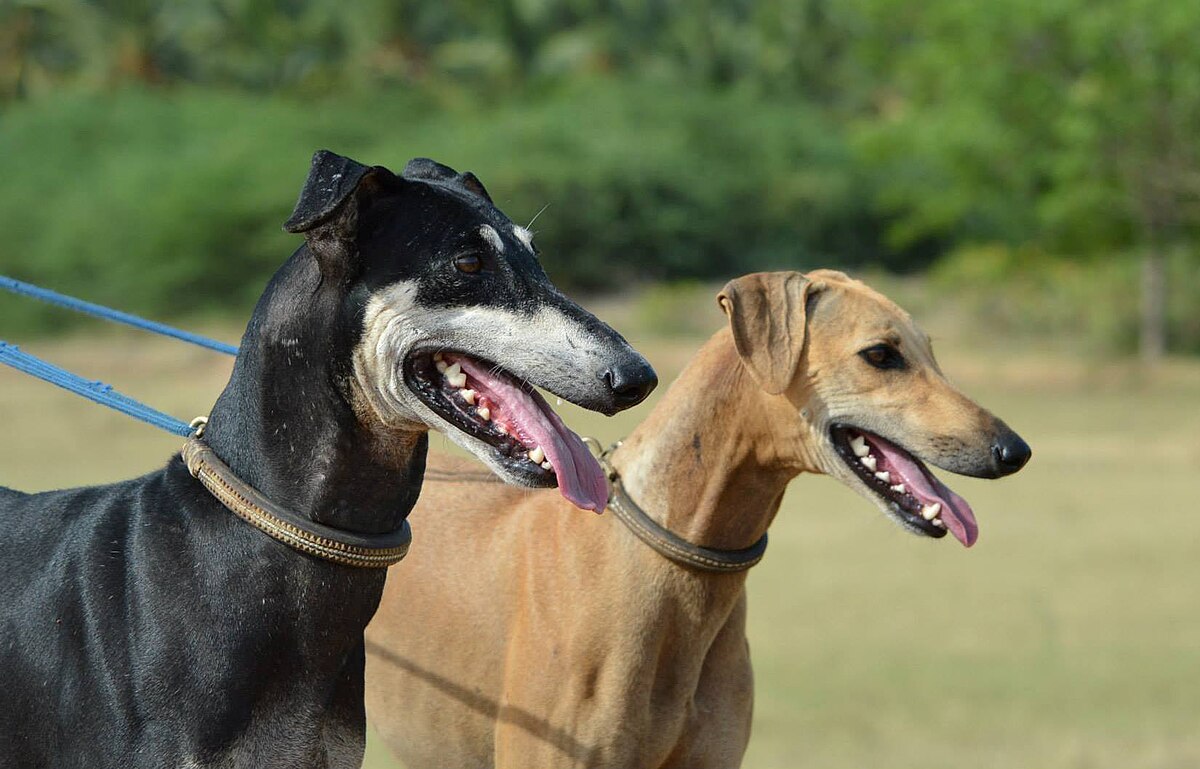
Image Source: Wikipedia, the free encyclopedia
Kanni dogs have earned their reputation as valued hunters in rural Tamil Nadu. These remarkable dogs display predatory skills that make them treasured companions for generations. Their specialized hunting abilities come from centuries of careful breeding that emphasized speed, vision, and how well they respond to human direction.
Coursing and speed
Kanni dogs excel at hunting because of their incredible speed and endurance. These athletic canines can chase prey at impressive speeds up to 60 km/h. They use a specialized running technique called the “double-suspension gallop”. This unique gait shows two moments in each stride when all four feet leave the ground – once during extension and once during contraction.
These dogs have a light but muscular build that helps them accelerate and move quickly. Their large heart gives them exceptional stamina to chase prey with intense speed bursts. The extreme flexibility of their spine matches that of a cheetah. This allows them to make sharp turns as they chase nimble prey across fields and scrubland.
Use of sight over scent
Kannis stand apart from many hunting breeds that depend on smell. People classify them as “gaze hounds” or sighthounds because they spot and chase prey using their exceptional eyesight rather than scent. This visual hunting approach works great in southern India’s open landscapes.
Rural communities have long relied on these sharp-eyed hunters to catch rabbits and other small game. Their specialized hunting technique includes:
Spotting prey from a distance using sharp vision
Pursuing with explosive bursts of speed
Using agility to follow prey’s evasive movements
Maintaining visual contact throughout the chase
The breed’s hunting instinct runs deep, so they need proper socialization if kept with smaller pets.
Training for hand signals
The sort of thing I love about Kanni hunting behavior is their traditional training with subtle hand signals from handlers. These silent signals are a great way to get dogs to follow directions without alerting prey through verbal commands.
Handlers train Kannis to watch and understand their hand gestures during hunts. This training builds on dogs’ natural talent for reading body language. Dogs process visual cues faster than verbal commands, which makes hand signals the quickest way to communicate.
Trainers pair visual signals with familiar verbal commands until dogs learn to follow the visual cue by itself. Kannis quickly learn to connect specific hand movements with actions they should take. This creates a sophisticated silent language between hunter and hound.
This traditional training shows the special bond between Tamil hunters and their Kanni companions. Their relationship builds on mutual understanding and the dog’s natural hunting talents.
Living Needs and Feeding Habits
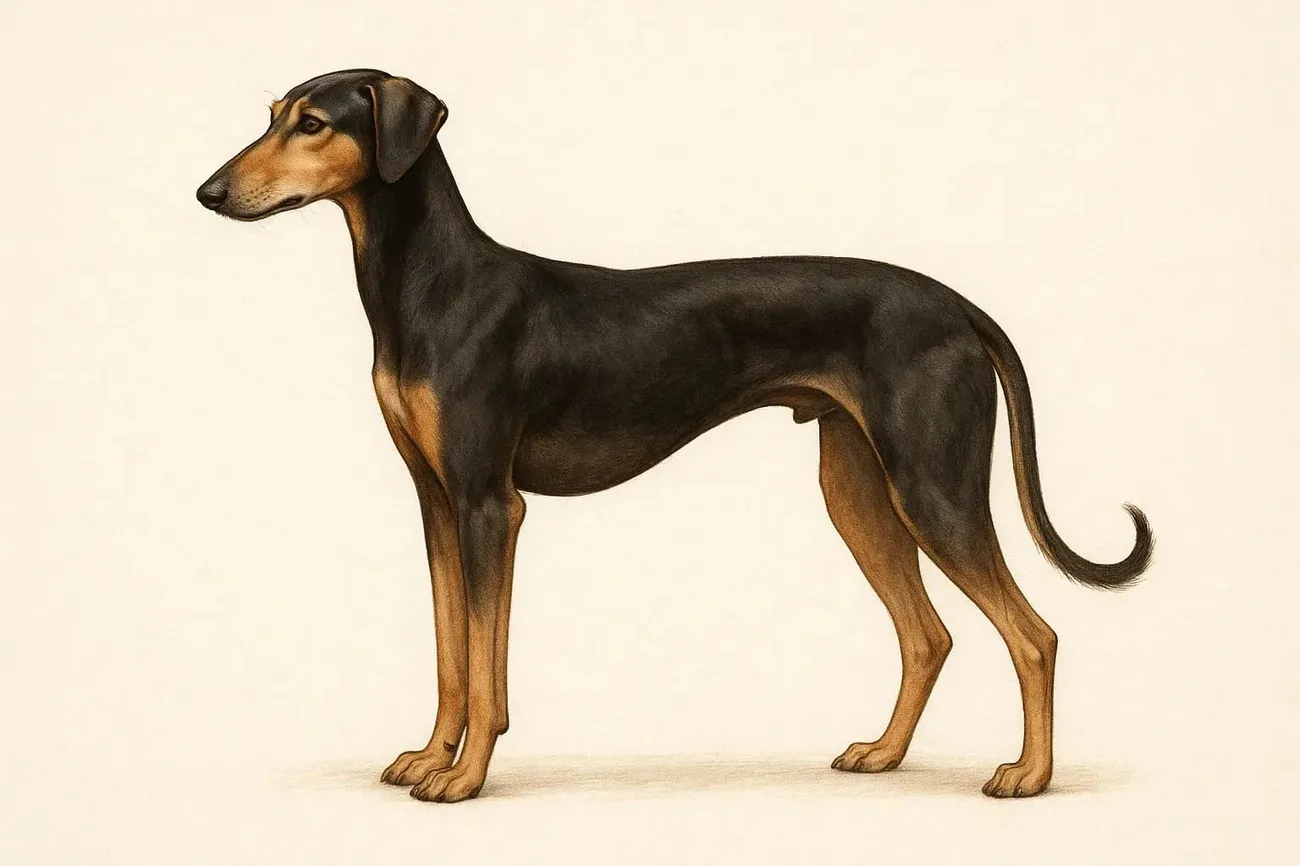
Image Source: TommyJi
Kanni dogs, descendants of hunting dogs from Tamil Nadu’s semi-arid landscapes, need specific living conditions and diets that set them apart from common pet breeds. Their rural background shapes their physical traits and daily care needs.
Ideal environment for Kanni dogs
These dogs excel in temperate, open rural environments where they can move and explore freely. Their athletic build and high energy levels demand substantial space, so they need large fenced yards or access to open fields for daily runs. These dogs don’t adapt well to apartment living and often become restless or destructive in confined spaces.
The breed adapts well to moderate temperatures between 21°C and 36°C. Their lean physique and short, fine coat help them handle heat well, but temperatures below 15°C can be challenging. Urban environments can stress these dogs that naturally evolved for wide-open spaces.
Traditional diet in rural homes
Rural Tamil Nadu’s Kanni dogs eat simple meals based on local food availability. Traditional feeding patterns include:
Milk for breakfast
Corn porridge for midday meals
Ragi (finger millet) porridge in the evening
Non-vegetarian proteins like goat or chicken meat provided weekly
Research shows that 91.13% of Kanni owners prepare home-made food, and 87.10% mix non-vegetarian ingredients with grains like rice or millet. Most village families still feed their Kannis their regular household meals, including rice, vegetables, and pulses.
Modern feeding tips
The Kanni’s athletic sighthound build requires high-protein diets that maintain lean muscle mass. Adult dogs need 2–3 cups of quality balanced kibble daily or similar home-cooked meals rich in animal proteins.
A healthy diet should contain 22–25% protein on a dry matter basis. Dogs should eat twice daily, and owners need to watch their pet’s waistline. Weight gain affects these dogs severely because extra pounds can reduce their speed and stamina.
Health, Grooming, and Lifespan
Kanni dogs stand out from other purebred dogs with their exceptional genetic hardiness. These dogs can live between 13-16 years[link_1]. Their reliable health comes from centuries of natural selection in rural Tamil Nadu.
Common health issues
Despite their natural hardiness, Kanni dogs face some health challenges. These dogs sometimes develop hip and joint problems because they have tall, thin legs and love to run. They might also experience dermatitis, parvo viral diarrhea, and patellar luxation. Their active lifestyle makes joint-related issues particularly important to watch.
Vaccination and deworming
Your Kanni dog needs regular vet check-ups to stay healthy. The core vaccines include rabies shots that start at 3 months with yearly boosters. They also need 7-in-1 or 9-in-1 combination vaccines beginning at 6-8 weeks.
These dogs need special attention to deworming as they easily pick up intestinal parasites. Puppies need deworming every 2 weeks until they’re 3 months old, then monthly until 6 months, followed by treatments every three months. Many traditional owners skip deworming, which can lead to health issues.
Grooming needs and coat care
Kanni dogs are easy to groom. Their short, smooth coat needs brushing just once a month to remove loose hair. These naturally clean dogs rarely get dirty and need baths only once a month. Simple care like nail trimming and ear cleaning keeps them healthy. A clean coat helps them regulate their body temperature and shows their overall health status.
Conclusion
The Kanni dog serves as proof of Tamil Nadu’s rich cultural heritage. These native sighthounds reflect centuries of careful breeding that created an athletic, loyal companion who can reach speeds of 60 km/h. Their name means “pure” in Tamil – a perfect match for their steadfast dedication to family.
Kanni dogs shy away from strangers but develop deep bonds with their owners. This natural caution and sharp intelligence make them excellent watchdogs. They alert their families to threats without showing aggression.
Tamil communities valued these elegant hounds beyond their hunting abilities. Black and tan Kannis played a special role in marriage ceremonies as dowry gifts that symbolized loyalty and protection for new brides.
Future owners should think over the Kanni’s space needs before adoption. These athletic dogs do best in rural settings where they can run freely and use their speed and stamina. They struggle in urban apartments due to their high energy and need for daily exercise.
These dogs show surprising resilience despite their slim build. Kannis live 13-16 years with few health problems. Their short coats need minimal grooming, which makes them manageable for experienced dog owners.
Protecting the Kanni breed means more than saving a type of dog – it preserves an essential piece of Tamil cultural identity. While foreign breeds grow popular in India, the Kanni’s blend of speed, loyalty, and cultural value makes them one of a kind. People who share their lives with Kanni dogs get more than a pet. They connect with centuries of Tamil tradition through a companion of remarkable faithfulness.
Key Takeaways
The Kanni dog represents a remarkable piece of Tamil Nadu’s cultural heritage, combining exceptional athletic ability with deep-rooted traditions and unwavering loyalty to their families.
• Speed and athleticism: Kanni dogs can reach impressive speeds up to 60 km/h using their specialized double-suspension gallop technique.
• Cultural significance: Named “pure” in Tamil, these dogs were traditionally gifted to brides as dowry, symbolizing loyalty and protection.
• Temperament traits: While fiercely loyal to family members, Kannis display natural shyness around strangers and require early socialization.
• Space requirements: These high-energy sighthounds need large open areas for exercise and are unsuitable for apartment living.
• Low maintenance health: Despite their athletic build, Kannis enjoy 13-16 year lifespans with minimal grooming needs and few health issues.
The Kanni’s unique combination of hunting prowess, cultural importance, and devoted companionship makes them living treasures of Tamil heritage that deserve preservation for future generations.
FAQs
Q1. What are the key temperament traits of a Kanni dog? Kanni dogs are known for being shy around strangers but fiercely loyal to their family. They are intelligent, easy to train, and make excellent watchdogs. While gentle with their owners, they can be protective of their home and territory.
Q2. Are Kanni dogs suitable as family pets? Kannis can make good family dogs if their exercise needs are met. They require ample space and daily physical activity due to their hunting background. While not traditionally kept as pets, their loyal nature can make them loving companions in the right environment.
Q3. What health issues are common in Kanni dogs? Kanni dogs are generally healthy with few major issues. However, like many breeds, they can be prone to hip dysplasia and certain eye problems such as cataracts and glaucoma. Regular veterinary check-ups are important to maintain their health.
Q4. How long do Kanni dogs typically live? Kanni dogs have an impressively long lifespan, usually ranging from 13 to 16 years. This longevity is attributed to their natural hardiness developed through centuries of breeding in rural Tamil Nadu.
Q5. What are the exercise requirements for a Kanni dog? As a hunting breed, Kanni dogs have high exercise needs. They require large open spaces for running and daily physical activity to maintain their health and happiness. Regular exercise is crucial to prevent behavioral issues that can arise from pent-up energy.