
Indian Spitz
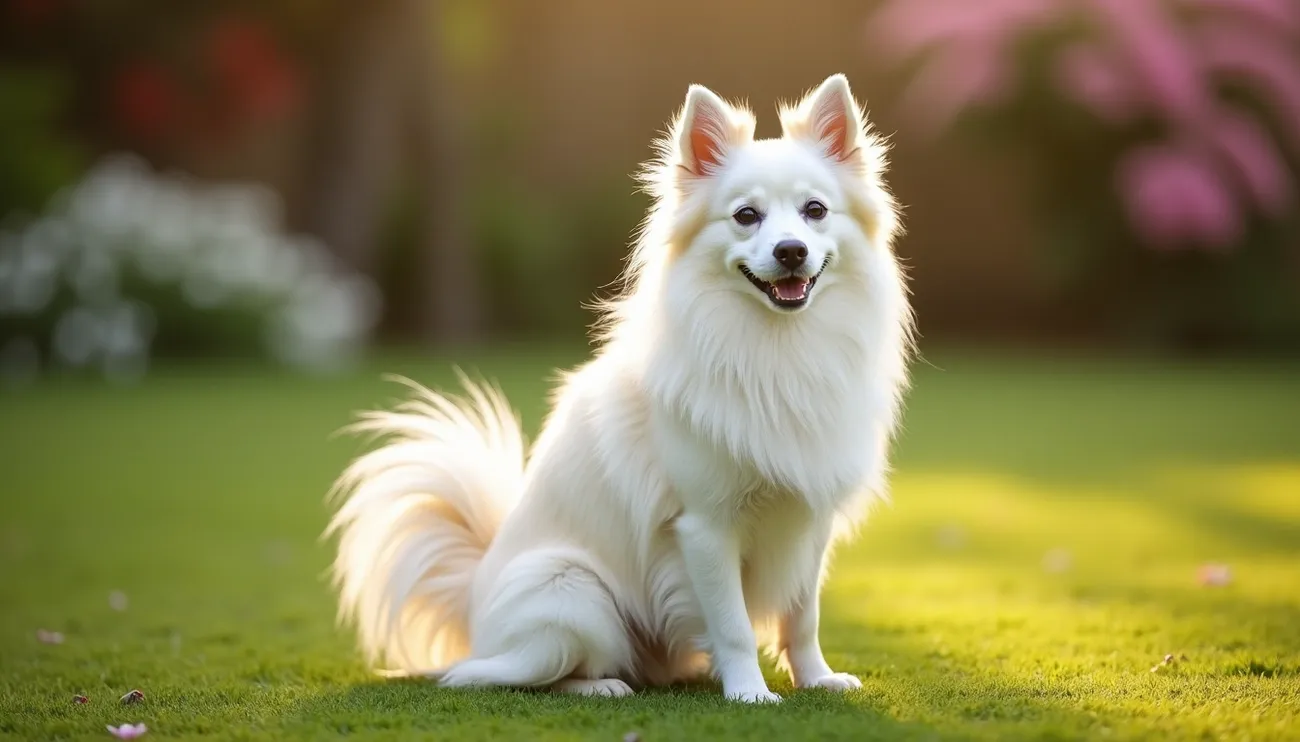
The Indian Spitz ruled India’s pet scene throughout the 1980s and 1990s because strict import rules made it hard to get other foreign breeds. British colonizers brought this charming breed to India in the 19th century. The breed’s ancestry likely traces back to the German Spitz, and it quickly became a favorite companion in homes across the country.
This delightful breed typically weighs between 5-15 kilograms. Its distinctive fluffy double coat usually comes in milky white, though some dogs sport brown or rare black-and-white combinations. The breed’s popularity soared nationwide after a lovable Indian Spitz named Tuffy captured everyone’s hearts in the Bollywood movie ‘Hum Aapke Hain Koun’. Indian Spitz dogs make wonderful companions with their impressive 16-year average lifespan. The breed comes in two size variants – smaller ones weighing 5-7 kg and bigger ones reaching 12-20 kg. These adaptable dogs remain beloved pets in Indian households.
History and Origin of the Indian Spitz
The Indian Spitz’s story begins in the colonial period, and this breed would later become one of India’s most cherished companions.
British influence and German Spitz ancestry
The breed’s history dates back to the 19th century during British colonial rule in India. The Indian Spitz doesn’t share the ancient lineage of other subcontinent breeds. British rulers brought the German Spitz to India, which laid the groundwork for what we now call the Indian Spitz breed.
Colonial breeders started a careful breeding program with these German Spitz dogs. Their main goal was simple but challenging – they wanted to keep the German Spitz’s best traits while helping the dogs adapt to India’s climate. The resulting breed mixed characteristics from German Spitz, Samoyed, and Pomeranian breeds.
Import rules played a key role back then too. Historical records tell us that during the 18th and 19th centuries, India only allowed German shepherds to cross its borders, with other breeds facing restrictions. These limits pushed breeders to develop the Indian Spitz as they looked for alternatives.
Adaptation to Indian climate
The change from European Spitz to Indian Spitz took time. Years of breeding and research showed these dogs could adapt well to Indian conditions. These new dogs developed traits that helped them survive and thrive in the hot, humid weather of Indian plains, unlike their European ancestors.
Breeders managed to keep the smarts and versatility of the original German breed while making the dogs more heat-resistant. The Indian Spitz developed:
A thicker, weather-resistant coat that worked in both hot and cold weather
A slightly smaller body than their European relatives
A strong build suited for India’s different climate zones
These adaptations created a tough, versatile breed that could handle Indian summers well. The breed’s ability to deal with the climate became one of its standout features and later helped it become popular across the country.
Rise in popularity during the 1980s and 1990s
The Indian Spitz had been around since colonial times, but it really took off in the 1980s and 1990s. This wasn’t just about people liking the breed – practical reasons drove its success.
The Indian government’s strict import rules and economic regulations made it hard to get foreign dog breeds at the time. Many Indian families turned to the Indian Spitz as it was more available. The breed had several things going for it:
The Indian Spitz looked like popular foreign breeds but was cheaper and easier to get. These dogs could adapt to different Indian environments, which made them a practical choice for homes nationwide.
Bollywood gave the breed an extra push toward fame. The Indian Spitz became a household name after a lovable dog named Tuffy appeared in the hit movie “Hum Aapke Hain Koun”. This cultural spotlight made the breed a family favorite.
These factors made the Indian Spitz the go-to companion for city dwellers and families throughout India. People still love these adaptable, loyal dogs, and many Indian households choose them as pets today.
Physical Characteristics and Appearance
The Indian Spitz catches everyone’s eye with its fox-like looks and fluffy white coat. You can spot this breed right away thanks to its well-defined features and balanced build. People all over the Indian subcontinent know this dog’s distinctive appearance.
Size and weight variations
The Indian Spitz comes in two sizes that fit different living situations and priorities. The Smaller Indian Spitz (also called Lesser Indian Spitz) weighs about 5-7 kilograms and stands 20-25 centimeters at the withers. The Bigger Indian Spitz (or Greater Indian Spitz) is nowhere near as compact, weighing 12-20 kilograms and reaching 35-45 centimeters at the withers.
These size options give future owners more flexibility. The Smaller Indian Spitz makes a perfect companion for apartment living, while its bigger cousin needs more space and might do better in homes with yards. All the same, both sizes share the same body structure with slightly shorter legs, which gives them their trademark look with larger heads.
Coat types and colors
The Indian Spitz has a dense, soft double-layered coat that works great in all kinds of weather. Its coat combines a soft undercoat with a longer, denser topcoat to create that signature fluffy look. While most Indian Spitz dogs are milky white, you can find them in other colors too:
Dusky brown
Black (not as common)
Sometimes black and white mixed (like Dalmatian patterns but quite rare)
The Indian Spitz’s coat isn’t as thick as a Pomeranian’s, and you can see individual hairs more easily. This coat type serves them well in India’s climate – it protects them without making them too hot, showing how breeding has adapted them to their environment.
Distinctive features: ears, tail, and eyes
The Indian Spitz has several striking features that make its face so expressive. Its pointy, fox-like ears stand up straight and have thick fur inside and out. These special ears need extra care during grooming but really bring out the dog’s alert and curious expression.
The dog’s tail is another standout feature – it’s thick with fur and curves gracefully over its back. This bushy tail completes their charming side profile and balanced look.
The Indian Spitz’s eyes might be its most fascinating feature. They’re almond-shaped with clearly visible irises that can be green, blue, or white. These eyes give the dog an incredibly expressive face that shows everything from curiosity to playfulness.
A closer look at the face reveals a short muzzle and bright, intelligent eyes in a fox-like face. The Indian Spitz’s face looks quite different from a Pomeranian’s flatter face and cone-shaped snout. Its compact, well-proportioned body creates an elegant yet sturdy appearance.
People often mistake the Indian Spitz for a Pomeranian. But experienced dog lovers can spot the differences – the Indian Spitz is bigger, has less dense fur, more pointed ears, and a unique facial structure. These features help set it apart from similar breeds.
Temperament and Personality Traits
The Indian Spitz wins hearts with more than just their fluffy looks and rich history. These dogs have a unique personality that combines playfulness with loyalty. Their pleasant nature and ability to adapt have made them one of India’s favorite companion breeds.
Loyal and affectionate nature
Indian Spitz dogs build incredibly strong emotional bonds with their families. They shower their owners with affection and create deep connections. You’ll often find them following family members around the house and taking part in daily activities. Their wonderful personality makes them great companions for anyone, whether you live alone or have a big family.
These dogs strike a perfect balance between loyalty and independence. They’re devoted but not clingy. Their affection shows through:
Excited welcomes when you come home
Snuggling up during quiet moments
Staying tuned to your emotions and moods
Their smart nature makes this connection even stronger. They quickly pick up on human emotions and react naturally. These dogs can read their owner’s feelings and offer comfort when needed. This emotional awareness creates a rewarding bond between the dog and owner.
Alertness and watchdog instincts
The Indian Spitz makes an excellent watchdog while being a loving companion. Their sharp senses help them spot unusual activity around your home. They’ll bark to let you know when something’s not right, acting as a reliable security system without being aggressive like guard dogs.
These dogs stay alert to their surroundings and notice changes that humans might miss. When they spot potential threats, they communicate through barking. This natural instinct needs proper training, especially in apartments where too much barking can become an issue.
Their watchdog behavior comes from protective loyalty, not aggression. These dogs aren’t dangerous by nature – they just want to keep their families safe. This mix of alertness and friendliness makes them perfect for families who want a vigilant but gentle companion.
Compatibility with children and other pets
Indian Spitz dogs show amazing patience with kids. They handle enthusiastic play and accidental rough handling with grace. Their playful energy matches active children perfectly, making them natural playmates who can keep up with kids all day.
Of course, you should supervise interactions and teach children how to handle pets properly. These dogs also get along well with other pets. Though they have some hunting instincts, well-socialized Indian Spitz rarely chase smaller animals indoors – though they might run after birds outside.
Early socialization shapes these positive traits. Puppies need exposure to different people, animals, and environments between three and 14 weeks old. This helps them grow into well-adjusted adults. Well-socialized Indian Spitz typically:
Play nicely with other dogs at home
Live peacefully with cats and small pets
Welcome new people into their space
Without doubt, their mix of smarts, love, and adaptability makes the Indian Spitz a fantastic choice. They fit naturally into many different family situations and bring joy to any home they join.
Grooming Needs and Coat Care
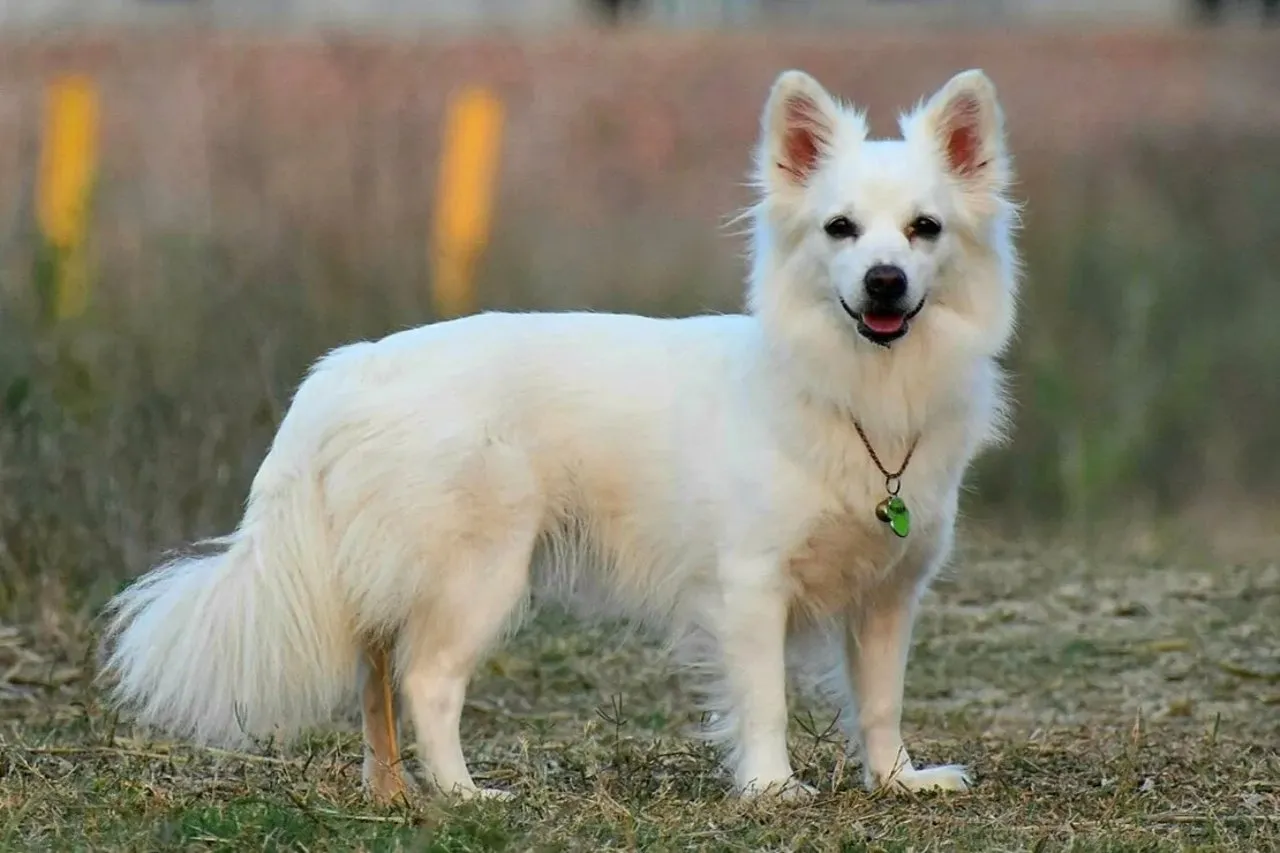
Image Source: thePack.in
Your Indian Spitz’s double-coated fur needs regular care to look its best and control shedding. Good grooming makes your dog look great and helps keep them healthy and comfortable.
Brushing frequency and tools
Regular brushing sessions are key to maintaining your Indian Spitz’s beautiful coat. Most experts say you should brush their thick double coat 3-4 times per week. You might get by with 2-3 weekly sessions during normal times, but you’ll need more frequent brushing during heavy shedding seasons.
You’ll need these specific tools to groom properly:
Slicker brush – Perfect for daily care and removing loose fur
De-shedding brush – You’ll need this 1-2 times weekly to handle seasonal shedding
Regular comb – Great for detangling and everyday grooming
The way you brush matters just as much as how often you do it. Start at the neck and work your way to the back, tail, and legs so you don’t miss any spots. This careful approach stops tangles, prevents matting, and spreads natural oils through the coat. Your regular brushing routine will also give you a chance to check your dog’s skin for any issues.
Bathing schedule and coat maintenance
Indian Spitz dogs do well with moderate bathing. Most experts recommend a bath every 4-6 weeks. Your dog might need an extra bath if they get dirty or start to smell. Too much bathing can strip away natural oils and dry out their skin.
Here’s what you need to know about bathing your Indian Spitz:
Pick a mild shampoo made for double-coated breeds. Make sure you dry them completely, especially in cold weather, because wet undercoats can lead to skin infections. Their thick undercoat holds moisture, so thorough drying is crucial.
Your grooming routine should include more than just baths. Cut their nails monthly and clean their ears each week to avoid infections. Brush their teeth 2-3 times weekly since Indian Spitz dogs can develop dental problems.
Managing seasonal shedding
Your Indian Spitz will shed more during spring and fall. These seasonal changes turn normal shedding into a much bigger job as their coat adapts to temperature changes.
Daily brushing becomes a must during heavy shedding periods. A good de-shedding tool will help you remove loose fur from deep in the undercoat before it ends up all over your home.
You can set up a home grooming routine that works. Start by getting your dog used to being touched and handled – this makes grooming easier for both of you. Professional groomers can help during heavy shedding seasons, but you’ll still need to maintain the coat between visits.
Clean living spaces help control loose fur. Regular vacuum cleaning, using lint rollers on furniture, and washing your dog’s bed often will keep shedding under control at home.
A steady grooming routine with regular brushing, proper bathing, and extra care during shedding seasons will keep your Indian Spitz looking fantastic. These grooming sessions also help build a stronger bond with your furry friend.
Common Health Issues in Indian Spitz
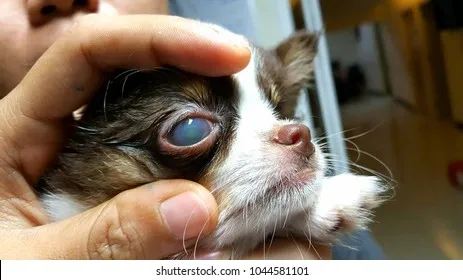
Image Source: Shutterstock
Indian Spitz dogs are tough, but they can develop certain health conditions that need careful monitoring and care. Dog owners should learn about these potential issues to keep their pets healthy throughout their approximately 15-year lifespan.
Corneal ulceration and eye care
Eye problems, especially corneal ulceration, are the biggest health concerns for Indian Spitz dogs. The cornea loses its transparency and becomes cloudy when erosion damages its outer layer (epithelium) and supporting tissue (stroma).
These dogs often develop this condition because of:
Blunt trauma from rubbing against carpets or furniture
Scratches from foreign objects like sticks during outdoor play
Chemical burns from irritants such as shampoo or household cleaners
Your dog might have corneal ulceration if you notice excessive eye rubbing, squinting, redness, and tear discharge. You should take your pet to the vet right away if these symptoms appear. Vets usually diagnose this condition by applying fluorescein dye to the cornea – the damaged areas turn green.
Treatment usually includes antibiotic eye drops or ointments to stop infections and pain medication. Some severe cases need surgery. Research shows Indian Spitz dogs make up 16.67% of all canine corneal ulcer cases, making them second only to Pugs.
Skin allergies and coat-related problems
The thick double coat of Indian Spitz dogs makes them prone to skin problems, especially in hot weather. These issues appear in different ways and need specific treatment approaches.
Environmental allergies (atopic dermatitis) often affect these dogs. Pollen, dust mites, and mold spores can trigger allergic reactions. Dogs usually itch and develop redness on their face, ears, paws, armpits, and belly.
Contact dermatitis happens when your dog’s skin touches irritating substances like certain plants or chemicals. The itching and inflammation usually go away once you remove the cause.
Weather changes can make your Indian Spitz’s skin dry. You’ll need to watch for this and use moisturizing treatments to prevent discomfort and infections.
Regular grooming helps manage these skin issues. Mild dog shampoos remove allergens from the coat. If skin infections develop because of allergies, medicated shampoos with antimicrobial ingredients can help.
Other breed-specific health concerns
Indian Spitz dogs face other health challenges beyond eye and skin problems.
Obesity is common when these dogs eat too much or don’t exercise enough. You need to control portions and ensure regular exercise because extra weight can make other health problems worse.
These dogs often develop dental problems because of their small mouths. Regular tooth brushing and professional cleaning are vital parts of their healthcare.
Small breeds like the Indian Spitz often get luxating patella, where the kneecap moves out of position. If your dog limps or shows discomfort while moving, you should visit the vet.
Some dogs develop hypothyroidism, where their thyroid gland doesn’t produce enough hormones. Weight gain and low energy are common signs that need medication.
Good preventive care helps keep Indian Spitz dogs healthy. Regular vet visits, vaccinations (especially puppy shots), proper diet, and exercise are the foundations of good health. Watching for health issues and addressing them quickly helps your Indian Spitz live a long, healthy life.
Training and Socialization Tips
The Indian Spitz learns quickly and responds well to obedience training. Their independent streak means you’ll need the right approach to get the best results.
Trainability and intelligence
Indian Spitz dogs are smart and eager to learn, which makes them easier to train than many small breeds. They’re observant and quick to understand commands. These dogs thrive on positive reinforcement – treats, praise, and play-based rewards work great with them.
Start teaching simple commands when puppies are 8-10 weeks old. The key commands to start with include:
Sit
Stay
Come
Down
Heel
Your Indian Spitz will learn best with short training sessions of 5-10 minutes each. Their curious nature and quick minds make them great candidates for advanced training beyond simple commands. Many owners find their dogs love learning tricks, playing games, and even trying basic agility exercises that keep their minds active.
These dogs don’t just follow commands – they understand situations, adapt easily to new environments, and solve problems on their own. This mental flexibility, combined with their desire to please, creates perfect conditions for productive training sessions.
Dealing with stubborn behavior
Behind their eager-to-please nature, Indian Spitz dogs can show a stubborn side that needs patience to handle. This independent thinking isn’t rebellion—it comes from their smart, somewhat bossy personality. Consistency becomes key when you face resistance during training.
Your dog will get confused by inconsistent rules and commands. Everyone at home needs to use similar commands and follow the same rules. This unified approach stops your Indian Spitz from getting mixed signals or playing favorites.
When stubbornness shows up, don’t raise your voice or punish them – it usually backfires with this sensitive breed. We found success by using motivating rewards—special treats, favorite toys, or enthusiastic praise work better than fighting the resistance.
Breaking down complex behaviors into smaller steps helps get past stubborn moments. Boredom often leads to resistant behavior in Indian Spitz dogs. You can curb this by mixing up training sessions and giving them enough mental challenges through puzzle toys, new places, and fresh activities.
Importance of early socialization
The best time to socialize an Indian Spitz puppy is between 3 and 14 weeks old. What they experience during this time shapes their future behavior and adaptability. A well-socialized Indian Spitz grows into a confident, well-adjusted adult with fewer behavior problems.
Good socialization should include exposure to:
Different people (varying ages, appearances, and genders)
Other animals (both dogs and non-canine pets)
Various environments (parks, streets, stores)
Different sounds, textures, and situations
Early socialization helps your Indian Spitz in many ways. They become less fearful and anxious, interact better with humans and other animals, develop better safety awareness, and handle public settings well. These benefits help create a balanced temperament that works with their natural alertness without leading to fear-based behaviors like excessive barking.
Socialization doesn’t stop after puppyhood. Keep exposing your Indian Spitz to new experiences through adolescence and adulthood to maintain their social skills. Watch them closely during adolescence (around 6-18 months) when many become more cautious or reactive—ongoing socialization during this time prevents these behaviors from becoming permanent.
Good training and socialization turn your Indian Spitz from just a beautiful companion into a well-adjusted, obedient family member who handles social situations confidently and appropriately.
Indian Spitz vs Pomeranian: Key Differences
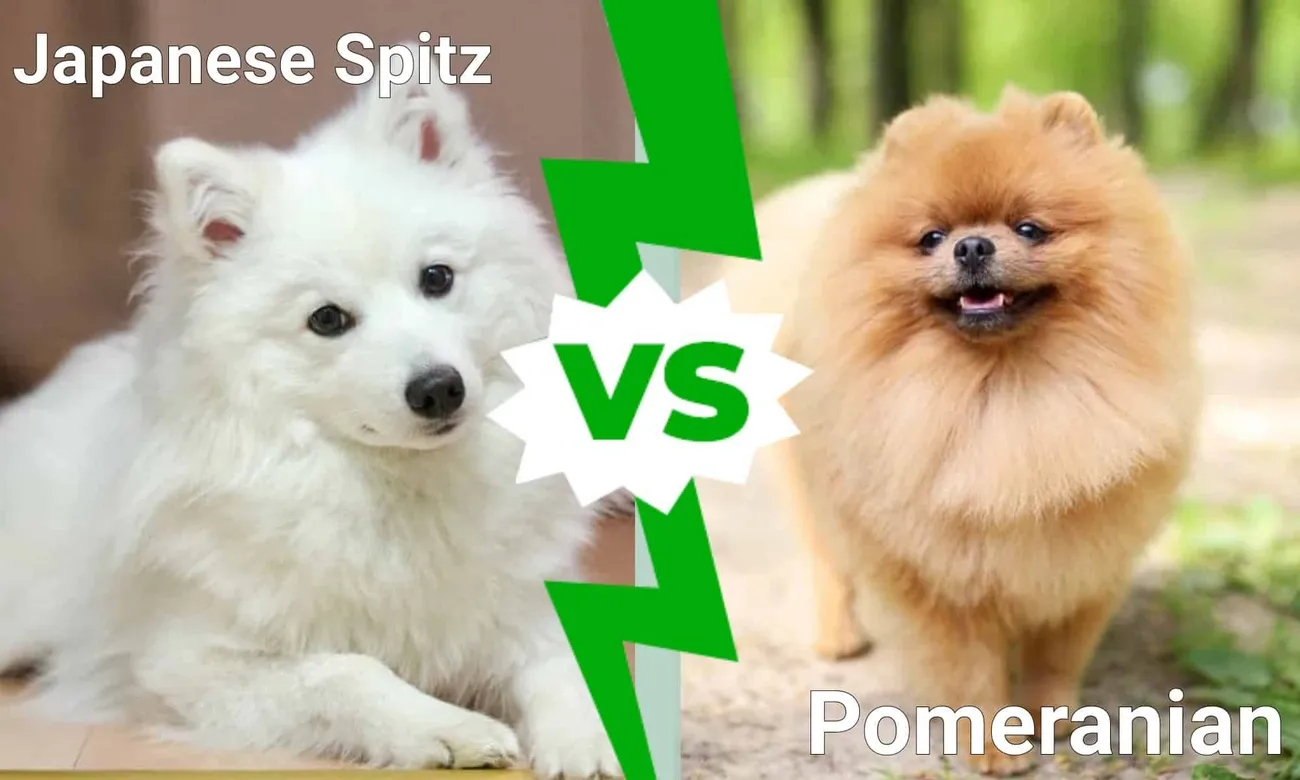
Image Source: A-Z Animals
People often mix up Indian Spitz with Pomeranian dogs because they both look fluffy. These two spitz-type breeds are actually quite different from each other in several ways.
Size and weight comparison
The biggest difference between these breeds shows up in their size. Indian Spitz dogs are much bigger. They stand 14-18 inches (35-45 cm) tall at the shoulder and weigh between 12-20 kg. Even the smallest Indian Spitz weighs more than a Pomeranian.
Pomeranians belong to the toy breed category. They stand just 7-12 inches (18-30 cm) tall and weigh only 3-7 pounds (1.4-3.2 kg). You can spot this size difference right away when you see them together. A typical Pomeranian weighs about 5 pounds (2 kg), while an Indian Spitz usually weighs around 35 pounds (16 kg).
Facial structure and ear shape
These breeds look quite different in the face. Indian Spitz dogs have a longer, cone-shaped muzzle that takes up about half of their skull’s length. Their face looks more balanced with a straighter nose bridge.
Pomeranians’ faces are noticeably flatter. Their muzzles are shorter and more compact, taking up just one-third of their head size. This gives them their fox-like look that’s different from the Indian Spitz’s wolf-like appearance.
Both breeds have pointed, triangular ears that stand up. The Indian Spitz’s ears are bigger compared to their skull and sit a bit wider apart. Pomeranian ears are smaller compared to their head and sit higher up – you can barely see them through all their fur.
Coat density and grooming needs
The coat makes another key difference between these breeds. Pomeranians have an incredibly thick double coat. Their undercoat and outer coat are very dense, which creates their signature fluffy look. Their thick fur needs brushing 3-4 times every week, and sometimes daily during shedding season.
Indian Spitz dogs have a lighter double coat where you can see individual hair strands more easily. They need less grooming – usually just one brushing session per week does the job. This makes Indian Spitz dogs easier and cheaper to maintain when it comes to grooming.
Buying or Adopting an Indian Spitz
Bringing an Indian Spitz home requires careful thought about costs and where to get your new companion.
Indian Spitz price in India
A typical Indian Spitz puppy costs between ₹5,000 to ₹15,000, which makes them more affordable than imported breeds. Some special pedigree puppies might cost up to ₹30,000.
Prices vary significantly by region in India. Kerala’s market shows prices between ₹6,000-₹10,000, while Chennai’s prices range from ₹8,000-₹15,000. Bangalore’s prices tend to be higher at ₹10,000-₹15,000 because of the city’s quality-focused breeders and high demand.
The price differences depend on several things: the breeder’s reputation, the dog’s lineage, vaccination records, and where you live.
Adoption vs buying from breeders
Adoption gives you more than just cost savings. Shelter dogs often come vaccinated and house-trained, which makes the transition smoother. You’ll give a deserving dog a second chance and support animal welfare organizations at the same time.
Finding a reputable breeder is a vital step if you decide to buy. Good breeders focus on health, proper socialization, and maintain clean facilities. Stay away from pet shops and puppy mills – they often put profits first and ignore animal welfare, which leads to health and behavior problems.
What to expect from a 3-month-old Indian Spitz puppy
Three-month-old Indian Spitz puppies usually have their first round of shots. These little ones are full of energy and love to play. This age is perfect to start socialization.
Your puppy needs balanced meals with enough protein to grow properly. New owners should stick to regular schedules for feeding, playtime, and potty breaks. This helps build trust and makes training easier.
Conclusion
The Indian Spitz makes a perfect companion for Indian households by blending imported breeds’ best qualities with local adaptations. These dogs have come a long way from their European roots to become one of India’s most loved breeds. They ruled the pet scene when import restrictions were in place during the 1980s and 1990s. Today, families still choose these smart and loyal dogs as their companions.
You can find the Indian Spitz in two sizes, and both types fit naturally into different homes while keeping their fox-like looks and expressive features. Busy families love them because their fluffy double coat needs moderate grooming. These dogs stay healthy with proper care and can live up to 15 years on average.
Future dog parents will appreciate this breed’s balanced nature. They stay alert enough to guard the house but remain gentle with children. This mix of watchfulness without aggression makes them ideal family pets. Indian Spitz dogs run on consistent training that values their intelligence, though they can be stubborn at times.
This breed brings loyalty and affection to any household setup. They cost less than imported breeds, which adds to their appeal. The Indian Spitz has proven its worth in India’s evolving pet world. More than just beautiful dogs, they are versatile, loving family members that belong in Indian homes and hearts.
Key Takeaways
The Indian Spitz offers an ideal blend of adaptability, loyalty, and practicality for Indian families, making them excellent companions with manageable care requirements.
• Climate-adapted breed: Originally developed from German Spitz during British colonial rule, specifically bred to thrive in India’s hot, humid climate while maintaining intelligence and versatility.
• Two size options available: Choose between Smaller Indian Spitz (5-7 kg, perfect for apartments) or Bigger variant (12-20 kg, suitable for larger homes) based on your living space.
• Moderate grooming needs: Despite their fluffy double coat, they require only 3-4 weekly brushings and monthly baths, making maintenance easier than similar breeds like Pomeranians.
• Excellent family temperament: Naturally loyal and affectionate with strong watchdog instincts, yet gentle with children and compatible with other pets when properly socialized.
• Affordable and accessible: Priced between ₹5,000-₹15,000 in India, significantly more budget-friendly than imported breeds while offering similar companionship qualities.
• Health vigilance required: Monitor for breed-specific issues like corneal ulceration and skin allergies, but with proper care, expect a healthy 15-year lifespan.
The Indian Spitz proves that you don’t need expensive imported breeds to find a perfect canine companion—this locally-adapted breed offers everything families need in a loyal, intelligent, and beautiful package.
FAQs
Q1. What are the key characteristics of an Indian Spitz? Indian Spitz dogs are known for their fluffy white double coat, fox-like appearance, and alert, erect ears. They are intelligent, loyal, and make excellent family companions. These dogs come in two size variants and are well-adapted to the Indian climate.
Q2. Is the Indian Spitz a high-maintenance breed? No, the Indian Spitz is generally not high-maintenance. They require moderate grooming, with brushing 3-4 times a week and monthly baths. Their grooming needs are less demanding compared to similar fluffy breeds like Pomeranians.
Q3. Can Indian Spitz dogs be left alone for extended periods? While Indian Spitz dogs are relatively independent, they thrive on human companionship. It’s best not to leave them alone for long periods as they may develop separation anxiety. Short absences are usually fine if they’re properly trained and have activities to keep them occupied.
Q4. What type of food is recommended for an Indian Spitz? A balanced diet rich in protein is ideal for Indian Spitz dogs. High-quality commercial dog food formulated for small to medium breeds is suitable. For puppies, ensure their diet supports proper growth. Always consult with a veterinarian for specific dietary recommendations based on your dog’s age, size, and health condition.
Q5. How does the Indian Spitz compare to other popular small dog breeds? The Indian Spitz is larger than many small breeds like Pomeranians, with a less dense coat that’s easier to maintain. They are generally healthier and better adapted to hot climates than many imported breeds. Indian Spitz dogs are also more affordable and readily available in India compared to foreign breeds.