
Indian pariah dog
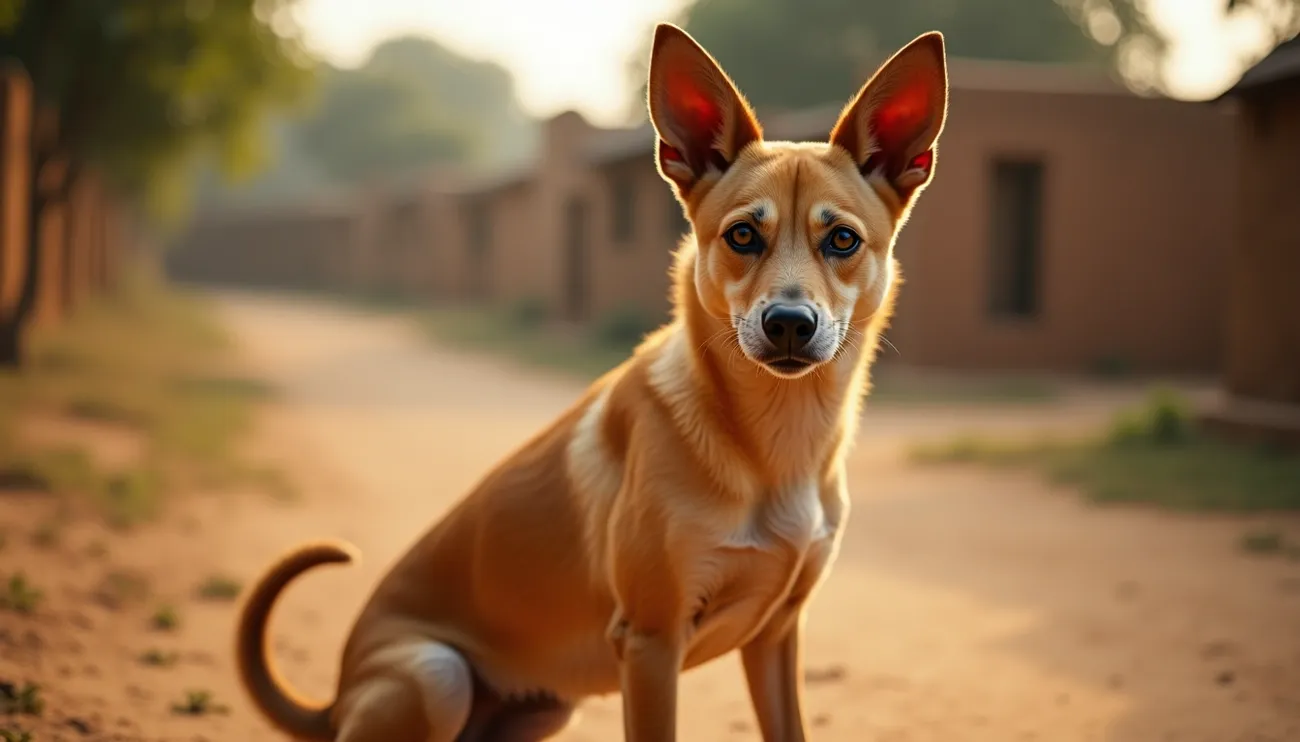 Indian pariah dogs rank among the oldest dog breeds worldwide. Archeological evidence shows they lived in Indian villages 4,500 years ago. These remarkable dogs evolved naturally instead of through selective breeding. This natural evolution helped them adapt perfectly to India’s varied climate.
The story of indie dogs runs deep in Indian civilization. Scientists found dog skulls at ancient Indus Valley sites like Mohenjo-daro. These resilient animals served as the most important protectors of livestock and became loyal companions to humans. Their unbroken 5,300-year history shows why they stay healthier and more adaptable than many bred dogs today.
This piece tells you everything about the Indian pariah dog. You’ll learn about their ancient roots, unique physical traits, personality, care needs, and what to think over before adoption. The text helps anyone who wants to bring an indie dog home or learn about this native breed. These dogs truly stand out as one of the oldest and toughest four-legged friends on earth.
History and Evolution of the Indian Pariah Dog
The Indian pariah dog stands among the world’s oldest canine lineages that still exist today. These dogs have adapted perfectly to their environment over hundreds of years. Their survival story makes them remarkable examples of natural canine development.
Ancient roots in the Indus Valley Civilization
Scientists have found compelling evidence of the Indian pariah dog’s ancient heritage. A pariah dog skull from 2500 BCE was unearthed at the Mohenjo-Daro site in Pakistan’s Sindh region. This confirms their presence during the Indus Valley Civilization. Cave paintings across the Indian subcontinent show they are one of the world’s oldest surviving dog breeds.
These dogs’ story goes back about 15,000 years, maybe even to the Paleolithic era. They lived well beyond India’s borders, spreading across Pakistan, Bangladesh, Afghanistan, Nepal, and Sri Lanka. The Bhimbetka rock shelters contain prehistoric art showing dogs with similar features, which proves their ancient lineage.
These dogs have kept their basic traits unchanged for countless generations. Their genetic stability across thousands of years is remarkable. They’ve been loyal companions, guardians, and working partners throughout human civilization’s growth on the subcontinent.
Natural selection vs. selective breeding
The Indian pariah dog is different from most modern breeds. While people chose specific traits to create today’s recognized breeds, the Indian pariah dog developed through natural selection. Dog experts call them a “landrace” dog – they adapted to their environment naturally without much human interference.
Nature’s way of shaping these dogs gave them several advantages:
Strong disease resistance and toughness
Great ability to adapt to different environments and climates
Better problem-solving skills and awareness
Well-balanced temperament that helps them survive anywhere
These dogs learned to thrive near human settlements over thousands of years. They can survive on their own while staying friendly with humans – a balance few other breeds have achieved.
The name “Pariah” comes from the Tamil word “Pariyaar,” which means social outcast. But these dogs are smart and adaptable, much more than their name suggests. They show pure canine development – shaped by nature rather than human choices.
Global recognition of the breed
The Indian pariah dog’s official recognition came late, despite its ancient history. The Kennel Club of India published an official breed standard in 2015 in the Indian Kennel Gazette. This marked a big change in how people saw these native dogs.
These dogs gained worldwide attention when National Geographic Channel featured them in “Search for the First Dog.” The documentary also showed other ancient breeds like the Canaan Dog and Australian dingo. Later, the Primitive and Aboriginal Dog Society (PADS) in the United States recognized the breed.
British merchants tried to downplay these dogs during colonial times to sell foreign breeds in India. This led to centuries of overlooking these amazing native dogs.
People now value genetic diversity and native breeds more than ever. This has created new interest in Indian pariah dogs. Hundreds of these dogs now live in homes worldwide. Their tough nature, intelligence, and ability to adapt make them popular companions as more people learn about their special qualities.
Physical Characteristics and Appearance

Image Source: Wikipedia, the free encyclopedia
The Indian pariah dog has adapted beautifully to life in the Indian subcontinent’s varied climate. These dogs’ physical traits show how natural selection has shaped them over thousands of years. Their body structure works perfectly in a variety of environments.
Coat type and color variations
These dogs have a practical double coat – a coarse outer layer with a soft undercoat beneath. This combination shields them from summer heat and winter cold throughout the Indian subcontinent. Their short, dense coat needs little grooming but offers great protection in all weather conditions.
The dogs’ colors usually range from light to reddish-brown shades of fawn. You’ll often spot white markings on their legs and tail tips. Many show pied patterns that mix fawn or black with white. Pure black Indian pariahs exist but you won’t see them much.
Pure Indian pariah populations never show certain coat patterns. These include dalmatian spots, brindle, solid white, or heavily shaded coats. These patterns show up only when the dogs mix with non-native breeds, which happens mostly in cities where other dogs have affected the gene pool.
Size and body structure
The Indian pariah’s frame is medium-sized, built in square to slightly rectangular proportions. Male dogs stand 20-25 inches (51-64 cm) at the withers and weigh 20-30 kilograms (44-66 pounds). The females are smaller at 18-23 inches (46-58 cm) tall, weighing 15-25 kilograms (33-55 pounds).
Natural selection, not human breeding, has created their balanced body structure. The front legs stand straight with minimal angles in the back legs. This natural build leads to their short, quick trot. Their body shows how well they’ve adapted to stay active, mixing speed with stamina.
These dogs evolved across vast areas over thousands of years, so you’ll see some regional differences in how they look. In spite of that, some key features stay the same across all populations, showing the breed’s strong genetic stability.
Unique features like ears and tail
The Indian pariah has several standout features. Their ears catch your eye first – they stand up straight and alert. Set low on the head, these ears have a wide base and pointed tips. This shape helps their excellent hearing, which has developed over hundreds of years.
The head shows a distinct wedge shape and stays medium-sized. The pointed muzzle matches or slightly exceeds the skull’s length. Red or fawn-colored dogs often have darker muzzles.
Dark brown almond-shaped eyes are standard in these dogs. This eye shape and color stays consistent whatever their coat color or region.
The tail makes another defining feature. It curls up high, especially when the dog feels excited or alert. This tail position creates a unique outline that helps tell pure Indian pariahs from mixed breeds.
The Indian pariah dog’s physical traits show nature’s perfect balance of form and function. These dogs prove how natural selection creates tough, adaptable animals that fit their environment perfectly. Their looks tell us about a breed that nature, not human preferences, has shaped.
Temperament and Behavior Traits
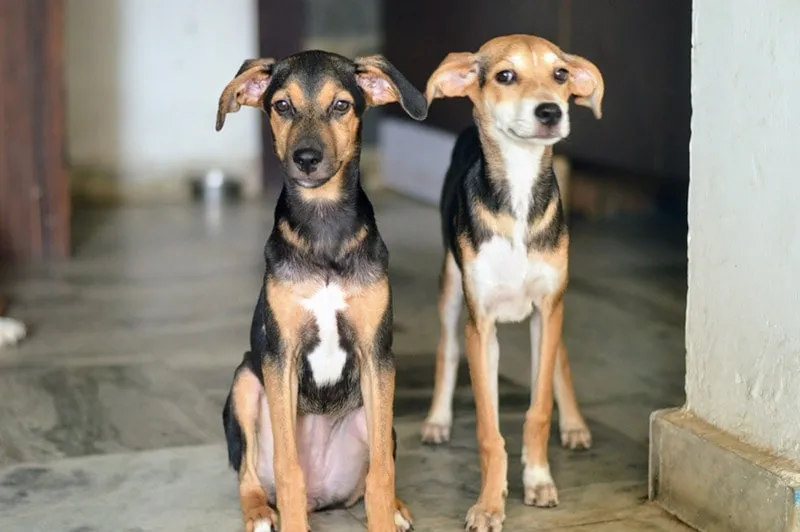
Image Source: Dogster
Natural selection has shaped Indian pariah dogs’ behavior over thousands of years. These dogs show a remarkable mix of intelligence, loyalty, and adaptability. Their semi-wild existence near human settlements through generations has created a unique behavioral profile that distinguishes them from selectively bred dogs.
Intelligence and trainability
Indian pariah dogs’ exceptional intelligence stands out as one of their defining traits. These dogs show impressive problem-solving abilities and environmental awareness that helps them direct themselves through complex surroundings. Their “street-smart” nature—a direct outcome of their history—gives them outstanding situational awareness and adaptive skills.
Training these dogs brings great rewards because they learn commands fast and respond well to positive reinforcement. Their sharp minds make them perfect candidates for various training disciplines such as obedience, agility, and scent work. Veterinarian Premlata Choudhary states, “desi dogs are much more intelligent and hardy than most pedigreed dogs that people spend so much money on”.
These dogs might ignore commands they see as meaningless. Their independent thinking can pose training challenges. They tend to lose interest in repetitive activities like fetch games. Varied, mentally stimulating training sessions that spark their natural curiosity solve this issue. Their desire to please balances their independent nature, and they respond well to consistent, trust-based handling.
Social nature and pack instincts
Pack animal instincts run deep in Indian pariah dogs. Ecological and human factors have influenced their complex social systems. These dogs establish dominance hierarchies in their natural groups through various interactions—growling, barking, and submissive postures. Their pack mentality includes their human families, whom they see as part of their social group.
Their social structure explains several key traits:
Strong territorial instincts and protective nature toward their “pack”
Excellent watchdog capabilities due to heightened alertness
Wariness toward strangers until properly socialized
Deep bonds with family members, especially when raised from puppyhood
Early socialization plays a vital role in these dogs’ development. Dogs without proper exposure to various people, animals, and environments during puppyhood might develop anxiety or distrust around unfamiliar humans. Diverse experiences early in life help them grow into confident, well-adjusted adults.
Suitability as a family pet
Well-socialized Indian pariah dogs make outstanding family companions, despite unfair stereotypes. Their loyalty, affection, and protective instincts create deep connections with their human families. Proper socialization from an early age makes them gentle and protective toward children.
These dogs’ adaptable nature helps them thrive in both urban and rural settings, though they need regular exercise and mental stimulation in any environment. Their alert nature makes them great watchdogs, while their friendly disposition welcomes approved visitors when properly socialized.
These cheerful and social dogs dislike being alone. Anxiety can develop from long periods away from human companionship. They fit best in homes where someone stays around often or where they have other dogs for company.
First-time dog owners should know that while these dogs’ intelligence makes training easier, their independent nature needs patience and consistency. The rewards make the effort worthwhile. These dogs blend ancient instincts with modern companionship qualities that make them unique additions to any family.
Health and Lifespan of Indie Dogs
The Indian pariah dog’s remarkable qualities include their strong health and impressive lifespan, which shows the effectiveness of natural selection. These native dogs have become incredibly resilient after thousands of years of adapting to their environment. They’re now among the healthiest domestic dogs you’ll find anywhere.
Common health advantages
Nature’s genius shines through in the Indian pariah dog’s health profile. We learned that these dogs have exceptionally strong immune systems, which developed naturally over centuries. This natural immunity helps them stay healthy with minimal vet visits compared to most purebred dogs.
These dogs rarely face common problems like hip dysplasia and cancer that affect many purebred dogs. They adapt well to different weather conditions and can handle everything from hot summers to cold winters across India.
Their digestive system deserves special attention. These dogs have developed powerful digestive abilities. While they can eat many different foods, owners should still give them balanced meals with the right mix of protein, carbohydrates, and healthy fats.
These dogs need very little grooming because they have naturally clean skin. Their coat doesn’t smell much, which makes them easy to care for. All they need is regular exercise, good food, and basic vet checkups to stay healthy.
Average lifespan and longevity
Indian pariah dogs live surprisingly long lives, usually between 11-16 years. This is longer than many purebred dogs of similar size, thanks to their strong genetic makeup.
These dogs stay active and healthy even in their older years. They face fewer age-related health issues throughout their lives. This makes them great companions for people who want a dog that will stay healthy for many years.
Several things affect how long an Indian pariah dog lives:
Quality of their diet and nutrition
Regular exercise and mental stimulation
Basic healthcare including vaccines
Protection from environmental risks
Street dogs often don’t live as long as they should. Most deaths among free-roaming Indian pariah dogs happen because of accidents, lack of food, dirty water, or human cruelty. Dogs that live as pets usually reach their full lifespan potential.
Why they rarely suffer from genetic disorders
Indian pariah dogs stay healthy because of how they evolved. Natural selection has worked for centuries to remove weak genetic traits that could cause health problems.
Unlike purebred dogs, which often have genetic issues from limited breeding and focus on looks, Indian pariah dogs benefit from diverse genes [201]. This variety in their genes protects them from problems that usually come from inbreeding.
These dogs evolved without human interference, so the strongest genes naturally survived. This shows how natural selection creates healthier animals than artificial breeding focused on appearance.
The Indian pariah dog’s excellent health shows why these native dogs deserve more recognition. Their natural resilience makes them great pets and teaches us important lessons about genetic health in domestic animals.
Training and Socialization Tips
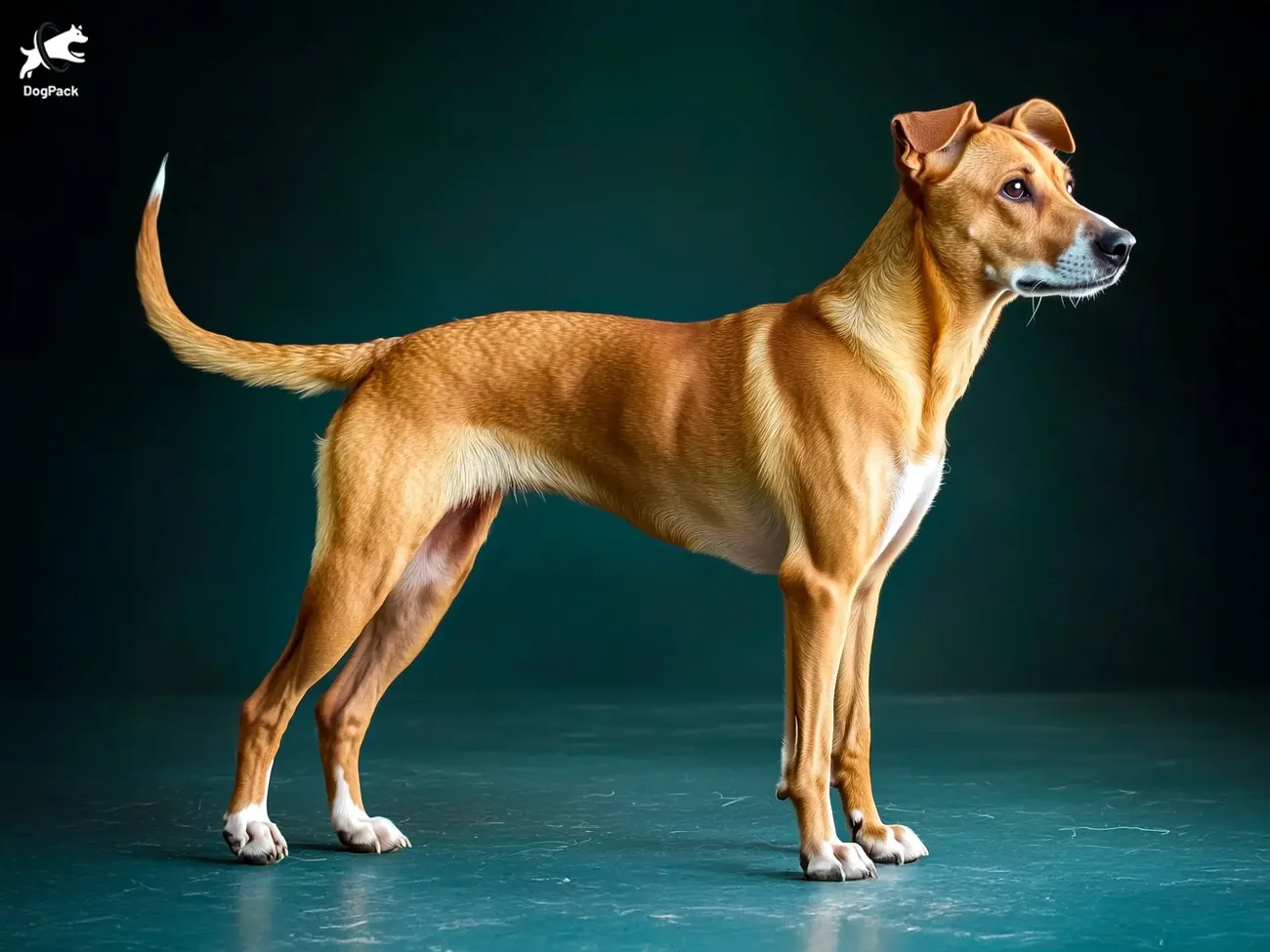
Image Source: DogPack App
Training an Indian pariah dog requires understanding their development over time and natural intelligence. These dogs have survived for centuries through their wits and adaptability. These qualities shine through in their training response. The right guidance and appropriate techniques help indie dogs excel in various disciplines from simple obedience to advanced skills.
Best age to start training
Experts recommend beginning training an Indian pariah dog between 8-12 months of age. Starting training during this significant period helps prevent potential risks as they mature. These naturally territorial dogs might develop unwanted aggressive tendencies later in life without proper training at a younger age.
Many canine behaviorists suggest that socialization should start much earlier—between 3-16 weeks—as this represents the critical socialization window. During this period, puppies should be exposed to:
Different people (men, women, children)
Other vaccinated dogs
Various sounds, surfaces, and environments
Basic handling practices
Early socialization helps indie dogs become comfortable around strangers and prevents future fearfulness. Positive experiences through treats and gentle praise are the foundations for future training success.
Positive reinforcement techniques
Indian pariah dogs respond exceptionally well to positive reinforcement training methods. Their intelligence makes them quick learners, and their independent nature means they thrive with trust-based handling rather than coercive techniques.
Effective positive reinforcement strategies include:
High-value treats like cheese, boiled chicken, or commercial dog biscuits
Enthusiastic verbal praise and physical affection
Clicker or marker training to precisely identify desired behaviors
Short, frequent training sessions (3-5 minutes several times daily)
Training indie dogs requires consistency. Clear commands and routines help them understand expectations. Their natural intelligence helps them learn concepts quickly, often making training simpler than with many purebred dogs.
Dealing with independent behavior
The independent nature of Indian pariah dogs presents both challenges and opportunities in training. These dogs may occasionally ignore commands if they don’t notice a purpose behind them. This selective response comes from their problem-solving abilities rather than stubbornness.
To work effectively with their independent streak:
Be mindful of their autonomy: Frame training as cooperation rather than strict obedience. Let them make choices within established boundaries.
Prevent boredom: Indian pariah dogs get bored easily with repetitive activities. Mix up training exercises and include scent games, problem-solving toys, and new challenges to keep them interested.
Establish clear leadership: While respecting their independence, consistent rules applied by all household members prevent confusion.
Exercise patience: Their independent thinking may require additional time for certain commands. This trait helped them survive for thousands of years.
Indian pariah dogs ended up being surprisingly trainable despite their independent nature. Their remarkable adaptability—developed through centuries of semi-wild existence—stands out. Patience and positive methods transform these ancient dogs into well-mannered companions who keep their distinctive character and problem-solving abilities.
Caring for an Indian Pariah Dog
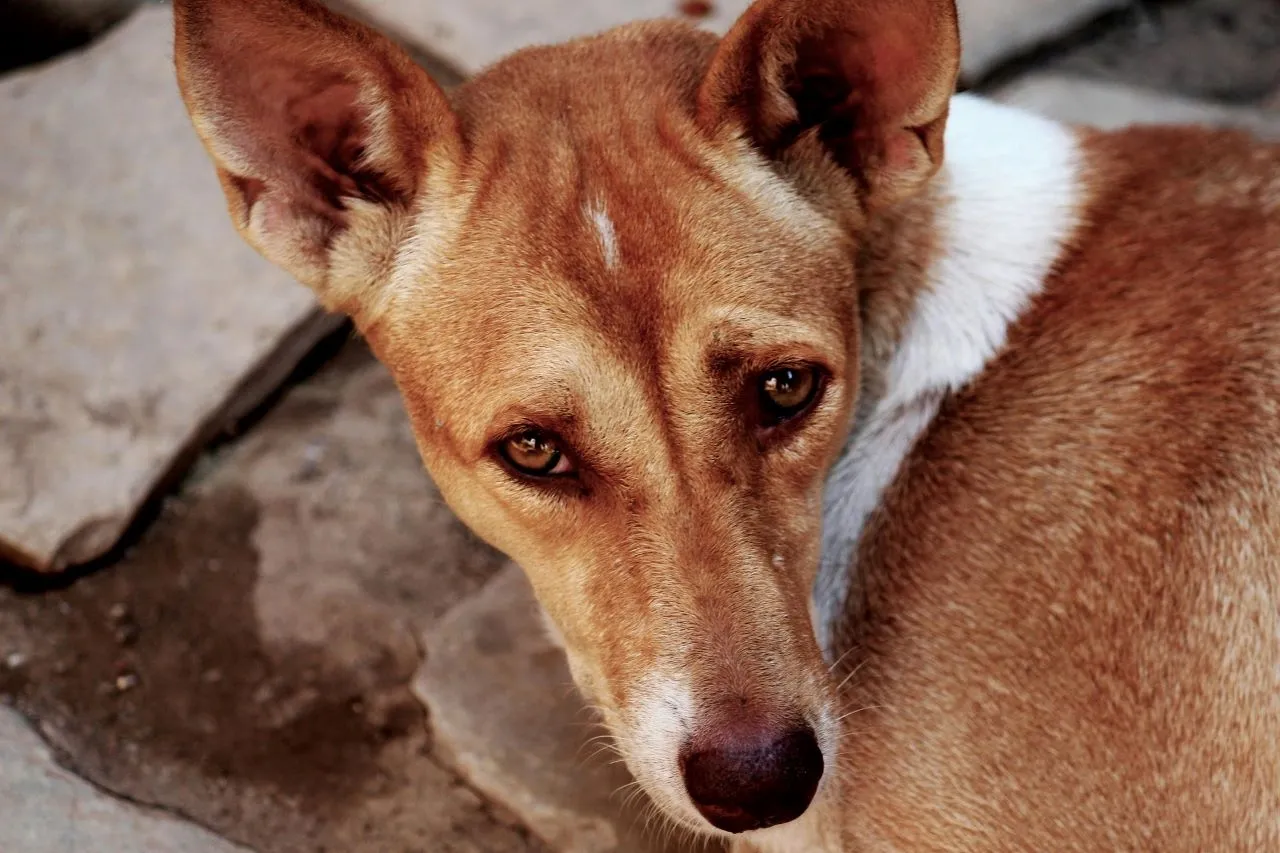
Image Source: Articles Factory
Taking care of an Indian pariah dog is a mix of simple practicality and attention to their natural traits. These dogs are naturally tough and need less maintenance than many purebreds. They still need care that matches their specific needs.
Feeding and nutrition needs
Indian pariah dogs do well with balanced nutrition that supports their active lifestyle. Their digestive systems have grown remarkably strong, which lets them handle many different foods easily. A structured diet still plays a key role in their health.
Quality protein is the foundation of an indie dog’s diet. Lean meats such as chicken, fish, or lamb give them the protein they need for muscle tone and vitality. Rice, lentils, and vegetables round out their meals with fiber and vitamins.
Feeding recommendations for Indian pariah dogs typically include:
Puppies (1-11 months): Protein-rich diet with smaller, more frequent meals
Adults: Two balanced meals daily, with portion sizes adjusted to weight and activity level
Seniors: Joint health supplements like glucosamine and chondroitin can help
These dogs can eat many things, but they do better with regular meal times and controlled portions to stay fit. Adding supplements with omega-3 fatty acids, turmeric, and probiotics helps their joints, immunity, and digestion.
Exercise and mental stimulation
Indian pariah dogs’ athletic nature means they need regular activity to stay healthy in body and mind. Most need 60-90 minutes of exercise each day. This high energy comes from their background as semi-wild dogs used to active lives.
These dogs love more than just walks. Off-leash play, exploring new places, and scent work games match their natural instincts perfectly. New walking routes and fetch games give them the variety they need as smart dogs.
Brain work matters just as much as physical exercise. Puzzle toys, training time, and interactive games keep them sharp and focused. Dogs that don’t get enough mental challenge can get restless or develop bad habits from boredom.
Grooming and hygiene essentials
Grooming is the easiest part of caring for an Indian pariah dog. Their short to medium coat sheds some but stays clean with little effort. A weekly brush gets rid of loose hair and brings you closer to your pet.
These dogs rarely need baths. Their coat stays naturally clean and only needs washing every 6-8 weeks. Too much bathing can harm their coat’s natural oils. Some indies might not like water, so gentle introduction helps them get used to baths.
Health checks should look at ears, teeth, and nails. Check ears weekly to prevent problems, and trim nails every 3-4 weeks for healthy paws. Their upright ears get good air flow, which means fewer ear infections than floppy-eared breeds.
Adoption Guide and Price Considerations
Getting an Indian pariah dog as a pet gives you a chance to bring one of India’s toughest native breeds into your family. Pet parents should know about adoption steps, costs, and home setup requirements to make their new companion feel at home.
Where to adopt an Indie dog
Animal welfare experts suggest you should visit local shelters or NGO facilities instead of picking puppies from streets. This helps maintain existing community care systems. Several organizations like Adopt Pet India, RESQ, and Friendicoes specialize in indie dog adoption. The adoption journey involves guidance counseling, checking your house, spending time with the dog, and reviewing medical history.
The Animal Welfare Board of India (AWBI) requires adoption certificates from recognized animal welfare organizations for community animals. Local authorities, municipal councils, or corporations can also help you get adoption papers for street rescues.
Indian pariah dog price in India and USA
Indie dogs cost much less than purebred varieties. You’ll pay between ₹2,000 to ₹15,000 for an Indian pariah dog. The price changes based on coat color, location, and age. Major cities like Mumbai, Delhi, Bangalore, and Hyderabad show similar price ranges.
Monthly care won’t break the bank. Simple responsible care costs about ₹800-3,100 monthly. This covers food (₹500-1,500), preventive medicines (₹150-600), and some grooming supplies.
Preparing your home for a new pet
Your indie dog needs a welcoming space to feel at home. Set up a quiet corner with a bed or crate where they can feel safe while settling in. Your home should be safe by:
Adding nets to balconies and windows in multi-story buildings
Getting rid of choking hazards and toxic items
Keeping shoes in cabinets and sealing dustbins
Covering exposed electrical fittings with tape
After setting up the space, get the basics – food and water bowls, comfortable bedding, a leash, collar, and quality dog food. Take your new friend to a vet in the first week for a health check and vaccination plan.
Myths and Misconceptions About Indie Dogs
People often misunderstand Indian pariah dogs, which stops many from bringing these amazing native dogs into their homes. The myths about these dogs simply don’t match reality.
Are they aggressive?
The biggest myth claims indie dogs are naturally aggressive. These dogs actually make gentle companions who stay alert and full of energy. They form strong bonds with their families and show special love for kids and older people. People sometimes mistake their watchful nature for aggression, but this behavior comes from their pack-based development. When these dogs show any signs of aggression, it’s usually because they’ve faced abuse in the past.
Are they hard to train?
Indian pariah dogs are nowhere near difficult to train – they learn things amazingly well. Their street smarts help them learn commands in several languages. These dogs adapt quickly and respond great to positive training methods. They pick up new commands fast. Their survival instincts sometimes make them think for themselves, but this shows how smart they are rather than any stubbornness.
Do they carry more diseases?
Science proves this harmful myth wrong. Natural selection has given Indian pariah dogs strong immune systems. These dogs rarely face health problems like hip dysplasia, obesity, or genetic issues that purebreds often get. Their tough nature helps them fight off diseases well – they just need basic healthcare like any other dog.
Conclusion
Indian pariah dogs have thrived for an incredible 5,300 years. These remarkable animals stand among the world’s most resilient and adaptable canine companions. Their traits come from nature’s hand rather than human breeding. This natural selection has created dogs that perfectly balance intelligence, loyalty, and toughness. Their weather-resistant coats and alert ears show how well they’ve adapted to India’s varied climate.
These native dogs bring practical benefits that most modern breeds can’t match. Their robust immune systems help them avoid the genetic issues common in purebreds. They make great family pets too, especially when socialized early. These smart, independent dogs respond well to positive training that lets them use their natural problem-solving skills.
Bringing an Indian pariah into your home connects you with ancient canine heritage while making practical sense today. These native dogs have finally started getting the recognition they deserve from kennel clubs and dog lovers worldwide. They’re budget-friendly to adopt and need minimal maintenance, which makes them ideal household companions.
Unfortunately, myths about their aggression, trainability, and health still persist. These false beliefs keep many people from experiencing these dogs’ natural loyalty and affection. The truth paints a different picture – these dogs show gentle love, sharp intelligence, and great health with proper care.
Indian pariah dogs truly showcase natural canine development at its finest. Their survival through thousands of years proves how tough and adaptable they are. People who welcome these ancient companions home quickly learn what Indian communities have known for generations – no other dogs match their loyalty, smarts, and adaptability.
Key Takeaways
The Indian pariah dog represents one of the world’s oldest and most resilient canine breeds, offering unique advantages for modern pet owners seeking hardy, intelligent companions.
• Ancient heritage meets modern appeal: With 5,300+ years of natural evolution, Indian pariah dogs possess superior health and adaptability compared to selectively bred dogs.
• Exceptional health with minimal maintenance: These dogs rarely suffer genetic disorders, live 11-16 years, and require only basic grooming due to their naturally clean coats.
• Intelligent yet independent companions: Their street-smart intelligence makes them highly trainable, but they respond best to positive reinforcement and varied mental stimulation.
• Affordable adoption with low ongoing costs: Adoption ranges ₹2,000-15,000 in India with monthly care costs of just ₹800-3,100, making them economical choices.
• Debunked myths prevent adoption: Contrary to misconceptions, properly socialized Indian pariah dogs are gentle family pets, not aggressive or disease-prone animals.
These remarkable native dogs combine ancient survival instincts with modern companionship qualities, making them ideal for families seeking loyal, low-maintenance pets with exceptional longevity and health.
FAQs
Q1. What are the key characteristics of Indian pariah dogs? Indian pariah dogs are medium-sized with erect ears, a wedge-shaped head, and a curved tail. They have short coats in various shades of fawn or brown, often with white markings. These dogs are intelligent, adaptable, and make excellent companions when properly socialized.
Q2. How do I care for an Indian pariah dog? Care for an Indian pariah dog by providing a balanced diet, regular exercise, and basic grooming. They require minimal bathing and are generally low-maintenance. Ensure they receive proper veterinary care, including vaccinations and preventive treatments. Early socialization and positive reinforcement training are important for their development.
Q3. Are Indian pariah dogs aggressive? Indian pariah dogs are not inherently aggressive. When properly socialized, they are typically gentle and affectionate. Their alertness can be mistaken for aggression, but it’s actually a natural protective instinct. With proper training and care, they make loving and loyal family pets.
Q4. What are the health advantages of Indian pariah dogs? Indian pariah dogs have strong immune systems and are generally healthier than many purebred dogs. They rarely suffer from genetic disorders common in selectively bred dogs. Their natural evolution has made them resilient to various climates and diseases, often resulting in longer lifespans and lower veterinary costs.
Q5. How trainable are Indian pariah dogs? Indian pariah dogs are highly intelligent and trainable. They respond well to positive reinforcement techniques and can learn commands quickly. Their independent nature may require patience and consistency in training. Providing mental stimulation through varied activities helps keep them engaged and well-behaved.