
Golden Retriever
 Golden retrievers stand as one of America’s most beloved dog breeds. These beautiful dogs claimed the second spot in the American Kennel Club rankings back in 1999. Their story began in Scotland during the late nineteenth century, where Sir Dudley Marjoribanks developed the breed at his Guisachan estate. These medium-sized sporting dogs have captured hearts worldwide, and with good reason too.
These dogs shine as companion pets thanks to their intelligence, loyalty, and exceptional affection. A typical golden retriever weighs 55-75 pounds and reaches 21-24 inches in height. Their friendly nature makes them perfect family pets, especially when you have children and other animals around. Future owners should know about certain health issues despite the breed’s popularity. Most golden retrievers live between 10-13 years, though a newer study, published in the UK found they might live up to 13.2 years. The breed faces higher cancer risks than most dogs. A US study showed cancer caused death in about 50% of cases, while another research suggested 65% of goldens might pass away from cancer or cancer-related issues.
This piece covers all you need to know about golden retrievers. You’ll learn about their rich history, unique physical traits, temperament, health issues, and care needs. The guide also explores different breed variants and offers helpful tips about adoption and buying options.
The Origin and History of the Golden Retriever
The golden retriever’s story takes us back to the Scottish Highlands in the mid-19th century. Unlike many old dog breeds with unclear backgrounds, we know a lot about golden retrievers thanks to detailed records their creator left behind.
How the breed was developed in Scotland
The golden retriever came to life at Guisachan (pronounced “Gooeesicun”) estate near Inverness-Shire, Scotland. Dudley Coutts Marjoribanks, who later became Lord Tweedmouth, started this journey. Born in 1820 to a successful Scottish banker’s family, he learned to love dog breeding early in his life. The upper class saw this as a worthy pursuit.
Lord Tweedmouth’s gamekeepers kept the most detailed records of the breed’s development from 1835 until about 1890. They stored these records in a leather-bound book. The public learned about them in 1952 when Lord Tweedmouth’s great-nephew, the sixth Earl of Ilchester, shared his ancestor’s materials.
People used to spread a colorful but wrong story about Lord Tweedmouth buying Russian circus dogs to create the breed. The real story started in 1865 when he got an unregistered yellow retriever named Nous during a walk with his son in Brighton. Nous stood out as the only yellow puppy among black Wavy-Coated Retrievers.
The story took its next turn in 1868. Nous mated with Belle, a Tweed Water Spaniel that Lord Tweedmouth’s cousin gave him. This crucial pairing brought four puppies—Cowslip, Crocus, Primrose, and Ada. Every golden retriever today comes from these pups. That first litter in 1868 marked the golden retriever breed’s official beginning.
Key breeds involved in its creation
Lord Tweedmouth wanted to create a strong yet gentle retriever that people could train easily. He used several important breeds to reach this goal:
Flat-coated/Wavy-coated Retrievers – Nous came from this breed, laying the retriever foundation
Tweed Water Spaniels – Belle belonged to this extinct breed, known for its small size and curly liver-colored coat
Irish Setter – Added to bring out the reddish-gold color
Bloodhound – Mixed in to make better hunting dogs with keen noses
Lord Tweedmouth picked golden-colored puppies for future breeding. The puppies’ colors ranged from pure black to light cream, but he kept the golden ones to build his foundation stock. He also bred related dogs carefully to lock in the traits he wanted.
By mixing a retriever with a water spaniel, he created strong hunters that could work both on land and in water to fetch game birds. These dogs turned out to be great workers with good looks and quick learning abilities.
Recognition by kennel clubs
At first, people called these dogs “Flat-coated Retriever, Golden” and saw them as just another color of Flat-coated Retriever. England’s Kennel Club started recording them in 1903.
The breed caught everyone’s eye in 1908 when Lord Harcourt showed them at the Kennel Club Show. He had to enter them in the “Any Variety of Retriever” class since they weren’t their own breed yet. Mrs. Charlesworth got her first golden retriever in 1906 and helped start The Golden Retriever Club in England in 1911. She wrote up breed standards and pushed for official recognition.
The Kennel Club finally made them separate from Flat-coated Retrievers in 1913, naming them “Yellow or Golden Retriever”. They dropped the “Yellow or” in 1920, leaving just “Golden Retriever”. American Kennel Club welcomed the breed in 1925, and the United Kennel Club followed in 1956.
Lord Tweedmouth’s careful breeding program at Guisachan created more than just another dog breed. He gave us a companion that lives up to his dreams as both a working dog and a loving family member.
Physical Characteristics and Appearance
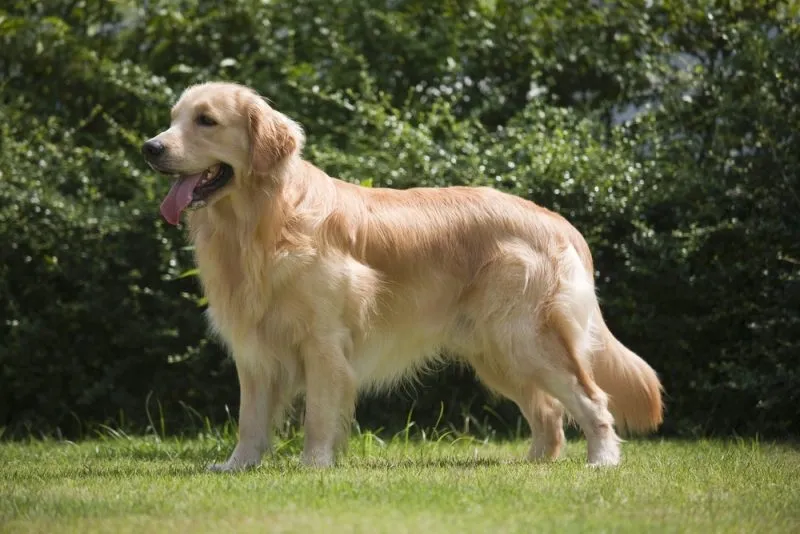
Image Source: Dogster
Golden retrievers stand out among dogs with their balanced, powerful build and striking golden coat. You can spot these medium-sized sporting dogs right away thanks to their perfect mix of strength, grace, and athletic ability that makes them excellent working dogs and family companions.
Size and weight of males and females
Male and female golden retrievers show clear size differences. A full-grown male typically weighs between 65 and 75 pounds and reaches 23 to 24 inches at the shoulders. Female golden retrievers are smaller and more delicate. They weigh 55 to 65 pounds and stand about 21.5 to 22.5 inches at the shoulders.
Males have broader heads and snouts than females. Their bodies are stockier too, while females keep a leaner, more feminine look. A golden retriever’s body stretches 37 to 42 inches in length, giving them that perfectly balanced appearance we all know and love.
These dogs grow steadily and reach close to their adult height and weight around their first birthday. Male puppies usually weigh 35 to 45 pounds at six months, while females weigh about 30 to 35 pounds. It takes up to two years for their chest to fill out completely and reach their final adult shape.
Coat type and color variations
The double coat is what makes a golden retriever truly special. They have a thick, water-resistant undercoat paired with a longer outer coat that can be flat or wavy. This unique combination protects them from cold water and rough weather.
The American Kennel Club recognizes three main color variations:
Light golden – pale, almost cream-colored coat with a shimmering quality
Golden – the classic rich, warm golden shade
Dark golden – deeper hues ranging from amber to coppery tones
Golden retrievers come in shades from nearly white (especially English golden retrievers) to deep gold. Puppies start with lighter coats that get darker as they grow, and their permanent color usually sets in by their first year.
Males develop thicker coats with an impressive “mane” around their neck and chest. Females sport thinner, more feathered coats. Both genders show beautiful feathering on their chest, back of legs, underside, and tail.
Distinctive features like tail and ears
Golden retrievers have broad, well-defined heads with a clear stop between their eyes and muzzle. Their friendly, smart expression comes from dark, medium-large eyes set wide apart. A powerful, wide muzzle matches their large black nose and slightly drooping lips.
Their ears sit high on the head and hang with a slight fold. These moderately-sized ears fall to jaw level, adding to their alert, attentive look.
The tail is another standout feature. It’s thick and muscular at the base and stays level with the back or curves slightly upward. People often describe the tail’s movement as “merry” since it shows the breed’s happy nature.
Golden retrievers have a deep chest with well-sprung ribs and a level back. Strong, straight forelegs complement their powerful hindquarters with well-bent knees and muscular thighs. These features work together to create a dog that moves smoothly and powerfully – perfect for retrieving game, competing in events, or just being an active family member.
Golden Retriever Temperament and Personality

Image Source: Dreamstime.com
Golden retrievers stand out as the perfect example of friendly dogs, and people worldwide love them for their amazing temperament. These dogs have unique personality traits that make them perfect companions for everyone.
Affectionate and friendly nature
Golden retrievers are incredibly social dogs with outgoing personalities. They face life with joy and keep their playful puppy-like behavior even as adults. People often call them “bottled sunshine” because they build strong emotional bonds with their families and love being around humans.
These dogs welcome strangers with wagging tails instead of suspicion. While this makes them poor guard dogs, they excel as social companions. People nickname them “Velcro dogs” because they stay close to their favorite humans. Many owners say their golden retrievers softly nudge them when they want more pets and attention.
Golden retrievers show remarkable emotional intelligence and comfort people who feel down. This natural empathy makes them excellent therapy dogs. Scientists have found that the genes behind specific behavioral traits in golden retrievers also influence human personality and mental health.
Behavior with children and other pets
Golden retrievers get along amazingly well with children, which makes them outstanding family dogs. Research shows that approximately 84% of golden retrievers play well with children. They handle energetic and unexpected play without showing any aggression. Their patient and gentle nature creates a safe space, especially when you have toddlers and young children.
The breed’s “soft mouth”—which they developed to retrieve game birds without hurting them—helps them play gently with children and handle toys carefully. Though their size and excitement level mean they need proper training to avoid bumping into small children, watching over their interactions helps set good boundaries.
Well-socialized golden retrievers usually get along great with other dogs and adjust well to living with cats and other pets. They don’t have strong hunting instincts or territorial behavior that might cause problems. One owner mentioned that golden retrievers often protect smaller pets – some even gather cats together and rest next to them outside.
Intelligence and eagerness to please
Golden retrievers rank among the smartest dog breeds and sit in the top ten for canine intelligence. Their smarts make them quick learners—many owners say their dogs pick up simple commands after just a few training sessions.
These dogs combine their intelligence with a strong desire to make their owners happy. This mix creates pets that respond well to positive training but feel stressed when treated roughly.
Scientists have linked the ROMO1 gene, which affects how trainable golden retrievers are, to intelligence and emotional sensitivity in humans. This genetic connection explains why these dogs excel at complex tasks, from simple obedience to specialized service work.
Golden retrievers need mental challenges as much as physical exercise. Dogs that don’t get enough mental stimulation often start chewing things or seeking too much attention. Games that make them think, varied activities, and training sessions are just as important as physical exercise to keep them happy and healthy.
Common Health Issues and Lifespan
Golden retrievers win hearts with their friendly nature, but their health needs our attention. Both new and current owners should learn about common health issues to give these dogs the best care possible.
Golden Retriever life expectancy
The average golden retriever lives 10 to 12 years. These numbers paint a different picture from past decades when these dogs lived up to 16 or 17 years. A 2024 UK study brought good news with a life expectancy of 13.2 years, better than the 12.7-year average for purebred dogs. However, a 2024 Italian study reported exactly 10 years.
Breeding practices play a big role in how long these dogs live. Poor breeding leads to terminal illnesses that have cut their lifespan by about five to six years. Yet hope exists – “Augie,” the oldest recorded golden retriever, lived an amazing 20 years.
These dogs keep pace with similar breeds in terms of lifespan. Labrador retrievers also live 10-12 years, while German Shepherds have shorter lives at 7-10 years. Small breeds like Yorkshire Terriers tend to live longer (11-15 years), which shows how dog size relates to lifespan.
Cancer risks and genetic conditions
Cancer poses the biggest threat to golden retrievers’ health. These dogs face one of the highest cancer rates among all breeds – about 60% die from this disease. Some research puts this number even higher, with one study showing 65% of deaths from cancer.
Common cancer types in golden retrievers include:
Hemangiosarcoma – mostly in the spleen or heart
Lymphoma/lymphosarcoma
Mast cell tumors
Osteosarcoma
Hypothyroidism also affects many golden retrievers between ages 4-10 years. This condition happens when the body doesn’t make enough thyroid hormone. Dogs might lose hair, feel tired, and gain weight. One review of five studies found golden retrievers made up 17% of all hypothyroidism cases.
Other health issues include hip and elbow dysplasia, heart problems like subvalvular aortic stenosis, eye conditions such as cataracts, and various skin problems.
Preventive care and regular checkups
Smart healthcare starts with getting puppies from good breeders. These breeders test their dogs before breeding to avoid passing inherited conditions to puppies. This careful approach gives puppies their best shot at a healthy life.
Yearly vet checkups serve as the life-blood of preventive care. These visits help catch problems early when treatment works best. The largest longitudinal study showed how prevention makes a difference – dogs that ate 25% less than usual lived about 22 months longer and had lower rates of cancer, osteoarthritis, and liver disease.
Weight control plays a vital role for golden retrievers. Research shows taller dogs tend to live 1.1 to 2.2 years less than shorter ones. Regular exercise and proper feeding help prevent health issues from excess weight.
Owners should clean their dog’s ears often since floppy ears can lead to infections. Decisions about spaying and neutering need careful thought – these procedures might affect height, cancer risk, and thyroid problems.
Early detection gives us the best chance against cancer. Any strange symptoms, lumps, or behavior changes need immediate vet attention.
Grooming and Coat Maintenance

Image Source: A-Z Animals
A golden retriever’s beautiful coat needs regular care and consistent grooming. Their double-layered fur gives them their classic look and helps protect them from weather while regulating their body temperature.
Brushing and bathing routines
Your golden retriever needs regular brushing to keep their coat healthy and easy to manage. You should brush your golden retriever daily, but two good sessions each week will work too. The best results come from using a slicker brush to remove tangles and loose fur first. Then use an undercoat rake to reach the thick undercoat, especially during shedding seasons.
Most golden retrievers do well with a monthly bath. A gentle oatmeal-based dog shampoo will keep their coat healthy without removing natural oils. Make sure you rinse thoroughly—any soap left behind can irritate their skin and cause extra shedding. After the bath, use towels to pat your golden dry before letting them air-dry or using a dog-safe cool-air dryer.
Managing shedding and matting
Golden retrievers shed all year long but shed more in spring and fall. Daily brushing during heavy shedding seasons helps keep fur off your floors and furniture. A visit to a professional groomer every 3-4 months helps with deeper coat care.
Mats often show up behind the ears, under the legs, and near the tail. Check these spots often to catch any tangles early. Use a dematting comb to work through mats gently—don’t pull or yank, as this hurts your dog. Hold the fur close to the skin while working on tough mats to make it more comfortable for your pet.
Ear, eye, and nail care tips
Your golden’s floppy ears trap moisture, which can lead to bacteria and yeast growth. Clean their ears every 2-4 weeks, or more often if they swim. Use a vet-approved solution with cotton balls, but never push anything deep into the ear canal. Look out for signs of infection: redness, swelling, bad smells, or lots of head shaking.
Your dog’s nails need trimming every 3-4 weeks, depending on how active they are and natural wear. You’ll know it’s time when you hear clicking on hard floors or see nails curling down. Pick either dog nail clippers or a grinder, and stay away from the quick – the pink area with blood vessels.
Keep your golden’s eyes clean by wiping away any discharge from the corners with a damp cotton ball. This simple task helps prevent common eye problems in the breed.
A regular grooming routine keeps your golden retriever looking great and helps them stay healthy and comfortable.
Training and Exercise Needs
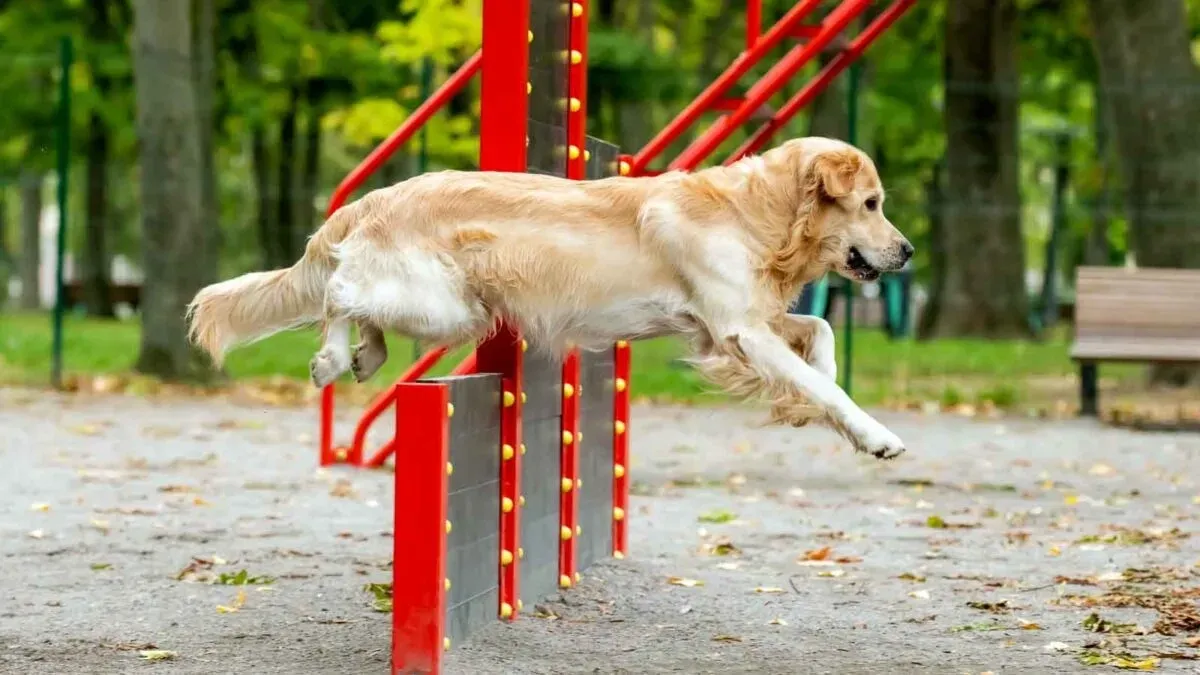
Image Source: What Can My Dog Eat?
A golden retriever’s boundless energy and intelligence need proper direction through smart training and plenty of exercise. These athletic dogs excel with planned physical activity. Mental challenges keep them busy and happy throughout their lives.
How to train a Golden Retriever
Start training your golden retriever right when you bring them home – even at eight weeks old. These smart dogs respond really well to positive reinforcement with treats, praise, and lots of love. Short training sessions of 5 to 15 minutes each day can tire out a golden retriever’s mind while teaching them effectively.
Your golden retriever learns best with consistent training. They understand what you want better when you use the same commands and signals. The training should feel like play, and your mood matters a lot. These dogs pick up on their owner’s feelings and learn better from someone who guides them with enthusiasm.
Let your dog run around before training time. A golden retriever that burns off extra energy pays more attention during lessons. This makes training better for you and your pet.
Daily physical activity requirements
Golden retrievers need lots of exercise, but the amount changes as they grow. Adult dogs between 1-7 years need 60-90 minutes of activity each day, split into several sessions. Puppies follow the “5-minute per month rule” – a three-month-old pup needs about 15 minutes of structured exercise per session.
Senior golden retrievers (8+ years) still need 30-60 minutes of daily movement but in shorter, gentler sessions. Swimming works great for older dogs because it builds strength in their back legs without hurting their joints.
Mix up the activities to keep your dog interested. Walks, swims, games of fetch, and supervised running in safe areas help build overall fitness.
Mental stimulation and enrichment
A golden retriever’s brain needs as much exercise as their body. Smart dogs need mental challenges that affect their overall happiness. Dogs that don’t get enough brain work might start barking too much, destroying things, or acting hyper – even after lots of physical exercise.
Good brain games include puzzle toys, training exercises, scent work, and interactive play. Even a quick 5 to 10-minute training session helps your golden retriever’s mental health. Some people mix training into everyday life by asking their dogs to help fetch things around the house.
Regular mental exercise helps your dog think better, stay calmer, feel less stressed, and behave better. It also builds a stronger bond between you and your pet. Your golden retriever becomes happiest and most balanced when they get both physical exercise and mental challenges.
Types and Color Variants of Golden Retrievers

Image Source: Cuteness
Golden retrievers have a friendly nature and athletic build. These wonderful dogs come in several different types, each with unique traits shaped by regional breeding and their intended use.
American vs British vs Canadian Golden Retrievers
The golden retriever breed covers three recognized types: American, British (English), and Canadian varieties. These dogs belong to the same breed but show noticeable differences in their looks and slight variations in temperament.
American golden retrievers have a lanky appearance with less stocky builds and feathery fur. Their rich, honey-colored coat stands out, and they show more energy than other types. British golden retrievers, also known as English goldens, have stockier bodies, blocky foreheads, wider muzzles, and fuller coats. Their color tends toward a lighter cream shade. Canadian golden retrievers stand taller with darker coats. Their builds are leaner with thinner coats compared to their American and British relatives.
White, red, and black Golden Retriever myths
Pure white golden retrievers don’t exist in genetic terms. Dogs often called “white” retrievers are English Cream golden retrievers with very light coats. These dogs aren’t rare or healthier than other colors—such claims are marketing tricks to drive up prices.
Red golden retrievers show a deep, mahogany-colored coat and represent legitimate variations found in field-bred lines. Black golden retrievers don’t exist as purebreds. Any “black golden retriever” you see is most likely a mixed breed.
Show vs working lines
Golden retrievers’ show and field (working) lines have significant differences. Show golden retrievers are bred to match breed standards with a focus on looks. Their thicker coats, substantial builds, and moderate energy levels make them stand out.
Field-bred golden retrievers focus on function over appearance. These dogs need intense daily exercise due to their high energy levels. Their bodies are leaner with shorter coats that suit working conditions better. Field lines excel at hunting, agility competitions, and advanced obedience. Show lines make great family pets and therapy dogs, performing well in basic obedience.
Buying or Adopting a Golden Retriever
Bringing a golden retriever home needs careful financial planning and practical preparation. The right knowledge about costs and finding a healthy, well-bred puppy can lead to years of happiness instead of heartbreak.
Golden Retriever price and cost factors
A golden retriever puppy’s price depends on several factors. We looked at breeder reputation as the most important factor—breeders who focus on health and well-being charge more for their puppies. The puppy’s pedigree and lineage also determine the price, and those with champion bloodlines cost more. Location, age, gender, and coat color affect prices too. Lighter golden or cream-colored coats often come with premium price tags.
The original purchase price is just the beginning. A golden retriever needs ₹6,000 to ₹12,000 monthly. These costs cover high-quality food (₹3,000-₹7,000), vet care (₹2,000-₹5,000), grooming (₹1,000-₹2,500), and training supplies (₹500-₹1,500).
Golden Retriever price in India and other regions
Golden retriever puppies in India cost between ₹35,000 and ₹1,50,000. The quality differences explain this wide range:
Basic quality (no pedigree): ₹35,000-₹65,000
KCI registered: ₹65,000-₹95,000
Show/champion lines: ₹95,000-₹1,50,000+
Each city has its own price range—Delhi (₹20,000-₹1,00,000), Mumbai (₹35,000-₹95,000), Bangalore (₹25,000-₹90,000), Chennai (₹25,000-₹80,000), Kolkata (₹30,000-₹60,000), and Hyderabad (₹17,000-₹80,000).
Adoption tips and finding a good breeder
Rescue organizations are a great way to get golden retrievers at lower costs while providing valuable services. These organizations include vaccinations, health checks, and spaying/neutering in their adoption fees. The fees range from ₹12,657 to ₹59,066 based on the dog’s age.
Good breeders test their dogs for hip dysplasia, elbow dysplasia, heart conditions, and eye diseases. They openly discuss health risks in their breeding lines and provide written contracts that spell out responsibilities. You should visit the breeder’s facility to see the living conditions yourself.
Ask about how they socialize their puppies—exposure to different environments, people, and situations matters. Reliable breeders stay committed to their puppies throughout their lives and offer ongoing support and guidance.
Conclusion
Golden Retrievers rank among the world’s most beloved dog breeds. Their friendly personality and steadfast loyalty have won countless hearts. These medium-sized sporting dogs emerged from Scotland in the 19th century, and they’ve stayed at the top of popularity lists with good reason too. People love them for their perfect mix of smarts, trainability, and loving nature that makes them great companions for any family.
These wonderful dogs do face some serious health challenges. Cancer hits them especially hard, and their lifespan of 10-13 years is shorter than what it used to be. Taking care of a Golden means staying on top of preventive care and regular vet visits. A proper diet and exercise plan also plays a vital role in their health.
A Golden Retriever’s beautiful double coat needs regular care to stay healthy. Brushing them often, particularly when they’re shedding heavily, keeps their golden fur from matting and makes it easier to manage. These energetic dogs also need plenty of exercise and mental challenges to stay happy and well-behaved.
Anyone looking to get a Golden should think over which type fits their lifestyle best – American, British, or Canadian. Each variety comes with its own unique build, coat, and energy level. Finding a trustworthy breeder who tests for health issues is a vital step when getting a puppy. Rescue organizations are also a great way to give these amazing dogs a loving home.
The Golden Retriever’s lasting popularity comes from knowing how to build deep connections with humans while keeping their happy, flexible nature. These dogs truly want to please their owners, and they’re smart enough to be everything from family pets to therapy dogs or working partners. People who bring a Golden into their home quickly find out why these golden-furred friends have become one of the most treasured breeds through the years.
Key Takeaways
Golden Retrievers are exceptional family companions, but understanding their needs and health challenges is crucial for responsible ownership.
• Golden Retrievers require 60-90 minutes of daily exercise plus mental stimulation to prevent destructive behaviors and maintain optimal health.
• Cancer affects 60-65% of Golden Retrievers, making regular veterinary checkups and preventive care essential for early detection and treatment.
• Daily brushing prevents matting and manages heavy shedding, especially during spring and fall seasonal coat changes.
• Reputable breeders who conduct health screenings for hip dysplasia, heart conditions, and eye diseases are crucial for getting a healthy puppy.
• Three distinct types exist (American, British, Canadian) with different builds and energy levels, so choose based on your lifestyle preferences.
While Golden Retrievers face health challenges that have reduced their lifespan from 16-17 years to 10-13 years, proper care, exercise, and preventive healthcare can help maximize their quality of life. Their intelligence, trainability, and gentle nature with children make them outstanding family pets when owners commit to meeting their substantial grooming, exercise, and healthcare needs.
FAQs
Q1. Are Golden Retrievers high-maintenance dogs? While Golden Retrievers require regular grooming and exercise, they are not considered high-maintenance compared to some other breeds. Their friendly nature and trainability make them relatively easy to care for, but they do need consistent brushing, exercise, and attention to thrive.
Q2. What are some interesting facts about Golden Retrievers? Golden Retrievers were originally bred for hunting in Scotland. They are known for their intelligence, ranking among the smartest dog breeds. These dogs are natural swimmers with webbed feet. Golden Retrievers are popular choices for therapy and service work due to their gentle temperament and trainability.
Q3. What kind of care do Golden Retrievers need? Golden Retrievers need regular exercise (60-90 minutes daily), consistent grooming to manage their shedding coat, a balanced diet, and routine veterinary check-ups. They also require mental stimulation through training and interactive play. Dental care and nail trimming should be part of their regular maintenance routine.
Q4. How much exercise do Golden Retrievers require daily? Adult Golden Retrievers typically need 60-90 minutes of exercise daily, ideally split into multiple sessions. This can include walks, swimming, fetch games, or other activities that provide both physical exertion and mental stimulation.
Q5. What health issues are common in Golden Retrievers? Golden Retrievers are prone to certain health issues, with cancer being a significant concern affecting up to 60-65% of the breed. Other common health problems include hip and elbow dysplasia, eye conditions, and hypothyroidism. Regular veterinary check-ups and preventive care are crucial for maintaining their health.