
Gaddi Dog: The Hidden Gem of Indian Mountain Dogs
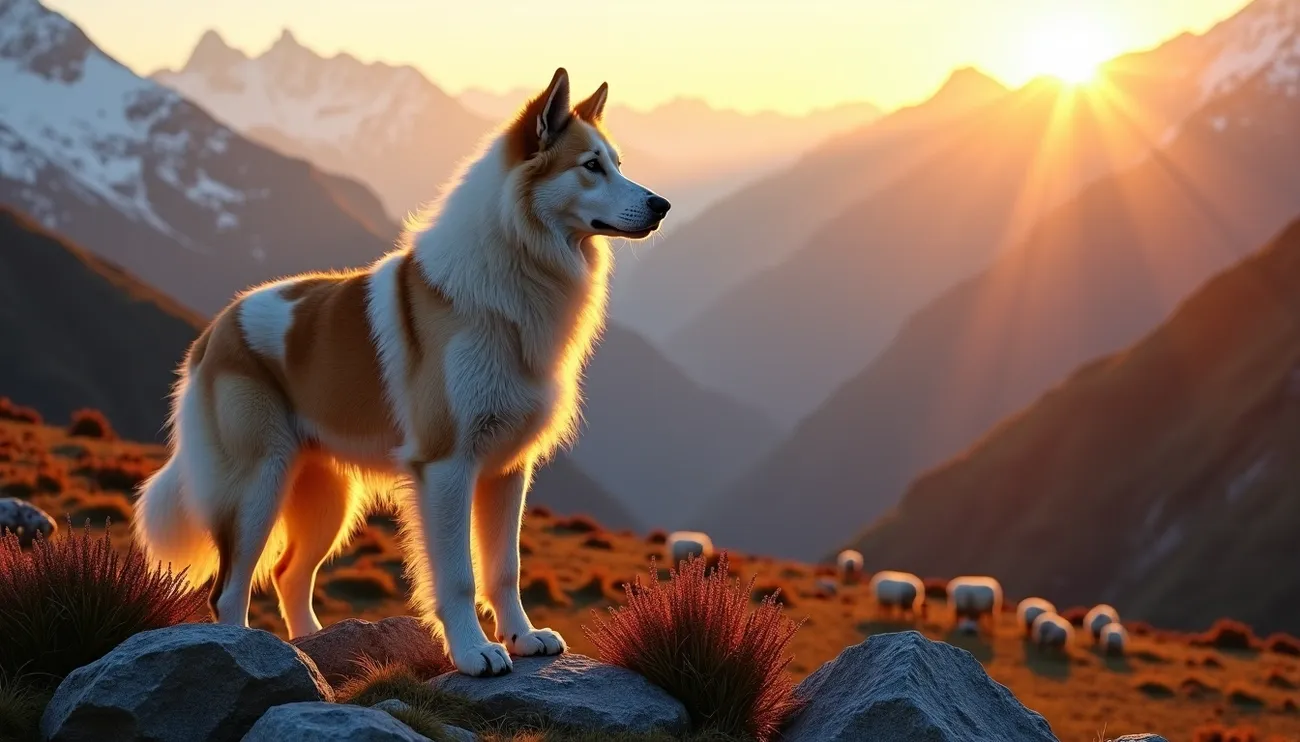 The Indian Council of Agricultural Research-National Bureau of Animal Genetic Resources (ICAR-NBAGR) has recognized the Gaddi dog as a native breed from the Himalayan region recently. This recognition makes it the fourth indigenous canine breed to be officially registered in India. The breed faces extinction with a population nowhere near 1,000 due to weakening gene pools and poor breeding programs.
The Gaddi dog, also known as gaddi kutta, evolved with the Gaddi tribal community and serves as a protector of sheep and goats. These mountain dogs are a great way to get help for nomadic shepherds because of their exceptional working abilities. The breed’s loyal and protective nature makes them perfect for mountain environments, despite their dwindling numbers. The dogs excel at herding and handle many other tasks that are vital to the Gaddi community’s way of life. Physical traits like a well-developed chest and distinct joint structure are present in 90% of Gaddi dogs, making them perfectly suited to their mountainous habitat.
The origin of the Gaddi dog
The Gaddi dog gets its name from the Gaddi shepherds of Himachal Pradesh, showing the deep bond between this breed and its human partners. These dogs have grown with their masters through centuries and developed traits that help them thrive in the tough Himalayan environment.
Connection with the Gaddi tribe
The Gaddi tribe, a semi-nomadic community that works in shepherding and wool processing in Himachal Pradesh, played a key role in developing this remarkable breed. This community has kept the breed’s unique traits alive for more than three centuries, which made these dogs perfect for mountain life. The breed means so much to the tribe that older Gaddi members see its recent official recognition as an honor to their entire community.
The breed earned nicknames that show its strength—”Indian Panther Hound” or “Indian Leopard Hound”—because it can fight off dangerous predators like snow leopards. These names reflect how much the Gaddi people value these loyal dogs that have shared their challenging life for generations.
Nomadic lifestyle and need for protection
Gaddi shepherds’ semi-nomadic life required a reliable way to protect their livestock. Each summer, they begin tough trips to the Himalayan alpine pastures, called “ghar” or “dhar” locally. During these moves, they face many challenges from dangerous terrain and predators.
These dogs became more than pets—they turned into essential partners for survival. They can walk 20 to 25 kilometers daily with their human companions, showing their strength and loyalty. Each shepherd camp usually has two or more guardian dogs that stay alert day and night to protect against wild animals and thieves.
The connection between shepherds and their dogs is one of the oldest examples of humans and animals working together for mutual benefit. These livestock guard dogs (LGDs) grow up with sheep from 6 to 8 weeks old with little human contact. They see the flock as their pack and protect it whether humans are there or not. This natural behavior makes them vital to pastoral communities.
Historical significance in Himalayan regions
While we don’t know exactly when the Gaddi dog first appeared, signs point to ancient origins. Experts think it came from the Tibetan Mastiff, which looks similar. In spite of that, the Gaddi dog has its own unique features—it’s less heavy and has a tufted mane that looks like a black lion’s.
The Gaddi has always been bred for function rather than looks. Breeders focused on making dogs that could guard camps and livestock—mainly yaks, sheep, and goats—from predators. This practical breeding created a dog that shows how humans and animals adapted together to life in one of Earth’s toughest environments.
You can find Gaddi dogs beyond Himachal Pradesh, across the entire Himalayan belt. They live in:
Jammu & Kashmir in the west
Uttarakhand and Nepal in the central region
Sikkim, Bhutan, and Arunachal Pradesh in the east
Nepal calls these dogs by different names—Bhote Kukkur or Bhotiya—which shows their importance in many Himalayan communities. The partnership between shepherds and dogs shows how humans and wildlife can live together safely. This approach works so well that similar livestock guardian dog programs now help conservation efforts worldwide.
Physical features of the Himalayan Gaddi dog
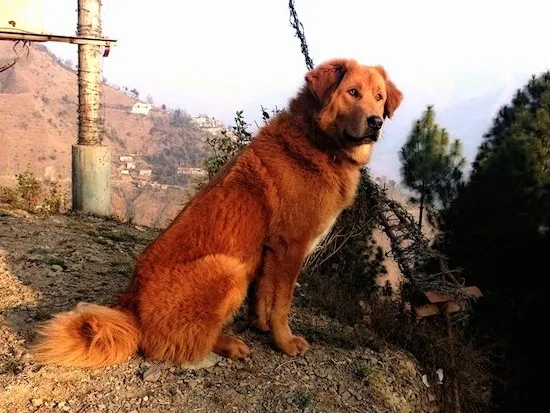
Image Source: Dog Breed Info
The Himalayan gaddi dog stands out among Indian native breeds. Its commanding presence and unique physical features match its mountainous homeland perfectly. These dogs have grown stronger, more agile, and weather-resistant through centuries of living at high altitudes.
Large build and muscular frame
The gaddi kutta’s impressive and reliable physique works well for protection and endurance. These dogs fit into the large to giant size group with a balanced build and good height. Adult males reach 26-28 inches (66-71 cm) at the shoulder. Females are a bit smaller at 24-26 inches (61-66 cm).
Male gaddi dogs weigh about 90-110 pounds (41-50 kg). Females typically range from 80-100 pounds (36-45 kg). Their size gives them the power they need as guardians.
The Indian gaddi dog’s most striking feature is its massive, arched neck. This unique trait is a vital part of their defense against predators during fights. Their neck fits well with their moderately long, strong muscular body.
These dogs stay athletic despite their size, unlike many other mastiff breeds. Their muscular body lets them walk 20-25 kilometers daily with shepherds – evidence of their amazing stamina. Their deep loud bark sounds like a Tibetan Mastiff’s, which helps them work better as guardians.
Thick coat and seasonal shedding
The Himalayan gaddi dog has a weather-resistant double coat that shields it from harsh mountain weather. A short, dense inner coat keeps them warm, while the longer, fluffier outer coat protects them from snow and rain. This coat helps them handle both hot and cold weather well.
These dogs shed more than average, so owners should be ready. They lose lots of fur during warm months as their winter undercoats come off. Regular grooming helps manage loose fur, and you’ll need time to wash and brush them properly.
The breed’s tail is another standout feature. It’s heavily feathered and often curves over their back like a plume. The tail looks like a Tibetan Mastiff’s but isn’t as curly. Their small, drooping ears hang low in a unique way.
Color variations and markings
Black is the main color you’ll see in gaddi dogs. Many have white marks on their feet, tail, or body. This black coat with white touches is what most people think of as the typical gaddi dog look.
You’ll find other colors too. Some gaddi dogs come in black and tan, dark fawn, reddish-brown, or shadowy white. White marks might show up on their toes, chest, and neck whatever their main color is.
The Chamba Gaddi variety looks a bit different, especially in the face. These dogs have a long, pointed muzzle that looks sharper than other types. This shows how this amazing Himalayan breed can vary in small but noticeable ways.
The gaddi dog’s physical traits – its strong build, protective coat, and distinct colors – come from generations of breeding that focused on what works rather than just looks. Each feature helps these dogs do their job as guardians and companions in the tough Himalayan environment.
Temperament and behavior of the Gaddi dog
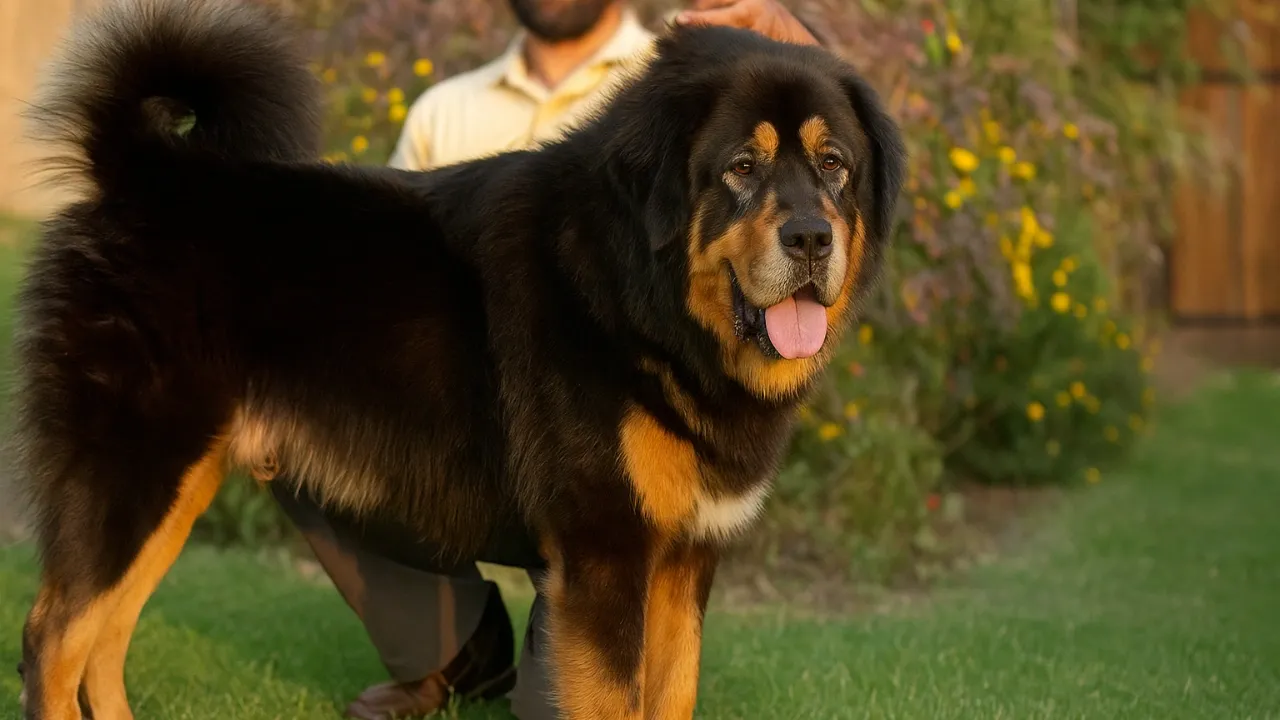
Image Source: Krishi Jagran
Beyond their impressive physical traits, a gaddi dog’s temperament makes them exceptional working companions. These canines have a unique personality that comes from centuries of working with Gaddi shepherds in tough Himalayan environments.
Loyal and protective nature
A gaddi dog’s temperament strikes the perfect balance between ferocity and devotion. These dogs build strong bonds with their human families. Their steadfast dedication has made them crucial to mountain communities. They have deep protective instincts. Their strength and courage help them fight off wild predators, even wolves and leopards.
Yes, it is the perfect mix of aggression and affection in this breed. Their fierce loyalty shows up as alertness and protection of their people. These dogs stay watchful. Each shepherd camp relies on two or more guardian dogs that stay alert day and night. They don’t just stand guard – their deep, powerful barks warn both animal predators and unwanted human visitors.
These dogs keep shepherds safe as they travel through dangerous terrain. Their protective nature gets even stronger at night. The gaddi kutta stays extra alert while their human companions sleep.
Compatibility with families and children
Well-trained gaddi dogs can be gentle giants at home, despite their intimidating size and protective nature. They show amazing affection and love to family members. But this two-sided temperament needs careful thought – they stay friendly with family while being aggressive toward threats.
These dogs aren’t right for every home. Their strength and independent spirit make life hard for new dog owners. They need consistent training and socialization to behave well around strangers. Getting them to fit into family life means starting socialization early, with clear rules and training.
Indian gaddi dogs do best with families that understand what they need. They need lots of space, exercise, and mental challenges to stay balanced. City life can be tough unless owners give them enough exercise and secure spaces.
Guarding instincts and intelligence
Himalayan gaddi dogs have amazing guarding instincts that make them excellent protectors. Their success comes from deep social bonds. These livestock guardian dogs see the flock as their pack when raised with sheep from 6-8 weeks old with little human contact. They stay with and protect the flock whatever happens.
Their smarts show up in many ways. They learn fast and need little teaching to do complex tasks like herding or patrolling. They have their own way of talking to shepherds – they move toward threats and bark loudly to wake their sleeping humans.
The most impressive thing is how these dogs adapt their behavior. They keep puppy-like movement patterns longer than other breeds, with weaker hunting instincts as adults. This unique instinct makes them perfect for pastoral communities.
Gaddi dogs know exactly what to do as guardians. Unlike herding dogs, they don’t guide livestock – their job is to watch for threats at the front or back of the herd. Shepherds gave them spiked metal collars because they were so fearless against predators. These collars stopped leopards and other big cats from choking them.
Centuries of breeding have given these dogs incredible working intelligence that fits perfectly with Himalayan shepherding challenges. Their mix of physical power, protective instincts, and sharp minds still makes them invaluable guardians to those who understand their unique personality.
Habitat and adaptability
The harsh Himalayan terrain has molded the Gaddi dog into one of India’s toughest canine breeds. These dogs have physical and behavioral traits that help them thrive where other breeds would struggle.
Survival in extreme mountain climates
The Gaddi dog’s ability to withstand harsh weather sets it apart from other breeds. These dogs can handle extreme cold, which makes them perfect for life in the freezing Himalayan regions. Their double-layered coat is vital for survival. A short, dense inner coat provides warmth, while a long, fluffy outer layer protects them from snow and rain.
These dogs have developed special body features that let them live at high altitudes, unlike most domestic breeds. Strong lungs and better oxygen use help them work well in places with thin air. This trait becomes vital as they follow shepherds to alpine meadows approximately 4,000 meters above sea level.
The Gaddi’s thick coat keeps them warm in extreme cold, but they can handle warmer weather too. This flexibility helps them travel with nomadic shepherds between different heights throughout the year. They move from the Shivalik foothills (300 meters above sea level) in winter to high alpine meadows in summer.
Knowing how to travel long distances
Gaddi kuttas have amazing stamina. They walk 20 to 25 kilometers each day with their shepherd companions. Their strong, muscular build helps them cover difficult mountain paths with ease.
These Indian dogs have the perfect body shape for their nomadic life. A medium height and balanced frame let them move with agility and endurance. They travel with Gaddi shepherds through tough landscapes and cross streams, rivers, and sometimes even glaciers.
These dogs follow their human companions’ seasonal moves. Winter takes them to lower grounds where flocks graze in tropical broadleaved woods. Summer brings a tough climb to alpine meadows filled with herbs, forbs, and graminoids. Few other breeds can handle such demanding physical challenges.
Presence across Himalayan states
Gaddi dogs live across a vast area. You can find them throughout the Himalayan range, from Jammu and Kashmir in the west to Arunachal Pradesh in the east. Their presence in many states shows how well they adapt to different mini-environments within the Himalayan ecosystem.
Most Gaddi dogs live in Himachal Pradesh’s higher regions, but you can find them in several areas:
Kangra, Bilaspur, and Hamirpur districts in the low hill regions
Throughout the alpine pasturelands of Lahaul
Punjab’s Gurdaspur, Hoshiarpur, and Ropar districts, where farmers use them to protect crops from wildlife
Different regions have different names for these dogs. Nepal calls them “Bhote Kukkur” or “Bhotiya,” showing their importance in various Himalayan communities. Sikkim has dogs that look just like Gaddi dogs, and they help guard against predators in alpine ecosystems.
Gaddi dogs can adapt to many Himalayan environments. In spite of that, city life doesn’t suit them, especially in warm places like Mumbai. Their bodies are built for cold weather, which makes it hard for them to live in hot, lowland areas without special care. They excel in their mountain home but need specific conditions to thrive elsewhere.
Types and variations of Gaddi kutta
The Gaddi dog breed has several distinct variations, each with its own unique traits and special abilities. These variations evolved as people bred them for specific purposes in different parts of the Himalayas.
Mahidant Gaddi
The Mahidant Gaddi stands as one of the most important variations of the Indian Gaddi dog. Historical records show that the Asur King Mahidant of Meerut created this ancient Molosser by crossing wild dogs from the Jamuna Khader region with Sha-Khyi Tibetan Mastiffs to use them for hunting. This dog belongs to the lighter strain of Central Asian dogs and shows amazing agility and strength.
These dogs were excellent at tracking and fighting panthers and other large game, though they rarely hunt nowadays. You’ll find Mahidant Gaddis mostly in lighter pastel colors such as cream, fawn, and yellow. Some dogs also come in brindle, brown, and piebald patterns. This variation stands out because of its strong territorial instincts and calm, easy-going nature around its owners.
Ban Gaddi
The Ban Gaddi, also known as Hapsu Dog, is another unique variation found mostly in the higher Himalayas. These dogs are known for their exceptional smarts and knowing how to solve problems, especially when dealing with mountain environments. The Ban Gaddi’s body is completely covered in hair, with its most striking feature being the thick fur around its face and eyes.
Ban Gaddis show stronger territorial behavior as night approaches. Their protective nature gets more intense at night, which makes them excellent guards during vulnerable hours. While these dogs adapt well to cold weather, they don’t deal very well with warmer climates. This limits where they can live to high-elevation areas like Uttarakhand, Himachal, Nepal, and Ladakh.
Panther Hound or Himalayan Sheepdog
The “Indian Panther Hound” got its nickname because it could face off against fierce predators like snow leopards. Traditional shepherds found these dogs so valuable that they gave them special spiked metal collars to prevent big cats from strangling them.
The Himalayan Sheepdog can be found from Kashmir to eastern Nepal. Unlike typical livestock guardian breeds, these dogs can both guard and herd. They have a deep, booming bark like the Tibetan Mastiff, but their tail is less curly and has more feathering.
These dogs need regular brushing to remove loose hair and parasites, particularly when they’re shedding. They only need baths about three times a year with special dog shampoo that keeps their natural coat oils. Their folded ears need regular checks and gentle cleaning to avoid infections.
Each variation shows how amazingly adaptable the Gaddi Kutta is to different challenges across the Himalayas. They’ve developed specific traits to serve their human communities better.
Roles and uses of the Gaddi dog
The gaddi dog’s capabilities go way beyond their impressive physical traits. These dogs play many vital roles that make them irreplaceable working companions in the Himalayan region. Their remarkable journey spans centuries as they adapted to serve their human partners’ specific needs.
Herding and protecting livestock
The gaddi dog breed evolved to guard encampments and livestock from predators. These dogs, named after Himachal Pradesh’s Gaddi shepherds, have protected sheep and goat flocks from various threats. Their remarkable skill in fighting off powerful carnivores like snow leopards earned them the name “Indian Panther Hound” or “Indian leopard Hound”.
These dogs share a deep connection with the Gaddi tribe. They became essential partners as the tribe moved their sheep and goats through the high Himalayas, building strong bonds with shepherds. Each day, they walk 20 to 25 kilometers with their human companions.
These loyal animals work as protective guardians and herding partners. Breeders focused on their working ability rather than looks, developing dogs that could protect yaks, sheep, and goats from snow leopards and wolves. The indian gaddi dog has proven to be a great conservation tool that benefits both humans and wildlife.
Use by Indian security forces
Gaddi kuttas now serve a new purpose with Indian security forces. These native dogs help military personnel in counter-infiltration operations along Kashmir’s Line of Control. Their sharp senses make them valuable assets. They stay alert even when security forces rest or patrol dangerous terrain.
These dogs bring two key benefits to troops in remote areas. They act as reliable guards who can spot potential threats. They also help reduce stress for soldiers by providing companionship in isolated areas with limited connections to the outside world. This emotional support role is a vital but often overlooked aspect of their service.
Military leaders see many advantages in using these native dogs. Training and maintaining them is straightforward and affordable. Their natural alertness and exceptional skills make them perfect watchdogs in tough border areas.
Urban adaptation as a guard dog
Gaddi dogs are moving beyond their mountain roots into structured security roles. Central Armed Police Forces (CAPFs) including the BSF, CRPF, and CISF are testing Indian dog breeds like the gaddi for police work.
The Ministry of Home Affairs has directed the BSF, ITBP, and SSB to conduct trials for Himalayan mountain dogs, including the gaddi, bakharwal, and Tibetan mastiff. These tests will review their ability to handle specialized police K9 tasks—from finding explosives and drugs to patrolling and search operations.
The gaddi dog’s temperament suits property protection perfectly. They have strong territorial instincts and natural wariness of strangers, which helps deter intruders. With proper training, these dogs can adapt from their traditional herding roles to modern security work. However, they need extensive socialization to adjust to city life.
Care and grooming needs
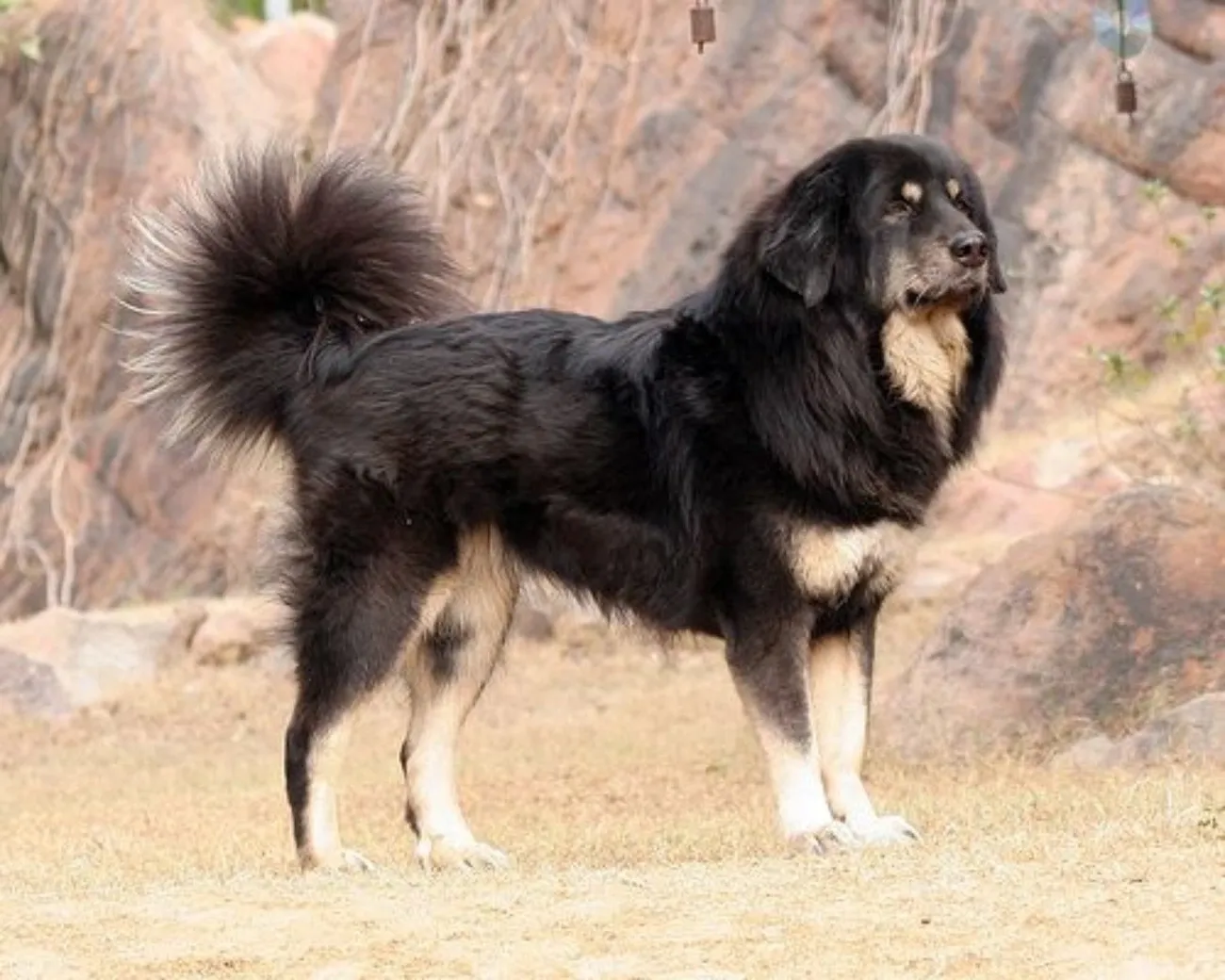
Image Source: petzcareindia
Taking care of a gaddi dog needs dedicated attention to their unique physical needs. These mountain-bred canines need specific care that sets them apart from common pet breeds.
Daily brushing requirements
A gaddi kutta’s thick double coat needs regular care. You should brush your dog at least once or twice per week with the right tools. The best results come from using different brushing tools:
Slicker brush or pin brush for general grooming
Undercoat rake for removing loose undercoat
Dematting comb for tackling tangles
Regular brushing does more than improve appearance—it boosts blood circulation, spreads natural oils through the coat, and helps spot skin problems or parasites early.
Seasonal coat shedding
The gaddi dog’s coat changes twice a year, usually in spring and fall. You’ll need to brush your dog daily during these times. This “blowing” of the undercoat happens as your dog’s body gets ready for seasonal temperature changes.
Double-coated gaddi dogs shed a lot. You’ll find yourself hoovering up more fur during these transition periods. A shedding blade or furminator tool are a great way to get through peak shedding weeks.
Exercise and space needs
Your himalayan gaddi dog needs plenty of exercise—about 30-60 minutes daily or 10 miles weekly. These dogs thrive when they have activities that work their body and mind.
These dogs love wide open spaces, thanks to their mountain heritage. Without enough exercise, they might start destroying things out of boredom. Puppies under nine months should skip activities with lots of jumping or stair climbing since this can hurt their developing joints.
Your gaddi dog will thrive best in spaces where they can follow their natural instincts to protect and stay watchful.
Diet and health of the Gaddi dog
Many people would be surprised to learn that the Gaddi dog’s traditional diet is different from what you’d expect of a large guardian breed.
Traditional mountain diet
Gaddi shepherds have raised their dogs on vegetarian foods like maize roti, flatbread, and goat milk or cheese. These dogs eat rice as a supplement, and meat appears rarely in their diet. The shepherds feed their dogs twice daily to match their own breaks and cooking times at camping sites. The shepherds keep all but one or two puppies from each litter, and these young dogs depend on their mother’s milk in their early days.
Modern feeding options
Today’s experts suggest high-quality dry food made for large breeds as the best choice for Gaddi dog owners. A full-grown dog needs 4-4½ cups of food each day split into two meals, based on their size and how active they are. Young puppies should get 2½-3 cups daily across three meals until they reach six months. A regular feeding schedule helps prevent weight gain that could stress this large breed’s joints.
Common health concerns
The Indian Gaddi dog stays remarkably healthy with few known medical problems. Their size makes them prone to bloat and hip dysplasia. Dogs of similar breeds often get arthritis as they get older. These tough dogs live 10-12 years when well cared for.
Conclusion
The Gaddi dog emerges as a remarkable breed that centuries of life in the harsh Himalayan environment have shaped. These loyal companions have faithfully served the Gaddi tribe by protecting livestock from predators and navigating treacherous mountain paths with their human partners. ICAR-NBAGR’s recent recognition marks the most important milestone in the breed’s history. The breed’s population has dropped below 1,000, making conservation efforts crucial.
Gaddi dogs prove their worth beyond traditional shepherding roles, despite their declining numbers. Security forces now employ their natural watchfulness and adaptability to protect borders. The breed’s strong guarding instincts make them valuable protectors in many settings. Their muscular build, thick double coat, and distinctive looks suit their demanding environment perfectly. These traits help them thrive where other breeds would struggle.
Of course, a Gaddi’s care comes with specific responsibilities. Their thick coats just need regular brushing, especially when they shed seasonally. These dogs also require plenty of exercise and space to stay happy and well-behaved. The breed’s traditional vegetarian diet is different from what people expect of guardian breeds, though many modern owners choose quality large-breed food instead.
Mahidant Gaddi, Ban Gaddi, and Himalayan Sheepdog variants each bring unique traits while sharing core characteristics that make this breed special. Their success in protecting against powerful predators like snow leopards has earned them the nickname “Indian Panther Hound” – a testament to their extraordinary abilities.
Without doubt, this indigenous breed’s future depends on steadfast dedication to conservation and wider appreciation of their worth. The Gaddi dog stands as one of India’s native treasures. They represent more than just working animals – they embody the deep bond between humans and dogs that has grown over centuries in Earth’s harshest environments. Preserving this hidden gem among Indian mountain dogs would protect both an extraordinary breed and an irreplaceable cultural legacy.
Key Takeaways
The Gaddi dog represents a remarkable indigenous breed facing extinction, with fewer than 1,000 remaining despite recent official recognition by India’s agricultural research council.
• Ancient guardian heritage: Evolved alongside Gaddi shepherds for over 300 years, specifically bred to protect livestock from snow leopards and wolves in extreme Himalayan conditions.
• Exceptional physical adaptability: Features thick double coat, muscular 90-110 pound frame, and ability to travel 20-25 kilometers daily across treacherous mountain terrain.
• Dual-purpose working ability: Serves both traditional shepherding roles and modern security functions with Indian border forces due to natural vigilance and protective instincts.
• Specialized care requirements: Needs daily brushing during seasonal shedding, substantial exercise (30-60 minutes daily), and thrives best in spacious environments rather than urban settings.
• Conservation urgency: Despite recognition as India’s fourth official indigenous breed, immediate breeding programs are essential to prevent extinction of this culturally significant mountain dog.
The Gaddi dog embodies centuries of human-animal partnership in one of Earth’s most challenging environments, making its preservation crucial for both biodiversity and cultural heritage.
FAQs
Q1. How well do Gaddi dogs adapt to different climates? Gaddi dogs are best suited for cold mountain climates. They have thick double coats that provide excellent insulation in harsh Himalayan conditions. However, they may struggle in hot weather and are not well-adapted to warm urban environments without special accommodations.
Q2. What is the recommended diet for a Gaddi dog? Traditionally, Gaddi dogs were fed a largely vegetarian diet including maize roti, flatbread, and goat milk. Modern recommendations include high-quality dry food formulated for large breeds. Adult Gaddis typically need 4-4½ cups daily divided into two meals, adjusted based on size and activity level.
Q3. What are the key personality traits of a Gaddi dog? Gaddi dogs are known for their loyalty, protectiveness, and intelligence. They are large, strong, and can be aggressive when guarding, but are also capable of herding livestock with minimal instruction. Their temperament combines fierceness towards threats with affection towards their family.
Q4. Are there different names for the Gaddi dog breed? Yes, the Gaddi dog is known by several names. It’s also called the Himalayan Sheepdog, Bhotia, Bangara, or Gaddi Kutta. In some regions, it’s referred to as the Himalayan Mastiff, reflecting its mastiff-like characteristics.
Q5. What are the exercise requirements for a Gaddi dog? Gaddi dogs need substantial physical activity, typically 30-60 minutes daily or about 10 miles weekly. They thrive in environments with ample outdoor space where they can fulfill their natural guarding and herding instincts. Regular exercise is crucial to prevent boredom and potential destructive behaviors.