
Czechoslovakian Wolfdog
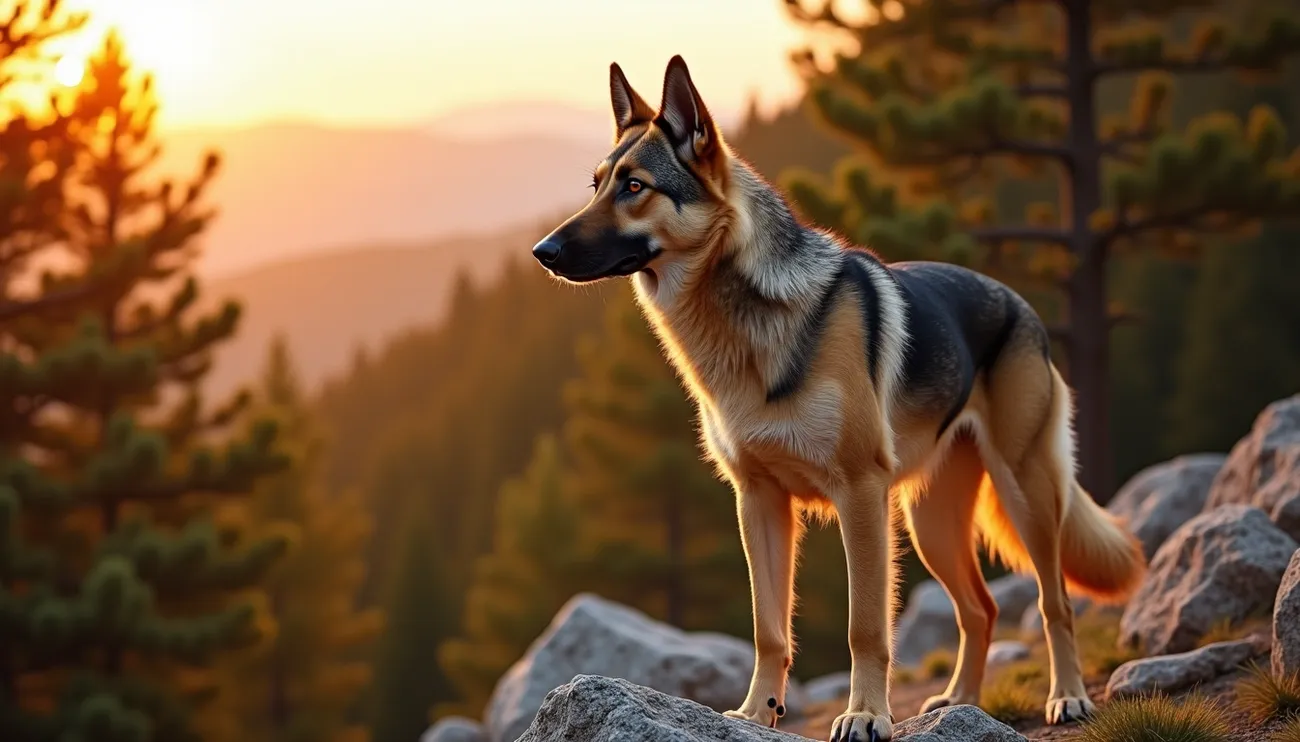 A fascinating biological experiment in Czechoslovakia led to the creation of the Czechoslovakian Wolfdog in 1955. Colonel Karel Hartl crossed a German Shepherd Dog with a Carpathian Wolf. The original purpose focused on military applications, specifically border patrol duties. This remarkable breed combines German Shepherds’ trainability with wolves’ stamina and strength.
The breed’s story began on May 26, 1958, when a female wolf called Brita and a male German Shepherd named Cézar produced the first hybrid puppies. The breed earned official recognition in Czechoslovakia by 1982. That same year, breeders registered 43 puppies in Prague’s main Pedigree Register. The breed’s popularity continues to grow. Italy alone registers about two hundred puppies each year as of 2014. However, these dogs need specific owners. Their physical prowess amazes many people – some dogs have completed endurance tests by running 100 km in eight hours.
Male Czechoslovakian Wolfdogs stand at least 25.5 inches tall and weigh a minimum of 57 pounds. Females measure at least 23.5 inches and weigh no less than 44 pounds. Their appearance strikes observers immediately, while their temperament reflects both domestic and wild ancestry. This piece explores essential knowledge for potential owners about this extraordinary breed, from its unique history to specific care needs.
The origin of the Czechoslovakian Wolfdog
The Cold War brought us one of the most remarkable breeding programs that changed the dog world forever. This military project ended up creating what we now know as the Czechoslovakian Wolfdog, a breed with a story as captivating as the animal itself.
The 1955 military experiment
The Czechoslovakian Wolfdog’s story began as a scientific experiment in communist Czechoslovakia. The military wanted more than just another working dog – they dreamed of creating a “super dog” that would outperform the German Shepherd. Border guards needed dogs that could track people in mountain terrain and spot illegal border crossings on their own.
The German Shepherd service dogs showed some concerning limits. Karel Hartl’s records showed that about 1200 dogs couldn’t serve past age eight because their abilities declined, and only 1% could work until age ten. These dogs tired easily and needed about sixty hours to bounce back after covering just 31 miles in moderate weather. Wolf genetics seemed like the answer to these problems.
The researchers faced several setbacks before success came when the Carpathian wolf Brita produced the first wolfdog puppies. The project grew to include four wolves: Brita(♀), Argo(♂), Sarik(♂), and Lejdy(♀). These wolves, paired with forty working German Shepherds, laid the foundation for this new breed.
Some people wrongly thought the goal was to create a “bloodthirsty, ferocious breed”. The real focus was to develop dogs with better tracking skills, stronger stamina, and the ability to handle tough conditions.
Key figures behind the breed
Two people shaped this unique canine experiment. Colonel Karel Hartl came up with the original idea and started the project. He wanted to improve German Shepherds by adding wolf DNA for better hearing, scenting, stamina, and weather resistance. His scientific approach made this unusual military project credible.
František Rosík (known as “Dedo” or “Granddad” among dog lovers) worked alongside Hartl and wanted to create a breed the world would recognize. After Hartl built the foundation, Rosík took the breeding program forward in Slovakia.
Their work caught everyone’s attention after Hartl’s talk “Results of crossing wolves with dogs” at the 1965 World Dog Show in Brno and at the FCI’s annual meeting in Prague. The experimental breeding program gained worldwide notice.
Third-generation hybrids proved amazing. They beat German Shepherds at tracking tasks because they had better orientation skills, running stamina, and tougher fur. These promising results kept the breed’s development going strong.
Recognition as a national breed
The 1970s and early 1980s saw careful breeding that focused on temperament, health, and trainability. The Club of Czechoslovakian Wolfdog Breeders opened its doors in Brno in 1982, watching over all of Czechoslovakia. That same year brought official recognition as Czechoslovakia’s national breed.
Prague’s Main Pedigree Register welcomed its first 43 puppies. The breed’s popularity soared with 1,552 puppies registered between 1982 and 1991.
The split of Czechoslovakia in 1993 raised questions about who “owned” the breed. Czech and Slovak breeders talked it out, and Slovakia took charge, though they need Czech Republic’s okay for any breed standard changes.
The FCI gave the breed provisional recognition in 1989 as standard no. 332, group 1, section 1. By 1999, it earned full FCI recognition after proving itself worthy. The breed celebrated a soaring win as “World Champion” at the 1990 World Dog Show in Brno.
Since 1983, breeders haven’t used any wolves in their programs. This let the breed grow into its own while keeping those special traits from its wolf ancestors.
Physical characteristics and size
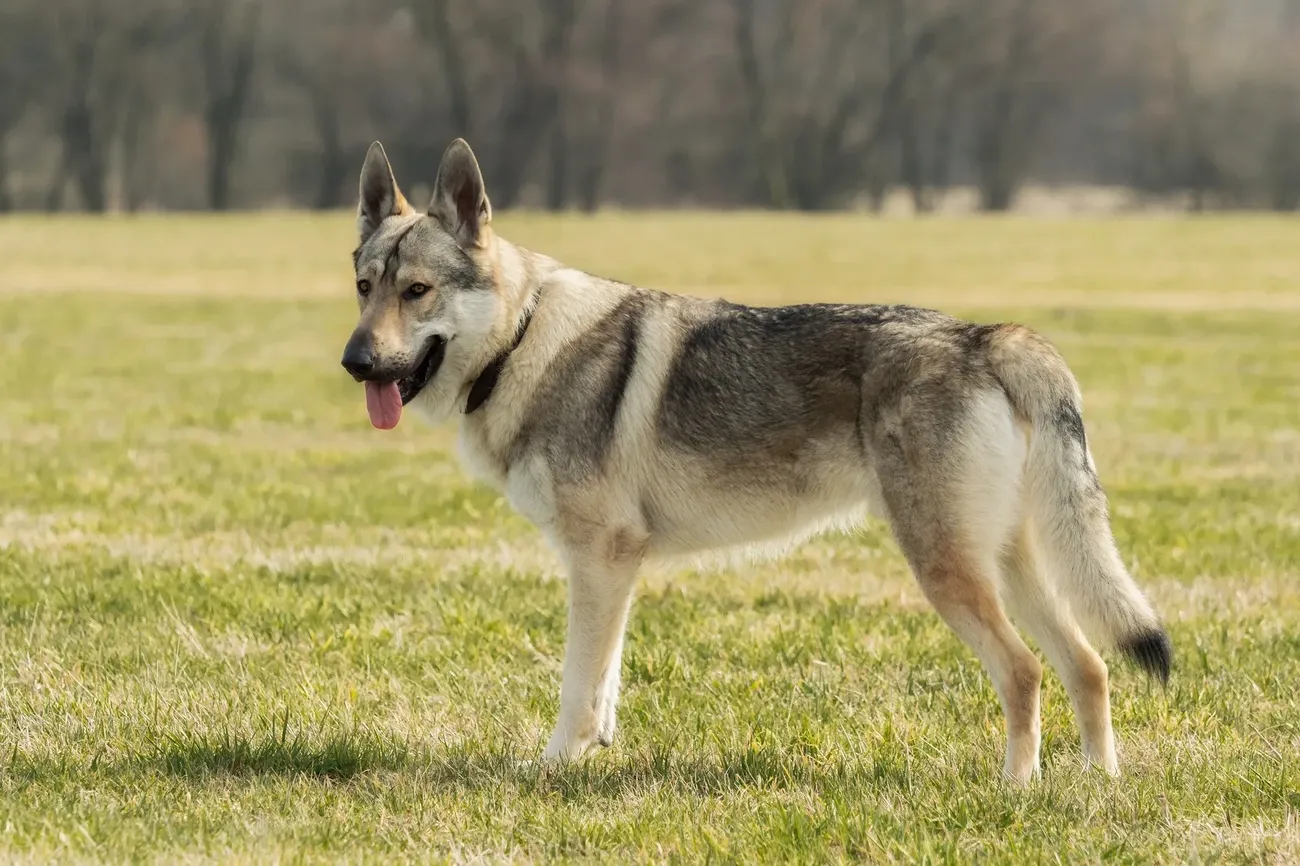
Image Source: Zooplus
The Czechoslovakian Wolfdog catches everyone’s eye with its wolf-like looks and the practical build of a working dog. You’ll notice this breed right away because it perfectly blends wild and domestic dog features.
Czechoslovakian Wolfdog size and weight
This breed falls between medium and large size, with clear standards for height and weight. Males should be at least 65 cm (26 inches) at the shoulder, while females need to reach 60 cm (24 inches) at the withers. The breed standard lets dogs grow taller than these minimums, which creates some variety among them.
Male dogs must weigh at least 26 kg (57 pounds) to have enough power and endurance. Female dogs need to hit 20 kg (44 pounds) to meet the breed requirements. These measurements show how the breed developed as a working dog built for power and stamina.
These dogs have a thin, slender build with a strong chest. Their tucked-in belly gives them an athletic look that helps them move quickly and stay agile. Though they look lean, they pack plenty of strength and can jump incredibly high from standing still.
Coat type and seasonal changes
A straight, close-lying double coat makes this breed stand out. Their weather-proof coat has a neat trick – it cleans itself of mud and dirt, which makes life easier for their owners.
The sort of thing I love about this breed is how their coat changes with the seasons. While they shed a lot throughout the year, they go through two big shedding periods yearly, which people often call “dropping coat” or “blowing coat”.
Winter brings an incredibly thick undercoat that keeps them warm in harsh weather. This feature clearly shows their wolf heritage and how they adapted to outdoor life. Summer sees their undercoat thin out quite a bit, which helps them stay cool when it’s hot.
Their coat comes in shades from yellowish-gray to silver-gray, and most have a light-colored mask on their face. This coloring helps them blend into natural surroundings – more evidence of their wolf ancestry.
Distinctive facial features
The Czechoslovakian Wolfdog’s head looks balanced with its long muzzle, giving it that unmistakable wolf-like profile. Males and females look quite different – males have masculine features while females look more delicate.
Their almond-shaped amber eyes really stand out. These eyes often have an intense, focused look that makes them appear more wild. The dog’s face clearly shows whether it’s male or female, adding to its unique look.
Their ears really define their look – medium-sized, triangular, and sitting high on the head. These ears stand up straight and alert, adding to their watchful expression and wolf-like appearance.
These dogs also have 42 remarkably strong teeth. The breed standard accepts both scissors-shaped and pliers-shaped bite patterns, showing how practical considerations shaped this working breed’s development.
Understanding the Czechoslovakian Wolfdog temperament
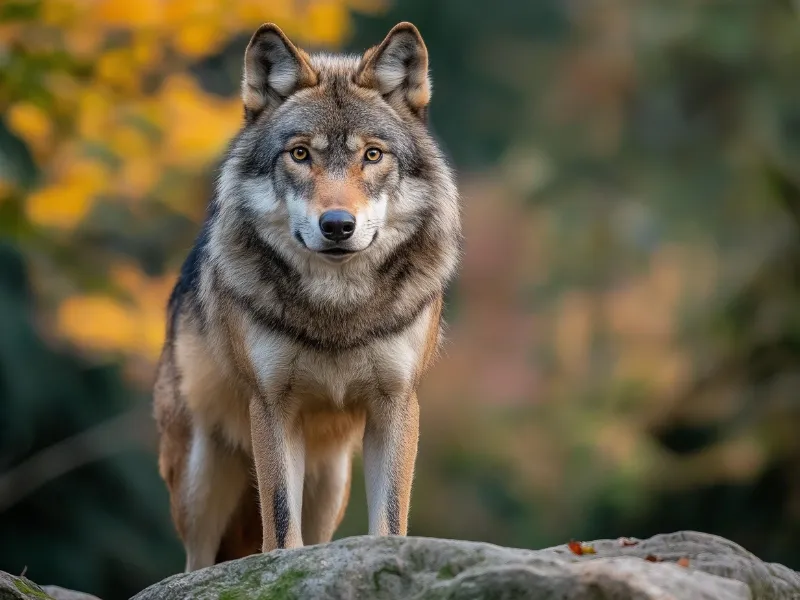
Image Source: Holistapet
Living with a Czechoslovakian Wolfdog means sharing your home with a creature that blends wild instincts with domestic devotion. These unique canines have a complex temperament that comes straight from their wolf-hybrid origins.
Pack mentality and loyalty
Czechoslovakian Wolfdogs build incredibly strong bonds with their family members. They develop deep social relationships not just with their primary owner but with everyone in the household. Their steadfast dedication shapes much of their character.
These dogs don’t act clingy or needy like many domestic breeds. They show their dedication through watchfulness and protection while keeping their independent spirit. This independence comes with remarkable intelligence—they think carefully before taking action.
The family becomes their “pack,” and this point of view is vital to successfully living with a Czechoslovakian Wolfdog. They need structure and clear leadership but also respect for their independent nature.
These dogs get their confidence from trusted humans. A Czechoslovakian Wolfdog depends on their owner to help them navigate unfamiliar situations and environments. This need for human guidance makes the bond between dog and owner particularly special.
Aloofness with strangers
Czechoslovakian Wolfdogs were bred for border patrol, which led to their natural suspicion of unfamiliar people. Their reserved nature around strangers comes from protective instincts rather than aggression. Without good socialization, this natural wariness can turn into problematic behavior.
These quiet dogs don’t bark much but stay alert constantly. Their watchfulness makes them excellent guard dogs who never stop monitoring their surroundings. New owners might struggle with this trait since these dogs need experienced handling to channel their protective instincts properly.
Good socialization creates a well-balanced Czechoslovakian Wolfdog. Puppies need exposure to different environments, people, and situations instead of isolation in kennels. Early exposure helps them tell real threats from normal interactions and prevents too much defensiveness.
Female Czechoslovakian Wolfdogs are usually easier to control than males. Both sexes go through what owners call a “stormy adolescence”. Their temperament mixes courage with sensitivity—they need firm boundaries built on trust rather than harsh training.
Prey drive and social behavior
The Czechoslovakian Wolfdog’s strong prey drive stands out as one of their defining traits. Their natural hunting instincts make them chase smaller animals, which can cause problems in homes with multiple pets. They usually don’t do well living with cats or other small pets.
Owners must address this prey drive during puppyhood to prevent aggressive behavior toward smaller animals later. Training and consistency help manage these instincts, though they never completely go away.
These dogs can build good relationships with children in their family when raised together under supervision. They don’t usually get along well with unfamiliar children. Homes with respectful older children work better for these dogs than those with very young kids.
Their way of communicating is quite different from most domestic breeds. While many dogs mainly bark, Czechoslovakian Wolfdogs use more sounds like growls, grunts, and whines. They rely heavily on body language to express their needs and responses. This unique communication style can make training tricky, especially with traditional commands that expect barking.
The Czechoslovakian Wolfdog’s social behavior reflects their complex heritage—mixing wolf-like independence with deep human connections.
Training challenges and strategies
Training a Czechoslovakian Wolfdog takes a unique approach compared to other breeds. These dogs blend wolf instincts with dog traits, which creates specific training challenges. You’ll need patience, creativity, and special techniques to succeed.
Why traditional methods may not work
Czechoslovakian Wolfdogs have extraordinary intelligence but don’t respond like typical domestic breeds. They won’t just follow commands blindly like German Shepherds. Their primitive and independent nature calls for a special training approach that matches their psychology.
These dogs get bored quickly with repetitive tasks. They might stop performing commands after a while, even with treats as motivation. Standard methods using pressure or corrections can trigger what trainers call the “red zone” – when the dog becomes too frustrated to learn.
Their problem-solving skills and unique thinking patterns set them apart. One experienced owner puts it well: “I have never seen an inherent need to please or offer different behaviors in the hope you will be happy”. This explains why techniques that work well with herding or sporting breeds don’t click with Czechoslovakian Wolfdogs.
Positive reinforcement techniques
Food works best to motivate most Czechoslovakian Wolfdogs, making it perfect for training. Short and interesting training sessions prevent boredom. Most trainers suggest multiple 5-15 minute sessions each day instead of longer, infrequent ones.
Effective training approaches include:
Using a “bridge” system with small, quick-to-eat food rewards
Clicker training helps dogs solve problems on their own
Mixing up rewards keeps their interest high
Adding games, scent work and problem-solving activities
Breaking down complex behaviors into smaller steps
Your training environment makes a big difference. Start in quiet areas so your dog can focus only on the exercise. As they improve, slowly add more distractions to build reliability.
Advanced Czechoslovakian Wolfdogs excel in agility, tracking, or protection sports that put their natural skills to good use. These activities challenge both their minds and bodies better than pure obedience work.
Importance of early socialization
Early socialization shapes a well-adjusted Czechoslovakian Wolfdog. Puppies should experience different environments, people, children, animals, city sounds, and surfaces from 8-16 weeks onward. Without this foundation, they might develop fear or overreact to new situations.
Good group training with other breeds teaches puppies to focus and work together even with distractions. A well-socialized Czechoslovakian Wolfdog puppy learns to handle the human world confidently rather than with suspicion.
City training and environmental exposure play key roles. Daily adventures and meeting new people, combined with this detailed socialization, help your dog adapt to different situations.
New owners should know that Czechoslovakian Wolfdogs aren’t suited for beginners. These dogs thrive with consistent, patient training from someone who naturally commands respect and provides clear structure.
Exercise and mental stimulation needs
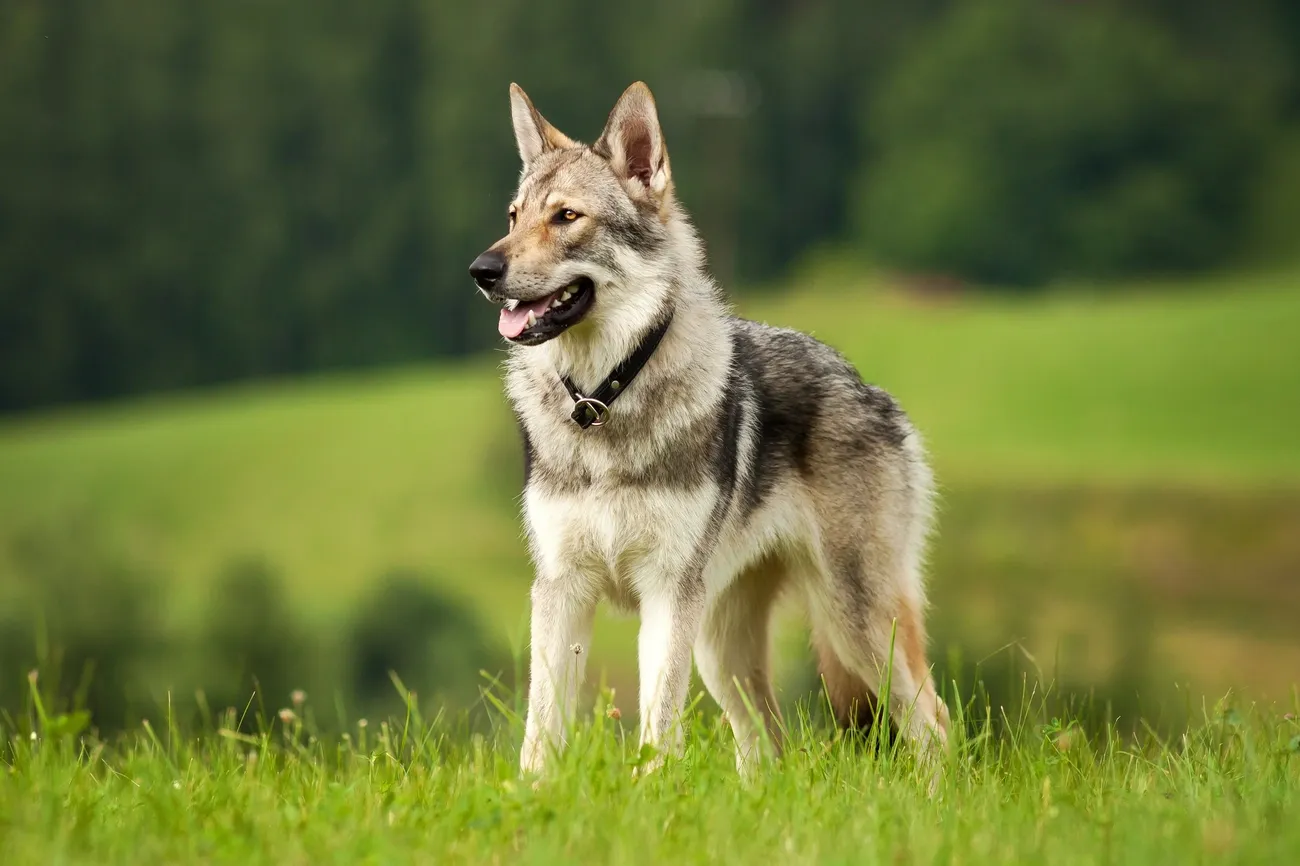
Image Source: Zooplus
Czechoslovakian Wolfdogs just need extensive physical and mental activity compared to other breeds. Their exceptional energy levels directly show their background as working animals designed for military service and endurance tasks.
Daily activity requirements
A Czechoslovakian Wolfdog’s exercise needs go way beyond what most dog owners might think is enough. These dogs must have at least two hours of physical activity daily through walks and interactive playtime to stay physically and mentally healthy. Some dogs might not find even this substantial amount sufficient.
Regular neighborhood walks rarely meet these dogs’ exercise requirements. The breed’s military background has given them amazing endurance – some can run up to 100 kilometers when needed. Their extraordinary physical capacity explains why normal exercise routines often fall short.
Czechoslovakian Wolfdogs prefer to exercise with their owners. Letting them loose in a backyard doesn’t help much since they won’t exercise on their own when left alone. Their development as pack animals makes them crave interactive experiences with their human companions, which makes supervised activity crucial.
Multiple daily exercise sessions work best. Many owners split exercise into morning and evening sessions to keep energy levels steady throughout the day. These dogs perform best with consistent, predictable exercise routines.
Best activities for this breed
Some activities suit the Czechoslovakian Wolfdog better than others. Their unique physical capabilities and psychological needs make certain exercises especially valuable:
Long-distance activities: Hiking, trail running, and extended walks provide excellent physical outlets
Swimming: Though neither parent breed naturally swims, many Czechoslovakian Wolfdogs excel at it, which helps their joints and prevents hip dysplasia
Interactive retrieval games: Fetch with balls or flying disks works both mind and body
Search and rescue training: Their natural tracking abilities make them perfect for search activities
Scent work: Using their powerful sense of smell stimulates them mentally and physically
These dogs perform best when given meaningful work. Their military heritage created animals that thrive on purpose-driven activities. Puzzle toys, structured play with other dogs, and agility training give these intelligent dogs the mental challenges they need.
Consequences of under-stimulation
A Czechoslovakian Wolfdog will develop problematic behaviors without proper exercise. These dogs become noticeably anxious and destructive when they lack stimulation. Owners often report chewed furniture, excessive digging, and other signs of pent-up energy when exercise needs aren’t met.
Limited activity affects their temperament – an under-exercised Czechoslovakian Wolfdog shows increased nervousness, poor focus, and general unhappiness. These behavioral issues come directly from the breed’s basic need for physical exertion and mental challenges.
Twenty minutes of daily activity might work for many companion breeds but falls nowhere near enough for these animals. Hyperactivity continues no matter how much training they receive. Some owners give up their Czechoslovakian Wolfdogs because they didn’t realize how much exercise these high-energy animals needed.
Exercise and behavior are closely linked. A well-exercised Czechoslovakian Wolfdog usually acts as an even-tempered, content companion. Dogs that don’t get enough activity might become unmanageable despite their intelligence and trainability.
Health concerns and genetic testing
A strong exterior masks the generally healthy nature of a Czechoslovakian Wolfdog, a breed known for its impressive lifespan. Like all purebred dogs, these wolf-dog hybrids have genetic health risks that you should know about.
Common health issues
These hardy dogs can inherit several health conditions. Hip dysplasia affects about 14.69% of the breed, making it one of their most common problems. This condition impacts the femoral joint and can lead to mobility issues without treatment.
Elbow dysplasia is another skeletal condition in the breed that causes abnormal development and possible lameness in the forearms. Many of these dogs also face degenerative myelopathy, a progressive nerve condition that affects their spinal cord and limbs. This incurable disease takes away their mobility gradually, starting from the extremities.
The breed sometimes develops eye conditions that need regular vet checks. About 20% carry pituitary dwarfism. This affects their growth, coat quality, kidney function, and spine formation, and often leads to early death.
Heart problems, especially subaortic stenosis, have become more common. Young dogs have died suddenly from heart failure.
Recommended health screenings
Good breeders run complete health tests before breeding. Hip and elbow evaluations come first to check for dysplasia. The Czechoslovakian Vlcak Club of America suggests using PennHIP or OFA/FCI evaluation systems.
Eye checks through the OFA Companion Animal Eye Registry (CAER) help catch vision problems early. Annual heart evaluations by specialists are vital, given the rising cardiac issues in the breed.
Genetic testing helps detect inherited conditions. Tests look for degenerative myelopathy, hyperuricosuria, progressive rod-cone degeneration, and pituitary dwarfism to guide breeding choices. Responsible breeders ensure at least one parent tests “clear” for degenerative myelopathy to avoid at-risk puppies.
Additional valuable tests include pituitary dwarfism screening, autoimmune thyroiditis checks, and detailed cardiac assessments.
Expected lifespan
These dogs live longer than many large breeds. Most live 10 to 15 years, and some reach 16 years or more, showing their remarkable longevity.
They typically live 13-14 years, outlasting many similar-sized dogs. This longer lifespan comes from their strong health foundation, partly due to genetic diversity from their wolf ancestry.
Regular vet visits help maximize their lifespan by catching health issues early.
Grooming and general care tips
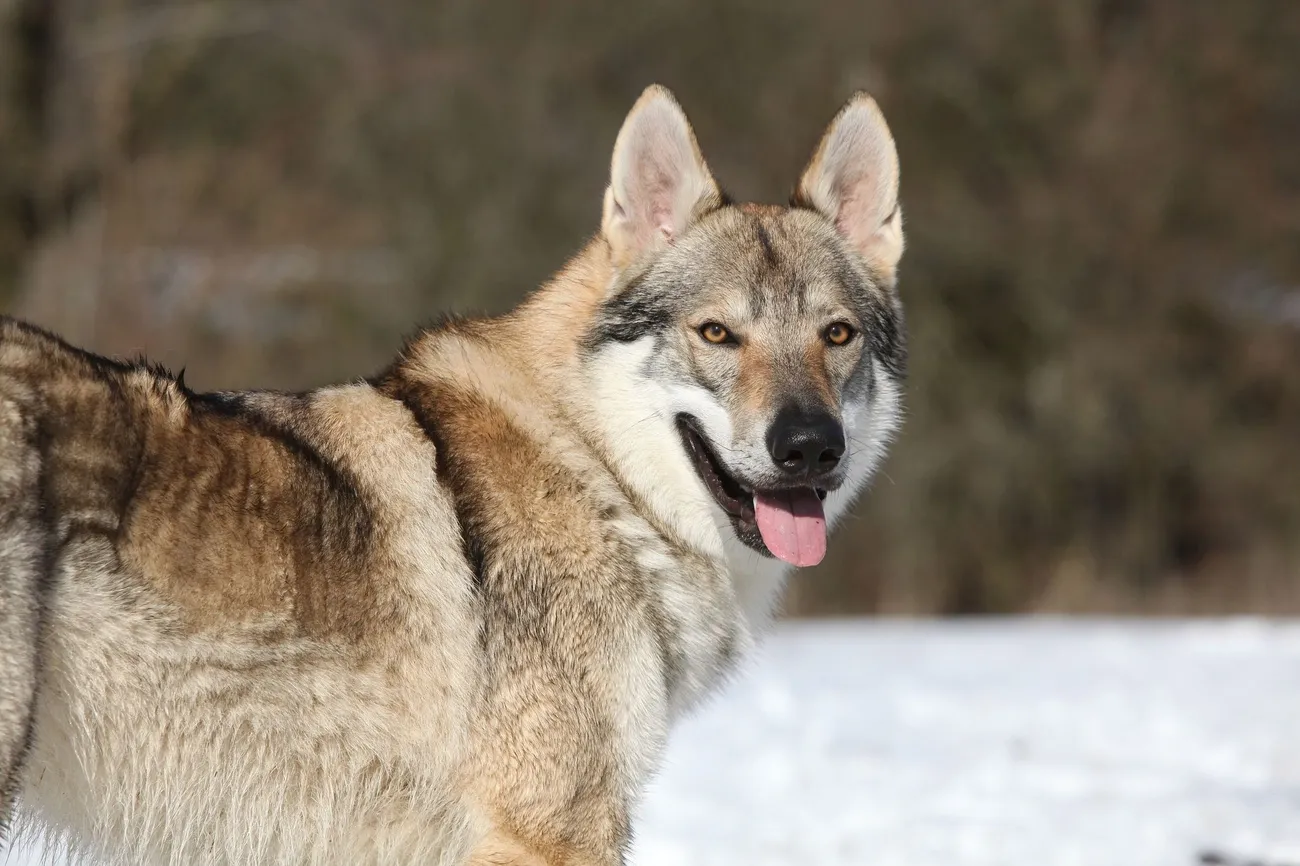
Image Source: The Spruce Pets
Czechoslovakian Wolfdogs look wild but need less grooming than most domestic breeds. Their natural coat makes maintenance easy, though they still need basic care to stay healthy and comfortable.
Brushing and coat maintenance
A Czechoslovakian Wolfdog’s weather-resistant double coat naturally repels dirt and sheds debris on its own. This self-cleaning feature means you don’t need to groom them daily. A weekly brush removes loose hair and keeps their coat healthy.
These dogs shed all year long, and twice a year they go through intense shedding called “blowing coat”. You’ll just need to brush them daily during these heavy shedding periods to handle all the hair loss. Their winter coat grows thicker and heavier than their summer coat, so grooming needs change with seasons.
Bathing and nail trimming
Czechoslovakian Wolfdog owners love that these dogs barely need baths. The coat cleans itself naturally, and these dogs have almost no smell – a huge plus for any dog owner. You should only bathe them every 2-3 months to protect their coat’s natural oils.
Their nails grow strong and fast, so they need regular attention. Regular nail trims with a clipper or grinder prevent splits and cracks. Your dog might walk oddly and feel uncomfortable with long nails, which makes this care task crucial.
Dental and ear care
Good dental care is vital for your Czechoslovakian Wolfdog. Brush their teeth 2-3 times weekly to fight dental disease. Regular brushing stops tartar buildup and other health issues.
Check their ears weekly to catch problems early. Clean them as needed with pet-safe products to avoid infections. These checks help you spot any wax or debris that might cause ear problems.
Buying or adopting a Czechoslovakian Wolfdog
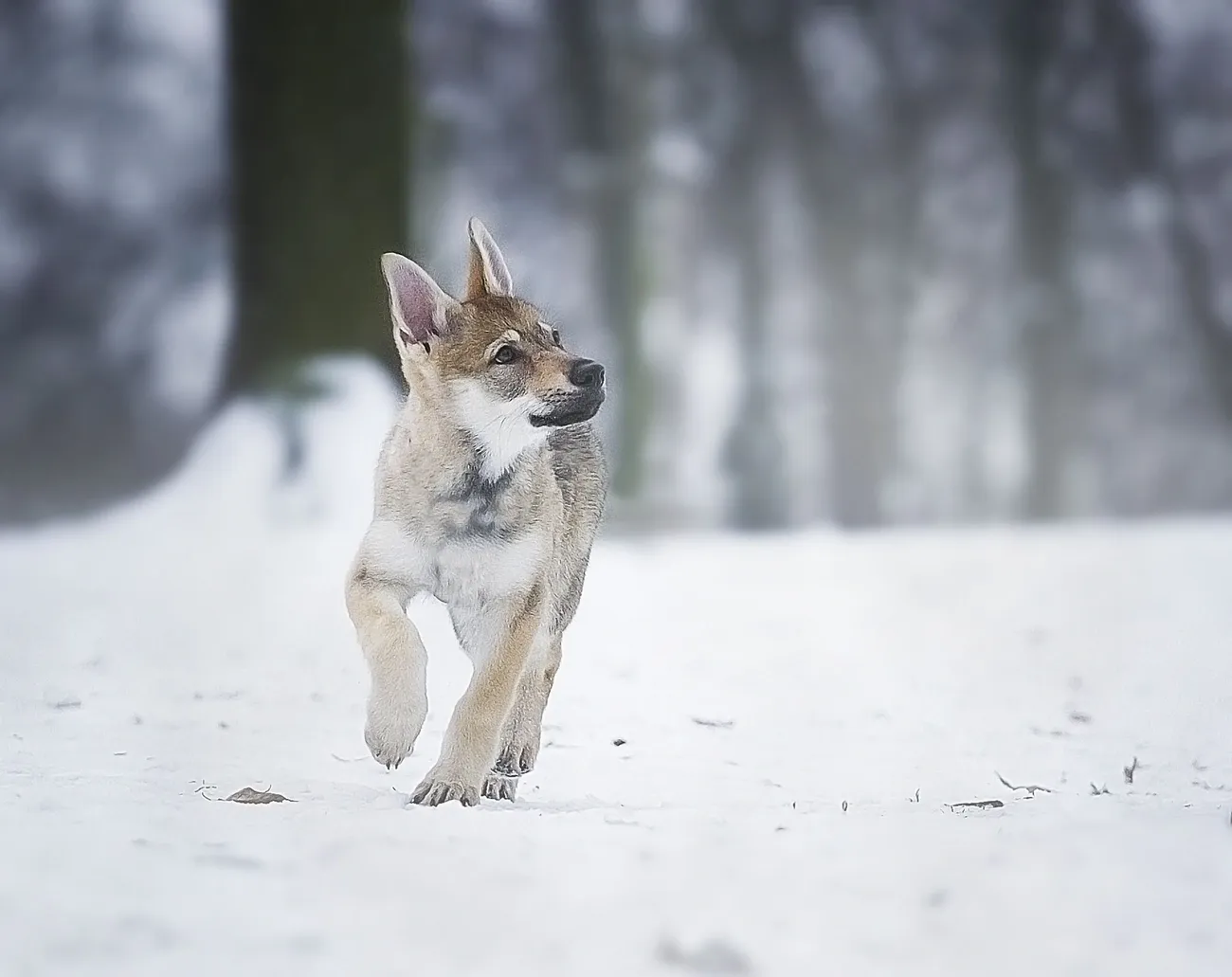
Image Source: The Spruce Pets
Getting a Czechoslovakian Wolfdog isn’t easy because they’re rare and need special care. These amazing dogs just need careful thought before you welcome them into your family.
Czechoslovakian Wolfdog price range
You’ll need deep pockets for this breed. A purebred Czechoslovakian Wolfdog puppy costs between INR 67,504 and INR 101,256. Some breeders charge up to INR 126,570. The prices in the United States range from INR 168,760 to a whopping INR 675,043. Bloodlines, breeder reputation, and location play key roles in determining the final price.
Finding a responsible breeder
Finding a good breeder is crucial for this rare breed. The Czechoslovakian Vlcak Club of America keeps a list of trusted breeders. You should visit the breeder’s place to watch how puppies play with their siblings and mother. Good breeders show health certificates, explain care requirements, and provide contracts that spell out everyone’s responsibilities. Since only about 200 Czechoslovakian Wolfdogs lived in the United States in 2018, you might wait a while to get your puppy.
Adoption and rescue options
Adoption could be your best path forward. Vojtěch Kouřil started the only official rescue station for pedigreed Czechoslovakian Wolfdogs in 2010. This Czech and Slovak facility has helped more than hundred dogs find loving homes through training and resocialization. The Czechoslovakian Vlcak Society of America helps too. They rehome purebred Czechoslovakian Vlcaks and sometimes mixed breeds depending on the situation.
Conclusion
Scientific breeding and careful development created the remarkable Czechoslovakian Wolfdog. This extraordinary breed blends German Shepherds’ trainability with wolves’ strength and endurance. These dogs started as military animals but now thrive with dedicated enthusiasts worldwide.
Future owners should definitely think about the huge commitment these dogs need. Their wolf-like looks come with specialized care needs – from managing their complex temperament to meeting their extensive exercise needs. Standard training approaches don’t work well with these independent-minded dogs. Patient, positive reinforcement works better instead.
Owners of Czechoslovakian Wolfdogs feel deeply satisfied with their loyal companions despite these challenges. These dogs’ exceptional intelligence and striking looks set them apart from other domestic breeds. On top of that, their self-cleaning coats need less grooming than many breeds, though they shed heavily in certain seasons.
Finding a Czechoslovakian Wolfdog takes research and patience because they’re rare. Anyone wanting one must understand the financial commitment and lifestyle changes needed for these smart, energetic animals. Getting them from good breeders or rescue groups helps keep this special breed healthy and stable.
These magnificent animals bridge the gap between wild and domestic dogs naturally. Their rich history and exceptional physical and mental abilities make them one of a kind. Dedicated owners get exceptional loyalty and partnership in return, but only if they’re ready for the responsibility. The right home lets these remarkable dogs flourish while preserving their special heritage.
Key Takeaways
The Czechoslovakian Wolfdog is a fascinating breed that combines wolf genetics with German Shepherd traits, but requires exceptional commitment and expertise from owners.
• Originated from 1955 military experiment: Created by crossing German Shepherds with Carpathian wolves to develop superior border patrol dogs with enhanced stamina and tracking abilities.
• Requires extensive daily exercise: Needs minimum 2 hours of physical activity daily, including interactive play and purposeful activities like hiking or scent work.
• Demands experienced ownership: Not suitable for first-time dog owners due to complex temperament, strong prey drive, and need for specialized positive reinforcement training methods.
• Minimal grooming but seasonal shedding: Self-cleaning coat requires weekly brushing normally, but daily attention during twice-yearly heavy shedding periods.
• Rare and expensive breed: Puppies cost $2,000-$8,000+ with limited availability requiring careful breeder research and potential waiting lists.
This remarkable breed rewards dedicated owners with unparalleled loyalty and intelligence, but only thrives with proper understanding of their unique wolf-hybrid heritage and substantial care requirements.
FAQs
Q1. Are Czechoslovakian Wolfdogs good family pets? Czechoslovakian Wolfdogs can be challenging as family pets, especially for inexperienced owners or those with young children. They require extensive training, socialization, and exercise. While they can form strong bonds with their family, their high energy and strong prey drive make them better suited for experienced dog owners without small children.
Q2. How much exercise do Czechoslovakian Wolfdogs need? Czechoslovakian Wolfdogs require a minimum of two hours of daily exercise, including walks, runs, and interactive playtime. Their high energy levels and endurance mean they thrive on activities like hiking, swimming, and scent work. Without adequate physical and mental stimulation, they may become destructive or develop behavioral issues.
Q3. Are Czechoslovakian Wolfdogs easy to train? Training a Czechoslovakian Wolfdog can be challenging due to their intelligence and independent nature. They don’t respond well to repetitive tasks or traditional obedience methods. Positive reinforcement techniques, varied training sessions, and engaging activities that challenge their problem-solving abilities are most effective. Consistency and patience are crucial for success.
Q4. How often do Czechoslovakian Wolfdogs need grooming? Czechoslovakian Wolfdogs have a self-cleaning coat that requires minimal grooming. Weekly brushing is usually sufficient, except during their twice-yearly heavy shedding periods when daily brushing becomes necessary. They rarely need baths and have little to no body odor. Regular nail trimming and dental care are important aspects of their grooming routine.
Q5. What health issues are common in Czechoslovakian Wolfdogs? While generally healthy, Czechoslovakian Wolfdogs can be prone to certain genetic conditions. Hip and elbow dysplasia are the most common concerns, affecting about 15% of the breed. Other potential issues include degenerative myelopathy, eye problems, and cardiac issues like subaortic stenosis. Regular health screenings and genetic testing are recommended for responsible breeding and early detection of potential problems.