
Collie Smooth
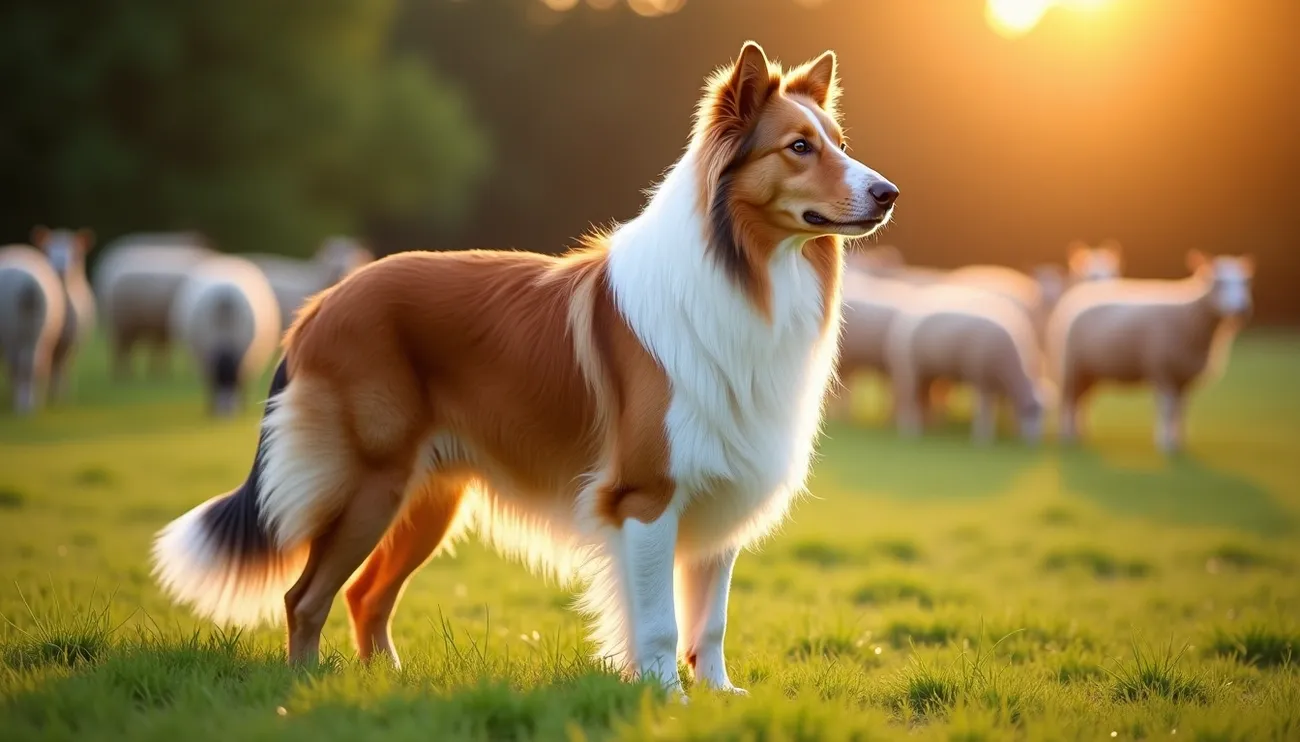 The AKC recognized Smooth Collies in 1885 as one of the most versatile herding breeds that worked on farms. These elegant medium-sized dogs share ancestry with their Rough Collie cousins, though their exact origins remain unclear. Male Smooth Collies stand 22-24 inches tall and weigh 45-65 pounds, while females measure about 2 inches shorter and weigh 40-55 pounds.
Smooth Collies excel as family companions and retain their working heritage. The breed’s lifespan typically ranges from 12 to 14 years, and they need 1 to 2 hours of daily exercise to stay healthy both mentally and physically. Their double coat requires regular grooming, though it doesn’t mat like their rough-coated relatives. Dog enthusiasts quickly recognize these friendly companions by their distinctive flat skull, long muzzle, and semi-erect ears, along with their gentle nature [-4].
The origins of the Smooth Collie
The origins of the Smooth Collie
Smooth Collies have deep roots that go back thousands of years. Evidence shows these versatile herding dogs lived in what we now call Britain since before 1200 B.C.. Their story has some mystery to it, especially about their name. Some say it comes from the Scottish word ‘colley’ for black-faced sheep, others link it to ‘coaly’ describing their dark color, and there’s also a chance it comes from Gaelic/Irish words ‘càilean’/’coileán’ meaning ‘doggie’.
From Scottish farms to royal courts
These dogs made their mark as working companions in the Scottish Lowlands and Northern England. Their shorter coat worked better in the milder climate compared to their rough-coated Highland relatives. For hundreds of years, they served shepherds faithfully. Their breeding focused on their working skills rather than looks.
The Celts, who lived in Scotland from about 4000 BC to 43 AD, started developing these herding dogs. New waves of settlers brought their own herding breeds that added to what would become the Scottish Collie. Romans came in 43 AD with their cattle dogs. Anglo-Saxon invaders brought European herding dogs. The Vikings showed up in 793 AD with Norwegian Spitz herding dogs.
This mix of different breeds created both Rough and Smooth Collies. These dogs stayed mainly as farm helpers until the mid-19th century. People valued them for their smarts and herding skills more than their appearance. The word “Collie” might come from a Celtic word meaning “useful” – a perfect description for these hardworking companions.
Queen Victoria’s influence on the breed
The breed’s story changed dramatically in the 1860s when Queen Victoria visited the Scottish Highlands. She loved these dogs so much that she created a “Collie Court” in her Royal Kennels at Windsor. The Queen had a special place in her heart for Smooth Collies – she owned 88 during her lifetime.
Sharp, one of her favorite Smooth Collies, became famous. People bought photos of Victoria with this dog like postcards. On April 3, 1866, the Queen wrote in her journal, “I was photographed alone with my faithful Sharp”. Her love for the breed helped Collies become popular with everyone.
The breed jumped from farm life to high society. These dogs were no longer just workers – they became fashionable pets worthy of royal attention.
Rise from working dog to companion
After Queen Victoria put Collies in the spotlight, breeders started focusing on their looks as much as their working abilities. This change created the modern Collie we know today. The first official show featuring “Scotch Sheep-Dogs” happened in 1860 at the Birmingham, England dog show. A dog named Trefoil became the first registered sire in 1873 – he’s the great-grandfather of all modern Collies.
Both Rough and Smooth varieties grew in popularity. Breeders saw them as the same breed with different coats and bred them together in many countries. The United States and Canada still see them this way. The United Kingdom and Australia started treating them as separate breeds after 1993.
J.P. Morgan brought the breed to America. Like Queen Victoria, he saw these dogs working on Scottish hills and started his Cragston Kennels in 1888. People called him the “King of the Collieworld,” and he helped establish the breed in North America.
Many experts believe Smooth Collies kept more of their working instincts than Rough Collies. Both types successfully became family pets while keeping the intelligence and loyalty that made them great working dogs.
Physical traits and breed standards
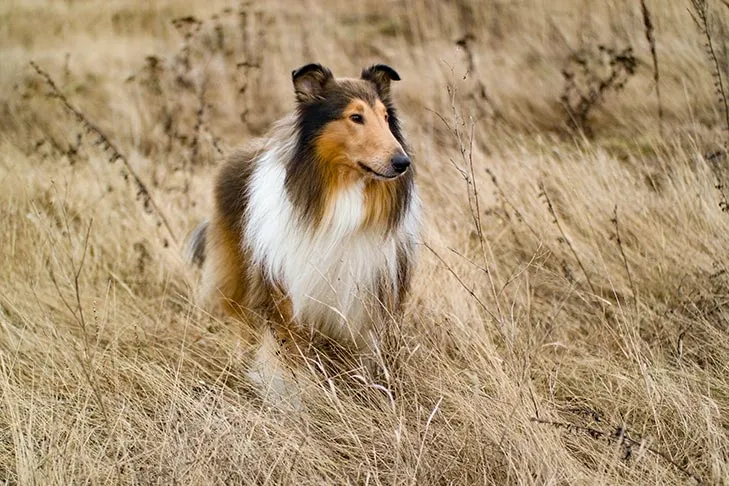
Image Source: American Kennel Club
Physical traits and breed standards
Smooth Collies have a striking appearance that follows exact breed standards. These standards shape their elegant outline, distinctive coat, and unique facial features. Let’s explore what makes this breed both practical and beautiful.
Size and weight range
Smooth Collies are medium to large dogs with a balanced, slightly rectangular build. Males reach between 56-61 cm (22-24 inches) at the withers. Females are a bit smaller at 51-56 cm (20-22 inches). Their weight shows similar differences – males weigh between 20.5-29.5 kg (45-65 pounds) and females range from 18-25 kg (40-55 pounds).
These dogs have an athletic, lean build rather than a heavy one. Their body features a level back and deep chest. The silhouette appears slightly longer than tall. This balanced shape helps them move smoothly and look graceful, showing off their working dog heritage that needed both power and agility.
Coat types and colors
Smooth Collies differ from their Rough Collie relatives with their short double coat. They sport a short, flat topcoat that feels harsh, along with a very dense, soft undercoat. This coat protects them well and needs less grooming than their long-haired cousins.
The breed standard accepts three official colors:
Sable and white: Colors range from light gold to rich mahogany or shaded sable. Light straw or cream colors are not desirable
Tricolor: Black dominates with rich tan markings around legs and head. A rusty tinge in the topcoat should be avoided
Blue Merle: A beautiful pattern of clear, silvery blue splashed with black marbling. Rich tan markings are preferred
Each color typically shows specific white markings in a particular pattern. Dogs have a white collar (full or partial), white chest, legs, feet, and tail tip. Some might have a white blaze on their muzzle, skull, or both. The standard states white should not go behind the withers or above the hock. These color patterns make the breed easy to spot and add to its appeal.
Distinctive head and expression
The Smooth Collie’s most remarkable feature is their “sweet expression.” Breeders value this combination of head shape, eye placement, and facial features. The head must match the dog’s overall size.
Their head looks like a smooth, clean wedge from any angle. A flat skull – never rounded – tapers smoothly from ears to the black nose. The top of the skull runs parallel to the muzzle’s top line. These lines have equal length and meet at a slight but noticeable break.
The eyes play a big role in creating the breed’s special look. They sit slightly angled, appear almond-shaped, and come in medium size – never tiny. Dark brown is the usual color. Blue Merles can have one or both eyes blue or blue-flecked. This eye setup creates what standards describe as “full of intelligence, with quick, alert look when listening”.
The muzzle curves nicely and has a rounded end – never square. A strong, clean-cut underjaw balances the face. The skull’s depth from brow to jaw looks just right. The nose stays black no matter what color the coat is, completing the face that makes this breed stand out.
Temperament and personality
Temperament and personality
The Smooth Collie combines intelligence with deep affection while maintaining a dignified yet approachable demeanor. Their balanced personality makes them exceptional companions that go beyond their physical attributes and working abilities.
Friendly and loyal nature
The Smooth Collie has an outgoing and friendly temperament and never displays nervousness or aggression. Unlike breeds that bond with just one person, these dogs create strong connections with every family member. They love being part of family activities and become vital members of their human “herd”.
Owners praise their remarkable “on/off switch” – a standout trait that sets them apart. These dogs eagerly join activities when invited but stay relaxed and quiet when needed. This adaptability makes them great everyday companions.
These dogs stay alert to strangers and unusual situations without becoming aggressive. They bark to alert their families about disturbances but quickly calm down once they know there’s no threat. Their watchful nature comes from protective instincts rather than fear or aggression.
Sensitivity and emotional intelligence
Smooth Collies rank among the most emotionally perceptive dog breeds. Their herding heritage required them to stay attuned to human emotions and commands, which created dogs that respond quickly to their owners’ feelings.
Their sensitivity shows in several ways:
They know human moods and stress levels exceptionally well
They give emotional comfort when needed
They respond quickly to positive reinforcement training
They dislike harsh verbal or physical corrections
These sensitive dogs do best in homes with predictable routines and positive training methods. Chaotic households or loud environments can distress them. Their responsive nature means they struggle when left alone for long periods and might become vocal or develop separation anxiety.
Suitability for families and children
Smooth Collies have a natural talent for family life that few breeds can match. They show exceptional patience and gentleness with children and protect them without being overbearing. Their protective instinct shows through watchfulness rather than aggression – a Collie might stand between children and perceived threats or alert adults to potential problems.
These dogs tolerate children’s unpredictable behaviors with patience and rarely show aggression. They see younger family members as part of their “flock” that needs protection and guidance.
Proper socialization helps them get along well with other household pets. Their herding background gives them natural respect for other animals, though they might gently nudge smaller pets or running children occasionally.
Smooth Collies read social situations well. They stay appropriately reserved with strangers at first but warm up quickly after positive interactions. This mix of protective alertness and underlying friendliness makes them ideal family guardians without the aggression or anxiety common in other protective breeds.
Their intelligence, trainability, and personality traits explain why Smooth Collies remain among the most beloved family companions. They merge protectiveness, affection, and adaptability into one elegant package.
Exercise and activity needs
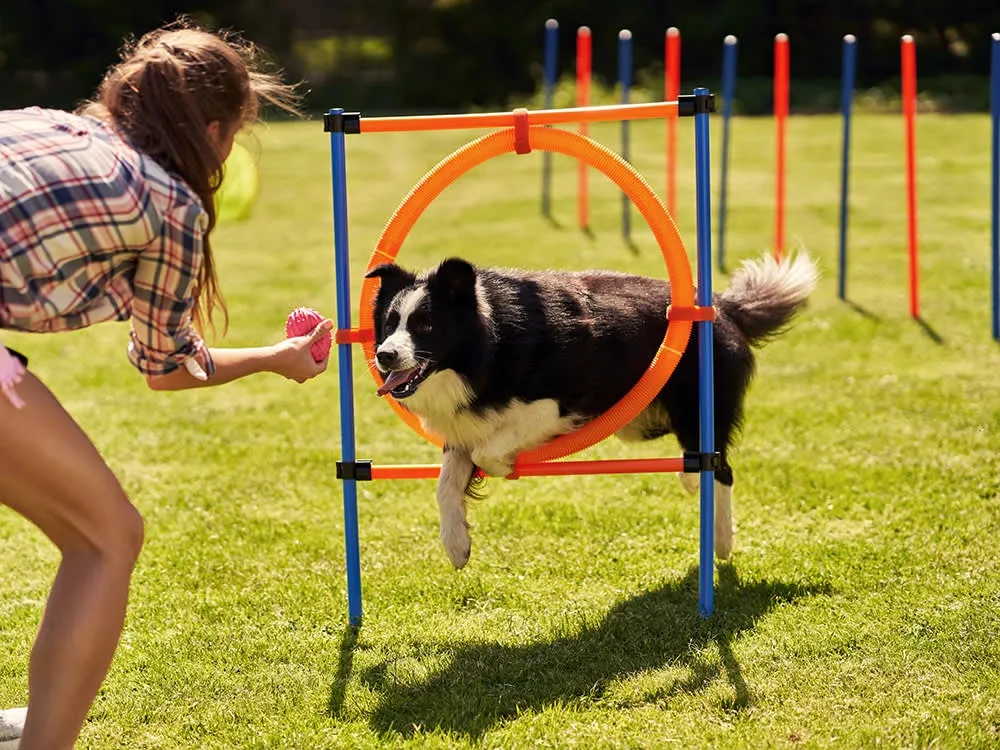
Image Source: Kinship
Exercise and activity needs
Smooth Collies are herding dogs with endless energy and smarts. They need the right mix of physical and mental exercise to stay happy and balanced. These working dogs come with natural stamina and sharp minds that need regular activity.
Daily physical requirements
Smooth Collies need between 1-2 hours of exercise daily to stay healthy in body and mind. They must get at least an hour of activity each day, though they’ll gladly take more. Unlike super high-energy breeds, these dogs have moderate to high exercise needs that help them adapt to different lifestyles.
These graceful dogs love activities where they can stretch their legs and explore. Long walks, runs, hikes, and outdoor adventures are perfect matches for them. Their athletic build and stamina make them great partners for active people or families who enjoy outdoor activities.
Smooth Collie puppies need careful exercise management while their bodies grow. Short sessions throughout the day work best, adding up to 30 minutes to 1 hour based on age. You can slowly increase exercise time as they grow older, following your vet’s advice.
Mental stimulation and enrichment
Smooth Collies need more than just physical exercise – their minds need challenges too. Mental workouts are just as vital as physical exercise for these smart dogs. Their quick minds need regular activity to avoid boredom and behavior issues.
A Smooth Collie might show these signs of frustration without enough mental stimulation:
Destroying furniture or belongings
Too much barking or restlessness
Digging, pacing, or repeating behaviors
Trouble settling down even after exercise
Brain games, training sessions, and problem-solving activities help meet their thinking needs. Puzzle toys that give treats or need solving are great for mental exercise. Taking different walking routes keeps things fresh with new smells and sights.
Best activities for Smooth Collies
These dogs shine in activities that match their smarts and physical skills. Games like fetch and frisbee show off their athletic side while building stronger bonds with their owners. These retrieving games tap into their natural desire to work with humans.
Dog sports give them another great way to use their energy and intelligence. Agility courses, obedience competitions, and rally events use the breed’s natural ability to learn and eagerness to please. Many Smooth Collies do great in these structured activities that challenge both body and mind.
Hide-and-seek games are also fantastic mental workouts. Whether you hide treats around the house or play traditional hide-and-seek with family members, these games use their problem-solving skills. Scent games also work well with their natural tracking abilities.
Smooth Collies stay focused on their owner’s signals and commands during activities. Adding training elements to daily exercise makes the experience better and builds a stronger bond. These smart companions see training as play rather than work because they love working with their humans.
Training and intelligence
Training and intelligence
The Smooth Collie ranks among the smartest herding breeds around. These dogs learn quickly and love to work with humans. Their sharp minds and natural cooperation make training a real pleasure.
Why they’re easy to train
A Smooth Collie’s quick learning comes from both smarts and motivation. These dogs pick up training fast because of their high intelligence and natural eagerness to make their owners happy. Their herding background helps them naturally grasp what people want and respond well to direction.
These dogs have more than just raw intelligence. They show remarkable emotional smarts – they know how to read people and respond to their feelings. This special awareness lets them figure out what trainers want before they even say it. One owner noted that her Smooth Collie was actually better at “understanding what is expected of her” than her Border Collie.
These dogs can handle complex tasks with ease. You’ll find Smooth Collies doing great in obedience, agility, herding trials, rally competitions, trick training, and therapy work. Many owners say their dogs remember routes and places after just one visit – a skill that helps them learn fast.
Positive reinforcement techniques
A Smooth Collie needs positive reinforcement training methods. These dogs do best with techniques that reward good behavior instead of punishing mistakes. This lines up perfectly with their sensitive nature and desire to please.
Great rewards for training include:
Food rewards – small, tasty treats work best for most training
Play sessions – fetch or tug games can really motivate them
Verbal praise – honest, excited words
Physical affection – gentle pets or scratches
Environmental rewards – letting them do favorite activities
The idea behind positive reinforcement is simple: dogs repeat behaviors that earn rewards. This builds trust instead of fear – crucial for sensitive breeds like the Smooth Collie.
Experts suggest using a marker (like a clicker or specific word) to show the exact moment of correct behavior. Later, you can switch from constant rewards to occasional ones as behaviors become solid.
Common challenges and how to overcome them
Smart as they are, Smooth Collies come with their own training hurdles. Their sensitive nature means they don’t handle harsh corrections or yelling well. Trainers need what experts call “a light touch” since these dogs shy away from confrontation.
Their sharp minds mean they get bored doing the same things over and over. Mix up training with new challenges that make them think. Changing exercises, toys, and training spots keeps them interested and focused.
Smart, energetic dogs need mental exercise. Without enough brain work, they might start acting out or barking too much. Games that make them solve problems help prevent these issues.
Puppy socialization needs special attention. Good exposure to different people, animals, and places helps Smooth Collie puppies grow into confident adults. Skipping proper socialization might turn their natural reserve into shyness or reactivity.
The whole family should use the same commands and methods to avoid confusing these smart dogs. All the same, some Smooth Collies can be stubborn at times – owners work through this with patience and finding what motivates their particular dog.
Grooming and coat care
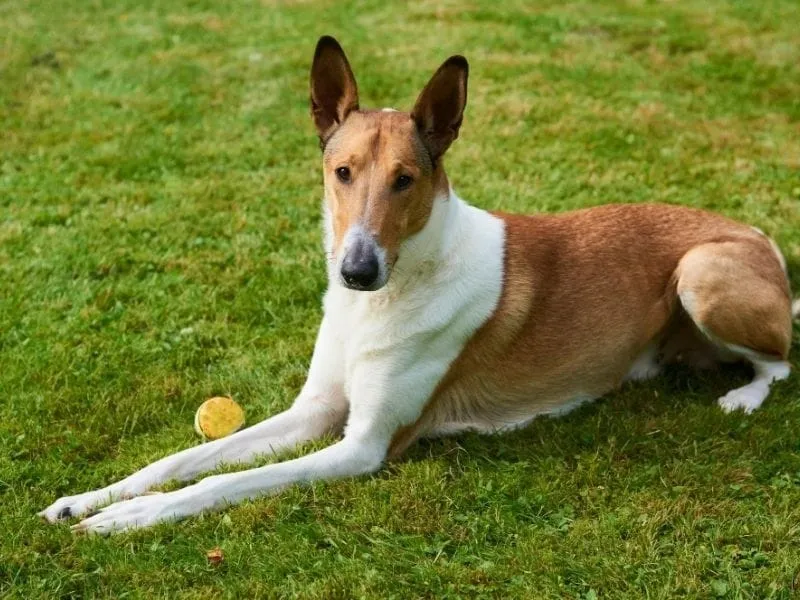
Image Source: Borrow My Doggy
Grooming and coat care
Smooth Collies have a “wash and wear” coat that needs nowhere near as much maintenance as their Rough Collie cousins. Setting up a simple routine makes coat care easy to manage, even with a busy family schedule.
Weekly brushing routine
A once-weekly brushing session of 10-20 minutes keeps a Smooth Collie’s coat looking great. These tools work best:
Rubber curry comb for general brushing
Slicker brush (especially during shedding seasons)
Wash leather or microfiber cloth for finishing
Greyhound comb for detail work
Brush methodically so you don’t miss any spots, and pay extra attention to areas behind the ears and front legs. Start at the skin and brush outward to stop mats from forming at the base. New owners should start puppies with short, gentle sessions using a soft brush. This helps make grooming a positive experience that builds a stronger bond between dog and owner.
Seasonal shedding and undercoat care
Smooth Collies “blow their coat” twice a year, which many owners say feels like living in a snow globe. These heavy shedding periods need daily brushing to control loose fur. A deshedding rake helps reach the dense underlayer that’s shedding.
Regular brushing during shedding season stops loose hair from taking over your furniture and floors. More frequent hoovering up during these times helps manage the extra fur. Dogs typically shed their winter coat in spring as they prepare for warmer weather.
Bathing and hygiene tips
Smooth Collies stay clean naturally and rarely have a doggy smell. They need baths only 2-4 times yearly. Too much bathing removes natural oils from their coat and can cause dry, irritated skin. Between baths, baby wipes or damp cloths work great for spot cleaning.
A mild, fragrance-free dog shampoo works best for bath time. Massage the shampoo through the coat down to the skin, then rinse thoroughly until the water runs clear. Adding conditioner now and then keeps the coat soft and easy to manage.
Your dog’s nails need regular checks, especially the dew claw, which grows faster in older dogs. Walking on hard surfaces helps keep nails short naturally, but you should still watch their length. If nail trimming makes you nervous, groomers or vets can do this for a small fee.
Health concerns in Smooth Collies
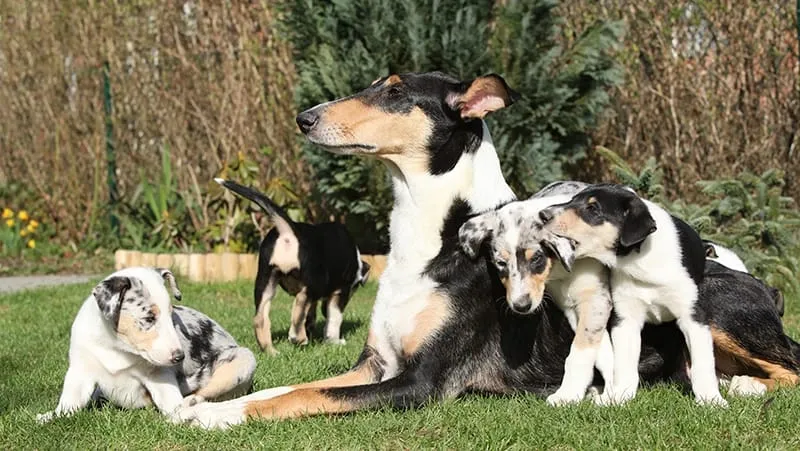
Image Source: Collie Chatter
Health concerns in Smooth Collies
Smooth Collies are hardy dogs, but they face several breed-specific health conditions. Dog owners need to understand these genetic issues to provide proper care and support responsible breeding.
Collie Eye Anomaly (CEA)
This inherited eye disease affects both eyes from birth and targets the retina, choroid, and sclera. Smooth and Rough Collies often develop CEA, and its effects range from mild vision problems to complete blindness. The disease develops because the choroid layer fails to grow properly. This layer should deliver nutrients to the retina. A veterinary ophthalmologist needs to check puppies between 6-8 weeks old to catch the condition early. CEA has no treatment, so genetic testing before breeding is vital to reduce its spread.
Progressive Retinal Atrophy (PRA)
Collies have a unique form of retinal atrophy called PRA-rcd2 (rod-cone dysplasia 2). Night-blindness shows up by 6 weeks of age as the disease destroys photoreceptor cells. Most puppies lose their sight completely by 6-8 months. Breeders must use genetic testing to identify this autosomal recessive disorder in their breeding stock.
MDR1 gene sensitivity
The MDR1 mutation shows up in 70% of tested Collies. Dogs with this genetic issue can’t process certain medications well because their P-glycoprotein doesn’t work right. This protein should stop drugs from reaching the brain. Dogs with just one copy of the mutated gene might react badly to medications. Owners should be careful with ivermectin (except for heartworm prevention doses), loperamide (Immodium), cyclosporine, and some chemotherapy drugs. Dogs can show signs of toxicity through weakness, disorientation, tremors, seizures, and in some cases, death.
Bloat and other common issues
The breed’s deep, narrow chest makes them likely to develop Gastric Dilatation and Volvulus (bloat). This dangerous condition happens when the stomach twists and fills with gas, which cuts off blood flow. Dogs will try to throw up but can’t, become restless, and their belly swells up. Surgery can prevent this fast-acting, deadly condition by securing the stomach in place.
Roles in sports and working life
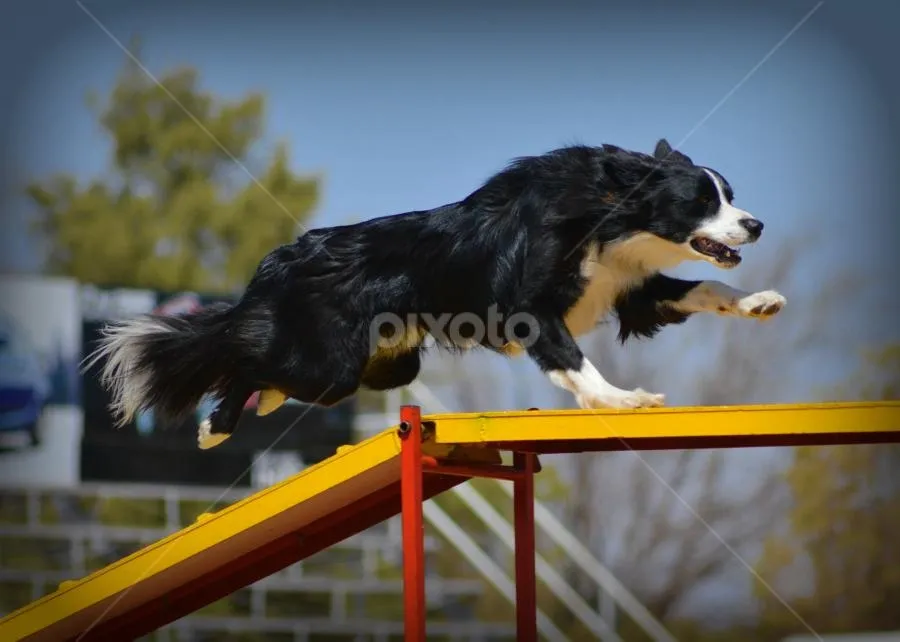
Image Source: Pixoto
Roles in sports and working life
Smooth Collies are more than just companions. These intelligent dogs excel in many working and competitive environments through structured activities.
Agility and obedience competitions
Smooth Collies run on competition. They shine in agility, rally-obedience, flyball, and heelwork to music. These dogs love to learn and stay focused, which makes them stand out in these disciplines. They show great precision in obedience sports and often qualify through accuracy rather than speed. Unlike high-energy breeds, they take a thoughtful approach to obstacles. They prefer getting things right instead of rushing through.
Herding trials and instinct tests
These natural herders can take herding instinct tests without any prior training. The tests check if they show interest in livestock by circling, gathering, or driving animals. Organizations like the Australian Shepherd Club of America, American Herding Breed Association, and AKC offer structured competition programs. Most Collies show their natural herding instincts the first time they see livestock.
Assistance and therapy work
The breed’s emotional intelligence makes them perfect therapy and service dogs. They work reliably in different settings as assistance dogs for mobility work, medical detection, and search and rescue operations. These helpful companions can open doors, retrieve objects, and help with balance support. Their calm and attentive nature suits them perfectly for emotional support roles.
Conclusion
Smooth Collies rank among the most versatile dog breeds. They perfectly balance intelligence, loyalty, and adaptability. Their experience from Scottish farmlands to royal kennels shows how well they adapt between working roles and family life. These elegant dogs keep their herding instincts while they excel as family members, showing how well they adapt to environments of all types.
A refined wedge-shaped head, expressive eyes, and sleek double coat give these dogs their distinctive look. Their moderate exercise needs and exceptional trainability make them perfect companions for active families. Unlike high-maintenance working breeds, Smooth Collies have that valuable “on/off switch.” They eagerly join activities but stay content to relax quietly when needed.
Smart owners stay alert to breed-specific conditions like Collie Eye Anomaly, PRA, and MDR1 gene sensitivity. Regular vet screenings help manage these potential risks effectively. The breed’s straightforward grooming needs make them easier to maintain than their Rough Collie cousins. Seasonal shedding needs some attention though.
Smooth Collies’ emotional intelligence and desire to connect with their human families make them special. They recognize emotions with amazing accuracy and offer comfort when needed. Their natural grace helps them respect boundaries. This sensitivity extends to children and other pets, making them excellent family guardians without showing aggression or anxiety.
These dogs adapt to countless roles with dignity and intelligence. You’ll find them in dog sports, therapy work, or enriching family life. Their rich heritage and gentle nature explain why discerning dog lovers continue to choose them. Without doubt, these elegant canines blend working skills and companionship perfectly. They still capture hearts today, just as they did when Queen Victoria brought them into the spotlight over a century ago.
Key Takeaways
Smooth Collies are intelligent, versatile herding dogs that excel as both working animals and family companions, combining elegance with practicality in one remarkable breed.
• Royal heritage meets modern family life: Originally Scottish farm dogs, Smooth Collies gained popularity through Queen Victoria’s endorsement in the 1860s, transforming from working animals to beloved companions while retaining their herding instincts.
• Moderate exercise with high intelligence: These dogs need 1-2 hours of daily activity but possess an exceptional “on/off switch,” making them adaptable to various lifestyles while requiring mental stimulation to prevent boredom.
• Exceptional emotional intelligence: Smooth Collies read human emotions with remarkable accuracy, making them outstanding therapy dogs and family companions who respond best to positive reinforcement training methods.
• Low-maintenance grooming with health considerations: Their “wash and wear” coat requires only weekly brushing, but owners should be aware of breed-specific conditions like Collie Eye Anomaly and MDR1 gene sensitivity affecting medication processing.
• Versatile working abilities: Beyond companionship, these dogs excel in agility, obedience competitions, herding trials, and assistance work, showcasing their adaptability across multiple roles and environments.
FAQs
Q1. Are Smooth Collies good family pets? Smooth Collies make excellent family pets. They are known for their gentle, friendly nature and form strong bonds with all family members. Their patience and protective instincts make them great with children, and they generally get along well with other pets when properly socialized.
Q2. How much grooming do Smooth Collies require? Smooth Collies have relatively low grooming needs. A weekly brushing session of about 10-20 minutes is usually sufficient to keep their coat in good condition. However, they do experience heavy shedding twice a year, during which daily brushing may be necessary to manage loose fur.
Q3. What are the exercise requirements for a Smooth Collie? Smooth Collies typically need 1-2 hours of daily exercise to maintain their physical and mental health. They enjoy activities like long walks, runs, and outdoor adventures. Mental stimulation through training sessions and interactive games is also important to prevent boredom.
Q4. Are Smooth Collies easy to train? Yes, Smooth Collies are generally easy to train due to their high intelligence and eagerness to please. They respond best to positive reinforcement techniques and can excel in various dog sports and activities. However, their sensitivity means they don’t respond well to harsh corrections.
Q5. What health issues should Smooth Collie owners be aware of? While generally healthy, Smooth Collies can be prone to certain genetic conditions. These include Collie Eye Anomaly (CEA), Progressive Retinal Atrophy (PRA), and MDR1 gene sensitivity, which affects their ability to process certain medications. Regular veterinary check-ups and genetic testing can help manage these potential issues.