
Cavalier King Charles Spaniel
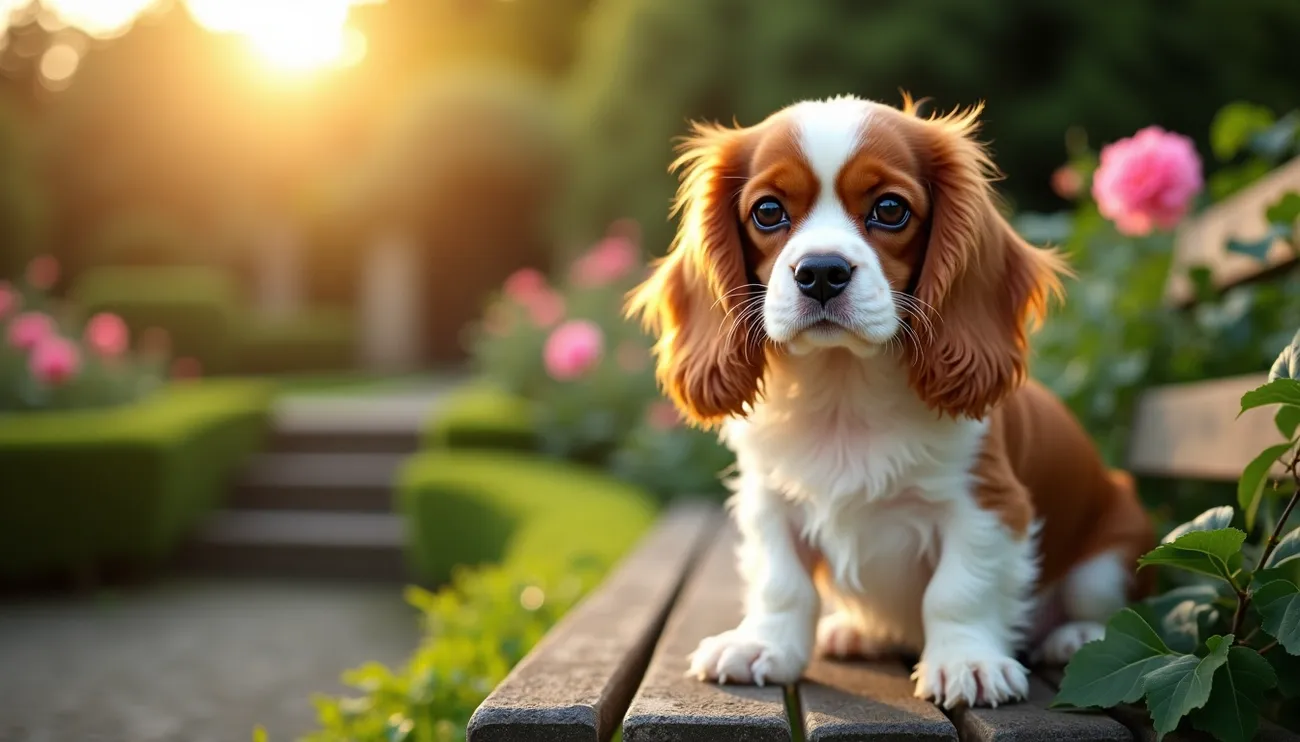 Cavalier King Charles Spaniels have earned their place as the 13th most popular pure-breed in the United States since 2000. These charming dogs rank 6th in popularity across the United Kingdom, with 11,422 registrations recorded in 2007 alone. Their sweet and gentle nature has won many hearts, including those at the White House. Former U.S. President Ronald Reagan gave his wife Nancy a Cavalier named Rex as a gift in December 1985.
The breed’s royal-sounding name might make you think they’ve been around forever, but Cavalier King Charles Spaniels gained official recognition fairly recently. The American Kennel Club acknowledged them in 1995, though the British Kennel Club had already recognized the breed back in 1945. These lovable companions stand 12-13 inches tall and weigh between 13-18 pounds. They need about an hour of daily walking to stay happy and healthy. Future owners should know about some inherited health issues that often affect these dogs, especially when you have heart disease and syringomyelia, a brain/spinal disorder.
This piece takes you through the complete story of the Cavalier King Charles Spaniel. You’ll find details about their royal heritage, physical traits, personality, health risks, and care needs. The sort of thing I love about these dogs keeps attracting dog lovers worldwide, whether you’re thinking about bringing one home or just want to learn more about these amazing companions.
History of the Cavalier King Charles Spaniel
The Cavalier King Charles Spaniel’s captivating story goes back several centuries. Small toy spaniels appeared in European and British artwork as early as the 16th century. These charming dogs became favorite subjects for prominent painters throughout the 16th, 17th, and 18th centuries, which documented their presence in royal courts and noble homes.
Royal roots and King Charles II
The breed’s royal connection started before King Charles II. Mary Queen of Scots reportedly brought toy spaniels to Scotland and England nearly a century earlier. She grew fond of the breed during her childhood in France. In spite of that, these dogs truly gained royal favor during King Charles II’s reign (1660-1685).
King Charles II showed such dedication to his spaniels that people rarely saw him without two or more following at his heels. His deep affection for these dogs earned him the nickname “The Merry Monarch” – not just for his party-loving persona but also for his steadfast dedication to his canine companions. Historical accounts tell us the king issued a royal decree that allowed his spaniels in any public building, including Parliament House. He officially declared them his Royal Spaniels.
Samuel Pepys, the famous diarist, noted that Charles II seemed to care more about his spaniels than ruling the country. The king’s final moments in 1685 were comforted by over a dozen toy spaniels at his deathbed.
The early 18th century saw John Churchill, the 1st Duke of Marlborough, who managed to keep red and white King Charles type spaniels for hunting at his estate named Blenheim. This name honored his victory at the Battle of Blenheim. These athletic dogs could keep pace with a trotting horse. The red and white variety of the breed got its distinctive “Blenheim” name from this connection.
Breed revival in the 20th century
The royal spaniels’ appearance changed after Charles II’s death. Victorian era crossbreeding with flat-faced Asian breeds like Pugs and Japanese Chin resulted in dogs with domed skulls and flatter faces. These looked quite different from the longer-muzzled spaniels in earlier royal portraits.
American Roswell Eldridge’s 1926 visit to England marked a turning point. He felt disappointed to find the original longer-faced spaniels had vanished. His determination to revive the “Old World type” led him to offer a substantial cash prize of 25 pounds sterling at Crufts Dog Show. The prize would go to the best male and female dogs that looked like those from Charles II’s time – “long face, no stop, flat skull, not inclined to be domed, with spot in center of skull”.
Several breeders accepted Eldridge’s challenge, though they initially disapproved. Enthusiasts formed the first Cavalier club in 1928 and created a breed standard based on Mostyn Walker’s dog named “Ann’s Son”. The Kennel Club later recognized these dogs as “King Charles Spaniels, Cavalier type”.
Recognition by kennel clubs
The emerging breed almost disappeared during World War II. Food shortages devastated breeding stock. One kennel’s population dropped from 60 dogs to just three during the 1940s. Modern Cavalier King Charles Spaniels all descend from these few survivors.
The British Kennel Club’s formal recognition of the Cavalier King Charles Spaniel as a distinct breed in 1945 marked a crucial milestone. W. Lyon Brown brought the first recorded Cavalier to the United States in 1956. Brown and Elizabeth Spalding then founded the Cavalier King Charles Club USA.
Cavalier clubs spread internationally to Australia, New Zealand, Finland, and Sweden. The American Kennel Club finally granted recognition in 1995, making it their 140th recognized breed. The breed’s popularity soared by 1988, with 777 exhibits at the Championship show and 363 crowned Champions.
The Cavalier King Charles Spaniel brings its royal heritage into modern homes as a beloved companion, continuing to charm dog lovers worldwide.
Physical Characteristics and Breed Standards
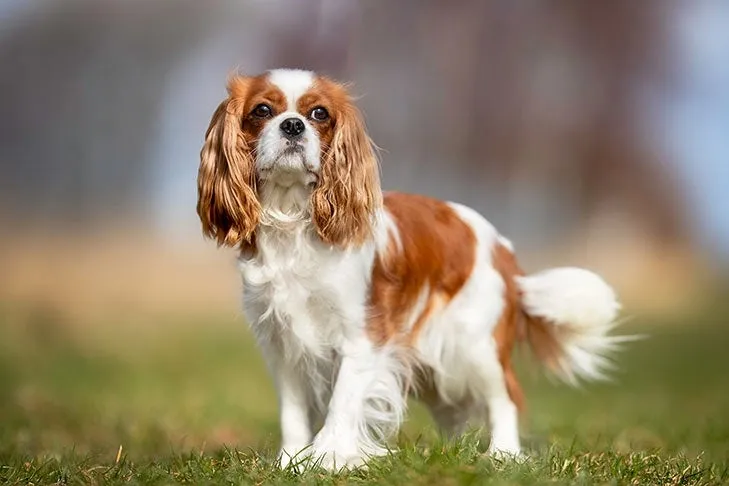
Image Source: American Kennel Club
Cavalier King Charles Spaniels stand out among toy breeds with their unique looks. These elegant dogs blend royal bearing with soft, sweet expressions that match their gentle nature.
Size and weight range
These dogs fit right into the small dog category. Breed standards call for a height of 12 to 13 inches at the withers. Their ideal weight ranges from 13 to 18 pounds. This makes them perfect portable companions that are easy to lift but still sturdy enough for light outdoor activities.
Breed standards value small, well-balanced dogs within these weight limits. More than that, quality and type matter more than exact size. Show judges equally penalize dogs that are too small or too large. Their moderate size makes them versatile companions that adapt well to different living spaces.
Coat texture and grooming features
The Cavalier’s coat sets it apart from other breeds. Standards require a medium-length coat that feels silky and lacks curls, though slight waves are fine. This single coat lies flat against the body and creates their signature elegant look.
Feathering defines another key trait of the breed. These dogs show distinct feathering on their ears, chest, legs, and tail. On top of that, their feet’s feathering makes them special in show rings. These longer-haired areas need extra care during grooming.
These dogs stay natural with minimal grooming changes allowed. Show rules strictly forbid trimming – dogs with clipped or artificially altered coats face tough penalties. Only the hair between their foot pads can be trimmed for comfort and cleanliness.
Recognized color variations
These spaniels come in four official color patterns that each have their own distinct marks. All patterns need similar grooming care despite looking different.
The Blenheim pattern shows up most often. Rich chestnut marks break up nicely against a pearly white background. Chestnut must circle the eyes and cover the ears. A white blaze between the eyes must appear, and this blaze might have the prized “Blenheim spot” or “lozenge” – a unique trait that looks good but isn’t required.
Tricolor dogs have jet black marks scattered on clear, pearly white fur. Like Blenheims, black must appear on their ears and around both eyes, with a white blaze between them. Rich tan marks show up over their eyes, on cheeks, inside ears, and under their tail.
Ruby dogs sport a rich red coat without any white. White marks on Ruby dogs don’t meet breed standards.
Black and Tan dogs have jet black coats with bright tan marks over their eyes, on cheeks, inside ears, on chest, legs, and under their tail. Just like Rubies, white marks count as faults.
Show standards point out specific color problems, such as heavy ticking on Blenheims or Tricolors and white marks on Rubies or Black and Tans. Dogs showing colors outside these four options can’t compete in shows.
Temperament and Personality Traits
Cavalier King Charles Spaniels have won hearts worldwide with their endearing personalities and perfect balance of gentle temperament and playful spirit. These charming dogs stand out not just for their beautiful looks but for their exceptional character traits.
Affectionate and friendly nature
Cavaliers create deep bonds with their owners through their incredibly affectionate, sociable, and happy-go-lucky nature. Their owners become their whole world, and they make perfect companions for anyone wanting a devoted pet. These dogs love to please their owners, which has earned them a reputation as one of the most loving breeds around.
You’ll rarely see aggression from a Cavalier due to their gentle nature. They might “sulk” if someone yells at them or treats them harshly, which shows just how sensitive they can be. Their natural curiosity pairs with a surprising sportiness (they are spaniels, after all) to create a wonderful mix of traits.
These dogs rank 44th in Stanley Coren’s assessment of canine intelligence in “The Intelligence of Dogs,” which puts them in the average working and obedience intelligence category. While they might not excel at problem-solving, their emotional intelligence and social adaptability more than make up for it.
Compatibility with children and pets
Cavaliers shine in homes with multiple pets. Their patient and tolerant nature makes them great with other pets and young children, which turns them into exceptional family dogs. They can bond easily with both big and small dogs, making them perfect for multi-dog households.
These versatile companions adapt well to both city and country environments. While they’re naturally friendly, early socialization helps develop their confidence fully. Dog experts suggest watching over Cavalier-child interactions, not because these dogs might be aggressive, but to keep playtime from getting too rough.
These descendants of sporting dogs get along amazingly well with cats, unlike many breeds that see smaller animals as prey. Strangers receive a warm welcome too, which makes Cavaliers poor guard dogs but wonderful social companions.
Behavior when left alone
Separation creates the biggest challenge for Cavalier owners. People often call them “velcro dogs” because they need to stay close to their humans, and many develop separation anxiety when left alone. This anxiety shows up as excessive barking, whining, scratching at doors and windows, destructive behavior, and attempts to escape.
Separation anxiety can cause both mental and physical symptoms in Cavaliers, including panting, drooling, shaking, and loss of appetite. RSPCA guidelines suggest dogs shouldn’t spend more than four hours alone, with puppies needing even more attention—no more than an hour by themselves.
Getting another dog rarely helps a Cavalier with separation anxiety. The anxious behavior might even spread to the new dog. A better approach involves gradual training that starts with short alone periods, though there’s “no quick or overnight fix” for this issue.
Anyone considering a Cavalier should understand this key aspect of their personality. These dogs do best in homes where someone stays around most of the time. Remote workers, retirees, or families with varied schedules make ideal Cavalier owners.
Common Health Issues in Cavaliers
The Cavalier King Charles Spaniel’s sweet face and gentle nature can mask several serious health issues that future owners need to know about. These beloved dogs face certain medical conditions that can affect how long they live and their quality of life.
Mitral valve disease (MVD)
MVD kills more Cavalier King Charles Spaniels worldwide than any other condition. This heart condition makes the mitral valve break down over time, letting blood leak backward through the heart. Cavaliers get this disease about 20 times more often than other breeds.
These dogs develop MVD much earlier than other breeds. Studies show that over half of all Cavaliers have MVD by age 5, and almost every Cavalier has it by age 10. The numbers paint a stark picture in the United States – only 5% of all dogs die from MVD, but it claims the lives of about 50% of Cavaliers.
MVD gets worse faster in Cavaliers compared to other breeds. Life-threatening stages can develop in just 1-3 years instead of the usual 3-5 years. Dog owners should watch for heart murmurs, nighttime coughing, and breathing problems.
Syringomyelia (SM)
SM is another inherited disease that hits Cavaliers particularly hard. This nerve condition happens because these dogs are born with skulls too small for their brains. This forces spinal fluid through a tiny opening into the spinal cord, creating fluid pockets.
SM affects 25% to 70% of Cavaliers with Chiari-like malformation. The risk goes up by 1.27-1.3 times each year. Look out for these signs:
“Phantom scratching” near the shoulder during walks or excitement
Pain yelps or whimpers without clear cause
Weak limbs or poor coordination
Head shaking and too much lip-licking
Looking for cool spots or showing restlessness
Rubbing head on floors or neck stiffness
Doctors need an MRI scan to diagnose SM. Medicine can help reduce symptoms, but severe cases might need surgery called foramen magnum decompression.
Eye and ear disorders
The breed’s flat-faced shape leads to many eye problems. A 2008 Canine Eye Registration Foundation study found eye issues in 28% of Cavaliers. These dogs can get hereditary cataracts as early as 6 months old, leading to blindness between ages 2-4. They also face risks of corneal ulcers, dry eye syndrome (11.5% higher risk than any other breed), and progressive retinal atrophy.
Their floppy ears and skin allergies make Cavaliers prone to ear infections (otitis externa). Dogs with infections often scratch their ears or rub them on furniture. Bad cases might need surgery to remove part or all of the ear canal.
Hip and knee problems
The Orthopedic Foundation for Animals reports hip dysplasia in 15.5% of Cavaliers, but experts say the real number is at least 25%. This inherited condition causes bad hip joint growth, leading to arthritis and pain. Dogs might “bunny hop” while running or struggle to get up from lying down.
These dogs rank second highest for patellar luxation (kneecap dislocation) among all breeds. You’ll notice dogs with this condition limping or “skipping” as they walk.
Anyone thinking about getting a Cavalier King Charles Spaniel needs to understand these health risks. Smart buyers should find good breeders who test for these conditions and save money for vet care throughout their dog’s life.
Grooming and Maintenance Needs
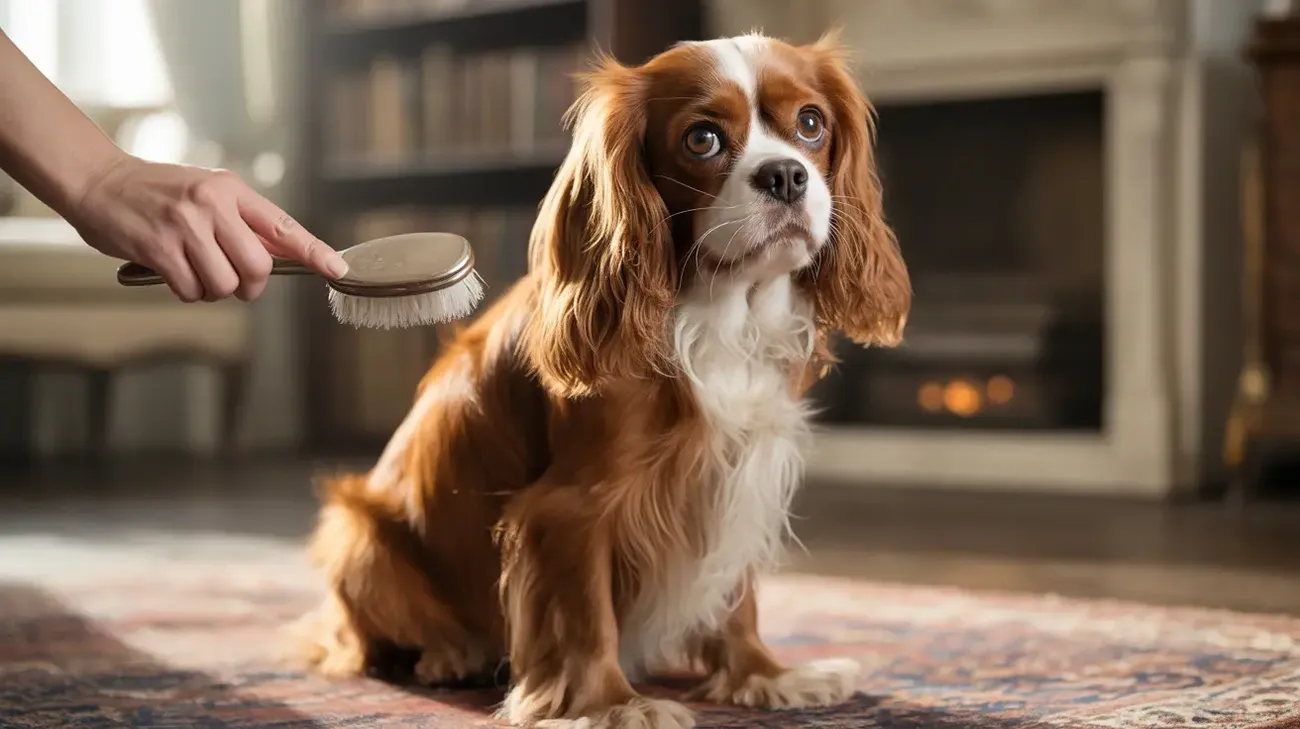
Image Source: PetsCare.com
Your Cavalier King Charles Spaniel’s silky coat and elegant looks need regular care and attention. Good grooming helps these beautiful companions stay healthy and look their best.
Brushing and coat care
Brushing is the life-blood of Cavalier grooming. You should brush your Cavalier three to four times per week, while show dogs need daily 10-minute sessions. The best way to brush is to lightly mist the coat with water first. Then work your way from back to front, brushing in the direction of hair growth.
The right tools make the biggest difference in coat care. A pin brush (wooden brush with widely spaced wire pins) works great for daily brushing because it’s gentle on their silky coat. A metal comb helps finish the job, especially with feathered areas like ears, chest, and tail. A slicker brush is a great way to get rid of loose hair during shedding seasons.
Watch out for areas that tend to mat: behind the ears, under the legs, and along feathered sections. Cavaliers have a naturally silky single coat and shed throughout the year instead of seasonally. Regular brushing keeps loose hair in the brush rather than on your furniture and clothes.
Ear cleaning and nail trimming
Your Cavalier’s iconic floppy ears need extra attention because they limit airflow, creating perfect conditions for moisture and infection. Look at the ears weekly for redness, swelling, discharge, or odd smells. Clean them with a cotton cloth dampened with warm water or a vet-approved ear cleaner.
Many owners cut the hair inside the ear flap to help air flow better and reduce moisture and infections. Never put anything deep into the ear canal—just clean what you can see.
Nail care matters just as much. Cut nails every three to four weeks—if you hear clicking on the floor, it’s time for a trim. These dogs have a unique trait: hair that keeps growing between their foot pads. You’ll need to trim this with blunt-nosed curved scissors to prevent slipping and discomfort. The feathering on top of the feet should stay untrimmed as it’s a breed characteristic.
Bathing frequency
A bath every four to six weeks keeps your Cavalier’s coat healthy without removing natural oils. Show dogs usually get weekly baths, typically right before competitions. For regular pets, monthly baths are enough.
Use a mild, low-residue dog shampoo and conditioner when bathing your Cavalier. You might need to shampoo twice because of their water-resistant coat. The rinse water should be slightly cooler than what you’d use for yourself.
Make sure to dry your Cavalier well to avoid tangles. Start with a towel to soak up extra water, then use a low-heat hairdryer while brushing to prevent mats. This helps create the breed’s classic smooth, straight look.
Taking your dog to a professional groomer every 4-6 weeks can help with home care, especially during coat changes. Groomers have high-velocity dryers and special tools that remove loose fur better than home equipment.
Exercise and Activity Requirements
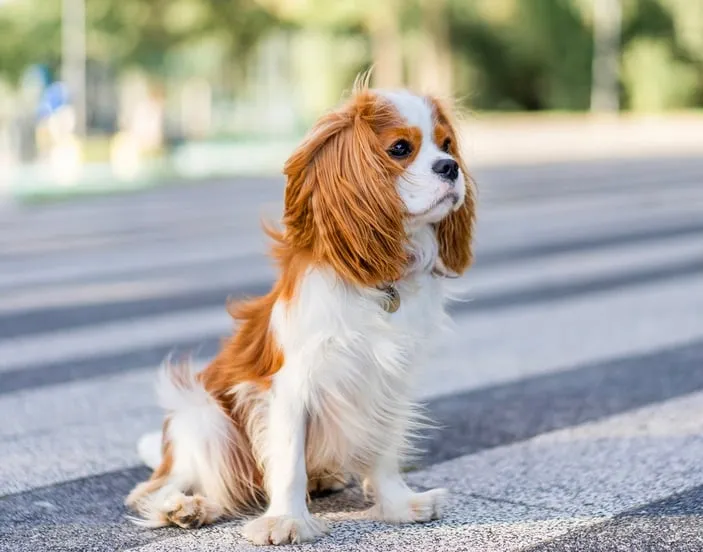
Image Source: Waggel
Cavalier King Charles Spaniels might be known as lap dogs, but these little pups pack quite an energy punch and need regular exercise to stay healthy and happy. They beautifully balance their loving nature with a sporty side that comes from their spaniel roots.
Daily walk recommendations
Your Cavalier needs 30-60 minutes of exercise each day. Most experts recommend splitting this into two walks to avoid tiring them out too much. This balanced exercise routine helps control their energy, keeps the weight off, and stops behavior problems before they start.
Puppies need special care with exercise since their joints and muscles are still developing. Short walks and play sessions work best for young Cavaliers. You can slowly increase their activity as they grow up until they’re fully mature at 12-18 months.
Older Cavaliers naturally take it easier. Let your senior pup set the walking pace and watch out for signs they’re getting tired – that’s your cue to head back home.
Indoor play and mental stimulation
These smart dogs need more than just physical exercise to stay happy. Their clever minds thrive on interactive games. Playing hide-and-seek, whether it’s you hiding or treats scattered around the house, gives them great mental exercise.
Puzzle toys that hide treats are a great way to keep their minds sharp and make them think. You can easily create games at home by hiding treats under cups or in cardboard boxes. These activities tap into their natural instincts without needing much space.
Your home can become an adventure zone with simple obstacle courses made from cushions, chairs, and blankets. This setup helps them stay active and teaches problem-solving. A good game of tug-of-war with sturdy toys gives them exercise and brings you closer together.
Suitability for agility and sports
These little athletes often shine in dog sports. Their spaniel background makes them natural players and chasers, perfect for agility training. Their sharp minds help them perform well in organized competitions.
Regular walks build the foundation you both need before starting agility training. Beginners should start with basic homemade obstacles before moving to formal training.
Cavaliers also love scent work, which comes naturally to them. They can do well in obedience competitions and even try dock diving. Just remember to match these activities to your dog’s abilities and health.
Training and Socialization Tips
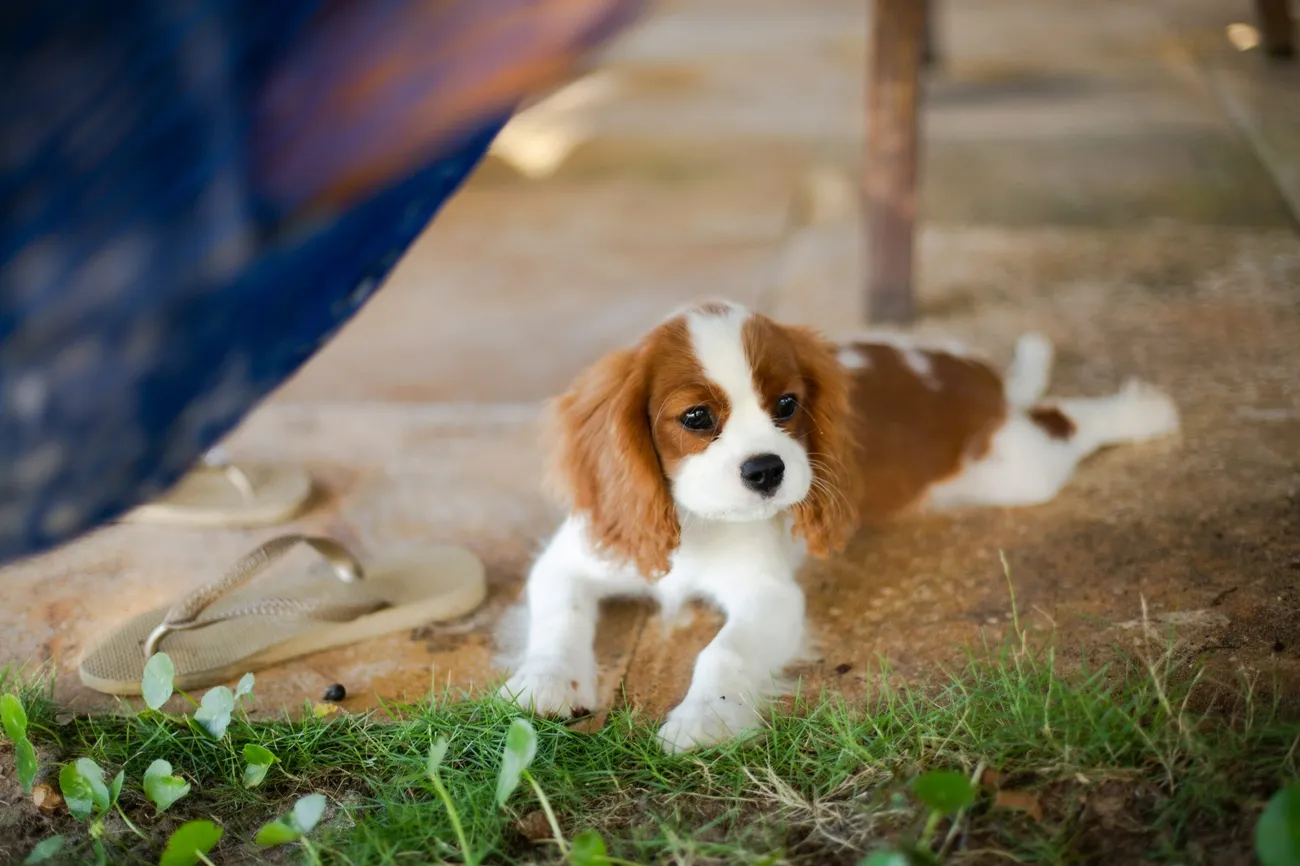
Image Source: FitBark
Cavalier King Charles Spaniels are easier to train than many other breeds. These charming companions combine intelligence with an eagerness to please that creates a rewarding training experience for both dog and owner.
Ease of training and intelligence
Cavalier King Charles Spaniels rank 44th in Stanley Coren’s “The Intelligence of Dogs,” which puts them in the category of average working and obedience intelligence. They make up for any limitations in problem-solving with their cooperative nature and desire to please their humans. These dogs respond exceptionally well to positive reinforcement techniques, including praise, treats, and play.
These sensitive dogs thrive with patient guidance and consistent training. Harsh corrections or inconsistent approaches usually lead to hesitation rather than motivation. Short, engaging training sessions produce the best results. Their affectionate nature sometimes makes them prone to distraction—they might prefer cuddles over commands if given the choice!
Early socialization benefits
Starting socialization between 3-14 weeks of age builds the foundation for a well-adjusted Cavalier. Puppies should experience a variety of people, dogs, environments, and situations in positive, controlled settings. Puppy training classes serve two purposes—they teach simple obedience and provide structured socialization.
For optimal results:
Gradually introduce new stimuli using treats and praise to build positive associations
Expose puppies to different surfaces, sounds, and handling
Arrange supervised interactions with vaccinated dogs
Practice handling feet, ears, and mouth to prepare for grooming
Therapy dog potential
The Cavalier’s sweet temperament and affectionate nature make them excellent candidates for therapy work. These dogs connect with people emotionally and their gentle demeanor helps bring comfort in healthcare facilities, schools, and crisis situations.
Dogs must pass the Canine Good Citizen test with 100% accuracy to become certified therapy dogs. The test evaluates basic obedience skills—heeling while walking, coming when called, sitting and staying on command—and the dog’s ability to remain calm when handled by strangers. Organizations like Therapy Dogs International and Alliance of Therapy Dogs evaluate both handler and dog.
These trained Cavaliers work successfully in settings from busy airports to behavioral health facilities, showing remarkable flexibility. Their size is a particular advantage—they’re small enough to sit in residents’ laps yet substantial enough to stay composed in stimulating environments.
Cost and Ownership Considerations
Anyone looking to welcome a Cavalier King Charles Spaniel into their home should be ready for the most important financial responsibilities beyond the original purchase price. These beloved dogs need specific care that requires thoughtful financial planning.
Cavalier King Charles Spaniel price range
A Cavalier from a trustworthy breeder costs between INR 126,570 and INR 337,521. Puppies with champion bloodlines and show quality features can cost even more—reaching INR 506,282. Adoption provides a budget-friendly option at INR 16,876 to INR 42,190. These dogs rarely end up in shelters because people love them so much.
Ongoing care and vet expenses
Your monthly expenses will typically range from INR 4,219 to INR 23,626. Here’s what you need to budget for:
Quality food will cost about INR 2,531 each month. Your pup will need professional grooming every 6-8 weeks at INR 3,375 per session. Pet insurance costs between INR 1,771 and INR 4,725 monthly based on your coverage choice. This breed really needs insurance coverage.
Regular vet care runs around INR 37,971 annually, not counting emergencies or long-term health conditions. These dogs can face some health challenges, so owners should set aside money for specialized care throughout their pet’s life.
Choosing a responsible breeder
Good breeders provide health certificates for common Cavalier conditions like mitral valve disease, syringomyelia, and hip dysplasia. They put their dogs’ health first and don’t always have puppies ready to go. You should visit multiple times before making your decision.
The best breeders give you written contracts and guarantees and stay in touch after you take your puppy home. They keep puppies with their mothers until they’re 10-12 weeks old. Their facilities feel like family homes rather than commercial kennels.
Conclusion
Cavalier King Charles Spaniels strike a perfect balance between royal elegance and loving companionship. Their rich heritage dates back to European royalty, showing why people have loved them through the centuries. These charming dogs have become one of the world’s most beloved breeds, even though kennel clubs recognized them only recently.
Future owners should think about both the rewards and duties of having a Cavalier. These sweet-natured dogs make wonderful family pets and adapt well to different homes. Their strong bond with humans means they don’t do well when left alone too long.
On top of that, new owners must be ready for specific health issues. Mitral valve disease and syringomyelia affect much of the breed. A good health insurance plan and regular vet visits are crucial. Buyers should choose puppies from breeders who do complete health screening tests.
Of course, having a Cavalier means dedicating time to regular grooming, exercise, and positive training methods. These efforts pay off with a loyal friend whose gentle nature and emotional awareness make them great therapy dogs.
Cavalier King Charles Spaniels blend their royal background with heart-melting companionship. Their medium size lets them thrive in any home, and they form amazing bonds with people of all ages. That’s why more families choose them as pets. People who can meet these dogs’ financial and emotional needs will find out why Cavaliers have fascinated everyone from royal courts to today’s family homes.
Key Takeaways
Understanding the Cavalier King Charles Spaniel means recognizing both their royal charm and significant care requirements that make them unique companions.
• Cavaliers are prone to serious health issues, particularly mitral valve disease (affecting 50% by age 5) and syringomyelia, requiring careful breeder selection and ongoing veterinary care.
• These “velcro dogs” develop severe separation anxiety when left alone, making them ideal for households where someone is home most of the time.
• Despite their lap dog reputation, Cavaliers need 30-60 minutes of daily exercise and regular mental stimulation to prevent behavioral problems and maintain health.
• Ownership costs range from INR 126,570-337,521 initially, plus INR 4,219-23,626 monthly for food, grooming, and healthcare throughout their 9-14 year lifespan.
• Their gentle, eager-to-please temperament makes training relatively easy using positive reinforcement, and many excel as therapy dogs due to their intuitive emotional connection with humans.
The Cavalier King Charles Spaniel offers unmatched companionship for those prepared to invest in their health, provide constant companionship, and commit to their specialized care needs throughout their lives.
FAQs
Q1. How much exercise does a Cavalier King Charles Spaniel need daily? Cavalier King Charles Spaniels typically require 30-60 minutes of exercise daily, ideally split into two separate walks. This helps manage their energy levels, prevents weight gain, and deters potential behavioral problems.
Q2. What are the most common health issues in Cavalier King Charles Spaniels? The most common health issues in Cavaliers include mitral valve disease (MVD), syringomyelia (SM), eye and ear disorders, and hip and knee problems. MVD is particularly prevalent, affecting over half of all Cavaliers by age 5.
Q3. Are Cavalier King Charles Spaniels good with children and other pets? Yes, Cavaliers are known for their gentle and patient nature, making them excellent companions for children and other pets. They are adaptable and generally get along well with both larger and smaller dogs, and even cats.
Q4. How often should a Cavalier King Charles Spaniel be groomed? Cavaliers should be brushed 3-4 times a week, with daily brushing ideal for show dogs. They typically need bathing every 4-6 weeks, and professional grooming every 4-6 weeks can be beneficial, especially during seasonal coat changes.
Q5. What is the average cost of owning a Cavalier King Charles Spaniel? The initial cost of a Cavalier from a reputable breeder ranges from INR 126,570 to INR 337,521. Monthly expenses typically range from INR 4,219 to INR 23,626, covering food, grooming, and healthcare. Owners should also budget for potential specialized veterinary care throughout the dog’s life due to breed-specific health issues.