
Cane Corso
 The Cane Corso ranks among the most commanding and powerful canine companions. Males can weigh up to 100-110 pounds and stand nearly 28 inches tall at the shoulder. This Italian mastiff breed descended from ancient Roman war dogs and combines raw strength with a noble bearing. Their intimidating size might surprise you, but their name tells a different story—”Cane Corso” comes from Latin, meaning “bodyguard dog” or “guard dog of the courtyard”.
The breed’s roots stretch back to ancient Greece and Rome, though Cane Corsos became popular in the United States during the 1980s. The American Kennel Club officially recognized this ancient breed in 2010[-2]. These dogs live approximately 9-12 years[-3] and need about two hours of daily exercise. Owning a Cane Corso demands dedication but brings immense joy. This piece explores the breed’s rich history, temperament, and essential care guidelines that future owners should know about Cane Corso puppies and adults.
History and Origin of the Cane Corso
The Cane Corso’s legacy stretches back to the mighty Roman Empire. This powerful breed has survived thousands of years and evolved from a fierce war dog into a cherished companion.
Ancient Roman roots and Molossian ancestry
The story begins with the Molossian dogs of ancient Greece. These powerful canines lived in Epirus, where they protected livestock for the Molossian tribe. Roman forces discovered these impressive animals after conquering Greece in 146 B.C. and brought them back to Italy.
Roman soldiers bred these Molossian hounds with native Italian breeds to create the Canis Pugnax – the ancestor of today’s Cane Corso. These dogs became vital to Roman military campaigns. Emperor Marcus Aurelius might have been the first to use them in legionary warfare.
These war dogs wore spiked protective collars and armor as they rushed into battle. Historical records tell us they served as “piriferi” – brave dogs who attacked enemy lines with buckets of flaming oil strapped to their backs. Their main goal was to run beneath enemy horses and unseat cavalry riders.
The breed’s name tells us about its past. “Cane” means “dog” in Italian, while “Corso” comes from the Latin “cohors” or “cors,” meaning “guardian,” “protector,” or “bodyguard”.
After Rome fell in 476 A.D., these warrior dogs adapted to peaceful roles. They became versatile farm dogs throughout medieval Italy and took on essential tasks like guarding property, herding livestock, and hunting large game such as boar, bear and deer.
Revival of the breed in the 1970s
The Cane Corso almost vanished after World War II. Several factors contributed to this decline: the end of share-cropping in the 1960s, modern farming methods, and widespread use of firearms made these working dogs less necessary.
By the mid-twentieth century, only a few Cane Corsi survived in remote villages of Southern Italy, especially in Puglia and nearby regions. A group of passionate enthusiasts remembered these magnificent dogs from their youth and began a journey to save the breed in the mid-1970s.
Paolo Petrelli kicked off this rescue mission with a letter in the official ENCI newspaper in 1978. Paolo Breber, Stefano Gandolfi, and Luciano Malavasi then traveled to Puglia in 1979 to find suitable breeding dogs. Gandolfi later shared their challenges: “heterogeneity, numerical inconsistency and difficulty in making our recovery program understood”.
A breakthrough came in 1980 with the first recovery litters, though they could only track five of seventeen puppies from these original breeding attempts. Through dedication and careful selection, the breed started its comeback.
Recognition by major kennel clubs
Italy’s first Cane Corso club – Society Amatori Cane Corso (Society of Cane Corso Lovers) formed in 1983. The ENCI (Italian National Dog-loving Body) approved Dr. Antonio Morsiani’s breed standard in November 1987.
Dr. Morsiani based the standard on about one hundred dogs, with special attention to a dog named Basir, now known as one of the modern Cane Corso breed’s founders. Years of shows, measurements, and character assessments led to the ENCI’s official recognition on January 14, 1994.
Global recognition followed. The Fédération Cynologique Internationale (FCI) gave provisional acceptance in 1996 and full recognition in 2007. The United Kennel Club welcomed the breed on July 15, 2008. The American Kennel Club’s full recognition in 2010 completed the breed’s transformation from near-extinction to worldwide acclaim.
Physical Characteristics and Breed Standards
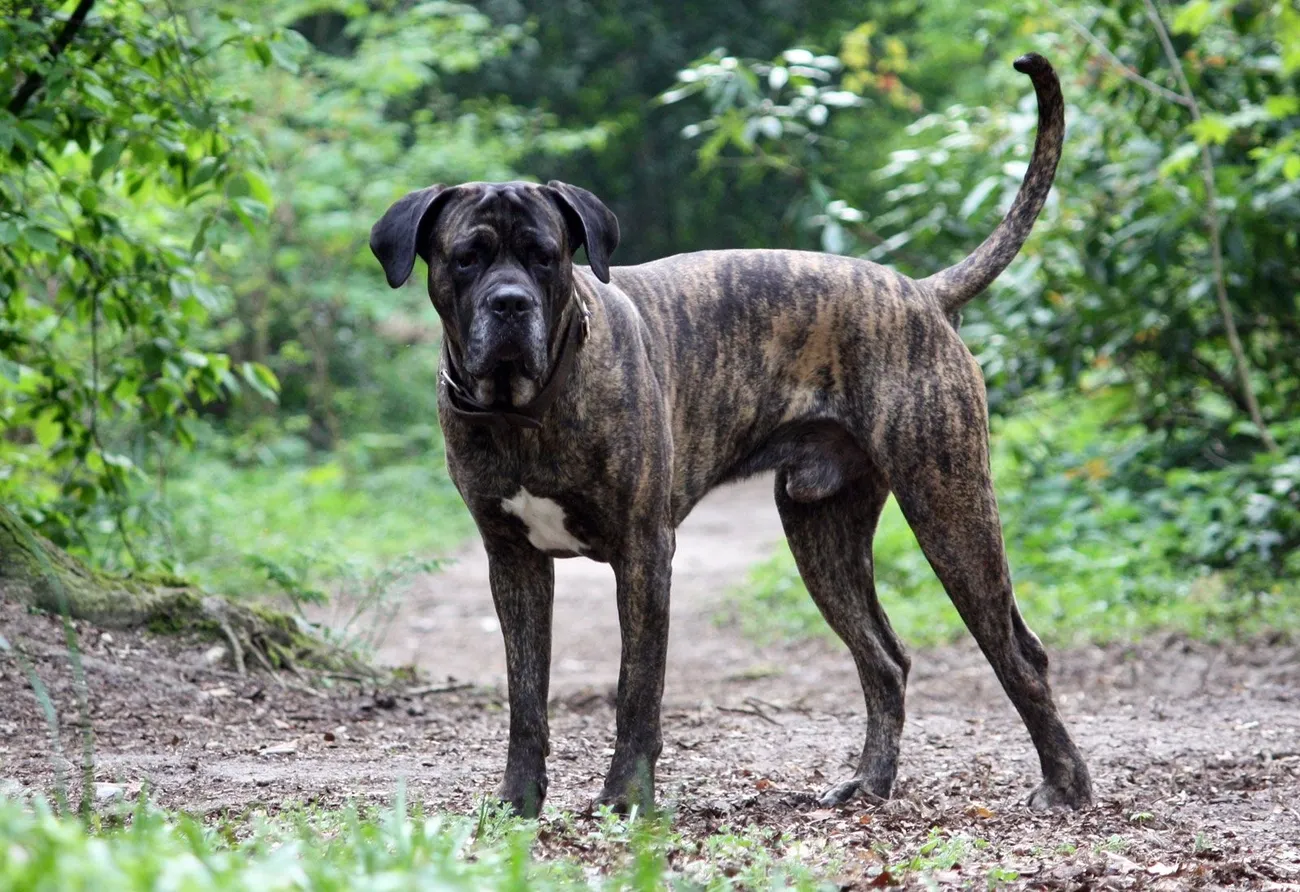
Image Source: Britannica
The Cane Corso commands respect with its majestic presence and noble bearing. This Italian mastiff combines raw power and grace in a way that sets it apart from other breeds.
Cane Corso size and weight
This medium-large sized Molossus dog boasts remarkable dimensions. Adult males typically measure between 25 to 27½ inches at the withers (64-68 cm). Females are slightly smaller at 23½ to 26 inches (60-64 cm). Breed standards allow about 2 cm (0.75 inches) variation above or below these measurements.
The weight matches the height proportionally. Males usually weigh between 45-50 kg (99-110 pounds), while females range from 40-45 kg (88-99 pounds). Some sources list slightly different weight ranges of 90-110 pounds (41-50 kg) for the breed.
A rectangular body shape defines the Cane Corso’s appearance. Breed standards specify that the dog’s length from shoulder point to buttock point should exceed its height by about 10 percent. The FCI standard puts this proportion at exactly 11% longer than tall.
Coat types and colors
The Cane Corso has a short, stiff coat that shines with density. A light undercoat provides extra protection and grows thicker during cold weather. Dogs living in colder climates develop longer, thicker undercoats naturally.
The AKC accepts these color variations:
Black (solid)
Gray (in lighter and darker shades)
Fawn (in lighter and darker shades)
Red
Brindle patterns in all the above colors
Fawn and red dogs often show a black or gray mask that should stop at the eyes. Small white patches can appear on the chest, throat, chin, backs of the pasterns, and toes. Excessive white markings are not desirable.
Coat color plays a role beyond esthetics. Research from 2017 showed that black brindle Cane Corsos lived longer than other colors. Their median lifespan was 1.01 years above the overall median and 2.21 years longer than other colors. This makes black brindle an attractive choice for people focused on longevity.
Breed standard and appearance
A well-balanced and proportionate build characterizes the Cane Corso. The breed shows a strong structure while maintaining athletic ability and elegance. Powerful, lean muscles cover the strong skeleton, letting the dog move gracefully despite its size.
The head makes up about 36% of the dog’s height at withers. At the zygomatic arch, the skull’s width matches or exceeds its length. The muzzle runs shorter than the skull, with standards calling for a 62-64% skull to 36-38% muzzle ratio.
Key features include:
A marked stop (where the muzzle meets the forehead)
Large black nose with open nostrils
Strong, square muzzle
Moderately hanging upper lips covering the mandible
Medium-sized, ovoid eyes that look directly forward
Strong, muscular neck proportionate to the head
The chest reaches down to the elbow and shows good development in all dimensions. A straight, muscular back connects to short, solid loins and a wide, slightly sloped croup. These elements create a powerful yet agile dog.
Breed standards disqualify any color showing tan pattern markings similar to black-and-tan breeds. This rule helps preserve the breed’s traditional look and genetic purity.
Cane Corso Temperament and Personality

Image Source: The Family’s Cane Corso
A Cane Corso’s intimidating exterior masks a complex personality that centuries of selective breeding have shaped. These dogs blend alertness with affection to become extraordinary companions for the right owners.
Loyalty and protectiveness
Cane Corsos define what loyalty means. They build deep bonds with their human companions that exceed typical pet-owner relationships. Their name tells us their main purpose – it roughly translates from Latin as “bodyguard dog“. This ancient breed takes its protective duties seriously and stays alert while guarding both family and property.
These dogs stay naturally watchful, a trait that comes from their history as farm guards in Italy. In spite of that, they aren’t naturally aggressive despite their intimidating looks. They have a thoughtful nature and assess situations before taking action.
Their temperament includes several key traits:
Steadfast dedication to their family unit
Sharp protective instincts without unnecessary aggression
Intelligence with an eagerness to please their owners
Independent thinking paired with trainability
Calm demeanor inside despite their athletic abilities
A well-raised Cane Corso shows remarkable self-control and uses good judgment instead of reacting quickly to possible threats.
Interaction with family and children
At home, Cane Corsos show a surprisingly gentle and loving side that’s different from their powerful appearance. They create strong emotional bonds with everyone in the household and see them as their “pack” to protect and cherish.
These dogs can build beautiful relationships with children if properly socialized. Many owners say their Corsos show exceptional patience with kids and protect them instinctively. Their size and strength – up to 120 pounds – means adult supervision remains vital. Even the gentlest Corso might accidentally bump into children or furniture just because of their size.
The American Kennel Club gives Cane Corsos a three out of five rating for being “Good With Young Children”. This score shows they fit well in families with older children who know how to interact with large dogs. These dogs thrive when both they and the children learn to respect each other.
Behavior with strangers and other pets
Cane Corsos stay watchful around strangers – a trait from their guarding heritage. Poor socialization can turn this natural caution into problem behavior. Training helps these dogs learn the difference between normal situations and real threats.
Starting socialization early is vital to teach these powerful dogs appropriate responses to new people. Most Corsos accept visitors once properly introduced and when they sense no danger. They rarely show the excited greetings common in more social breeds.
These dogs can live peacefully with other pets if raised together from puppyhood. This mostly applies to pets in their household since their territorial nature might create issues with unfamiliar animals. They need careful management around same-sex dogs to avoid dominance problems.
Future owners should understand these personality traits. A Cane Corso isn’t just a bigger family dog – it’s a working breed with specific needs and instincts. Knowledgeable handling brings out their best qualities.
Training and Socialization Needs
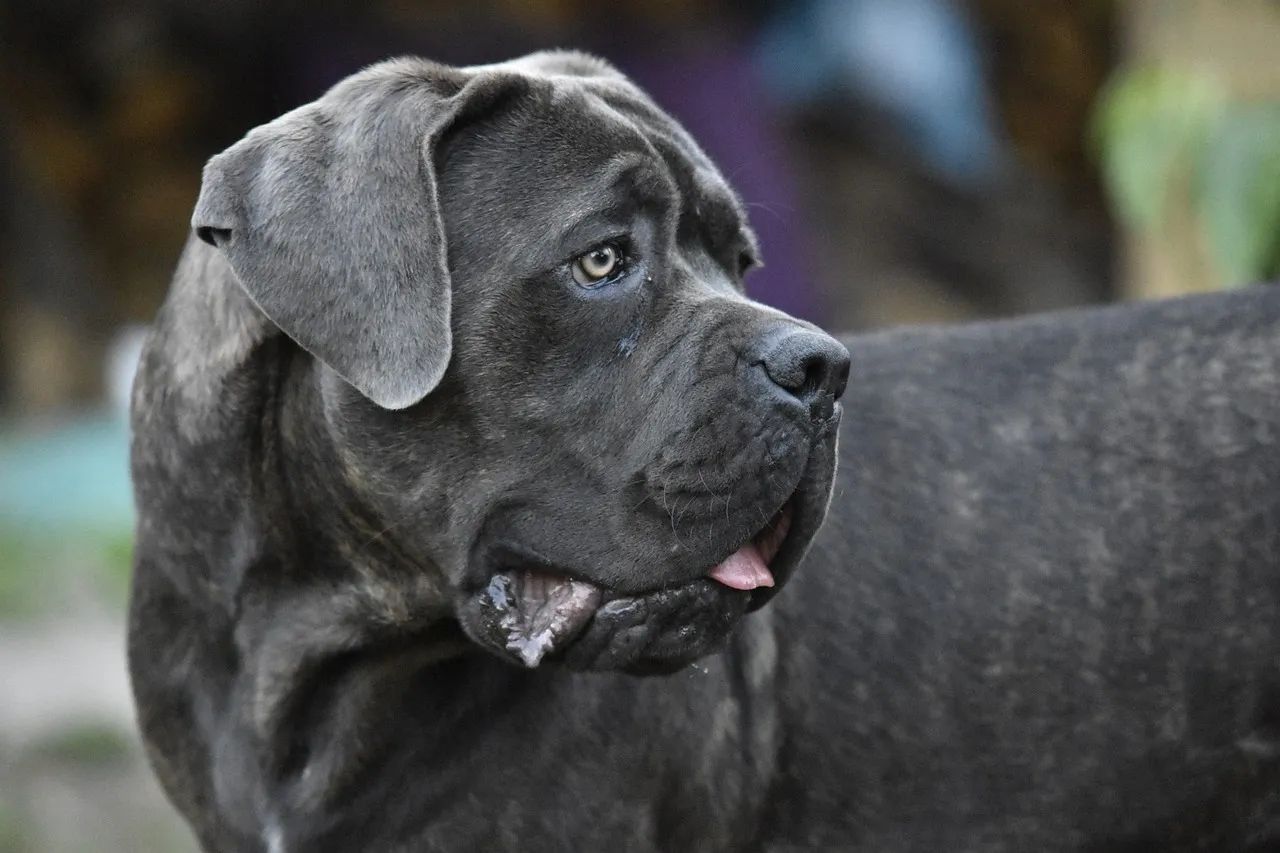
Image Source: iHeartDogs.com
Training a Cane Corso isn’t just helpful—it’s vital. These dogs need structured guidance from an early age because of their size, strength, and protective instincts. This helps them become well-adjusted companions.
Importance of early socialization
A Cane Corso puppy’s critical socialization window closes around 16 weeks of age. The behaviors these powerful dogs learn between two and 13 weeks stick with them throughout their lives more than at any other stage.
Good socialization means exposing puppies to different environments, people, animals, and stimuli without overwhelming them. This systematic exposure helps prevent fear responses that could lead to inappropriate protectiveness or aggression later. A well-socialized Cane Corso should be aloof and indifferent toward strangers and unfamiliar dogs.
These positive experiences should continue even after the socialization window closes. One expert puts it simply: “You want to socialize your dog to as many kids, men, children, people, and pets as possible to keep them socially lubricated”. Socialization builds confidence and teaches appropriate reactions to new situations.
Positive reinforcement techniques
Cane Corsos respond best to positive reinforcement training—a scientifically-proven approach that rewards good behaviors instead of punishing bad ones. Harsh corrections often backfire with these intelligent, independent dogs and can damage the bond between dog and handler.
A Cane Corso learns best with:
High-value rewards that match your dog’s motivation
Short, exciting training sessions because they have limited attention spans
Consistent cues given calmly and confidently
Immediate reinforcement when they behave well
Patience as they learn
Life-saving basics come first: recall, sit, stay, stop, and “leave it”. These simple commands build the foundation for advanced training. Rewards create dogs that enjoy training and become eager participants.
Common training challenges
Cane Corsos face unique training challenges because of their natural traits. Their protective instincts need careful management to prevent them from becoming too suspicious or reactive around strangers or other dogs. Setting boundaries early helps manage their territorial nature.
Some dogs show dominant behaviors like growling when moved, resource guarding, or refusing commands. These issues need confident correction without anger. A breed resource notes: “Pack leaders are confident of their position and they know the pack rules”.
Apartment dwellers should watch their puppies closely for house training. These dogs need frequent potty breaks. Making them hold waste or keeping them in dirty crates leads to behavior problems.
Early obedience training becomes essential because of their size. These dogs grow into powerful 50kg+ adults quickly. Starting at 8 weeks and mastering basics by 16 weeks prevents stubborn behaviors.
With consistent, knowledgeable training, a Cane Corso becomes an exceptionally reliable companion—a confident guardian that knows exactly when protection makes sense and when it doesn’t.
Exercise and Activity Requirements
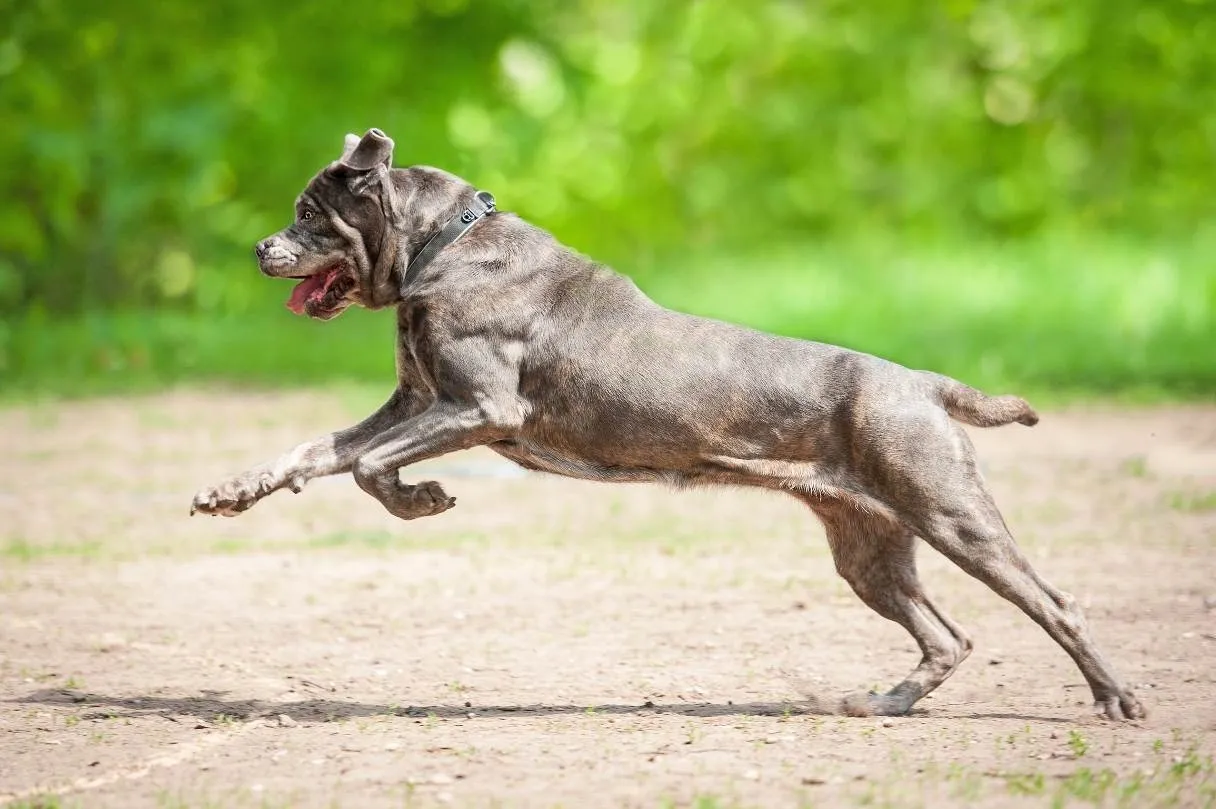
Image Source: CareCredit
A Cane Corso runs on physical activity and purposeful work. These dogs just need a committed owner who knows that proper exercise isn’t optional – it’s essential to their wellbeing.
Daily physical needs
A full grown Cane Corso needs substantial daily exercise to stay healthy and balanced. Most experts suggest between 1-2 hours of physical activity daily. This powerful breed wasn’t built to be lazy – their muscular bodies just need regular movement to avoid physical and behavioral issues.
The basic routine has two brisk walks daily, each covering at least one mile. Morning and evening exercise sessions work best for many Cane Corso owners to establish a consistent routine. Unlike some large breeds that turn into couch potatoes, the Cane Corso stays active throughout adulthood.
The intensity of exercise matters as much as how long you do it. Simple neighborhood strolls are good, but these dogs really benefit from more vigorous activities. Jogging, running, or biking alongside their owner (for dogs over 18 months old) gives them the cardiovascular workout they need. Puppies need careful exercise management – many experts recommend the “5-minute rule”: 5 minutes of exercise per month of age, twice daily.
Mental stimulation and working roles
The Cane Corso’s intelligence means they need mental challenges along with physical exercise. These dogs were bred to work and are happiest with purposeful tasks. A physically tired Cane Corso might still develop behavior problems from boredom without enough mental stimulation.
Puzzle toys, training sessions, and problem-solving games make excellent mental workouts. Interactive toys that give treats when solved challenge their minds while satisfying natural problem-solving instincts. Training for impulse control – teaching your dog to wait for food, treats, or play – builds valuable mental discipline.
Cane Corsos excel at structured working roles that challenge both mind and body. Their history as farm guardians, hunters, and protectors gave them versatile abilities that work great in modern dog sports. They naturally take to obedience training, tracking exercises, and protection work.
Fun activities for a Cane Corso
Beyond regular exercise routines, many activities can keep a Cane Corso fit and engaged:
Dog sports: Agility training builds coordination and provides physical challenges. These dogs also excel at dock diving, protection sports, flyball, and obedience competitions.
Water activities: They’re not natural swimmers due to their muscular build, but many Cane Corsos love playing in shallow water, especially in hot weather. Water activities need supervision, and a canine life jacket adds safety.
Interactive games: Hide-and-seek taps into their hunting instincts and improves problem-solving. Tug-of-war (with clear rules) lets them use their strength safely.
Scent work: Their excellent sense of smell makes scent-based games perfect for tracking practice. Hiding treats or toys around the house or yard stimulates their minds and builds persistence.
Social play: Supervised play dates with compatible dogs provide exercise and ongoing socialization. These interactions help maintain proper canine social skills through adulthood.
A well-adjusted Cane Corso needs the right mix of physical exercise, mental challenges, and social interactions – all matched to the dog’s age, health, and priorities.
Health Issues and Lifespan
The Cane Corso may look tough, but these powerful dogs need careful healthcare to stay strong and healthy throughout their lives. Dog owners should know about potential health problems to give their pets the best preventive care possible.
Common genetic conditions
These large breeds inherit several health challenges. Hip and elbow dysplasia top the list of concerns and affect about 20-30% of the breed. Dogs with these joint problems experience pain, stiffness, and limited movement that often develops into arthritis.
Heart problems, especially dilated cardiomyopathy (DCM), show up in about 10-15% of Cane Corsi. DCM makes the heart weak and enlarged, which reduces blood flow throughout the body.
Eye problems run in this breed. Ectropion (outward-turning eyelids) and entropion (inward-turning eyelids) show up in 5-10% of dogs. Cherry eye appears as a red mass in the eye’s corner and usually needs surgery to fix it.
Dogs with idiopathic epilepsy start having seizures between ages 1-5 years. These seizures can make life difficult, but medication controls the symptoms well for most dogs.
Gastric Dilatation-Volvulus (GDV) or bloat creates a life-threatening situation where the stomach twists and traps gas inside. About 10% of large breeds including Cane Corsos face this emergency. Dogs need immediate vet care if this happens.
Preventive care and vet checkups
Regular vet visits are the life-blood of preventive healthcare. Your dog needs yearly wellness visits for vaccines, heart checks, and joint assessments. Health screenings help vets catch problems early before they become serious.
Your dog’s weight matters a lot in preventing joint problems and other health issues. Good dental care, parasite prevention, and proper nutrition help your dog stay healthy longer.
New owners should find reputable breeders who test their dogs for genetic health problems. The Canine Health Information Center says hip and elbow screenings are vital.
Average lifespan and longevity tips
Cane Corsos live 9-12 years on average. A study of 232 dogs across 25 countries found they typically reach 9.3 years. The dog’s coat color seems to affect lifespan – black brindle Corsos live longest at 10.3 years, followed by brindle at 10.1 years and gray brindle at 9.8 years.
Your Cane Corso can live longer if you keep them at a healthy weight, give joint supplements as needed, visit the vet regularly, and control their food portions. Quick action on health problems helps dogs live better and longer lives.
Grooming and Maintenance

Image Source: PetsCare.com
Proper grooming is the life-blood of Cane Corso ownership that directly affects their health beyond just looks. These powerful dogs need regular maintenance to stay comfortable and healthy, despite their sleek appearance.
Brushing and coat care
The Cane Corso has a double-layered coat instead of a simple single coat that many people assume. Their distinctive coat structure combines an outer layer with an undercoat. The undercoat’s thickness changes with seasons, and dogs in colder areas develop thicker undercoats to stay warm. Dead hair removal and natural oil distribution happen through weekly brushing.
A rubber curry brush or grooming mitt works best for daily care. The Kong “Zoom Groom” stands out as a highly effective tool. Shedding seasons, mainly spring, require daily brushing sessions to handle loose fur. Regular grooming sessions also let you spot skin problems, lumps, or parasites early.
Ear, eye, and dental hygiene
Your Cane Corso’s ears need weekly checks to catch signs of infection like redness, bad smell, or discharge. You should clean their ears with approved solutions like Vibram Epi-Otic using a soft cloth or cotton balls. Cotton swabs should be avoided as they push debris deeper into the ear canal.
Dog-specific toothpaste should be used two to three times weekly for dental care. Dental chews help but shouldn’t replace brushing. Clear eyes without redness or discharge show good health. Regular checks ensure the eyelids don’t rub against the eye. Nail trimming becomes necessary every 3-4 weeks to prevent painful walking and joint problems. You’ll know it’s time when you hear nails clicking on hard floors.
Managing drool and shedding
Cane Corsos drool a lot, especially after drinking water or when they’re excited about food. Several methods help handle this natural trait:
Keep cleaning cloths strategically placed throughout your home
Use waterproof mats under water bowls
Consider specialized drool bibs for particularly drooly periods
Clean their faces regularly after meals and drinks
A consistent grooming schedule keeps hair from building up on furniture and clothing. Baths should happen every 6-8 weeks with dog-specific shampoo to protect natural oils. Any sudden changes in drooling amount or consistency might signal health issues that need a vet’s attention.
Feeding and Nutrition Guidelines
A Cane Corso’s nutritional requirements change substantially throughout their life stages. These powerful dogs need tailored nutrition to maintain their impressive physique and stay healthy.
Diet for puppies vs. full grown Cane Corso
Cane Corso puppies just need specific nutrition that supports their rapid development without pushing excessive growth that could harm their joints. Large breed puppy formulas provide significant support for joint development and controlled growth. We focused on these young dogs’ higher protein needs compared to adults. This helps build muscle mass and supports skeletal development.
Quality large-breed puppy food with DHA helps brain and vision development. The antioxidants in these foods boost their developing immune system. Adult Cane Corsos need different diets to maintain their muscular frame. Their protein should come from clear animal sources like chicken, beef, lamb or fish.
As Cane Corsos reach their senior years, they need adjusted nutrition. This helps manage health issues like arthritis while accounting for slower metabolism and reduced activity.
Feeding schedule and portion control
Age determines the right feeding pattern:
Puppies (2-6 months): 3-4 meals daily
Adults (1-6 years): 2 meals daily[373]
Seniors (7+ years): 2 smaller meals daily
Adult Cane Corsos typically need 60–70 kcal per kg of body weight each day. This adds up to 2,000–2,800 kcal daily. Premium dry food amounts translate to about 500-750g daily for adults weighing 45-60kg[373].
Regular weight checks help prevent obesity. Extra weight puts strain on joints and raises health risks.
Supplements and special dietary needs
Joint supplements are the foundations of care for this large breed. Glucosamine, chondroitin, and omega-3 fatty acids support healthy cartilage and reduce inflammation. Fish oil, probiotics, and taurine boost digestive health and heart function.
Dogs with skin sensitivities benefit from supplements containing colostrum, reishi mushrooms, and quercetin. Raw diet followers often add green-lipped mussels, bone broth, and collagen to support joint health further.
Conclusion
Cane Corsos represent an impressive mix of power, intelligence, and devotion. These majestic dogs proudly carry their ancient Roman heritage and serve as loyal guardians while building deep bonds with their families. A well-socialized Cane Corso can identify friend from foe without showing unnecessary aggression, despite their intimidating presence.
New owners should think about their ability to meet this breed’s substantial needs. These powerful dogs need early training and socialization – there’s no way around it. Their protective instincts can surface in unwanted ways without proper guidance. Their athletic nature just needs daily physical activity and mental challenges to stay balanced and happy.
Smart health practices make a big difference with this breed. A 9-12 year lifespan can be supported through regular vet visits, proper nutrition at each stage, and consistent grooming. Black brindle Corsos tend to live longer – something to keep in mind when choosing a puppy.
These dogs ended up being exceptional companions for the right owner. Their steadfast dedication shows through steadfast protection and surprising affection, despite their powerful appearance. People who invest time, energy, and resources into their Corso’s development will gain an extraordinary canine partner. They embody strength, intelligence, and devotion in ways that set them apart from most other breeds.
Key Takeaways
Understanding the Cane Corso means recognizing a powerful breed that demands experienced ownership, proper training, and significant commitment to thrive as a family companion.
• Early socialization is critical – The 16-week window for socialization shapes lifelong behavior; expose puppies to diverse experiences to prevent fearful or aggressive responses later.
• Exercise requirements are substantial – These athletic dogs need 1-2 hours of daily physical activity plus mental stimulation to prevent destructive behaviors and maintain health.
• Training must start immediately – Begin obedience training at 8 weeks using positive reinforcement; their size and strength make untrained adults extremely difficult to manage.
• Health screening prevents problems – Hip/elbow dysplasia affects 20-30% of the breed; choose breeders who conduct genetic testing and maintain regular veterinary care.
• They’re guardians, not pets – Cane Corsos are working dogs with protective instincts who need experienced owners who understand their territorial nature and can provide proper guidance.
The Cane Corso rewards dedicated ownership with unmatched loyalty and protection, but requires significant investment in training, exercise, and healthcare to reach their full potential as extraordinary companions.
FAQs
Q1. How much exercise does a Cane Corso need daily? A Cane Corso typically requires 1-2 hours of physical activity daily. This should include at least two brisk walks covering about a mile each, along with more vigorous activities like jogging or playing fetch. Mental stimulation through training and puzzle toys is also important.
Q2. Are Cane Corsos good family dogs? When properly socialized and trained, Cane Corsos can be excellent family companions. They are loyal, protective, and can be gentle with children. However, due to their size and strength, supervision is essential, especially with young kids. They’re best suited for families with older children who understand how to interact with large dogs.
Q3. What are common health issues in Cane Corsos? Common health concerns for Cane Corsos include hip and elbow dysplasia, which affects 20-30% of the breed, cardiac issues like dilated cardiomyopathy, eye problems such as ectropion and entropion, and gastric dilatation-volvulus (bloat). Regular veterinary check-ups and genetic health testing can help manage these risks.
Q4. How often should I groom my Cane Corso? Cane Corsos require weekly brushing to remove dead hair and distribute natural oils. During shedding seasons, daily brushing may be necessary. They need baths every 6-8 weeks, regular ear cleaning, and dental care 2-3 times a week. Nail trimming should be done every 3-4 weeks.
Q5. What is the average lifespan of a Cane Corso? The average lifespan of a Cane Corso is typically between 9-12 years. Interestingly, coat color can influence longevity, with black brindle Cane Corsos living the longest at an average of 10.3 years. Proper nutrition, regular exercise, and preventive healthcare can help maximize their lifespan.