
Canadian Eskimo Dog
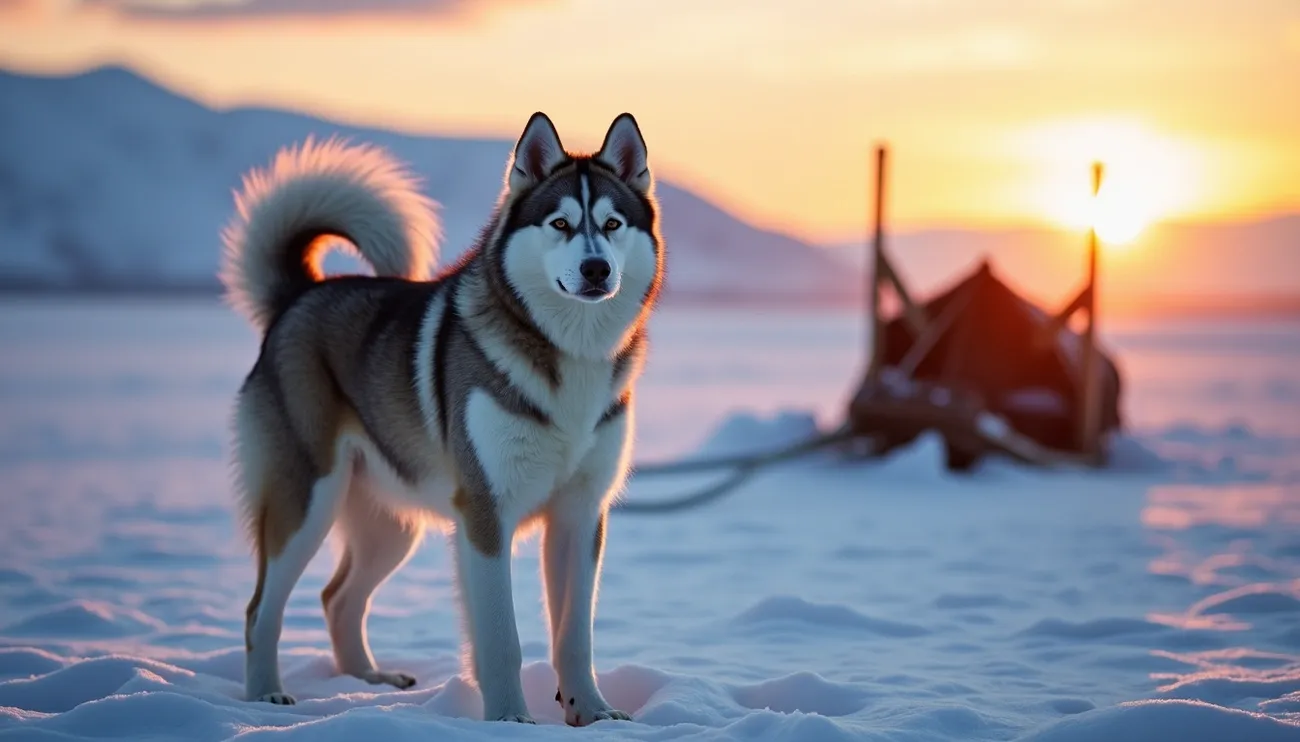 The Canadian Eskimo Dog’s population has drastically fallen from around 20,000 in the Canadian Arctic during the 1920s to roughly 300 purebred dogs in 2008. This ancient breed’s story began 4,000 years ago with the Inuit people, who relied on these dogs to survive the harsh northern environment. These powerful working dogs played a crucial role in both North and South pole expeditions, helping famous explorers like Peary and Amundson reach their destinations. Their numbers dropped severely by the 1960s, nearly vanishing by 1970. Though they might look as with the Canadian Husky, the Canadian Eskimo Dog’s unique temperament and cultural heritage make them distinct from other northern breeds. This piece explores their remarkable journey through history, their physical traits, temperament, and care needs. Most importantly, it highlights the current conservation work to protect this historic breed from extinction.
Origins and Ancestry of the Canadian Eskimo Dog
The Canadian Eskimo Dog’s story goes back thousands of years, deeply connected to how humans moved across the Arctic. These dogs didn’t come from modern breeding programs like many other breeds. They grew and adapted naturally with indigenous people in one of Earth’s toughest environments.
From the Thule people to modern times
The story of Canadian Eskimo Dogs starts with the Thule people, who later became today’s Inuit. They moved east from Alaska around 1000 AD. These expert hunters brought their working dogs as they spread through northern Canada and reached Greenland by the 13th century. This move east brought a fundamental change – the Thule completely took over from the earlier Dorset culture in these areas.
These dogs played a vital role in this movement. Evidence from archeological sites shows that the Thule people spread so fast mainly because they used dogsleds and better skin-covered umiaks (boats). This let them move in large groups. The dogs became essential to the Thule’s hunting methods, especially when they hunted big marine mammals like seals, walrus, and whales.
The early 1900s saw about 20,000 Canadian Eskimo Dogs across Northern Canada. The numbers dropped when snowmobiles showed up in the mid-1900s. The situation got worse when RCMP forces, following government orders, started killing Inuit dogs. Things looked grim by 1963 – the Canadian Kennel Club said the breed was extinct with just one registered dog left.
The breed survived thanks to a dedicated team backed by the Canadian government and the Canadian Kennel Club. They searched the most remote parts of the Canadian Arctic to find purebred dogs. Their work saved this ancient breed from disappearing completely, though today only about 300 registered dogs exist.
Genetic links to Arctic dog breeds
A newer study, published in 2015 by researchers gave an explanation about the Canadian Eskimo Dog’s ancestry. They found that Canadian Eskimo Dogs and Greenland Dogs are similar genetically and should be considered one breed. Both came from dogs that helped the Thule people travel from Siberia.
Scientists found these Inuit dogs’ maternal mitochondrial DNA sequences belonged to haplotype A31, which shows they had a common female ancestor. This specific haplotype doesn’t exist in other modern dogs. The closest match comes from a 1,000-year-old dog found in Florida. This genetic pattern proves their ancient origins and shows how they developed differently from other Arctic breeds like Siberian Huskies, Alaskan Huskies, and Alaskan Malamutes.
Changes in mitochondrial haplotype frequencies over time suggest that earlier Paleo-Inuit dogs in North American Arctic were almost completely replaced when the Inuit came from Siberia. Population studies show clear founder effects that match when the Inuit moved into the eastern Arctic about 1,000 years ago.
Difference from pre-contact dogs
Canadian Eskimo Dogs come from a different line than the first dogs that came to the Americas. The oldest dog remains in the Americas date back 9,000 to 10,000 years BC, found in Danger Cave, Utah. These first New World dogs came from Old World Eurasian gray wolves.
The largest longitudinal study in 2018 revealed something surprising – all native dogs from the first human migration to the Americas, called “pre-contact dogs” (PCD), have died out. This group included dogs that Paleo-Eskimos brought about 4,500 years ago.
Canadian Eskimo Dogs belong to a different Arctic dog family brought by the Thule/Inuit people. Research from 2019 confirmed these later Arctic dogs spread with the Inuit across North America 2,000 years ago. They replaced the first wave of pre-contact dogs wherever they went.
Studies of bone structure show Inuit dogs were quite different from Paleo-Inuit dogs. Inuit dogs grew larger than their ancestors but stayed smaller than modern Greenland dogs. They had narrower skulls, flatter braincases, wider lower M1 teeth, and more developed jaw muscles than Paleo-Inuit dogs.
Physical Characteristics and Appearance
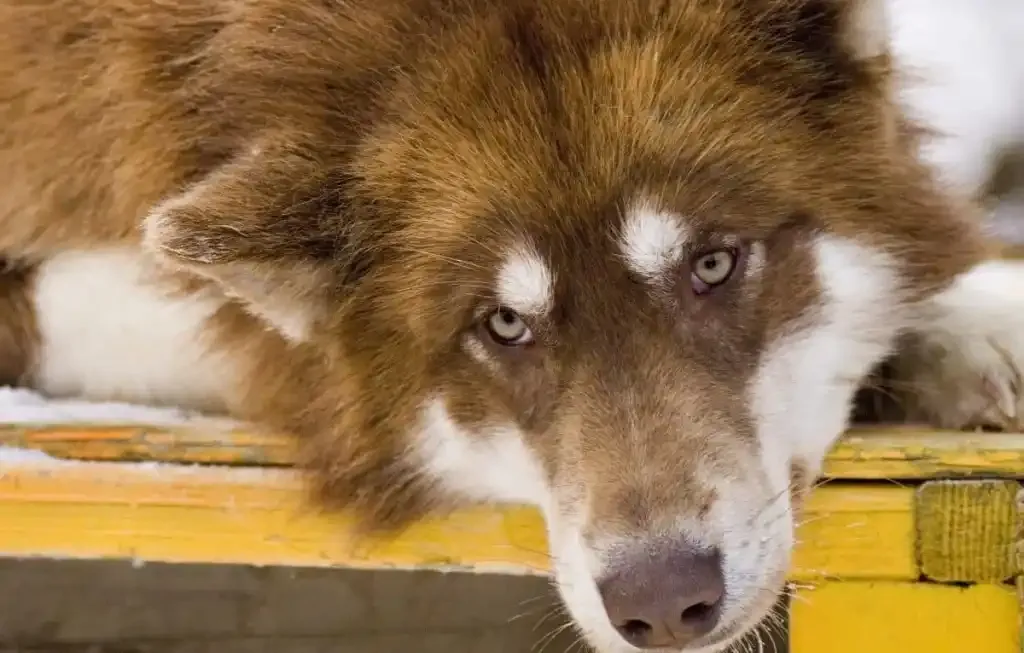
Image Source: DogTime
The Canadian Eskimo Dog is one of North America’s oldest and rarest purebred indigenous breeds. This powerful dog has an impressive build. Its arctic-adapted physique shows thousands of years of development in one of Earth’s harshest environments.
Size and weight of males and females
Male and female Canadian Eskimo Dogs look quite different from each other. Males are bigger and more powerful than females. A full-grown male stands between 58-70 cm (23-27.5 inches) at the withers and weighs 30-40 kg (66-88 pounds). Females are smaller. They measure 50-60 cm (19.5-23.5 inches) in height and weigh 18-30 kg (40-66 pounds).
These size differences help define their roles in traditional Inuit communities. The dogs reach their full size around one year old. Their mental maturity comes later, at about three years of age.
Power defines the Canadian Eskimo Dog’s physical structure more than speed. You’ll notice their broad chest, massive neck, and muscular build right away. Many people point out their wolf-like features, especially their upright triangular ears and wedge-shaped heads.
Coat types and seasonal shedding
The Canadian Eskimo Dog’s thick double coat helps it survive in Arctic conditions. A soft, dense undercoat pairs with stiff, coarse outer guard hairs. The coat grows between 3-6 inches (7.5-15 cm) long.
Males sport a thick fur mane around their neck and shoulders that makes them look even bigger. Females have this mane too, but it’s less pronounced. Still, it protects them from harsh Arctic winds.
These dogs need little grooming most of the year. Weekly brushing usually does the job. They shed heavily twice a year during spring and fall—a process called “blowing coat”. Daily brushing becomes a must during these times to prevent matting and handle all the loose fur. A coat rake works best during heavy shedding.
Color variations including white and brown
Canadian Eskimo Dogs come in many colors. No single shade stands out as typical. You’ll find them in pure white, black, red, buff, cinnamon, sable, silver/gray, and various combinations.
Many dogs show interesting patterns. Black and white, gray and white, red and white, and brown and white combinations are common. Some dogs have mask-like facial markings, while others show spots above their eyes. White socks and nose stripes appear on some dogs without eye spots or full masks.
The Canadian Kennel Club recognizes several colors: black (007), buff (068), cinnamon (074), red (140), sable (164), silver gray (189), and white (199). They also list marking patterns like black (002), red (023), gray (028), buff (031), and parti-color (038).
This wide range of colors and patterns shows the breed’s ancient heritage. Nature shaped these dogs more than selective breeding for looks. Each Canadian Eskimo Dog looks unique while keeping the key physical traits that make this northern breed special.
Temperament and Behavior Traits
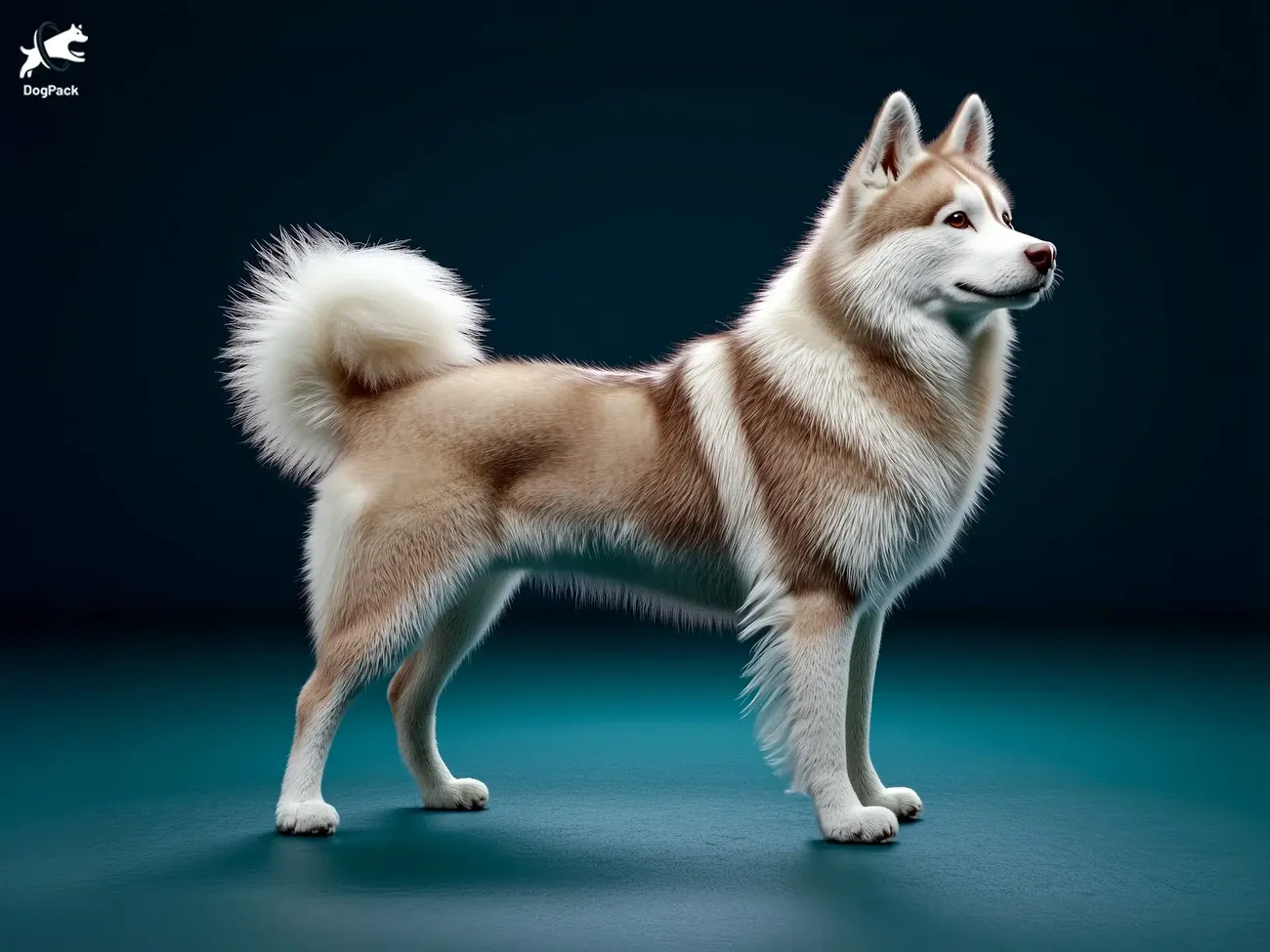
Image Source: DogPack App
The Canadian Eskimo Dog shows a unique temperament shaped by centuries of life in harsh Arctic conditions. These ancient working dogs have distinct traits that reflect their history and environment, unlike dogs bred to be companions.
Pack-oriented and loyal
Canadian Eskimo Dogs have a strong pack mentality and understand hierarchy naturally. They form and respect a structured social order within groups. A leader or “boss dog” emerges as dominant and subordinate roles become clear.
These dogs build deep bonds with their human families and show remarkable loyalty and affection. The relationship needs clear leadership from owners. These dogs will take the alpha position to maintain order if their owners don’t establish authority. This behavior comes from their working heritage rather than defiance.
Their pack dynamics affect how they interact with children. Well-socialized Canadian Eskimo Dogs are gentle and playful with older children. They don’t work well with very young children who might not fit into their pack hierarchy.
Prey drive and hunting instincts
The breed’s background as a hunter and sled puller created a dog with strong prey drive and wandering instincts. These dogs often had to hunt for their own food as working animals. Modern dogs still show this self-reliant nature.
Their hunting instincts show up in several ways:
High prey drive toward small animals including cats, rodents, birds, and reptiles
They might show territorial aggression toward unfamiliar dogs
Recall training can be difficult due to their independent hunting nature
Owners need to understand these traits’ origins. These behaviors helped the dogs survive alongside the Inuit people. Their quick responses to food, work, fighting, or play came from advantages needed for Arctic survival.
Vocal nature and howling habits
Like many spitz breeds, Canadian Eskimo Dogs are vocal. Their sounds serve many purposes – they communicate with their pack, express needs, or respond to their surroundings and feelings.
These working dogs howl more when they lack enough physical and mental activity. Bored dogs can become destructive and bark excessively without proper exercise.
Canadian Eskimo Dogs need lots of daily exercise – about 1.5 to 2 hours of intense activity. Their routine should include structured walks, pulling exercises, secure free-running, and brain games. Regular leash training can be tough because of their pulling instinct. They excel at dog sledding, skijoring, bikejoring, and weight-pulling competitions.
These dogs love cold weather and often sleep outside during winter. This sets them apart from breeds developed for warmer climates.
Canadian Eskimo Dogs make intelligent, resourceful, and loyal companions. They need experienced handlers who respect their working heritage and give them outlets for their energy and instincts.
Care Needs and Living Conditions
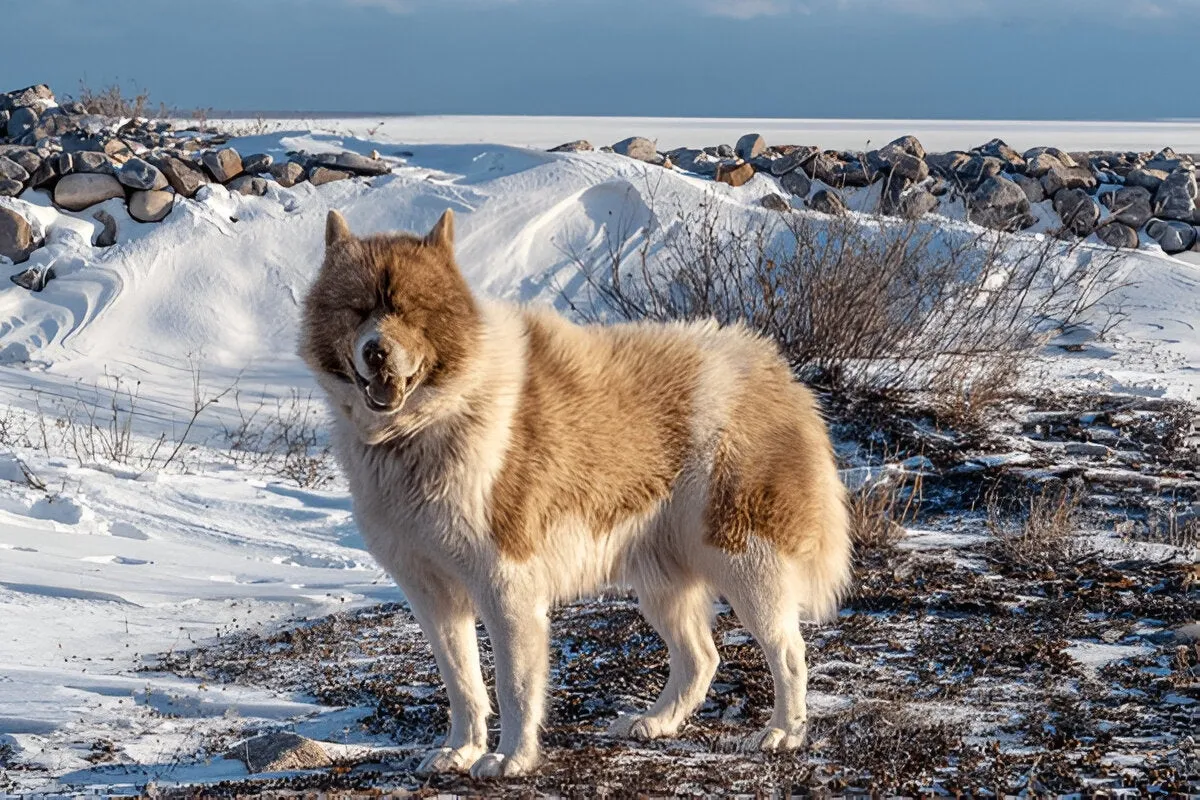
Image Source: GoofyTails
A Canadian Eskimo Dog needs special care that respects their Arctic roots and working nature. These unique dogs have different needs compared to regular house pets.
Exercise requirements and energy levels
Canadian Eskimo Dogs have amazing energy levels and need lots of daily activity. These high-energy working dogs need 1.5 to 2 hours of intense exercise daily. Their routine should include structured walks, pulling exercises, running freely in secure areas, and brain games or training sessions.
A simple walk won’t cut it for these dogs. They can stay active all day long. Their exercise needs include:
Pulling activities (sledding, skijoring, bikejoring)
Weight-pulling competitions
Long, steady walks that build stamina instead of speed
Brain games that challenge their problem-solving skills
These dogs can become bored, destructive, and noisy without enough exercise and mental challenges. Their working heritage makes them natural pullers on leashes, so they need special training for controlled walks.
These dogs love having a job to do. They shine in northern breed dog sports and get restless without meaningful work. Most experts say they need a large yard with strong fencing and access to different walking routes.
Grooming needs throughout the year
The dog’s thick double coat needs different care as seasons change. Weekly brushing is usually enough during regular times. This keeps their coat healthy and manages normal shedding.
These dogs shed their dense undercoat heavily twice a year, usually in spring and fall. Daily brushing becomes crucial during these times to prevent matting and handle the heavy fur loss. A coat rake works best to remove extra fur and stop mats that could cause skin problems.
The Canadian Eskimo Dog’s coat cleans itself and rarely needs baths. Natural oils in their fur keep dirt and smells away. Other regular care includes:
Weekly nail trimming
Brushing teeth 2-3 times weekly for good health
Regular ear cleaning
Checking for ice or debris after winter activities
Climate suitability and heat sensitivity
Canadian Eskimo Dogs were born for Arctic conditions and love cold weather. They enjoy sub-freezing temperatures and often sleep outside during winter. Their natural cold-weather design means they don’t do well in mild or warm climates.
Heat poses a serious risk for this breed. These dogs can get heat stroke in temperatures that other breeds find just uncomfortable. Owners must be careful in warm weather by:
Setting up cool, shady spots with plenty of fresh water
Skipping exercise during the hottest parts of the day
Watching for overheating signs
Planning exercise for early morning or late evening
Keeping their home cooler than usual
Unlike modern dogs, Canadian Eskimo Dogs handle food differently. They digest corn and rice well but struggle with some other grains. Many experts suggest high-protein dog food, with added meat, bonemeal and fat for working dogs.
These dogs can live 10-15 happy years with proper care that meets their exercise, grooming, and climate needs. They’re known as one of the healthiest breeds around.
Training and Socialization Tips
Training a Canadian Eskimo Dog successfully requires you to understand their unique psychology and instincts. These dogs have developed their traits through centuries of work with the Inuit. Smart and strong-willed, they respond best to training approaches that respect their working heritage and pack mentality.
Early training and leadership
Your Canadian Eskimo Dog’s training should start during puppyhood. Positive, reward-based methods help you establish pack order where you lead, not the dog. This foundation helps you control the breed’s natural guarding tendencies and independence better. These dogs naturally understand hierarchy because of their pack-oriented nature, but they need clear boundaries from their handlers.
You need to establish yourself as the “alpha” figure. This doesn’t mean domination – it’s about meeting the dog’s need for structured leadership. Canadian Eskimo Dogs will take this role themselves if you don’t provide leadership they understand.
Keep training sessions short and engaging because these dogs lose focus easily. A good workout before training helps them concentrate better. Brief sessions throughout the day work better than one long session. This approach matches their attention patterns naturally.
Harsh training methods don’t work with this breed. These approaches damage your bond with the dog and make unwanted behaviors worse. Canadian Eskimo Dogs respect clear boundaries and thrive with structure. They learn fast when you give them consistent, fair training with praise and rewards.
Socializing with other dogs and pets
Your Canadian Eskimo Dog needs early socialization. Dogs without proper socialization can become too wary of strangers and other animals. Puppy classes are a great way to get basic command training and controlled socialization at the same time.
These dogs have a strong prey drive that makes them see smaller animals as targets. Even with lots of socialization, they might still chase cats, rodents, birds, and other small pets. You can’t train away this hunting instinct completely, so families with small pets should think carefully about this limitation.
Canadian Eskimo Dogs can get along with other dogs under supervision. They might show aggression toward dogs outside their pack. New dog introductions should happen slowly on neutral ground. In homes with multiple dogs, setting firm rules early while you retain control helps prevent fights.
Managing resource guarding
Resource guarding can be strong in Canadian Eskimo Dogs. As pack-oriented dogs that react strongly to food and toys, they might get protective around valuable items.
The quickest way to handle resource guarding is prevention. Teaching puppies that giving up items leads to good things builds trust. They’ll worry less about losing their possessions. Try trading toys for treats or giving items back after taking them briefly.
A gradual approach helps with existing resource guarding. Try securing your dog on a leash, staying 6-8 feet away, and tossing high-value treats while walking past. Your dog will start looking forward to treats instead of feeling threatened as you get closer over time.
Professional help works best for established resource guarding. Veterinary behaviorists or certified trainers can create specific plans based on what triggers your dog’s guarding. Never punish guarding behaviors – this makes things worse by increasing your dog’s anxiety about losing resources.
Historical Role in Inuit Culture
The bond between Inuit people and their dogs spans thousands of years. This wasn’t just a simple friendship – it was a partnership that helped both survive in one of Earth’s toughest environments. These remarkable animals became the backbone of indigenous life and culture throughout the Canadian Arctic.
Use in hunting and sled pulling
Canadian Eskimo Dogs played crucial hunting roles that helped Inuit people survive. Their amazing sense of smell let them find seal breathing holes (alluk) – small openings in sea ice that spread several feet wide underwater. This skill proved invaluable across vast ice fields. The dogs tracked and cornered dangerous animals like polar bears and musk oxen.
These dogs became most valuable as draft animals. Teams of three to 23 dogs pulled heavy loads between 45-80 kg per dog. They covered amazing distances of 15-70 miles each day. Snowmobiles didn’t exist yet, so these dogs offered the only reliable way to cross the snowy Arctic terrain in winter. Hunters used them to follow migrating animals, visit other communities, and move supplies.
Relationship with Inuit families
Most Inuit families kept just two adult dogs in the Canadian Arctic. Better hunting tools like guns, nets, and steel harpoons let families support bigger teams of five to eight dogs.
The Inuit saw dogs differently than we might expect. They didn’t think of them as part of the animal kingdom (uumajuit) but as tools that humans needed. Each dog had its own name and job within the team. Lead dogs earned special respect.
Sometimes, when food became scarce, these dogs became an emergency food source. This ultimate sacrifice shows how vital they were to human survival. Unlike modern pets, these working animals lived outside homes, though their owners fed them meat and blubber.
Symbolism in Inuit survival
Canadian Eskimo Dogs symbolize Inuit cultural identity and strength. Nothing worked better than these dogs for Arctic travel until snowmobiles came along. Experts point out that Inuit people couldn’t keep their traditional hunting lifestyle without their dogs.
These dogs show how well Inuit culture adapted to the Arctic environment. Some traditions gave dogs spiritual importance, with special rituals to honor them. They represent the deep connection between humans and nature, showing how Inuit people used their knowledge to survive.
These amazing animals still serve as “Canada’s Living Legends”. They’re recognized as a national treasure and connect us to Inuit heritage.
Decline and Conservation Efforts
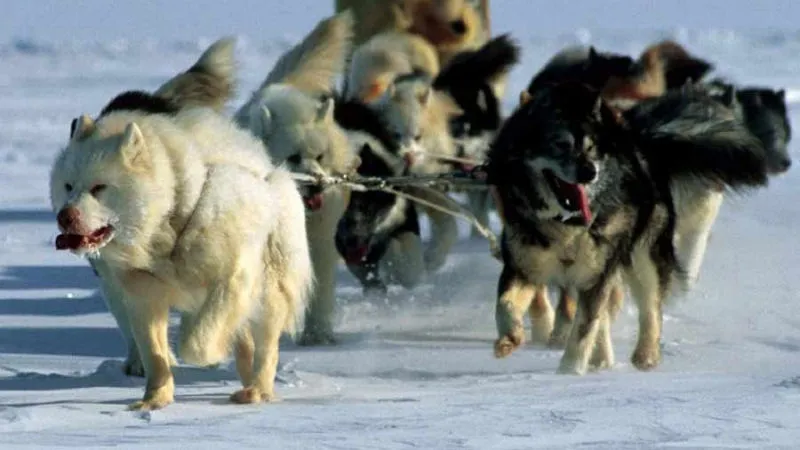
Image Source: Northernwolf
The Canadian Eskimo Dog faced a critical turning point in the mid-20th century. New technology and cultural changes nearly wiped out this ancient breed. Their numbers dropped from thousands to almost none within a generation. Today, people continue their efforts to save these dogs.
How snowmobiles and modern life changed everything
Snowmobiles changed Arctic transportation forever in the 1960s. These machines could travel much faster than dog teams—50-100 km/h compared to dogs’ 10-20 km/h. They needed less care than a team of dogs, which made the Canadian Eskimo Dogs less necessary.
Several other factors sped up the breed’s decline:
The Canadian government moved Inuit people from seasonal camps to permanent settlements
Deadly outbreaks of distemper, rabies, and canine hepatitis hit in the early 1960s
Mixed breeding reduced the number of purebred dogs
The breed’s population dropped to fewer than 1,000 dogs by the mid-1970s. This was a huge fall from the 10,000-20,000 dogs that existed in the 1920s. The situation became critical—by 1963, only one Canadian Eskimo Dog remained in official registries.
Programs to save the breed
William Carpenter and John McGrath started saving these dogs in 1972. They created the Canadian Eskimo Dog Research Foundation (CEDRF). The Canadian Kennel Club, Canadian Government, and Northwest Territories Government provided funding. The foundation bought dogs from remote Inuit camps on Baffin Island, Boothia Peninsula, and Melville Peninsula.
Bishop Omer Alfred Robidoux asked Brian Ladoon to help save the breed. Ladoon started collecting dogs from northern communities. His program grew over 30 years to become the world’s largest genetic stock colony of Canadian Eskimo Dogs.
The Canadian Eskimo Dog Foundation (CEDF) became the biggest breeding kennel in the world. They now own about one-third of all Canadian Eskimo Dogs. Their work focuses on keeping the breed’s cultural and historical value alive.
Getting back into the Canadian Kennel Club
The Canadian Eskimo Dog disappeared from the Canadian Kennel Club’s stud book by 1963. The club considered the breed extinct. Good news came in 1986 when the first dogs from conservation projects rejoined the CKC registry.
The Canadian Kennel Club now has about 300 registered dogs. They carefully control breeding to preserve the dogs’ sledding abilities and Arctic traits. With fewer than 500 purebred Canadian Eskimo Dogs left worldwide, these dogs remain one of earth’s rarest breeds.
Controversy: The RCMP Dog Killings
Canadian history holds a dark chapter from 1950 to 1970. The mass killing of Inuit sled dogs by authorities devastated communities. The Inuit people call this tragic event qimmiijaqtauniq in Inuktitut. Thousands of Canadian Eskimo Dogs died across northern regions.
What happened between 1950–1970
The Royal Canadian Mounted Police (RCMP) killed sled dogs extensively in Nunavik and Nunavut during this period. Estimates of dogs destroyed show numbers from 1,200 to 20,000. The RCMP conducted an internal investigation in 2006. They claimed these killings happened to protect public health by removing sick or dangerous animals. Their report admitted that officers rarely told owners before killing their dogs.
Inuit perspectives and government response
These killings destroyed the Inuit’s traditional way of life. Many believe authorities killed the dogs to force nomadic Inuit families into permanent settlements. The Qikiqtani Truth Commission started its work in 2007. They found no proof of a conspiracy but recognized the deep harm caused. Years of advocacy finally brought results. Quebec apologized in 2011 and provided INR 253.14 million in compensation. The federal government followed with apologies in 2019 and 2024, offering INR 3797.12 million.
Cultural and emotional aftermath
The pain runs deep in Inuit communities. Families lost their main way to travel and hunt when their dogs died. They had to depend on store-bought food and welfare. Pita Aatami’s words capture this loss: “Their independence was taken away”. This trauma affects generations. Today’s funding helps cultural revival programs. These programs rebuild connections with sled dogs, which stand as powerful symbols of Inuit heritage and strength.
Conclusion
The Canadian Eskimo Dog represents thousands of years of Arctic survival and human-animal bonds. These remarkable dogs helped Inuit communities survive in one of Earth’s harshest environments. They played a crucial role in shaping indigenous culture through hunting, transportation, and daily activities.
Their numbers dropped drastically from 20,000 to near extinction, creating both a cultural and ecological crisis. Snowmobiles, government policies, and disease outbreaks almost wiped out this ancient breed. Conservation efforts since the 1970s saved them from complete extinction. Yet their survival remains uncertain with only 300 registered purebreds left worldwide.
These dogs need special care and attention. They need lots of daily exercise and do best in cold climates. Their strong prey drive comes from their working heritage. A pack mentality means they need strong leadership. Experienced owners who understand their primitive nature make better caretakers than those wanting a regular pet.
The RCMP dog killings show these dogs’ importance beyond being companions. They were symbols of Inuit independence and cultural identity. Their systematic destruction disrupted traditional ways of life.
These dogs serve as living links to indigenous heritage and traditional knowledge. Breeders, organizations, and governments must work together to save them. This remarkable breed’s future depends on people who value their history and role in Canada’s cultural world.
The Canadian Eskimo Dog’s story shows how quickly we can lose precious cultural treasures. Their path from survival partners to endangered breed shows human effects on animal populations. It also proves what dedicated restoration work can achieve. These magnificent Arctic companions need protection as living symbols of indigenous strength, adaptation, and wisdom.
Key Takeaways
The Canadian Eskimo Dog represents one of North America’s most ancient breeds, with a remarkable history spanning 4,000 years alongside the Inuit people. Despite their cultural significance and Arctic adaptations, these magnificent working dogs now face extinction with only 300 purebred individuals remaining worldwide.
• Ancient Arctic heritage: Canadian Eskimo Dogs descended from dogs brought by the Thule people around 1000 AD, genetically distinct from earlier pre-contact dogs and sharing identical DNA with Greenland Dogs.
• Extreme exercise demands: These high-energy working dogs require 1.5-2 hours of intense daily activity including pulling exercises, making them unsuitable for sedentary owners or warm climates.
• Pack-oriented temperament: Strong hierarchy instincts and prey drive require experienced owners who can establish clear leadership and provide proper socialization from puppyhood.
• Near-extinction crisis: Population crashed from 20,000 in the 1920s to near-zero by 1963 due to snowmobiles, disease, and systematic killings, with ongoing conservation efforts preventing complete loss.
• Cultural significance: Beyond being working animals, these dogs symbolized Inuit independence and survival, with their destruction representing a profound disruption to indigenous ways of life.
The Canadian Eskimo Dog’s survival depends on dedicated conservation efforts and owners who understand their unique needs as primitive working companions rather than typical household pets.
FAQs
Q1. What are the key personality traits of a Canadian Eskimo Dog? Canadian Eskimo Dogs are highly pack-oriented working dogs with strong leadership instincts. They are friendly towards people but can be aggressive towards unfamiliar dogs. These high-energy dogs require extensive exercise and mental stimulation to prevent destructive behaviors.
Q2. Are Canadian Eskimo Dogs prone to any specific health issues? While generally healthy, Canadian Eskimo Dogs can be susceptible to certain conditions such as progressive retinal atrophy, hip dysplasia, and von Willebrand’s disease. Regular veterinary check-ups are important to monitor for these potential issues.
Q3. What makes the Canadian Eskimo Dog unique among Arctic breeds? The Canadian Eskimo Dog is one of North America’s oldest and rarest indigenous breeds, with a 4,000-year history alongside the Inuit people. Their remarkable adaptations to Arctic conditions and crucial role in traditional Inuit survival make them living cultural artifacts.
Q4. How should I care for a Canadian Eskimo Dog puppy? Caring for a Canadian Eskimo Dog puppy requires early socialization, consistent training, and establishing clear leadership. Provide ample exercise, regular grooming, and a high-quality diet. Start dental care early, as the breed can be prone to dental issues.
Q5. What conservation efforts are in place for Canadian Eskimo Dogs? Several organizations, including the Canadian Eskimo Dog Foundation, are working to preserve this endangered breed. Conservation efforts focus on maintaining genetic diversity, promoting responsible breeding, and educating the public about the breed’s cultural significance and unique needs.