
Bully Kutta
Bully Kuttas rank among the world’s most impressive giant dog breeds. Males reach heights of 76-84 centimeters and weigh between 70-90 kilograms. This massive canine emerged from the Indian subcontinent during the 16th century and earned the nickname “beast of the east”.
These majestic dogs boast a noble heritage. Mughal emperor Akbar’s hunting expeditions featured these powerful companions. Their dominant, protective, and devoted nature makes them exceptional guardians. A Bully Kutta’s lifespan typically ranges from 8-10 years, though some sources indicate they can live 10-12 years. Male specimens can grow up to one hundred centimeters at the withers, while females generally weigh 60-70 kilograms. The breed’s name translates to “heavily wrinkled dog”, reflecting their distinctive appearance.
This complete guide examines the breed’s ancient origins and care requirements. Potential owners can determine if this rare and powerful breed matches their capabilities and lifestyle.
History and Origin of the Bully Kutta
The Bully Kutta’s roots run deep in ancient South Asian civilization. Archeological evidence points to origins older than most modern dog breeds. This powerful canine’s story through time shows a remarkable development that royal patronage, cultural importance, and careful breeding helped shape.
Ancient roots in India and Pakistan
Archeological findings show that mastiff-type dogs much like today’s Bully Kutta lived in the Indian subcontinent thousands of years ago. Scientists found terracotta figurines and skeletal remains of strong, large canines with powerful builds during excavations at Harappa and Mohenjo-Daro, major cities of the ancient Indus Valley Civilization (3300–1300 BCE). These discoveries suggest the breed’s ancestors lived in the region over 4,000 years ago, making the Bully Kutta one of the oldest existing dog lineages.
Historical records from Mesopotamia and Babylon mention massive dogs imported from India and praise their exceptional strength and agility. These early mastiffs weren’t just decorative pets – they played vital roles as settlement guardians, hunting companions, and symbols of power in ancient societies.
The breed developed in the Punjab and Sindh regions of the Indian subcontinent, areas now split between Pakistan and India. This regional development led to distinct traits that helped these dogs thrive in South Asia’s challenging environment.
The Mughal connection and royal use
The Bully Kutta rose to prominence during the Mughal era. Powerful emperors and aristocrats bred these impressive dogs as hunting and combat companions. Emperor Akbar owned a Bully Kutta that he used to hunt wild animals, which shows the breed’s royal connections and remarkable hunting skills.
Ruling families in Thanjavur kept the Bully Kutta as a favorite pet, valuing its remarkable strength and steadfast dedication. The Tuzk-e-Jahangiri (Memoirs of Jahangir) describes these gripping dogs in royal hunts, where they excelled at taking down tough prey like wild boars and leopards.
The breed meant more than just practical use to nobility. Some historical accounts and senior breed enthusiasts say the Gujjar community gave a Bully Kutta-like dog to Queen Kaikeyi during Lord Shri Ram’s time as a sign of respect. While hard proof is missing, such stories hint at the breed’s importance in ancient Indian culture.
Evolution through colonial breeding
The Bully Kutta caught international attention at The Second International Dog Show at Islington Agricultural Hall in London on May 28, 1864. People saw it there as the “Indian Mastiff”. This event marked a big moment in the breed’s story, showing its popularity even in Victorian times. Edward, the Prince of Wales, and Princess Alexandra had entered an Indian Mastiff at the same show just a year before.
British rule in India from 1857 brought several European dog breeds to the region. Dog fighting and shows became popular at rural gatherings across Punjab and Sindh. This led to selective breeding that focused on power and tenacity.
Experts disagree about colonial influence on the breed. Some historians think British soldiers brought breeds like Great Danes, German Pointers, English Mastiffs, and Bulldogs that might have mixed with some Bully Kutta lines. But many breed purists say true Bully Kuttas kept their ancient bloodlines pure despite these possible crossbreedings.
Records from the 1800s show royal families and noblemen used these dogs not just for hunting and guarding. They also put them in dog fights for entertainment. This practice sadly led to the aggressive reputation that follows the breed today.
Physical Characteristics of the Bully Kutta

Image Source: en.wikipedia.org
The Bully Kutta commands attention with its towering presence. This breed shows raw power through its size, muscles, and unique physical traits that make it stand out from other mastiffs.
Bully Kutta height and weight range
These canine giants stand tall and proud. Male Bully Kuttas reach heights between 76-84 centimeters (30-33 inches) at the withers. The females are a bit smaller but still impressive at 75-80 centimeters (30-31 inches). Their height gives them a powerful presence that puts them right up there with other giant breeds.
The males pack quite a punch on the scale, weighing between 70-90 kilograms (150-200 pounds). Some exceptional males can hit up to 90 kilograms (198 pounds). Female Bully Kuttas are lighter but still substantial at 60-70 kilograms (130-150 pounds).
Some sources say male Bully Kuttas can grow even bigger – reaching heights up to 107 centimeters (42 inches). These numbers make them one of the largest dog breeds you can find.
Coat type and color variations
The Bully Kutta’s coat suits South Asia’s climate perfectly. Their short, straight fur has a smooth, glossy look that needs little grooming – a big plus for such a large breed. The fur feels soft and isn’t too thick, giving them a sleek look.
White is the most common color you’ll see in Bully Kuttas. The breed comes in several other colors too:
Black
Red
Brindle
Fawn
Harlequin
You’ll often spot these dogs with two-color patterns or unique markings that catch your eye. Their belly’s skin shows through with no fur, revealing black or speckled patches – something you won’t see in other mastiffs.
Distinctive facial and body features
The Bully Kutta’s head looks balanced and blocky without the heavy wrinkles common to other mastiffs. Their small, almond-shaped eyes show intelligence and determination, with a sharp look that matches their alert personality.
The breed’s ears tell an interesting story. Puppies have naturally hanging ears, but owners usually crop them early. That’s why you rarely see a Bully Kutta with its natural ears these days.
Their muzzle stays black no matter what color their coat is. The loose skin around their mouth and neck isn’t just for show – it protected them during their fighting and hunting days.
These dogs are built like athletes. You can see their power in their deep chest, muscular legs, and strong bones. Unlike bulkier mastiffs, the Bully Kutta keeps a lean, athletic shape that helps them move quickly. Their long back leads to a unique tail that gets thinner toward the tip and curves slightly without looping over their back.
The most amazing thing about these heavy dogs is how they move. People often describe their movement as “long and graceful”. Their raised rear end and angled back legs set wide apart create a smooth, powerful stride that shows off both their strength and surprising agility.
Temperament and Behavior Traits

Image Source: Holistapet
A complex personality lies behind the Bully Kutta’s imposing physical presence. The breed shows steadfast loyalty, protective instincts, and a strong-willed nature. Anyone thinking about this powerful breed as a companion should understand these distinctive traits.
Protective and loyal nature
Bully Kuttas show exceptional devotion to their family members. They form deep bonds that result in fierce protection. These dogs are known primarily for their protective instincts and unmatched loyalty. Their guardian instincts run deep—a trait preserved through their long history as royal protectors.
A properly raised Bully Kutta can be remarkably gentle with loved ones, unlike many other powerful breeds. This unique quality makes them effective guardians and affectionate companions. Family connections matter greatly to them. They express their devotion through watchful protection rather than excessive affection.
Their protective instincts come naturally. These dogs take their guard duties seriously and stay alert to potential threats. Their watchful nature makes them outstanding guard dogs who can tell real threats from normal activities. Historical accounts show these dogs protecting their owners without hesitation or specific training.
Aggression and dominance tendencies
Bully Kuttas have a naturally dominant personality that needs proper handling. Dr. L.N. Gupta, a veterinarian, identifies them as a “dominating canine” suited only for experienced owners. This assessment reflects the breed’s independent, strong-willed nature that can overwhelm new handlers.
Multiple sources rate their intelligence as high. This smart and independent nature creates a mix that demands respect. These dogs will test limits regularly, so they need confident and assertive owners. Poor socialization or neglect can lead to aggression or reactivity.
Signs of potential aggression may include:
Growling, barking, lunging, and snapping
Testing boundaries with less confident handlers
Displaying territorial behaviors toward other animals
These behaviors come from their breeding history for guarding and protection, not from inherent viciousness. Harsh training methods don’t work with this breed—they thrive with calm authority and positive reinforcement.
Bully Kutta temperament with strangers
Bully Kuttas usually show strong wariness toward unfamiliar people. Their natural distrust of strangers fits their guard dog heritage but needs careful management in social settings. The breed keeps a serious demeanor around those outside their family circle.
These dogs stay alert and cautious with newcomers even after proper socialization. They protect homes effectively by barking to alert owners of potential threats. Owners must supervise when guests visit homes with a Bully Kutta.
Well-socialized Bully Kuttas might develop tolerance rather than friendliness toward strangers. Early exposure to different people and environments helps reduce excessive suspicion. Their protective instincts remain active whatever their socialization level.
Their territorial nature extends to their environment. Clear boundaries work best for them, and they do well in spacious settings with secure perimeters. Apartment living challenges these dogs because they need to patrol and protect defined territories.
To conclude, the Bully Kutta’s temperament balances protective watchfulness and family loyalty. Their complex personality needs a sophisticated approach to ownership that respects their heritage while guiding appropriate behavior in modern society.
Training and Socialization Needs
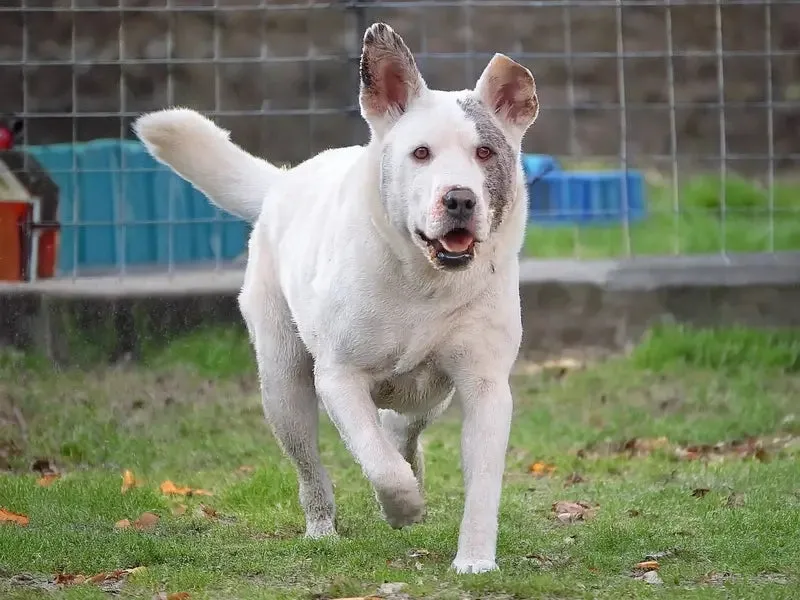
Image Source: Holistapet
The life-blood of raising a Bully Kutta successfully lies in proper training and socialization. This powerful breed can become a well-adjusted companion instead of a potential liability. These dogs need specialized handling that’s different from what works with more compliant breeds because of their size, strength, and independent nature.
Why only experienced owners should adopt
Bully Kuttas come with unique challenges that make them a poor choice for novice dog owners. First-time dog owners should not adopt this breed—breed experts consistently emphasize this warning. These dogs have a naturally dominant personality that needs experienced handling. Their independent, strong-willed nature will test your boundaries, which can create dangerous situations if you can’t establish clear leadership.
These dogs need owners who can project calm authority without harsh methods. Experienced owners understand this balance—they provide firm guidance but avoid confrontational approaches that might trigger defensive reactions.
A Bully Kutta needs an owner who can be:
Consistently firm yet fair in expectations
Physically capable of controlling a dog weighing 70-90 kilograms
Experienced in reading subtle canine body language
Patient enough to work through stubborn behavior patterns
These dogs quickly spot and take advantage of weak handling. One expert pointed out, “Bully kuttas may develop aggressive behaviors if they haven’t been properly trained, provided with ample exercise, or mentally stimulated”. You should honestly assess your experience level before bringing this powerful breed into your home.
Early socialization and obedience training
Bully Kuttas have a critical socialization window—like most dogs—between 3 and 14 weeks of age. Puppies learn best from new experiences during this time, which makes early intervention vital. You should start socialization once your puppy reaches 8 weeks and enters your home.
Effective socialization involves controlled exposure to:
Various people (men, women, children, and elderly individuals)
Household sounds (vacuum cleaners, appliances, television)
Different environments (home, streets, parks)
Other well-behaved dogs in supervised settings
Simple commands like “sit,” “come,” “wait,” and “stay” should build your training foundation. Professional puppy training classes after initial vaccinations offer structured learning opportunities with expert guidance.
Positive reinforcement techniques work nowhere near as well as punishment with this breed. Treats, praise, and play motivate them effectively, while harsh methods usually backfire and create fear instead of obedience. Short training sessions of 5-10 minutes several times daily work better than lengthy, frustrating lessons.
Challenges in training a strong-willed dog
Bully Kuttas present unique training challenges because of their independence and intelligence. They get bored with repetitive exercises, so you need varied, engaging training approaches. Their stubbornness can test even experienced handlers who lack patience and consistency.
These dogs need mental stimulation and physical exercise. Interactive toys, treat-hiding games, and varied obedience exercises keep their minds active while reinforcing desired behaviors. Dogs that don’t get enough mental enrichment often start digging, chewing, and barking excessively.
You must establish yourself as a confident pack leader before expecting compliance. Without this foundation, these powerful dogs might take leadership roles themselves and create household tension. Training becomes more challenging during adolescence when Bully Kuttas test boundaries aggressively.
Managing their natural reactivity toward other animals presents another challenge. Many Bully Kuttas show strong prey drives and dog aggression because of their fighting and hunting history. You’ll need careful management, consistent training, and sometimes help from trainers who know powerful breeds.
The mix of physical strength, intelligence, and independence makes training both challenging and rewarding. People who invest time and effort can build a deep bond with these remarkable dogs and channel their protective instincts into appropriate behaviors.
Health Issues and Lifespan
Bully Kuttas, like all purebred dogs, face specific health challenges that new owners need to understand. These large breeds need proper health management to ensure a good quality of life during their short lifespan.
Common health problems like hip dysplasia
A Bully Kutta’s powerful exterior hides several inherited health conditions. Hip dysplasia is the biggest concern for these massive dogs. This condition affects the hip’s ball and socket joint and can cause pain, mobility issues, and arthritis.
Large breeds like Bully Kuttas often develop arthritis as they age. Their size puts extra strain on joints, which speeds up damage to cartilage and bones.
These dogs often face other health issues:
Bloat (gastric torsion) – you need immediate vet care for this life-threatening condition
Skin allergies – these cause discomfort and might lead to infections
Eye problems – ranging from minor issues to serious conditions
Thyroid issues – including hypothyroidism and autoimmune thyroiditis
Parasitic infections – regular prevention is needed
Deep-chested Bully Kuttas have a higher risk of bloat. Owners should feed them several small meals daily instead of one big meal. They should also avoid exercise right after meals.
Bully Kutta lifespan expectations
Bully Kuttas live 8 to 10 years on average[193]. Some dogs might reach 12 years with great care[212]. This shorter lifespan matches other giant breeds, whose size affects how fast they age.
Your Bully Kutta’s lifespan depends on:
Their genetic background and bloodlines
The quality of their diet and nutrition
How much exercise they get and their weight
Regular healthcare access
Their living conditions
Weight control is vital since extra pounds can shorten these dogs’ lives by putting more stress on their bones.
Importance of regular vet checkups
Regular vet visits help Bully Kuttas live longer, healthier lives. Vets can spot hidden health issues even in dogs that seem healthy.
Healthy adult Bully Kuttas need a detailed vet exam once a year. Puppies, seniors, and dogs with health issues might need checkups twice yearly.
Vets usually:
Do full physical exams
Give shots for distemper, parvovirus, and rabies
Run blood tests and check urine when needed
Look for parasites in stool samples
Watch how senior dogs change with age
Finding problems early through checkups leads to better treatment options that cost less and work better than treating advanced conditions. To cite an instance, catching hip dysplasia early helps manage pain and mobility better.
Good health care goes beyond vet visits. You need to watch your dog’s weight, give the right amount of exercise without hurting growing joints, and notice any changes in how they move or act. These steps help keep this amazing but health-sensitive breed in good shape.
Feeding and Nutrition Guide
A healthy Bully Kutta’s life-blood is proper nutrition. It affects everything from muscle development to disease resistance. These magnificent dogs have specific dietary needs that evolve throughout their lives, and owners should pay close attention to these requirements.
Daily calorie needs for puppies and adults
Bully Kutta puppies grow fast in their first year. They need nutrient-dense meals that support healthy development. These puppies typically need about 1,400 to 2,000 kilocalories daily. The food should be specifically made for large-breed puppies since adult dog food doesn’t have the right nutrients for growing pups.
Puppies between 8 weeks and 6 months do best with 3-4 smaller meals each day. This helps their developing digestive systems. Breaking up their food this way prevents bloating and digestive problems that often affect large breeds.
Adult Bully Kuttas need about 2,500 to 3,000 kilocalories daily to keep their impressive physique and energy levels. They usually do well with 1-2 meals per day. This schedule creates a routine and prevents them from eating too much.
Recommended food types and portions
Protein-rich foods are the foundations of a Bully Kutta’s diet. These help maintain their substantial muscle mass. High-quality protein sources like chicken, mutton, and lean meat should make up most of their meals. Fish adds essential amino acids that help muscle development and overall growth.
Adult Bully Kuttas usually eat between 2 and 4 cups of food daily. The exact amount depends on the dog’s weight, activity level, and metabolism. Working Bully Kuttas might need extra calories when they’re especially active.
Food options for this breed include:
High-quality commercial foods formulated for large breeds
Fresh, homemade meals with balanced nutrients
Combination diets featuring both commercial and fresh components
Medium-protein formulas work better for puppies than high-protein options. Too much protein can speed up growth unnaturally and might cause joint and bone problems in these large dogs. Calcium, magnesium, glucosamine, and MSM are great ways to support joint health in growing Bully Kuttas.
Foods to avoid for bully dogs
Some foods can harm Bully Kuttas and should never be given to them. Chocolate has methylxanthines that can stop a dog’s metabolic process and might cause death. Grapes and raisins can lead to kidney failure.
Other dangerous foods include:
Onions and garlic (cause anemia by destroying red blood cells)
Avocados (contain persin, toxic in large quantities)
Dairy products (difficult for dogs to digest properly)
Macadamia nuts (toxic to dogs)
Caffeine (contains harmful stimulants)
Yeast dough (can cause alcohol poisoning and stomach pain)
Treats should make up no more than 10% of a Bully Kutta’s daily calories. They work well for training but can lead to weight gain if overused. Keeping these dogs lean is vital for joint health, especially given their size and weight.
Grooming and Maintenance Tips
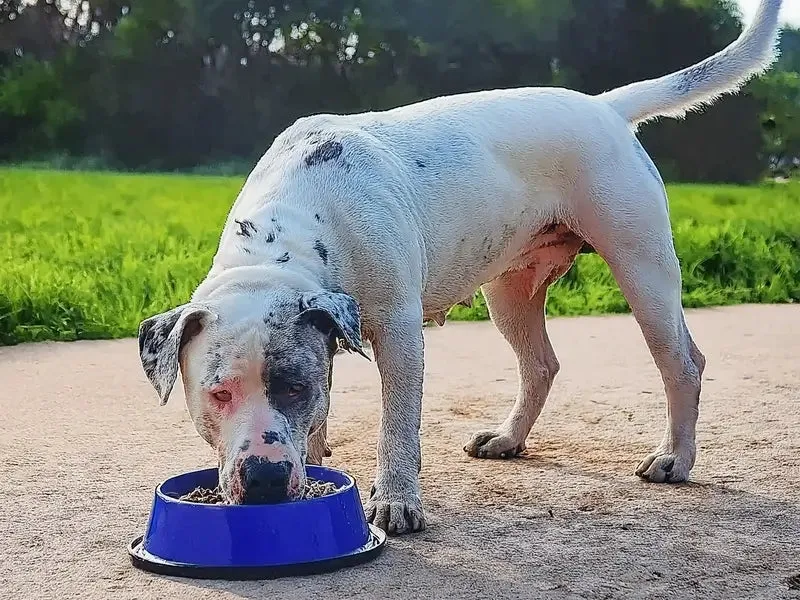
Image Source: Holistapet
A Bully Kutta’s appearance needs minimal upkeep compared to other breeds. Their short coat and basic maintenance needs make grooming easy despite their large size.
Brushing and bathing frequency
Your Bully Kutta’s short, smooth coat needs weekly brushing with a soft-bristle brush or grooming glove. This quick routine removes loose fur and dirt. It also spreads natural oils that give their coat a healthy shine. Brush in the direction of hair growth to protect their skin from irritation.
These dogs need baths once every 4-6 weeks. Too much bathing removes natural oils from their coat and leads to dry skin problems. Use lukewarm water and dog-specific shampoo made for short coats. A quick wipe with a damp cloth between baths keeps them clean without disturbing skin oils.
Managing moderate shedding
Bully Kuttas shed throughout the year, with heavier shedding twice annually during season changes. Their straight coat doesn’t mat or tangle. Regular brushing handles loose fur well, even during peak shedding times.
You can control shedding by:
Using a slicker brush or FURminator tool during heavy shedding periods
Brushing 2-3 times weekly during seasonal sheds
Getting professional grooming help for undercoat removal
Hygiene checklist: ears, nails, teeth
Your Bully Kutta’s care goes beyond their coat:
Ears: Look for dirt, redness, or bad smell weekly. Clean just the outer part with a damp cloth. Never put anything inside the ear canal.
Nails: Cut them every 2-3 weeks. Clicking sounds during walks mean it’s time for a trim.
Teeth: Brush 2-3 times weekly with dog toothpaste. Dental chews help but can’t replace regular brushing.
This simple care routine keeps your Bully Kutta healthy and looking their best.
Bully Kutta as a Guard and Companion Dog

Image Source: Facebook
The Bully Kutta’s dual role as a protector and companion shows why experienced owners worldwide admire this breed.
Watchdog instincts and alertness
The Bully Kutta makes an excellent guardian because of its natural protective instincts—a trait deeply rooted in its history. These dogs stay alert and watch their surroundings with remarkable awareness. They bark only when there’s a real reason, which makes their warnings truly important. Their natural suspicion of strangers who come near their territory helps keep threats away.
Affectionate side with family
Behind their powerful appearance, these dogs show a surprising gentle nature with family. While they’re not typical “cuddle buddies”, Bully Kuttas create strong bonds with their families and show steadfast dedication. Their loyalty comes through as dignified companionship rather than obvious displays of affection. They can read the mood in a room and react to it. A well-socialized Bully Kutta shows patience and kindness to everyone in the house and keeps a protective eye on children playing in the yard.
Why they’re not ideal for apartments
Bully Kuttas just need lots of space, which makes apartment living a poor choice. Their territorial nature requires:
A large, secure yard with clear boundaries
Room to patrol and exercise their powerful bodies
Distance from constant noise that could trigger their alert responses
Good training alone can’t overcome their size, energy needs, and protective instincts. These dogs do much better in spacious suburban or rural settings.
Conclusion
The Bully Kutta ranks among the world’s most striking dogs. This breed combines ancient heritage with an imposing physical presence. These majestic dogs have protected families and served among nobility with steadfast dedication throughout history. Their unique traits – massive size, muscular build, and commanding presence – set them apart from other mastiff breeds.
Future owners should think over if they can create the right environment for this breed. Bully Kuttas excel with experienced handlers who grasp their strong-willed nature. They need consistent training from puppyhood. The dog’s early socialization becomes crucial to develop an adult that can tell real threats from everyday situations.
A well-raised Bully Kutta shows surprising gentleness with family while staying alert and protective. This balance makes them outstanding guardians rather than regular pets. These dogs live 8-10 years, so they just need quality vet care and proper nutrition throughout their life.
The breed won’t fit many living spaces, especially apartments or homes without secure yards. Bully Kuttas need room to move, exercise, and follow their guarding instincts. They thrive in spacious rural or suburban settings that help avoid issues with neighbors or passersby.
This “beast of the east” just needs respect, space, and skilled handling. Owners who meet these big requirements gain an extraordinary companion – a living link to ancient history with unmatched protective abilities. People who commit to understanding this breed’s nature will find a loyal guardian. The bond surpasses typical pet ownership and builds on mutual respect and understanding.
Key Takeaways
The Bully Kutta is a massive, ancient breed requiring experienced ownership and specialized care to thrive as both guardian and companion.
• Only for experienced owners: This 70-90kg giant needs confident handlers who understand dominant, strong-willed temperaments and can provide consistent training from puppyhood.
• Ancient guardian heritage: Dating back 4,000+ years to the Indus Valley, these “beasts of the east” served Mughal royalty and retain powerful protective instincts.
• Requires substantial space: Apartment living is unsuitable—Bully Kuttas need large, secure yards to patrol and exercise their territorial nature properly.
• Early socialization is critical: Proper exposure during the 3-14 week window prevents aggression and helps distinguish between genuine threats and normal situations.
• Short lifespan demands quality care: With only 8-10 years average lifespan, regular vet checkups and proper nutrition are essential for managing hip dysplasia and other health issues.
When properly raised by experienced owners in appropriate environments, the Bully Kutta transforms from a potential liability into an extraordinary guardian whose loyalty and protection capabilities are unmatched in the canine world.
FAQs
Q1. How challenging is it to train a Bully Kutta? Training a Bully Kutta can be quite challenging. These dogs are intelligent but also independent and stubborn. They require early obedience training, consistent socialization, and a confident, assertive owner who can establish clear boundaries. Only experienced dog handlers should attempt to train this breed.
Q2. What should I feed my Bully Kutta? Bully Kuttas require a protein-rich diet to maintain their muscular build. High-quality commercial dog food formulated for large breeds or a balanced homemade diet with lean meats like chicken and mutton is recommended. Consult with a veterinarian to design a diet that meets your dog’s specific nutritional needs.
Q3. What are common health issues in Bully Kuttas? Bully Kuttas are prone to several health issues, including hip dysplasia, arthritis, skin allergies, bloat (gastric dilatation-volvulus), and eye problems. Regular veterinary check-ups and proper care are essential to manage and prevent these conditions.
Q4. How much space does a Bully Kutta need? Bully Kuttas require substantial living space. They are not suitable for apartment living and thrive best in homes with large, secure yards. These dogs need room to patrol and exercise their powerful bodies, making spacious suburban or rural environments ideal.
Q5. What is the average lifespan of a Bully Kutta? The average lifespan of a Bully Kutta typically ranges from 8 to 10 years. Some may live up to 12 years with optimal care. Their relatively short lifespan, common among giant breeds, emphasizes the importance of proper nutrition, regular exercise, and consistent veterinary care throughout their lives.