
Boxador Dog : Characteristics, Behavior, Temperament, Lifespan, Weight kg
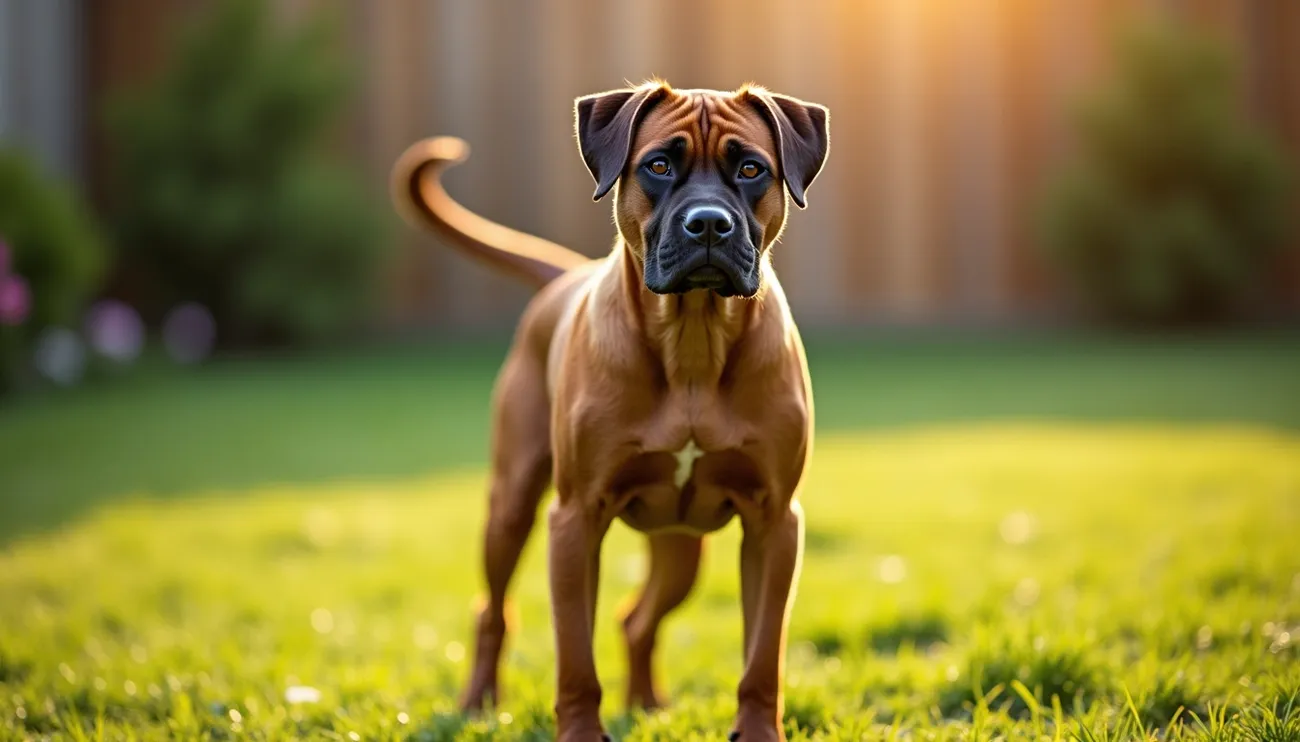 Dog lovers looking for small, affectionate companions have made Pugaliers more popular, especially since these dogs do great in apartments. A Pugalier’s charm comes from its mixed heritage – part Pug and part Cavalier King Charles Spaniel. These little dogs typically weigh between 10 and 20 pounds or 6-10kg, and stand about 30-35cm tall.
These tiny pups pack a lot of personality with their playful, confident, and happy nature. On top of that, they get along well with other dogs and make great companions for kids when socialized early. Most Pugaliers live between 12-15 years, but future owners should know about their parent breeds’ health challenges. They might face breathing issues, heart problems, and other conditions like bloat, hip dysplasia, cataracts, and skin troubles. The grooming needs stay pretty simple, but you’ll find their fur on furniture, carpets, and clothes since they shed throughout the year. A daily walk keeps these lovable dogs happy and healthy.
Boxador breed overview
The Boxador brings together two beloved dog breeds – the spirited Boxer and the devoted Labrador Retriever. This special mix combines the finest traits from both parents. The result is a loving, energetic family dog that people throughout North America have fallen in love with.
Origin and parent breeds
The Boxador’s story began quite recently compared to its purebred parents. Breeders started creating this mix in North America during the 1990s, though Boxers and Labradors probably mated naturally before any planned breeding. The Boxador emerged as designer dogs became popular, with people seeking unique mixes of traits, unlike traditional breeds with centuries-old histories.
The Boxador’s ancestry tells an amazing story. The Boxer’s history stretches back 2,500 years to the Assyrian empire. Today’s Boxer took shape in the late 19th and early 20th centuries. Breeders developed it from the Bullenbeisser – a larger, powerful hunting dog. German nobles used these dogs to hunt big game like bears, bison, and wild boar.
The name “Boxer” comes from how these dogs play – they love to punch with their front paws. Boxers have played many roles through history. They helped soldiers in both World Wars, worked as police dogs, herded cattle, and guided visually impaired people.
Labs bring an equally rich heritage to the Boxador line. These dogs started as duck retrievers in Canada’s Labrador Territory. Their ancestors, known as St. John’s Water dogs after the capital, lived in Newfoundland too. Modern Labs developed after sailors brought these Canadian dogs to Britain in the 1800s and bred them with local hunting dogs.
Labs, like Boxers, served in military roles. During the Vietnam War, they worked as scouts to find wounded soldiers and enemy positions. Their smarts and trainability made them excellent service dogs. You’ll find them helping police, military, rescue teams, and as guide dogs.
Why Boxadors are gaining popularity
People love Boxadors more each year for good reasons. This mix wants to take the best traits from two already popular breeds. The result is an active, loyal companion with a well-balanced personality.
Health plays a big part in the Boxador’s rising popularity. Many breeders and owners choose this mix to reduce some health issues common in purebred Boxers. Adding Lab genes might help prevent certain Boxer health problems while keeping their playful and loving nature.
“Most boxer mixes act exactly like pure boxers,” notes one expert. “They have a lot of energy. They are great with kids, smart, and goofy. And a lot of people who love the boxer breed are now looking for a hybrid dog because they are hoping it eliminates some of the health issues.”
Several canine organizations recognize Boxadors, though the American Kennel Club does not. These groups include:
- American Canine Hybrid Club (ACHC)
- Designer Dogs Kennel Club (DDKC)
- Dog Registry of America (DRA)
- International Designer Canine Registry
This official recognition shows that Boxadors are more than just random mixes. They’re purposefully bred dogs with consistent traits. Yet new dog owners should know – Boxadors need experienced handlers. Their high energy, smarts, and training needs make them better suited for people who know what it takes to raise such an active and social dog.
Designer dogs keep growing in popularity as people look for unique trait combinations. The Boxador stands out by combining two of America’s favorite breeds into one devoted, energetic, and family-friendly companion.
Physical characteristics of a Boxador
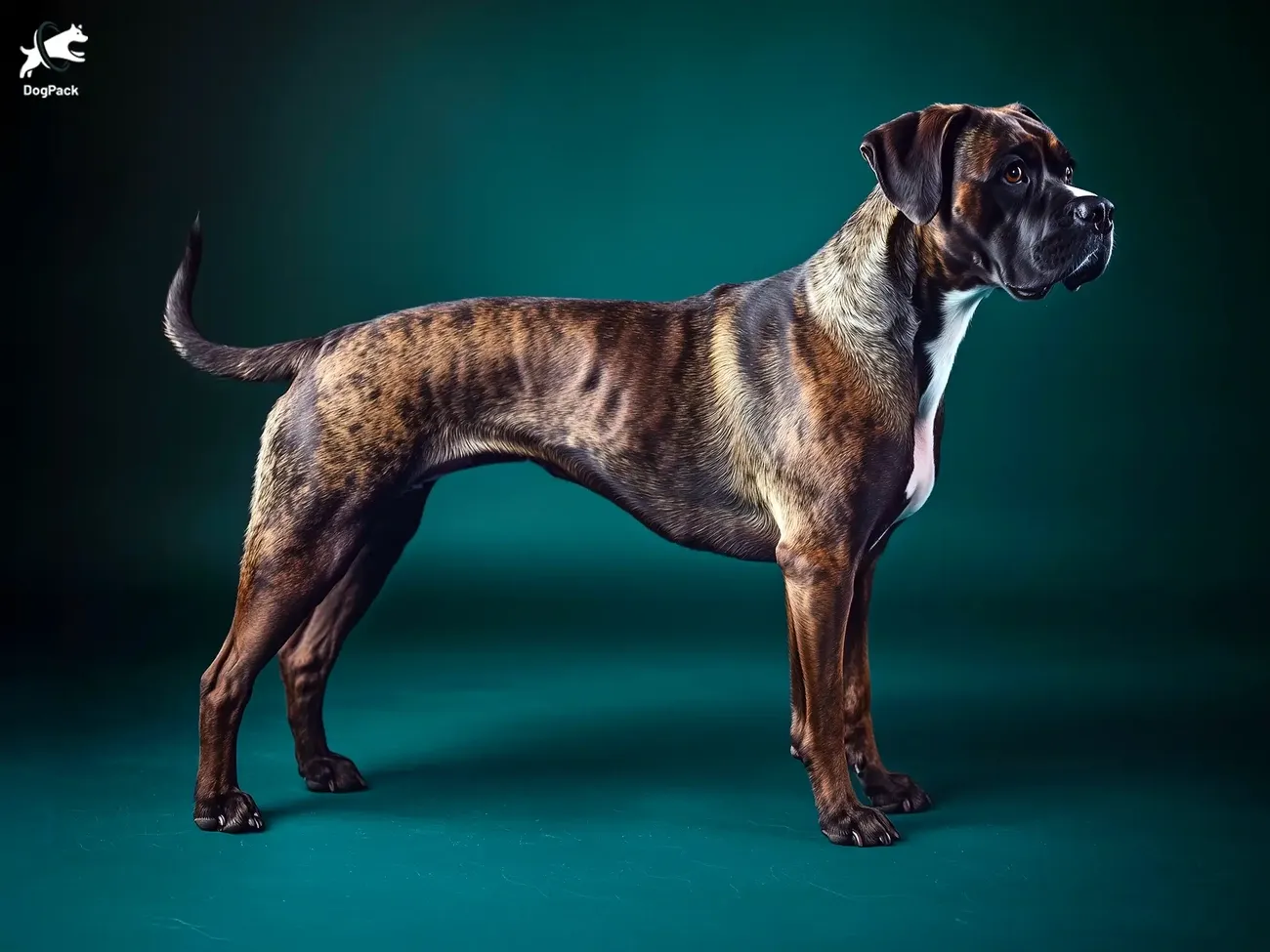
Image Source: DogPack App
A Boxador’s appearance grabs attention right away thanks to unique traits from both parent breeds. These dogs have a muscular build and stand tall with an athletic body type that turns heads. Their expressive features make them stand out in a crowd. Dog owners should know these physical traits to prepare the right space for this energetic mixed breed.
Average height and weight
These dogs fit in the medium to large size category. Adult Boxadors typically reach between 23 to 25 inches tall at the shoulder. Both male and female dogs hit about 25 inches in height.
The weight range shows some interesting differences. Female Boxadors usually weigh around 80 pounds at full growth. Males tend to be heavier – this is a big deal as it means that they can reach 110 pounds when mature. Most of these dogs weigh somewhere between 50 and 80 pounds, making them solid family companions.
These pups grow at a steady pace. A Boxador puppy weighs about 10 pounds by 9 weeks old. They keep growing until they reach full size at about 2 years old. Large breed dogs often take this long to mature, which gives their families time to adjust to their growing size.
Coat type and color variations
The typical Boxador has a short, soft single-layer coat that shows traits from both parent breeds. Dogs taking after their Boxer parent have very short coats that shed less. Those with stronger Labrador genes might have coats ranging from short to medium length.
Each dog sheds differently. Some Boxadors shed moderately throughout the year, while others barely shed at all. Most of these dogs shed seasonally, especially during spring and fall weather changes.
The coat colors are amazing to see, and solid colors are rare. These dogs usually show several colors mixed together, including:
- Black
- Brown
- Chocolate
- Fawn
- Gold
- White
- Yellow
- Brindle
Many Boxadors sport special markings like white chest patches and black muzzles, which add to their unique look.
Boxador full grown appearance
A fully grown Boxador looks impressive with its strong, muscular frame. The body looks well-balanced, with legs that match the body perfectly without seeming too long. You can spot them by their squared head and large boxy muzzle, which clearly shows their Boxer heritage.
These dogs have round eyes that come in different colors. Their nose runs on the longer side, adding to their expressive face. The ears show an interesting mix – they stand up at the bottom but fold over at the tips. This sets them apart from breeds with fully upright or droopy ears.
Many of these dogs get the Boxer’s loose jowls, even with the longer Labrador-style snout. This feature gives them a serious look that doesn’t match their playful personality.
Their tail strikes a balance between both parent breeds. It’s not as thick and fluffy as some other dogs, but it still creates quite a breeze during excited tail-wagging moments.
People notice right away how athletic these dogs look. Their muscular bodies seem ready for action, matching their high energy levels. You can see this energy at play time when many Boxadors “punch” with their front paws – a charming habit from their boxing ancestors.
Temperament and personality traits

Image Source: Chocolate Lab
Getting to know a Boxador’s personality reveals one of the most devoted and spirited companions you’ll find in the dog world. This hybrid dog combines two naturally friendly breeds and brings amazing emotional qualities that make it perfect for active families.
Affectionate and loyal nature
A Boxador’s most defining trait is loyalty. These dogs build powerful bonds with their human families and show remarkable devotion that owners often mention as their most memorable quality. The mix of an outgoing Labrador temperament and playful Boxer nature creates a companion that runs on human connection.
These dogs want attention and affection more than anything else. They’re not background pets—they actively seek out time with their owners. You can see this desire for connection in how they respond to training. Praise and affection motivate these dogs, which makes positive reinforcement work really well when teaching them new skills.
Their people-loving nature leads them to form strong attachments to family members. So many Boxadors struggle with separation anxiety when left alone too long. One expert puts it this way: “They need to run and play. They want to go with you… They’re literally like a toddler for a really long time, that’s the best I can describe it”.
Interaction with children and other pets
Well-socialized Boxadors make great family pets with children. Their patient nature, protective instincts, and playful energy turn them into excellent playmates for kids of different ages. Most show gentleness despite their large size, though watching them with very young children is always a good idea.
“Socialized Boxadors are good with children. When a Boxador goes through socialization as a puppy, it knows what type of behavior is acceptable in a household,” notes one source. Another adds that they’re “patient and protective” with kids, though their “size and exuberance can be overwhelming for very young children”.
Early socialization plays a vital role in how they interact with other pets. Most Boxadors get along great with other dogs when introduced properly as puppies. Their interaction with smaller pets needs more careful handling because of potential prey drive. Some Boxadors combine smoothly with cats and small animals, while others might chase them, especially if they didn’t grow up together.
Some owners notice changes in their dogs’ social behavior as they get older: “When in public, very aggressive with other dogs. She was socialized as a puppy and was amazing with other dogs until about 4 years old”. This shows why ongoing socialization throughout a Boxador’s life matters so much.
Common behavioral quirks
A Boxador’s intelligence and communication skills stand out among their behavioral traits. Both parent breeds know how to communicate their needs effectively. A whining or nudging Boxador usually tries to tell you something specific—maybe they need to go outside or just want more playtime.
High energy and playfulness define another key characteristic. “Boxadors can be prone to make their own entertainment (think: chewing decorative pillows or pulling over houseplants) to keep themselves entertained” if left alone too long. This mischievous behavior when bored shows why they need regular mental and physical activity.
These dogs often take longer to grow up, staying “puppy-like” longer than other breeds. This extended young phase means you’ll have an energetic friend for many years. “They are pretty slow to mature, so they tend to stay hyperactive and ‘puppy-like’ for longer than you would imagine”.
The breed picks up some unique habits from their Boxer ancestry—like “punching” with their front paws during play, a cute trait that gave Boxers their name. Mixed with their Labrador heritage, you get a dog that loves to communicate through playful moves and enthusiastic body language.
A Boxador gives families a loving, loyal, and energetic companion with an amazing mix of personality traits—as long as you can give them enough exercise, mental challenges, and family time.
Boxador behavior and training needs
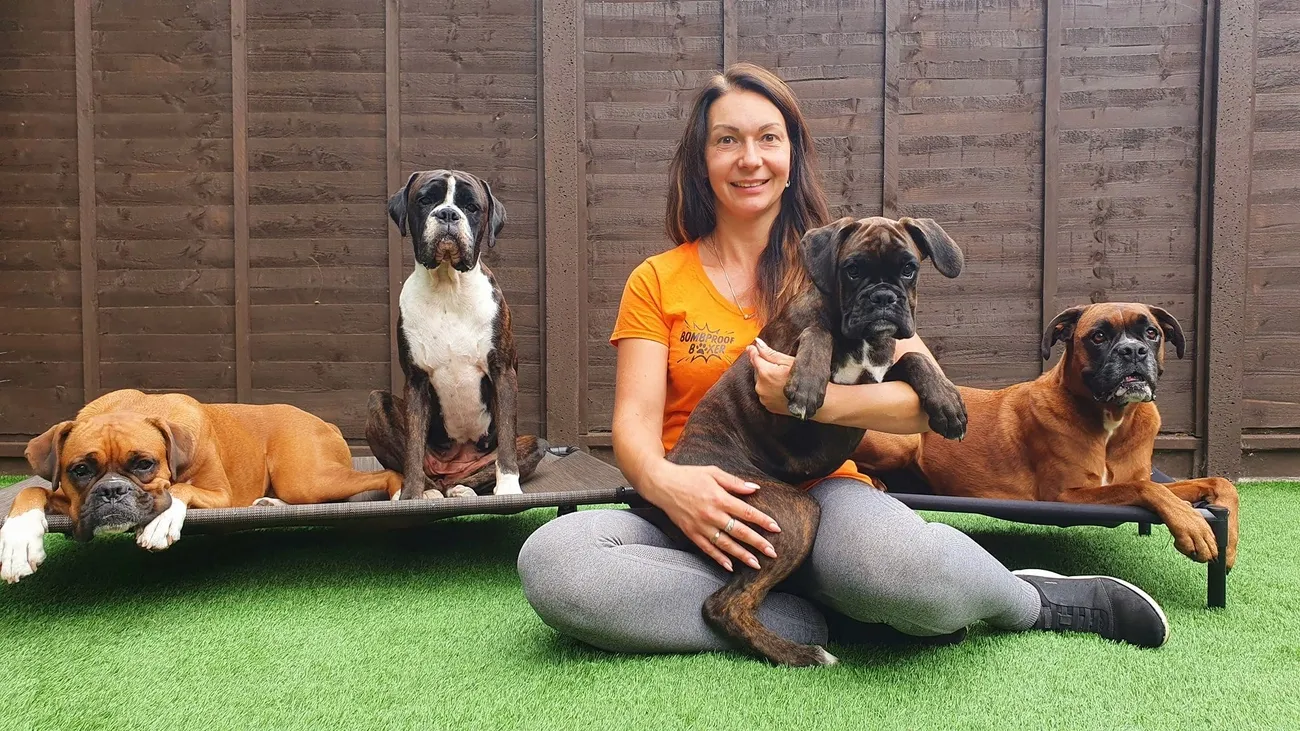
Image Source: Bombproof Boxer
Training a Boxador brings both joy and occasional challenges due to their unique mix of intelligence and energy. These dogs get their distinctive learning abilities from their Boxer and Labrador parents, and owners need to know what they’re getting into right from the start.
Intelligence and learning ability
Both parent breeds pass down impressive mental capabilities to Boxadors, making them great candidates for various training activities. These dogs show remarkable problem-solving skills and can work out tasks and commands quite easily. You’ll see their intelligence in how fast they learn new concepts. Most Boxadors take well to simple obedience training and can handle more complex commands too.
These dogs have a real advantage: they stay focused during training sessions better than many other breeds. This focus, plus their desire to make their owners happy, creates perfect learning conditions. Praise and affection drive these dogs, which makes positive reinforcement work really well.
Their learning typically goes like this:
- Basic Obedience: Sit, Stay, Come
- Intermediate: Leash Training, Basic Tricks
- Advanced: Agility, Service Tasks
Smart dogs need mental challenges. A bored Boxador will make their own fun—usually by chewing things they shouldn’t. Puzzle toys, training sessions, and dog sports are great ways to keep their minds busy.
Tips for early socialization
Your Boxador needs proper socialization to grow into a well-adjusted dog. Start socializing your puppy as soon as they come home. Good exposure during puppyhood helps prevent fear, anxiety, and bad reactions to new people, animals, or situations later on.
Here’s what works for socialization:
- Controlled introductions: Set up supervised meetings with vaccinated, well-behaved dogs
- Diverse experiences: Let your puppy see different places, hear various sounds, and take in new sights
- Positive associations: Give treats and praise during new experiences
- Handling exercises: Touch their paws, ears, and mouth gently to get them ready for grooming and vet visits
Kids and Boxadors usually get along great if the dog learns good behavior early. One expert puts it this way: “Socialized Boxadors are good with children. When a Boxador goes through socialization as a puppy, it knows what type of behavior is acceptable in a household”.
Puppy classes help with both socialization and mental exercise. Keep socializing your Boxador throughout their life since some might change their behavior even after good early socialization.
Dealing with stubbornness
Boxadors might inherit a stubborn streak, especially from their Boxer side. This shows up in different ways—they might stop suddenly during walks or ignore commands they already know.
Staying consistent helps manage this trait. Experts say, “Consistency in training is key to managing their behavior”. Keep training sessions short but interesting to maintain their focus.
Stubbornness often comes from:
- Boredom: What looks like stubbornness might just be a need for stimulation
- Excess energy: A good run before training can make them more cooperative
- Communication barriers: The dog might not understand your request
A dog owner found that standing quietly beside their stubborn Boxador during walks worked better than pulling. The dog felt more comfortable choosing its path, which made walks more enjoyable.
These dogs respond best to positive reinforcement rather than corrections. “Boxers respond to positive reinforcement, and not negative. Negative reinforcement will most likely confuse and frustrate your pup”. Treats, toys, or enthusiastic praise help overcome those stubborn moments.
Patience matters most when dealing with stubbornness. Your Boxador will take longer to mature and might act like a puppy longer than expected. Their playful, sometimes stubborn nature isn’t rebellion—it’s just who they are, and they need understanding and steady guidance.
Health and lifespan of a Boxador
Boxadors get a health boost from their mixed genetics, making them generally healthier than purebred dogs. Future owners should learn about common health problems, life expectancy, and proper care to give their dogs a long, happy life.
Common health issues
These dogs inherit health traits from both parent breeds, and several conditions need attention. Hip dysplasia stands out as one of the most common problems. This painful hip joint inflammation leads to lameness and arthritis. Bad genetics or wrong feeding and exercise habits during puppyhood usually cause this condition.
These dogs face a higher risk of bloat (gastric dilatation-volvulus), which can be life-threatening. The stomach fills with gas and might twist. You should watch for warning signs like panting, foaming at the mouth, a swollen belly, and retching—all need immediate vet care.
Other health concerns include:
- Allergies (both food and environmental)
- Heart conditions (including arrhythmogenic right ventricular cardiomyopathy)
- Cancer risks (particularly affecting the brain, thyroid, or spleen)
- Degenerative myelopathy affecting hindquarters
Breeders created boxer hybrids to alleviate some serious health issues found in purebred dogs. The mix works well – Labrador genes help counter the Boxer’s flat face, which often causes breathing and temperature control issues.
Boxador lifespan expectations
A typical Boxador lives between 10-12 years. Some might reach 12-15 years, with a few making it to 15. Their lifespan largely depends on genes from parents and grandparents.
Several things affect how long they live: diet, exercise, preventive care, and inherited health issues. Boxadors usually live as long as Boxers (10-12 years), which is slightly shorter than Labradors.
Preventive care and vet checkups
Good health management helps your Boxador live its best life. Pet insurance makes sense because both parent breeds often develop expensive conditions in their later years.
Regular vet visits help catch problems early. Your dog needs screening for:
- Heart issues to spot murmurs or irregular rhythms
- Hip and joint problems
- Cancer, especially in older dogs
Keeping your dog at a healthy weight prevents joint problems and heart disease. Smart feeding habits also reduce bloat risk—feed smaller meals more often instead of one big meal.
You should manage exercise carefully. Experts say to avoid heavy activity for an hour before and after meals to lower bloat risk. Your Boxador can live a long, healthy life if you stay on top of preventive care.
Grooming and shedding habits
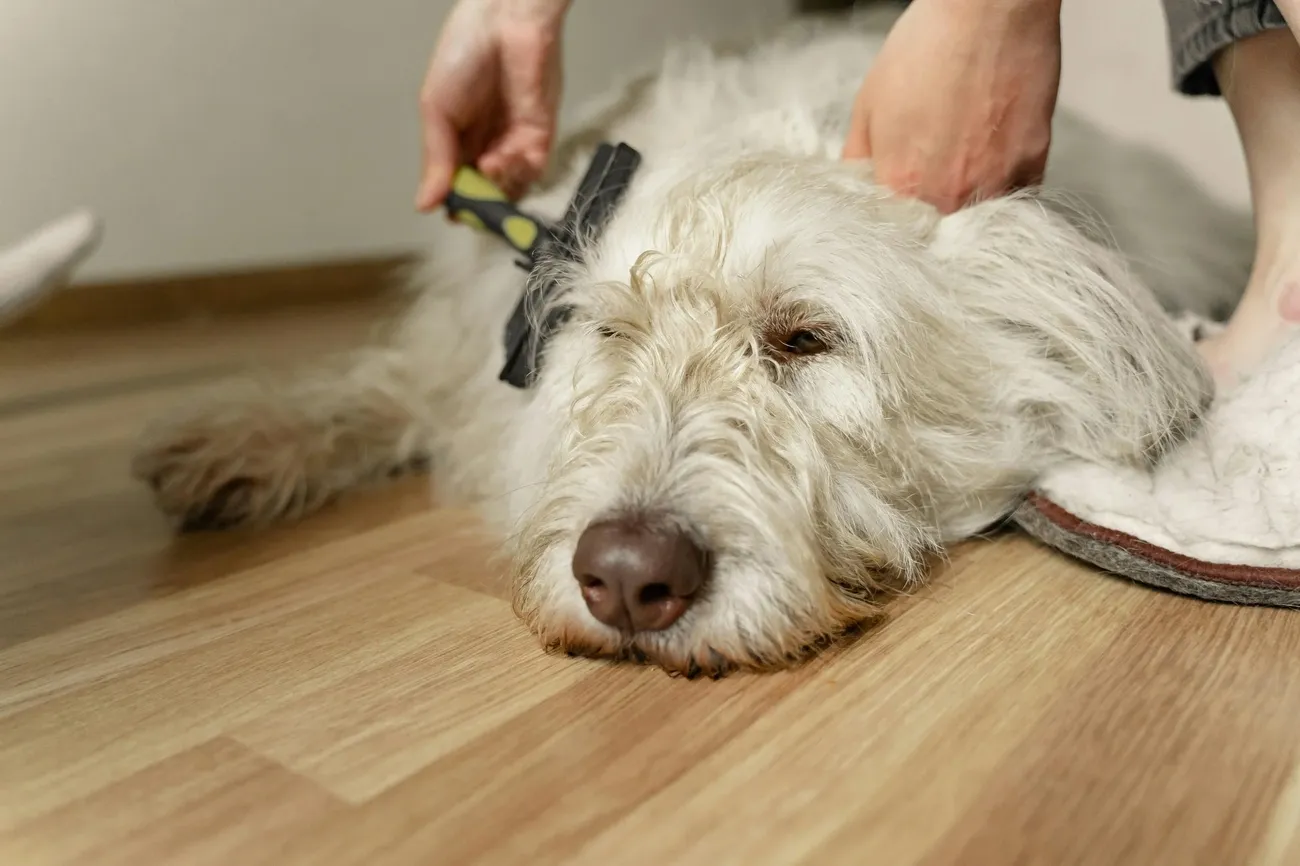
Image Source: Scenthound
Good grooming is everything in Boxador care. Your dog’s appearance and health depend on it. These lovable hybrids need specific grooming attention due to their unique coat. A strong bond with your pet grows when you learn to take care of their physical needs properly.
How much do Boxadors shed?
Boxadors lose a moderate amount of hair throughout the year. They shed seasonally, with hair loss picking up for a few weeks before it slows down again. You’ll notice more shedding during spring and autumn as the seasons change.
Each Boxador sheds differently. Dogs with Boxer-like coats shed less, while those taking after their Labrador parents shed more. Many people think these dogs need less grooming because they don’t have an undercoat like heavy shedders.
Your dog might have allergies if you notice dry or red skin. These can lead to bare spots from scratching too much. Regular grooming helps you spot these skin problems early.
Brushing and bathing routine
Weekly brushing is enough for most Boxadors during normal times. Daily brushing becomes a must during shedding seasons to manage all that loose hair. The right tools make grooming much easier:
- A rubber curry brush or grooming mitt lifts dead hair and stimulates natural oils
- A de-shedding comb works great during heavy shedding periods
- A soft brush with boar’s hair bristles can make the coat shine
Boxadors don’t need many baths unless they get really dirty. Bathing every 4-6 weeks works well as a general rule. It’s worth mentioning that too much bathing can dry their skin. Use a dog-friendly, pH-balanced shampoo. These dogs hate staying wet, so dry them well after baths.
Dental and ear care tips
Dental care is a vital part of keeping your Boxador healthy, not just looking good. Without regular teeth cleaning, these dogs can get gingivitis that might turn into periodontal disease and affect their overall health. Start brushing their teeth as puppies.
Dog toothpaste is the only safe option – human toothpaste often contains xylitol, which can harm dogs. Weekly brushing plus dental chews helps fight plaque and tartar.
Your Boxador’s ears need extra attention, especially when you have been swimming or walking in the rain. Clean their ears every couple of weeks with a gentle, dog-specific cleaner to prevent infections. Dogs with folded ears need weekly checks for redness, bad smells, or unusual discharge to catch problems early.
Exercise and energy levels
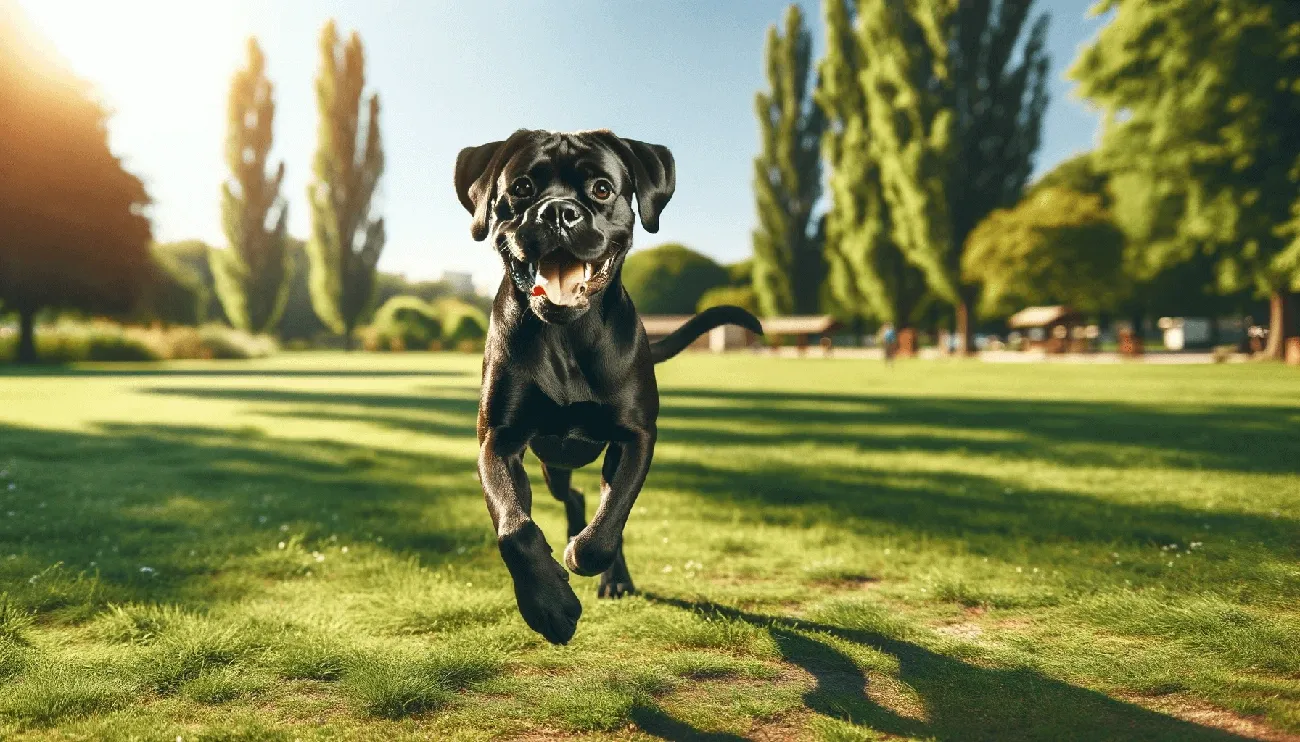
Image Source: Chocolate Lab
Boxadors are bundles of energy that need lots of daily exercise to stay healthy and happy. These dogs make perfect companions for families who love outdoor activities and adventures.
Daily activity requirements
A Boxador’s high energy levels mean they need at least 60 minutes of exercise daily to stay balanced. Some experts say these active dogs might need between 30 minutes to two hours of physical activity. Puppies should start slow. A good rule is to begin with short 10-minute walks when they’re three months old and gradually increase the time as they grow.
The best results come from a regular exercise schedule. Most owners get great results with two daily sessions – one after breakfast and another after dinner. They also add some playtime in the afternoon. These dogs can become restless and destructive without proper exercise.
Best types of exercise for Boxadors
These dogs shine in physical activities that challenge both their body and mind:
- Walking/jogging/biking: Two 30-minute walks or 20-minute jogs daily work great as baseline exercise
- Fetch games: Their retriever background makes them amazing ball-chasers
- Dog sports: Many Boxadors love rally, agility, and lure coursing
- Hiking: This activity creates strong bonds and keeps their minds active
Rainy days call for indoor exercise options. Tug-of-war with sturdy toys helps satisfy their natural pulling instinct. Tough toys like KONG products and jumbo tennis balls are a great way to keep them mentally stimulated when outdoor activities aren’t possible.
Signs of under-stimulation
Boxadors show their frustration through problem behaviors when they don’t get enough exercise. Look out for destructive chewing, excessive barking, restlessness, pacing, and attention-seeking behaviors. Changes in sleep patterns, irritability, or hyperactivity might also point to insufficient stimulation.
The biggest problem is how boredom leads to destroyed furniture, cushions, and household items. These behaviors aren’t bad manners – they’re just your dog’s way of saying they need more physical and mental exercise.
Is a Boxador right for your home?
You need to evaluate your lifestyle, living situation, and available time honestly before deciding if a Boxador is right for your home.
Apartment vs. house living
Many people might be surprised to learn that Boxadors can adapt well to apartment living if they get adequate exercise and mental stimulation. A home with a fenced yard is ideal for these active dogs, but they show remarkable flexibility in different living environments. The biggest factor isn’t the space you have – it’s your steadfast dedication to meeting their exercise needs whatever your home type. People living in apartments must take their dogs out daily because limited indoor space can trigger destructive behaviors.
Compatibility with families and singles
These dogs build deep connections with active families, especially when you have children. Their patient and protective nature makes them great companions for kids, though you should watch them around very young children due to their size and energy. The core team in larger, active families can share the responsibility of giving attention and exercise. Of course, single people can have a great life with Boxadors, but they need to understand these dogs want constant interaction and get unhappy when left alone too long.
Time and attention needs
Boxadors thrive on human connection. These dogs often develop separation anxiety if they spend too much time alone. They need 30-60 minutes of focused exercise daily, plus regular interaction throughout the day. This makes them a poor choice for families who travel often or spend little time at home. Having two Boxadors works well for many owners since the dogs keep each other company.
Conclusion
Boxadors are a special mix of two popular breeds that bring together the Boxer’s fun-loving nature and the Lab’s devotion. These smart, energetic medium-to-large dogs have become outstanding companions in homes that suit their needs.
These dogs fit best with active families. They need about an hour of exercise daily, which works great for outdoor enthusiasts who love hiking, jogging, or playing dog sports together. While they can adapt to apartment life with enough exercise, a fenced yard gives them the space they need to burn off energy.
Starting socialization early helps create a well-balanced Boxador. Training as puppies channels their smarts in the right direction and helps tackle any stubborn streaks. They’re great with kids thanks to their loving and protective nature, but their size and enthusiasm mean you should keep an eye on playtime.
The sort of thing you need to know about their health is they usually live 10-12 years. Watch out for inherited problems like hip dysplasia and heart issues. Regular vet visits, proper diet, and preventive care substantially affect how healthy they stay. On top of that, they shed moderately, so plan for weekly brushing normally and daily grooming during shedding seasons.
Boxadors just need lots of time and attention from their family. They build strong bonds and might get anxious if left alone too long. Before bringing one home, you’ll want to make sure you can handle these big commitments.
These dogs offer a rare mix of loyalty, brains, and playfulness. People ready to give them enough exercise and consistent training will find an amazing friend. They’re the perfect blend of two classic breeds rolled into one devoted family member who’s always up for adventure and cuddles.
Key Takeaways
Understanding the Boxador breed helps potential owners make informed decisions about this energetic and loyal companion that combines the best traits of Boxers and Labradors.
• Boxadors are medium-large dogs weighing 50-110 pounds, requiring experienced owners due to their high energy and intelligence levels
• Daily exercise of 60+ minutes is essential – these dogs excel in active families but suffer from separation anxiety when left alone
• Early socialization and consistent training are crucial, as they can be stubborn but respond excellently to positive reinforcement
• With proper care, Boxadors live 10-12 years but may inherit health issues like hip dysplasia, bloat, and heart conditions from parent breeds
• They shed moderately year-round with seasonal increases, requiring weekly brushing and minimal bathing unless particularly dirty
The Boxador represents an ideal choice for active families seeking a devoted, intelligent companion who thrives on human interaction and outdoor adventures. However, their substantial exercise needs, potential for separation anxiety, and requirement for consistent training make them unsuitable for novice dog owners or families with limited time for daily engagement.
FAQs
Q1. How long do Boxadors typically live? Boxadors generally have a lifespan of 10-12 years. However, with proper care and regular veterinary check-ups, some may live up to 15 years. Their longevity depends on factors like genetics, diet, exercise, and overall health management.
Q2. What is the typical temperament of a Boxador? Boxadors are known for their intelligent, loving, and loyal nature. They are energetic and playful, always eager to join in family activities. These dogs typically do well in families of any size due to their adaptable and affectionate personality.
Q3. Do Boxadors require a lot of attention from their owners? Yes, Boxadors need plenty of attention and interaction. They thrive on human companionship and can suffer from separation anxiety if left alone for extended periods. Daily exercise, playtime, and mental stimulation are essential for their well-being.
Q4. What are some pros and cons of owning a Boxador? Pros include their intelligence, trainability, and loving nature. They’re great family dogs and excel in various activities. Cons involve their size (up to 110 pounds), which may not suit small living spaces, and their high exercise needs. They also prone to separation anxiety when left alone for long periods.
Q5. How much exercise does a Boxador need daily? Boxadors require at least 60 minutes of exercise daily, with some needing up to two hours. This can include walks, jogs, fetch games, or engaging in dog sports. Regular exercise is crucial for their physical and mental well-being, helping to prevent destructive behaviors.