
Bergamasco Shepherd Dog Breed Information: Characteristics, Behavior, Temperament, Lifespan, Weight
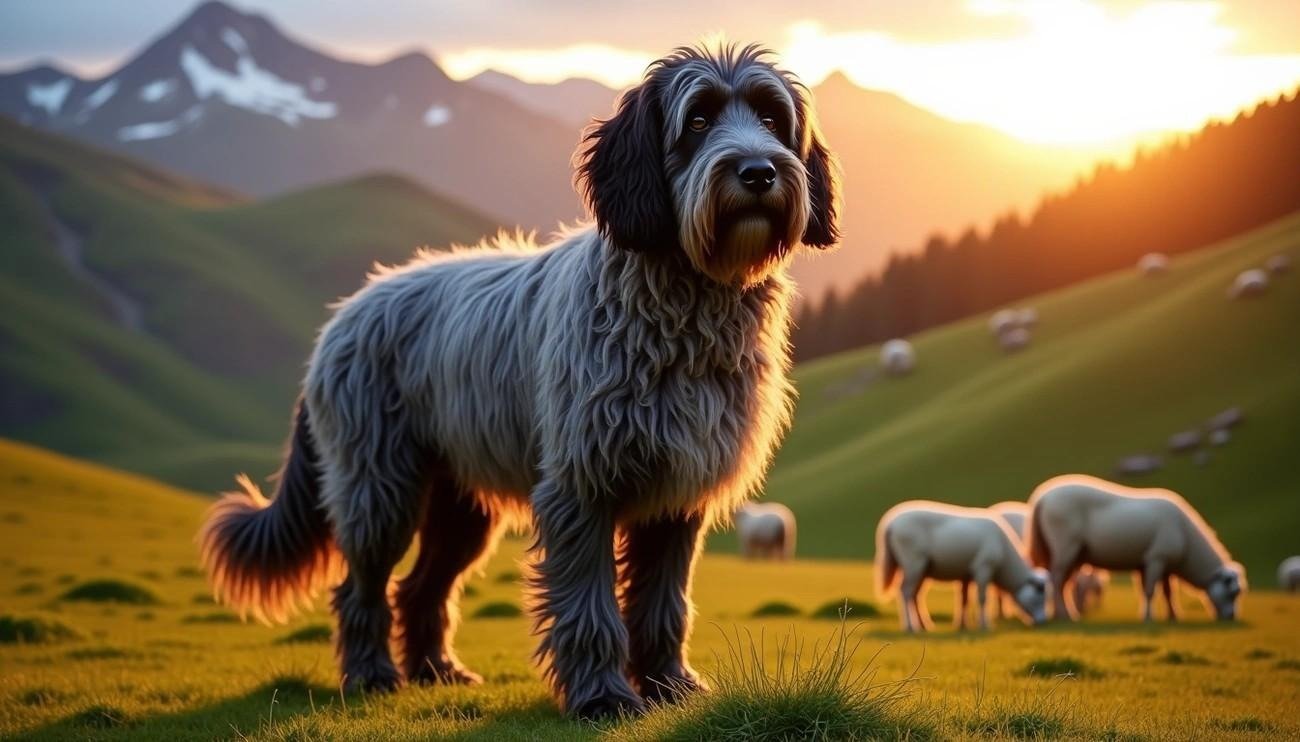
The Bergamasco Shepherd’s history stretches back over 2,000 years to the Italian Alps. These powerful yet well-proportioned medium-sized dogs earned their American Kennel Club recognition recently in 2015.
On top of that, this breed’s unique coat needs minimal care once it matures. Their remarkable flocked fur plays a vital role – it shields them from harsh mountain weather and keeps them cool in warmer seasons by letting air flow freely. The males reach 22-24 inches in height at the shoulder and weigh 70-85 pounds. Female Bergamascos are slightly smaller at 20-22 inches, weighing 57-70 pounds. These athletic dogs live an impressive 13-15 years and share their ancestry with several prominent breeds like the Komondor, Puli, Briard, and Oftscharka.
Breed History and Origin
The Bergamasco Shepherd’s roots go back thousands of years to the rugged mountain areas of ancient Persia (modern-day Iran). These amazing dogs became vital companions to nomadic shepherds who moved across continents to find fresh pastures for their flocks.
Ancient roots in Persia and the Italian Alps
Nomadic herdsmen who moved westward from Asia’s upper plains started the Bergamasco’s trip. These people traveled through an almost continuous path from Anatolia, across the Caucasus, through the Carpathians, into the Alps, and reached the Pyrenees. People settled at different points along this route, and their dogs adapted to local conditions. This created several related breeds with thick, rough coats that mat or “flock” naturally.
Some Persian nomads made their homes in the Italian Alps. Their dogs evolved into what we now call the Bergamasco Shepherd. A 2018 genetic study showed Bergamascos share DNA patterns with other European herding breeds like the Berger Picard, Bernese Mountain Dog, and Briard.
History has documented this breed’s importance well. A sixteenth-century painting shows these dogs, and they made their first appearance at a Milan dog show in 1881. The Italian national stud-book first registered the breed in 1891.
The Bergamasco almost disappeared after World War II. Industrial growth and tourism altered the Alpine valleys’ economic map. Sheep production dropped, and shepherds just needed fewer dogs. The Society of Bergamasco Dog Lovers (Societa Amatori del Cane da Pastore Bergamasco) saved the breed in 1949. They launched a breeding program that preserved genetics shepherds had carefully chosen for centuries.
How the breed got its name
The Bergamo region in Lombardy, Italy gave the breed its “Bergamasco” name. People suggested several other names at first: “sheepdog from northern Italy,” “sheepdog from north Italia,” and “Alpine sheepdog”. The name Bergamasco Shepherd (Cane da Pastore Bergamasco) stuck because it best matched where most of these dogs lived.
Bergamini herdsmen who roamed the Bergamo Valley in the Alps and Lombardy region shaped the breed. These shepherds picked dogs that could handle tough mountain terrain and complex herding tasks. Most dogs with similar features lived in the Bergamasco Valley, though you could find them across the Alpine region.
Role in herding and guarding livestock
Bergamascos did more than just herd – they worked as true partners to lone shepherds in remote mountain valleys. Unlike other herding breeds that follow exact commands, Bergamascos built a special working bond with their shepherds. One person had to manage hundreds of sheep with help from just a few dogs, so they needed smart partners who could solve problems on their own.
This work style helped develop the breed’s remarkable intelligence. These dogs learned to spot issues and figure out solutions by themselves. They achieved their goals however it made sense in the changing mountain conditions. They saw themselves as equal working partners rather than subordinates to their shepherds.
These versatile dogs could:
- Guide cattle from front to back through dangerous terrain
- Guard flocks from predators at night
- Keep large herds together on narrow trails and gorges
- Lead sheep carefully around cultivated fields’ edges
This mix of independence, intelligence, and protective instinct makes the Bergamasco special. Their centuries-old working heritage still shapes their personality today.
Physical Characteristics and Appearance
The Bergamasco Shepherd catches everyone’s eye with its remarkable coat that protects and regulates body temperature. This medium-sized breed has a strong, rustic look with balanced proportions and appears almost square when viewed from the side.
Size and weight range (in kg)
Bergamasco Shepherds stay consistent in size throughout the breed. Males ideally stand 23.5 inches (60 cm) at the withers, and females measure about 22 inches (56 cm). The breed standard lets them be just an inch taller or shorter than these measurements.
Weight is different by a lot between males and females. Males usually weigh between 70-84 pounds (32-38 kg), while females are lighter at 57-71 pounds (26-32 kg). These weights help them excel at their traditional role of herding sheep through rough Alpine terrain. They move quickly and smoothly despite their solid build, never looking too heavy or slow.
Unique coat structure: dog, goat, and wool hair
The Bergamasco’s coat makes it unique among breeds that look similar, like the Komondor or Puli. The coat has three distinct types of hair that blend to create its signature look:
- Undercoat: Short, dense, fine-textured, and oily to touch, creating a waterproof layer against the skin
- Goat hair: Long, straight, and rough, just like real goat hair
- Wool hair: Makes up the outer coat, feeling finer than the goat hair
These three hair types grow unevenly across the body. This uneven growth creates distinctive “flocks” – flat, irregular mats of felted hair that shield against harsh weather and predator attacks. Body flocks measure between 1.5-3 inches wide.
Color variations and eye features
Bergamasco coats come in several approved colors. Solid gray in any shade (from very light to charcoal) and solid black are allowed. Many black puppies eventually turn various shades of gray. White markings work fine if they cover no more than one-fifth of the coat.
Sun and weather often create isabella and fawn shades in the lower parts of the flocks as older hair changes color. This natural aging gives adult Bergamascos their multi-toned appearance.
The breed’s eyes draw attention – they’re large, slightly oval, and set at a gentle angle. Eye color usually stays dark chestnut, matching the coat color. Long eyelashes help keep falling hair away from the eyes.
How the coat changes from puppy to adult
A Bergamasco’s coat changes amazingly as the dog grows up:
Newborn puppies up to about 10-12 months have soft, short coats like many long-haired breeds. This puppy coat stays smooth without matting and needs just occasional brushing with a steel-toothed brush.
Big changes start around the first year when adult coat appears. Wooly hair shows up first on the tail and withers, followed by goat hair on the withers and saddle area. This time needs careful attention as different hair types start mixing and forming loose clumps.
The owner needs to “rip” the coat into mats at about one year old – it takes several hours but happens just once. Weekly checks for six months make sure the mats stay separate.
The coat reaches full maturity by age three, showing well-formed flocks. These flocks keep growing throughout the dog’s life and usually reach the ground by age five.
This amazing coat transformation creates an adult coat that needs almost no maintenance while protecting against extreme weather.
Temperament and Behavior Traits
Those distinctive matted locks hide a Bergamasco Shepherd’s temperament that centuries of independent work in tough Alpine conditions have shaped. The breed’s personality blends intelligence, loyalty, and independence in a rare balance you won’t find in many other dogs.
Loyal and independent nature
The Bergamasco’s temperament reflects its history as a problem-solving partner to lonely shepherds. Unlike dogs trained to follow exact commands, Bergamascos built equal partnerships with shepherds and made independent decisions while guarding flocks. This working relationship helped create their remarkable intelligence and self-reliance.
These dogs are thoughtful companions, not just obedient followers. A breeder puts it well: “Friendly, affectionate and spontaneously obedient because he is the one looking for connection, the Bergamasco will never blindly execute orders”. Their intelligence needs respect—they want to know why you’re asking before they’ll do something.
Bergamascos adapt well in family settings. They don’t pick just one “master” but build unique relationships with each family member and adjust their behavior based on everyone’s personality. This sensitivity creates deep bonds that make them true family members.
Interaction with children and families
Bergamascos share a special connection with children. Their protective instincts toward little ones come from watching over vulnerable lambs. They don’t just put up with kids—they love spending time with them.
Parents often notice how patient, gentle, and attentive these dogs are with children. Breed experts say they are “patient, tolerant, attentive and protective, encouraging their games and treating them with a very particular kind of politeness and delicacy”. This creates real friendships between kids and dogs.
Bergamascos make great family dogs because:
- They bond strongly with everyone in the family
- They stay aware of what’s happening at home
- They know what their family needs
- They offer calm, steady companionship
Many owners call their Bergamasco an “excellent Nanny” that gives protection, love, and security. Even while sleeping, they watch their family’s movements and monitor their surroundings.
Behavior with strangers and other pets
Bergamascos usually show careful caution around strangers instead of immediate friendliness. They take time to assess new people before accepting them. They judge each visitor based on their intentions rather than reacting with automatic suspicion or aggression.
A Bergamasco becomes friendly and accepting once they know someone isn’t a threat. Their cautious nature makes them excellent watchdogs without barking too much—they stay alert but quiet.
Well-socialized Bergamascos live peacefully with other animals. They get along with household pets after proper introductions. But their protective instincts mean they “might not tolerate other dogs who misbehave”. Early socialization helps develop good relationships with other pets.
Protective instincts without aggression
The breed’s protective nature comes from guarding sheep from predators. This translates to watchful protection at home without unnecessary aggression.
Bergamascos show great judgment—they protect strongly when needed but rarely act aggressive without reason. The American Kennel Club notes they are “wary of strangers until properly introduced” but “aggressive only as a last resort”.
Their protective style includes:
- Always knowing what’s happening around them
- Staying quiet and alert instead of barking
- Keeping unwanted visitors away
- Naturally spotting potential threats
The breed’s balanced temperament combines calm watchfulness with quick action when needed. They protect without being anxious or aggressive, which makes them excellent family guardians who keep the home peaceful.
These dogs show centuries of thoughtful breeding—they think independently, love deeply, and protect wisely.
Lifespan and Health Overview
Bergamasco Shepherds are healthy dogs that live long lives when they receive proper care and attention. These loyal companions have developed naturally over centuries, which explains their resilience and minimal genetic health issues.
Average lifespan of the Bergamasco
Bergamasco Shepherds live an impressive 13 to 15 years. This is a big deal as it means that they outlive many dogs of comparable size and weight. Their extended lifespan comes from natural development through the ages with minimal human interference in their progress.
These dogs stay active and energetic well into their senior years. Their excellent health comes from centuries of natural selection in the harsh Alpine environment. Only the strongest survived these conditions. Many owners notice their dogs stay mentally sharp and capable of working even in their later years.
Common health issues: hip dysplasia, degenerative myelopathy
Despite their overall good health, Bergamascos can develop certain medical conditions. Hip dysplasia stands out as a genetic condition where the thigh bone doesn’t fit properly into the hip joint. Without treatment, dogs can develop arthritis or lameness.
One of the most important health concerns is degenerative myelopathy (DM), a progressive neurological disorder like Lou Gehrig’s disease in humans. Dogs typically show signs around age 8, starting with gradual hindlimb weakness. Scientists have linked DM to a specific genetic mutation.
These dogs might also experience gastric torsion (bloat), which requires immediate veterinary help[192]. This emergency can turn fatal without quick treatment. Other health issues include:
- Elbow dysplasia
- Eye problems including cataracts
- Heart conditions
Recommended health screenings
Quality breeders run several health tests to maintain breed standards. Smart buyers should check that both parents have completed these tests:
- OFA (Orthopedic Foundation for Animals) certification for hip dysplasia
- Recent eye examination by a certified Veterinary Ophthalmologist
- Heart examination after 4 months of age to check for murmurs
- Genetic testing for degenerative myelopathy[212]
These tests help catch potential health problems before they show symptoms. Many breed supporters recommend hip x-rays for all Bergamascos whatever their breeding status to spot issues early.
Tips for maintaining long-term health
Regular vet check-ups are the foundations of preventive care[201]. These visits help catch potential problems before they become serious.
Good nutrition plays a crucial role in health. Bergamascos need high-quality dog food that matches their age (puppy, adult, or senior). Owners should watch portion sizes since extra weight can make joint problems worse[202].
Exercise needs should balance activity with moderation. Daily walks plus playtime help keep muscles strong without stressing joints. These dogs usually get enough exercise from their natural activity level when they have enough space.
Ears need special attention. Regular checks help spot infections early – watch for dark brown discharge or frequent scratching. Dental health improves through bone chewing and occasional brushing, which prevents periodontal disease.
Owners can help their Bergamascos live longer, healthier lives by doing this and working with their vets.
Grooming Needs and Coat Maintenance
The Bergamasco Shepherd’s unique matted coat often surprises new owners. These dogs look shaggy, but their extraordinary coat needs minimal maintenance once it’s fully grown. Learning about their special grooming needs helps owners appreciate this breed’s rustic charm.
Understanding the flocking process
The secret to Bergamasco grooming lies in how their flocks naturally form. Their coat creates its signature look as three different hair types weave together:
- A short, dense, fine oily undercoat that keeps water out
- Straight, long, roughly-textured “goat hair”
- A wooly outer coat
These hair types blend unevenly across the body and create the distinctive flocked pattern. The Bergamasco’s mats serve a real purpose – they’re intentional and protect against predators, harsh weather, and even insects.
The mats don’t touch the skin, so air flows between the flocks and prevents irritation. This special coat structure explains why people with allergies often react less to Bergamascos than other breeds.
Initial coat ripping and mat formation
Bergamasco puppies start life with soft, short coats like many other breeds. They need just occasional brushing with a steel-toothed brush. The real change starts at 10-12 months when their adult coat begins growing.
Owners must “rip” the coat into mats at this crucial time. This means separating forming clumps into the right-sized sections. The process:
- Takes several hours but happens just once in the dog’s life
- Needs manual separation of clumps down to the skin
- Makes properly sized flocks (about 1.5-3 inches wide)
The next six months need weekly checks to keep mats from growing together. The separate flocks keep growing throughout the dog’s life and usually reach the ground by age five.
Bathing frequency and drying tips
These dogs need just 1-3 baths yearly. Natural oils make their coat resist water and dirt. Too much bathing strips these helpful oils and hurts the coat’s protective qualities.
Bath time needs:
- Just a little mild shampoo to keep natural oils
- A good rinse until water runs clear
- Maybe some diluted white vinegar (1:3 ratio) in the final rinse to prevent mildew smell
The dense coat makes drying tricky. Warm, breezy days work best for baths. A crate with box fans around it works great when natural drying isn’t possible – most Bergamascos love the breeze. Skip human hair dryers since too much heat can damage the coat.
Why shaving is discouraged
Shaving a Bergamasco creates several problems. The coat naturally keeps these dogs comfortable in hot and cold weather, and shaving disrupts this function.
The coat grows back unevenly after shaving. All three hair types come in at different rates, which leads to messy, uncontrollable matting. The natural flocking pattern becomes almost impossible to restore.
A trim to 4-5 inches works better if shorter coat is needed. This length lets the coat protect while reducing bulk.
Tools and techniques for coat care
Bergamasco care needs just a few tools:
- A steel pin brush for puppies and flock surface cleaning
- Grooming scissors to separate mats during first formation
- Your hands – the best tools for separating flocks
The mature coat needs little attention. Quick hand-separation checks stop flocks from joining, especially around the legs. These dogs shake off most debris after outdoor adventures thanks to their dirt-resistant coat.
Basic care should include cleaning ears monthly, trimming nails every 3-4 weeks, and brushing teeth several times weekly.
Training and Socialization Guide
Training a Bergamasco Shepherd requires deep insight into their mental makeup. These historic herding dogs don’t just follow commands – they work together with their owners as partners rather than subordinates.
Training style suited for independent thinkers
A Bergamasco’s independent spirit comes from their heritage of making vital decisions while protecting flocks. These dogs see themselves as equals—”partners with their humans” not servants. Owners should lead with confidence and calm, avoiding harsh methods.
These intelligent problem-solvers don’t respond well to repetitive drills. Expert trainers point out that the breed “may not respond to repetitive or overly rigid commands”. They need to understand why they’re being asked to do something. Once they grasp the purpose, they’ll usually comply – though they might add their own twist to it.
Positive reinforcement techniques
Positive reinforcement is the life-blood of successful Bergamasco training. This method rewards good behavior instead of punishing mistakes. Dog trainers suggest:
- Short, fun sessions (about 10 minutes, three times daily)
- Rewards with special treats, toys, or praise
- Activities that challenge their problem-solving skills
- Avoiding harsh training tools like shock collars or physical punishment
This reward-based system builds confidence and keeps their problem-solving skills sharp. Dogs should look forward to their training time, according to experts.
Importance of early socialization
Early socialization plays a vital role in developing well-balanced Bergamasco Shepherds. Puppies need proper exposure to different people, places, sounds, and experiences. This creates confident adult dogs. Start socialization right away with:
- Meeting children, strangers, and other animals
- Visits to parks, stores, and city environments
- Getting used to household sounds and activities
These protective dogs might become too wary or defensive without proper socialization. Expert trainers note that good socialization helps “prevent shyness or aggression” while keeping their protective nature intact.
Common training challenges and solutions
Balancing a Bergamasco’s independence with obedience is the main goal. Their thoughtful nature can sometimes look like stubbornness. Successful training includes:
- Setting clear boundaries without confrontation
- Directing their problem-solving skills to appropriate activities
- Leading through guidance instead of force
- Staying patient when progress slows
Simple obedience commands matter but should be taught cooperatively. Mental stimulation comes from advanced activities like herding trials, agility, or therapy work.
Respectful, positive training helps develop Bergamascos who work together with their owners while keeping their dignified independence – the same qualities that made them valuable partners to Alpine shepherds for centuries.
Bergamasco Shepherd Price and Adoption Tips
The Bergamasco Shepherd’s price tag varies based on many factors. Future owners need to plan their finances well and understand both the purchase price and long-term costs of owning these unique dogs.
Average price range globally and in India
A Bergamasco Shepherd puppy from a good breeder costs between INR 84,380 and INR 168,760. These prices are similar in India, though finding these dogs can be tough because they’re rare. The steep upfront costs should be the first thing you think about before bringing one of these special dogs home.
The monthly costs of keeping your dog happy and healthy range from INR 4,640 to INR 126,570. This covers food, regular vet visits, and professional grooming help.
Factors affecting cost: breeder, lineage, location
The final price of your Bergamasco Shepherd depends on several things:
- Quality of bloodline and championship history
- The breeder’s reputation and certifications
- Whether you choose a male or female
- The color of the coat
- Where you live and how many breeders are nearby
- Whether initial vet care comes included
Breeders who test their dogs thoroughly often charge more because they invest heavily in genetic screening and responsible breeding.
Adoption vs. buying: what to consider
Adoption fees are much lower, usually between INR 4,219 and INR 25,314. You’ll save money this way compared to buying from breeders. Older adopted Bergamascos often show just as much love and loyalty once they settle into their new homes.
The adoption fees are a great deal because they usually include spaying/neutering, shots, and microchipping. These services would cost extra if you bought a puppy.
How to find reputable breeders or rescues
Finding trustworthy sources takes time since these dogs are rare. You might need to travel far or wait patiently for the right dog. Ask breeders for health certificates that show testing for issues like hip dysplasia. Check their standing with kennel clubs too.
Breed-specific rescue groups sometimes have Bergamascos ready for adoption. This option supports the breed’s welfare and gives these amazing dogs a second chance at happiness.
Pros and Cons of Owning a Bergamasco
The decision to bring a Bergamasco Shepherd home needs a good look at what makes them special and what challenges they might bring. A well-thought-out choice leads to a happy life for you and your dog.
Pros: low shedding, loyal, intelligent
The Bergamasco comes with some great benefits:
- Minimal shedding despite their thick coat, which works well for people worried about pet hair
- Strong family bonds that include deep affection and loyalty to everyone at home
- Remarkable intelligence paired with the ability to solve problems on their own
- Excellent with children – they’re patient, tolerant and naturally protective
- Naturally protective without being aggressive or barking too much
Cons: grooming complexity, rarity, stubbornness
Future owners should think about these challenges:
- Original coat setup needs proper “ripping” into mats—a one-time process that takes time
- Good breeders are hard to find because these dogs are rare
- Independent thinking can show up as stubborn behavior during training
- Shy around strangers if not well-socialized as puppies
- Not great for apartments because they’re active dogs who need open spaces
Is this breed right for your lifestyle?
Bergamascos run on homes with:
- Some outdoor space—a fenced yard works best
- Owners who want a partner instead of just a follower
- Families looking for a protective yet gentle friend
- Cool weather like their native Alpine region
- People who have time to socialize them properly
These dogs are a great match for active families who want a loyal, low-shedding companion with an independent streak. Keep in mind their special grooming needs and free-thinking nature need dedicated owners who appreciate their unique traits.
Conclusion
The Bergamasco Shepherd is proof of centuries of development and selective breeding. Their unique flocked coat developed to shield them from harsh Alpine conditions. This distinctive feature needs minimal maintenance once it’s 12-18 months old. New owners might feel intimidated by the coat at first, but it needs less grooming than many shorter-haired breeds after the initial ripping process.
These amazing dogs excel in family settings. They blend loyalty, intelligence, and independence without being overly needy. The Bergamasco’s ability to bond deeply with family members makes them special. They adapt their behavior to each person’s needs and show gentle care around children.
These dogs live long, healthy lives spanning 13-15 years with good care. Regular vet checks help catch issues like hip dysplasia and degenerative myelopathy early. Their natural development through centuries has made them resilient with few genetic health issues.
Training these dogs needs a different approach. They don’t just follow orders blindly – they want to be partners in everything they do. They need explanations rather than repeated drills. Owners who build respectful relationships through positive reinforcement end up with devoted companions that think independently yet stay cooperative.
Getting a Bergamasco puppy takes time because they’re rare. Prices in India range from ₹60,000 to ₹1,50,000, depending on the breeder’s reputation and bloodlines. Without doubt, you get value for money through their unique looks, minimal shedding, protective nature, and problem-solving skills.
The Bergamasco Shepherd isn’t right for everyone. Their independent streak challenges owners who expect quick obedience. Their size and energy levels work better in homes with outdoor space. But families looking for a smart, loyal companion with low grooming needs and natural protective instincts will find an amazing partner in the Bergamasco. They’re living links to ancient herding traditions that now thrive as devoted family guardians.
Key Takeaways
The Bergamasco Shepherd is an ancient Alpine breed with unique characteristics that make them exceptional family companions for the right owners.
• Unique coat requires minimal maintenance: Despite their matted appearance, the three-layer flocked coat only needs “ripping” once at 12 months, then requires just 1-3 baths annually.
• Independent thinkers need respectful training: These intelligent dogs work as partners, not subordinates, requiring positive reinforcement and understanding the “why” behind commands rather than blind obedience.
• Excellent family dogs with protective instincts: Bergamascos form deep bonds with all family members, show exceptional patience with children, and provide natural protection without aggression.
• Healthy breed with 13-15 year lifespan: Regular health screenings for hip dysplasia and degenerative myelopathy help maintain their robust health throughout their long lives.
• Rare and expensive but rewarding investment: Expect to pay ₹60,000-₹1,50,000 in India, but gain a low-shedding, intelligent companion with centuries of herding heritage.
For families seeking a loyal, independent companion who thinks for themselves while remaining devoted to their human pack, the Bergamasco offers an extraordinary partnership that reflects their ancient role as equal working partners to Alpine shepherds.
FAQs
Q1. Are Bergamasco Shepherds aggressive dogs?
Bergamasco Shepherds are not naturally aggressive. They are alert and protective of their family, but will only act defensively if they perceive a genuine threat. With proper training and socialization, they make excellent family guardians without unnecessary aggression.
Q2. What is the typical size of a Bergamasco Shepherd?
Male Bergamasco Shepherds usually stand 23-24 inches (58-62 cm) tall at the shoulder and weigh 70-84 pounds (32-38 kg). Females are slightly smaller, typically 20-22 inches (51-56 cm) tall and weighing 57-71 pounds (26-32 kg).
Q3. Do Bergamasco Shepherds make good family pets?
Yes, Bergamasco Shepherds make excellent family dogs. They are intelligent, loyal, and form strong bonds with all family members. They are particularly gentle and patient with children, adapting their behavior to suit each person’s individual needs.
Q4. How challenging is it to train a Bergamasco Shepherd?
While Bergamasco Shepherds are intelligent and trainable, their independent nature can present some challenges. They respond best to positive reinforcement techniques and prefer to understand the reasoning behind commands rather than simply obeying. Patience and consistency are key in training these thoughtful dogs.
Q5. What are the grooming requirements for a Bergamasco Shepherd?
Despite their unique appearance, Bergamasco Shepherds have surprisingly low maintenance coats once properly established. The coat requires a one-time “ripping” process at around 1 year of age, after which it needs only 1-3 baths annually. Regular brushing is not necessary, making them relatively easy to groom compared to many other long-haired breeds.