
Belgian Shepherd Dog Breed Information: Characteristics, Behavior, Temperament, Lifespan, Weight
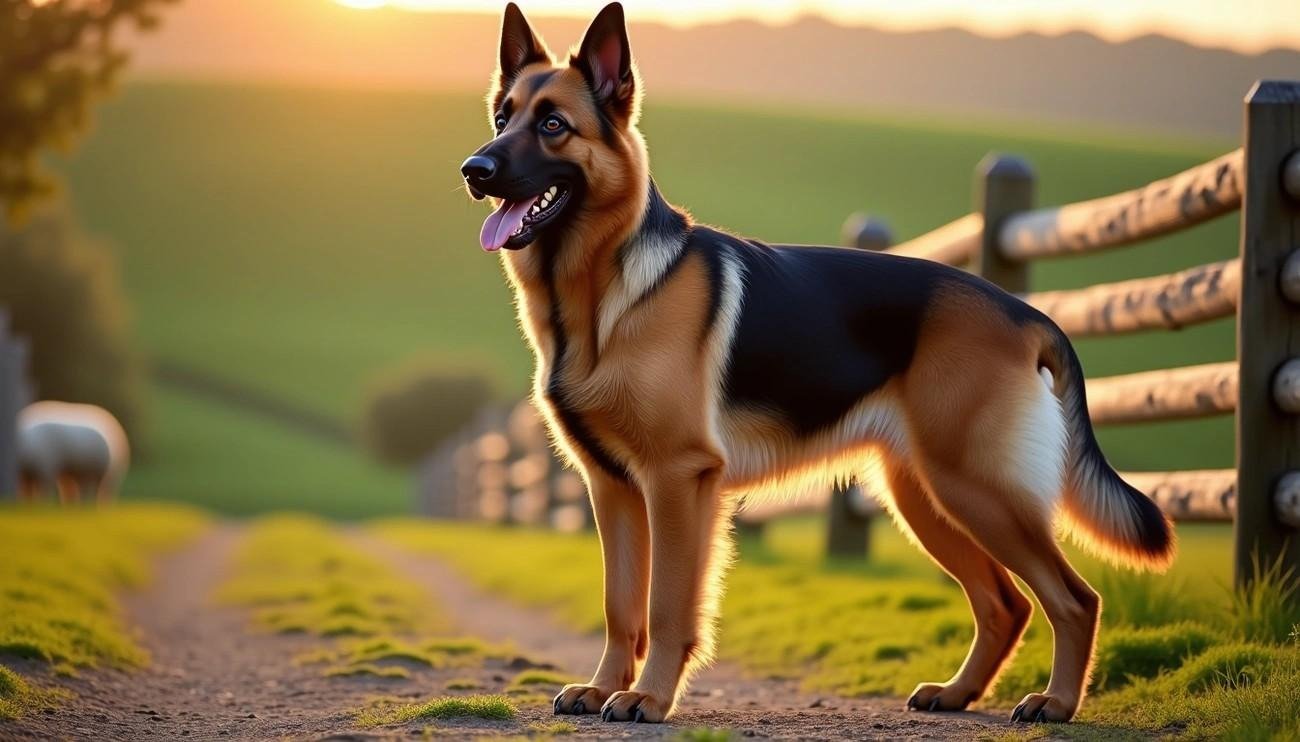
The Belgian Shepherd ranks among the smartest and most versatile working dog breeds the AKC has recognized since 1912. This bold and beautiful breed springs into action at a moment’s notice and has an impressive history as a war dog in both World Wars.
A male Belgian Shepherd’s height can reach 26 inches at the shoulder. Males weigh between 55-75 pounds while females range from 45-60 pounds. The breed’s intelligence, alertness, and loyalty make them exceptional companions. These dogs live 12-14 years on average, which gives dedicated owners many years of companionship. Future owners in India should know that Belgian Shepherd puppies cost between ₹20,000 to ₹60,000. The monthly care expenses average around ₹4,650.
Breed Overview and Origin
The Belgian Shepherd Dog’s story began in Belgium during the 19th century. This versatile working breed earned quick recognition for its exceptional herding skills, loyalty, and adaptability. Belgian farmers and shepherds valued these intelligent dogs as essential partners in their work.
History of the Belgian Shepherd Dog
The Belgian Shepherd shares common ancestors with many herding dogs worldwide. These shepherd dogs showed great variety in their looks before the late 1800s, yet maintained their excellent working abilities. They descended from the same common type of herding dog as other Western European breeds like the Bouvier des Ardennes, Dutch Shepherd, and German Shepherd.
The Belgian Shepherd faced extinction toward the end of the 19th century. The Club de Chien Berger Belge stepped in to save the breed in 1891. Professor Adolphe Reul from the Cureghem Veterinary School led a team to study the breed’s characteristics.
The team’s examination of 117 dogs revealed substantial differences in appearance. Breeders had focused on working ability rather than creating a uniform look. This diverse foundation laid the groundwork for today’s standardized breed.
Purpose and development of the breed
Belgian farmers needed smart dogs to help on their typical 20-acre farms. Belgian Shepherds knew farm boundaries without fences and moved animals instinctively, unlike modern herding dogs that cover bigger areas.
These hardworking dogs served multiple roles:
- Herding and tending to sheep, goats, geese, and duck flocks
- Guarding farmsteads and property
- Pulling carts for transportation
- Working as general farm assistants
Breeders aimed to create a square-bodied, medium-boned dog with both strength and agility. The breed needed enough power to protect flocks while staying nimble enough for quick turns during herding. This careful selection resulted in dogs that moved efficiently and worked tirelessly all day.
The breed proved its worth during both World Wars as message carriers, ambulance dogs, and even machine gun pullers. These contributions showed their intelligence and trainability beyond farm duties.
Recognition by kennel clubs
Breeders drafted the first breed standard in 1892, though variety classifications changed several times until 1956. The breed bounced back and thrived after both World Wars threatened its numbers.
The current breed standard from 1956 recognizes four distinct varieties:
- Groenendael – Long-haired black, named after Nicolas Rose’s Château de Groenendael
- Tervuren – Long-haired fawn/mahogany with black tips, from Tervuren, Belgium
- Malinois – Short-haired fawn/mahogany with black mask, from Mechelen (Malines in French)
- Laekenois – Rough-haired fawn, the oldest and rarest variety, named after Laeken
Most national kennel clubs, including the Société Royale Saint-Hubert and the Fédération Cynologique Internationale, see the Belgian Shepherd as one breed with four varieties.
The American Kennel Club took a different path. They first recognized the varieties as sub-groups within one breed. In 1959, they split them into separate breeds. The Belgian Sheepdog (Groenendael) earned recognition in 1912, followed by the Malinois and Tervuren in 1959. The rare Laekenois joined the AKC family in 2020.
American breeders face unique challenges with imported European stock. European Groenendaels sometimes produce Tervuren-colored puppies that can’t register as Tervurens in the United States.
Types of Belgian Shepherd Dogs
The four Belgian Shepherd Dogs come from the same genetic foundation but each stands out with unique coat types and colors. These amazing dogs share physical traits, smarts, and work ethic while having distinct characteristics that make them special.
Groenendael
The Groenendael, which Americans call the Belgian Sheepdog, catches everyone’s eye with its beautiful, long black coat. This elegant shepherd got its name from the Château de Groenendael where Nicolas Rose established the breed. Its silky double coat creates an impressive outline.
These dogs stay alert, loyal, and keep a watchful eye while showing strong protective instincts toward their family. They build deep connections with family members but might be cautious around strangers, so early socialization makes a big difference. Kids usually get along great with these dogs if they grow up together, though some Groenendaels might try to herd little ones – it’s just their herding instinct showing up.
Some key traits worth noting:
- They get along with other pets at home, especially after proper introductions
- Their coat needs brushing every other day, and daily care during shedding season
- They shine in protection work, police duties, and dog sports competitions
Tervuren
The Belgian Tervuren looks much like the Groenendael but shows off its own special coat colors. Their long, straight fur shows shades from fawn to russet mahogany with black overlay and a black face mask. The breed’s name comes from Tervuren village where breeders set its standards. These dogs look both graceful and strong.
The Tervuren’s personality really stands out – they love their families deeply and can be quite protective. These dogs need lots of daily exercise to stay happy and well-behaved. One owner puts it well: “Smart and energetic dogs like these need someone creative who understands they must have a job to do”.
Beauty isn’t the Tervuren’s only asset. These clever dogs love learning new things and sometimes outsmart their humans. That’s why owners should give them both physical exercise and mental challenges to keep them content.
Malinois
The Belgian Malinois has become the most famous of all four types, thanks to its widespread use by military and police forces. You can spot one by its short fawn to mahogany coat with black mask and ears. Breeders developed this variety near Mechelen city (called Malines in French) in Belgium.
Research from the University of Helsinki suggests these dogs might be among the brightest breeds around, scoring highest in thinking tests. Their sharp minds and strong drive make them fantastic working dogs, but they might be too much for first-time dog owners to handle.
Malinois dogs excel at:
- Police and military work
- Search and rescue operations
- Finding bombs and drugs
- Dog sports competitions
Future owners should know this: regular walks won’t cut it for these high-energy dogs. They need serious exercise—like running five miles each morning. Without enough physical activity and mental challenges, they might develop bad habits.
Laekenois
The Laekenois (say “Lak-in-wah”) stands as the oldest and hardest-to-find Belgian shepherd variety. These dogs sport a rough, messy-looking coat in red, fawn, or grayish colors. Their wiry, curly fur makes them easy to spot among other Belgian varieties.
These dogs started out guarding linen that dried on clotheslines in the Laeken area. Laekenois breeder Zan Currier notes that “these dogs have an amazing talent for reading people and quickly telling friends from strangers”.
The AKC finally welcomed the Laekenois in 2020, making it the last of the four varieties to join the club. Though rare, these dogs share their Belgian cousins’ smart and devoted nature, and usually pick one special person in the family to bond with most strongly.
Physical Characteristics and Appearance
Belgian Shepherds catch everyone’s eye with their powerful yet graceful bodies built to last. These square-built dogs pack strength and athletic ability into a medium-sized frame that perfectly balances power with agility.
Size and weight range
Belgian Shepherds show consistent proportions in all four varieties. Males typically stand between 24-26 inches tall at the withers, while females are a bit smaller at 22-24 inches. This height difference shows up in their weights too – males weigh 55-75 pounds and females range from 40-60 pounds.
The breed standard sets the ideal height at 24 inches for males and 23 inches for females. All the same, you might see some dogs reach up to 26 inches tall. These balanced dimensions create a square-bodied look where the length from shoulder to haunch matches the height at withers.
Indian owners should know that a healthy adult female weighs about 25kg and stands around 56cm tall. Adult males are bigger, weighing close to 35kg and reaching about 66cm in height.
Coat types and colors
We can tell the four Belgian Shepherd varieties apart by their unique coat types and colors:
- Groenendael – Shows off a long, straight black coat with thick hair, especially around the neck, chest, and hindquarters. Males have a more noticeable mane. The face and legs sport shorter hair.
- Tervuren – Looks like the Groenendael in coat length but comes in fawn to mahogany colors with black overlay. Black tips on the hair create a special look, along with black extremities and mask.
- Malinois – Has a short, waterproof double coat in fawn to mahogany with black-tipped hairs creating an overlay effect. The mask and ears are black. Their coat stays shorter and straight, with a thick undercoat that stands up to any weather.
- Laekenois – Stands out with its rough, wiry coat about 6cm long and tousled look. The color ranges from fawn to reddish with some black overlay, mostly on the muzzle.
Each variety has a double coat with a thick undercoat and tougher outer layer that helps them handle different weather conditions.
Distinctive features
Belgian Shepherds share key physical traits beyond their coat differences. Their proud head and neck carriage shows confidence and alertness right away. This feature adds to their elegant yet strong appearance.
These dogs have large, long heads with triangular ears that stand up straight and round at the base. Their almond-shaped eyes come in dark brown, looking like “Belgian chocolate”. A black mask frames their face and makes their intelligent expression stand out even more – except in the Groenendael.
The body looks the same across all varieties – muscular but lean, with a straight topline and slightly rounded ribs. A deep chest that goes down to the elbow gives them plenty of breathing room for long work sessions. Strong, solid forelegs and powerful back legs let them move quickly and smoothly.
The tail adds character too – it’s strong, medium-length, and curves slightly upward at knee level when the dog moves. Every part of the Belgian Shepherd’s body works together to create a tireless worker that looks good doing its job.
Temperament and Behavior
Belgian Shepherds blend amazing smarts with steadfast loyalty that makes them perfect working companions. These dogs have a complex personality. Owners need to understand and manage their traits to help them become great family members.
General personality traits
Belgian Shepherds are smart, alert and sensitive dogs that love to work. They build deep emotional connections with their owners and show amazing dedication. Their sharp alertness makes them great watchdogs that protect their family and property without thinking twice.
Each variety has its own personality quirks:
- Groenendael/Tervuren: Can be snappy at times and need careful handling around children
- Malinois: Very smart with endless energy, tops cognitive tests among all dog breeds
- Laekenois: Gets along well with kids but might not play nice with other dogs
All but one of these breeds need a clear purpose and mental challenges. Dogs that don’t get enough stimulation often develop bad habits. A breed expert puts it well: “To deny a Mal activity and the pleasure of your company is to deprive him of his very reasons for being”.
These dogs shine when they have tasks that challenge their minds. You’ll find them excelling at herding, protection work, search and rescue, tracking, and competitive dog sports. Their success in these roles shows how adaptable they are and how much they want to make their handlers happy.
Behavior with children and family
Training, socialization, and personality shape how Belgian Shepherds act with family members. Good training and social skills help them bond gently with kids and show amazing loyalty. These dogs naturally protect their families and often pick one person as their favorite.
Families should know about their herding background. Belgian Shepherds naturally chase, circle, and sometimes nip at heels. Parents must watch them around running, screaming toddlers because the dog might try to “keep the toddler in one spot”.
A happy family life with these dogs needs:
- Regular training updates
- Daily exercise plans
- Watching kids and dogs together
- Rewards for good behavior
- Family members who follow the same rules
Families with older kids usually have better results because mature children understand and follow rules about handling the dog.
Interaction with other pets
Early socialization and personality determine how well Belgian Shepherds get along with other animals. Most live peacefully with other pets if they grow up together or meet properly. In spite of that, they might act wary or aggressive toward animals they don’t know.
Getting puppies used to different sights, sounds, people, and animals in safe, positive settings helps them interact better with other dogs. Supervised dog park visits let them meet other dogs while you can quickly stop any aggressive behavior.
Belgian Shepherds have complex social behaviors. Their strong prey drive – the urge to chase moving things – needs proper outlets so they don’t chase smaller pets. Consistent training and good management help many Belgian Shepherds learn to accept and even befriend other household pets.
Training and Socialization Needs
Belgian Shepherds need dedicated training and proper socialization to become balanced companions. These dogs are more than just pets – they’re working animals with unique needs. Owners must understand these requirements to help their dogs reach their full potential.
Trainability and intelligence
Belgian Shepherds stand out as one of the most trainable dog breeds, thanks to their remarkable intelligence and desire to please. The Malinois variety has proven this by scoring highest in cognitive tests among studied dog breeds. These dogs learn quickly and respond well to consistent training, but they need mental challenges beyond simple obedience work.
These intelligent dogs thrive with positive reinforcement. Using treats, toys, and praise builds stronger bonds and works better than correction-based methods. Their sharp minds mean you’ll need to be creative since they get bored easily with repetitive exercises.
The best time to start training is during puppyhood. Starting at 8 weeks helps establish core commands and prevents bad habits. Short training sessions work best – puppies start with 10-minute sessions that can extend to 30-60 minutes as they grow older.
Importance of early socialization
The time between 3-14 weeks shapes a Belgian Shepherd puppy’s future personality. What they experience during this time leaves lasting impressions on their behavior and temperament. Puppies who get the right socialization at this age usually grow up to be confident and well-adjusted.
Your puppy needs exposure to:
- People of all ages, looks, and behaviors
- Other animals (dogs and other pets)
- Different places (cities, countryside, various surfaces)
- Many sounds (thunderstorms, fireworks, household appliances)
Quality matters more than quantity in these experiences. A single good interaction means more than several bad ones, especially with these sensitive dogs. You should plan controlled, pleasant meetings instead of forcing uncomfortable situations.
Dogs who miss out on good socialization often develop fear, anxiety, or react badly to new things. This can lead to excessive wariness or aggression toward strangers, making it hard to take them out in public.
Common training challenges
The biggest challenge in training Belgian Shepherds comes from their incredible energy. A daily walk won’t cut it, especially for the Malinois variety. These dogs need intense physical exercise – think five-mile runs – plus mental challenges.
Without enough activity, Belgian Shepherds might start:
- Destroying furniture and household items
- Chewing up personal belongings
- Damaging doors and windows
- Digging holes in the yard
There’s another reason training can be challenging – their natural protective and herding instincts. These dogs have strong prey drives and love chasing moving objects. Without proper training, they might chase children, vehicles, or other animals.
Separation anxiety is also common among Belgian Shepherd owners. These dogs build strong bonds with their families and don’t do well when left alone too long. Regular routines and slowly getting them used to being alone helps reduce this issue.
Health and Lifespan
Belgian Shepherds have impressive physical abilities and intelligence. But owners must watch their health carefully because these dogs stay active throughout their lives. Understanding their typical health issues helps provide the best care possible.
Common health issues
These dogs generally stay healthy, but they can develop certain breed-specific conditions. Hip and elbow dysplasia shows up often and causes joint pain that can limit movement. Dogs might limp, struggle to stand up, or sit in unusual positions.
Their eyes need attention too. Cataracts can cloud their vision and lead to blindness. Progressive retinal atrophy (PRA) poses another serious threat to their eyesight. PRA damages the retina over time, and sadly, no treatments exist.
Belgian Shepherds might also face:
- Epilepsy: This seizure disorder needs lifelong medicine and monitoring
- Hypothyroidism: The dog’s weight increases, energy drops, and skin problems develop
- Bloat/GDV: The stomach can twist suddenly and become life-threatening
- Dental disease: This affects 80% of dogs by age two and can cut their life short by 1-3 years
The Malinois variety carries a unique risk. Scientists have linked Rage syndrome to changes in their dopamine transporter gene. Genetic tests can now show which dogs might pass this condition to their puppies.
Belgian Shepherd life expectancy
These dogs live between 10-14 years. Different varieties show different lifespans. UK research shows Malinois reach about 12 years, and Tervurens live to 13.8 years on average. These numbers look good compared to other purebreds’ average of 12.7 years.
A dog’s weight substantially affects how long it lives. Extra pounds can make joint problems worse and trigger health issues that shorten these shepherds’ lives.
Preventive care and vet checkups
Regular vet visits are the life-blood of good health for Belgian Shepherds. The Société Royale Saint-Hubert wants all varieties tested for hip and elbow dysplasia. Anyone looking to buy a puppy should check if breeders test their dogs for these conditions.
Clean teeth matter just as much. Daily brushing stops tartar buildup that leads to bigger health problems. These dogs need quality food that matches their age. Owners should track calories carefully to keep their weight in check.
Good preventive care includes:
- Checking ears for signs of infection
- Getting core vaccines against distemper, parvovirus, and rabies
- Protection from fleas, ticks, and internal parasites
- Regular blood work to catch problems early
Finding health issues early makes them easier to treat. Regular checkups should continue throughout the dog’s life, whatever their health seems like.
Grooming and Maintenance
Belgian Shepherds need proper grooming to maintain their striking appearance and support their health. A 20-year old care routine addresses their specific coat needs throughout the year.
Shedding and coat care
Belgian Shepherds have a weather-resistant double coat with a dense, protective outer layer and a softer undercoat. Their coat structure helps them regulate body temperature in different weather conditions. These dogs shed moderately throughout the year and experience two major “blowouts” annually during spring and fall that last 2-3 weeks. The shedding intensity increases dramatically as dogs adapt to changing temperatures.
Bathing and brushing routine
Weekly brushing with a slicker brush or deshedding tool keeps most Belgian Shepherds’ coats healthy. Daily brushing becomes necessary as shedding seasons approach. This practice removes loose fur before it covers your home and distributes natural skin oils throughout the coat.
Belgian Malinois’ coats stay relatively clean and need minimal washing. A bath every 2-3 months is enough unless they get particularly dirty. Dog-specific shampoo preserves natural oils. Many owners strip essential oils from their dog’s coat and skin by bathing too frequently.
Nail, ear, and dental care
Your dog’s nails need trimming every 3-4 weeks or when you hear clicking on hard floors. Clean ears prevent infections – gentle cleaning with vet-recommended cleaners and cotton pads removes dirt and buildup.
Dental health impacts overall wellbeing significantly. Brushing teeth 2-3 times weekly prevents plaque buildup and serious dental diseases. Dental chews complement but cannot replace regular brushing routines.
Belgian Shepherd Dog Price in India
Getting a Belgian Shepherd needs smart financial planning. The costs add up quickly – from buying your puppy to taking care of them throughout their life.
Price range for puppies
Belgian Shepherd prices in India usually range from ₹65,000 to ₹1,50,000 plus what you’ll pay for transportation. The market shows wider variations – prices start at ₹70,000 and can reach ₹2,00,000 in cities like Mumbai, Delhi, and Bangalore. Regional differences matter too. Places like Chennai, Kolhapur, and Ahmedabad see prices top out around ₹1,50,000, while Goa’s prices can shoot up to ₹3,50,000.
Factors affecting cost
The final price tag depends on several things:
- Coat color and quality: Rare colors and show-quality coats cost more
- Lineage and pedigree: Champion bloodlines substantially increase the price
- Age: You’ll pay more for puppies than adult dogs
- Certifications: KCI registration bumps up the price
- Availability: These dogs are hard to find in India, which drives prices up
Monthly maintenance expenses
Your Belgian Shepherd needs substantial ongoing care. Standard quality dog food costs between ₹4,000 to ₹6,000 monthly. Premium food like Royal Canin pushes that to ₹5,000 to ₹6,000 each month.
The regular care costs include:
- Vaccination: First-year costs reach ₹5,000, then decrease
- Deworming: ₹100 to ₹500 as needed
- Grooming: Professional services cost up to ₹5,000
Smart dog lovers should think over these ongoing expenses before welcoming this amazing breed into their homes.
Conclusion
Belgian Shepherds rank among the smartest, most adaptable, and loyal dog companions you can find today. These amazing dogs blend grace with exceptional working abilities that make them perfect partners for active families and experienced dog owners. Their eye-catching looks vary among four distinct types—Groenendael, Tervuren, Malinois, and Laekenois. Each type has its own unique coat, but they all share the same alert expression and athletic square-built frame.
Families who want to bring home this breed should know about their exercise needs. A basic daily walk won’t cut it for these energetic dogs. Belgian Shepherds need intense physical activity paired with mental challenges that tap into their remarkable intelligence. These brilliant dogs might develop bad habits if they don’t get enough stimulation to burn their energy and satisfy their working instincts.
Belgian Shepherd owners must focus on early socialization and steady training. These sensitive yet confident dogs respond well to positive reinforcement and build strong bonds with their families. Their protective nature makes them great guardians, but proper training helps them tell real threats from normal social situations.
The breed’s reliable health and 12-14 year lifespan appeal to health-conscious owners. Regular vet checks for hip dysplasia, eye conditions, and epilepsy help keep them healthy throughout their lives. On top of that, their double coat needs regular brushing—weekly grooming becomes daily during shedding seasons.
Indian dog lovers should plan their budget well. The original price ranges from ₹65,000 to ₹1,50,000, with monthly care costs between ₹4,000-₹6,000. This investment pays off with a loyal, smart companion that excels in many roles, from family guardian to sports competitor.
Belgian Shepherds need lots of time, energy, and resources. In spite of that, people who meet these needs will find an incredibly rewarding partnership with one of the most capable and devoted dog breeds. These magnificent shepherds are exceptional companions who offer loyalty and protection to families ready to welcome their special nature.
Key Takeaways
Belgian Shepherds are exceptional working dogs that require dedicated owners who understand their unique needs and remarkable capabilities.
• Four distinct varieties exist: Groenendael (long black coat), Tervuren (long fawn/mahogany), Malinois (short fawn), and Laekenois (rough wiry coat) – all sharing intelligence and loyalty.
• High exercise demands are non-negotiable: Daily walks are insufficient; these dogs need intensive aerobic exercise equivalent to a 5-mile run plus mental stimulation.
• Early socialization and consistent training are essential: Their exceptional intelligence (Malinois scored highest in cognitive tests) requires positive reinforcement and mental engagement from puppyhood.
• Health screening prevents major issues: Regular vet checkups for hip/elbow dysplasia, eye conditions, and epilepsy help maintain their 12-14 year lifespan.
• Significant financial commitment required: In India, expect ₹65,000-₹1,50,000 for puppies plus ₹4,000-₹6,000 monthly maintenance costs for quality care.
Belgian Shepherds reward committed owners with unmatched loyalty, protection, and companionship, but they’re best suited for experienced dog owners who can meet their substantial physical and mental needs.
FAQs
Q1. What are the typical personality traits of a Belgian Shepherd?
Belgian Shepherds are known for being highly intelligent, alert, and loyal dogs. They form strong bonds with their families and are naturally protective. These dogs have high energy levels and require plenty of physical and mental stimulation to prevent boredom and destructive behaviors.
Q2. How long do Belgian Shepherds typically live?
The average lifespan of a Belgian Shepherd is between 12 to 14 years. With proper care, regular veterinary check-ups, and a healthy lifestyle, these dogs can enjoy a long and happy life.
Q3. What is the average weight range for Belgian Shepherds?
Male Belgian Shepherds typically weigh between 55 to 75 pounds (25 to 34 kilograms), while females generally weigh between 40 to 60 pounds (18 to 27 kilograms). The exact weight can vary depending on the specific variety and individual dog.
Q4. What are some common behavioral issues in Belgian Shepherds?
Without adequate exercise and mental stimulation, Belgian Shepherds may develop destructive behaviors such as chewing furniture, excessive barking, or digging. They may also display herding behaviors, including nipping at heels, which can be problematic if not properly managed.
Q5. How much exercise do Belgian Shepherds need?
Belgian Shepherds require extensive daily exercise. A simple walk is not enough for these high-energy dogs. They need intensive physical activity equivalent to a five-mile run, combined with mental challenges to keep them satisfied and well-behaved. Activities like agility training, obedience work, or herding exercises are ideal for this breed.