
Belgian Malinois
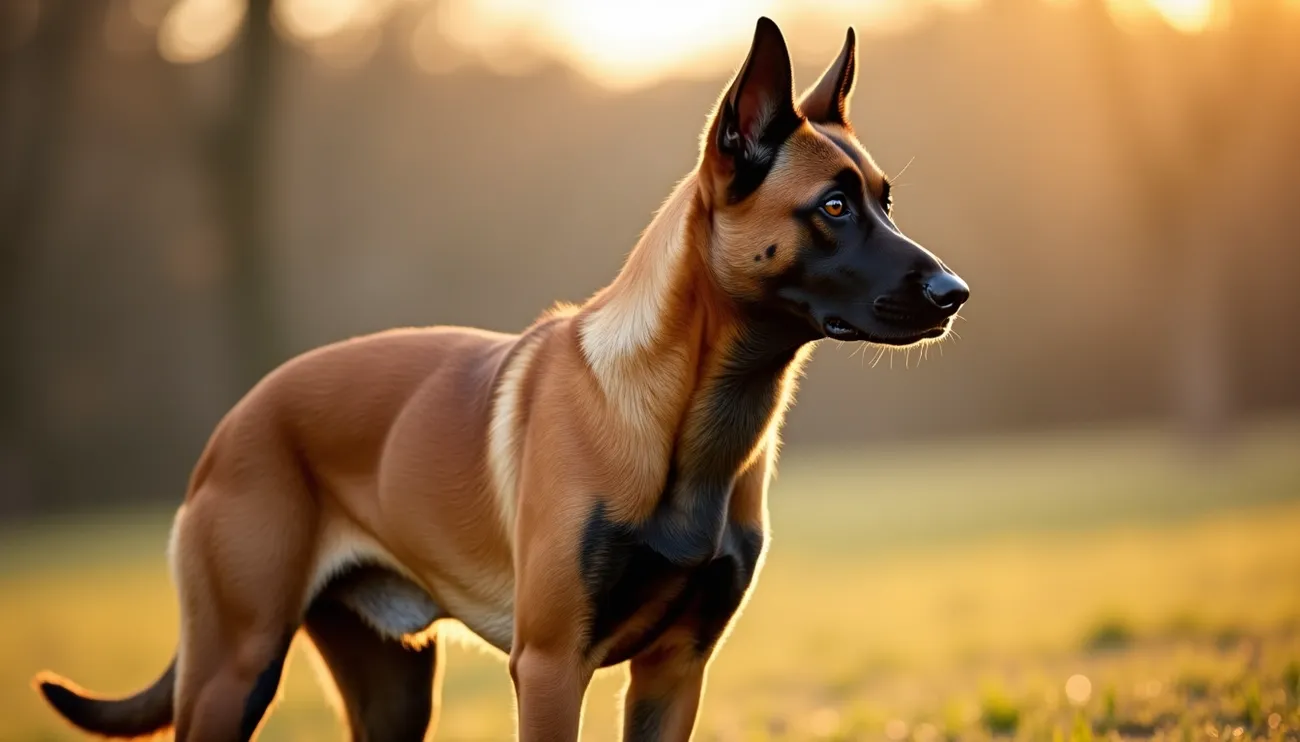 Belgian Malinois dogs are not your typical couch potatoes. These confident, intelligent, and hardworking dogs rank among the finest breeds around. They just need an active lifestyle with regular mental challenges. Their heritage traces back to the Belgian Shepherd family, which evolved from shepherd dogs across Western Europe. These athletic dogs have built quite a reputation as exceptional working companions.
The Belgian Malinois, nicknamed “Mal” in the United States, boasts a strong, muscular build with distinct features. Males typically stand 24–26 inches tall and weigh 60–80 pounds. Females are a bit smaller at 22–24 inches tall and 40–60 pounds. Their thick coat shows colors from yellowish brown to mahogany with black-tipped hairs. A black mask and ears complete their distinctive look. These dogs excel at work, but new owners should know about their “nervous system like a cold spring.” Your home might suffer damage if they don’t get enough stimulation.
A Belgian Malinois’s lifespan typically reaches 14-16 years. This means a long-term commitment beyond managing their high energy levels. The breed arrived in the United States in 1911 and earned American Kennel Club recognition in 1959. These remarkable dogs thrive best with experienced pet parents who can provide solid training, proper socialization, and plenty of activity.
History and Origin of the Belgian Malinois
The Belgian Malinois comes from the city of Malines (Mechelen in Dutch) in northwestern Belgium, where breeders developed it in the late 19th century. This remarkable working dog emerged as European and Belgian breeders aimed to create dogs with regional identities. They valued structure and trainability while setting up distinct coat types and colors.
From Belgian shepherd roots to modern breed
The Belgian Malinois is part of a larger Belgian Shepherds family that came from the same herding dog type as other Western European breeds like the Bouvier des Ardennes, Dutch Shepherd, and German Shepherd. Belgian farmers valued these dogs as herders and livestock guardians because of their exceptional work ethic.
The Belgian Shepherd breed almost went extinct by the 1890s. Professor Adolphe Reul of the Cureghem Veterinary School stepped in and formed the Club de Chien Berger Belge in 1891. Reul’s team did a field survey and gathered 117 specimens to standardize the type.
They found something fascinating – dogs varied greatly in form because breeders focused on working ability rather than looks for centuries. The team classified them as one breed but split them into varieties based on coat type and color:
Groenendael: Long-haired black
Tervuren: Long-haired fawn
Laekenois: Rough-coated yellowish brown
Malinois: Short-haired fawn with a black mask
Breeders around Malines developed the Malinois for its agility, stamina, and keen herding instincts – traits that proved valuable in many working roles later. The Malinois became so prominent in Belgium that people called other varieties “other-than-Malinois” for a while.
Role in World Wars and police work
The Malinois adapted quickly as industrialization reduced the need for herding dogs in the early 20th century. Police and military forces noticed their intelligence and trainability.
Belgian Malinois served with distinction throughout World War I as messenger dogs, ambulance assistants, and sentries. These dogs showed incredible courage by delivering critical messages under fire, pulling machine guns, and finding wounded soldiers. Their wartime service brought worldwide attention to this regional breed.
The Malinois’s police work started in Ghent, Belgium. A shortage of police officers led to the first canine training program. German authorities picked up on this and added the Malinois to their police dog program.
New York Police Commissioner took action in the early 1900s. He sent Inspector George R. Wakefield to study the Belgian training program. Wakefield returned with five Belgian sheepdogs to start similar operations in America. The Malinois has become the top choice for military and police work worldwide because of its high energy, trainability, excellent scent detection abilities, and fierce loyalty.
Recognition by kennel clubs
Different countries recognized the Belgian Malinois in their own way. Belgium’s Société Royale Saint-Hubert started registering Belgian Shepherds, including the Malinois, around 1891-1892. The breed got its official standards by 1901.
The Malinois came to America in 1911 with two Malinois and two Belgian Sheepdogs. World War II stopped more imports and caused numbers to drop. The breed ended up in AKC’s Miscellaneous class in 1959 because there weren’t enough registrations and championship competitions.
Numbers grew, and by 1963, the breed moved to the Working Group for championships. The AKC moved it to the new Herding Group in 1983.
A key difference exists in how kennel clubs classify these dogs. The Fédération Cynologique Internationale (FCI) and most European countries see the four Belgian shepherds as varieties of one breed – the Belgian Shepherd. The American Kennel Club treats them as separate breeds, which can create issues for American breeders working with European dogs.
Physical Characteristics and Appearance
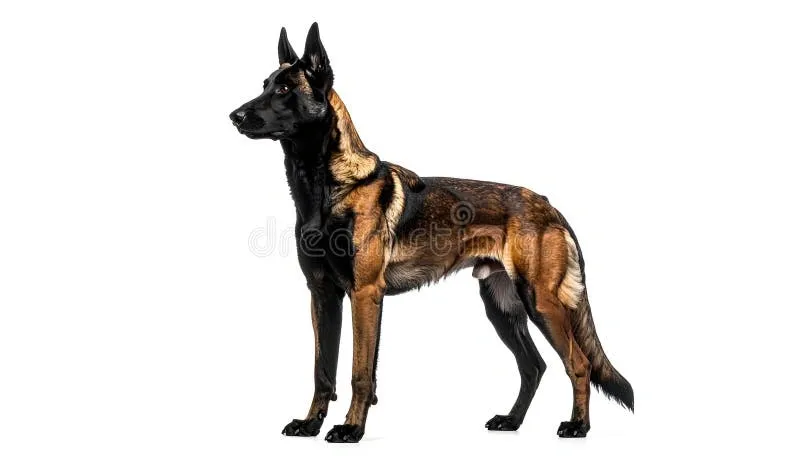
Image Source: Dreamstime.com
The Belgian Malinois has a squared, muscular frame that shows strength yet remains elegant. These dogs have a lean, athletic build that sets them apart from bulkier working breeds. Their physique perfectly matches their exceptional working abilities.
Size and weight standards
Male Belgian Malinois stand tall with an impressive stance. They measure between 24-26 inches at the shoulder and weigh 60-80 pounds. Females have equally good proportions but are smaller, reaching 22-24 inches in height and 40-60 pounds in weight. The breed’s medium size features a deep chest, strong back, and parallel legs that create a balanced outline showing both strength and grace.
A Malinois reaches adult size around one year. They grow fast until 11 months, when they reach 90% of their adult weight. Males grow bigger than females, with genetics playing the key role in their final size.
The breed’s body structure makes them great athletes. They have narrower, finer bones than other shepherd dogs, which makes them look strong yet graceful. Their chest curves smoothly into the abdomen from the side view, creating a streamlined shape that suits their working role.
Coat type and color variations
These dogs have a short, straight double coat that feels hard when touched – perfect for weather protection. A dense undercoat keeps them protected while maintaining their sleek look. The fur is shortest on their head, ears, and lower legs. They have slightly longer fur around the neck that forms a distinctive collarette, plus extra length on the tail and back thighs.
The AKC recognizes five standard coat colors: fawn, fawn sable, mahogany, red, and red sable. Fawn appears most often, ranging from light tan to rich café latte. Mahogany dogs show a deeper reddish-brown coat that can look almost black in certain light. Red coats offer a lighter option than mahogany, varying from light to deeper red shades.
Sable patterns give the coat more texture because each hair is lighter at the base and darker at the tip. Both fawn sable and red sable types show this unique pattern that adds depth to their appearance.
Black Belgian Malinois and other markings
The standard Malinois has a black mask covering its muzzle and surrounding its eyes, plus black-tipped ears. This mask highlights their bright, questioning eyes, which usually show a rich dark brown color like Belgian chocolate.
Black Belgian Malinois are rare but real. These dogs are black from nose to tail, sometimes with a small white chest patch. Black Malinois often have lighter eyes than their standard-colored relatives. International kennel clubs see solid black as a fault in breed standards. Yet working line breeders who care more about performance than looks sometimes produce black puppies.
Other colors include brindle (tiger-like stripes), cream (pale off-white), gray (sometimes called blue), and liver (a dilute color affecting the whole body including paw pads and nose). The AKC lists these as non-standard colors – dogs can be registered but can’t compete in conformation events.
Small white marks might appear on the toes or breastbone, but breed standards say these shouldn’t reach the neck. Each Belgian Malinois shows its own mix of colors and markings while keeping the breed’s athletic build and alert expression.
Temperament and Personality Traits
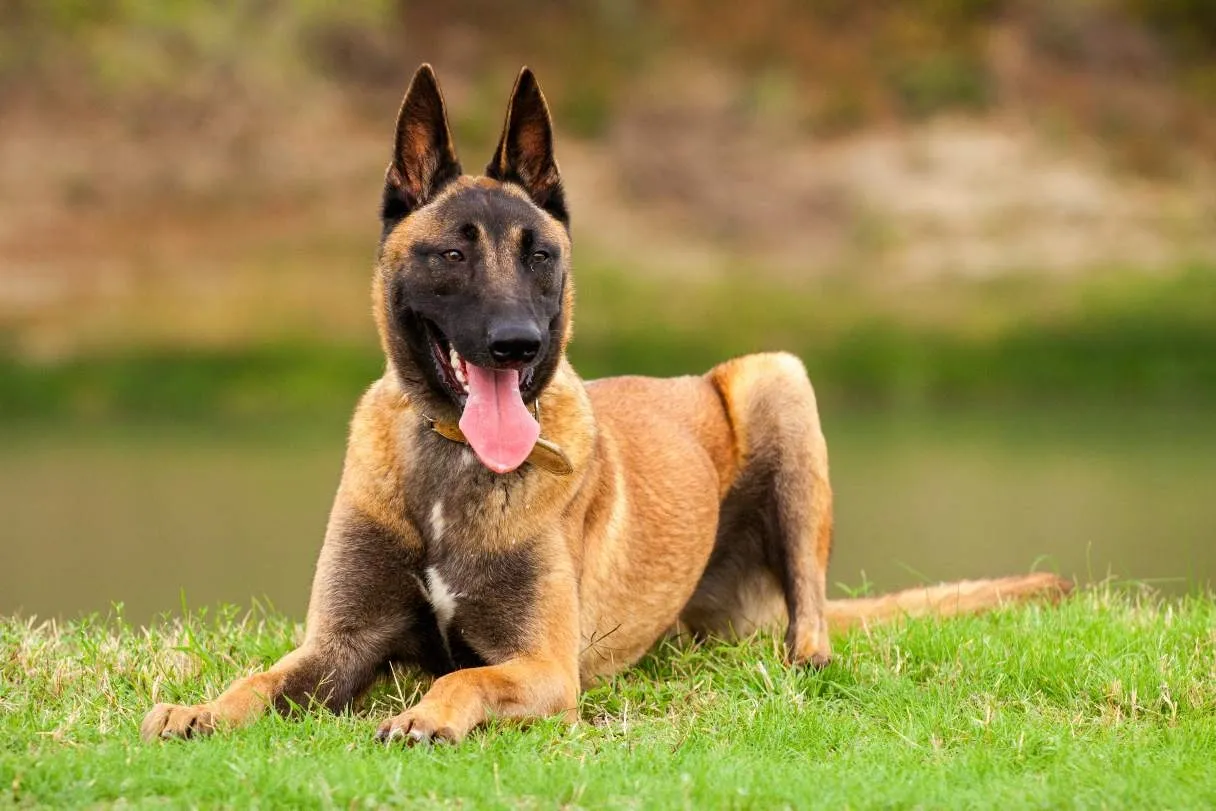
Image Source: CareCredit
The Belgian Malinois shows remarkable physical abilities and a complex temperament that combines several unique personality traits. These dogs blend intense loyalty with boundless energy. Owners need to understand their nature for these dogs to thrive in a family setting.
Loyalty and protectiveness
The Belgian Malinois builds unbreakable bonds with their owners that last a lifetime. Their loyalty shows through exceptional devotion. These dogs want to spend every moment with their human companions and become distressed when left alone too long.
This breed stands out as one of the most protective dogs you can find. The Belgian Malinois uses its intelligence, stamina, and strong work ethic to protect their families. These qualities make them the top choice for elite security forces, including the U.S. Secret Service and military K9 units.
Their watchfulness and territorial instincts make them outstanding guard dogs. A well-trained Malinois can tell the difference between welcome guests and real threats. Their intense stare and commanding presence often scare away intruders without any physical contact.
Interaction with children and other pets
Belgian Malinois can build positive relationships with children through proper training and socialization. These dogs create deep bonds with family members and show gentleness with kids after training. In spite of that, their herding instincts might lead them to chase or nip at children’s heels—behaviors that need careful management.
Note that Belgian Malinois work better with older children who follow rules consistently. Families should be extra careful with toddlers since the breed’s herding behaviors can appear without warning. Parents must watch all interactions between young children and Malinois dogs. They should set clear boundaries and make sure the dog gets enough exercise.
These dogs don’t always get along with other dogs naturally. Their strong prey drive might make them chase smaller animals. Early socialization becomes crucial here. Malinois can live peacefully with other pets when properly introduced or raised together. They build strong connections with dogs they live or work with often.
Alertness and playfulness
The Belgian Malinois stays aware of everything around them. Their alertness helps them respond to threats quickly and shows in their focus during training and play. On top of that, these dogs learn commands and routines fast when trained consistently.
A playful side balances their serious working nature. Malinois become great adventure partners for active families who love hiking, jogging, or backyard games. They tackle challenges that test both mind and body with the same dedication they bring to work.
These dogs need a clear purpose. Without specific roles or tasks, they might become restless or develop behavior issues. The Belgian Malinois needs mental and physical challenges. They require 60-90 minutes of structured activity each day to stay balanced. They fit best with active owners who can give them regular attention.
The Belgian Malinois has a complex nature. They’re more than just pets – they’re smart working partners who create deep family bonds while keeping their protective instincts and playful spirit.
Training and Intelligence
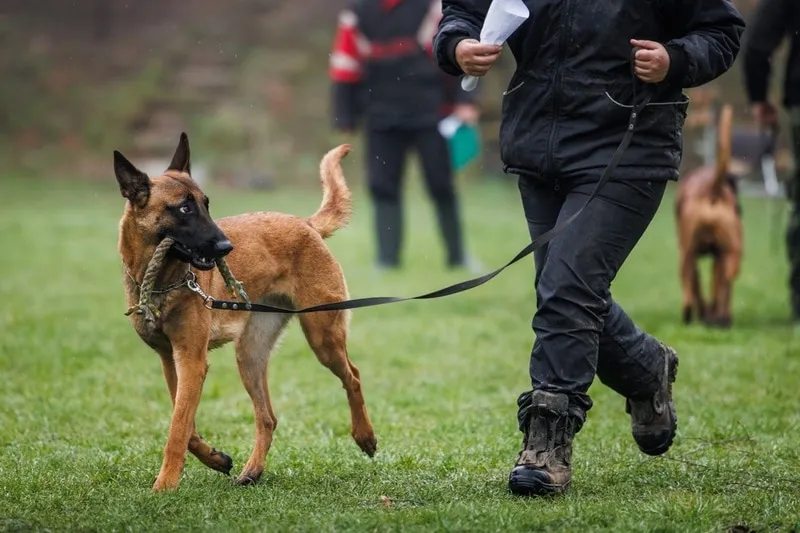
Image Source: Dogster
Intelligence is the life-blood of what makes the Belgian Malinois an outstanding working partner and a challenging companion. The University of Helsinki’s studies have declared them the most intelligent dog breed. They topped testing in both human gesture understanding and problem-solving tasks. Their exceptional cognitive abilities rank them among the world’s smartest canines, making them highly sought after for specialized roles.
Why they are easy to train but hard to manage
Belgian Malinois dogs have a unique mix of extreme intelligence and intense drive that creates an interesting training paradox. They learn commands so quickly that they often outpace their owners. Their eagerness to please builds a great foundation for obedience work.
This same intelligence, paired with boundless energy, creates challenges that catch many owners off guard. These dogs just need more than simple training—they must have a job. Without structured tasks that use their cognitive abilities, they’ll redirect their problem-solving skills into unwanted behaviors like digging, chewing, or destroying things.
One expert warns that keeping an untrained Malinois “could be a recipe for disaster”. A fenced yard isn’t enough – these dogs become frustrated without proper mental and physical outlets. Their sharp minds need constant stimulation, which makes them a poor fit for people wanting a low-maintenance pet.
Mental stimulation needs
A Belgian Malinois needs daily mental challenges that match their physical exercise requirements. Complex tasks that test their problem-solving skills help these dogs thrive. Boredom often leads to behavioral issues.
Here are some effective mental enrichment activities:
Puzzle toys with hidden treats that make the dog work and think for rewards
Name recognition games where the dog identifies specific toys on command
“Hot and cold” search games that use vocal tones to guide the dog toward hidden items
Bottle treat dispensers that require manipulation to access rewards
These dogs need at least 40 minutes of daily exercise with their owner, though many experts suggest 2-3 hours split between physical and mental activities. Short, frequent training sessions work best—puppies start with 10 minutes and gradually build up to 30-60 minutes as they grow.
Common training mistakes to avoid
The biggest problem in Malinois training comes from inconsistency. Their intelligence requires clear expectations and boundaries. Changing rules or commands creates confusion and you lose control. Patient, consistent training builds trust and mutual respect.
Skipping early socialization is another serious mistake. These dogs need exposure to different environments, people, and animals between 8-16 weeks old. Without it, they might become wary or reactive to new situations. Their high prey drive makes this socialization extra important to manage potential chasing of small animals or children.
Many owners make the mistake of using harsh corrections for challenging behaviors. Malinois dogs respond poorly to punishment-based methods. These sensitive animals develop issues when faced with negative reinforcement. Treats, toys, or praise get much better results and deepen their commitment to their handler.
The quickest way to success is working with a professional trainer who knows the breed’s specific needs, especially during crucial puppy development.
Exercise and Activity Requirements
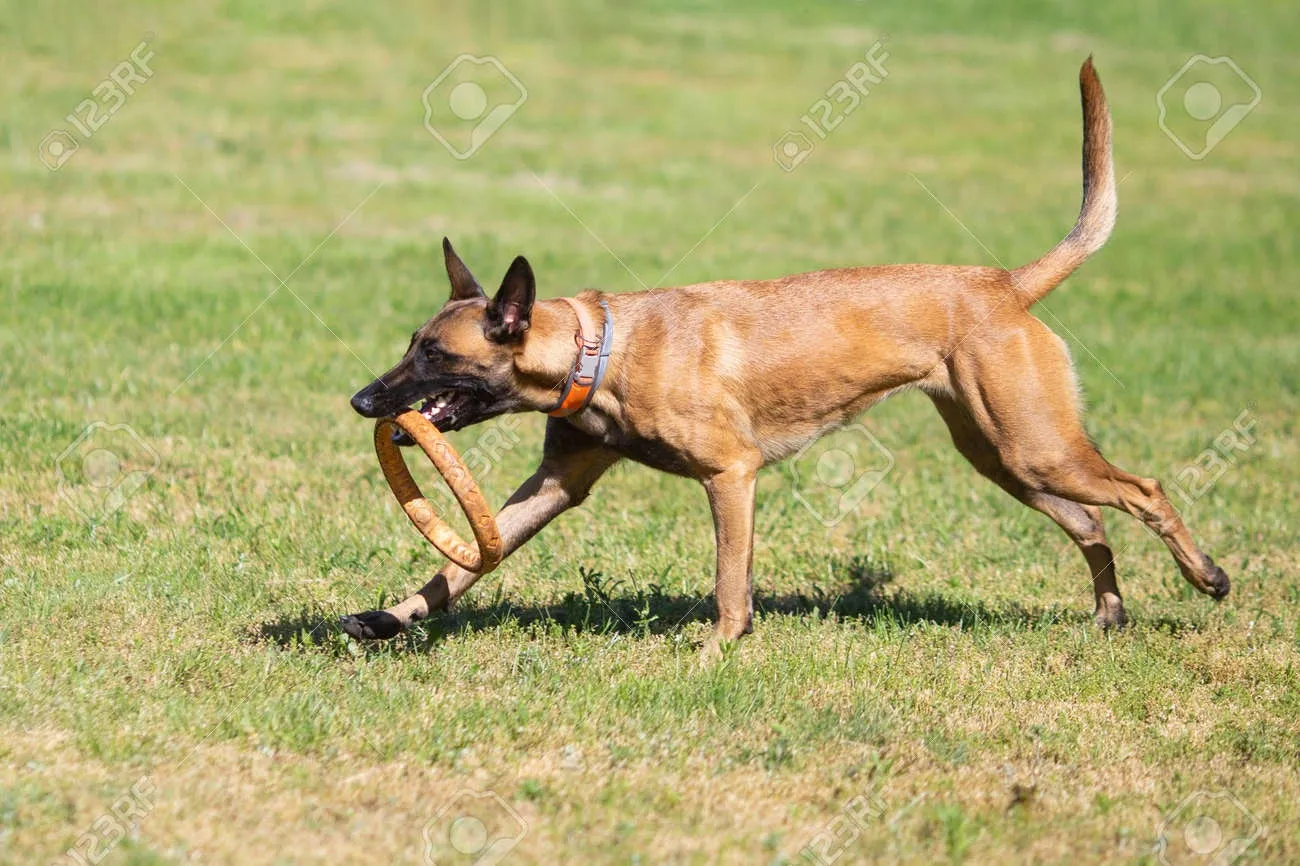
Image Source: 123RF
Belgian Malinois dogs need way more exercise than other breeds – something you should really think about before getting one. These high-drive working dogs just need tons of physical activity to stay mentally and physically healthy.
Daily physical needs
A Belgian Malinois must get 1-2 hours of vigorous exercise daily at minimum. Many experts suggest 2-3 hours of intense physical activity mixed with mental challenges. Simple daily walks won’t cut it for this energetic breed. Most owners split this into multiple sessions each day. They usually do one longer session (45-60 minutes) in the morning and a shorter one (30-60 minutes) at night.
Puppy and adolescent exercise needs careful monitoring to protect growing joints. You can follow this simple rule: 5 minutes per month of age per session until growth plates close around 12-18 months. Older Malinois do better with modified routines that focus on low-impact activities like swimming while keeping their minds active.
Best activities for Malinois dogs
Your Belgian Malinois will thrive on a mix of cardio workouts and brain games:
Aerobic exercise – Long runs (up to five miles), brisk hikes, or bikejoring give them the intense workout they crave
Structured training – Agility courses, tracking exercises, herding activities, and obedience drills work both body and mind
Mental stimulation – Scent detection games, advanced obedience work, puzzle toys, and problem-solving tasks often wear them out faster than pure exercise
A good weekly schedule has 3-5 high-intensity workouts (sprinting/fetch sessions), daily brisk walks with sniffing time, daily training sessions, and one big outing like a long hike or field work session. Quality beats quantity – focused activities with handler interaction work better than passive exercise.
Signs of under-stimulation
Belgian Malinois develop problem behaviors when they don’t get enough exercise. Watch out for:
Destructive tendencies – Chewing furniture, rugs, curtains, personal items, doors, or window frames
Property damage – Breaking windows or digging holes throughout the yard
Behavioral issues – Excessive barking, hyperactivity, and restlessness
Anxiety symptoms – Restlessness, pacing, and other signs of mental distress
Dogs that don’t get enough stimulation become anxious and start destroying things, which affects both your home and the dog’s wellbeing. A well-exercised Belgian Malinois stays calmer at home, focuses better during training, and rarely develops behavior problems. Proper exercise isn’t optional for this breed – they need it to function and stay happy.
Grooming and Shedding
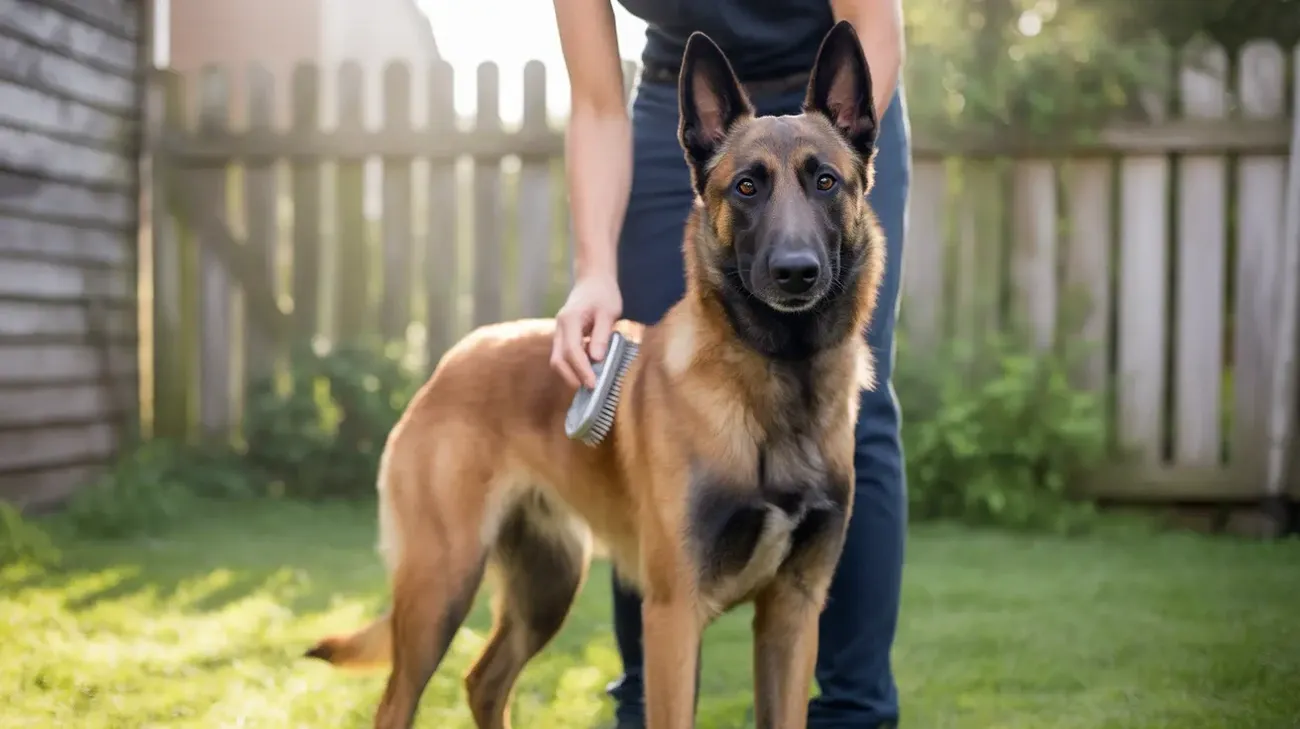
Image Source: PetsCare.com
Belgian Malinois dogs have a short, dense double coat that’s one of the easiest things about owning this energetic breed. Their coat stays healthy with basic care, which is refreshing compared to how much exercise and training they need.
Do Belgian Malinois shed?
Belgian Malinois do shed. Their shedding stays moderate compared to other working breeds. These dogs have a double coat – a short, weather-resistant outer layer with a softer, dense undercoat that helps control their body temperature. Most of the year, you’ll see a manageable amount of fur in your home – a few hairs on clothes or furniture, but nothing too crazy.
The real fun starts when Belgian Malinois “blow their coat” twice a year, usually in spring and fall as their bodies get ready for weather changes. This natural process takes about 2-3 weeks. Many owners see what they call “tumbleweeds” of fur rolling around their homes during this time. You’ll notice much more loose hair as your dog sheds the old undercoat to make room for new growth.
Brushing and coat care tips
Regular brushing is the life-blood of keeping a Malinois coat in good shape. Your Belgian Malinois needs brushing at least once a week with a medium-bristle brush, rubber grooming mitt, or hound glove. This routine removes loose fur and helps new hair grow while spreading natural skin oils through the coat.
A long-bristle slicker brush and comb work great to prevent tangles. Undercoat rakes and deshedding tools are a great way to get rid of excess undercoat without hurting the protective outer layer. A quick spray of conditioner helps prevent pulling and makes the coat shine.
These dogs don’t need many baths – once every month or two does the job. Too much bathing can strip away their natural protective oils. Their short, waterproof coat stays pretty clean between baths.
Managing seasonal shedding
Your Malinois needs daily brushing during heavy shedding season. Brushing outside helps keep fur from spreading all over your house. A good de-shedding tool becomes your best friend during these times.
Adding omega-3 fatty acids to their diet might help with coat health and reduce heavy shedding. Some owners love using vacuum-assisted grooming tools that suck up loose fur while they brush.
A complete grooming routine includes regular nail trims every month and checking ears often for any signs of irritation. This approach will keep your Belgian Malinois comfortable and healthy all year.
Health and Lifespan
Belgian Malinois owners need to learn about their dog’s health profile to provide the best care possible. Just like other purebred dogs, these breeds can inherit certain health conditions that need careful monitoring and management.
Common health issues
Belgian Malinois are healthy dogs overall, but they can develop several breed-specific conditions. Hip and elbow dysplasia stands out as one of the most common orthopedic problems. These conditions cause joints to develop incorrectly and lead to arthritis, mobility issues, and severe pain. Dogs might struggle to get up, avoid exercise, or walk differently.
These dogs can inherit progressive retinal atrophy (PRA), which gradually damages their vision until they become blind. Cataracts pose another risk to their eyes by making the lens cloudy. Surgery might help fix this problem.
Their neurological health deserves attention too. Epilepsy shows up often in this breed, usually starting when dogs are between 6 months and 5 years old. Many Malinois also develop hypothyroidism, which affects their metabolism. You might notice weight gain, low energy, and coat issues.
The breed faces other health risks too. These include bloat (gastric dilatation and volvulus), allergies, and hemangiosarcoma – an aggressive cancer that attacks blood vessels.
Expected lifespan
A Belgian Malinois can live 10-14 years. Good care, proper nutrition, and preventive health measures help them reach their full lifespan potential. Their longevity depends on genetics, diet, exercise, and proactive health management.
Preventive care and vet checkups
Your Malinois puppy needs several vet visits in their first year. The original vaccination schedule starts at 6-8 weeks, with follow-ups at 10-12 weeks and 14-16 weeks. As they grow older, twice-yearly wellness checks become vital to catch potential health issues early.
Vets recommend these steps for the best health outcomes:
Regular vaccinations and parasite prevention
Annual blood screening to detect conditions like hypothyroidism early
Regular joint health monitoring, which matters a lot for these active dogs
Dental care to avoid tooth loss and related health problems
Weight management plays a vital role since extra pounds can worsen joint problems and create new health risks. Belgian Malinois can stay active and healthy well into their later years with proper care and quick response to health changes.
Cost and Ownership Considerations
Getting a Belgian Malinois requires careful financial planning and dedication to meet their intense exercise and training requirements.
Belgian Malinois price and cost of care
A purebred Belgian Malinois with AKC-registered parents costs between INR 168,760.90–INR 295,331.58. The price changes based on the dog’s lineage, location, and training level. You can choose adoption as a more affordable option, which costs between INR 4,219.02–INR 42,190.23.
Your monthly expenses will include premium food (INR 1,096.95–INR 2,193.89), regular grooming (INR 4,219.02–INR 8,438.05 per session), and yearly vet care (INR 16,454.19–INR 43,034.03). You’ll need to buy essentials like beds, crates, and toys (INR 18,141.80–INR 72,145.29), get microchipping (INR 2,109.51–INR 4,219.02), and complete initial vaccines (INR 6,328.53–INR 8,438.05). The lifetime cost of a Belgian Malinois can reach approximately INR 2,350,417.46.
Belgian Malinois dog price in India
Belgian Malinois puppies in India cost between INR 50,000–INR 100,000. Quality breeders provide health certificates and immunization records. Your monthly maintenance costs range from INR 3,550 for standard care to INR 5,400 for premium care.
Is this breed right for your lifestyle?
Before you commit, ask yourself if you can provide:
Daily intense physical exercise
Investment in professional training
Mental stimulation and tasks
Proper living space (they don’t do well in apartments)
Regular companionship (not ideal if you’re away often)
You and your dog will face serious difficulties if these needs aren’t met.
Conclusion
Belgian Malinois dogs stand out as one of the most remarkable working breeds accessible to more people today. Their exceptional intelligence, steadfast dedication, and athletic capabilities make them outstanding partners for the right owners. The right owners must think over whether they can meet the substantial needs this breed requires.
These dogs excel with proper structure, consistent training, and abundant physical activity. Most Malinois’s daily routine includes 1-2 hours of vigorous exercise plus mental challenges that test their problem-solving abilities. The best-intentioned owners may witness destructive behaviors as these intelligent animals create their own outlets for pent-up energy without adequate stimulation.
Future owners must assess their lifestyle before bringing a Belgian Malinois home. The breed doesn’t suit apartment living, households with very young children, or owners who work long hours away from home. Responsible owners see these factors not as deterrents but as key considerations that ensure both dog and human happiness.
Properly trained and exercised Malinois reward their owners with unmatched devotion, protection, and working capabilities. Their moderate grooming needs provide one area of lower maintenance compared to their extensive training requirements. Good health and a 10-14 year lifespan mean many years of companionship with appropriate care.
Nobody should choose a Belgian Malinois based on their impressive appearance alone. These extraordinary dogs deserve owners who value their working heritage and commit fully to meeting their unique needs. Owners who provide the time, training, and activity these magnificent animals require will find out why the Malinois ranks among the most respected working breeds worldwide.
Key Takeaways
Belgian Malinois are exceptional working dogs that demand experienced ownership and active lifestyles to thrive as companions.
• High-energy commitment required: These dogs need 1-2 hours of vigorous daily exercise plus mental stimulation – unsuitable for casual pet owners or apartment living.
• Intelligence creates training paradox: While extremely smart and trainable, their problem-solving abilities become destructive without proper mental challenges and structured tasks.
• Protective yet family-oriented: Form unbreakable bonds with owners and excel as guard dogs, but require early socialization with children and other pets.
• Moderate maintenance, major commitment: Despite easy grooming needs and 10-14 year lifespan, ownership costs can reach ₹23+ lakhs lifetime due to training and care requirements.
• Professional training essential: Their intense drive and intelligence demand consistent, positive reinforcement training from experienced handlers to prevent behavioral issues.
The Belgian Malinois rewards dedicated owners with unmatched loyalty and working capability, but only thrives with owners who fully understand and commit to meeting their substantial physical, mental, and training needs.
FAQs
Q1. Is a Belgian Malinois suitable as a family pet? Belgian Malinois can be good family dogs with proper training and socialization. They form strong bonds with family members and can be gentle with children when raised properly. However, they require experienced handlers, extensive exercise, and mental stimulation. They’re best suited for active families with older children who can respect the dog’s boundaries.
Q2. How much exercise does a Belgian Malinois need daily? Belgian Malinois require a significant amount of daily exercise – typically 1-2 hours of vigorous activity. This should include high-intensity workouts like long runs, fast-paced hikes, or structured training sessions. Mental stimulation through tasks and puzzles is equally important to keep them balanced and prevent destructive behaviors.
Q3. Are Belgian Malinois difficult to train? Belgian Malinois are highly intelligent and eager to please, making them relatively easy to train. However, their intelligence and high energy can make them challenging to manage. They require consistent, positive reinforcement training and clear boundaries. Without proper mental stimulation and structured tasks, their problem-solving abilities can lead to unwanted behaviors.
Q4. Do Belgian Malinois shed a lot? Belgian Malinois are moderate shedders year-round, with heavier shedding periods twice a year during seasonal changes. Regular brushing (at least once a week, daily during heavy shedding seasons) helps manage loose fur. Their short coat is relatively low-maintenance compared to some other breeds, requiring only occasional baths.
Q5. What are the main health concerns for Belgian Malinois? While generally healthy, Belgian Malinois can be prone to certain conditions including hip and elbow dysplasia, progressive retinal atrophy, and epilepsy. They may also develop hypothyroidism and are at risk for bloat. Regular veterinary check-ups, proper diet, and maintaining a healthy weight are important for their overall health and longevity.