
Beagle Dog Breed Information: Characteristics, Behavior, Temperament, Lifespan, Weight

Beagles fascinate dog lovers worldwide with their friendly, curious, and sociable nature. The American Kennel Club officially recognized these medium-sized canines in 1885. They stand between 33-41 cm tall and typically weigh 9-11 kg. Their distinctive baying sets them apart – a high-pitched howl that emerges when they’re excited or following a scent.
These intelligent dogs live 12-15 years and make perfect companions for families and individuals. A Beagle’s keen sense of smell makes it an exceptional scent hound. The breed needs at least 60 minutes of daily exercise, usually split between one or two sessions to stay healthy and happy.
Beagles have a gentle and loving nature, but they can develop certain health issues. Common problems include obesity, ear infections, allergies, and joint issues. Current and future Beagle owners should understand their pet’s specific needs to provide the best care throughout their companion’s life.
[table “1” not found /]Beagle Dog Breed Overview
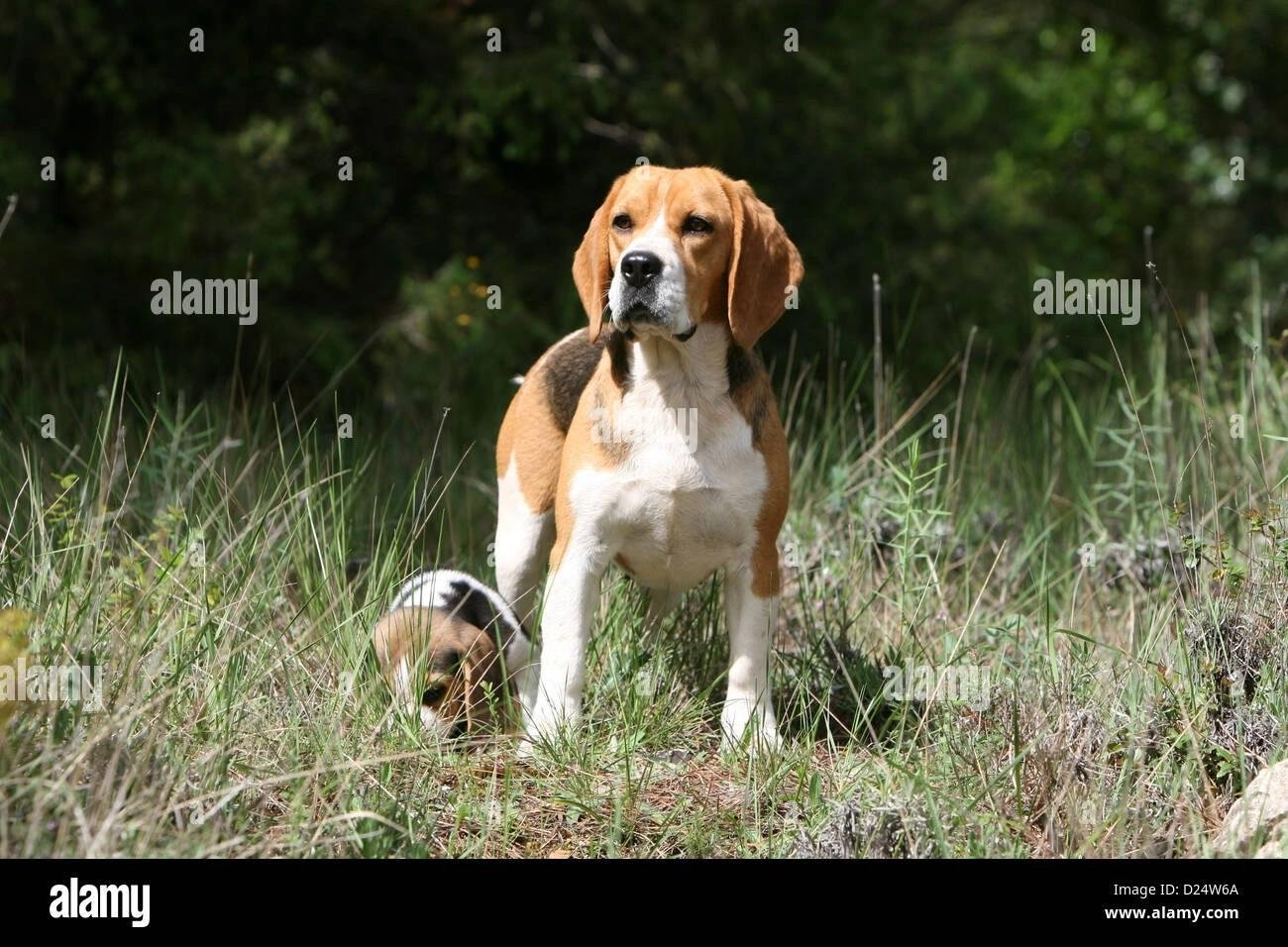
Image Source: Alamy
Beagles rank among the world’s most recognizable and cherished dog breeds. These sturdy little dogs combine an amazing sense of smell with a friendly personality and distinctive looks, thanks to their scent hound heritage.
Origin and history of the Beagle
Beagles boast a rich history that spans centuries. Modern Beagles trace their ancestry to the Talbot Hounds [link_1] that William the Conqueror brought to Britain in the 11th century. The name “Beagle” made its first appearance in English literature in 1475, and these dogs became so popular that both Chaucer and Shakespeare mentioned them in their works.
These remarkable dogs came in different sizes throughout history. Queen Elizabeth I adored tiny “pocket beagles” that stood just nine inches tall. People called them “singing beagles” or “glove beagles” because they could fit on an outstretched hand. Hunters would carry these miniature companions in saddlebags and release them to chase prey through underbrush after larger hounds had driven it to ground.
The modern breed traces its roots to a Beagle pack that Reverend Phillip Honeywood started in Essex during the 1830s. North Country Beagles, Southern Hounds, and likely Harriers all contributed to the Beagle’s lineage. Beagle-type dogs appeared in America before the Civil War, but the breed didn’t gain official recognition until the 1880s. A dog named Blunder became the first AKC-registered Beagle in 1885.
Beagle dog characteristics and physical traits
AKC standards recognize two size varieties of Beagles: those under 13 inches at the shoulder and those between 13-15 inches. The Kennel Club (UK) prefers a height range between 33-40 cm (approximately 13-16 inches). Adult Beagles typically weigh between 18-35 pounds, with females running smaller than males.
These compact hounds showcase:
- A slightly domed skull with a medium-length, square-cut muzzle
- Large, expressive brown or hazel eyes with a mild, pleading look
- Long, soft, low-set ears that turn toward the cheeks and round at the tips
- A black (occasionally liver) nose with broad nostrils
- Strong jaw with teeth that scissor together perfectly
- A muscular, solid body that appears “big for its inches”
Beagles display quality without coarseness in their physical appearance. Their deep chest, straight back, and moderately long tail carried high make them perfect scent hounds. These features give them stamina and determination when tracking prey – especially rabbits and hares.
Common coat colors and markings
Beagles have a smooth, dense double coat that grows thicker in winter, leading to heavy shedding in spring. The AKC accepts 25 color combinations from these standard colors: black, tan, white, brown, lemon, red, and blue.
Tricolor Beagles (black, tan, and white) dominate the breed, but you’ll also find:
- Black and white
- Tan and white
- Lemon (very light tan) and white
- Red (reddish-brown) and white
- Blue (diluted black), tan, and white
- Chocolate/brown, white, and tan
Most tricolor Beagle puppies start life mostly black and white. Their tan markings develop and spread as they grow older. A white-tipped tail stands out as a distinctive Beagle trait in breed standards.
Beagles can also show ticking (small spots in white areas) and pied patterns. The FCI and KC allow solid white Beagles, though they rarely occur. Show rings disqualify both merle and brindle color patterns.
These versatile hunting companions have kept their distinctive looks while winning hearts worldwide with their friendly nature and handsome appearance.
Beagle Temperament and Personality

Image Source: Daily Paws
Beagles are famous for their happy nature and unique personality that makes them wonderful family pets. These dogs combine a cheerful spirit with natural curiosity to create companions that bring joy and entertainment to their families.
Beagle temperament with family and kids
Beagle’s sweet and gentle nature makes them perfect family dogs. They create deep bonds with their humans and show amazing patience with children of all ages. Kids love these happy-go-lucky dogs that match their energy in play yet stay gentle enough for safe interaction.
Breed enthusiasts often call these dogs “merry” as proof of their constant joy. A Beagle’s loving personality stays strong throughout life, though they might slow down a bit as they age. Their steady temperament and reliable kindness make them excellent family companions.
These dogs watch over young children without aggression, which parents really appreciate. The balance between their protective instincts and playful spirit creates an ideal match for families looking for a trustworthy friend for their children.
Behavior with other pets and strangers
Beagles fit well in homes with multiple pets, especially other dogs. Their pack animal heritage from hunting in groups means they enjoy having canine friends around. But their hunting instincts need careful management around smaller pets:
- Their prey drive might kick in with hamsters, rabbits, and sometimes cats
- Early socialization helps them learn how to behave with non-dog pets
- The right introduction methods reduce possible problems
Strangers quickly become friends in a Beagle’s world. These dogs make poor guard dogs because they’re just too friendly. Their social nature means they see everyone as a potential buddy. Visitors usually get an excited welcome instead of suspicious barks.
Common personality traits of Beagles
Beagles blend several distinct traits into their unique character. Their bred-in nose-following instincts make them naturally curious. This curiosity combines with their smarts to turn them into clever escape artists who find creative ways out of yards or into food storage areas.
These dogs need at least an hour of daily exercise to stay content and avoid destructive behavior. Beagles also have a distinctive voice – that famous “bay” or howl that helped hunters find them in fields.
Smart as they are, Beagles can be stubborn during training. Harsh methods don’t work, but they thrive on patience and positive reinforcement. Food motivates them well, so training during meals works great.
These pack animals need companionship to thrive. Long periods alone can cause separation anxiety. Beagles feel happiest when they’re part of family activities – from watching TV to running errands together.
Their loving nature and playful spirit create perfect companions for families ready to give them exercise, mental challenges, and plenty of attention these amazing hounds need.
Beagle Lifespan and Growth Stages

Image Source: Dreamstime.com
Beagles experience distinct growth stages throughout their lives, from cute puppies to dignified seniors. Dog owners need to learn about these stages to give their Beagles the best care possible as they grow from playful puppies into mature companions.
Average Beagle lifespan
Beagles are among the longer-lived dog breeds. They usually live 12 to 15 years, and many thrive well into their mid-teens. Their actual lifespan depends on several key factors.
Good care and nutrition can help your Beagle live longer. Weight management is especially important. Overweight dogs often develop arthritis, diabetes, cardiovascular problems, and other chronic diseases that could shorten their lives.
Regular vet visits are the foundation of a long, healthy life. Your vet can spot potential health issues early through annual checkups, vaccinations, and preventive treatments. Blood work becomes more important around age 7, when vets often recommend “Senior Profile” lab tests to check for hidden health problems.
Puppy to adult development timeline
Beagle puppies go through amazing changes as they grow:
- Birth to 7 weeks: Baby teeth appear by 6-7 weeks
- 8-12 weeks: Puppies learn social skills and usually join their new families
- 3-4 months: Adult teeth start growing and replace baby teeth
- 6 months: Adult teeth finish growing; house training shows good progress
- 6-7 months: Puberty starts, bringing behavior changes and some stubbornness
- 8 months: Male Beagles reach their full height
- 10 months: Most Beagles stop growing taller but might still gain weight
- 12-18 months: Females reach their ideal adult size
- 18 months: Males achieve their adult weight, usually 20-25 pounds
Beagles take about 18 months to become physically mature. Parents should watch these growth milestones to catch any health issues early. Puppies need special puppy food until they’re about 10 months old, then they can switch to adult dog food.
Senior Beagle care considerations
Beagles usually become seniors around age 7, though many keep their playful spirit until they’re eight or nine. Their metabolism slows down with age, needing 20% fewer calories. Less activity means they need another 10-20% fewer calories.
Senior Beagles show several age-related changes:
Their fur turns gray, especially around the muzzle and eyes. You might notice thinner coats, dental problems, and sometimes arthritis. They find it harder to handle hot and cold temperatures. Some lose hearing or develop a bluish haze in their eyes (lenticular sclerosis).
Older Beagles need special diets with enough fiber to prevent constipation while avoiding weight gain. Orthopedic beds help their aging joints rest better. Gentle exercise through daily walks lasting 30-45 minutes helps maintain muscle and heart health.
Mental activities and regular interaction help senior Beagles stay sharp. Quality time with your aging dog lets you notice the difference between normal aging and possible health issues. Your senior Beagle can enjoy happy golden years with the right care and attention to their changing needs.
Beagle Weight and Size Explained
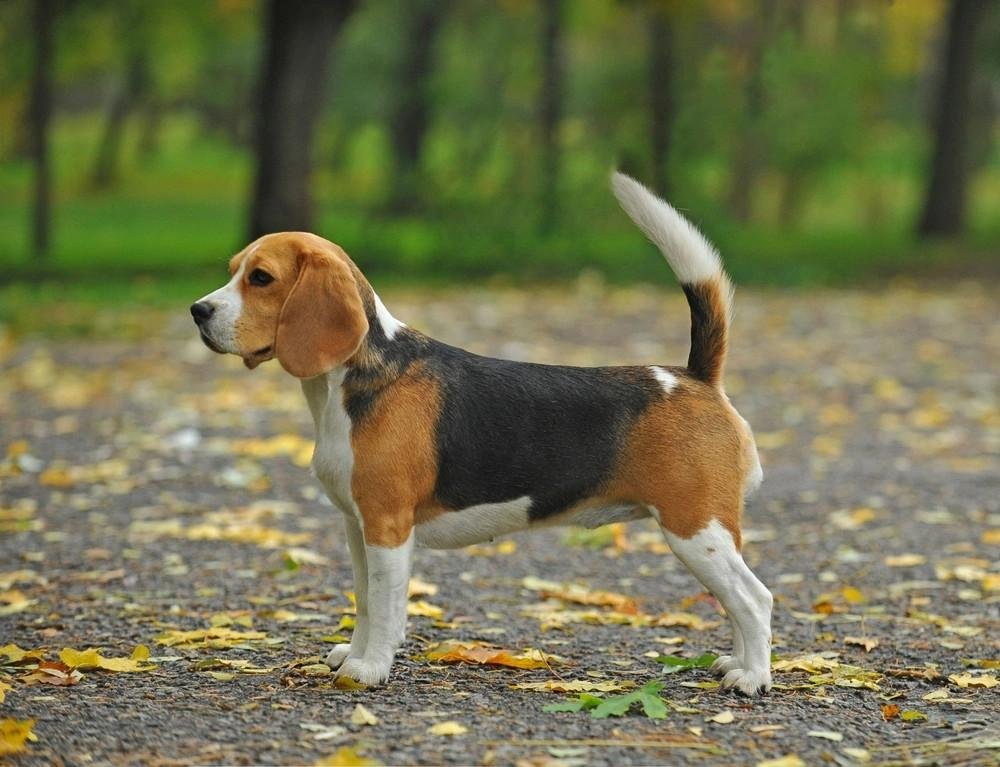
Image Source: Dogster
A Beagle’s size and weight play a vital role in keeping them healthy throughout their life. These scent hounds have a compact yet sturdy build that makes them perfect for families looking for a medium-sized companion – not too small, not too large.
Weight range for full grown Beagle dog
Kennel clubs worldwide recognize two size varieties of Beagles. The smaller ones (under 13 inches tall) should weigh between 16-22 pounds. Their larger cousins (13-15 inches tall) typically tip the scales at 20-30 pounds.
Male Beagles usually weigh 22-25 pounds (10-11.3 kg), while females are a bit lighter at 20-23 pounds (9.1-10.4 kg). The American Kennel Club’s guidelines state that Beagles 13 inches or shorter should weigh less than 20 pounds. Dogs between 13-15 inches should stay between 20-30 pounds.
Beagles reach their adult weight between 12-18 months:
- Female Beagles hit their ideal adult weight by 12-18 months
- Male Beagles might need up to 18 months to reach full adult weight
Healthy adult Beagles can show some weight variation. The magic number to remember is 30 pounds – no healthy Beagle should weigh more than this. Extra weight often points to obesity, which can bring serious health issues.
Height and body structure
The American Kennel Club splits Beagles into two height groups: those under 13 inches at the shoulder and those between 13-15 inches. British standards differ slightly – the UK’s Kennel Club prefers heights between 33-40 cm (about 13-16 inches).
People often say Beagles are “big for their inches”. These dogs pack quite a bit of muscle on their small frame, with a deep chest, straight back, and a high-carried tail that usually sports a white tip.
A Beagle’s body features:
- A muscular, solid frame that isn’t coarse
- Straight front legs that sit right under the body
- Strong, well-bent back legs with muscular thighs
- A deep chest that lets them breathe well during long runs
- A square muzzle paired with a slightly domed skull
This hardy build comes from their hunting dog heritage, giving them the strength and stamina to track prey for hours.
Factors affecting Beagle weight
Your Beagle’s size and weight depend on several things. Genetics leads the pack – smaller parents usually have smaller puppies, while bigger parents tend to produce larger offspring.
Male Beagles grow slightly bigger and heavier than females. The difference isn’t huge, but it’s consistent across the breed.
Food and nutrition shape a Beagle’s weight throughout its life. These dogs love to eat – ask any Beagle owner about their pet’s endless appetite. Mix this with their amazing nose, and you’ve got a dog that will find and eat anything edible within reach.
Exercise makes a big difference in a Beagle’s body shape. These dogs gain weight quickly without enough physical activity. Regular exercise keeps their muscles toned and helps avoid problems like heart disease, cancer, and diabetes.
Health issues can throw off a Beagle’s weight. Hypothyroidism, which often shows up in Beagles, can mess with their metabolism. Early spaying or neutering might also change how they grow, sometimes making them a bit taller than usual.
Here’s a quick way to check if your Beagle’s weight is right: run your hands along their sides. If you see the ribs without touching, they’re too thin. If you can feel each rib under the fur but not see them, that’s perfect. If you struggle to feel the ribs, your Beagle might need to lose some weight.
Grooming Needs and Maintenance

Image Source: Dogster
Beagles need less grooming effort than many other breeds. Regular grooming helps keep them healthy and comfortable. Their short, dense double coat shields them well but needs consistent care to stay in good shape.
Brushing and coat care
Beagles have a smooth, dense double coat that gets thicker in winter. Spring becomes a heavy shedding season. These dogs shed moderately throughout the year even with their short fur. You need consistent grooming to handle the loose hair.
A weekly brush with a medium-bristle brush, rubber grooming mitt, or hound glove removes loose hair. This stimulates blood flow to the skin and helps new hair growth. The brushing spreads natural body oils through the coat and keeps it healthy and shiny. You can also check for unusual lumps, bumps, or parasites during these sessions.
Your Beagle needs more frequent brushing – about 2-3 times weekly during heavy shedding seasons in spring and fall. De-shedding tools work great during these times when the undercoat sheds heavily.
Bathing frequency and tips
Beagles love outdoor adventures but only need baths every 4-6 weeks. Their waterproof coat naturally repels dirt and debris. They often look cleaner than they really are.
Monthly baths provide these benefits:
- Remove accumulated body oils
- Loosen dead fur
- Prevent dry skin issues
- Clean away dirt and debris
Dog-specific, pH-balanced shampoo works best for your Beagle—human products can harm their skin. Make sure their coat dries completely after baths to avoid bacterial and fungal infections. Shampoos with oatmeal and aloe vera are perfect for Beagles that have sensitive skin.
Ear, nail, and dental hygiene
Your Beagle’s floppy ears need extra care because they can get infected easily. The ear shape creates a warm, dark space where bacteria grow well. Clean their ears every 2-3 weeks using a vet-approved cleaner and cotton pads. Weekly cleaning might help Beagles that get frequent ear infections.
Trim your dog’s nails every 5-6 weeks to prevent discomfort and walking problems. Nail grinders often work better than clippers because they reduce the risk of cutting the quick—the sensitive vein inside the nail.
Dental care plays a vital role in your Beagle’s health. Brush their teeth 2-3 times weekly with dog toothpaste to stop plaque and tartar buildup. Dental chews help but shouldn’t replace brushing.
Regular grooming sessions help maintain your Beagle’s appearance. These sessions create bonding time and let you spot potential health issues early.
Health and Wellness Tips for Beagles
Your Beagle’s health depends on regular monitoring. These lovable hounds can live happily for 10-15 years with the right care and attention to their health needs.
Common health issues in Beagle dogs
Beagles have several breed-specific health challenges you should watch for:
Those cute floppy ears make Beagles prone to ear infections. The dark, moist environment creates perfect conditions for bacteria and yeast growth. Your dog might shake their head, scratch their ears, or you might notice redness and bad smells.
These dogs love to eat and their amazing sense of smell helps them find food everywhere. This makes them prone to weight gain. You should check their weight regularly – if you can’t feel their ribs easily, your Beagle probably needs to lose some weight.
Other conditions to watch for include:
- Epilepsy causes seizures that usually start when Beagles are 2-5 years old
- Hypothyroidism affects older Beagles and leads to tiredness, weight gain, and coat changes
- Cherry eye shows up as red swelling in the eye’s corner (prolapsed gland in the third eyelid)
- Hip dysplasia affects how they move and feel comfortable, especially in overweight dogs
Preventive care and vaccinations
Your Beagle needs core vaccinations between 6-8 weeks old. These include distemper, parvovirus, adenovirus, and rabies. Adult Beagles need booster shots every 1-3 years based on the vaccine type and local rules.
Good preventive care includes:
Monthly heartworm prevention is essential since no vaccine exists for this mosquito-spread disease. Good tick control helps prevent Lyme disease and other tick-related illnesses.
Your Beagle needs regular vet checkups. Research shows 18.7% of dog owners skip yearly visits because their dogs look healthy. These wellness checks find hidden diseases before symptoms appear and let vets treat problems early when treatments work best.
Diet and exercise for long-term health
Good nutrition keeps Beagles healthy. They do well on high-quality commercial foods that meet AAFCO standards. Measure their food carefully and feed them 2-3 times daily instead of leaving food out all day to prevent obesity.
Older Beagles (over 7) need about 20% fewer calories as their metabolism slows. Less activity means they need 10-20% less food.
Beagles need lots of exercise throughout their lives – at least 60 minutes daily. Split this into two sessions. Regular exercise prevents weight gain and keeps their heart and muscles strong.
Older Beagles still need moderate activity. Slower walks for 30-45 minutes daily work well. This balanced mix of diet and exercise helps keep your Beagle healthy and happy throughout their life.
Training and Behavior Management
Beagles blend their sharp intelligence with a determined personality. This combination makes training both rewarding and challenging, especially since these dogs follow their nose above all else.
House training and crate training
A Beagle’s house training demands both consistency and patience. Your dog needs a specific outdoor spot to relieve themselves. The family should agree on simple command phrases like “go potty” or “get busy.” Take your pup outside right after they wake up, 20 minutes after meals, and based on their age (every 2 hours for a 2-month-old, every 3 hours for a 3-month-old).
Crate training gives your Beagle security and prevents accidents at home. Make the crate a welcoming space by scattering treats inside. Start by closing the door briefly while offering treats, then extend these periods slowly. The crate should stay a happy place, so never use it as punishment.
Leash training and recall
Your Beagle needs short, focused leash training sessions with positive reinforcement early. Their incredible sense of smell leads to distractions, but premium treats help bring their attention back during walks.
Recall training should start in quiet areas before you add distance and distractions. Call your Beagle with excitement in your voice. Avoid scolding them for slow responses since this creates negative associations with coming back to you.
Dealing with barking and howling
Beagles express themselves through barks and howls—this comes from instinct rather than bad behavior. Yelling might trigger more noise, so teach the “quiet” command instead. Start by training “speak” on command, then reward quiet moments with treats. Sound-triggered howling responds well to desensitization through gradual exposure to soft recorded noises.
Mental stimulation and scent games
These scent hounds excel at nose-based activities. Scatter treats around your house or yard and encourage your dog to “find it”. Food puzzles, snuffle mats, and scent trails provide excellent mental challenges. These activities often tire them out more than physical exercise. Just 5-15 minutes of daily training can mentally stimulate your Beagle effectively.
Beagle Dog Price in India and Buying Guide

Image Source: PetIndiaOnline.com
Getting a Beagle requires careful financial planning. The prices vary substantially across India due to several factors.
Beagle dog price in India by city
Beagle prices are different depending on the city:
- Mumbai: ₹30,000-₹80,000
- Bangalore: ₹28,000-₹50,000
- Chennai: ₹28,000-₹50,000
- Kolkata: ₹25,000-₹45,000
- Pune: ₹26,000-₹48,000
- Hyderabad: ₹27,000-₹50,000
Urban areas generally have higher prices because the demand is greater.
Beagle puppy price vs adult dog
Reputable breeders charge between ₹25,000-₹80,000 for puppies, while premium bloodlines can cost up to ₹1,20,000. Adult Beagles come at lower prices, which drop even more for older dogs.
Where to buy or adopt Beagle dogs
Adoption is a budget-friendly option with fees between ₹8,000-₹15,000. These fees typically cover vaccinations, spaying/neutering, basic health check-ups, and sometimes microchipping.
Reputable breeders provide health guarantees and ongoing support but charge more.
Tips to choose a reputable breeder
Here’s what you should do to find a good breeder:
- Visit facilities and meet puppies with their mother
- Be ready to answer questions about your lifestyle and family
- Ask for health certifications and pedigree documentation
- Stay away from pet shops and puppy mills
- Choose breeders who focus on puppy socialization
The total cost of owning a Beagle can range from ₹5,00,000-₹7,00,000. This includes food, veterinary care, and training expenses.
Pros and Cons of Owning a Beagle
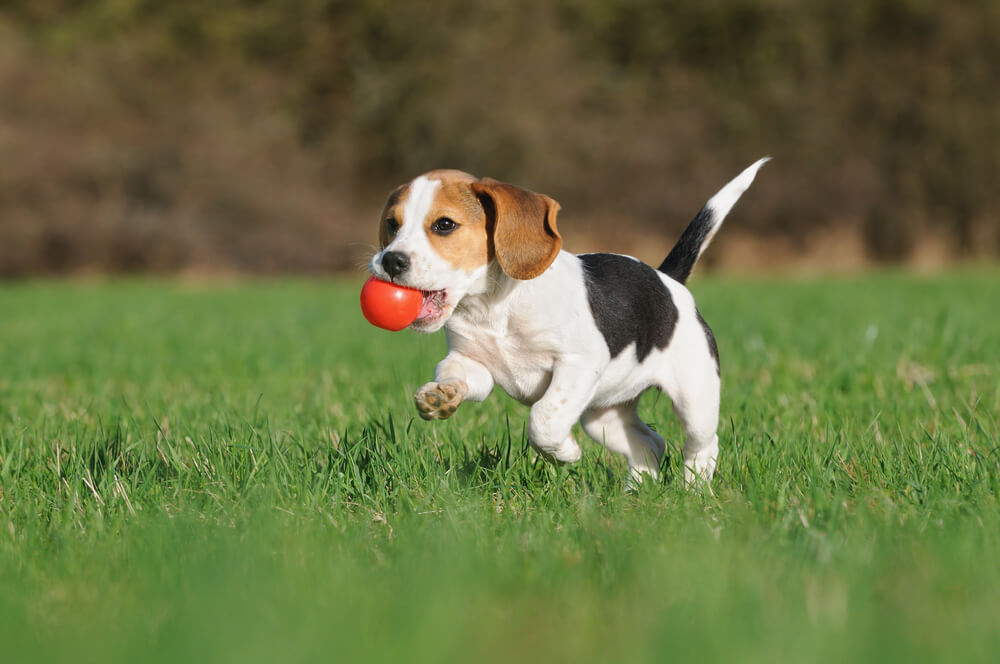
Image Source: Ollie Blog
A Beagle brings both delightful qualities and unique challenges to your home. Future owners should think over both the benefits and responsibilities before welcoming this popular breed into their family.
Advantages of having a Beagle
Beagles are very loyal and easygoing dogs that are happy to please their owners. Their cheerful, relaxed nature makes them perfect additions to almost any family. Here’s what makes them special:
- They consistently rank among the top 5 breeds for families with children
- Their friendly personality helps them bond with humans and other dogs alike
- These smart dogs respond well to food-motivated training
- Their short coat needs minimal grooming compared to other breeds
- Their medium size lets them adapt to different living spaces
- These dogs show amazing patience and can handle rough play well
Challenges and things to think about
Beagles have their lovable traits, but they come with specific challenges that new owners should know about:
- These dogs chase scents with determination and often ignore commands, which makes off-leash walks almost impossible
- Their voice box works overtime with barking, baying, and howling that might not sit well with neighbors
- Though friendly, they show stubborn streaks that make training a real challenge
- A daily hour of exercise keeps them from developing destructive behaviors
- Their floppy ears need regular cleaning to prevent bacteria from growing
- Food control is crucial as they’ll eat non-stop rather than know when to stop
- Long periods alone can trigger separation anxiety in these social dogs
New dog owners should weigh these factors carefully before choosing this otherwise amazing companion.
Conclusion
Beagles have earned their place among favorite dog breeds with their friendly nature, manageable size, and lovable looks. These delightful hounds become devoted family members who can brighten homes for 12-15 years with proper care. Their distinctive tricolor coats and bright eyes make them easy to spot anywhere, and their playful spirit brings endless joy to families.
These dogs need less maintenance than many breeds, but they still depend on regular care. A weekly brush keeps their short coat in good shape, and their ears need cleaning to avoid infections due to their floppy nature. Their strong hunting instincts mean they need secure fences and leashed walks to keep them from chasing after interesting scents.
Physical activity plays a vital role in a Beagle’s well-being. These energetic dogs need at least 60 minutes of daily exercise to prevent destructive behavior and weight issues. Scent games help keep their sharp minds engaged and happy.
Anyone looking to welcome a Beagle should think over the good and challenging aspects. These friendly, loving dogs fit perfectly into families, especially those with children. Their stubborn side, occasional howling, and tendency to follow their nose can test your patience during training. New dog owners might face some hurdles but will find the experience rewarding.
Beagles need human connection and don’t do well when left alone too long. Families who want a medium-sized, happy dog that adapts well to different homes will love Beagles—as long as they can handle the exercise requirements and occasional barking sessions.
A Beagle from rescue groups or trusted breeders becomes a loyal, fun-loving family member. Their cheerful nature and heartwarming personality make them perfect companions for owners ready to meet their needs throughout their long, joy-filled lives.
Key Takeaways
Beagles are medium-sized, family-friendly dogs with distinctive characteristics that make them excellent companions for the right owners. Here are the essential insights every potential Beagle owner should know:
• Beagles are ideal family dogs – Their gentle, patient temperament makes them perfect with children, while their 12-15 year lifespan provides long-term companionship.
• They require significant daily exercise – At least 60 minutes of physical activity prevents destructive behaviors and maintains their health and happiness.
• Their scent-driven nature creates training challenges – Strong hunting instincts make them prone to following scents and ignoring commands, requiring patient, consistent training.
• Regular grooming prevents health issues – Weekly brushing and frequent ear cleaning (every 2-3 weeks) are essential due to their shedding coat and infection-prone floppy ears.
• Weight management is crucial – Beagles have insatiable appetites and are prone to obesity, which can lead to serious health complications like diabetes and joint problems.
Beagles combine loyalty, intelligence, and affection with some unique challenges. Their vocal nature, stubborn streak, and need for companionship make them best suited for active families who can provide consistent exercise, training, and attention throughout their lives.
Beagle Dog Breed Information Video
FAQs
Q1. What is the typical temperament of a Beagle? Beagles are known for their friendly, curious, and merry disposition. They are generally good-natured, patient with children, and get along well with other dogs. However, they can also be stubborn and easily distracted by scents, which can make training challenging.
Q2. How long do Beagles typically live? The average lifespan of a Beagle is 12 to 15 years. With proper care, nutrition, and regular veterinary check-ups, many Beagles can live well into their mid-teens.
Q3. Are Beagles considered high-maintenance dogs? While Beagles require consistent care, they are not as high-maintenance as some other breeds. Their short coat needs weekly brushing, and their ears require regular cleaning. However, they are generally healthy dogs with relatively simple grooming needs compared to long-haired breeds.
Q4. How much exercise does a Beagle need? Beagles are energetic dogs that require at least 60 minutes of daily exercise. This should ideally be split into two sessions and can include walks, playtime, and scent-based activities. Regular exercise is crucial for preventing obesity and destructive behaviors.
Q5. What are some common health issues in Beagles? Common health concerns for Beagles include ear infections due to their floppy ears, obesity from their strong food drive, and conditions like hip dysplasia and hypothyroidism. Regular vet check-ups and maintaining a healthy weight are important for preventing and managing these issues.