
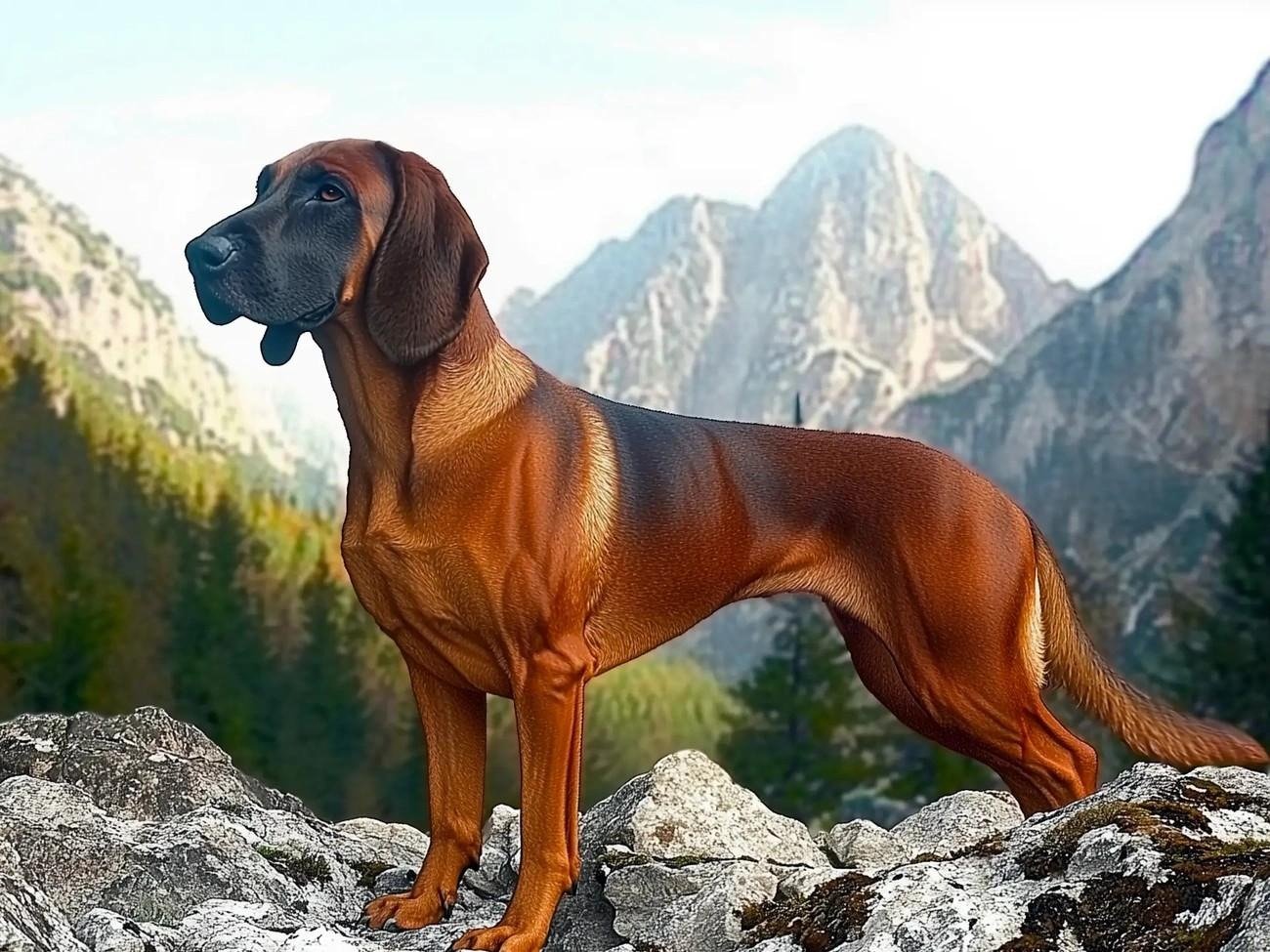
The Bavarian Mountain Scent Hound brings together muscular build and medium size in a hunting dog with deep German roots from the 1870s. Adult males reach 47-52cm while females measure 44-48cm, with their weight ranging from 20-25kg at maturity. This breed’s journey to recognition took time as it accepted into the American Kennel Club Foundation Stock Service until 2016, which explains why many dog lovers might not know about it.
These hounds possess a balanced and relaxed temperament despite their hunting heritage. They build deep connections with their owners but stay naturally reserved with strangers. Their short coat showcases rich colors like brown, red with a black mask, and stag red that may include a black mask. Their strong and muscular physique suits an active lifestyle, and their smart nature combined with eagerness makes training straightforward.
Breed Origin and History
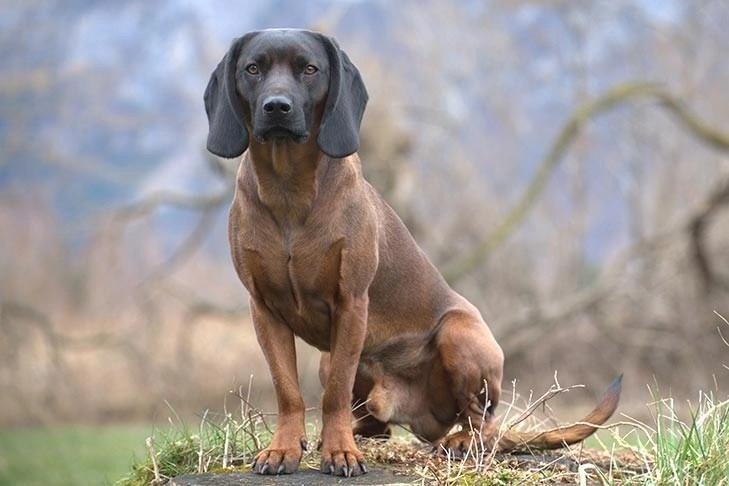
Image Source: American Kennel Club
The Bavarian Mountain Scent Hound’s story began in southeastern Germany, specifically Bavaria, during the 19th century. These dogs emerged when hunters needed a solution for the challenging mountain terrains of southern Germany.
Where the Bavarian Mountain Scent Hound comes from
German breeders developed the Bavarian Mountain Scent Hound (Bayerischer Gebirgsschweisshund in German) in Bavaria. The breed took shape during the 19th century when breeders carefully mixed several hunting dogs. They created this hunting companion by combining the Hanover Hound with the Tyrolean Hound and other hunting breeds. Some experts suggest the Bavarian Hound also contributed to the breed’s genetics.
Breeders had a straightforward yet challenging goal – they wanted a hunting dog that could work effectively in mountain environments where bigger, heavier breeds struggled. They needed an agile, lighter version of traditional tracking hounds that could traverse steep slopes and rough terrain easily.
Why it was bred and its original purpose
Hunters created the Bavarian Mountain Scent Hound to track wounded game in mountainous terrain. Professional hunters and gamekeepers needed a specialized dog that could follow blood trails of injured animals through difficult landscapes.
The breed stands out because of these exceptional tracking abilities:
- A remarkable “cold nose” that can follow old scent trails
- Knowing how to distinguish between injured game and other animals of the same species
- Expert skills at following blood trails over long distances and challenging terrain
We used these dogs to track wounded big game like deer and boar. Their agility, stamina, and strength made them perfect partners for mountain hunters. Breeders thought over every detail to create a hunting dog with excellent scenting ability and physical adaptability to mountain environments.
Recognition by kennel clubs
The breed’s 19th-century roots led to official recognition much later. The founding of the ‘Klub für Bayrische Gebirgsschweißhunde’ (Club for Bavarian Mountain Hound) happened in Munich in 1912. This milestone started the breed’s formal recognition journey.
The breed’s popularity grew beyond Germany into neighboring Austria and Hungary. Major kennel clubs recognized the breed in this order:
- The Fédération Cynologique Internationale (FCI) gave official recognition in 1959
- The United Kennel Club (UKC) added the breed on January 1, 1996
- The American Kennel Club (AKC) included the breed in its Foundation Stock Service in 2016
This recognition helped maintain the breed’s standards and working qualities. Professional hunters and gamekeepers in Bavaria exclusively used these dogs at first. The breed became known outside professional hunting circles as more kennel clubs recognized it.
Today, despite international recognition, the Bavarian Mountain Scent Hound remains a working breed rather than a companion dog. Hunters value these dogs’ specialized abilities, especially in mountainous regions where their unique mix of tracking skill and agility proves invaluable.
Physical Characteristics and Appearance
The Bavarian Mountain Scent Hound stands out with its perfectly balanced frame that works great for both endurance and agility. These dogs show off specialized tracking abilities through their distinctive physical traits. Their muscular build combines strength with amazing mobility to guide them through mountain terrain.
Height and weight range
Male and female Bavarian Mountain Scent Hounds differ noticeably in size. Adult males look more commanding as they stand taller at 47 to 52 cm (18.5 to 20.5 inches) at the shoulder. The females are a bit smaller and measure between 44 to 48 cm (17 to 19 inches) in height.
These hounds typically weigh between 20 to 30 kg (37 to 66 pounds). Males tip the scales at 44 to 66 pounds, while females stay lighter at 37 to 55 pounds. Their weight matches their muscular build perfectly. This lets them work long hours on rough terrain without losing their agility.
The dog’s body shows excellent proportions. Its frame stretches slightly longer than its height. This rectangular shape and slightly raised rump help these dogs move smoothly on different types of terrain.
Coat type and color variations
A short, dense coat lies flat against the Bavarian Mountain Scent Hound’s body. The coat feels different depending on where you touch it – finer around the head and ears but rougher and longer on the belly, legs, and tail. This practical coat protects them from harsh weather and needs minimal grooming.
These dogs come in several colors:
- Deep red to deer red, which many call the classic look
- Reddish brown and various tan shades
- Fawn to biscuit colors in lighter-coated dogs
- Brindle patterns in some dogs
Most Bavarian Mountain Scent Hounds have darker coloring on their back and muzzle. Some dogs sport a black mask on their face or show a small white patch on their chest. These colors helped them blend into their surroundings while hunting.
Distinctive features of the breed
The Bavarian Mountain Scent Hound’s unique features make it easy to spot. Its strong, elongated head with a slightly domed skull gives off an intelligent look. A pronounced stop and gently curved nosebridge create its signature profile.
Dark brown, medium-sized eyes reveal the dog’s sharp intelligence and amazing tracking skills. High-set ears complement this look. These ears, medium in length and broader at the base with rounded tips, hang heavily against the head – a typical scent hound trait.
The chest runs long and moderately wide with a slight tuck-up. This design gives them plenty of lung capacity – crucial for maintaining stamina during work. Strong, straight legs packed with muscle help them tackle tough terrain.
The tail sits high, reaches medium length, and usually hangs to the hock. These dogs carry their tails level with the ground or pointing down while moving, never curled over their backs.
The breed’s most impressive physical trait ties directly to its hunting purpose – an exceptional “cold nose” tracking ability. This special feature lets them follow scent trails that are hours or even days old, setting them apart from other tracking breeds.
The Bavarian Mountain Scent Hound’s physical makeup strikes a perfect balance between strength and agility. Every aspect of its appearance serves a purpose in tracking wounded game through mountain terrain.
Temperament and Behavior Traits
Bavarian Mountain Scent Hounds are more than just skilled hunters. Their unique personality traits make them special companions. These dogs blend working intelligence with deep loyalty, creating a complex personality that new owners need to understand.
Loyalty and bonding with owners
The Bavarian Mountain Scent Hound’s most defining trait is their exceptional loyalty. These dogs build incredibly strong bonds with their owners and show steadfast dedication. They usually pick one person in the family as their favorite – often the one who trains them – but stay loving toward everyone else.
These dogs run on human companionship. Their bond is so strong that they’ll follow their owners from room to room and love being part of family activities instead of staying alone. This social nature means they don’t do well in kennels.
Future owners should know these hounds can get anxious if left alone too long. Their strong attachment means they’re happiest in homes where someone stays around most of the time.
Interaction with strangers and other pets
These hounds tend to be cautious around people they don’t know. They’re not timid or aggressive with strangers. Instead, they stay calm and confident during new encounters.
With other animals, you’ll find they:
- Play nicely with dogs their size
- Need watching around tiny dogs
- Must learn to live with cats and small pets through training
- Have strong hunting instincts
Early socialization is vital for this breed. Dogs that don’t meet different people and animals as puppies might develop problems later. Their hunting background means they need good fences – they’ll chase interesting scents whatever stands in their way.
Common behavioral tendencies
These dogs show some clear behavior patterns. We noticed they’re smart and want to please, which makes training easier, even though they can be stubborn sometimes. Positive reinforcement and consistent training work best.
Mental exercise tops their list of needs. Smart dogs get bored without enough challenges, which leads to:
- Tearing up the house
- Too much barking
- Feeling down or unhappy
Yes, it is true that owners say these dogs love to “talk”. They’re not constant barkers but use their voices to get their point across.
These dogs stay active and need plenty of daily exercise for both body and mind. They love solving problems and games that make them think.
At home, they show their gentle side, especially with kids who know how to treat dogs right. Their protective nature makes them great family dogs in the right setting. Apartments aren’t ideal for them because they need space to exercise and tend to be vocal.
The Bavarian Mountain Scent Hound has a calm, balanced, and confident nature. They switch between focused tracking outdoors and gentle affection at home. This mix of work ethic and companionship makes them perfect partners for people who understand what they need.
Exercise and Activity Requirements
The Bavarian Mountain Scent Hound needs lots of physical activity and mental challenges to stay healthy and happy. You should think about these requirements before getting this specialized breed.
Daily physical activity needs
These dogs just need a lot of exercise—usually between 1-2 hours daily. Some might need even more activity, and experts suggest at least 2 hours of exercise daily. A quick run in the yard or short walks won’t cut it for these energetic dogs.
These activities work best for the breed:
- Long walks and hikes on different types of terrain
- Trail running through forests
- Interactive games like fetch
- Tracking and scent activities that use their natural skills
Their hunting background gives them amazing stamina. These dogs become frustrated without proper ways to use their energy. We used these dogs for vigorous outdoor activities, and they work best when they can be with their owner most of the day.
Mental stimulation and enrichment
Brain work is just as vital as physical exercise for this smart breed. The Bavarian Mountain Scent Hound’s intelligence and strong hunting instincts need regular mental challenges.
Research shows these dogs often develop bad habits without enough mental stimulation. They get bored and destructive—they might dig holes, climb fences, or destroy things in your house.
Here’s what works to keep their minds busy:
- Scent games that use their tracking skills
- Puzzle toys for problem-solving
- Training to learn new tricks
- Dog sports like Mantrailing, Agility, or Obedience
Their tracking background makes scent activities extra valuable. Puzzle toys and training help keep them sharp between outdoor adventures. The best results come from mixing daily brain games with physical exercise.
Suitability for apartment or rural living
Bavarian Mountain Scent Hounds need space. Many experts agree these dogs don’t do well in city apartments. Even with lots of exercise, urban living rarely gives them enough room to be themselves.
The countryside offers the perfect setting for this breed. They do best in homes with:
- Big yards with secure fences for exploring
- Easy access to forests and fields
- Room to run and track
Safety is a big concern too. These dogs will follow any interesting scent they find. Good fencing is a must—tall ones work best since these dogs can climb when they’re bored or chasing scents.
Living in an apartment with this breed takes serious dedication. You’d need long daily trips outside, solid training, and total commitment to meeting their exercise and mental needs. Most experts still say country living works much better for these hunting dogs.
Simply put, the Bavarian Mountain Scent Hound makes a great outdoor companion. They fit best with people who spend lots of time outside and can include their dogs in their outdoor activities.
Training and Intelligence
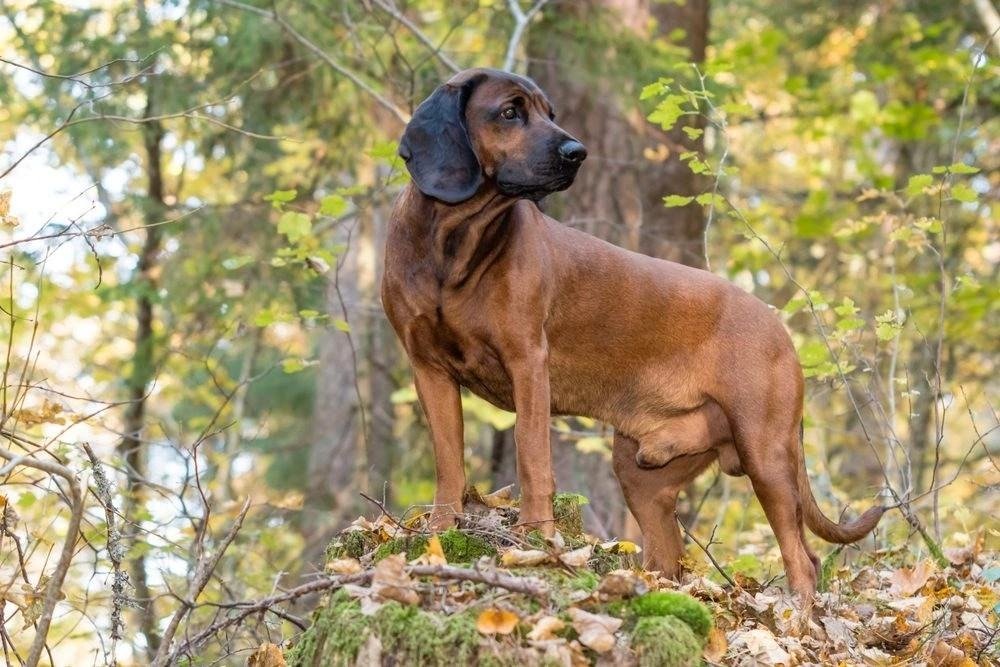
Using the Bavarian Mountain Scent Hound’s intelligence effectively means you must understand their mental capabilities and training needs. These dogs blend sharp intelligence with hunting instincts that shape how they learn.
Ease of training and learning commands
Intelligence runs deep in the Bavarian Mountain Scent Hound’s DNA. These dogs have high mental capacity, so they learn new commands and complex tasks easily. Their curious nature and eagerness to please their owners creates a solid foundation for training.
All the same, their learning aptitude comes with an independent streak that affects how trainable they are. These hounds show specific traits during training:
- Smart but think for themselves
- Learn complex tasks including agility training well
- Love to please their owners, making simple training doable
- Show some stubbornness that needs patience
The breed’s hunting background substantially affects their training progress. Their amazing sense of smell can distract them with interesting scents, which makes recall training tough. Unlike companion breeds, these working dogs were bred to track independently rather than just obey commands.
Best training methods for this breed
Expert sources agree that positive reinforcement works best. Punishment backfires with this sensitive breed. The best training approaches include:
- Consistent, positive reinforcement without punishment
- Starting socialization early builds confidence and social skills
- Step-by-step training that builds skills naturally
- Brain games through interactive play and puzzle toys
Simple command training should focus on sit, stay, lie down, and stand. Training needs to stay fun since these smart dogs get bored with repetitive exercises quickly. Recall training deserves extra attention because they tend to follow scents without thinking twice.
The key to successful training lies in meeting their intelligence needs. These dogs become unhappy without enough mental challenges and might destroy things. Interactive toys, training time, and puzzle games give them the stimulation they need between bigger activities.
Challenges first-time owners may face
The Bavarian Mountain Scent Hound’s mix of intelligence and independence can challenge new dog owners. They might face several hurdles:
These strong-willed dogs test boundaries, so owners must stick to consistent rules. Their amazing scent-tracking ability creates focus problems—they might ignore you when they find an interesting smell. Without enough mental exercise, they get bored fast and might start destroying things.
Getting help from experienced trainers helps, especially at the start. These dogs respond best to structured, purposeful training because of their hunting background. You’ll need patience too—they take time to process information and develop reliable responses.
Behavior problems usually come from not enough stimulation rather than disobedience. One owner said, “in case the dog misbehaves, it is most likely because it was bored”. This shows how important mental and physical activity is—these smart hounds behave well when they get enough stimulation.
These dogs need owners who understand their unique blend of intelligence, independence, and hunting instincts. First-time owners can succeed with enough dedication and the right approach.
Grooming and Maintenance Needs
The Bavarian Mountain Scent Hound’s short, dense coat needs minimal grooming compared to other breeds. These hunting dogs have simple grooming needs that match their working background.
Shedding level and coat care
Bavarian Mountain Scent Hounds shed moderately throughout the year. Hair loss increases during seasonal changes. These dogs lose an average amount of fur but shed more heavily twice a year during their coat changes. Regular brushing manages loose fur and keeps your home cleaner.
Simple brushing guidelines:
- Brush once or twice weekly for basic maintenance
- Step up brushing to three times weekly during shedding seasons
- Weekly brushing removes loose hair and keeps the coat healthy
Their coat grows dense and close to the body with minimal shine. The fur feels softer on their head and ears but becomes rougher and longer on the belly, legs, and tail. This coat structure shields them during hunts while staying easy to maintain.
Note that this breed isn’t hypoallergenic. People with allergies should stick to regular grooming sessions.
Bathing and ear cleaning routines
Your Bavarian Mountain Scent Hound needs baths only when dirty. Too much bathing strips away natural skin oils. Monthly baths work well, though most owners wash their dogs only when they get muddy or smelly. Gentle, dog-safe shampoos help protect the coat.
These dogs need extra attention to their ears. Their droopy ears limit airflow and can lead to infections. Check ears often to stop wax and dirt from building up. Clean them daily with a cotton pad and vet-approved solution. Regular checks matter because the ear shape makes these dogs prone to irritation and infection.
Nail trimming and dental hygiene
Strong nails grow quickly on these dogs and need regular cuts to avoid problems. Long nails can hurt and might split or crack. Trim nails every 3-4 weeks as part of regular grooming.
Good dental care plays a vital role in your dog’s health. Brushing teeth stops dental disease and bad breath. Key dental care tips include:
- Brush teeth several times weekly using dog toothpaste
- Give proper dental chews to supplement brushing
- Visit the vet for professional cleanings as advised
Starting these grooming habits early makes maintenance easier as your puppy grows. Weekly brushing, ear cleaning, nail trimming, and dental care will keep your hunting companion healthy and comfortable. This breed needs less intensive grooming than many others.
Health, Lifespan, and Nutrition
The Bavarian Mountain Scent Hound is a reliable breed that stays healthy. Like all purebred dogs, they face certain health issues that new owners should know about.
Common health issues
These hounds can inherit several conditions that need watching throughout their lives. Hip and elbow dysplasia tops the list of health concerns. These conditions can lead to painful arthritis and make it hard for dogs to move as they age. Here’s what else to watch for:
- Progressive Retinal Atrophy and other eye disorders that affect vision
- Epilepsy that causes unexpected seizures but responds well to medication
- Ear infections because their droopy ears trap moisture and debris
- Chondrodystrophy (CDDY) and Intervertebral Disk Disease (IVDD) risk
Good breeders test their dogs for these conditions through genetic screening to reduce these problems in puppies. Regular vet visits and keeping your dog at a healthy weight help manage these health issues.
Bavarian Mountain Scent Hound lifespan
These dogs live quite long despite potential health concerns. Most sources say they live 10 to 14 years[292], though some narrow it down to 12-14 years. The right care, food, exercise, and regular vet checkups help these dogs live their longest possible life.
Feeding tips and puppy food recommendations
The Bavarian Mountain Scent Hound runs on quality dog food that matches their age and how active they are. Experts point out that many commercial dry foods pack too many carbs that dogs don’t really need. Some owners see better health when they feed raw, natural diets with muscle meat, organ meat, bone, raw fats, and a bit of vegetables.
Your dog’s portions need careful watching since they can put on extra weight quickly. Adult dogs usually need two to three cups of food each day, split into several meals. Training treats work great but use them sparingly to avoid weight gain. A vet’s advice about nutrition is a great way to get the best health results for your specialized breed.
Buying Guide and Price in India
Getting a Bavarian Mountain Scent Hound needs more thought than just finding available puppies. The right price, source, and ethical choices will give a positive experience to both the dog and owner.
Bavarian Mountain Scent Hound price in India
This rare breed’s pricing details are hard to find in India. Reputable breeders charge more than shelters or rescue centers. The adoption fees usually cover the basics – spaying/neutering, vaccinations, and microchipping.
Where to find Bavarian Mountain Scent Hound puppies for sale
These specialized hunting dogs are rare outside Europe, making them hard to find in India. Future owners can:
- Look up international breeder directories with specialized kennels
- Reach out to breed organizations in Poland, Ukraine, and Russia where registered breeders exist
- Work with pet import services to handle paperwork
Choosing a reputable breeder vs adoption
The best choice is to adopt from rescue organizations or shelters. This gives a loving home to a dog that needs one. Buying from a reputable breeder is the next best option.
Good breeders test their dogs for health problems like hip dysplasia and epilepsy. They focus on health and temperament, run health tests, and raise puppies in nurturing spaces.
Stay away from unethical breeding that puts dogs at risk. Good research helps bring home a healthy, happy companion.
Conclusion
The Bavarian Mountain Scent Hound exemplifies purposeful breeding – a dog specifically bred to track wounded game across rugged mountain terrain. These intelligent and loyal companions excel at more than just tracking, even though major kennel clubs recognized them only recently. Their well-balanced nature makes them wonderful family members, while their working background creates an active, engaging pet for the right home.
New owners should know that these dogs just need real dedication. They thrive best in active households with secure outdoor spaces, as they need 1-2 hours of daily exercise plus mental stimulation. The breed’s strong prey drive and tracking instincts mean proper fencing and early training are essential.
The right families will find these dogs rewarding companions. They’re practical to own with minimal grooming needs, good overall health, and a lifespan of 10-14 years. On top of that, their smart nature and trainability shine through when you use positive reinforcement methods. This creates a meaningful bond between human and dog.
Indian families should think over both how rare these dogs are and why finding trustworthy breeders matters. The breed’s owner must value its working heritage and give it proper outlets for its natural abilities.
While these dogs won’t suit apartment living or inactive lifestyles, they give unmatched loyalty and companionship to active families who can keep up with their exercise needs. Their unique looks, confident nature, and amazing tracking skills set them apart from other breeds. Families who provide the right environment will find the Bavarian Mountain Scent Hound to be a devoted partner, ready for outdoor adventures and quiet family time alike.
Key Takeaways
The Bavarian Mountain Scent Hound is a specialized German hunting breed that requires dedicated, active ownership to thrive as a companion.
• High Exercise Demands: Requires 1-2 hours of daily vigorous exercise and mental stimulation to prevent destructive behaviors and maintain happiness.
• Strong Tracking Instincts: Possesses exceptional “cold nose” tracking abilities but needs secure fencing due to tendency to follow scents regardless of boundaries.
• Loyal but Independent: Forms deep bonds with owners while maintaining independent thinking, requiring patient, positive reinforcement training methods.
• Rural Living Essential: Unsuitable for apartment living; thrives in homes with large, securely fenced yards and access to natural outdoor spaces.
• Generally Healthy Breed: Lives 10-14 years with moderate grooming needs but requires screening for hip dysplasia, eye disorders, and epilepsy from reputable breeders.
This breed rewards committed owners with unwavering loyalty and companionship, but only succeeds in households that can match their working heritage with appropriate physical activity, mental challenges, and outdoor access.
FAQs
Q1. Are Bavarian Mountain Scent Hounds aggressive?
Bavarian Mountain Scent Hounds are not typically aggressive. They are known for being calm, balanced, and self-assured dogs. While reserved with strangers, they are devoted to their owners and neither shy nor aggressive by nature.
Q2. What are common health issues for Bavarian Mountain Scent Hounds?
Common health concerns for Bavarian Mountain Scent Hounds include hip dysplasia, elbow dysplasia, and ear infections. Regular veterinary check-ups and maintaining a healthy weight are important for managing these potential issues.
Q3. Do Bavarian Mountain Scent Hounds make good family pets?
Bavarian Mountain Scent Hounds can make good family companions, especially in homes with older children who enjoy outdoor activities. However, their high exercise needs and training requirements may not suit families with very young children or those unable to provide ample outdoor time.
Q4. What are the typical behavior traits of scent hounds like the Bavarian Mountain Scent Hound?
Scent hounds, including Bavarian Mountain Scent Hounds, are known for their independence and strong tracking instincts. They tend to follow their noses and can be single-minded when on a scent trail. This independence means they can often be left alone for periods but may also present training challenges.
Q5. How much exercise does a Bavarian Mountain Scent Hound need?
Bavarian Mountain Scent Hounds require significant daily exercise, typically 1-2 hours of vigorous activity. This should include long walks, hikes, or runs, preferably in areas where they can engage their natural tracking abilities. Mental stimulation through training and puzzle toys is also important to prevent boredom and destructive behaviors.