
Basset Bleu de Gascogne Dog Breed Information: Characteristics, Behavior, Temperament, Lifespan
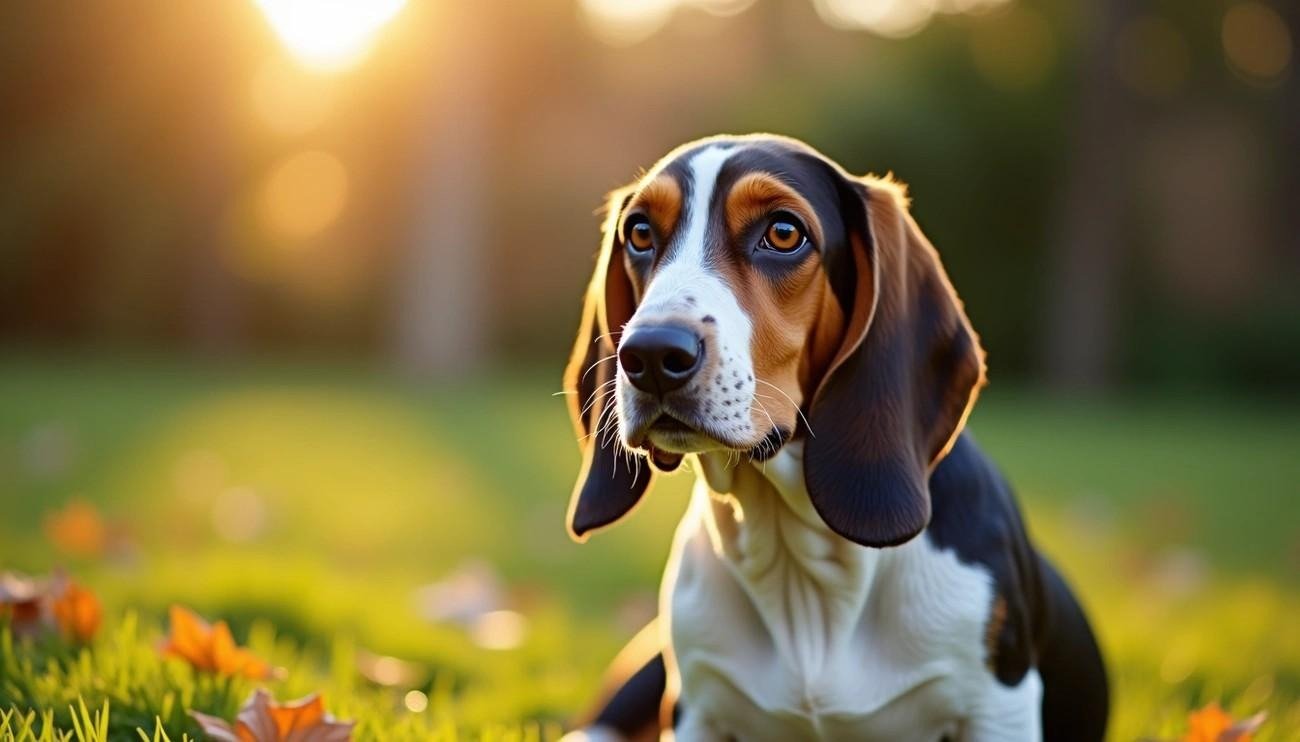
The Basset Bleu de Gascogne’s distinctive blue-appearing coat makes it one of France’s most treasured hound breeds. These charming canines trace their heritage back to the 12th century in southwestern France’s Gascogny region. Huntsmen rejuvenated the breed at the end of the 19th century. Their unique white and black spotted coat creates a bluish appearance under certain light, which earned them the name “The Blue Basset of Gascony”.
These playful and vocal companions live 12-14 years on average and crave attention and affection. The breed’s reputation stems from their industrious hunting abilities and sonorous voices that work well in packs. Basset Bleu de Gascognes need one to two hours of daily exercise and enjoy active walks. While they’re not ideal for first-time dog parents, experienced owners will find them rewarding companions. Anyone thinking over adding this rare French breed to their family should understand their unique traits, care needs, and availability first.
Breed Overview and Origin
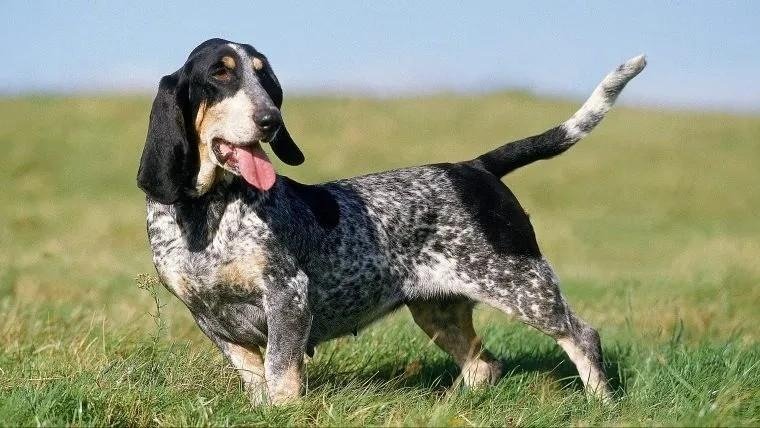
Image Source: DogTime
Dating back to the Middle Ages, the Basset Bleu de Gascogne stands as one of France’s most prominent hound breeds. This short-legged, long-backed hunting companion has earned its place in canine history through exceptional tracking abilities and distinctive looks.
History of the Basset Bleu de Gascogne
The Basset Bleu de Gascogne’s roots trace back to the Gascogne region of southwestern France, where it has roamed the countryside for centuries. This breed descended directly from the Grand Bleu de Gascogne, a larger hound used for big game hunting. Hunters developed the Basset version because they needed a compact, versatile dog that could navigate dense underbrush effectively.
Historical records show that Gaston III of Foix-Béarn, author of the classic medieval hunting treatise Livre de chasse, maintained a pack of these dogs to hunt wild boar and wolves. The breed’s name reflects its physical traits – “basset” derives from the French word “bas” meaning low, which perfectly describes their short stature.
The breed almost disappeared in the early 19th century as hunting declined in popularity. Yet its survival story showcases remarkable dedication. The first detailed descriptions of the Basset Bleu de Gascogne appeared around 1880. Dedicated huntsmen from Western France helped revive the breed. Alain Bourbon deserves special recognition for saving the Basset Bleu de Gascogne from near extinction through careful breeding.
The breed has steadily progressed, with focus on both physical improvements and preserving this southern French dog’s qualities. Its popularity grew substantially, with registrations increasing from just four dogs in 1970 to more than 200 by 1980.
What makes this breed unique?
The Basset Bleu de Gascogne has several distinctive traits that distinguish it from other hound breeds:
- Distinctive coat appearance: Their most recognizable feature is their unique “blue” coat, created when black and white hairs mix to create a mottled or ticked appearance. This special coloration earned them the name “The Blue Basset of Gascony” as their coat appears blue under certain light.
- Specialized structure: The breed maintains an athletic, aristocratic build without the heaviness of other basset types, despite having a long back and short legs. Their body combines length and low stature with a lean, dry build, avoiding excess skin or exaggerated ears.
- Remarkable scenting ability: These dogs excel at tracking scents with their refined nose. They primarily hunt rabbits and hares, and their exceptional scenting skills make them valuable for search and rescue operations.
- Distinctive voice: The breed produces beautiful, sonorous howls that make them ideal for pack hunting. Enthusiasts particularly value their unique vocalization.
- Temperament blend: The Basset Bleu combines keen hunting instincts with an affectionate, cheerful nature. These dogs show great energy and activity while remaining deeply devoted to their human families.
These traits create a breed that excels both as a hunting companion and family pet. The Basset Bleu de Gascogne continues to fascinate dog enthusiasts worldwide with its unique blend of physical features, working abilities, and friendly personality. Though still uncommon outside France, the breed’s distinctive characteristics ensure its special status among hound enthusiasts globally.
Physical Characteristics and Appearance
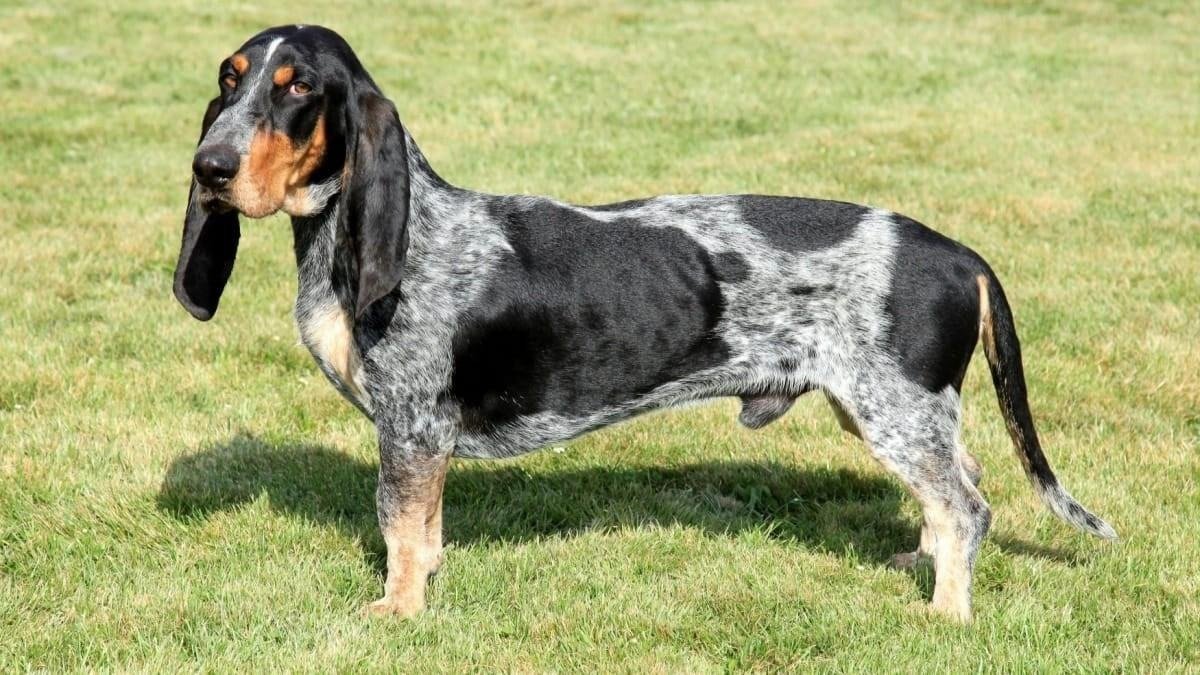
Image Source: Wamiz
The Basset Bleu de Gascogne stands like a noble figure in the hound world, and its distinct looks engage anyone who sees it. This breed’s unique appearance comes from combining a typical basset build with colors that make it different from other hounds.
Size and weight range
The Basset Bleu de Gascogne fits into the medium-sized dog category despite its short legs. These dogs stand between 30-38 centimeters (12-15 inches) tall at the withers (shoulders) based on Kennel Club standards. Some sources suggest they can grow up to 42 centimeters (17 inches) in height.
Adult dogs weigh between 16-18 kilograms (35-40 pounds). Their solid weight on a shorter frame creates that distinct low-to-ground look without making them seem too heavy. The body has powerful yet athletic proportions.
These dogs look more refined than other basset breeds that can appear bulky. They still keep the strong bones needed for long hunts. Their build shows their hunting background, with a body made to move through brush while keeping their energy up.
Coat color and texture
The Basset Bleu de Gascogne’s most remarkable feature is without doubt its special coat. These dogs have short, dense fur that feels substantial. This practical coat protects them and needs little grooming.
The breed’s special color pattern makes it stand out:
- Base pattern: The coat has a white base with black mottling (ticking) that creates the blue-like look giving the breed its name.
- Facial markings: Black patches cover each ear, wrap around the eyes, and end at the cheeks.
- Tan points: Tan marks show up above each eye (making that interesting “four-eyed” look), on the cheeks, inside the ears, on the legs, and under the tail.
Kennel Club standards say the colors must match this pattern exactly. These strict rules help keep the breed’s special look that hasn’t changed through history.
Distinctive features
The Basset Bleu de Gascogne has many unique physical traits beyond its special colors:
The head shows a slightly rounded skull with a long, narrow muzzle. Their oval-shaped eyes sit deep in the head and show a dark brown color. These eyes often give them a sweet, sad look that breed lovers adore.
The dog’s ears need special mention. They sit low, feel thin, and reach at least to the end of the muzzle when pulled forward. These slightly curled ears add to their classic hound look.
A long neck flows into an equally long body. The chest fills out well without getting too wide. Like other bassets, short strong legs paired with a longer body create that special look we all know.
The breed’s droopy lips help them catch and hold scents better. These features work with their special body shape to make a dog that excels at tracking prey across different grounds while keeping that charm that has won over fans for hundreds of years.
These dogs don’t drool as much as other hound breeds, which makes them cleaner pets than some other basset types.
Temperament and Behavior Traits
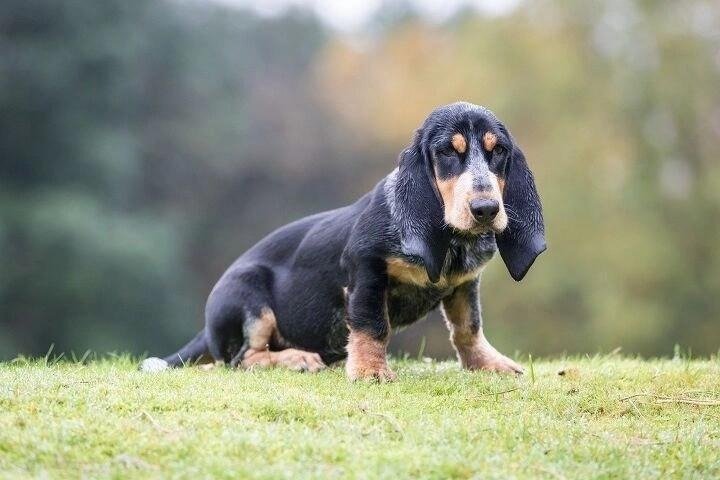
Image Source: PetGuide
Basset Bleu de Gascogne dogs stand out with their unique looks, and their personality traits make them special companions for the right families. These French hounds blend their hunting background with home life in ways that future owners should know about.
Is the Basset Bleu de Gascogne friendly?
These dogs are affectionate and cheerful by nature. They love being around people and build strong bonds with their families. Most owners describe them as loving, gentle, loyal, and smart companions.
Their personality can be a bit complex. Some sources say they’re a bit reserved, especially with people they don’t know. This cautious side doesn’t mean they’re aggressive – they just need time to warm up. Once they feel comfortable, their friendly nature shines through.
Their personality traits are:
- Audacious and curious
- Lively and alert
- Friendly and intelligent
- Relaxed yet sociable
These dogs thrive on love and attention, and they need their owners to involve them in activities. Nothing makes them happier than being part of family fun, especially outdoor adventures.
How they behave with kids and other pets
The Basset Bleu de Gascogne fits perfectly into family life. French families love them because they’re great with children. These dogs make excellent companions for kids because:
- They’re patient with children
- Their size won’t overwhelm small children
- They have a gentle nature
Watching over playtime helps keep things from getting too rowdy. This makes sense for any breed playing with young kids.
Their hunting background shapes how they get along with other animals. Pack dogs by nature, they love having other dogs around. Some even prefer having dog buddies at home. They can get along well with cats too, especially if they grow up together.
Small pets need more careful introductions. These dogs might chase rabbits and other tiny animals because of their strong prey drive. Early training and getting them used to other pets helps them live peacefully with the whole family.
Common personality quirks
The Basset Bleu de Gascogne’s voice stands out as one of their most distinctive traits. They have a deep, rich bark that they love to use. Their champion-level howling charms some people but might not work well in apartments or near neighbors who value quiet.
Their amazing sense of smell guides much of what they do. They become completely focused on a scent trail once they find one. This powerful nose means:
- They need fenced areas for off-leash time
- Interesting smells can distract them during training
- Good fencing keeps them from following scents for miles
Sometimes they show a stubborn streak, especially during training. This comes from their focus on scents rather than a lack of smarts.
These dogs hate being alone for long periods. As pack animals, they want company – either human or canine. Loneliness can lead to destructive behavior.
They need daily exercise to stay healthy, or they’ll happily become couch potatoes. Regular activity keeps their weight in check and their spirits high.
Lifespan and General Health
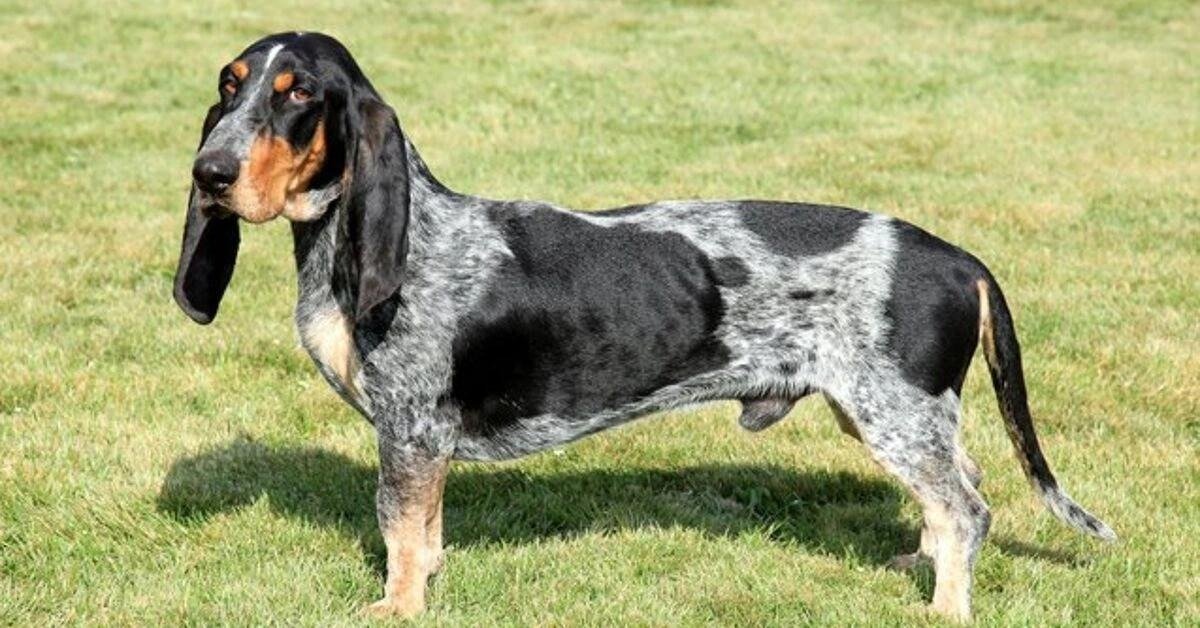
Image Source: PetGuide
A dog owner’s ability to provide proper care depends on knowing their breed’s lifespan and health profile. The Basset Bleu de Gascogne comes with specific health aspects that both current and future owners should know about.
Average lifespan of the breed
The Basset Bleu de Gascogne lives longer than many medium-sized breeds. Research shows these dogs live between 12-14 years. Some studies point to a slightly shorter span of 10-12 years. Genetics, environment, and quality of care play major roles in determining their actual lifespan.
Their moderate size helps them live longer than their larger hound relatives. Regular vet visits, proper weight management, and consistent exercise help these dogs reach their full life expectancy.
Common health issues
The Basset Bleu de Gascogne stays relatively healthy. Their physical structure and genetic makeup make them prone to certain conditions.
The most common health concerns include:
- Joint and spinal problems: Their unique body shape makes them susceptible to abnormal joint development and spinal disorders. These dogs might develop canine hip dysplasia (CHD), luxating patella (kneecap dislocation), and intervertebral disk disease. Severe cases of disk disease can put pressure on the spinal cord and lead to mobility issues or blindness.
- Ear infections: Their droopy ears limit air circulation and create perfect conditions for infections[182]. Dogs with ear infections show signs of intense itching, redness, inflammation, and sometimes discharge or strong odor. Hearing loss can occur if chronic ear infections go untreated.
- Bloat (gastric dilation volvulus): Deep-chested breeds like the Basset Bleu face higher risks of bloat, a life-threatening condition. The stomach fills with gas and might twist, which cuts off blood flow. Owners should seek immediate vet care if they suspect bloat.
- Obesity: These dogs gain weight easily without enough exercise[182]. Their lazy nature means owners must actively manage their weight.
- Skin infections: The breed sometimes develops skin problems, but they usually respond well to treatment[182].
- Elbow dysplasia and allergies: These health concerns also appear in the breed.
Recommended health screenings
Early detection of health issues makes a big difference. The breed lacks official AKC health testing requirements, but several screenings prove valuable:
Hip evaluations can catch signs of dysplasia before symptoms show up. X-rays reveal important details about joint development and potential issues.
Regular eye exams help spot vision problems early. Blood tests during vet visits establish health baselines and detect systemic issues.
Yearly physical exams should focus on ear health since these dogs often get ear infections. Regular weight checks help prevent obesity-related problems.
The good news? Most health issues respond well to treatment if caught early. Joint and spinal problems improve with rest, medication, and sometimes surgery. Clean ears regularly to prevent most infections.
Owners who understand these health considerations can help their Basset Bleu de Gascogne live a longer, healthier life.
Grooming and Maintenance Needs
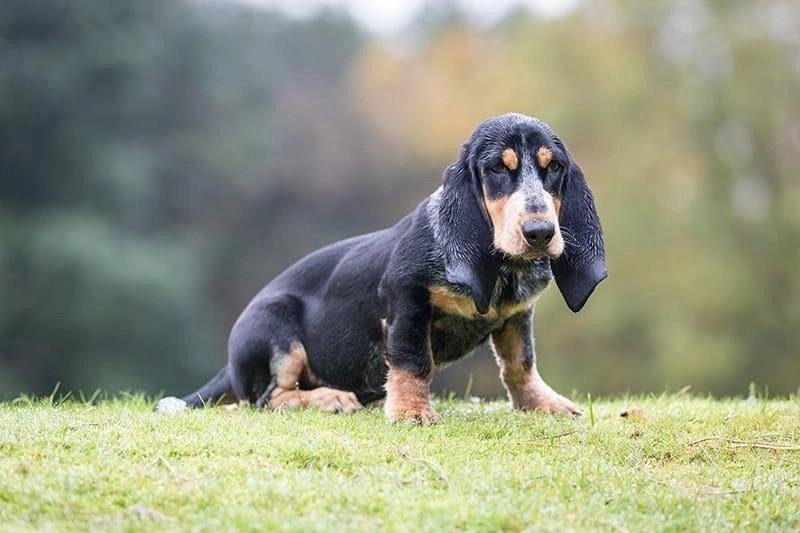
Image Source: Dogster
A Basset Bleu de Gascogne’s sleek looks don’t take much work to maintain. These dogs make great pets if you want a noble-looking companion without complex grooming needs. Their practical coat matches their elegant appearance perfectly.
How often to groom
Your Basset Bleu’s short coat needs little attention. A quick brush once a week removes dead hair and keeps the coat healthy. This simple routine makes them easier to care for than many other breeds.
This weekly schedule works well most of the year. Your dog will shed seasonally, and that’s when you’ll just need to brush more often. Extra brushing every few days helps control loose hair from taking over your home during heavy shedding periods.
Baths should be given sparingly. Your hound only needs washing:
- If they get visibly dirty
- Once a month at most
- Not every week since too many baths can hurt their skin
Note that Basset Bleu de Gascognes have that classic “hound smell” that scent hound lovers know well. This natural scent adds to their character, but sometimes it might mean an extra bath between regular washes.
Tools and products to use
You’ll need specific tools to groom your Basset Bleu de Gascogne properly:
A rubber brush or firm bristle brush works best for everyday coat care. A hound mitt or slicker brush comes in handy during shedding season. These tools pull out loose hair and give the skin a nice massage.
Leave-in coat conditioner helps keep your dog fresh between baths. It manages that natural hound scent while adding shine to the coat.
Pick your shampoos carefully when bath time comes around. Some Basset Bleus do better with anti-fungal shampoo if they have sensitive skin. Ask your vet about the right products since the wrong ones might irritate your dog’s skin.
Good nail clippers are essential for regular trimming[204]. Dog toothbrushes and toothpaste should also be part of your grooming kit.
Ear and skin care tips
Those beautiful droopy ears that make Basset Bleu de Gascognes so special need extra attention. Limited airflow in these long ears can lead to infections if you don’t watch them closely.
Weekly ear checks and cleaning help prevent problems[204]. Regular monitoring stops wax buildup and catches issues early. Here’s what to do:
- Clean debris gently with cotton and water or mineral oil
- Use vet-approved ear cleaning solutions
- Make sure ears dry completely after cleaning
- Keep ear canal entrances trimmed
Talk to your vet before starting any ear cleaning routine. The wrong cleaning method might cause more trouble than it solves.
Watch for skin irritation or infection signs, especially in skin folds. Basset Bleus have fewer wrinkles than other hounds, but regular skin checks during grooming help catch problems early.
These simple grooming habits keep your Basset Bleu de Gascogne looking sharp. The most elegant breeds often need the least complicated care routines, and that’s what makes these dogs so special.
Training and Intelligence
Image Source: https://pixabay.com/
Training a Basset Bleu de Gascogne offers a unique challenge that rewards patient owners with a loyal companion. These smart hounds have distinctive qualities that shape how they learn.
How easy is it to train this breed?
The Basset Bleu de Gascogne shows considerable intelligence but has a stubborn streak typical of most hounds. Their independent nature makes training a challenge even for seasoned dog owners. The biggest hurdle isn’t their intelligence but their exceptional sense of smell.
These dogs often lose focus on commands once they catch an interesting scent during training. This powerful distraction combined with their independence might make them seem stubborn.
These dogs respond best to positive reinforcement:
- Treat-based rewards
- Verbal praise and affection
- Play as motivation
Harsh methods backfire and discourage these sensitive dogs from learning. Brief, regular training sessions keep their interest and prevent boredom. The key lies in consistency—using similar commands, rewards, and expectations every time.
Mental stimulation and scent work
The Basset Bleu de Gascogne’s hunting background means they excel at using their remarkable noses. Scent training serves several purposes:
- Sharpens their natural tracking abilities
- Delivers excellent mental stimulation
- Builds a stronger bond between dog and owner
Puzzle toys provide another way to keep these dogs mentally sharp. Without proper mental challenges, these intelligent hounds might develop problematic behaviors from boredom.
Formal scent sports give these dogs a productive outlet for their tracking instincts. Such activities fulfill their natural desire to follow scents and deepen your connection. Note that these dogs shouldn’t be off-leash in open areas since their tracking drive overwhelms recall commands.
Tips for first-time owners
The Basset Bleu de Gascogne isn’t the best choice for novice dog owners. Their unique training requirements and determined nature need experienced handling.
Dedicated first-time owners can succeed if they follow these guidelines:
Start training during puppyhood—puppies grasp simple commands more readily than adult dogs. Begin with the basics: sit, stay, come, and lie down. Put extra effort into recall training, knowing it will always be challenging due to their tracking instincts.
Make socialization a priority with people, environments, and other animals. This helps them react appropriately to various situations and understand that other pets aren’t prey.
Professional help can be valuable at first—an experienced trainer who knows scent hounds can build proper foundations. Patience and consistency matter most throughout training, as progress might take longer than with other breeds.
Price and Availability in India
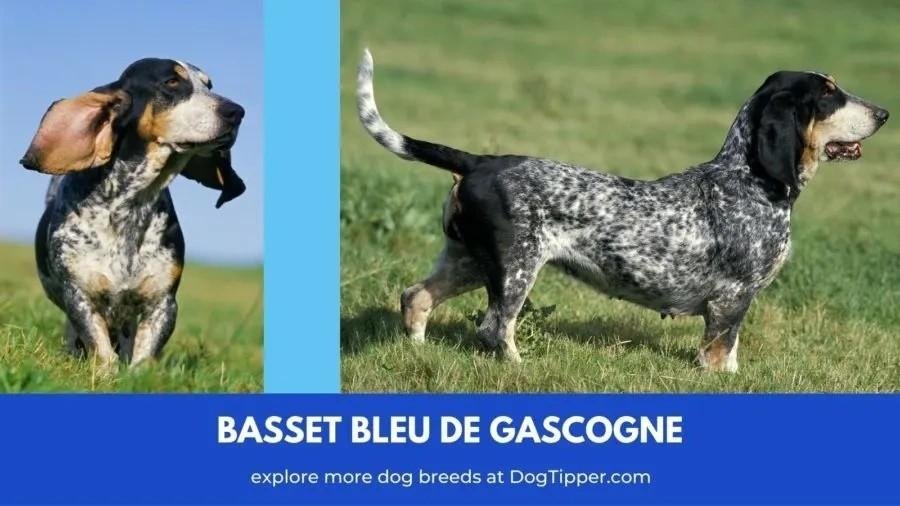
Image Source: DogTipper
Getting a Basset Bleu de Gascogne in India is really hard. This rare French breed is hard to find in the Indian pet market. Price and availability are the main things to think about if you want to own one.
Average price of Basset Bleu de Gascogne in India
A Basset Bleu de Gascogne costs between ₹10,969 and ₹13,500 in India. Other basset breeds like the Basset Hound sell from ₹25,000 to ₹60,000, depending on their pedigree and the breeder’s reputation.
The final price depends on several factors:
- Bloodline quality and documentation
- Age of the puppy
- Geographic location within India
- Import costs (as many may come from abroad)
The lack of these dogs means prices can change based on availability. It’s worth mentioning that very low prices should raise red flags as they might point to questionable breeding practices.
Where to find Basset Bleu de Gascogne for sale
These dogs are “going to be a tough one to find” even if you’re really committed to getting one. Here’s what you can do:
Start by reaching out to specialized breeders who focus on rare European hound breeds. These breeders often keep waiting lists for interested buyers.
Look into pet importation options through registered kennels that have international connections.
Get in touch with breed clubs and dog show communities who might know about upcoming litters or available puppies.
Adoption vs. buying
The chances of finding a Basset Bleu de Gascogne in Indian adoption centers are nowhere near likely. Here’s what you should know about both options:
Buying from good breeders gives you more certainty about your dog’s health, temperament, and papers – these are vital factors for rare breeds. You’ll pay more upfront but might save on vet bills later.
Adoption gives a loving home to dogs that need one. While finding this specific breed in shelters is almost impossible in India, some mixed-breed hounds share similar personality traits.
Patience is key no matter which path you choose. This distinguished French hound remains one of the hardest breeds to find in India’s pet scene.
Pros and Cons of Owning a Basset Bleu de Gascogne
You should think over how a Basset Bleu de Gascogne matches your lifestyle by weighing their special qualities against some challenges. These French hounds make wonderful companions in the right homes, but they need specific care and attention before joining your family.
Top reasons to get one
These hounds stand out as incredibly affectionate and sociable pets that get along great with children and other pets. Their gentle, relaxed nature helps them build strong bonds with humans and four-legged friends alike.
These dogs thrive in homes where they can enjoy:
- A mix of outdoor scent exploration and indoor relaxation
- Family activities that blend exercise and downtime
- Time with other dogs that satisfies their pack mentality
They strike a perfect balance between energetic outdoor adventures and a relaxed indoor personality. The dogs love tracking scents outdoors but are just as happy lounging in cozy corners afterward. Their moderate exercise needs and even temper make them nowhere near as demanding as many working breeds.
Challenges to consider
These scent-driven hunters come with several ownership challenges. Their powerful noses might lead them to follow interesting scents for miles, so they need secure fencing.
Future owners should be ready for:
- Their loud, distinctive hound-like barking that neighbors might find disruptive
- A strong dislike of being left alone due to their pack instincts
- Health issues like back problems and ear infections
- Training challenges from independent thinking and scent distractions
Weight management needs constant alertness since they easily become couch potatoes without regular exercise. Their stubborn streak means you’ll need patient training with food rewards instead of harsh methods. The challenges become worthwhile investments when you want an affectionate, unique companion with moderate needs through a 10-14 year relationship.
Conclusion
The Basset Bleu de Gascogne is proof of French breeding tradition that combines unique physical traits with a lovable personality. These uncommon hounds give their owners an amazing mix of noble looks and practical companionship. Their blue-mottled coat, deep voice, and incredible sense of smell make them different from other basset breeds, and their loving nature makes them great family pets.
Anyone looking to own this breed should think over several things first. Their strong tracking instincts mean you’ll need secure fencing and lots of patience during training. Their loud barking could be an issue in quiet neighborhoods. Those beautiful droopy ears need regular cleaning to stop infections too.
Families who want one of these special French hounds must be ready for:
- Hard-to-find availability in India that needs lots of searching
- Daily exercise to keep them from getting overweight
- Good introduction to other pets because of their hunting instincts
- Regular vet checks for health issues common to the breed
These dogs can be stubborn during training, but they’re smart and food-motivated which helps overcome challenges if you stay consistent and positive. Busy families will love that they don’t need much grooming – just weekly brushing and the occasional bath does the job.
Without doubt, the Basset Bleu de Gascogne runs on lots of love, good exercise, and mental challenges through scent work. They might be rare in India, but dedicated owners say these unique blue-coated hounds are worth the extra effort. Give them proper care and understand their special traits, and these loyal friends will give you 10-14 years of devoted companionship. They balance outdoor adventures with cozy indoor cuddles perfectly. The sort of thing I love about them is how they blend working skills with a family-friendly nature – that’s why dog lovers have adored them for centuries.
Key Takeaways
The Basset Bleu de Gascogne is a rare French hound breed with unique characteristics that make them special companions for the right families.
• Distinctive appearance: Features a striking blue-mottled coat created by black and white hairs, standing 12-15 inches tall and weighing 35-40 pounds with exceptional scenting abilities.
• Affectionate family dogs: Excellent with children and other pets, these gentle hounds thrive on companionship but require secure fencing due to their powerful tracking instincts.
• Moderate care needs: Weekly brushing suffices for grooming, but regular ear cleaning is essential to prevent infections in their long, droopy ears.
• Training challenges: Their intelligence is overshadowed by stubbornness and scent distractions, requiring patient, positive reinforcement methods rather than harsh techniques.
• Rare and expensive in India: Costs ₹10,969-₹13,500 but extremely difficult to find, often requiring specialized breeders or importation with extensive waiting periods.
These vocal hounds live 12-14 years and balance outdoor adventure with indoor relaxation, making them ideal for experienced owners who appreciate their unique French heritage and can provide consistent exercise, mental stimulation, and plenty of affection.
FAQs
Q1. What is the typical lifespan of a Basset Bleu de Gascogne?
Basset Bleu de Gascognes generally live between 10 to 14 years. They are considered a relatively healthy breed without many genetic issues, though they can be prone to conditions like ear infections and bloat.
Q2. How much daily exercise does a Basset Bleu de Gascogne require?
Despite their short legs and relaxed appearance, Basset Bleu de Gascognes need about 1-2 hours of exercise daily. Regular walks are important for this breed as they love to explore and follow scents.
Q3. Are Basset Bleu de Gascognes easy to maintain?
While not as low-maintenance as some breeds, Basset Bleu de Gascognes have moderate care needs. They require weekly brushing, regular ear cleaning, and consistent exercise to prevent obesity.
Q4. What is the temperament of a Basset Bleu de Gascogne?
Basset Bleu de Gascognes are known for being affectionate, gentle, and sociable. They get along well with children and other pets, but can be stubborn and easily distracted by interesting scents during training.
Q5. How available are Basset Bleu de Gascognes in India?
Basset Bleu de Gascognes are extremely rare in India. Finding one can be challenging and often requires contacting specialized breeders or considering importation. Prices typically range from ₹10,969 to ₹13,500, but availability is very limited.