
Bakharwal Dog
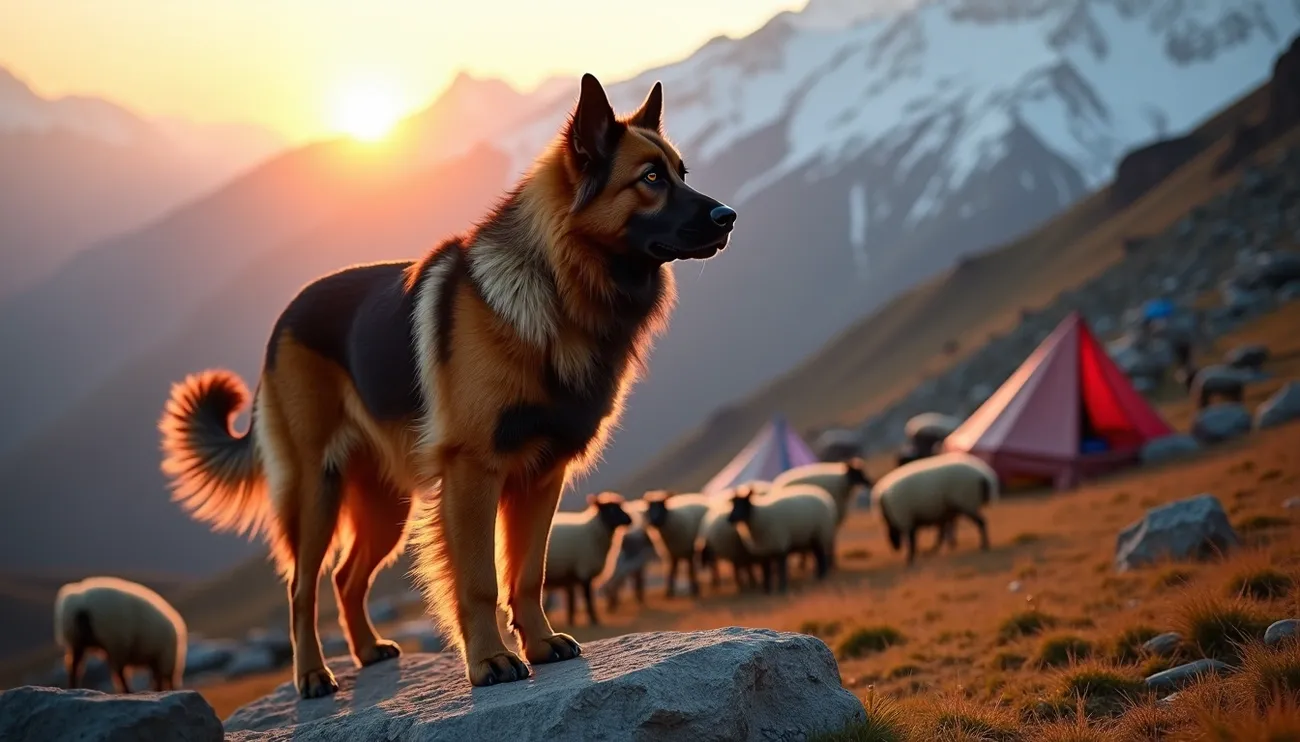 The Bakharwal dog, a rare livestock guardian breed from northern India, faces extinction and appears on the International Red List. These canine protectors have a rich heritage with the Gaddis, Jats, Gujjar, and Bakarwal tribes of Jammu and Kashmir and Himachal Pradesh, where they’ve guarded flocks of sheep, goats, and cattle for centuries.
This ancient breed’s survival hangs in balance despite remaining unchanged for hundreds of years. The Kashmiri Bakharwal dog’s biggest problem stems from its slow breeding pattern. A female produces just one litter each year with one to four puppies. These gentle giants live 6-12 years and have earned a unique reputation as “vegetarian dogs” because they avoid meat. The breed’s legacy runs deep in India’s history, with many Bakharwal dogs fighting on the front lines during the 1857 uprising, which led to significant losses in their population.
The origin and legacy of the Bakharwal dog

Image Source: en.wikipedia.org
The ancient Bakharwal dog evolved in the rugged Himalayan mountains alongside northern India’s indigenous tribes for centuries. Their story shows the remarkable bond between humans and canines in some of the world’s harshest environments.
Roots in the Bakarwal tribe of Kashmir
The Bakharwal dog’s story is woven into the life of Kashmir’s nomadic Bakarwal tribes. These pastoral communities have lived in the Pir Panjal mountain range for generations. They move with their livestock through dangerous Himalayan terrain as seasons change.
The nomadic herders bred these dogs to meet their practical needs. They selected traits that helped the dogs survive the Himalayas’ harsh weather, including freezing temperatures and high altitudes. This careful breeding created dogs with amazing endurance, loyalty, and protective instincts.
The name tells the dog’s story – “Bakar” means goat in the local language, showing their main job as livestock guardians. These dogs became vital companions to the Muslim Gujjar nomads in Jammu and Kashmir. The tribes bred them specifically to protect large flocks during seasonal moves.
Possible Tibetan Mastiff ancestry
The Bakharwal breed’s exact origins remain mysterious, though experts trace their beginnings back about three hundred years. Time has hidden much of their history, but several theories about their ancestry make sense.
Most evidence points to the breed starting in Ladakh, northern India, then spreading through Jammu and Kashmir and Himachal Pradesh. Many scholars believe these dogs came from mixing Tibetan Mastiffs with Indian pariah dogs. This created a unique breed perfectly suited to the western Himalayan environment.
Not everyone agrees on this ancestry. Some researchers say the Bakharwal might be “the oldest Indian Dog which since centuries has been surviving with the Kashmiri nomads”. Some scientists list them among the oldest herding dogs from Central Asia.
Despite possible shared ancestry, the breed looks quite different from Tibetan Mastiffs. Tibetan Mastiffs grew bulky for guarding on plateaus, while Bakharwals developed a leaner but strong build. This helped them move easily through steep mountain passes in the western Himalayas.
Role in nomadic herding culture
Bakharwal dogs have always served practical purposes in their nomadic societies. Their main job was protecting livestock from dangerous predators that threatened the tribes’ survival.
The tribes developed these dogs to guard sheep and goats against leopards, wolves, and bears in mountain terrain. Their independent nature and steadfast loyalty made them perfect partners for nomadic life. The tribes often survived because these dogs could spot and scare off threats.
The Bakarwal tribes moved between high meadows in summer and lower valleys in winter, putting their livestock at risk from many predators. They needed alert guardians who could work alone in rough terrain. The dogs worked in groups of 4-6 per herd, walking the boundaries at night. They used deep barks to scare away threats and fought when needed.
These dogs served beyond herding duties. Many fought in the 1857 Indian uprising, which severely reduced their numbers. The breed faced new threats from Kashmir’s separatist militants, who targeted them to prevent alarm-raising.
The Bakharwal remains a source of cultural pride for its native tribes, but their numbers have dropped significantly. Once common among herding communities, only a few hundred purebred dogs exist now, making them critically endangered.
Physical traits and appearance

Image Source: Facebook
The Bakharwal dog’s commanding physical presence tells you right away that this is a guardian breed. This magnificent dog blends power and agility in a way that fits the harsh Himalayan environment. Its unique traits make it stand out from other mountain breeds.
Size and weight range
The Bakharwal dog is a large, powerful breed with impressive measurements. Adult dogs reach between 24 to 30 inches (61-76 cm) at the shoulder, and males grow bigger than females. These dogs pack quite a punch, weighing 85 to 130 pounds (38-59 kg) at full growth.
The breed shows a leaner yet powerful build compared to many Asian molosser breeds that focus on bulk. This balance shows how well they’ve adapted to mountain environments where being quick matters just as much as being strong. In spite of that, they keep the guardian breed traits: a deep chest, heavy bones, and strong muscles.
The breed’s body proportions serve a clear purpose, shaped by hundreds of years of work in tough terrain. Their strong build lets them move along tricky mountain paths while staying powerful enough to face off against predators that threaten their flocks.
Coat type and color variations
The sort of thing I love about the Bakharwal’s looks is its super thick double coat. This protective layer combines a dense, weather-resistant outer coat with a soft undercoat. The coat does more than just keep them warm in freezing Himalayan winters – it helps protect them from predator attacks too.
These dogs come in several beautiful colors:
Black and tan (you see this most often)
Solid colors: red, fawn, black, white
Piebald (spotted pattern that varies, usually white with black)
Brindle and sable variations
The piebald pattern shows something really interesting – the skin under these patterns often matches the coat colors. You won’t find this trait in many other dog breeds.
Different regions have their own versions of the breed. To name just one example, Ladakhi Bakharwals have less fur and a less fluffy tail than other types.
Distinctive features like tail and ears
The Bakharwal’s majestic look comes from more than just size and coat. Their head structure stands out – it’s large and broad with a clear stop and strong muzzle. This gives them a powerful yet noble look that demands respect.
These dogs have almond-shaped eyes in brown or amber shades that show their alert and smart nature. Their medium-sized, hanging ears help create their unique profile.
Their tail really makes them special. It’s described as “plumy” or bushy and curves over their back. This tail, along with their thick coat, creates that impressive look the breed is known for.
Their neck deserves attention – it’s thick and muscular, running straight into wide, strong shoulders. This powerful upper body helps them do their job as working dogs that can take on large predators.
The Bakharwal looks like a medium-sized version of the Tibetan Mastiff, but with its own adaptations for its environment. Their physical traits show a perfect match between form and function – proof that selective breeding can create dogs that fit their environment and work needs perfectly.
Temperament and personality
Looking beyond their imposing physical presence reveals the complex personality traits that have made Bakharwal dogs great guardians for centuries. These Kashmiri canines have unique behavioral characteristics shaped by generations of selective breeding for specific working roles.
Loyalty to family and territory
The life-blood of a Bakharwal dog’s temperament is fierce loyalty. These dogs build exceptionally strong bonds with their families, who they see as members of their pack. They treat their family with warmth and affection. Their steadfast dedication shows in their commitment to protect at all costs. Their courage and fearlessness make them formidable protectors ready to face any threat to their loved ones.
Bakharwal’s protective instincts run deep. They know how to assess potential dangers on their own. This independent decision-making creates a highly intelligent guardian that doesn’t need constant direction. These dogs excel in environments where they can patrol and guard freely while making their own judgments about potential threats.
A defining trait of the Bakharwal dog breed is their territorial behavior. These canines naturally set and maintain boundaries. They vigilantly patrol their designated areas with exceptional awareness. Their innate territoriality, combined with their imposing size and alert nature, makes them extremely effective at guarding livestock and property.
Aggression toward other animals
Bakharwal dogs show affection to family members but typically display aggression toward unfamiliar animals, especially other dogs. They claim territory and keep other animals away from it to assert dominance. This behavior comes from their history as flock protectors, where keeping predators at bay meant survival.
Their high prey drive adds to this tendency. Bakharwal dogs have a strong urge to chase and catch smaller animals. So cats and other small pets might be at risk around them. This represents natural instinct rather than inherent aggression, but it needs careful management.
Early socialization is vital for moderating potential aggression toward unfamiliar dogs. Their territorial instincts may grow stronger without proper introduction to various animals during developmental stages. These dogs usually do best as the only animal in a household, even with socialization.
Suitability for children and families
Bakharwal dogs often show remarkable gentleness with children in their families, which might surprise some given their protective nature. They can be excellent with kids. They show patience, affection, and even babysitting abilities. Many owners say these dogs play with and protect children as if they were part of their flock.
These dogs fit well with families because they view household members as their pack. They behave affectionately and lovingly toward those they call their own. The difference between family and outsiders stays clear in their minds – they’re warm with household members but remain wary of strangers.
In spite of that, future owners should think over several important factors before bringing a Bakharwal into a family setting. These dogs need experienced handlers who understand canine behavior. They aren’t good for first-time dog owners due to their independence and strong-willed nature. Their size and playful energy might be too much for very young kids through sheer excitement rather than aggression.
Their serious, protective temperament needs firm, respectful training from experienced owners. Their independent nature can turn into stubbornness without proper guidance. Bakharwal dogs get bored with repetitive commands and might not care much about following orders. This makes obedience training both essential and challenging. These intelligent, loyal guardians ended up needing owners who value their protective instincts while setting clear boundaries for safe modern living.
Training and socialization needs
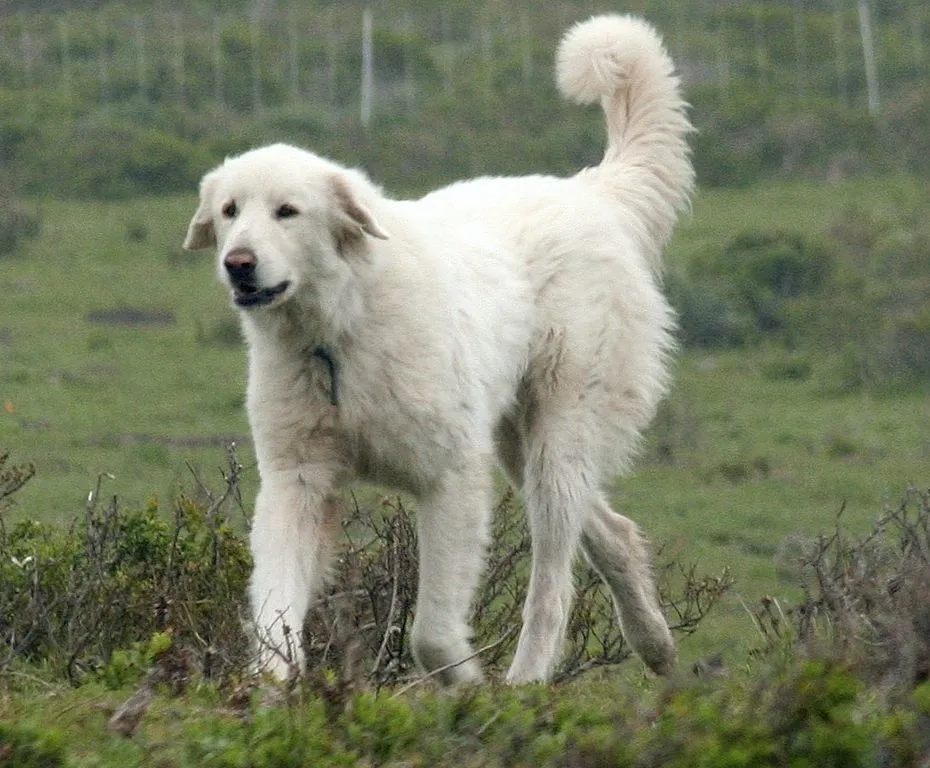
Image Source: Precision K9 Work
Training a Bakharwal dog takes special understanding of their unique mindset and working background. These smart guardians just need training methods that match their heritage.
Why early training is essential
A Bakharwal’s independent spirit makes early training crucial. These dogs learned to make decisions on their own while guarding livestock. They’re smart but can be stubborn. Without good guidance early on, this independence might turn into bad habits that become hard to fix later.
Early socialization helps these powerful dogs stay friendly toward strangers and other animals. You should start this process during puppyhood when they learn new things easily. Your Bakharwal puppies will grow into confident, well-balanced adults if you expose them to daily activities, sounds, and surroundings consistently.
On top of that, it builds trust between you and your dog early on, and you retain control. Your Bakharwal should see you as a respected pack leader from day one. Build this relationship with mutual respect, not fear. Harsh methods won’t work with this breed.
Challenges with obedience
Bakharwal dogs bring unique training challenges from their working heritage. These dogs made their own choices while watching flocks, often far from their handlers. This rise in independence created a dog that thinks for itself—great in mountains but tricky at home.
One of the biggest problems is how quickly they get bored with repeated commands. Unlike dogs that love routine practice, Bakharwals lose interest in basic tasks fast. Keep training sessions varied and mentally challenging to hold their attention.
Their problem-solving smarts can help and hurt training. They learn concepts quickly but might ignore commands they see as pointless. Your training should show them why commands matter instead of expecting blind obedience.
These dogs can become destructive without enough exercise and mental challenges. They need lots of physical activity to use their energy well. Otherwise, they might bark too much and destroy things around the house.
Tips for socializing with other pets
Bakharwals are territorial, so they need careful, planned socialization, especially when you have other animals. Here’s what works:
Start socializing really early—before they’re twelve weeks old
Introduce them to other animals in neutral places with positive vibes
Give treats for calm, friendly behavior
Let them spend more time together as good behavior becomes normal
Never push interactions or punish scared responses
Patience matters most here. Even with great socialization, many Bakharwals stay cautious around new animals. This comes from their guardian background and doesn’t mean training failed.
Good obedience training helps them fit into modern life. Bakharwals need someone experienced who knows regular training methods often don’t work. Positive reinforcement gets better results than trying to show dominance.
New or first-time dog owners should probably skip this breed. Their mix of smarts, independence, and protective instincts needs confident handling from someone who knows working breeds well.
Diet and nutrition of the Bakharwal dog
The Bakharwal dog’s eating habits are some of the most unique you’ll find in dogs today. Their traditional feeding patterns have shaped how we care for them, and very few other breeds share these remarkable traits.
Traditional vegetarian diet
Bakharwal dogs stand out from other canines because of their unusual eating habits – they follow a traditional vegetarian diet. These dogs have eaten mostly milk, bread made from maize or rice chaff, and other meat-free foods throughout history. This special diet comes from deep cultural roots within their nomadic communities.
The vegetarian feeding wasn’t random – it had a clear purpose. The Bakarwal tribe kept their dogs on this diet because they believed it would stop them from developing hunting instincts toward the livestock they protected. Dogs that didn’t eat meat would focus on guarding rather than hunting.
Their traditional meals included:
Fresh milk and dairy from the herds
Special maize bread
Rice chaff mixed into food
Some fruits and vegetables
Old records tell us these dogs would “prefer hunger over showing any predatory instinct or aggression toward the animals in their care”. This shows how clever the Bakarwal people were – they used food to shape their guardian dogs’ behavior.
Modern nutritional recommendations
Today’s veterinary science gives us a different view of what Bakharwals need to eat. While tradition says vegetarian is best, modern experts suggest balanced commercial dog foods made for large, active breeds.
Good quality dry dog food should be the main part of their diet, about 2.5 to 4 cups each day split into two meals. These foods give complete nutrition and meet all the needs of working dogs.
Vets now suggest low-carb, high-protein foods work best for Bakharwal dogs. This mix helps maintain their muscle and supports their active lifestyle. Natural premium foods have shown great results for their overall health.
Modern experts warn against strict vegetarian diets since dogs need certain amino acids found mostly in meat. Without the right supplements, meat-free diets can cause health problems over time.
Feeding tips for different life stages
Bakharwal dogs need different amounts of food as they grow up. Puppies under two months old can eat whenever they want since their bodies know how much they need for healthy bones and muscles.
From two to six months, they need four meals each day. Between six and twelve months, you can cut this down to three meals.
Adult dogs over a year old do well with two meals daily. This schedule helps prevent bloat, which can be dangerous for deep-chested breeds like Bakharwals.
Some rules apply to all ages:
Keep clean water available always
Don’t overdo treats
Watch their calories since they gain weight easily
Older dogs might need food with extra joint support
Your dog’s activity level matters too. Working Bakharwals need more protein (26-30%) and calories than house pets. You should adjust their food based on how active they are during different seasons to keep them at a healthy weight.
Health, grooming, and lifespan
Bakharwal dogs are native mountain breeds with amazing health resilience that developed over centuries of natural selection. These majestic guardians are tough, but owners need to know specific care requirements to keep them healthy throughout their lives.
Common health issues
Bakharwal dogs have strong genetic health but can face several conditions common in large breeds. Hip dysplasia is the biggest concern because of their size and weight. This inherited condition affects how joints develop and can limit mobility if left unchecked.
Deep-chested breeds like Bakharwals face serious risks from bloat (gastric torsion) [232] [253]. You can reduce this risk by feeding smaller meals several times a day instead of one big meal.
These dogs can become overweight when they don’t get enough exercise [232]. You should check their weight often since extra pounds put stress on their joints. They might also develop skin problems in humid weather, get parasites, or show signs of allergies.
Grooming needs for thick coats
A Bakharwal’s very thick double coat needs regular care to stay healthy. Their dense fur protected them from harsh Himalayan weather and predator attacks throughout history.
Brushing needs change with climate and season:
Standard care: Brush 2-3 times weekly to prevent matting
Shedding seasons: Daily brushing becomes necessary
Professional grooming: Recommended in areas where fur grows very thick
The right bathing schedule matters just as much. Too much washing hurts natural oils, so bathe them monthly or when needed with dog-specific shampoos. A complete grooming routine should include cleaning their ears weekly with special lotions to prevent infections, trimming nails monthly, and taking care of their teeth regularly [261].
Average lifespan and care tips
Bakharwal dogs usually live 10 to 13 years with good care, though some sources say 6-12 years. This range differs between working dogs in traditional settings and those getting modern veterinary care.
You can help your dog live longer with good preventive healthcare. Take them to the vet twice yearly to catch problems early. Keep their vaccinations current against rabies, distemper, and parvovirus, and protect them from ticks and worms.
Older dogs often benefit from joint supplements that help them stay mobile. Working Bakharwals need checking for foxtails or burrs in their coat to prevent infections. Some owners shave their dogs in summer, but this needs careful consideration to avoid sunburn.
These dogs resist disease well, and with proper preventive care, they maintain their commanding presence and working ability throughout their lives.
Working roles and utility
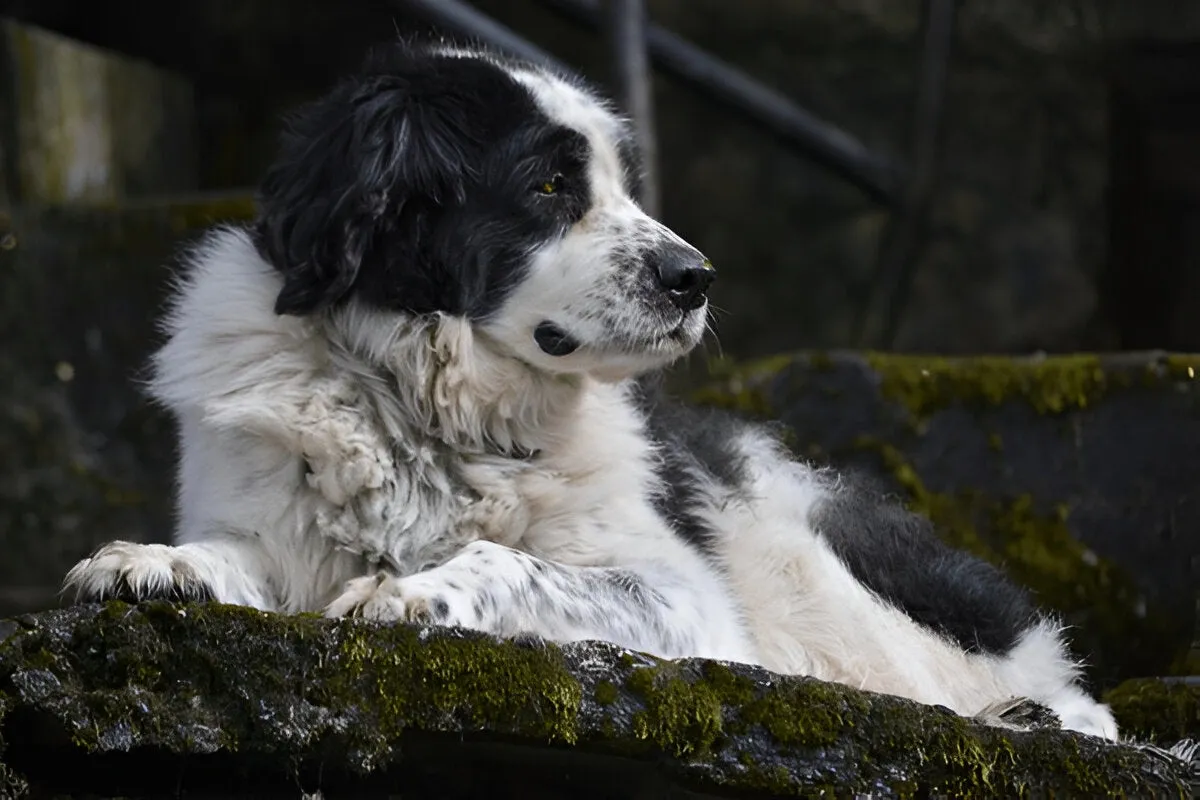
Image Source: GoofyTails
The Bakharwal dog has proven to be nature’s perfect guardian through the centuries. These amazing working canines still perform their ancestral duties while finding their place in today’s world.
Livestock guardian duties
The Bakharwal dog’s main goal has always been protecting livestock from predators. These powerful companions guard sheep and goats against wolves, bears, and leopards in tough Himalayan terrain. The nomadic Bakarwal tribes’ selective breeding has given these dogs their natural protective instinct.
These guardians stand out because of their independent work ethic. They don’t need constant direction like herding breeds do. Instead, Bakharwal dogs patrol their territory and make their own decisions about threats. They know how to judge dangers perfectly – staying relaxed around familiar animals but becoming alert the moment predators approach.
These dogs work without human supervision as they protect flocks moving through rough terrain and harsh weather. This self-sufficient nature makes them a great way to get help in remote areas where handlers can’t always be present.
Use in police and security roles
The Bakharwal dog’s talents extend beyond traditional herding. The Indian Police now use these smart guardians to catch militants nationwide. This transformation to law enforcement shows how well they adapt to modern protection roles.
India’s Central Armed Police Forces (CAPFs) have started testing Himalayan mountain dogs, including Bakharwals, for specialized police work. The dogs are being evaluated for:
Detecting narcotics and explosives
Sniffing out hidden suspects
Patrolling high-risk areas
Supporting search operations
This new role marks a transformation from their traditional duties while building on their natural protective instincts.
Adaptability to modern farm life
Bakharwal dogs have shown amazing flexibility in adapting to today’s environments. These dogs continue to serve as property guardians on modern farms, keeping homes and belongings safe. Their territorial nature and impressive presence naturally scare away intruders and predators.
The most interesting thing is how these fierce protectors build deep connections with their human families while performing their guardian duties. This combination of protector and companion makes them valuable additions to rural homes.
Bakharwals stay relevant through their intelligence and adaptability as farming practices change. They work well in different modern agricultural settings with minimal guidance. In spite of that, they need space to patrol freely and aren’t suited for confined spaces like apartments.
Conservation status and rarity
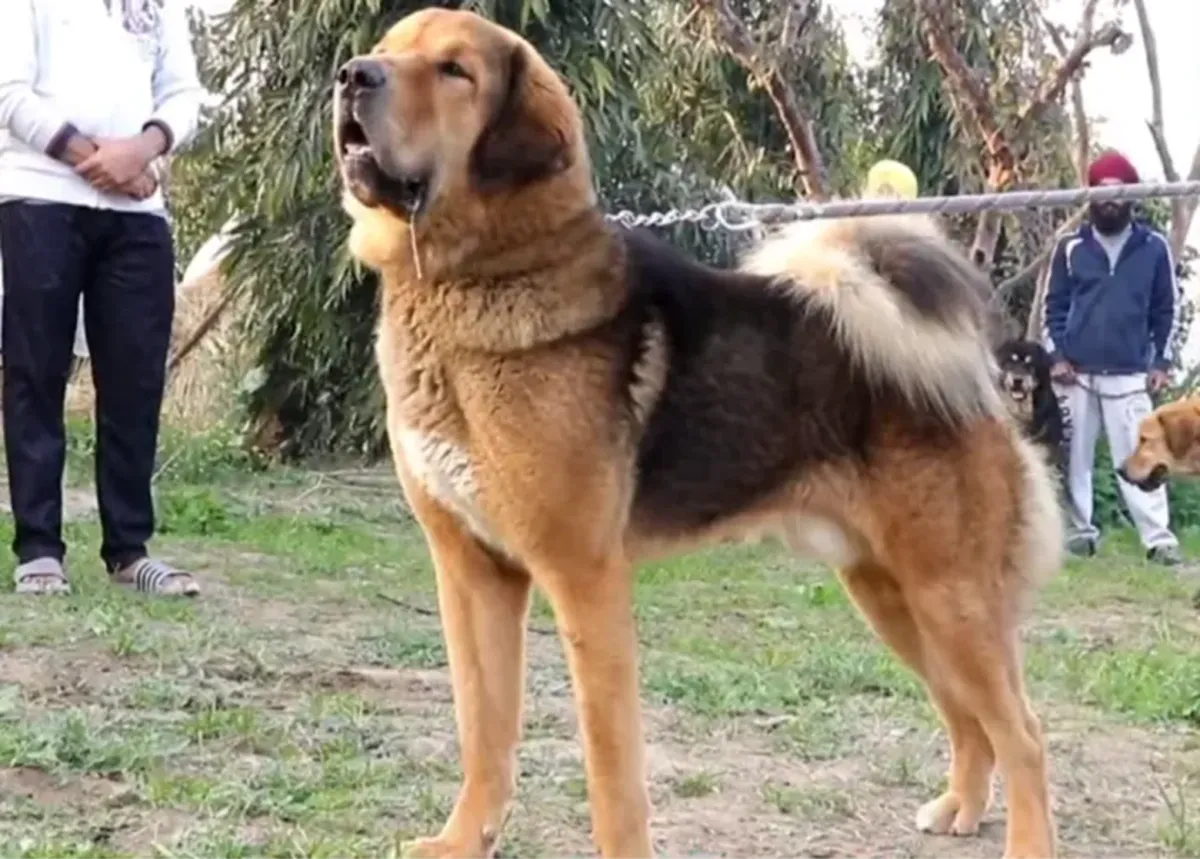
Image Source: HubPages
The majestic Bakharwal dog once roamed freely through Kashmir’s mountains. Today, this ancient breed stands at the edge of extinction. These dogs, which played a vital role in nomadic life, now barely survive in our changing world.
Why the breed is endangered
The Bakharwal dog’s situation looks grim with just a few hundred purebred dogs left. These dogs now appear on the International Red List, which shows how close they are to disappearing forever. The breed faces several threats to its survival:
Female dogs have limited breeding cycles and give birth to just 1-3 puppies each year
City dwellers take male dogs away from traditional communities
Breeders sell their best dogs to people who don’t care about keeping the breed alive
A 2009 study by the Tribal Research and Cultural Foundation in Kashmir showed numbers dropping fast. This led to calls to protect these dogs as an endangered species.
Effect of conflict and habitat loss
Regional conflicts have hit the Bakharwal dog population hard. Militants shot these dogs to stop them from barking and alerting others to their presence. They also kept herdsmen from reaching higher mountains. This forced the dogs to stay at lower heights where many got sick and died.
The modern world has changed how these dogs live. Nomadic tribes now use modern transport instead of walking through mountains. This means they just don’t need these guardian dogs like before.
Efforts to preserve the breed
New projects aim to save these dogs. The Bakarwal Dogs Preservation Project tries to curb people from using the breed’s aggressive nature for profit. Dog lovers in Srinagar, Pune, and Rajapalayam work to protect native breeds under the Wildlife Protection Act of 1972.
Special kennels now focus on keeping the breed pure. Scientists document and save genetic diversity through carefully chosen dogs. Yet without recognition from major organizations like the AKC, saving these dogs for future generations remains challenging.
Conclusion
The Bakharwal dog shows evidence of centuries of selective breeding and adaptation to harsh Himalayan conditions. These majestic guardians once roamed Kashmir and northern India but now face a serious threat to their survival. The breed remains relatively unknown beyond their native regions, yet Bakharwal dogs have extraordinary qualities that set them apart from other canines worldwide.
Unlike almost all other canines, these dogs thrive on a vegetarian diet – a result of nomadic tribes’ ingenious breeding practices to create perfect livestock guardians. Their independent nature allows them to make vital decisions while protecting flocks with minimal human oversight. This unique blend of intelligence, loyalty, and protective instinct makes them excellent working partners today.
The Bakharwal’s future faces major challenges. Regional conflicts have made these dogs direct targets, while modern life has diminished their traditional roles in nomadic communities. Their slow breeding pattern produces just a few puppies each year, which makes conservation even harder.
Groups across India have launched preservation efforts to maintain genetic diversity and shield these dogs from exploitation. Pure breeding lines continue through the work of dedicated facilities. Yet their long-term survival remains uncertain without recognition from major kennel organizations.
Bakharwal dogs mean more than just another breed – they symbolize the bond between humans and canines that grew over centuries in one of Earth’s toughest environments. Their story weaves into Kashmir’s indigenous tribes’ cultural heritage. Saving them protects both the breed and living cultural history.
People lucky enough to meet these gentle giants quickly appreciate their powerful presence and loving nature toward family. The world would lose something special if these mountain guardians disappeared from their centuries-old home. The Bakharwal dog’s survival now depends on focused conservation work and greater awareness of their special traits and endangered status.
Key Takeaways
The Bakharwal dog represents a critically endangered piece of living heritage from the Himalayas, with unique characteristics that set them apart from all other canine breeds worldwide.
• Critically endangered status: Only a few hundred purebred Bakharwal dogs remain, listed on the International Red List due to slow breeding and regional conflicts.
• Unique vegetarian diet: Unlike most dogs, Bakharwals traditionally subsist on milk, bread, and non-meat foods to prevent predatory instincts toward livestock.
• Independent guardian instincts: These dogs make autonomous decisions while protecting flocks, requiring minimal human supervision in harsh mountain terrain.
• Specialized care requirements: Their thick double coat needs regular grooming, and they require experienced owners due to territorial nature and training challenges.
• Cultural preservation urgency: Conservation efforts are underway, but without broader recognition and protection, this ancient breed faces extinction within decades.
The Bakharwal’s survival depends on dedicated breeding programs and increased awareness of their irreplaceable role in Himalayan pastoral culture. Their loss would eliminate centuries of selective breeding adapted to one of Earth’s most challenging environments.
FAQs
Q1. What are the key physical characteristics of a Bakharwal dog? Bakharwal dogs are medium to large-sized with a powerful build and heavy bone structure. They have a thick, furry double coat and a plumy tail that gives them a majestic appearance. Their coloring is often black with white markings on the chest and toes, resembling a medium-sized version of a Tibetan Mastiff.
Q2. What health issues should Bakharwal dog owners be aware of? Common health concerns for Bakharwal dogs include hip and elbow dysplasia, bloat (gastric torsion), and obesity if not properly exercised. They may also be prone to parasitic infestations in rural environments and skin issues in hot, humid climates.
Q3. What is the typical lifespan of a Bakharwal dog? With proper care, Bakharwal dogs typically live between 10 to 13 years. However, some sources suggest their lifespan can range from 6 to 12 years, likely depending on their living conditions and healthcare access.
Q4. What diet is recommended for Bakharwal dogs? Bakharwal dogs require a balanced diet appropriate for their life stage. Puppies need high-quality large breed puppy food, while adults benefit from protein-rich diets with healthy fats. Senior dogs may require specialized formulas with joint support supplements. It’s important to adjust portions based on the dog’s activity level to prevent obesity.
Q5. How rare are Bakharwal dogs and what efforts are being made to preserve the breed? Bakharwal dogs are critically endangered, with only a few hundred purebred individuals remaining. Conservation efforts include dedicated breeding programs and initiatives to document and preserve genetic diversity. Some facilities in India are specifically focused on maintaining breed purity, while researchers are working to secure ambassador specimens for future preservation efforts.