
Azawakh dog Breed Information: Characteristics, Behavior, Temperament, Lifespan, Weight
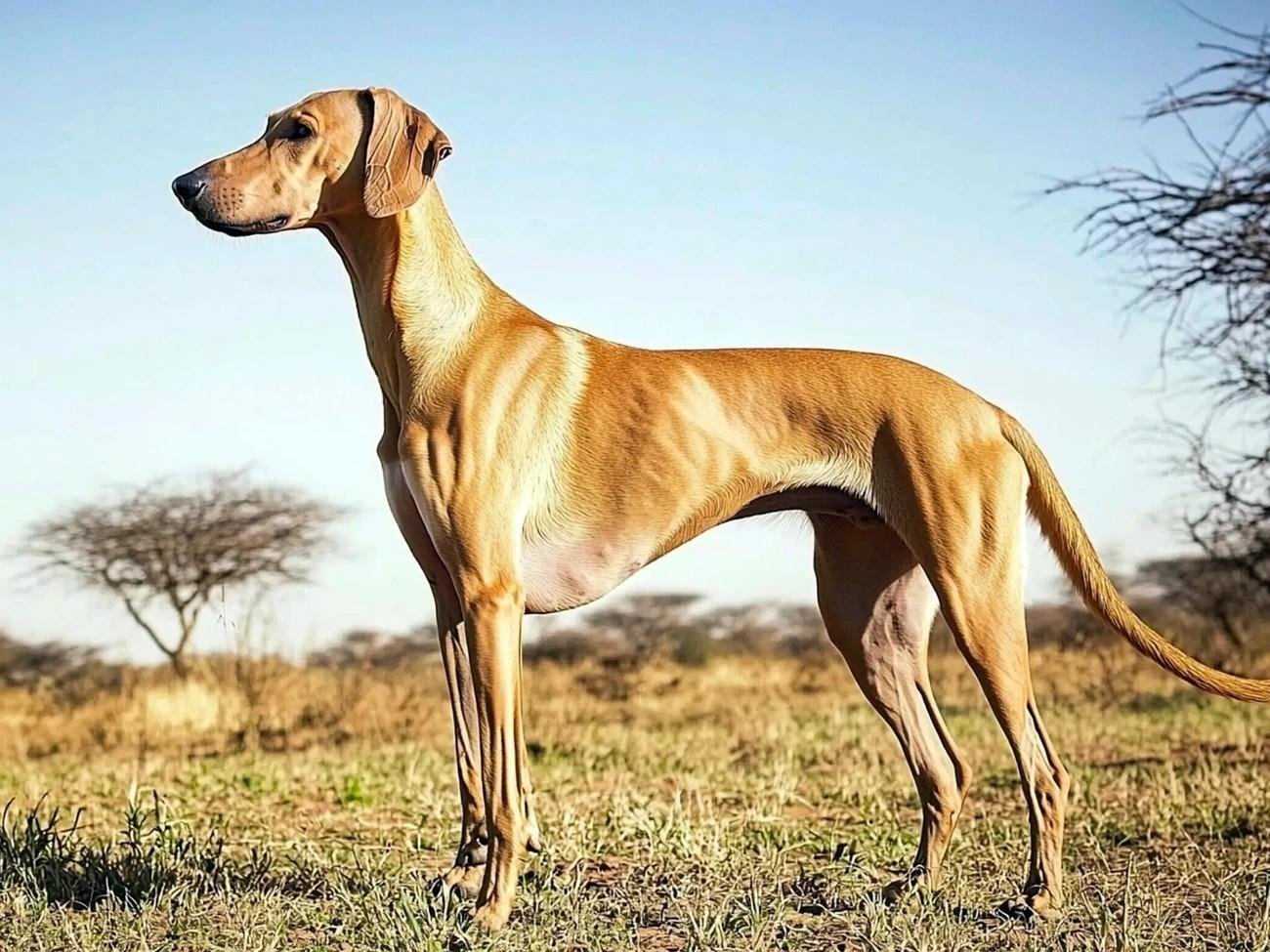
The Azawakh dog traces its roots to the West African Sahara Desert, specifically the Azawakh Valley between Mali and Niger. These remarkable sighthounds can run at speeds of up to 40 miles per hour, despite their slender appearance. The breed’s elegant yet athletic silhouette reflects its desert heritage, with adults standing 23 to 29 inches at the shoulder and weighing between 33 to 55 pounds.
The breed’s history spans centuries in Africa, yet the American Kennel Club officially recognized it only in 2019. Azawakhs live 12 to 15 years and display strong loyalty with a naturally reserved temperament. The breed’s ancient lineage and striking appearance make it a fascinating choice for rare sighthound enthusiasts. This piece explores the Azawakh’s temperament, care needs, and distinctive qualities that potential owners should understand.
Breed Origin and History
“In their Sahelian homeland the Azawakh are not only hunters, but also guardians of livestock, and protectors of encampments and villages. Because of this their territorial instinct is highly developed.” — Tombouktou’s Azawakh editorial, Tombouktou’s Azawakh is a respected breeder and breed information site
The Azawakh, an African sighthound, has a rich history that goes back more than a thousand years. Unlike many of today’s dog breeds, the Azawakh grew naturally without human interference. The breed adapted to its harsh surroundings over time.
Where the Azawakh comes from
This remarkable breed comes from the Sahel region of West Africa, mostly in Mali, Niger, and Burkina Faso. The name “Azawakh” comes from the Azawakh Valley that runs through the Sahel in sub-Saharan Africa. The valley’s name means “land of the north”.
These elegant hounds have lived for hundreds of years in one of the world’s toughest places – the blazing Sahara Desert. They developed their unique traits in isolation as they adapted to the extreme desert weather. We don’t have any written records of their exact origins. Most of what we know about their history comes from stories passed down by the nomadic peoples who raised them.
These dogs played many roles throughout history. They chased gazelles and hares at speeds up to 40 mph. They protected nomadic camps and became loyal companions to their human families. Their amazing hunting skills helped people survive in a tough landscape where food was hard to find.
Role of the Tuareg people in its development
The Peulh, Bella, and Hausa peoples all bred and owned these remarkable dogs across the Sahel region. The Tuareg nomads played a crucial role in the breed’s growth and survival.
The Tuareg people, sometimes called by an Arabic phrase meaning “the one cast out of God,” managed to keep a strict social order where the Azawakh held special status. Tuareg culture called these dogs “Oska” or “idii n’ illeli,” which means “the sight of the free people”. Tuareg nobles saw raising an Azawakh as an honor rather than just keeping a working dog.
The sort of thing I love about the Azawakh is how it developed with little human interference. Its unique looks – the extreme leanness, deep chest, and streamlined head – came naturally from its environment and work. These physical features helped it chase game across big desert spaces and handle intense heat.
How the breed spread globally
The world outside West Africa knew little about the Azawakh until the early 1970s. The breed’s journey to worldwide recognition started with an unusual story. Dr. Pecar, a Yugoslavian diplomat in Burkina Faso, got a male Azawakh as a gift from local nomads. These dogs were rarely sold, so he later traded his hunting skills – killing a troublesome bull elephant for a tribe – to get a female Azawakh.
This pair became the first Azawakhs to leave Africa. French military personnel and civil servants working in the region brought more dogs to Europe. France later became the patron country for the breed under FCI (Fédération Cynologique Internationale) rules.
The breed arrived in America in the mid-1980s, with its first litter born on October 31, 1987. All American Azawakhs were red or fawn with white markings at first. Brindle varieties came in 1989.
The breed’s official recognition took time:
- First shown in Europe during the early 1970s as a variety of Sloughi
- Recognized as a distinct breed called “Sloughi-Azawakhs” in 1981
- Finally acknowledged simply as “Azawakh” by the FCI in 1986
- Added to AKC’s Foundation Stock Service by 2011
- Fully recognized by the American Kennel Club in January 2019
These ancient sighthounds have a growing fan base worldwide, but they’re still uncommon outside their native region. Reports show only about 400-500 Azawakh dogs live in the United States, making them one of the rarer dog breeds around.
Physical Characteristics and Appearance
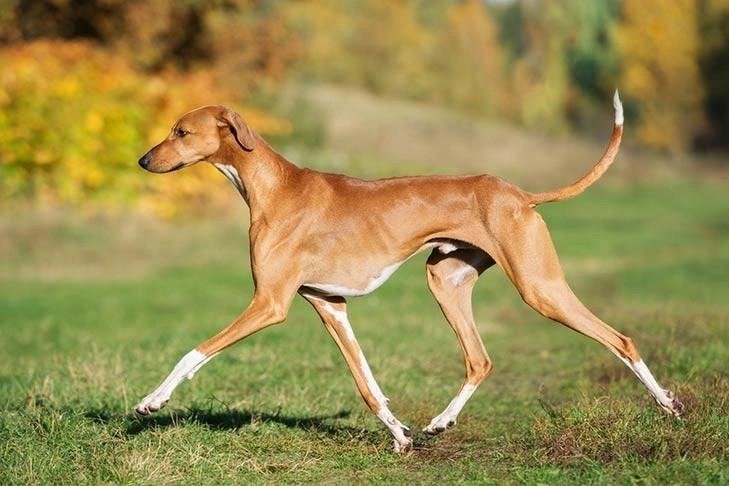
Image Source: American Kennel Club
The Azawakh stands out as one of the most eye-catching dogs you’ll ever see. Their remarkable outline and unique body proportions make them truly special. These sighthounds showcase an elegant, tall stature that reflects their desert roots and hunting prowess.
Height and weight range
The Azawakh’s tall, leggy build shows clear size differences between males and females:
Male Azawakhs:
- Height: 25-29 inches (64-74 cm) at the shoulder
- Weight: 44-55 pounds (20-25 kg)
Female Azawakhs:
- Height: 23.5-27.5 inches (60-70 cm) at the shoulder
- Weight: 33-44 pounds (15-20 kg)
These measurements create a statuesque dog with long, slender legs and an athletic build perfect for speed and stamina. The Azawakh’s appearance speaks of both power and elegance – vital traits for a breed that learned to chase gazelle through vast desert landscapes.
Coat type and color variations
The Azawakh’s coat feels silky smooth and needs little grooming. Their bellies often have almost no hair – a clever way their bodies stay cool in intense desert heat.
The American Kennel Club accepts many more color combinations than other kennel clubs. These colors include:
- Red to dark fawn
- Sand to light fawn
- Brindle patterns
- Blue (a grayish hue)
- Black
- Brown (including chocolate)
- White markings (particularly on feet, chest, and tail tip)
- Parti-color (predominantly white)
Most Azawakhs sport a black mask on their face, which adds to their unique look. The Fédération Cynologique Internationale (FCI) standard has stricter rules about colors. They won’t accept white stockings above the elbow joint or a white collar. The American standard welcomes all colors found in Africa.
Why Azawakhs look so lean
People often get surprised by how thin these dogs look. This extreme leanness isn’t unhealthy – it’s a natural trait that sets them apart from other breeds.
The Azawakh’s slim build serves several purposes:
- Heat adaptation: Less body fat helps them handle the hot Sahara Desert better
- Speed and agility: Their light frame lets them run at amazing speeds
- Endurance: This build helps them keep going on rough terrain
The Azawakh’s skin stays thin and tight with little fat underneath. You can see their bones and muscles through their skin – a feature that makes them unique. The AKC breed standard actually says a healthy Azawakh should show three to five ribs.
Their deep chest gives plenty of space for heart and lungs – perfect for long runs. Their narrow, muscular body cuts through air smoothly, making them built for speed. Their refined head and almond-shaped eyes show both alertness and nobility, matching their elegant build.
The Azawakh’s ultra-thin look comes from years of natural adaptation. These dogs grew into their form naturally, thriving in harsh conditions where extra weight would only slow them down.
Temperament and Behavior Traits
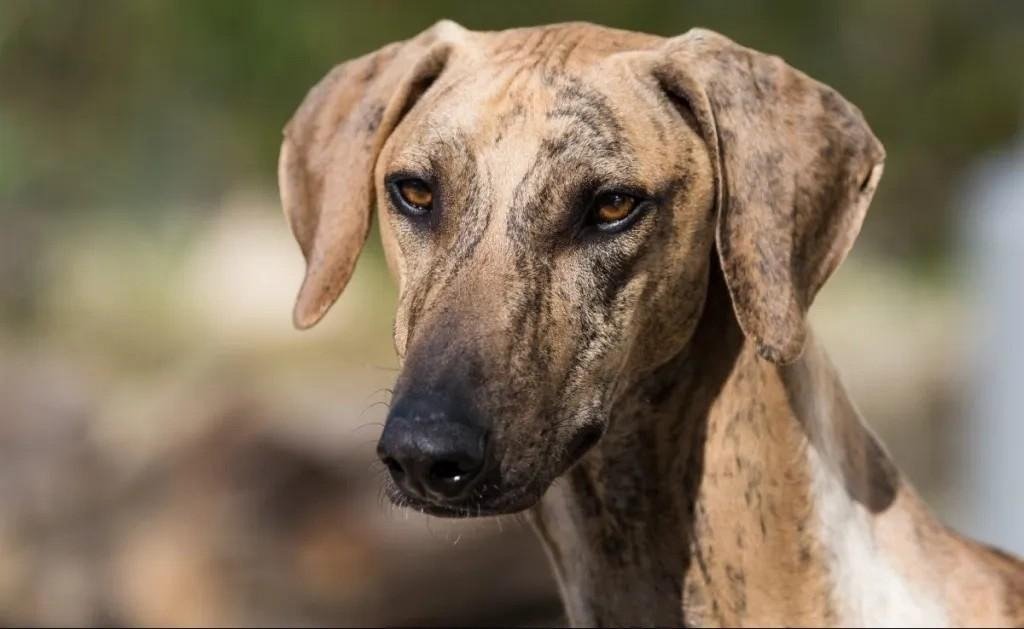
Image Source: DogTime
“They seem to possess an uncanny combination of total loyalty and independence. Each new situation presents the potential for the struggle between the dog’s natural desire to please and his prideful desire to do things his own way.” — Azawakhs.org editorial, Azawakhs.org is a recognized authority on the Azawakh breed
Azawakhs stand out not just for their looks but also their temperament that echoes their desert roots. People often call them “a warrior’s dog.” These smart hounds blend opposing traits that make them perfect companions for the right owners.
Loyalty and affection with family
Azawakhs show remarkable devotion to their human families. Their bonds run deep—owners say they’ve never seen a breed with stronger family ties. This deep connection means something important: these dogs find it hard to adjust to new homes after puppyhood.
These dogs show their gentle, loving, and playful side to family members. They usually bond most strongly with one person, creating a connection that lasts forever. This connection is not superficial—breed enthusiasts love how Azawakhs balance dedication with independence.
The breed’s exceptional loyalty comes with what breeders call the “paradoxical mix of total devotion and independence”. This unique quality appeals to people who want a devoted dog that isn’t clingy. At home, these dogs stay calm and can easily relax indoors after exercise.
Aloofness with strangers
Azawakhs naturally keep their distance from people they don’t know. These dogs stay watchful around strangers—a trait that comes from their guarding background. New visitors will notice right away how these dogs take time to accept them, but only after they’ve studied them carefully.
This cautious nature doesn’t mean aggression. Azawakhs prefer to watch and warn rather than confront, unless they spot real danger. Their protective instincts show through their watchfulness—they observe visitors but stay calm if their owner seems comfortable.
Good socialization helps create balanced Azawakhs who can tell friendly visitors from actual threats. Well-socialized dogs keep their protective nature while learning when to relax their guard. The breed standard calls them “attentive and reserved,” which makes them great watchdogs without being aggressive.
Prey drive and alertness
The breed’s background as both guardian and hunter has shaped their awareness and prey drive. These dogs stay alert and quickly spot anything unusual in their surroundings. Their smarts combined with this awareness make them excellent at spotting potential threats.
Azawakhs differ from other sighthounds in their prey drive. Most have a stronger pack drive than prey drive, though some dogs are different. This trait lets many Azawakhs live well with cats, small dogs, and sometimes even birds (with supervision).
Their hunting instincts still shine through. Owners should keep Azawakhs on a leash or in secure fenced areas outdoors to prevent chasing. These dogs run so fast that catching them becomes almost impossible once they decide to chase something.
Azawakhs bark less than most breeds, which fits their role as quiet guardians rather than noisy watchdogs. They bark mainly to warn off strangers near their territory. Their intelligence runs on trust and consistency—traits that help trained Azawakhs become dependable companions.
Lifespan and Health Overview
The Azawakh dog has risen to become one of the healthiest breeds around, thanks to centuries of natural selection in harsh desert environments. Their tough constitution shows how well they’ve adapted to challenging conditions. Like all breeds though, they come with their own set of health issues that owners need to know about.
Average Azawakh lifespan
These dogs live a good long time, usually between 12 to 15 years. Some sources say they can make it from 10 to 15 years or more with the right care. They outlive many dogs their size, and this comes from their natural toughness – a trait they picked up over centuries in the tough Sahel region.
These dogs stay healthy through most of their lives. They’ve developed away from many common dog genetic problems, which helps them age well. Most health issues don’t show up until they’re older, so they get to enjoy active, healthy adult years before age catches up with them.
Common health issues
Azawakhs are healthy dogs overall, but they can run into certain problems:
Thyroid Issues: This ranks as one of their biggest health concerns. The thyroid gland might not make enough hormones, which leads to weight gain, tiredness, dull coat, and skin infections. The good news? Once diagnosed, medication can keep this under control for the rest of the dog’s life.
Seizure Disorders: Some Azawakh lines have shown seizure problems[162][173]. Dogs might have episodes where they can’t control their movements, lose awareness briefly, or pass out. Research suggests these seizures might be linked to thyroid problems.
Autoimmune Conditions: These dogs can get several autoimmune diseases, including myositis (muscle inflammation), autoimmune thyroiditis, and generalized demodectic mange. Masticatory muscle myositis hits the head and jaw muscles, making it hurt when dogs try to open or close their mouth.
Other Health Concerns: Here are more issues to watch for:
- Heart problems (not common but they happen)[181]
- Bloat/gastric dilatation-volvulus (rare but dangerous)[172]
- Von Willebrand disease (they’re born with this bleeding problem)
- Hip dysplasia (less common than other breeds)[174]
Preventive care and vet checkups
Your Azawakh needs good health management to stay well. Vet checks twice a year help catch age-related problems early. These visits should include:
Health Screenings: Good breeders test their dogs for all the usual Azawakh health problems[181]. Look for breeders who check for thyroid issues, autoimmune conditions, and heart problems at the very least.
Vaccination Protocols: Azawakhs need the basics – shots for canine distemper virus, parvovirus, hepatitis, and rabies. Your vet might suggest more vaccines based on where you live and your dog’s lifestyle, like shots for leptospirosis, Lyme disease, parainfluenza, kennel cough, and canine flu.
Parasite Prevention: These dogs need regular treatments to prevent fleas, ticks, and worms[172]. Heartworm prevention becomes extra important since mosquitoes can spread this dangerous disease.
Weight Management: Your Azawakh needs to stay slim. You should see some ribs, backbone, and hip bones. Too much food can hurt their joints, especially as puppies. Feed them food with moderate protein (22-26%) and the right amount of fat (12-16%)[181].
Special Considerations: Azawakhs need special attention in some areas. Their deep chest makes them prone to bloat, and their sighthound body type means they need different anesthesia. These dogs also respond well to natural health approaches.
Give your Azawakh proper care and regular vet checks, and they’ll likely stay active and healthy throughout their life.
Weight and Body Condition
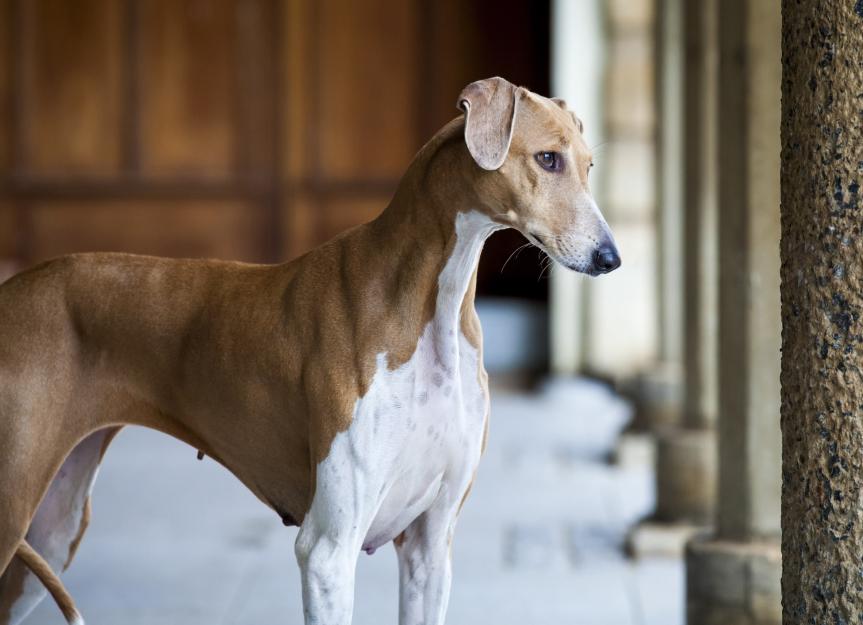
Image Source: PetMD
Most dog breeds look healthy when they’re a bit plump, but the Azawakh breaks this rule. Their naturally slim physique shows they’re in good shape. New owners often feel surprised by this ancient sighthound’s lean body, which actually shows how well they’ve adapted to desert life.
Ideal Azawakh weight in kg
Azawakhs have a lightweight frame that differs between males and females:
Male Azawakhs weigh between 20-25 kg (44-55 pounds). Their height supports this weight range while keeping their graceful look.
Female Azawakhs are smaller at 15-20 kg (33-44 pounds)[211]. This size difference matches what we see in other sighthound breeds.
Both males and females carry their weight on a tall frame. Males stand 25-29 inches tall while females reach 23.5-27.5 inches at the shoulder. This height-to-weight balance creates their signature lean silhouette.
Understanding their slim build
People who don’t know Azawakhs often worry about their lean looks. All the same, this slender shape shows how they’ve adapted over time rather than poor health.
Azawakhs belong to the sighthound family, known for their tall, slim build. You can see their bones and muscles through their thin skin, which creates their unique look. Visible bones aren’t just okay—they’re what you want to see. A healthy Azawakh should show some ribs, backbone, and hip bones.
Their slim body serves several key purposes:
- Temperature regulation in hot desert climates
- Better speed and agility for hunting
- Efficient metabolic functioning
Yes, it is their deep chest and low body fat that create the perfect shape for running across desert terrain. What might look too thin to newcomers actually shows these ancient dogs at their best.
How to monitor healthy weight
Your Azawakh’s health and long life depend on keeping the right weight. Owners should learn what a healthy dog looks like—lean with visible bones but not skinny.
Extra weight can seriously harm Azawakhs. Too many pounds might cause:
- Joint problems
- Metabolic and digestive disorders
- Back pain
- Heart disease
Here’s how to keep your dog at the right weight:
- Consistent diet – Stick to dog food and skip the table scraps
- High-quality food – Choose food rich in protein to maintain muscles
- Regular exercise – Give daily exercise without pushing too hard
- Veterinary guidance – Let your vet help find your dog’s best weight
Puppies need special attention with their weight. Young Azawakhs shouldn’t look chubby because too much food can hurt their growing joints and bones. Slim puppies grow better and their joints stay healthy.
Watch your dog’s weight and adjust food portions when needed while keeping up with exercise. Your vet can give you specific advice based on your dog’s age, activity, and needs.
Grooming and Maintenance Needs
Bringing an Azawakh home comes with many perks, including their simple grooming needs. These elegant sighthounds have one of the shortest, finest coats you’ll find in dogs, which makes them easier to care for than most breeds.
Brushing and bathing routine
The Azawakh’s short, fine coat needs little attention. A quick weekly brushing with a soft-bristle brush gets rid of loose hair and spreads natural oils through their coat. Most Azawakhs stay sleek and clean with just this simple grooming session.
These dogs rarely need baths. Most owners bathe their adult dogs only before shows to keep judges happy. Azawakhs stay naturally clean and don’t get that typical dog smell. Too much bathing can strip away the natural oils that protect their sensitive skin.
A mild, pH-balanced dog shampoo works best if you need to give them a bath. Puppies should get occasional baths to help them get used to water, not because they’re dirty.
Ear, nail, and dental care
Your Azawakh’s folded triangular ears need regular checks since they can trap moisture and dirt. Weekly ear cleaning prevents wax buildup and infections. Some dogs have thin ear leather that splits easily, so get your vet’s advice if you notice any issues.
Nail care plays a vital role in this active breed’s health. Long nails can mess up how they walk or cause injuries. Keep their feet healthy by trimming nails at home with proper clippers or visiting a groomer.
Good dental care matters a lot. Brush their teeth daily with dog toothpaste – never use human toothpaste. Dental chews and proper toys help fight tartar buildup between brushings. Vets suggest checking your Azawakh’s teeth twice every week.
Seasonal shedding and coat care
Azawakhs don’t shed much compared to other breeds. They lose a bit more fur during spring and fall when they “blow their coat”. Extra brushing during these times helps manage the loose fur.
Here’s something unique about these dogs: many Azawakhs have almost no belly hair, which is normal for the breed. Their short coat doesn’t protect them much from hot or cold weather, so they can get scratched up easily during outdoor play.
Check their skin after outdoor activities to catch any cuts or irritations early. This quick check matters even more because of their lean build and minimal protective coat.
Training and Socialization Guide
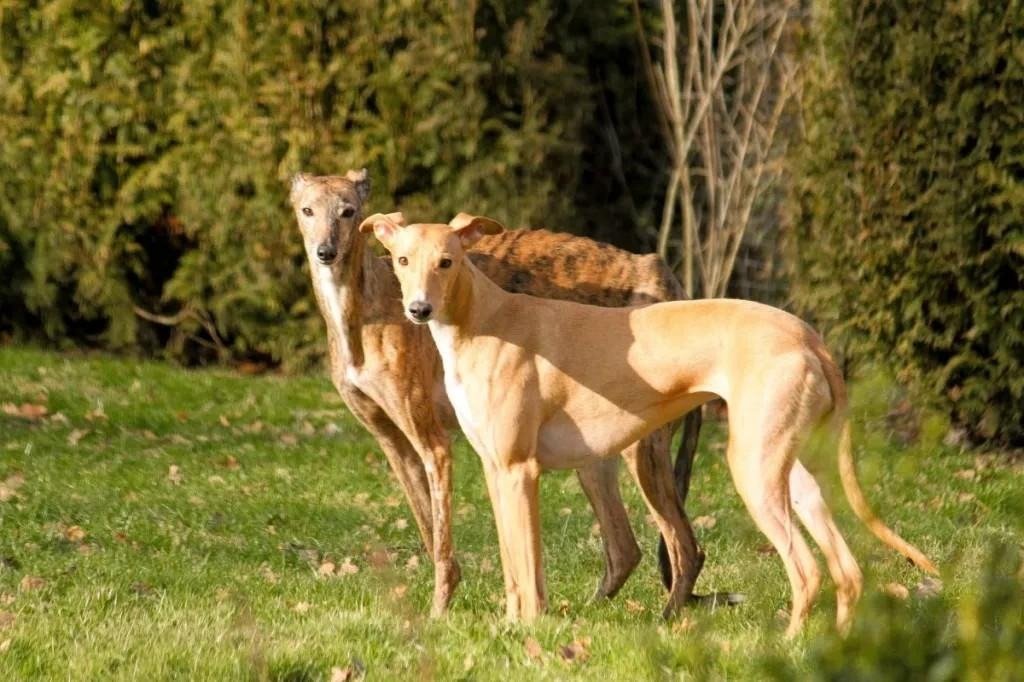
Image Source: DogTime
Training an Azawakh demands a deep grasp of their unique personality. These sighthounds blend remarkable intelligence with a fiercely independent spirit. Their nature creates both challenges and rewards for their owners.
Training challenges and tips
Azawakh’s extraordinary dignity makes them resistant to harsh training methods. Punishment-based approaches usually fail. These methods either break the dog’s spirit or turn them aggressive and unmanageable. These noble dogs thrive under gentle but firm guidance.
Their sharp intelligence helps them learn fast. Yet their watchful nature means outside distractions can derail training sessions. Construction noise or wildlife nearby might make your alert Azawakh ignore commands. Patience remains essential throughout this learning trip.
The quickest way to succeed:
- Start training the day your puppy arrives home
- Stick to positive reinforcement
- Set clear rules without being harsh
- Run short, regular sessions
Importance of early socialization
Early socialization stands out as the key factor in raising a well-adjusted Azawakh. These naturally reserved dogs need proper exposure to various settings, people, and animals from puppyhood. Without it, they risk becoming too fearful or timid.
Their background as camp guardians makes them “slow to warm up to strangers and tightly bonded to their people”. Good socialization helps alleviate their cautious nature without losing their protective instincts. Well-socialized Azawakhs live peacefully with other dogs. Their sighthound instincts mean they might still chase smaller pets.
Best practices for obedience training
Clear communication is the life-blood of successful Azawakh training. These dogs respond best to simple, unchanging command words. Their bond with owners should grow from mutual trust and respect.
Reward-based training delivers the strongest results. Treats, praise, and play motivate these clever dogs better than corrections. Classes with trainers who know positive techniques give puppies an excellent start.
Safety should always come first. Azawakhs need to stay on leash or within fenced areas outdoors because of their prey drive and incredible speed. The right guidance turns these dignified hounds into obedient companions. Their independence boosts rather than reduces their charm.
Azawakh Dog Price and Availability in India

Image Source: A-Z Animals
Finding an Azawakh in India comes with money challenges and practical hurdles. This breed is extremely rare across the subcontinent.
Average Azawakh dog price in India
Azawakh prices in India swing wildly based on where you look. Budget options run between ₹35,000-₹60,000, while mid-range prices sit at ₹50,628-₹67,504. High-end sellers ask by a lot more – anywhere from ₹675,043-₹717,233. These premium prices make the Azawakh one of India’s priciest four-legged friends.
Factors affecting cost
The price varies so much because of several key factors:
- Bloodline quality – dogs from prestigious families cost more
- Breeder reputation – 20+ years old breeders with solid track records set higher prices
- Coat color – rare colors often come with bigger price tags
- Age and training – puppies usually cost more than grown dogs
The lack of Azawakh dogs naturally pushes prices up across India.
Where to find Azawakh puppies or dogs for sale
Finding Azawakh breeders is tough worldwide. Indian buyers have few choices. Some dedicated importers bring these rare sighthounds to India from time to time. Adoption could be another way to go, with fees running between ₹4,219-₹42,190 when dogs are available.
Serious buyers might want to reach out to international breed clubs. They often help connect people with trusted sources for these special African sighthounds.
Conclusion
The Azawakh ranks among the most exceptional sighthound breeds you’ll find. These dogs trace their roots back over a thousand years to West Africa’s harsh Sahel region. This background has shaped them into tough, smart companions that blend loyalty with independence. Their graceful athleticism lets them reach speeds of 40 mph while keeping their dignified bearing.
New owners need to know that Azawakhs build deep family connections but stay naturally cautious around strangers. This mix makes them great watchdogs, though they need proper socialization from an early age. Their free spirit means you’ll need consistent, positive training instead of harsh corrections. These smart hounds respond well to patience.
Many first-time owners feel surprised by the Azawakh’s naturally slim build. Their visible ribs and hip bones show good health, not poor nutrition – a key difference to remember if you’re thinking about this breed. The good news is their short, fine coat needs little grooming, which makes them easier to care for than many other dogs.
These elegant hounds live 12 to 15 years on average. Though they’re typically healthy, owners should watch for thyroid problems, seizure disorders, and autoimmune conditions that can affect the breed. Regular vet visits help keep these graceful dogs healthy throughout their lives.
Getting an Azawakh puppy takes time, especially in places like India where you rarely find them. Their high price reflects both their limited availability and special qualities. This makes them quite an investment beyond just the money.
Azawakhs fit best with experienced owners who value their unique personality and looks. They do well with people who understand their natural adaptations and heritage. While they won’t suit every home, families who match the Azawakh’s character find an amazing companion. Their ancient bloodlines and special traits create a bond unlike any other in the dog world.
Key Takeaways
The Azawakh is an ancient African sighthound with unique characteristics that make them exceptional companions for the right owners.
• Azawakhs are naturally lean by design – their visible ribs and hip bones indicate proper health, not malnutrition, as an evolutionary adaptation to desert life.
• Early socialization is crucial – these naturally reserved dogs need extensive puppy socialization to develop balanced temperaments with strangers while maintaining their protective instincts.
• They form intense family bonds but struggle with rehoming – Azawakhs demonstrate extraordinary loyalty to their families, making them difficult to rehome outside of puppyhood.
• Minimal grooming requirements – their ultra-short coat needs only weekly brushing and rare bathing, making them one of the lowest-maintenance breeds for grooming.
• Training requires patience and positive methods – harsh corrections backfire with these dignified, intelligent dogs who respond best to consistent, reward-based training approaches.
With proper understanding of their unique needs and characteristics, Azawakhs can live 12-15 years as healthy, devoted companions. However, their extreme rarity and high prices (₹35,000-₹717,233 in India) make them a significant commitment that’s best suited for experienced dog owners who appreciate their ancient heritage and independent spirit.
FAQs
Q1. What is the typical temperament of an Azawakh dog?
Azawakhs are known for being attentive and reserved, especially with strangers. They are neither nervous nor aggressive by nature. With their family, they tend to be affectionate and gentle. However, they require sensitive handling due to their independent nature.
Q2. Are Azawakhs suitable for first-time dog owners?
Azawakhs are generally not recommended for first-time dog owners or those unfamiliar with primitive breeds. They have unique temperaments that differ significantly from more popular breeds like Golden Retrievers. Their reserved nature with strangers and selective friendliness require experienced handling.
Q3. What are the grooming needs of an Azawakh?
Azawakhs have minimal grooming requirements due to their short, thin coat. Regular brushing is beneficial to distribute natural oils and remove dead skin cells, but matting is not a concern. Their low-maintenance coat is one of the breed’s advantages in terms of care.
Q4. How much does an Azawakh typically cost?
The cost of an Azawakh can vary widely, especially in regions where they are rare. In India, prices can range from ₹35,000 to over ₹700,000, depending on factors like bloodline, breeder reputation, and availability. They are generally considered a high-end breed in terms of price.
Q5. What is unique about the Azawakh’s physical appearance?
Azawakhs have a distinctively lean and athletic build. Their slender physique, with visible ribs and hip bones, is a natural characteristic of the breed and not a sign of poor health. This lean build is an adaptation from their desert origins, allowing for efficient temperature regulation and swift movement.