
Auvergne Pointer dog Breed Information: Characteristics, Behavior, Temperament, Lifespan, Weight
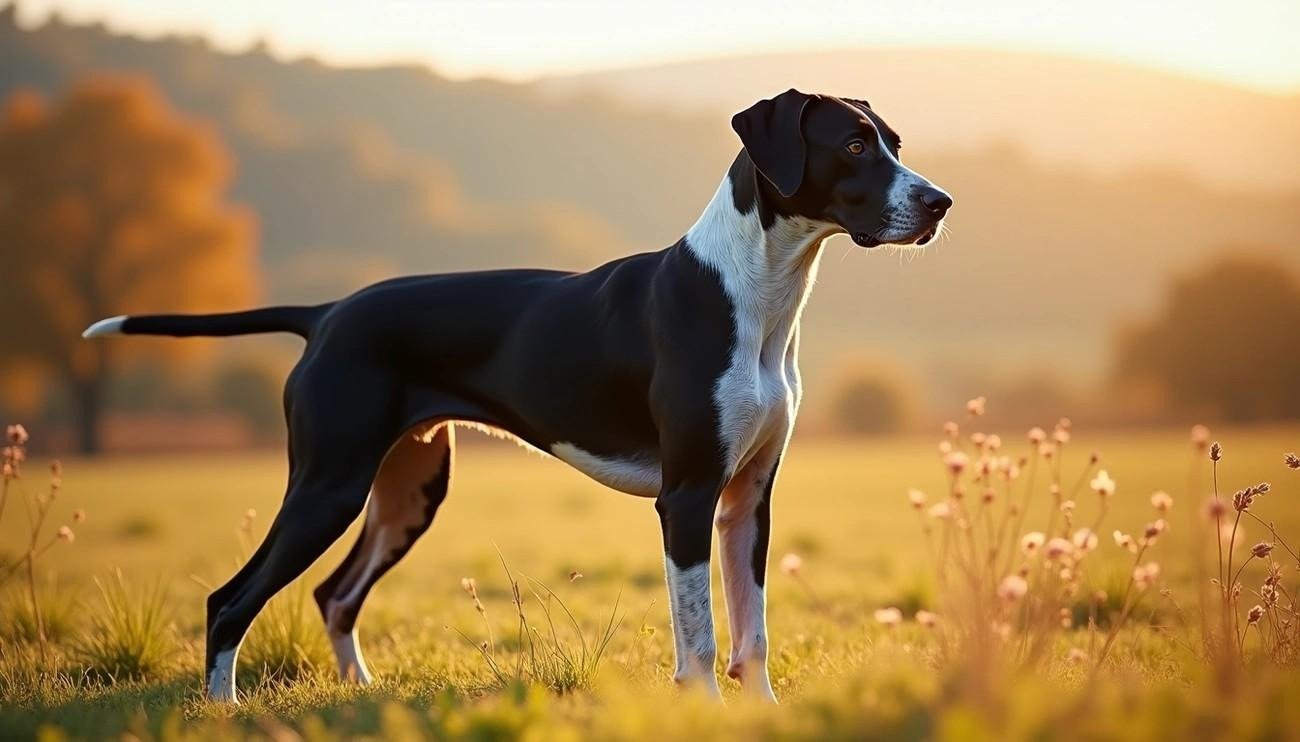
The Auvergne Pointer combines exceptional hunting abilities with devoted family companionship, making it a rare and remarkable breed. This ancient dog breed has been used in small game hunting for over 200 years. Their strong sense of smell helps them track prey effectively.
Males stand between 57-64 cm while females measure 54-60 cm. The breed’s most striking feature is its distinctive coat, with black and white markings on the head that create a blaze from the skull to the muzzle’s sides. These elegant, medium-sized dogs weigh 22-28 kg for males and 22-26 kg for females, showing a functional and straightforward stance [-3].
The Braque d’Auvergne pointer’s gentle and affectionate nature makes it a wonderful family pet. These highly intelligent and docile dogs quickly win their owner’s hearts. They show great obedience to their masters and need 1-2 hours of vigorous exercise daily to stay healthy and happy. With a lifespan of 12 to 15 years, they make great companions [-5]. Their long, droopy ears need extra care because of poor ventilation in the ear canals.
Breed Origin and History
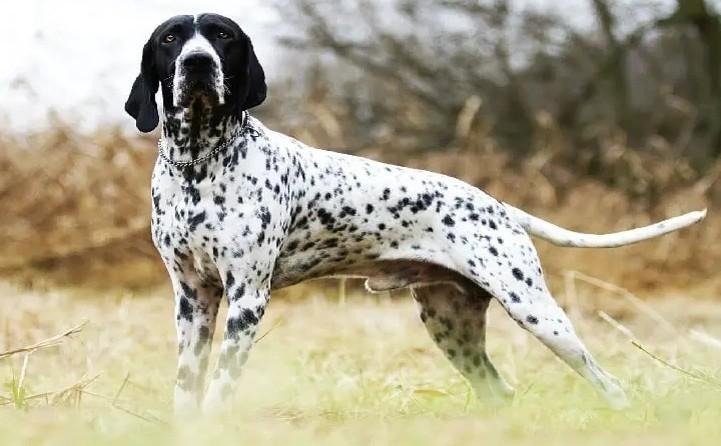
Image Source: WOpet
The Auvergne Pointer’s rich history spans centuries of French hunting tradition. This remarkable breed’s legacy continues to captivate dog enthusiasts worldwide.
Where the Auvergne Pointer comes from
The Auvergne Pointer, also known as Braque d’Auvergne, has its roots in the mountainous Cantal region within the historic Auvergne province in mid-southern France. This ancient gundog breed has lived in this region for more than two centuries. Dog experts consider it one of the oldest pointer breeds globally.
Several interesting theories explain the breed’s origins. Some historical accounts suggest that the Knights of Malta brought these dogs’ ancestors to France after Napoleon captured Malta and disbanded their order. These knights settled in the Auvergne region and developed the Braque into strong, tireless hunters suited to the mountainous terrain.
Spanish pointers and hunting hounds from the 16th century might have contributed to the breed’s development. Many breed enthusiasts believe the Auvergne Pointer emerged from breeding between the Gascony pointer and the Pyrenean Braque (‘Braque’ means ‘to aim or point’).
How the breed evolved over time
Breeders thought over the Auvergne Pointer’s development to create the ultimate hunting companion. The breed standard work started in the late 19th century and extended into the early 20th century. They chose Old French Braque breed dogs as the foundation and mixed several local hunting breeds to boost desirable traits.
The Auvergne Pointer’s bloodline remained pure for about 300 years, with no foreign breeds mixed in. This genetic preservation shows evidence of the breed’s excellent hunting abilities and physical traits. In spite of that, some sources note that early 20th-century breeders added English pointer blood, which shaped the breed’s current look.
The breed almost disappeared after World War II, like many European dogs. Andre De Tournay, a passionate breeder, found that there was about 20 surviving dogs. He used them as foundation stock to save the breed. This whole ordeal explains why few people knew about the breed outside France until recently.
Recognition by kennel clubs
The first official breed standard emerged in 1913, setting clear characteristics and requirements. The Fédération Cynologique Internationale (FCI) gave official recognition to the breed in 1955. This international recognition helped maintain breed standards and increased awareness beyond France.
The United Kennel Club (UKC) welcomed the Braque d’Auvergne in 2006. The Kennel Club of the United Kingdom recognized the breed on April 1, 2016. Major kennel clubs’ support has boosted the breed’s visibility among dog enthusiasts worldwide.
The Auvergne Pointer has grown from a local French hunting dog into an internationally recognized breed. This growth shows the dedication of breeders who preserved its valuable traits through centuries. The breed remains uncommon outside France, making it a special treasure for those lucky enough to meet these remarkable dogs.
Physical Characteristics and Appearance
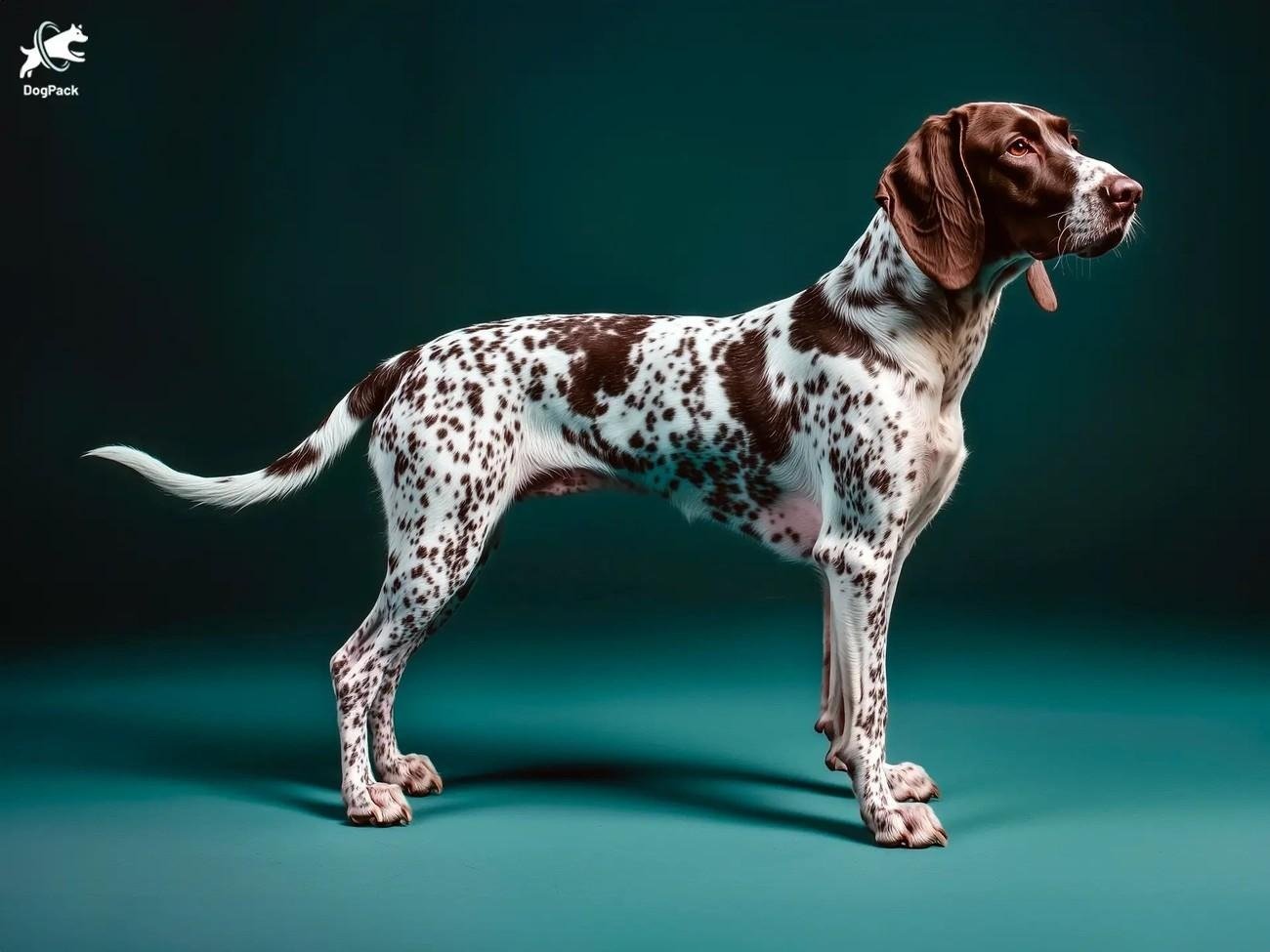
Image Source: DogPack App
The Auvergne Pointer stands out with its elegant yet resilient build. This remarkable gundog breed perfectly balances strength and agility.
Size and weight standards
The Auvergne Pointer fits right into the medium-sized dog category. Males typically stand 57 to 63 cm (22½ to 24¾ inches) at the withers. The perfect height for males reaches 60 cm (23½ inches). Females run a bit smaller at 53 to 59 cm (20¾ to 23¼ inches), with 56 cm (22 inches) considered ideal. Both sexes can vary about 3 cm (1¼ inches) either way without issue.
Male Auvergne Pointers typically weigh between 22 and 28 kg (48 to 62 pounds). Females stay lighter at 22 to 26 kg. These weights match their athletic build perfectly and give them amazing stamina during hunts.
Coat type and color patterns
The Auvergne Pointer’s coat grabs attention right away. Short and glossy fur provides protection outdoors without needing too much grooming.
Black and white colors define this breed exclusively. You’ll find two main patterns:
- Ticked pattern – white base covered with small black spots
- Roan pattern – black and white hairs blend together
Both patterns might show solid black patches, and breed standards accept either look. The head usually stays solid black with a white blaze running from the skull down the muzzle’s sides. This marking gives the breed its distinguished look.
Fine, slightly loose skin wraps around the body without forming wrinkles. This feature helps them move easily through different terrains.
Distinctive facial features
The head matches the body’s size but runs somewhat long. Female dogs sport slightly lighter heads than males. Looking down from above, the skull appears almost oval.
Large, oval eyes sit deep in their sockets. Eye colors range from dark hazel to amber, giving these dogs their gentle, soulful look.
The muzzle matches or runs slightly shorter than the skull. The skull and muzzle planes diverge slightly – a unique trait. Square-shaped lips create a neat front view as the upper lip covers the lower one.
A broad, shiny black nose with wide-open nostrils helps these dogs excel at scenting – crucial for hunting breeds.
Rounded ears hang down softly, set slightly back on the head. Full fur coverage on these hanging ears completes their classic pointer look.
Tail and body structure
The Auvergne Pointer’s body reflects its hunting background. From shoulder to buttock, the body stretches just past its height at the withers. This nearly square shape adds to their athletic appearance.
A deep chest reaches about halfway down their total height. The ribcage stays moderately rounded, extending back to a wide loin.
The straight, level topline features prominent withers. Gently sloping hips show just slightly. This build lets them move smoothly over tough terrain.
The strong tail sits high and points straight out. Docked tails (now banned in many places) measure 15 to 20 cm (6 to 8 inches). Natural tails reach the hock but no further.
The Auvergne Pointer combines power and elegance in its physique. This blend shows evidence of careful breeding that created an efficient hunting partner ready to handle rough terrain with style and ease.
Temperament and Behavior
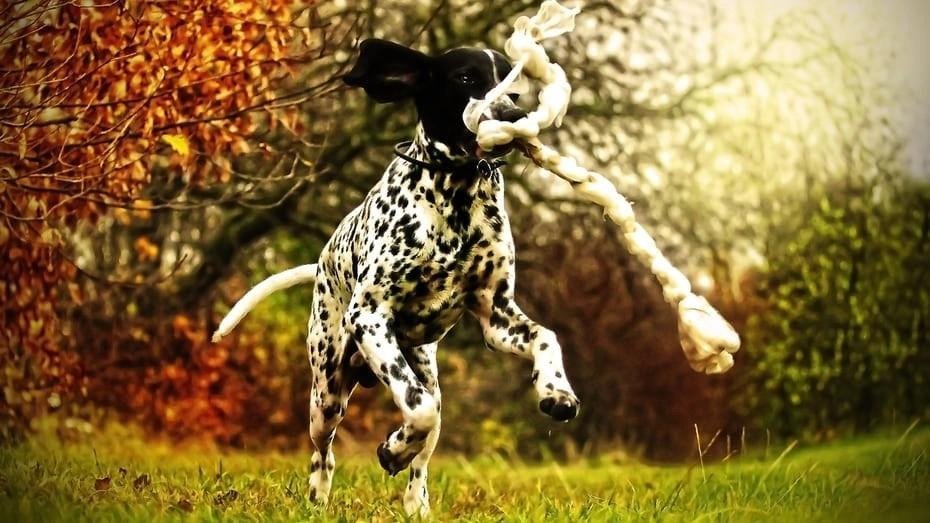
Image Source: Purina UK
The Auvergne Pointer wins over owners with more than just its striking looks. These dogs have a perfect balance of work ethic and affection that makes them valuable working dogs and beloved family pets.
General personality traits
The Auvergne Pointer’s gentle, affectionate, and intelligent nature has earned them quite a reputation. Their docile temperament makes training straightforward. These dogs’ natural obedience and desire to please their owners make them highly trainable pointers.
The breed’s ability to adapt to family life stands out as truly special. They build strong, reliable bonds with family members and help them feel secure in daily life. These dogs might seem relaxed and quiet at first, but they stay alert and ready to spring into action.
The Braque d’Auvergne’s key personality traits include:
- Exceptional intelligence and eagerness to learn
- Calm demeanor when indoors
- Strong loyalty to their owners
- Friendly attitude toward new people after some initial shyness
- Deep, strong voice they use when needed
These dogs thrive on companionship and don’t do well when left alone for long periods. They can develop separation anxiety if they spend too much time away from their human family. Their loving nature often leads them to lie right next to their owner to enjoy close contact.
Interaction with children and other pets
Auvergne Pointers show amazing patience and gentleness with children. Their playful yet calm nature helps them fit into different family situations, which makes them great companions for homes with kids. Dogs that grow up around children are happy to join in games and playtime.
These dogs usually get along well with other canines. Their background as pack hunters contributes to their social nature with other dogs. Early socialization helps ensure they develop good interaction skills.
Their hunting background means owners should be careful with smaller pets. While not aggressive by nature, their pointing instinct might make them chase small animals. Many Auvergne Pointers can learn to accept cats if they grow up with them from puppyhood.
Prey drive and hunting instincts
A strong hunting instinct shapes much of the Auvergne Pointer’s behavior. These pointing dogs excel at finding and showing game locations without attacking. Their amazing sense of smell makes them outstanding hunters who work quickly and accurately.
Their excellent nose defines much of how they behave. Regular walks might turn into tracking adventures as they pick up scent trails and disappear into bushes without proper supervision. Leash training becomes extra important because of this trait.
Families who don’t plan to hunt with their Auvergne Pointer should address these instincts early through training. Clear boundaries for unwanted hunting behaviors can help manage these natural tendencies. Remember that you can’t completely eliminate their hunting drive through training.
These unique behavioral traits help future owners understand how Auvergne Pointers combine being gentle family companions with dedicated working abilities.
Lifespan and Health Overview
Auvergne Pointer owners need to know their dog’s health profile and life expectancy. These resilient hunting companions usually stay healthy, but they need attention for certain conditions throughout their lives.
Average lifespan of the Auvergne Pointer
A well-cared-for Auvergne Pointer can live exceptionally long for a medium-sized breed. Most sources show these dogs live 12 to 15 years. Some experts suggest they might live 11 to 13 years instead. Good nutrition, regular exercise, and proper vet care help these dogs reach their maximum age.
Their long lifespan proves how hardy these dogs are naturally. Auvergne Pointers kept in good conditions often live to their full potential. They outlast many similar-sized breeds, making them great companions for dedicated owners.
Common health issues to watch for
Auvergne Pointers share some inherited conditions with other hunting breeds that owners should monitor:
- Hip and elbow dysplasia – This genetic condition happens when joint bones don’t fit properly, which causes pain and eventual arthritis. Breeders should test their dogs for dysplasia genes because it’s so common.
- Ear infections – The breed’s droopy ears are their weak spot. These hanging ears create poorly aired canals where bugs, dirt, and parasites collect, which can lead to painful infections. Dogs with ear pain often shake their heads, scratch too much, or become inactive.
- Eye problems – Many sources mention eye conditions, including superficial diffuse vascular keratitis. Early detection happens through regular eye checks.
- Other health concerns – The breed sometimes gets conditions like patellar luxation (knee problems), demodex mange, cleft palate, and aortic stenosis (heart issues).
Unlike many deep-chested breeds, Auvergne Pointers don’t get bloat as often, but owners should stay alert about this life-threatening condition.
Preventive care and vet checkups
Good health management substantially affects an Auvergne Pointer’s life quality and span. Vets usually recommend twice-yearly wellness checks for older dogs and yearly visits for younger ones.
Because of their ear problems, owners should check them regularly. Quick vet visits at the first sign of trouble keep small issues from becoming serious.
These dogs react strongly to temperature. Their thin fur without an undercoat means they get cold easily in wet or cold weather. They might need winter clothes. However, they handle heat well and love swimming.
The breed needs standard dog vaccines against distemper, parvovirus, adenovirus, and rabies. These shots and regular parasite treatments are the foundations of good Auvergne Pointer healthcare.
Weight control matters a lot since extra pounds can make joint problems worse in active breeds. A balanced diet with key nutrients supports their energetic lifestyle while keeping them at the right weight.
To conclude, Auvergne Pointers stay healthy overall, but they need owners who understand their specific health needs and provide consistent preventive care.
Grooming and Maintenance Needs
Auvergne Pointers are a great choice for owners who want a low-maintenance dog. These dogs have a sleek, short coat that needs simple care, though some areas need extra attention to keep these elegant hunting companions healthy.
Brushing and bathing routine
The smooth, short coat of an Auvergne Pointer is easy to maintain. A weekly brushing session works well to keep their coat healthy and remove loose hair. A rubber curry brush or soft-bristled brush will work best. These tools help spread natural oils through the coat and remove dirt and loose fur. Many owners find a grooming mitt or hand glove are a great way to get the job done.
Your Auvergne Pointer doesn’t need frequent baths. Too many baths can strip away natural oils from their thin coat and cause skin problems. Here’s what you should do for bath time:
- Pick a mild dog shampoo made for sensitive skin
- Make sure to dry your dog fully to avoid skin moisture
- Give them a bath every 4-6 weeks at most, or just when they get really dirty
Ear cleaning and nail trimming
The biggest problem with Auvergne Pointer grooming is their ears. Their long, floppy ears create poor air flow in the ear canals, which makes them prone to infections. You’ll need to clean their ears often – some experts say to check them every two days.
Clean the visible parts of their ears with a soft cloth or cotton gauze. Use a vet-approved ear cleaning solution. Look out for signs of ear issues like head shaking, scratching more than usual, or unusual tiredness. Ear problems are this breed’s weak spot, so a regular ear care routine should be your top priority.
Your dog’s nails need trimming every 3-4 weeks. Nails that grow too long can break and hurt your dog. On top of that, it helps to brush their teeth several times a week or give them dental chews to keep their mouth healthy.
Seasonal shedding and coat care
These dogs shed moderately all year. They shed more during season changes, so you’ll need extra brushing during these times. Regular grooming helps control shedding and keeps your house cleaner.
The Auvergne Pointer’s coat doesn’t have an undercoat, which means their thin fur doesn’t protect them much from cold and rain. They might need a coat or sweater during cold weather walks.
Show preparation for an Auvergne Pointer is straightforward. A bath with light conditioning a day or two before the show will boost their coat’s natural shine. These dogs have a naturally clean look, so they don’t need fancy grooming for shows.
Simple, consistent grooming habits will keep your Auvergne Pointer looking distinguished and feeling comfortable and healthy.
Training and Socialization Tips
Training an Auvergne Pointer can be a great experience because of their intelligence and natural connection with handlers. These unique French hunting dogs excel with well-laid-out guidance, but they need specific training approaches to achieve the best results.
Best age to start training
Experts agree you should start training your Auvergne Pointer puppy as soon as you bring them home, usually around 8-10 weeks of age. Their developing brains absorb information faster at this stage, making it the perfect time to establish core behaviors. These intelligent dogs show positive learning responses and thrive with early training.
Your first sessions should cover:
- Name recognition
- Simple house training
- Commands like “sit” and “stay”
The quickest way to see results is to keep training sessions short—about five minutes—and repeat them 6-7 times throughout the day. This helps prevent puppy fatigue and reinforces learning through regular practice.
Positive reinforcement techniques
Auvergne Pointer’s sensitive nature just needs gentle handling during training. Harsh corrections or punishment might trigger fear or resistance that could damage your training relationship. Focus on rewards-based methods where treats, praise, and play acknowledge good behaviors.
Stay calm and composed during challenging moments because yelling creates frustration and slows progress with this breed. These dogs respond well to positive reinforcement especially when they receive favorable treatment from trainers. Using activities that tap into their natural hunting instincts—like scent tracking games and advanced fetch—helps satisfy their inherent abilities.
Socializing with people and pets
Start introducing your Auvergne Pointer to different environments, people, and situations right after bringing them home. Once they’ve received appropriate vaccinations between 12-14 weeks, carefully introduce them to other dogs.
People should approach at puppy level instead of standing over them when meeting strangers. This prevents intimidation, which matters a lot as puppies go through unpredictable fear stages during development. Good socialization helps your Auvergne Pointer become a well-adjusted adult who’s comfortable in a variety of settings.
Common training challenges
Homes that don’t use Auvergne Pointers for hunting need to address their strong hunting instinct early. Connect hunting attempts to clear consequences to manage this instinct reasonably. You can reduce their hunting drive but can’t eliminate it completely.
Their independent nature sometimes makes training tricky. Consistency and positive methods usually overcome this tendency. Their strong bond with humans means they might develop separation anxiety if left alone too often—something to think about when planning your training schedule.
Nutrition and Feeding Guidelines
Your Auvergne Pointer’s active lifestyle just needs the right nutrition to support their energy while keeping them healthy.
Recommended diet for active dogs
Auvergne Pointers are highly active working dogs that do best with high-quality food created for medium-sized, active breeds. These energetic dogs just need nutrient-dense food that gives them lasting energy without too many calories.
The first thing to look for is dog food with real meat as the main ingredient. This gives them protein to maintain muscles and energy. These athletic dogs do better with foods that have higher protein/fat ratios made for working breeds.
What to avoid in an Auvergne Pointer’s diet:
- Cheap fillers like corn, wheat, and soy
- Animal by-products with limited nutritional value
- Too many additives and preservatives
The best choices include whole grains like brown rice, oats, or healthy alternatives such as sweet potatoes. These provide complex carbohydrates for lasting energy.
Feeding schedule and portion control
The right portion control is vital to prevent weight issues. Adult Auvergne Pointers usually just need 2.5 to 3 cups of dry food daily, split into two meals. Each dog’s exact amount changes based on their age, metabolism, and how active they are.
Your dog’s feeding schedule should change as they grow:
- Puppies: Several small meals daily
- Adults: Two meals per day, morning and evening
- Seniors: Maybe just one meal
A vet can help you create the best diet plan for your dog. You must watch portions carefully since these dogs can become overweight if you feed them too much, which leads to health problems.
Supplements and hydration tips
Active breeds like the Auvergne Pointer benefit from joint supplements with glucosamine and chondroitin. These help keep them mobile as they age. On top of that, omega fatty acids are great for healthy skin, coat, and joints.
Water is key to your Auvergne Pointer’s health. Dogs just need about one ounce of water per pound of body weight each day. Since these dogs weigh between 22-28 kg, they’ll drink quite a bit of water.
Here’s how to keep your dog hydrated:
- Mix water with dry kibble
- Get a doggie water fountain if they like running water
- Give them frozen low-sodium broths as treats when it’s hot
The right food and enough water are the foundations of your Auvergne Pointer’s long life. This helps them stay energetic throughout their 12-15 year lifespan.
Price in India and Adoption Tips

Image Source: iHeartDogs.com
Getting your hands on an Auvergne Pointer in India takes time and research since these dogs are rarely found outside their French homeland.
Typical cost of an Auvergne Pointer puppy
Braque d’Auvergne puppies sell for £1200 to £1500 in European markets. Indian buyers should know that prices can swing widely based on whether the dog is imported, its family tree, and the breeder’s standing in the community. You’ll need about £100 to £120 monthly for care. New owners should also set aside money for their puppy’s first vet visits, premium food, a cozy bed, and basic training gear.
Where to find reputable breeders
Finding genuine Auvergne Pointer breeders in India takes some legwork. The best approach is to reach out to verified online pet marketplaces. Look for sellers who offer health-certified purebred puppies and have KCI certification.
Good breeders make sure your puppy reaches you safely. A phone call with them helps you learn about your future puppy’s personality, quality, and costs. Make sure you get all health records before you make your decision.
Adoption vs buying considerations
Buying from trusted breeders lets you know your puppy’s family history, health status, and helps match the right dog to your home life. This path gives you a clearer picture of what to expect in terms of health and temperament.
Adoption costs stay under INR 42,190, which makes it easier on your wallet. These dogs might come with some mysteries about their past or need extra help with behavior. The best part? You’re giving a deserving dog a new home and might end up with an adult dog whose personality you already know.
Conclusion
The Auvergne Pointer is a special breed that combines amazing hunting skills with deep family loyalty. These smart dogs bond quickly with their owners but keep their natural hunting instincts, which have evolved over hundreds of years. You can spot them right away by their black and white coat, which comes in ticked or roan patterns.
Future owners should think over the exercise needs of these dogs. An Auvergne Pointer needs 1-2 hours of active exercise each day to stay healthy in body and mind. These energetic dogs might act out or gain weight without enough exercise, which could cut short their usual 12-15 year lifespan.
The breed’s ear care is crucial for any owner. Their droopy ears need regular cleaning and checks to avoid serious infections. The good news is that the rest of their grooming is simple – just brush them once a week to keep their short coat in shape.
These dogs are hard to find outside France, but they’re a great choice for active families who want a loving, trainable pet. Auvergne Pointers are great with kids and usually get along with other pets if they meet them as puppies. Their sweet nature pairs with sharp smarts and natural obedience to create a dog that’s just as good in the field as at home.
New dog owners should know that while Auvergne Pointers learn fast with positive training, you can’t train away their hunting instincts. On top of that, these social dogs hate being alone and might get anxious if left by themselves too often.
The Auvergne Pointer ended up being one of those rare breeds that excels both as a hunter and family pet. Their mix of loyalty, intelligence, and flexibility makes them perfect companions for active homes ready to give these special dogs the exercise, training, and love they need.
Key Takeaways
The Auvergne Pointer is a rare French hunting breed that combines exceptional field abilities with gentle family companionship, making them ideal for active households seeking a loyal, intelligent companion.
• Exercise is non-negotiable: These energetic dogs require 1-2 hours of vigorous daily activity to prevent behavioral issues and maintain their 12-15 year lifespan.
• Ear care is critical: Their long, droopy ears create poorly ventilated canals prone to infections, requiring regular cleaning and inspection every few days.
• Training responds to positivity: Use gentle, reward-based methods as harsh corrections can damage their sensitive nature and eager-to-please temperament.
• Hunting instincts remain strong: While manageable through training, their natural prey drive cannot be completely eliminated and requires early socialization management.
• They’re social companions: These dogs form tight bonds with families but may develop separation anxiety if left alone frequently, making them unsuitable for absent owners.
The Auvergne Pointer’s combination of intelligence, loyalty, and moderate grooming needs makes them excellent long-term companions for dedicated owners who can meet their exercise and social requirements.
FAQs
Q1. What are the key personality traits of an Auvergne Pointer?
Auvergne Pointers are known for their gentle, affectionate, and intelligent nature. They are docile, eager to please, and form strong bonds with their family members. While calm indoors, they remain alert and ready for action when needed.
Q2. How much exercise does an Auvergne Pointer need?
An Auvergne Pointer requires 1-2 hours of vigorous exercise daily. This high energy level is crucial for maintaining their physical and mental well-being. Without adequate activity, they may develop behavioral issues.
Q3. Are Auvergne Pointers good with children and other pets?
Yes, Auvergne Pointers are generally excellent with children due to their patient and gentle nature. They usually get along well with other dogs, especially if socialized early. However, caution is advised with smaller pets due to their hunting instincts.
Q4. What are the grooming needs of an Auvergne Pointer?
Auvergne Pointers have relatively low grooming needs. Weekly brushing is typically sufficient for their short coat. However, their ears require special attention and should be cleaned regularly to prevent infections.
Q5. How trainable are Auvergne Pointers?
Auvergne Pointers are highly trainable due to their intelligence and eagerness to please. They respond best to positive reinforcement techniques. Early socialization and consistent training are important, especially to manage their strong hunting instincts.