
Austrian Pinscher dog Breed Information: Characteristics, Behavior, Temperament, Lifespan, Weight
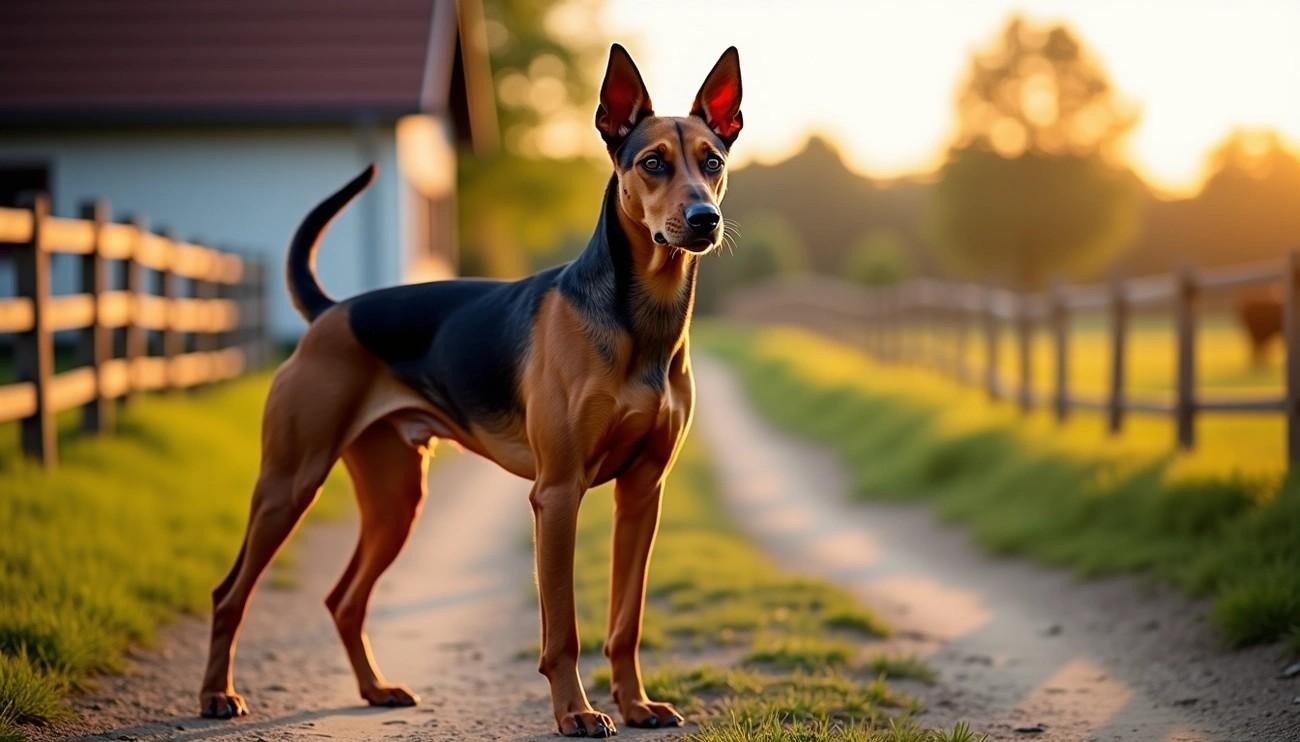
The Austrian Pinscher is a remarkable member of the pinscher dog breed family and remains the only non-odor hound breed native to Austria. These versatile working dogs became extremely rare by the 1970s, which makes them a precious find among dog enthusiasts today.
These dogs display assertive, attentive, and lively personalities while showing deep devotion to their families. Their talents go beyond being great companions as they excel at herding livestock and guard duties with impressive energy. The breed’s medium-sized frame typically carries 20 to 50 pounds, though most dogs weigh between 25 and 40 pounds. Their short, double coat needs weekly maintenance with a slicker brush and metal comb. These hardy working dogs live 12 to 14 years with proper care, despite their working background.
Breed origin and history of the Austrian Pinscher

Image Source: https://pixabay.com/
Breed origin and history of the Austrian Pinscher
The Austrian Pinscher’s roots go back thousands of years. Scientists found dog skulls near Lake Mond in Austria that look just like today’s Austrian Pinscher. These skulls are about 4,000 years old. Art from the 1700s also shows dogs that look like modern Austrian Pinschers.
How the breed developed in Austria
The Austrian Pinscher’s documented history started in the late 1800s. These adaptable farm dogs were common across rural Austria. But as machines took over farming, fewer people needed these working dogs. Their numbers dropped substantially.
The breed found its savior in Professor Emil Hauck, a prominent Austrian scientist who loved dogs. He started a systematic pure breeding program in 1921. Hauck picked dogs that matched the ancient type. His goal was to preserve what he believed was the closest living relative to the ‘Canis Palustris’ (dog of the marshes). H. Von Meyer first described this ancient dog type in 1843.
Hauck’s breeding efforts paid off. He showcased 57 Austrian Pinschers at a Vienna exhibition in 1928. The Austrian Kennel Club (Österreichischer Kynologenverband) recognized them as “Österreichischer kurzhaariger Pinscher” (Austrian Shorthaired Pinscher). The Fédération Cynologique Internationale (FCI) followed suit the next year.
World War II almost wiped out the breed. By 1970, just one registered dog remained – Diokles of Angern. Dog lovers saved the breed by breeding this dog with local pinscher-type farm dogs (Landpinschers). The breed remains rare today. Ark Austria reports only 6 to 12 breeding animals exist.
The breed got its current name “Österreichischer Pinscher” (Austrian Pinscher) in 2000. The United Kennel Club in America recognized it in 2006.
Relation to other Pinscher breeds
Breeders created the Austrian Pinscher by mixing German Pinschers with local Austrian dogs. Though related to German breeds, Austrian Pinschers are bigger and more sturdy.
The “Austrian” name served two purposes. It showed where the dogs came from and set them apart from Schnauzers, which people called “Rough-haired Pinschers” (rauhaariger Pinscher) back then.
The FCI puts the Austrian Pinscher in Group 2’s Pinscher section. The United Kennel Club lists it under Terriers because these dogs were great at catching rats.
Purpose as a farm and guard dog
Austrian Pinschers were bred to handle many farm tasks:
- Quick rat catchers that kept barns rodent-free
- Smart livestock herders with great stamina
- Brave and dependable property guardians
- Reliable watchdogs protecting families and farms
These dogs mastered their various jobs and became vital to Austrian farms. They’ve always been great guards, protecting both people and property.
Austrian Pinschers weren’t just workers – they became close family members too. They mixed their working skills with loving companionship. This blend of working dog and family friend still defines Austrian Pinschers today.
Physical characteristics and appearance
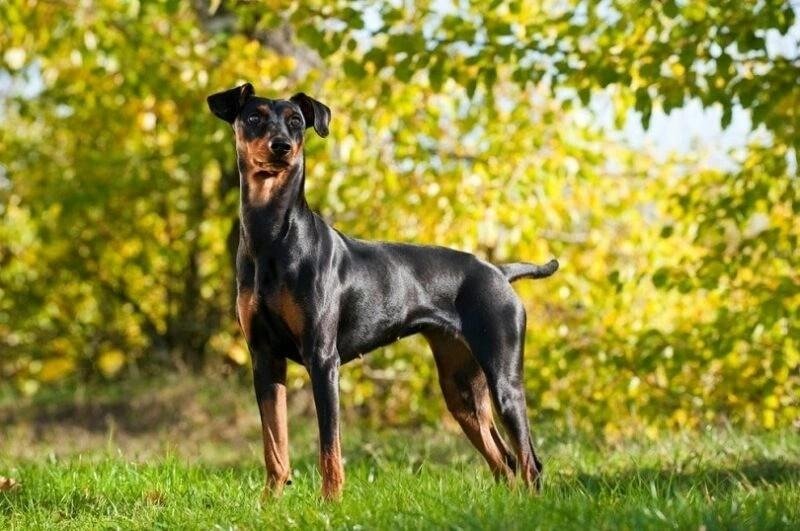
Image Source: PangoVet Pet Corner
Physical characteristics and appearance
Austrian Pinschers stand out from other pinscher breeds with their stocky build. These medium-sized dogs show a strong, sturdy appearance with balanced proportions that showcase their robust health and vitality.
Size and weight in kg
These dogs reach a height of 42-50 cm (17-20 in) at the withers. Males grow larger at 44-50 cm (17-20 in), while females stay between 42-48 cm (17-19 in). Their size puts them squarely in the medium-sized dog category.
The breed weighs between 12-18 kg (26-40 pounds). Their weight perfectly matches their rectangular body shape and creates a balanced, proportionate look. Despite their moderate size, their stocky frame gives them an impressive presence.
Austrian Pinschers have several standout physical traits. Their pear-shaped head features a powerful, relatively short muzzle. The breed’s feet show well-arched toes, and their chest appears wide and well-developed. Their elbows stay fairly close to the body. These features stem from their background as working farm dogs, where function mattered more than looks.
Coat type and color variations
The breed’s thick double coat shields them from various weather conditions. Their outer coat runs short to medium-long, thick, smooth, and lies close to the body. A dense, short undercoat beneath adds warmth and weather protection.
The breed comes in several colors. You’ll find russet gold (semmelgelb), brownish yellow, stag-red, and black with tan-colored markings. White markings often appear on their chest, muzzle, neck, throat, nape, feet, and tail tip. Breed standards accept dogs without these white markings too.
Their fur creates a slight trouser-like look around their buttocks. This feature combines with their alert expression and high-held tail to give them their characteristic lively appearance.
Comparison with German and Miniature Pinschers
Austrian Pinschers share family ties with other pinschers but stand apart with their unique traits. They appear more rugged and rectangular than their German cousins.
Height-wise, Austrian Pinschers (42-50 cm) match German Pinschers (41-48 cm). The Austrian breed shows a more substantial build with its stocky frame. German Pinschers look more elegant, like smaller Dobermans with their regal, athletic stance.
Miniature Pinschers reach just 25-32 cm (10-12½ inches) and weigh 3.6-4.5 kg (8-10 pounds). These tiny athletes rank among the most agile toy breeds.
Austrian Pinschers show more coat color variety than German Pinschers. Their russet gold and brownish yellow shades rarely appear in other pinscher breeds. They shed more heavily than German Pinschers, which lose minimal fur.
The Austrian Pinscher’s appearance reflects its farming heritage. Their strong, practical build sets them apart from their more refined pinscher relatives.
Temperament and behavior traits
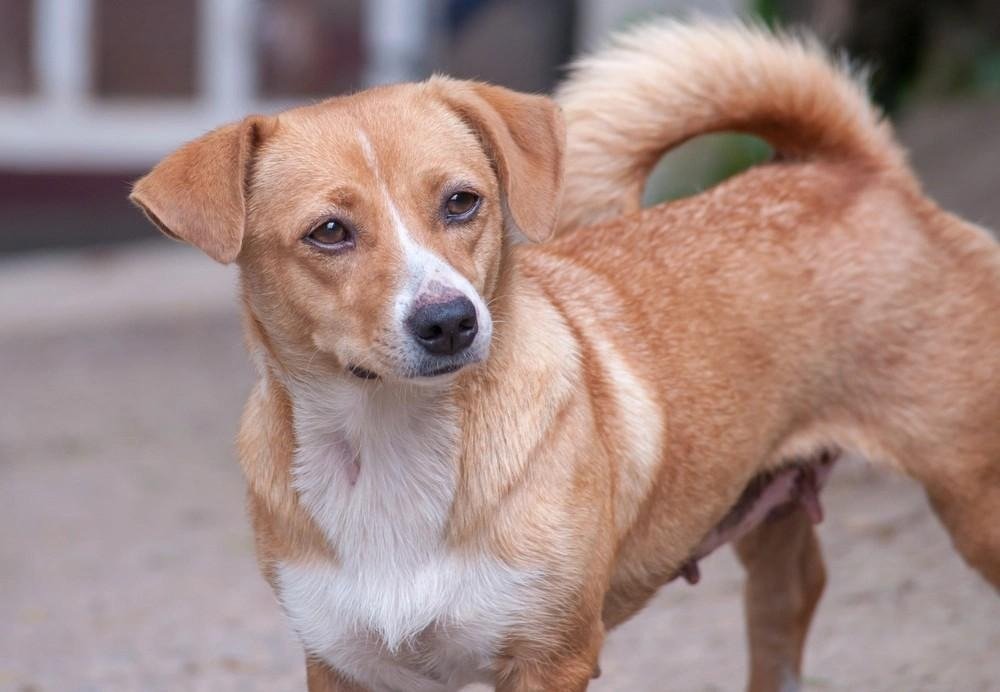
Image Source: Dogster
Austrian Pinschers stand out in the pinscher family with their unique mix of loyalty, alertness, and playfulness. These dogs build deep bonds with their families, which shapes their distinctive behavior traits.
Loyalty and protectiveness
Austrian Pinschers show extraordinary devotion to their owners and express their love at every chance. Their close bonds with family members make them great companions for rural and suburban homes.
These dogs excel at being watchdogs. People know them as “incorruptible guards” because they stay alert about their surroundings. They make exceptional watchdogs who stay focused on home security. They prefer barking to warn about threats rather than showing aggression, but they will defend their family physically if needed.
Austrian Pinschers naturally distrust strangers. This cautious nature can be both helpful and challenging since they tend to be wary of people outside their family circle. Early and consistent socialization helps develop a balanced temperament.
Energy levels and playfulness
These dogs need regular outlets for their abundant energy. Their working dog heritage gives them high energy levels that need proper direction. Dogs who don’t get enough exercise become bored and unhappy, which can lead to behavior problems.
Their playful spirit shows in everyday activities. The breed standard describes the ideal Austrian Pinscher as playful. This energetic nature makes them fun companions who love:
- Play sessions both indoors and outdoors
- Regular physical activity in securely fenced areas
- Structured activities that challenge their intelligence
- Daily interaction with family members
These dogs do best in environments with plenty of attention and organized activities. They struggle when left alone too long or kept in small spaces.
Interaction with children and other pets
Austrian Pinschers can be wonderful family dogs despite their working background. They show gentleness and care with children and love to play, which makes them perfect companions for families with kids. Parents appreciate their patient nature around young family members.
These dogs need proper introductions to other pets. Good socialization from puppyhood helps them get along with other dogs. Dogs without early exposure might act territorial or protective toward unfamiliar dogs.
Owners should be careful when introducing them to smaller pets. Austrian Pinschers were bred to hunt rats and similar animals, which might make them aggressive toward small pets like gerbils or guinea pigs if not properly trained. Rodents are often “taboo” for this breed because of their strong hunting instinct.
Puppy school during the imprinting phase helps develop good social behavior. This early training teaches them how to interact with both dogs and new people.
These intelligent but stubborn dogs need consistent, firm, and loving guidance to develop good behavior. The right training and socialization turns them into loyal companions that fit well with active families.
Austrian Pinscher lifespan and health overview
Austrian Pinscher lifespan and health overview
The health of an Austrian Pinscher is a vital factor to think about before bringing one home. This rare breed needs special attention to its typical lifespan and health challenges to ensure responsible ownership.
Average lifespan of the breed
Austrian Pinschers live a good long life, similar to other medium-sized dogs. These dogs typically live between 12 to 14 years. Some dogs might even reach 15 years with good care. Their longevity shows their reliable constitution and low rates of severe genetic disorders.
The breed’s rarity adds an interesting twist to these numbers. No complete health studies exist specifically for this population. Most of what we know about their health comes from watching individual dogs and studying related breeds.
Common health issues
These hardy dogs can face several health challenges throughout their lives:
- Hip Dysplasia – This inherited condition affects the hip joint’s formation and can lead to arthritis, lameness, and mobility issues as dogs age. Good weight management and proper exercise help manage milder cases.
- Cardiac Conditions – Heart issues show up as a concern in several sources [182]. These dogs might inherit heart conditions that could worsen without proper monitoring [212].
- Skin Sensitivity – Their skin tends to become dry and itchy, so they need special care during baths. Owners should limit baths to preserve natural skin oils.
Beyond these main issues, reports mention other health concerns like elbow dysplasia, cataracts, demodectic mange, von Willebrand’s Disease, and autoimmune disorders. The breed stays relatively healthy with few serious health problems.
The breed’s scarcity means many vets might lack experience with them. Finding a vet who knows working dogs or pinscher types will help manage their health better.
Tips for increasing longevity
These proven strategies will help your Austrian Pinscher live longer:
Keep your dog at a healthy weight. Extra pounds can speed up age-related problems like arthritis and heart disease. Older dogs need about 30% fewer calories than younger ones.
Regular vet visits make a big difference. Young and middle-aged dogs need yearly checkups, while senior dogs benefit from visits twice a year. Early detection helps catch health problems before they become serious.
Exercise plays a key role. Daily activity builds muscle strength, improves blood flow, and boosts heart and brain function. Match activities to your dog’s strength – short, frequent walks often work better than rare intense workouts.
Quick action matters when your dog shows illness signs. Senior dogs have less strength to fight off illness, so waiting too long for vet care can cause problems.
Pet insurance or an emergency fund helps prepare for medical costs. Some health issues need one big payment, while others require ongoing care. Having money set aside means you can give your Austrian Pinscher the care it needs throughout its life.
Grooming and maintenance needs
Your Austrian Pinscher needs the right grooming to stay healthy and comfortable. The good news is that these dogs need less maintenance than many other breeds, and their routine is pretty straightforward.
Brushing and coat care
Austrian Pinschers have a short, double coat that sheds throughout the year. A weekly brushing routine will keep their coat in great shape. You’ll need these tools to get the best results:
- A slicker brush for regular maintenance
- A metal comb to get rid of loose hair and stop matting
- A deshedding tool when shedding is heavy
A quick wipe-down with a rubber mitt or soft cloth between brushing sessions will catch loose hair before it ends up all over your house. This simple step keeps your dog looking neat and your cleaning routine manageable.
These dogs shed heavily twice a year, and you’ll need to brush them every other day during these periods. New owners should know that Austrian Pinschers shed quite a bit, so regular grooming isn’t optional.
Bathing frequency
Austrian Pinschers don’t need frequent baths – just wash them when they’re really dirty or start to smell. This limited bathing schedule makes sense because too many baths will strip away their coat’s natural oils, which can leave their skin dry and irritated.
Most dogs of this breed do fine with a bath every few months. A damp cloth works great for spot cleaning after muddy walks or messy play. This way, you’ll keep your dog clean while protecting their coat’s natural defenses.
Gentle dog shampoos made for sensitive skin work best. Make sure to dry your dog well after each bath, since a damp coat can cause problems, especially in cold weather.
Nail trimming and dental hygiene
Your Austrian Pinscher’s nails need trimming every few weeks. This prevents foot problems and keeps them comfortable while walking. Long nails can affect their posture if you don’t keep them trimmed.
Daily tooth brushing with dog-specific toothpaste helps prevent gum disease and keeps their mouth healthy. A yearly professional cleaning at the vet’s office will give you a full picture of their dental health.
Don’t forget about ear care. Check and clean their ears weekly to prevent infections, especially if your dog loves outdoor adventures where dirt might get in their ears. A simple wipe with a vet-approved cleaner works well for regular maintenance.
Austrian Pinschers are easier to groom than many other breeds. Stick to these simple care guidelines, and you’ll keep your dog looking and feeling great without spending too much time or needing special grooming skills.
Feeding and nutrition guide
Good nutrition is the life-blood of your Austrian Pinscher’s health and affects their energy, coat quality, and how long they live. These active dogs need balanced nutrition that matches their energy needs without making them overweight.
Recommended diet by age
Austrian Pinscher puppies need regular meals to grow well. Your puppy should eat 4-6 times daily. You can slowly reduce the number of meals as they grow until they eat twice a day as adults. This helps them develop good eating habits and keeps their digestion regular.
Adult Austrian Pinschers usually need 2-3 cups of food each day, split into two meals. The right amount depends on:
- Their metabolism
- How active they are and their exercise routine
- Their weight and body condition
Quality dog food with premium ingredients should be your first choice. The food needs the right mix of protein, healthy fats, complex carbohydrates, vitamins, and minerals that suit your dog’s age.
Older Austrian Pinschers need different food as they age. Their metabolism slows down, and they need about 30% fewer calories than younger dogs. Senior dogs do better with special food that helps their joints and brain function.
Foods to avoid
Your Austrian Pinscher should never eat these foods:
- Chocolate – Has theobromine and caffeine that can cause vomiting, diarrhea, heart problems, and death
- Macadamia nuts – These are among the most toxic foods for dogs and hurt their nervous system
- Onions and garlic – They harm red blood cells and can cause anemia
- Xylitol – Found in sugar-free foods, it drops blood sugar fast and damages the liver
- Alcohol – Can cause behavior issues, seizures, heart failure, and death
- Grapes and raisins – Some dogs get kidney failure from these
- Bread dough – It can swell in their stomach and block blood flow
Portion control and weight management
Your Austrian Pinscher’s weight matters a lot. Treats should make up less than 10% of their daily calories. Remember to subtract treat calories from their main meals to keep the right balance.
A balanced diet works better than just cutting food portions. One expert puts it well: “The key here is not to eat less. The key here is to maintain a balanced diet”.
Start with the food maker’s serving suggestions, then adjust based on how your dog responds. Watch for:
- Current weight compared to ideal weight
- Body condition (you should feel but not see their ribs)
- Their energy and activity during the day
Regular meal times help your Austrian Pinscher’s digestion and stop them from getting hungry between meals.
Training and socialization tips
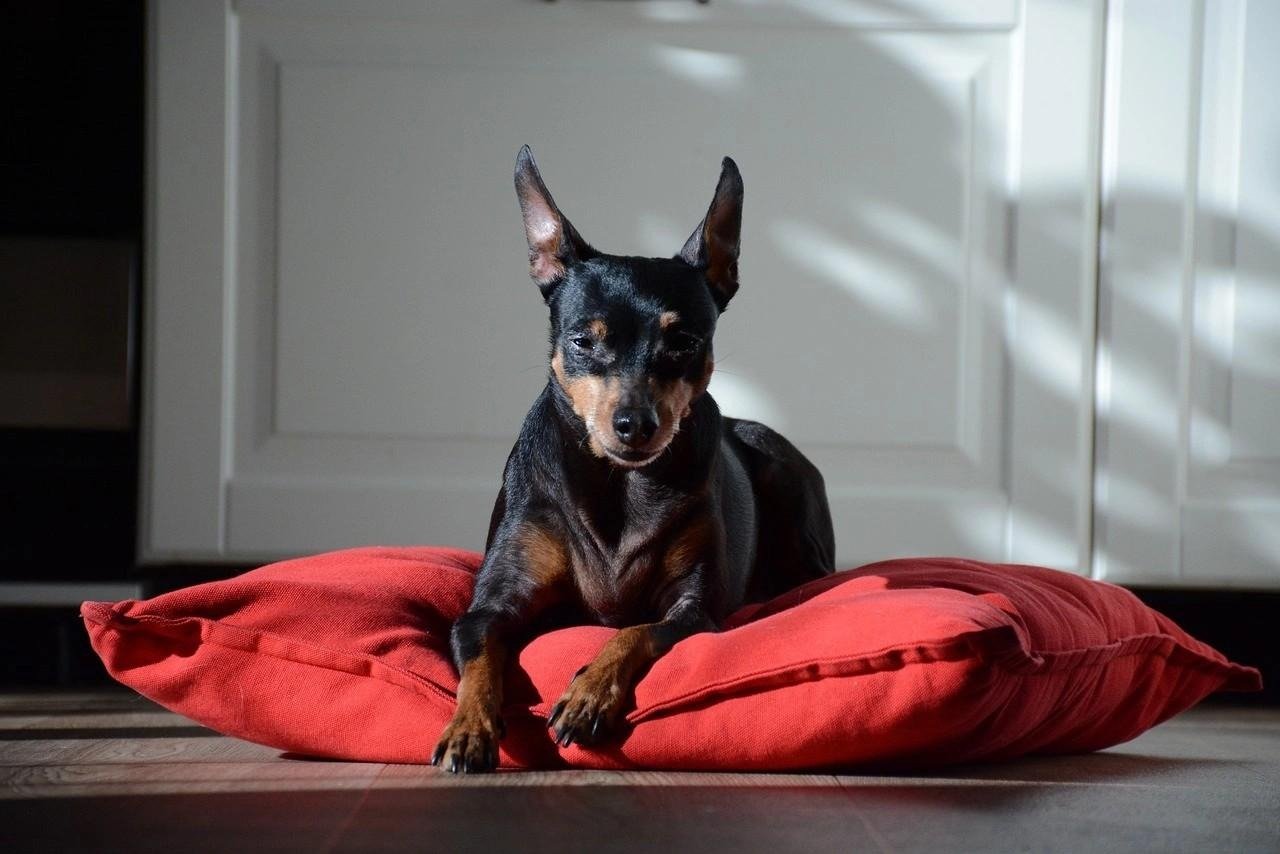
Image Source: iHeartDogs.com
Training an Austrian Pinscher demands patience and consistency. These intelligent dogs pick up commands quickly. Their surprising stubborn streak makes training a challenge that tests even experienced dog owners.
Training challenges and solutions
Austrian Pinschers tend to question commands they find pointless or boring. Their independent spirit leads them to test boundaries, which makes consistent training vital.
These challenges have solutions:
- Use positive reinforcement techniques with treats, praise, and interactive play
- Mix up training sessions to prevent boredom
- Stay firm as a leader to prevent dominance problems
- Avoid harsh methods like electric shocks or prong collars
Austrian Pinschers’ intelligence shines when training includes variety. Their minds stay active with puzzle toys, mental games, and different commands. Advanced obedience training or dog sports can provide the mental challenge these dogs need.
Early socialization importance
Early socialization is the life-blood of raising a balanced Austrian Pinscher. Their natural suspicion toward strangers makes proper socialization vital.
Start by introducing your puppy to family members and friends. Once vaccinations finish, let them experience different places like dog parks and busy streets. Dogs without this foundation might show their historic ratting instincts through wariness or aggression toward smaller animals.
Mental stimulation and obedience
Austrian Pinschers need more than physical exercise – they crave mental challenges. Boredom leads these working dogs to become unhappy and destructive.
Add puzzle toys, scent work, or different obedience exercises to daily routines. Simple training matters, but Austrian Pinschers excel when they learn advanced commands that keep their minds sharp.
Strong boundaries and mental stimulation help control their protective instincts and reduce excessive barking. Note that these dogs keep their guarding nature despite excellent training.
Austrian Pinscher price in India and buying tips
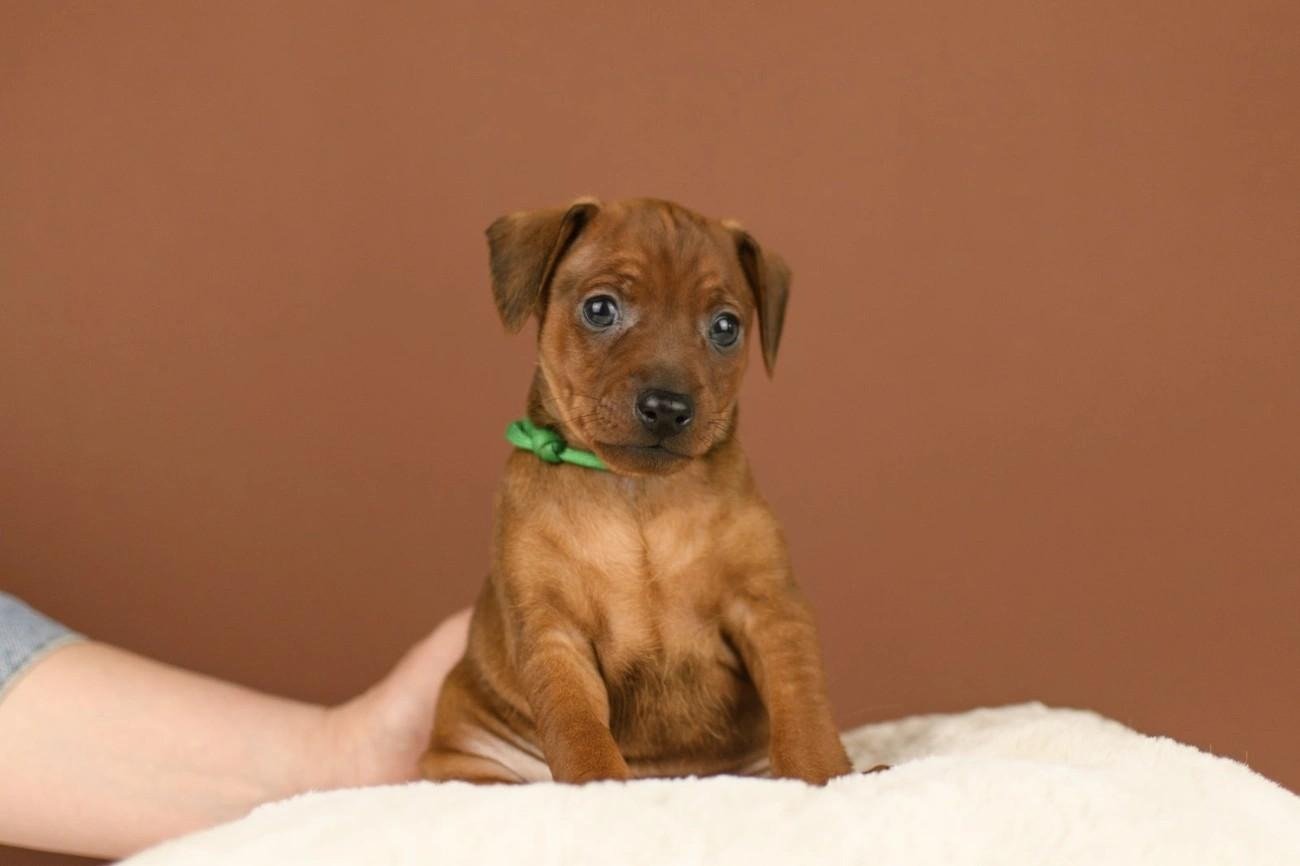
Image Source: NewDoggy.com
Austrian Pinscher price in India and buying tips
Austrian Pinschers are extremely rare worldwide, making them one of the hardest pinscher breeds to find outside Austria. Dog lovers in India face a major challenge when searching for this breed.
Price range in different cities
The exact prices of Austrian Pinschers in Indian cities are hard to pin down. Buyers should be ready to pay much more than they would for common breeds. Miniature Pinschers in India cost between ₹15,000 to ₹50,000. The extreme rarity of Austrian Pinschers pushes their prices higher—₹70,000 to ₹130,000 based on what people pay internationally.
Factors affecting cost
The Austrian Pinscher’s price depends on several key factors:
- The dog’s pedigree quality and bloodline
- The breeder’s reputation and certification
- The puppy’s age and training level
- Extra costs if brought from another country
- Limited availability (only 6-12 breeding dogs exist worldwide)
Choosing a responsible breeder
Here are vital points to remember when you find a potential breeder:
- Check their registration with the Animal Welfare Board of India (AWBI)
- Ask for health screening papers of the parent dogs
- Make a personal visit to see their facility
- Stay away from puppy mills or pet stores that put profit first
Good breeders are always open about their facilities and breeding methods. They put their dogs’ health before money.
Conclusion
The Austrian Pinscher has a rich heritage that goes back thousands of years. These farm dogs blend alertness, intelligence, and loyalty that makes them great companions for active families. Their stocky build, special coat colors, and rectangular shape make them different from their German Pinscher cousins.
Austrian Pinschers are rare worldwide but make wonderful family pets with these benefits:
- They live 12-14 years with good care
- Their size is easy to handle at 12-18 kg
- Grooming needs are simple with just weekly brushing
- They have strong protective instincts and make great watchdogs
- Their playful, energetic nature helps them bond with family members
Future owners should think about some challenges before getting an Austrian Pinscher. These dogs need consistent training because they can be stubborn at times. Their wariness of strangers means they need early socialization to become well-balanced companions.
These dogs are nowhere near as prone to health issues as many purebred dogs. Still, owners should watch for hip dysplasia and heart conditions throughout their pet’s life. Regular vet visits, proper exercise, and a healthy weight help these dogs live longer.
Getting an Austrian Pinscher in India is tough since they’re extremely rare even in Austria. You might pay between ₹70,000 to ₹130,000 based on availability, pedigree, and import costs.
The Austrian Pinscher ended up being an amazing mix of working dog skills and family companion traits. The fact that they almost went extinct in the 1970s shows how special these dogs really are. This breed is a chance to have an alert, devoted, and versatile companion with an interesting story – though you’ll need patience to find one and train these dogs with character.
Key Takeaways
The Austrian Pinscher is an exceptionally rare breed with ancient roots, offering unique characteristics for dedicated dog owners willing to invest in proper training and socialization.
• Extremely rare breed: Only 6-12 breeding animals exist worldwide, making Austrian Pinschers one of the most difficult breeds to find outside Austria.
• Robust health and longevity: These dogs typically live 12-14 years with minimal genetic health issues, requiring only weekly brushing and moderate exercise.
• Strong protective instincts: Originally bred as farm guards, they excel as watchdogs but need early socialization to manage their natural suspicion of strangers.
• Training requires patience: Despite their intelligence, Austrian Pinschers can be stubborn and independent, demanding consistent, positive reinforcement methods.
• Significant investment in India: Expect to pay ₹70,000-₹130,000 due to extreme scarcity and potential import costs from international breeders.
For families seeking a loyal, alert companion with fascinating history, the Austrian Pinscher offers unmatched devotion—but finding one requires considerable patience and financial commitment.
FAQs
Q1. What are the key behavioral traits of Austrian Pinschers?
Austrian Pinschers are intelligent, alert, and loyal dogs. They require early socialization and consistent training due to their independent nature. These high-energy dogs are inquisitive and need mental stimulation to prevent boredom. They form strong bonds with their families but can be suspicious of strangers.
Q2. What type of diet is recommended for Austrian Pinschers?
Austrian Pinschers thrive on high-quality dog food appropriate for their age, size, and activity level. Puppy, adult, and senior formulas designed for medium to large breeds are suitable. It’s important to monitor portion sizes to prevent obesity and adjust the diet based on the dog’s individual needs and health conditions.
Q3. Are Austrian Pinschers prone to excessive barking?
Yes, Austrian Pinschers have a tendency to bark frequently, especially when alerted by unfamiliar noises or people. This behavior stems from their history as watchdogs. Early training and socialization can help manage their barking, but their protective instincts mean they will likely remain vocal about potential threats.
Q4. How intelligent are Austrian Pinschers and what does this mean for their care?
Austrian Pinschers are highly intelligent dogs that learn quickly. This intelligence requires owners to provide plenty of mental stimulation through training, puzzle toys, and varied activities to prevent boredom. Their sharp minds, combined with their hunting instincts, mean they need engaging tasks and consistent training to channel their energy positively.
Q5. What grooming needs do Austrian Pinschers have?
Austrian Pinschers have relatively low-maintenance grooming needs. They require weekly brushing to manage shedding and maintain coat health. Bathing should be done only when necessary to avoid stripping natural oils from their skin. Regular nail trimming, ear cleaning, and dental care are also important parts of their grooming routine.