
Austrian Black And Tan Hound dog Breed Information: Characteristics, Behavior, Temperament, Lifespan
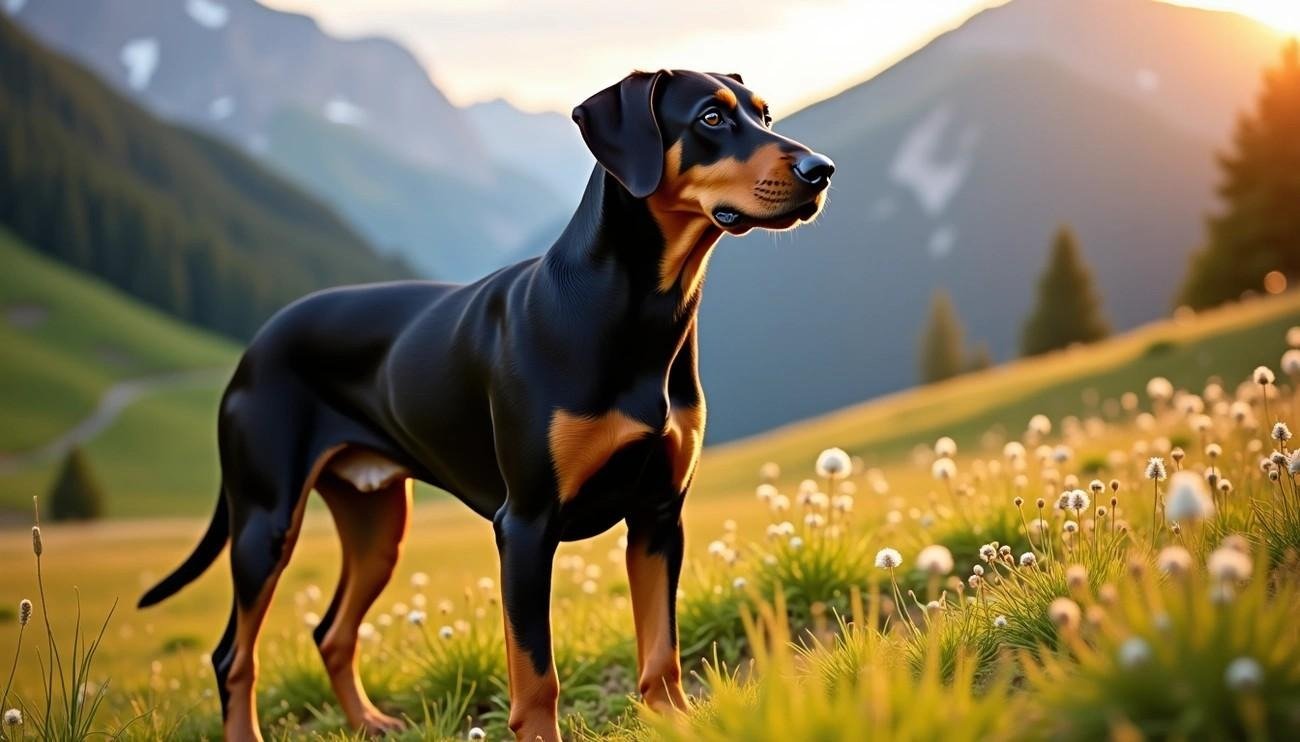
The Austrian Black and Tan Hound represents a true descendant of the Celtic Hound. These elegant dogs stand 19-22 inches tall and weigh between 33-49 pounds. Their graceful movement allows them to cover impressive distances effortlessly. This Austrian breed’s alternative names include Vieräugl and Brandlbracke, perfectly combining beauty with exceptional hunting abilities.
These intelligent hounds typically live 12-14 years and showcase an energetic, friendly personality. Their exceptional nose and natural talent make them outstanding trackers of hare. The breed’s reputation as skilled scenthounds and bloodhounds comes from their remarkable performance in both mountainous terrain and plains. Active owners appreciate these dogs’ affectionate nature, though they need considerable daily exercise to stay physically and mentally balanced.
Breed Overview and Origin
The Austrian Black and Tan Hound’s story begins in Europe’s beautiful mountains. This breed’s rich heritage runs deep in hunting traditions. The breed remains a hidden gem outside its homeland, but its history is the sort of thing I love to learn about.
Where the Austrian Black and Tan Hound comes from
The Austrian Black and Tan Hound, true to its name, comes from Austria. Breeders there developed it specifically to hunt since ancient times. You won’t find many of these purebred dogs beyond Austrian borders, and most dog lovers around the world haven’t heard of them.
The breed took a big step forward in the 19th century. Austrian breeders started pushing for standard breeding practices and created registries for their beloved hunting dogs. These changes helped them keep the exceptional qualities these dogs were known for.
A key moment came in 1884 when the Österreichischen Hundezuchtvereins (Austrian Dog Breeding Club) opened its doors. The first dog they registered was an Austrian Black and Tan Hound named ‘Bergmann’, which showed just how much Austrians valued this breed.
Major kennel clubs took their time to recognize the breed. The Fédération Cynologique Internationale (FCI) made it official in 1954, and the United Kennel Club followed in 2006. The breed stays close to home even today – only about 220 puppies are born each year in Germany and Austria combined.
The Celtic Hound connection
Many experts believe the Austrian Black and Tan Hound descended from the ancient Celtic Hound. Notwithstanding that, like many old breeds, solid proof of this connection doesn’t show up until the mid-19th century when people started keeping proper breeding records.
The breed’s family tree likely branches from various Celtic hounds, with some Jura hounds from Switzerland mixed in. The Celtic connection goes back thousands of years, to times when ancient peoples needed hunting dogs to help them find food.
The Celtic Hound’s own story mixes history with mystery and legend. Stories tell us these dogs weren’t just hunters – they also protected travelers on their mythical journeys. This adds an exciting chapter to the Austrian Black and Tan Hound’s heritage.
Why it’s also called Brandlbracke
The Austrian Black and Tan Hound has several names that tell us about what makes it special:
- Brandlbracke – This German name has two parts that mean something:
- “Brand” means fire, which might refer to how fast these dogs hunt or more commonly to the tan marks above their eyes
- “Bracke” tells us it’s a hunting dog, which was this breed’s main job
- Vieräugl – This nickname means “four-eyed” in Austro-Bavarian dialect, because of those tan spots above the eyes that make it look like the dog has four eyes
The Brandlbracke name stuck so well that the FCI put it right next to the official name when they recognized the breed. Hunters in Austria and Germany still use this traditional name.
Austrian breeders managed to keep the breed’s hunting skills sharp through careful breeding. They only let dogs with excellent hunting abilities breed in Austria. This way, both looks and working skills stay true to what makes this hound special.
Physical Characteristics and Appearance
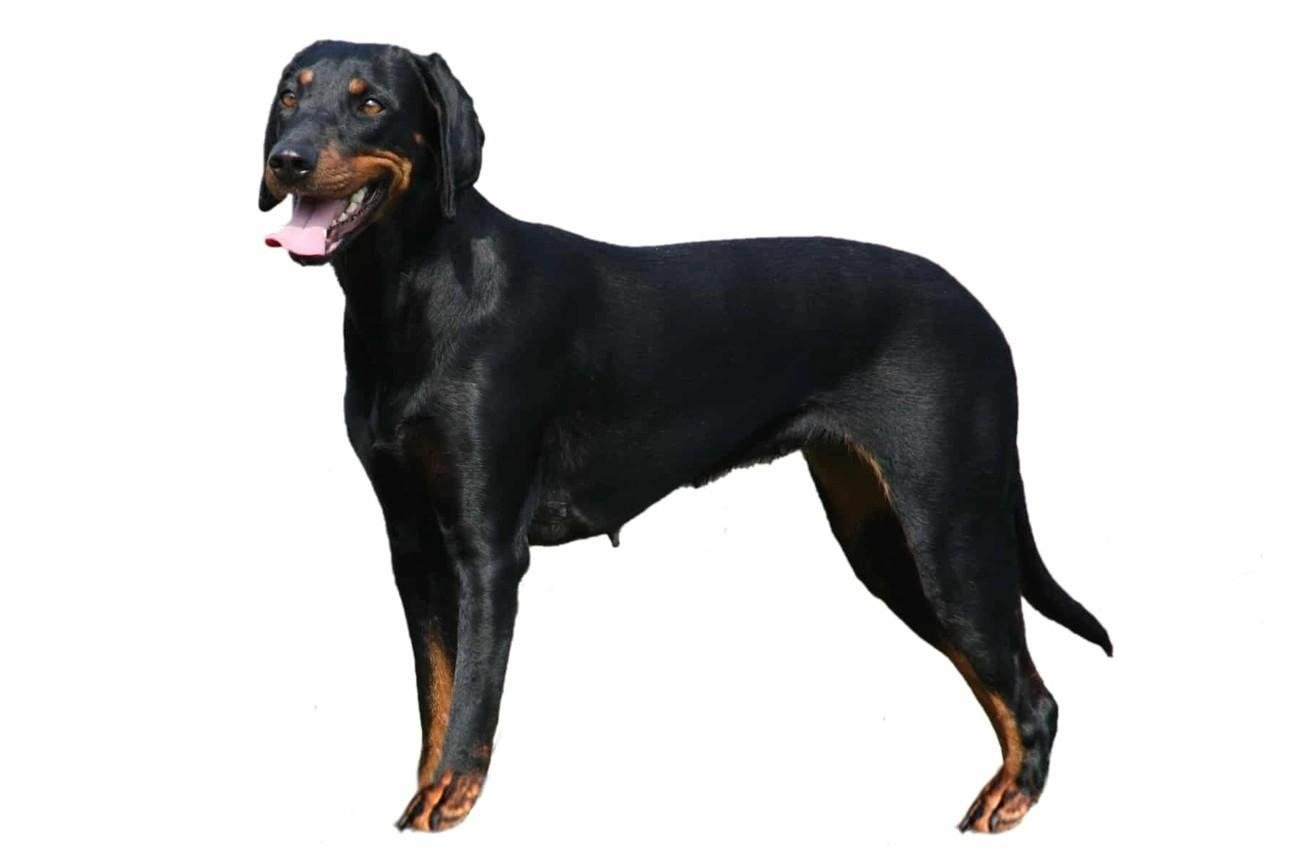
Image Source: Hundeo
The Austrian Black and Tan Hound stands proudly with its striking silhouette. This medium-sized breed combines beauty and purpose that reflects its rich hunting heritage.
Size and weight range
The breed has an athletic build that makes it a versatile hunting companion. Males reach 50-56 centimeters (20-22 inches) at the withers, and females measure 48-54 centimeters (19-21 inches). Like many working breeds, this size difference shows natural gender variation while keeping functional proportions.
These hounds typically weigh between 15-22 kilograms (33-49 pounds), with most adults falling between 30-50 pounds. Their body structure shows their hunting roots – a long, flexible frame that gives them amazing agility and stamina in the field.
You’ll notice their powerfully built body never looks heavy or puffy. The breed stays fit and athletic. Most dogs are taller than they are long, which makes their legs look slightly shorter compared to their body size. Their tail runs straight out with a slight bend upward.
Coat type and color patterns
The Austrian Black and Tan Hound’s coat serves both looks and function. Short, smooth hair lies flat against the body and creates a tough covering with a silky shine. At about 2 centimeters long, this coat shields them well from rough weather.
The breed’s color pattern has shaped its various names:
- Black makes up most of the coat
- Clear light to dark fawn (tan) marks appear in specific spots
- Tan shows up on the lower legs and sometimes the chest
- The muzzle has tan coloring below and on its sides
- A white “Bracken star” mark might appear on the chest or throat
The stark contrast between dark coat and tan marks helps hunters spot their dogs easily in thick brush.
Unique features like the ‘Vieräugl’ eye spots
The breed’s most striking feature shows in two tan marks above its eyes. These aren’t just for show – they’re a key breed trait called “Vieräugl” (said as “fear-oi-gl”).
“Vieräugl” comes from Austro-Bavarian dialect and means “four-eyed”. The tan spots create an illusion that makes the dog look like it has four eyes instead of two. Show judges see these marks as so important that dogs without them can’t compete.
Dark brown eyes match perfectly with the coat pattern. The tan “eyebrows” give these hounds a magical, forest-dweller look that adds to their charm.
The short coat actually has two dense layers. This means the breed sheds moderately to heavily with the seasons. Regular grooming becomes necessary despite its easy-care appearance.
This breed’s looks tell its story – a medium-sized, strong dog with special markings that show both beauty and purpose, true to its Celtic roots and hunting skills.
Temperament and Behavior Traits
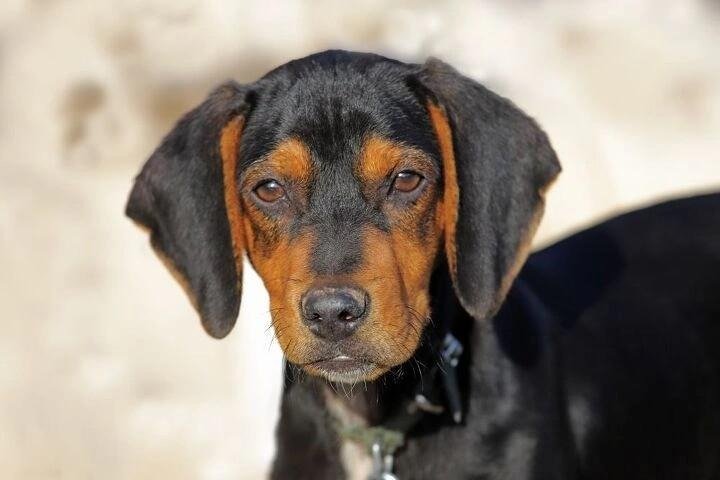
Image Source: PetGuide
The Austrian Black and Tan Hound’s mystical four-eyed markings match their distinctive personality. These dogs blend a strong work ethic with affection, making them unique companions for owners who understand what they need.
General personality
The Austrian Black and Tan Hound’s nature combines intelligence and loyalty with a good temperament. These friendly and pleasant dogs stay well-balanced. Their owners love them as affectionate companions that build strong family bonds.
These dogs shine with a dual personality that works great at home and on the job:
- Calm yet lively: They switch between high energy at work and staying relaxed at rest
- Independent yet obedient: Their hunting background makes them self-sufficient, but they respond well to training
Their hunting roots shape their character deeply. These hounds love to work hard and aim to please their owners – traits that come from their working dog background.
At home, you’ll find these hounds gentle and easy-going. People call them “affectionate, well-balanced, calm and very pleasant companions”. They fit right into family life as long as they get enough exercise.
Energy levels and playfulness
Let’s be clear – Austrian Black and Tan Hounds pack serious energy that needs the right outlet. Breeding has given them amazing stamina and endurance for hunting. You’ll see this in how they act every day.
Their energy shows up as:
- High levels that need regular physical activity
- Endless endurance during tracking – they hunt for hours
- Nice balance of calm periods after good exercise
These dogs love family time after an active day. Kids bring out their playful side, and they adore children. Their stamina lets them keep up with active kids – sometimes it turns into “a contest to see who gets tired first”.
Rural settings work best for this breed. They need space to run freely. These dogs might act out if they don’t get enough exercise and mental challenges.
How they behave with strangers
Austrian Black and Tan Hounds stay calm but reserved around new people. Unlike other hunting breeds, they don’t get suspicious or hostile with strangers.
Meeting new people, these hounds might:
- Take a careful first approach
- Act shy or reserved
- Warm up slowly as they feel more comfortable
Their friendly nature makes them bad guard dogs. They’ll bark at odd things but lack the aggressive streak needed for protection. This matches their hunting dog purpose rather than guard dog duties.
Early socialization helps prevent their natural reserve from becoming fear. Proper exposure to different people and situations helps these hounds grow into confident, social adults.
They bark most during hunts – especially when they corner prey. Owners need to train this trait to keep it under control at home.
The Austrian Black and Tan Hound gives families a perfect mix of energy for activities and love for home life. Just remember they need lots of exercise every day.
Family Compatibility and Social Behavior

Image Source: Dogster
Life at home changes when an Austrian Black and Tan Hound becomes part of the family. Anyone looking to bring this traditional hunting breed home should think about how well they fit with different family setups and living arrangements.
Are they good with kids?
Austrian Black and Tan Hounds are patient and tolerant with children, which makes them great family pets if they’re well-socialized. These dogs build strong bonds with family members and show a gentle, loving nature around kids. They love to play and have amazing stamina – it’s often a race to see whether the kids or the dog gets tired first.
The right age matters:
- Older children: These hounds do best with school-aged kids who know how to behave around dogs
- Toddlers and small children: The dog’s size and energy level needs extra attention
Even though these dogs are great with kids, new owners should always keep an eye on interactions between their Austrian Black and Tan Hound and children. This helps create positive experiences for everyone involved.
Interaction with other dogs and pets
These hounds get along differently with various animals based on a few key factors:
They’re reasonably good with other dogs. Dogs that meet other canines as puppies usually develop better friendships. Their background as pack hunters helps them live comfortably with other dogs – it’s in their DNA from hunting in groups.
Small animals are a different story. The breed’s strong prey drive affects their relationships with:
- Cats (they’re okay)
- Rabbits (might chase them)
- Guinea pigs and other small pets (likely to chase)
This isn’t personal – it’s just how they’re wired after centuries of breeding to track and chase game. Training helps, but that hunting instinct runs deep. Families with small pets should be careful unless they can introduce the dog as a puppy with lots of supervision.
Can they live in apartments?
The Austrian Black and Tan Hound won’t do well in an apartment. They need lots of exercise and have too much energy for small spaces. They do best when they can:
- Run around in big outdoor spaces
- Get plenty of exercise every day
- Put their amazing tracking skills to use
These dogs are happier in the countryside than in cities. They naturally want to explore and roam – something that’s hard to do in city apartments.
Families who must keep this breed in smaller spaces need to commit to long daily walks, runs, or hikes. Without enough physical and mental exercise, these dogs might get restless or develop bad habits.
These hounds make loyal and loving pets for active families who can give them attention, space, and the right environment. They’re happiest with people who are home often or can take them to work – they love having their humans around.
Training and Intelligence
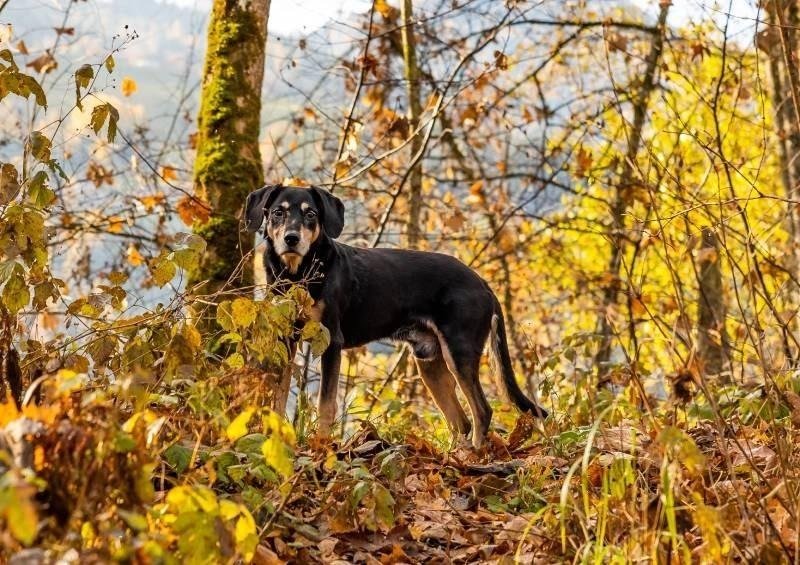
Image Source: Dogster
Training an Austrian Black and Tan Hound needs you to understand their unique blend of intelligence and hunting instinct. These dogs bring a special combination of traits that both challenge and reward their owners during training.
How easy are they to train?
The Austrian Black and Tan Hound stands out as quite easy to train compared to other scent hounds. These dogs show above-average intelligence and respond well to well-laid-out training methods and routines. Their natural obedience gives them an edge in trainability over many other hunting breeds.
You’ll need some patience though. Austrian Black and Tan Hounds learn and remember new commands after about 25-40 repetitions. Their independent hunting background means they can show a self-sufficient streak during training sessions.
Your best results will come from:
- Strategic use of treats as training aids to speed up learning
- Everyone in the family using the same command words
- Starting training early to build good habits
Tips for early socialization
Early socialization is vital for Austrian Black and Tan Hounds, especially with their natural wanderlust. Starting when you bring your puppy home builds the foundations for a well-adjusted adult dog.
A complete socialization plan should expose your Austrian Black and Tan Hound to:
- Dogs of all sizes and breeds
- Different people, including children when appropriate
- A variety of environments, sights, and sounds
This wide exposure helps your dog react well in many situations. Dogs without proper socialization might become shy or, in worst cases, aggressive. Most experts agree that the window between 8-16 weeks is the most significant period to shape your puppy’s future temperament.
Why positive reinforcement works best
Austrian Black and Tan Hounds thrive with positive reinforcement training techniques. This approach matters because these dogs are sensitive to harsh corrections or negative training methods.
Positive reinforcement focuses on rewarding good behaviors instead of punishing unwanted ones. Effective rewards for Austrian Black and Tan Hounds include:
- Small, soft food treats (pea-sized)
- Enthusiastic verbal praise like “yes” or “good dog”
- Favorite toys or quick play sessions for dogs less motivated by food
Timing your rewards is crucial—they must happen right after the desired behavior to create the right connection. Positive reinforcement strengthens your bond while your dog becomes an active participant in training.
Punishment or fear-based methods can break trust and might lead to aggression. Your training should focus on clear communication and consistency rather than dominance or correction.
Hunting families need proper training even more because their Austrian Black and Tan Hound must become a well-behaved working partner. Patient, reward-based training helps these intelligent dogs become responsive, reliable companions in the field and at home.
Exercise and Activity Needs
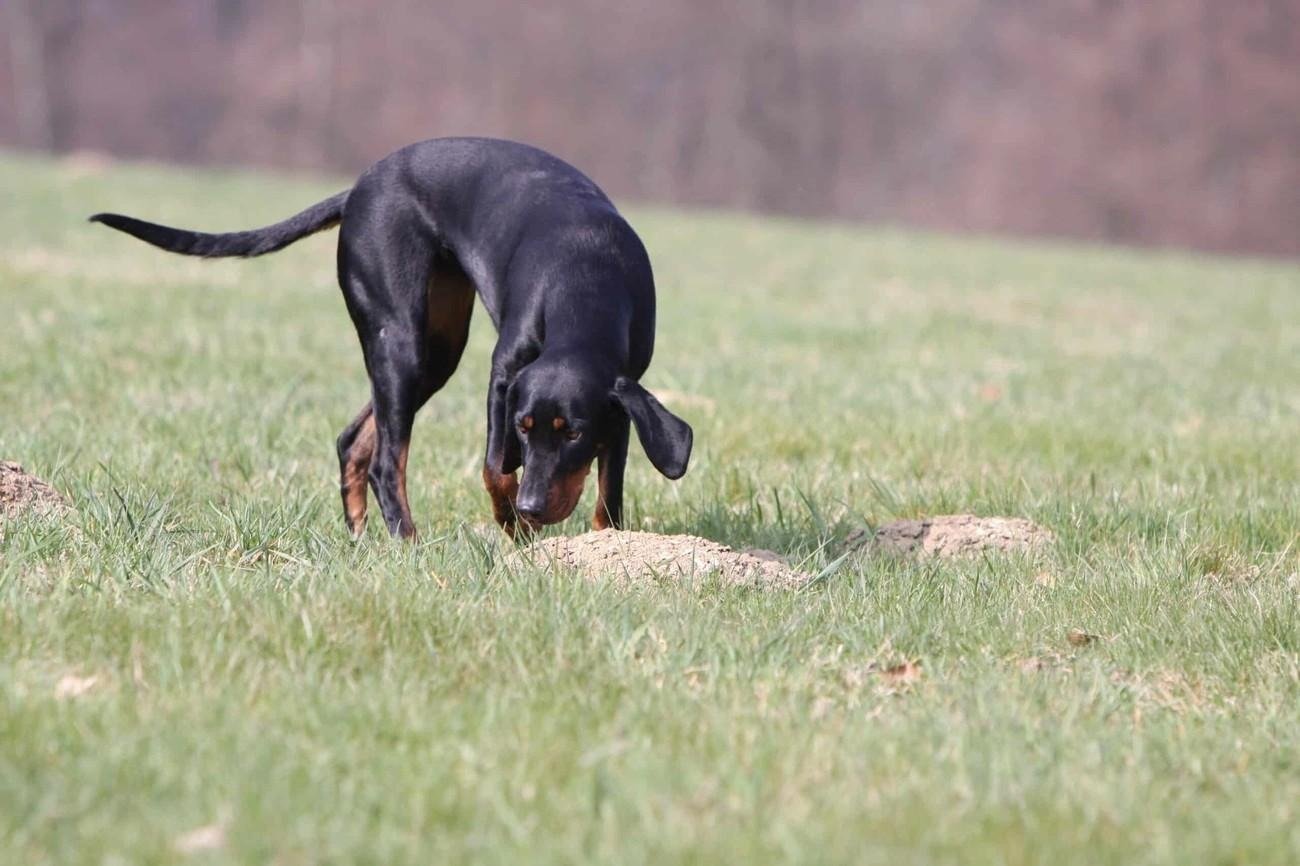
Image Source: Hundeo
Releasing an Austrian Black and Tan Hound means understanding their extraordinary exercise needs. These athletic canines have an amazing energy reservoir that needs constant attention from their owners. Owners who fail to meet these requirements often face behavioral problems that challenge even experienced dog handlers.
Daily physical requirements
Austrian Black and Tan Hounds need much more exercise than most casual dog owners might expect. A short daily walk won’t cut it for this breed. These dogs run on:
- Vigorous jogging sessions instead of walks
- Long, energetic play periods in securely fenced areas
- At least 1-2 hours of intense physical activity daily
- Activities that tap into their natural tracking abilities
Their hunting heritage gives them impressive stamina—they historically covered up to 150 kilometers during hunting work. This remarkable endurance means they rarely get tired, so they need owners who can keep up with their activity levels.
Mental stimulation and enrichment
Physical exercise alone won’t keep an Austrian Black and Tan Hound happy. Their intelligence needs mental challenges too. Both physical exercise and mental stimulation shape their behavior. Dogs that don’t get proper mental challenges often develop:
- Restlessness around the home
- Destructive chewing behaviors
- Excessive vocalization or barking
Mental enrichment should focus on activities that tap into their hunting instincts. Scent-based games, tracking exercises, and puzzle toys work great for this breed. These dogs need opportunities to use their scenting abilities for their psychological wellbeing.
Many first-time owners don’t realize how important mental stimulation is. Good mental engagement helps turn these high-energy dogs into calm, well-behaved house companions.
Why they need space to roam
Austrian Black and Tan Hounds do best in places with plenty of space. They don’t adapt well to urban settings or apartments. These dogs evolved to cover big territories while hunting.
Rural environments give them several key advantages:
- Freedom to move without leash restrictions
- Chances to show natural trailing behaviors
- Space to burn off excess energy
- Lower risk of developing behavioral issues
Their exploration drive links directly to their purpose—breeding focused exclusively on hunting and tracking. This natural drive makes them happiest when they can roam large areas of land.
Property size matters a lot for potential owners thinking about this breed. Austrian Black and Tan Hounds need space to satisfy their wandering nature, even with regular exercise sessions. People living in apartments or urban areas should look at other breeds that fit better in confined spaces.
Grooming and General Care
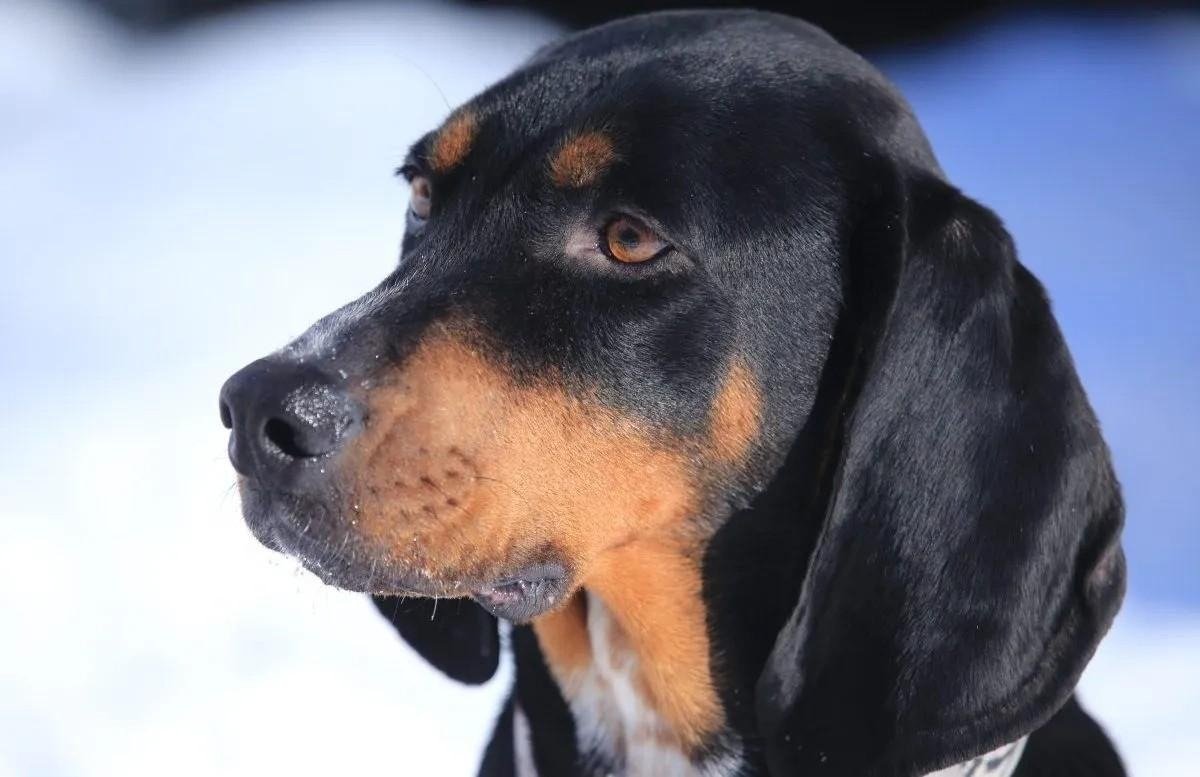
Image Source: DogTime
Austrian Black and Tan Hounds have a coat that’s remarkably easy to maintain compared to other breeds. Their grooming needs align perfectly with their hunting background.
Brushing and bathing needs
These hounds sport a short, glossy coat that needs less maintenance than long-haired breeds. A weekly brush with a curry brush or natural bristle brush keeps their coat looking great. Dog owners who value their time will appreciate this simple grooming routine that maintains the coat’s sleek look.
Research shows that most dog owners don’t bathe their pets often enough – only 56% follow recommended schedules, while 60% rely on smell to decide bath time. Your Austrian Black and Tan Hound needs a bath every 4-6 weeks. Bath time does more than clean your dog. It lets you spot unusual scratches, bumps, fleas, or other issues that become visible on wet fur.
Ear and paw care
Ear care is a vital part of grooming this breed. Your dog’s ears need daily checks and cleaning whenever you spot dirt. These dogs have floppy ears that can trap moisture and lead to infections without proper care.
After outdoor activities, check your dog’s body with extra attention to their paws. The paw pads can collect thorns, burrs, or debris that might cause discomfort or infections. Nail trimming rounds out paw care – schedule it every few months unless your dog’s nails naturally wear down from rough terrain.
Seasonal shedding tips
Austrian Black and Tan Hounds can shed quite a bit despite their short coats. Their dense double coat sheds year-round, with seasonal spikes that need more frequent brushing. Daily brushing helps during heavy shedding seasons instead of the usual weekly schedule.
The best tools to manage shedding include:
- Hound mitts or rubber bristle brushes for daily care
- Slicker brushes to remove loose fur
- Deshedding tools for seasonal coat changes
A coat conditioner helps keep the fur shiny and reduces loose hair. Regular grooming also means less dog hair around your house.
Health, Lifespan, and Vet Care
Austrian Black and Tan Hound owners can rest easy. These dogs are healthier than many other purebreds. Their hunting heritage brings both a long life and few inherited health problems, which makes caring for them quite simple.
Common health issues
These hardy dogs can still face some health challenges. They might develop skin problems, ear infections, and joint issues as they age. Watch out for:
- Skin irritations from allergies
- Ear problems that often affect their droopy ears
- Hip dysplasia and joint issues, which show up more in older dogs
- Arthritis during senior years
The breed stands out because it has no documented genetic diseases. This remarkable health record comes from Austrian breeders who focused on performance rather than looks for generations.
Expected lifespan
These hounds live 12-14 years on average. Their lifespan matches other dogs of comparable size. Good care and responsible ownership help many dogs reach their full life expectancy without serious health issues.
Routine vet checkups and vaccinations
Your dog needs regular vet visits to stay healthy. Standard vaccinations and parasite prevention matter even more because these dogs spend time around wildlife. Quick checks after hunting trips help find ticks, burrs, or debris stuck in their paw pads that could cause infections.
Conclusion
The Austrian Black and Tan Hound is a remarkable breed that blends historical importance with natural hunting skills. This rare descendant of Celtic Hounds combines exceptional tracking abilities with a friendly personality and striking looks, making it a perfect companion for the right owner. Their distinctive “Vieräugl” markings above their eyes give them a unique appearance that connects them to their rich hunting heritage.
These dogs need owners who understand their exercise needs. They must have 1-2 hours of intense activity daily to stay healthy and happy. A rural setting with plenty of space lets them express their natural behaviors and stops them from developing bad habits. Urban dwellers or less active families should look for breeds better suited to city life.
Active families will find many advantages with the Austrian Black and Tan Hound. The breed’s loving nature and patience with kids make them great family pets. They learn quickly through positive reinforcement, and their grooming needs are simple. A weekly brush and occasional bath keep their short coat looking great.
These hounds have strong genetics with few health problems and usually live 12-14 healthy years. Their floppy ears might get infected, but regular checks prevent issues. Since they were bred to hunt, they might chase smaller pets, so early socialization is vital in homes with other animals.
Not many people know about the Austrian Black and Tan Hound outside Austria, which is a shame given their impressive traits. This overlooked breed excels at both work and companionship. Owners who give them enough exercise, consistent training, and the right environment will gain loyal, loving partners ready for adventures in the field or at home.
Key Takeaways
The Austrian Black and Tan Hound is a rare Celtic descendant that combines exceptional hunting abilities with family-friendly temperament, making it ideal for active owners who can meet their substantial needs.
• High exercise demands: Requires 1-2 hours of vigorous daily activity and thrives in rural environments with space to roam • Excellent family companion: Patient and affectionate with children, intelligent and trainable using positive reinforcement methods • Distinctive appearance: Features characteristic “Vieräugl” tan markings above eyes and weighs 33-49 pounds with minimal grooming needs • Robust health profile: Enjoys 12-14 year lifespan with few breed-specific genetic issues, making them relatively low-maintenance health-wise • Not apartment-suitable: Their hunting heritage and energy levels make them poorly suited for urban or confined living situations
This rare Austrian breed offers loyal companionship for active families willing to provide adequate exercise, space, and early socialization to manage their natural prey drive around smaller pets.
FAQs
Q1. What is the typical lifespan of an Austrian Black and Tan Hound?
The Austrian Black and Tan Hound generally enjoys a lifespan of 12-14 years. With proper care and regular veterinary check-ups, many of these dogs can reach their full life expectancy without major health complications.
Q2. How much exercise does an Austrian Black and Tan Hound need?
Austrian Black and Tan Hounds have high exercise requirements. They need at least 1-2 hours of vigorous physical activity daily, which can include jogging, long play sessions in a securely fenced area, or activities that engage their natural tracking abilities.
Q3. Are Austrian Black and Tan Hounds good with children?
Yes, Austrian Black and Tan Hounds are generally excellent with children. They are known for their patience, tolerance, and affectionate nature towards kids. However, as with any dog, interactions between children and dogs should always be supervised.
Q4. How easy is it to train an Austrian Black and Tan Hound?
Austrian Black and Tan Hounds are quite easy to train compared to other scent hounds. They possess above-average intelligence and respond well to positive reinforcement techniques. However, their independent nature may occasionally surface during training sessions, requiring patience from their owners.
Q5. Are Austrian Black and Tan Hounds suitable for apartment living?
No, Austrian Black and Tan Hounds are not recommended for apartment living. These dogs thrive in environments with ample outdoor space where they can roam and explore. Their high energy levels and exercise needs make them better suited for rural settings or homes with large, securely fenced yards.