
Australian Silky Terrier Dog Breed Information: Characteristics, Behavior, Temperament, Lifespan, Weight
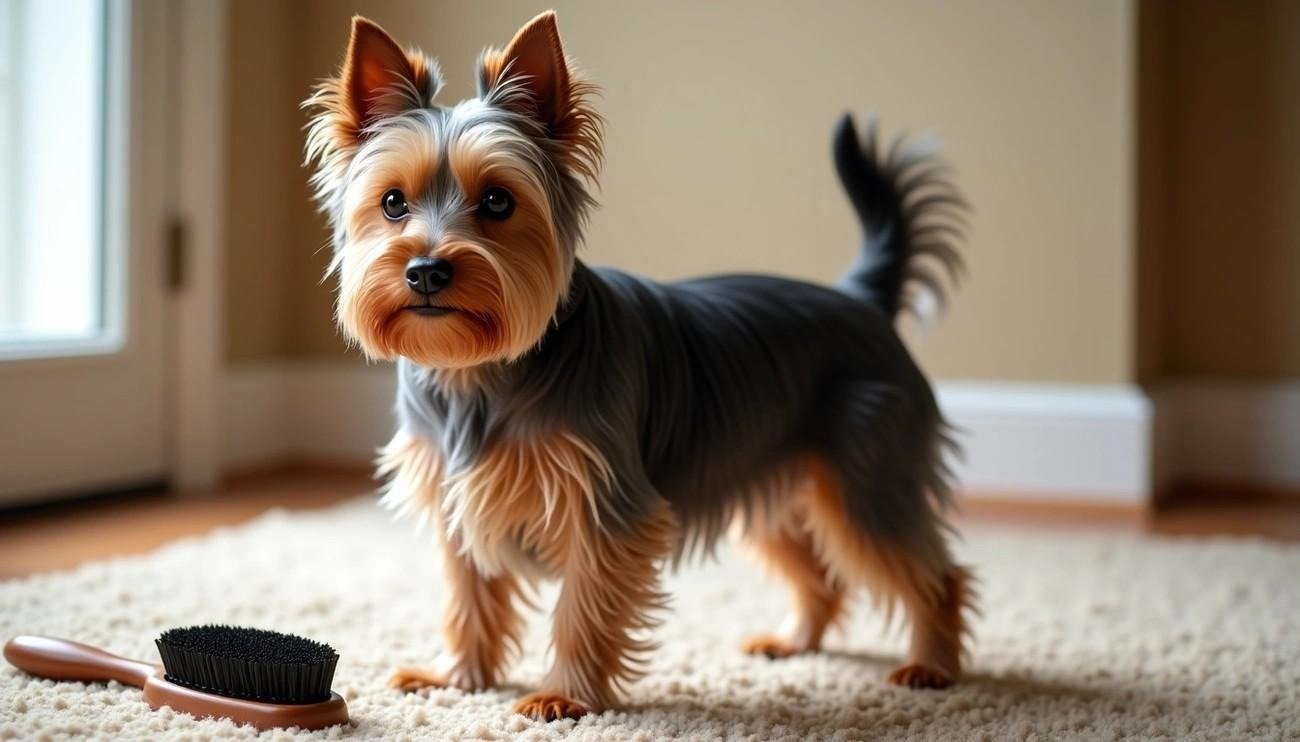
Silky Terriers are elegant small dogs that stand 9-10 inches tall and weigh about 10 pounds, which gives them their striking appearance. These tiny companions need more frequent baths than other breeds – at least monthly. Their silky coat requires brushing every two to three days to stay tangle-free.
The breed’s wedge-shaped head and alert V-shaped ears combine with their intelligent expression to showcase their spirited nature. These wonderful pets live 13-15 years[-3], giving families over a decade of companionship. Their special coat structure makes them hypoallergenic and they shed less than most dogs[-3]. Indian families looking to bring home a Silky Terrier should expect to pay between ₹40,000 and ₹70,000. The American Kennel Club’s recognition of the breed in 1959 helped establish Silky Terriers as beloved companions worldwide.
Breed Characteristics and Appearance
Size and weight of a Silky Terrier
Silky Terriers fit into the Toy Group category. Males and females stand 9-10 inches tall at the withers. Their weight ranges between 8-10 pounds. They’re a bit bigger than Yorkshire Terriers, which grow up to 8 inches in height. A Silky’s body shows perfect balance – about one-fifth longer than its height at withers. This build lets them excel at their traditional jobs as ratters and snake hunters.
These small dogs have a surprisingly strong build. Female Silkies can be slightly smaller than males, but their weight should match their height.
Coat type, color, and texture
The Silky Terrier’s stunning coat stands out as its trademark feature. The breed sports straight, flat, fine hair that feels like silk. Unlike Yorkshire Terriers with their floor-length coats, Silky’s hair follows its body shape. The ideal length runs 5-6 inches from behind the ears to tail.
These dogs come in various shades of blue and tan. The colors look rich and clear. You’ll notice this specific pattern:
- Silver-blue or fawn on the topknot
- Tan around ear bases, muzzle, and cheeks
- Blue runs from skull base to tail tip, down forelegs near knees, and down thighs to hocks
- Tan lines show on stifles, from knees and hocks to toes, and around vent
Silky Terrier puppies start life as black and tan, but their black coat changes to blue as they grow. The blue might look silver, pigeon-colored, or slate, while the tan stays deep and rich.
Is the Silky Terrier hypoallergenic?
Yes, Silky Terriers are hypoallergenic. Their hair resembles human hair more than typical dog fur, so they shed very little. People with allergies often do well with these dogs since they produce less dander than heavy shedding breeds.
The human-like hair means they need monthly baths. Brushing every two to three days with a pin or soft slicker brush keeps tangles away.
Origin and history of the breed
Australian breeders started developing Silky Terriers in the late 1800s. They mixed Yorkshire Terriers from England with Australian Terriers. This combination created dogs with Australian Terrier’s tough body and Yorkshire Terrier’s beautiful coat.
The breed’s early days saw some confusion about standards across Australia. People called them Sydney Silky Terriers until 1955 when the name changed to Australian Silky Terrier. Australian Terriers, Australian Silky Terriers, and Yorkshire Terriers looked so similar that one litter might have all three types, sorted by looks after growing up.
The American Kennel Club recognized them as “Silky Terriers” in 1959. Other countries still use “Australian Silky Terrier”. While most Australian breeds worked on farms, breeders created Silky Terriers mainly as city pets. These dogs kept their hunting skills for catching vermin and snakes.
The breed became more consistent over time. A 1970s breeder noted: “I had two Silky types, a ‘Yorkie type,’ and an ‘Aussie type’. Now you see all Silky types”.
Behavior and Temperament
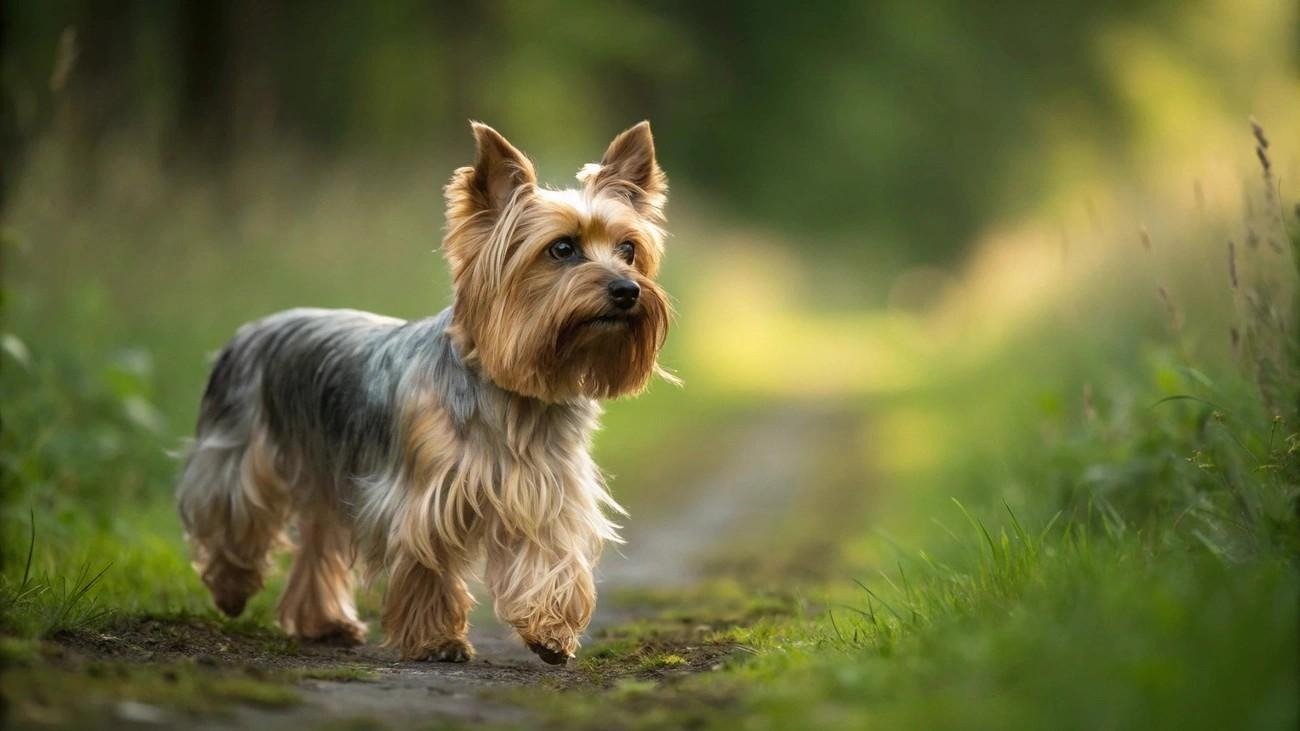
Image Source: Houndsy
“They’re small but not fragile, feisty but not yappy, pretty but not sculpted.” — American Kennel Club (AKC) Breed Standard, Official breed standard authority
A Silky Terrier’s elegant looks hide a dynamic personality that combines love with independence. These little dogs pack a big punch of character into their small frames. They make fascinating companions for the right owners.
Affection level and friendliness
The American Kennel Club gives Silky Terriers top marks (5/5) for family affection. These loyal companions build deep connections with their owners and often follow them everywhere. They thrive on human interaction.
Silkies love attention and companionship. They show their affection through snuggles and playful behavior. Nothing makes them happier than being the center of attention. These social dogs enjoy meeting new people but might take some time to warm up to strangers.
Their smarts play a big part in their charm. Silky Terriers are bright dogs with spunky, playful personalities. They stay alert and need to keep busy. Leave them alone too long and they’ll get bored quickly.
Compatibility with children and pets
The breed scores a middle-ground 3/5 for getting along with children. They bond better with older kids who know how to handle dogs gently. Their small size makes them vulnerable to rough play from young children. Families with older, gentler kids make better matches.
With other dogs, Silkies also rate 3/5. Early socialization is vital as they might show:
- Bossy behavior toward other dogs
- Chase after small animals
- Aggressive tendencies without proper socialization
Adding a Silky Terrier to a home with other pets needs careful planning and slow introductions. Proper puppy socialization helps them live peacefully with other dogs.
Prey drive and alertness
These toy-sized dogs still carry true terrier instincts. Their strong hunting drive makes them poor matches for homes with hamsters or cats. Owners need to keep them leashed or in fenced areas outdoors.
Their alertness stands out too. Silky Terriers stay highly aware of their surroundings and make natural watchdogs. They spot unfamiliar sounds or visitors quickly. This trait adds security value despite their tiny size.
Barking tendencies
The American Kennel Club rates Silky Terriers 4/5 for barking. They bark at almost anything. While this makes them great watchdogs, apartment neighbors might not appreciate it.
They bark for different reasons:
- Warning owners about threats
- Getting attention when bored
- Reacting to things like squirrels
Without training, Silkies can become excessive barkers. Early socialization and positive training help control this habit. Mental exercise and physical activity reduce unnecessary barking.
These dogs truly embody a big personality in a small package. Their smart and loving nature creates an engaging companion that stays lively throughout their life. Owners who meet their social and activity needs get endless loyalty and spirited companionship in return.
Lifespan and Health Overview
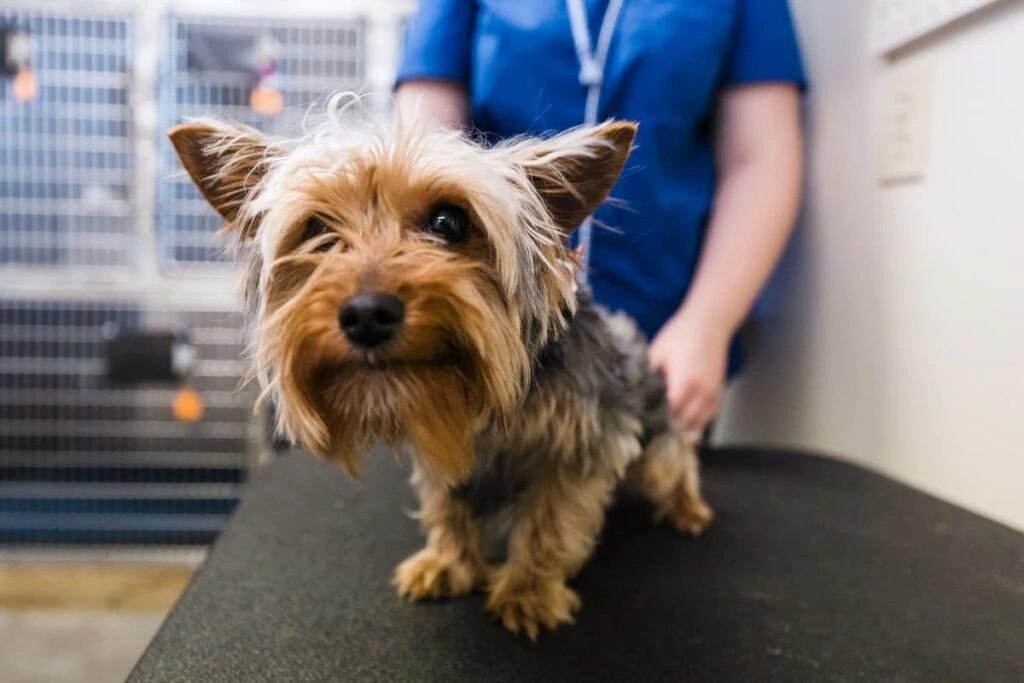
Image Source: nphcvet.com
Silky Terriers possess a strong constitution that helps them live longer, making them wonderful companions to anyone lucky enough to have them at home. These dogs face certain health challenges that new owners should know about.
Average lifespan of a Silky Terrier
These delightful dogs live remarkably long lives, usually between 13 and 15 years. Their extended lifespan means you should be ready to commit to more than a decade of companionship before getting a puppy. Some Silkies might live beyond 15 years with proper care. Their impressive longevity shows how healthy these dogs are compared to other breeds of similar size.
These dogs will be part of your family for many years. Building a good relationship with a vet right from puppyhood serves as the life-blood of your Silky’s health journey through different life stages.
Common health issues in the breed
Despite their hardy nature, Silky Terriers might develop certain breed-specific health conditions:
- Dental disease – This biggest problem affects up to 80% of Silkies by age two. Poor dental health can cut their lifespan by one to three years.
- Eye conditions – Cataracts can lead to blindness and might need surgery. Progressive retinal atrophy (PRA) makes the retina deteriorate over time, usually affecting dogs between 3-9 years old.
- Joint problems – Slipping kneecaps cause occasional lameness. Young dogs might develop Legg-Calvé-Perthes disease, a painful hip condition that shows up between six and nine months.
- Liver disorders – Portosystemic shunt (PSS) stops proper blood filtering by the liver. This can cause growth issues and seizures.
- Other conditions – Cushing’s disease creates too much cortisol, which leads to excessive thirst, changes in appetite, and a pot-bellied look. Small breeds often get tracheal collapse, which causes coughing and breathing problems. Skin allergies and sensitivities might cause itching and infections.
Many Silky Terriers live healthy lives without these issues. Knowledge about potential health problems helps owners spot warning signs early and get quick veterinary help.
Preventive care and vet checkups
Good healthcare creates the foundation for your Silky Terrier’s long, healthy life. Prevention works better than treatment.
Adult dogs need yearly vet checkups at minimum, while senior dogs should visit more often. These wellness checks help catch problems early. Dogs over four years old need yearly thyroid screening.
Dental health needs extra attention since dental disease tops the list of chronic health issues in Silkies. Professional cleanings every 6-12 months plus home care prevent serious problems. Dogs might struggle to eat and lose teeth without proper dental care.
Basic vaccines should start at six weeks old. These protect against parvovirus, distemper, adenovirus, parainfluenza, and rabies. Dogs need year-round heartworm medicine and protection from fleas and ticks.
Keeping your dog at a healthy weight prevents joint problems and metabolic disorders. Extra weight reduces quality of life and can shorten lifespan. High-quality, AAFCO-compliant small-breed dog food helps maintain good weight and health.
Vets might suggest specific supplements if your Silky has health issues. To name just one example, see how dogs with joint problems benefit from joint supplements and omega-3 fatty acids to reduce inflammation.
Regular professional care combined with attentive home care gives your Silky Terrier the best chance at a long, healthy life.
Weight and Growth Stages
Silky Terrier owners need to understand their pet’s growth patterns to give them the best care at every stage of development. These small but sturdy dogs grow in predictable ways, with specific needs as they develop from tiny puppies into adults.
Silky Terrier weight in kg by age
These dogs start out tiny but grow steadily through their first year. Males typically weigh a bit more than females at most stages:
| Age | Male Weight | Female Weight |
| 4 weeks | 0.45–0.68 kg (1–1.5 lbs) | <citation index=”36″ link=”https://dogsize.co/silky-terrier/” similar_text=”Age |
| 8 weeks | 0.9–1.36 kg (2–3 lbs) | <citation index=”36″ link=”https://dogsize.co/silky-terrier/” similar_text=”Age |
| 3 months | 1.6–2 kg (3.5–4.5 lbs) | <citation index=”36″ link=”https://dogsize.co/silky-terrier/” similar_text=”Age |
| 6 months | 2.27–2.95 kg (5–6.5 lbs) | <citation index=”36″ link=”https://dogsize.co/silky-terrier/” similar_text=”Age |
| 9 months | 2.72–3.63 kg (6–8 lbs) | <citation index=”36″ link=”https://dogsize.co/silky-terrier/” similar_text=”Age |
| 12 months | 3.63–4.54 kg (8–10 lbs) | <citation index=”36″ link=”https://dogsize.co/silky-terrier/” similar_text=”Age |
Adult Silky Terriers usually weigh between 3.5 to 4.5 kg according to Australian standards. Males weigh about 0.5–1.5 lbs more than females and often have a slightly sturdier build. Some breed standards suggest an adult weight of around 4.5 kg (10 lbs).
Growth milestones from puppy to adult
The sort of thing I love about Silky Terrier puppies is how they change as they grow:
These puppies are born with black coats and tan markings, quite different from their adult look. Their coat color changes several times before reaching that classic blue and tan shade adults are known for.
Puppy ears usually stand up between 8-12 weeks. During teething, these ears might droop temporarily but will stand up again once adult teeth come in—if the ear hair stays trimmed to avoid weighing down the tips.
Puppies hit a key growth marker at 4 months when they reach about half their adult weight. This helps predict their final size—many breeders double a puppy’s 16-week weight to estimate their adult weight.
Most Silkies reach their full height and length between 9 and 12 months. Their coat keeps developing well past their first birthday until it reaches its full length and silky texture. They’re fully grown by one year.
Monitoring healthy weight
A healthy weight is vital for your Silky Terrier’s long-term health. Their small size means even slight weight changes can substantially affect their health.
Feeding guidelines for Silky Terrier puppies:
- Give high-quality small-breed puppy food that supports fast early growth
- Feed 3-4 small meals daily until 6 months old
- Switch to twice-daily meals after 6 months
- Feed three times daily whatever the age to prevent low blood sugar
Exercise needs change as puppies grow. Young puppies need limited physical activity to protect their developing bones and joints. Short 5-10 minute play sessions several times daily work best for young pups. You can gradually increase activity as they mature, with most handling full adult exercise by 12 months.
Adult Silkies should eat about 2-3% of their ideal body weight daily. Active dogs might need more food, while those needing to lose weight should get closer to 2% of their target weight.
Regular weigh-ins help catch health issues early. Small breeds gain weight quickly when overfed, so portion control matters. Regular vet checkups ensure your Silky stays at a healthy weight throughout their 12-15 year life.
Grooming and Maintenance Needs

Image Source: Doggies in Town
A Silky Terrier’s magnificent coat needs consistent care to stay healthy and beautiful. The right grooming routine plays a vital role in this breed’s wellbeing and goes beyond basic brushing.
Brushing and bathing routine
These dogs have a fine, straight coat that needs regular attention to stop tangles and mats from causing skin problems. You should brush them at least twice a week with a pin brush or soft bristle brush. A long-toothed metal comb helps work out any developing tangles. Some experts suggest daily brushing since their silky coat tends to mat easily.
Your Silky needs a bath every four to six weeks using a gentle dog shampoo. Make sure you rinse thoroughly. Professional groomers recommend using a leave-in conditioner after baths to keep the coat manageable. These dogs can develop skin problems, so watch for signs like greasiness, odor, or discoloration that might point to yeast infections.
Trimming and coat care tips
Silky Terriers need specific trimming to stay comfortable and look their best. Here are the areas that need attention:
- Ears: Keep the hair trimmed inside and outside
- Face: Trim hair from the stop, along the muzzle, down to the corner of the lip
- Feet: Clip between toes and up to the stopper pad so debris doesn’t build up
- Tail: Keep it free from extra feathering, unlike Yorkshire Terriers
Show Silkies must have a straight part along their spine. Brush the coat toward the ground to maintain its natural flow and look.
Dental, ear, and nail hygiene
Dental care is critical since Silky Terriers often face serious dental issues. Brush their teeth at least three times weekly with canine toothpaste to prevent tartar buildup. Daily brushing gives the best results for oral health.
Clean their ears weekly with a vet-approved solution. You can make a simple mixture using 25% glycerine and 75% alcohol. Put about 10 drops in each ear, massage the base, and let your dog shake out the solution.
Cut their nails monthly. Since Silkies have black nails, trim only above the curve to avoid the quick. Keep styptic powder nearby in case of bleeding.
Grooming a Silky Terrier at home vs salon
Most owners mix home care with professional grooming every 4-6 weeks. Professional groomers excel at complex tasks like haircuts and can spot early signs of skin problems or parasites.
Home grooming requires good quality tools like slicker brushes, combs, and proper clippers. The initial setup costs under £100 and saves money quickly, especially if you have multiple dogs.
Professional grooming costs between £70-£100 per session or ₹500-2000 in India, based on the services you choose. Home grooming saves money and gives you quality bonding time. It’s also less stressful for dogs that get anxious easily.
Whatever approach you pick, grooming time gives you a great chance to check your Silky Terrier for new lumps, skin problems, or eye and ear issues.
Training and Socialization Guide
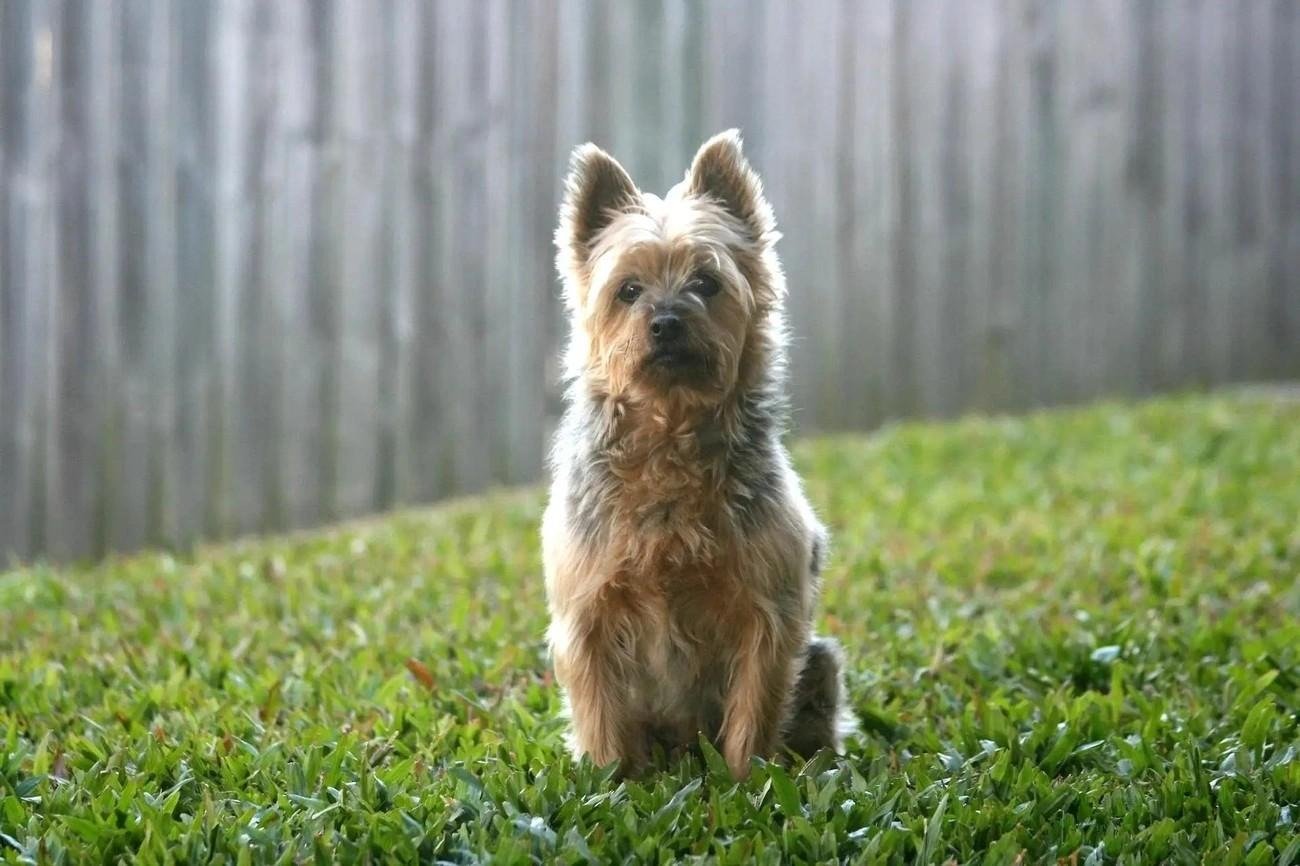
Image Source: EzyDog
Silky Terriers combine sharp intelligence with an eagerness to please, making them quick learners. These small dogs can challenge even seasoned owners with their occasional stubborn streak.
Training a Silky Terrier puppy
Your Silky Terrier puppy’s training should start the moment they arrive home. These smart, brave dogs need early guidance to prevent unwanted habits. A consistent schedule proves vital for successful housebreaking.
Your puppy needs to join socialization classes before 16 weeks of age. This window shapes behaviors that last into adulthood. These puppies learn best through brief, fun sessions. You should aim for several 5-10 minute sessions throughout the day.
A well-laid-out training approach has:
- Simple commands (sit, stay, recall)
- Housebreaking routines
- Appropriate play behavior
- Early barking control exercises
Positive reinforcement techniques
These terriers thrive on positive reinforcement. Their love for food makes treats excellent motivators during training. The timing of rewards matters substantially—give them right after good behavior to build clear associations.
Pick rewards that excite your specific dog. Some Silkies love treats, while others prefer praise or play sessions. Whatever motivator you choose, staying consistent helps reinforce good behavior.
Dealing with stubborn behavior
A Silky Terrier’s sharp mind comes with typical terrier stubbornness. Small dogs often get away with behavior that larger breeds cannot. You can prevent “small dog syndrome” by using the same gentle but firm training methods that work for bigger dogs.
Skip repetitive commands or punishment. Instead, guide unwanted behaviors toward better options. Harsh training damages your bond and won’t improve their listening skills. In stark comparison to this, upbeat, fun sessions keep these clever dogs interested.
Socialization with people and pets
A well-socialized Silky Terrier adapts comfortably to different settings. Early exposure to various people, sounds, and experiences prevents fearfulness.
Silkies get along with older, respectful children, but their size makes them poor matches for very young kids. They might act bossy or chase smaller pets. Early, supervised introductions help create peaceful relationships between household pets.
Diet and Nutrition Tips
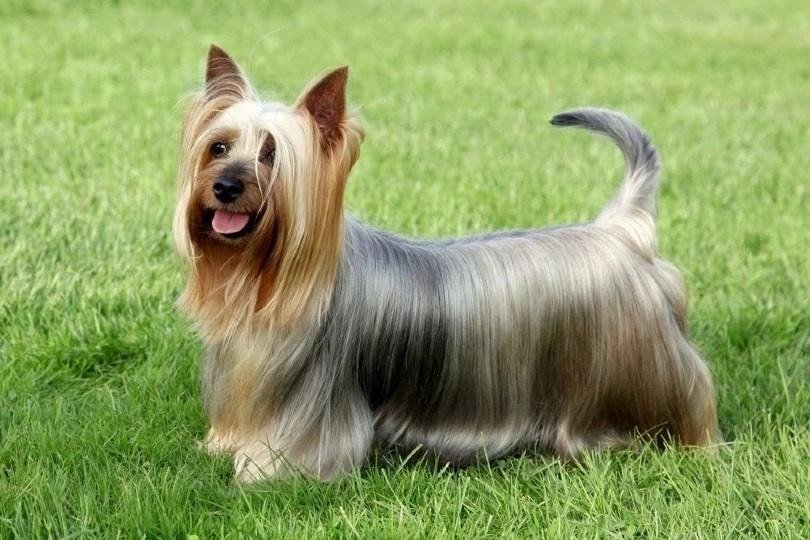
Image Source: Dogster
A Silky Terrier’s health depends heavily on proper nutrition that affects everything from their silky coat to their energy levels. These small but active dogs need a customized diet that will give them the best nourishment.
Feeding schedule and portion sizes
Silky Terriers need three daily meals three times daily throughout their lives to prevent hypoglycemia, whatever their age. Small dogs maintain stable blood sugar levels with this consistent feeding pattern. Puppies under one year need a small-breed puppy formula, while adults should switch to an appropriate adult formula. The feeding guidelines on your AAFCO-approved dog food packaging, along with your vet’s recommendations, will help determine the right portion sizes for your dog’s needs.
Best food for Silky Terriers
Quality small-breed dog food creates the foundation of a Silky Terrier’s diet. Their daily meals should include 90% age-appropriate dog food with treats limited to 10%. Premium kibble mixed with lean meats, vegetables, and brown rice helps many owners provide balanced nutrition. Food costs usually range between ₹1,200-₹1,800 monthly.
Foods to avoid
We identified these dangerous foods to avoid:
- Chocolate, grapes, raisins, onions, garlic, alcohol, and caffeine
- Xylitol (found in candy, gum, and some peanut butter)
- Chicken bones, fish bones, or chop bones
- Fillers such as corn and soy that might trigger allergies
Supplements for joint and coat health
Some Silky Terriers benefit from supplements based on specific health needs. Dogs with joint problems like patellar luxation might need joint supplements and omega-3 fatty acids to reduce inflammation. Fish oil, vitamin E, and biotin supplements help maintain their signature silky fur and improve skin sensitivities. Dogs with allergies and digestive problems often do better with probiotics. Your vet should approve any supplements before adding them to your Silky’s diet.
Silky Terrier Price and Buying Guide
Getting a Silky Terrier requires a serious financial investment. The costs vary depending on where you live, the dog’s quality, and who you buy from.
Silky Terrier price in India and globally
The price of Silky Terrier puppies in India changes based on their quality. Simple puppies cost between ₹25,000 to ₹35,000. Dogs with KCI registration are priced higher at ₹35,000 to ₹45,000. Show quality dogs can cost anywhere from ₹45,000 to ₹70,000. Global prices tell a different story. In the United States, these dogs cost between ₹168,760 to ₹210,951. Premium bloodlines can push prices up to ₹295,331.
Factors affecting the price
The price of a Silky Terrier depends on several things:
- Type classification – Whether it’s a Simple, KCI Registered, or Show Quality dog
- Physical attributes – Unique coat colors cost more
- Age and gender – Male dogs often cost more than females, and puppies are worth more than older dogs
- Pedigree – Dogs from champion bloodlines cost more
- Geographic availability – Prices go up in areas where these dogs are hard to find
Where to find a Silky Terrier puppy for sale
The best way to get a quality Silky Terrier is through reputable breeders. KCI-registered breeders sell puppies with proper lineage documents and health certificates. You can find specialized breeders in major Indian cities like Mumbai, Pune, Chennai, and Delhi.
Adoption vs buying from breeders
Adoption is an ethical choice that costs much less. You’ll only need to pay for vaccines and registration when adopting from shelters. While adoption helps animal welfare, keep in mind that you might not get guarantees about the dog’s breed purity or health history.
Conclusion
Silky Terriers make amazing companions if you find the right match. These beautiful small dogs mix good looks with smarts and stay loyal throughout their 13-15 year lifespan. Their stunning blue and tan coat needs regular care, but the effort feels worth it with such a devoted pet.
These dogs might be tiny at 9-10 inches and 3-4.5 kg, but they pack quite a personality punch. Their smart and watchful nature makes them great guard dogs that form deep bonds with their families. New dog owners should know these terriers need steady training because of their stubborn side.
These dogs learn best through positive reinforcement. Treats and praise work much better than strict methods with Silky Terriers. Getting them used to different people and situations early helps shape their personality, especially around kids and other pets.
Pet parents should watch out for these breed-specific health issues: • Dental problems that need regular brushing • Joint issues like patellar luxation • Eye conditions including cataracts • Breathing problems like tracheal collapse
Anyone looking to bring home a Silky Terrier should think about the costs. Indian prices range from ₹40,000 to ₹70,000, plus ongoing care expenses. Beyond food and vet visits, you’ll need money for grooming – whether it’s professional care or good tools to do it yourself.
These lovable dogs need lots of human attention and don’t do well alone for long stretches. Families that can give them company, training, and regular grooming will find a perfect pet in a Silky Terrier. They mix terrier spunk with companion dog grace. Their exercise needs fit well in apartments or homes with small yards if they get daily brain games and short walks.
A Silky Terrier needs dedicated care to thrive. In spite of that, people who put in time and attention will get a faithful, lively friend that brings happiness for years.
Key Takeaways
Silky Terriers are elegant small companions that combine beauty with spirited personality, offering 13-15 years of devoted companionship for dedicated owners.
• Compact but sturdy build: Standing 9-10 inches tall and weighing 8-10 pounds, these hypoallergenic dogs feature distinctive silky blue and tan coats requiring brushing every 2-3 days.
• Intelligent yet stubborn personality: High intelligence paired with terrier independence demands consistent positive reinforcement training and early socialization for best results.
• Moderate care requirements: Three daily meals prevent hypoglycemia, while monthly baths and regular dental care address breed-specific health needs.
• Significant financial commitment: Initial costs range ₹40,000-₹70,000 in India, plus ongoing grooming, veterinary care, and premium small-breed nutrition expenses.
• Ideal for dedicated families: Best suited for homes with older children and owners who can provide consistent companionship, as they suffer when left alone extensively.
These charming terriers reward committed owners with unwavering loyalty and entertaining personalities, making them perfect apartment companions for those willing to meet their grooming and attention needs.
FAQs
Q1. What is the typical lifespan of a Silky Terrier?
Silky Terriers generally enjoy a long lifespan of 13 to 15 years. While they are generally healthy dogs, they may be prone to certain breed-specific health conditions.
Q2. How would you describe the temperament of a Silky Terrier?
Silky Terriers have a spirited and energetic temperament typical of terriers. They are known for being feisty, tenacious, and strong-willed, often expressing themselves vocally. Their fearless nature makes them excellent watchdogs despite their small size.
Q3. What is considered a healthy weight range for a Silky Terrier?
A healthy adult Silky Terrier typically weighs between 8 to 11 pounds. Males usually weigh 9-11 pounds, while females tend to be slightly lighter at 8-10 pounds. Despite their small size, they should have an athletic build suitable for their historical purpose as vermin hunters.
Q4. Are Silky Terriers high-maintenance dogs?
Yes, Silky Terriers do require more care than many other breeds. They need about 1-2 hours of daily exercise to prevent boredom and destructive behavior. Their long, silky coat also demands regular grooming, including weekly brushing to maintain coat and skin health.
Q5. How often should a Silky Terrier be fed?
Silky Terriers should be fed three times daily throughout their lives, regardless of age. This feeding schedule helps prevent hypoglycemia, which small breeds like Silky Terriers can be prone to. Portion sizes should be appropriate for their size and activity level, following high-quality small breed dog food guidelines.