
Australian Shepherd Dog Breed Information: Characteristics, Behavior, Temperament, Lifespan, Weight
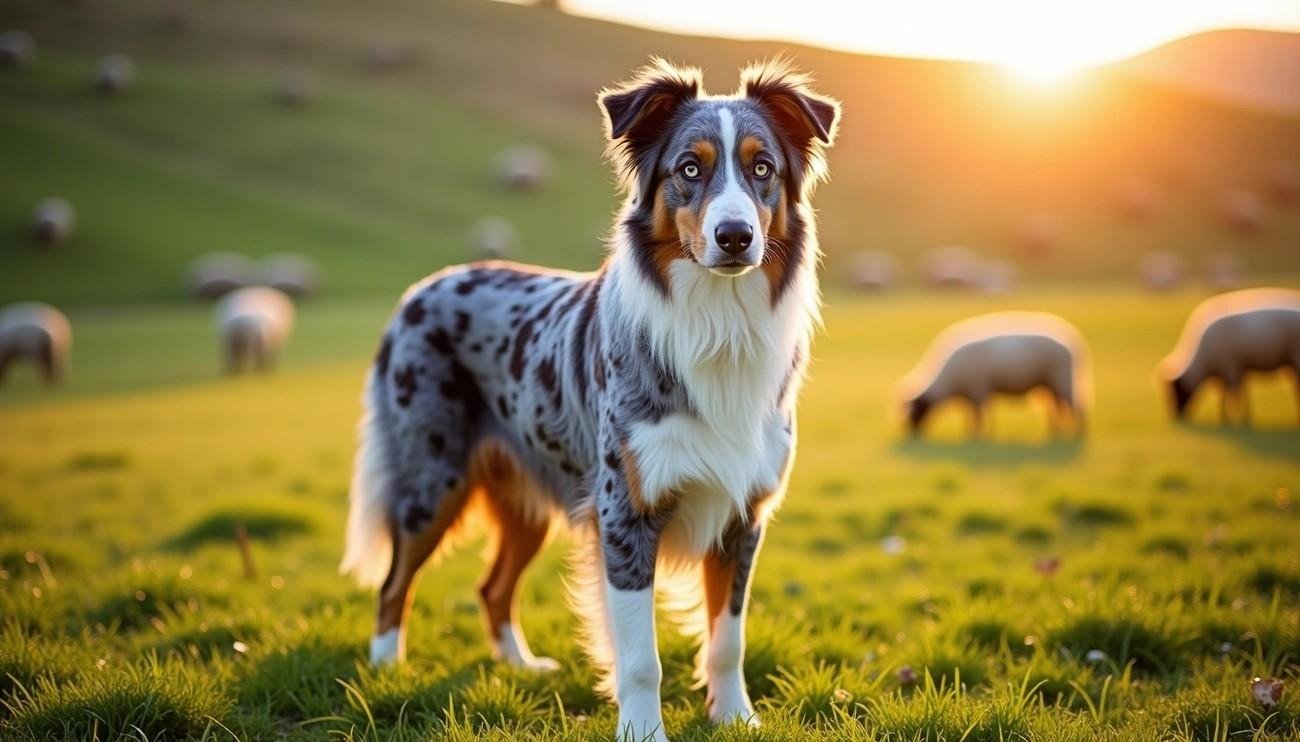
Despite their name, Australian Shepherds actually originated in the United States and earned American Kennel Club recognition in 1991. These dynamic, intelligent dogs need more than two hours of daily exercise to thrive. Female Australian Shepherds reach heights of 18-21 inches, while males stand 20-23 inches tall. Their athletic build shows in their weight – females weigh 40-55 pounds and males 50-65 pounds[-3].
These remarkable dogs live 12-15 years on average and excel at guarding with their vocal nature. Their medium-length double coat sheds throughout the year, which means brushing every other day[-3]. The breed adapts well to families with children and other pets, but they need experienced owners who can meet their physical and mental needs[-5]. This complete guide helps potential owners understand Australian Shepherd traits, behavior, temperament, health issues, and care needs to determine if this alert, hardworking breed matches their lifestyle.
Breed Characteristics and Appearance
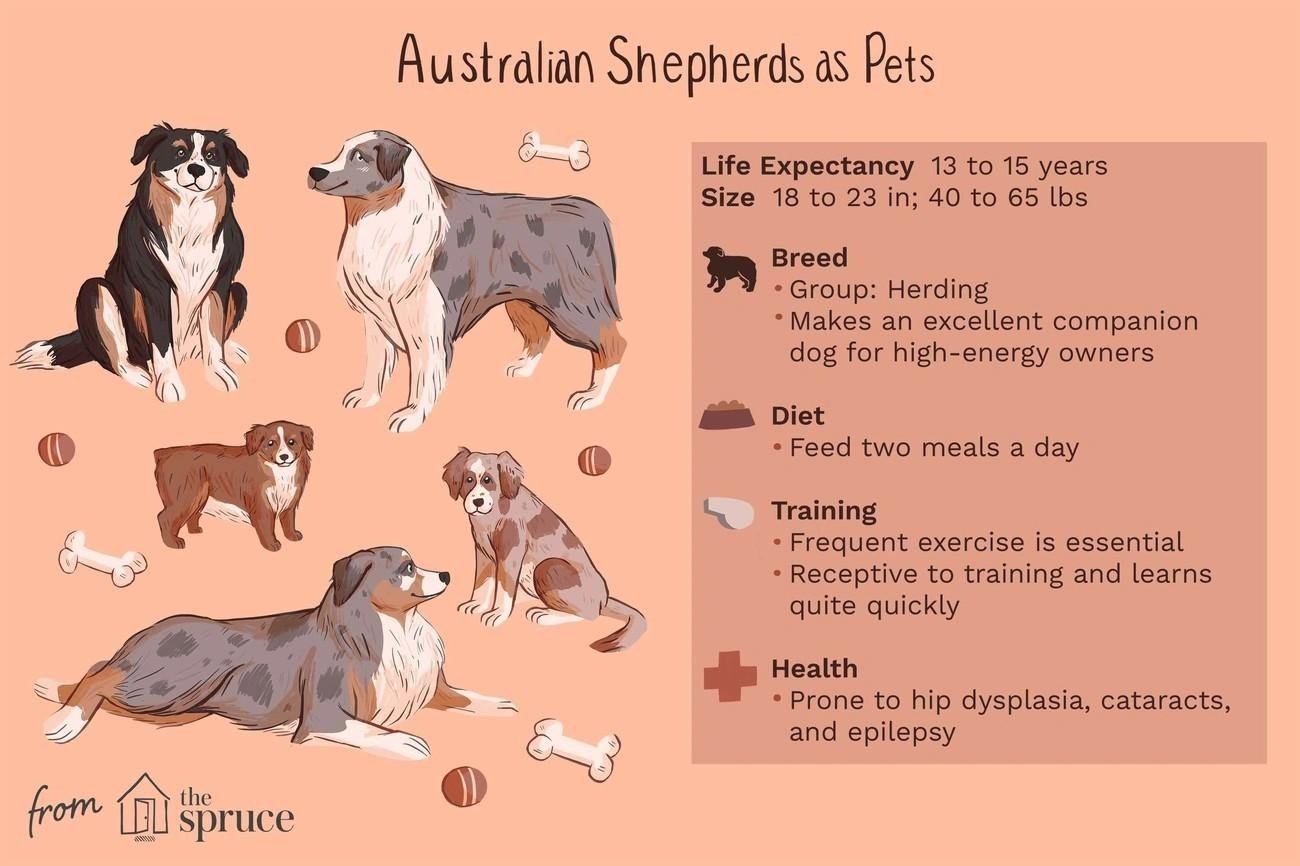
Image Source: The Spruce Pets
Australian Shepherds stand out with their distinctive looks that dog lovers can spot right away. These dogs combine function and beauty with their athletic build and varied color patterns.
Size and weight of Australian Shepherds
Australian Shepherds fit perfectly in the medium-sized breed category. The breed standards show that males reach 20-23 inches tall at the withers, and females are a bit smaller at 18-21 inches. Male Aussies typically weigh between 50-65 pounds, while females tip the scales at 40-55 pounds.
These dogs’ body structure shows their working background. They’re built slightly longer than tall with a lean, muscular frame. This athletic build lets them keep up their agility and stamina for herding. Their balanced proportions help them move gracefully and work effectively.
Coat types and color variations
These dogs sport a weather-resistant double coat that’s both practical and beautiful. You’ll find a dense, soft undercoat paired with a tougher outer layer. The coat can be straight or slightly wavy, with different lengths across the body.
The breed comes in several stunning colors and patterns:
- Black: Pure black, black tri-color (black with white and copper markings), or black bi-color (black with white or copper)
- Red: Colors range from light cinnamon to deep liver, showing up in solid, bi-color, or tri-color patterns
- Blue Merle: A black base coat where the merle gene creates a mottled pattern of blue-gray patches
- Red Merle: A liver-colored base with the merle pattern creating lighter red patches
White markings usually follow an “Irish pattern,” showing up on the chest, neck, face, legs, and underside. Breed standards say white shouldn’t go past the withers point on the body.
Eye color and tail features
The sort of thing I love about Australian Shepherds is their amazing eye color range. These dogs can have brown, blue, amber, hazel, or green eyes – or any mix of these colors. They often show heterochromia, which means different colored eyes or multiple colors in one eye.
Blue eyes aren’t just for merle-coated Aussies. Even solid-colored dogs can have them thanks to a separate genetic trait. Some eyes show marbling, flecks, or unique patterns that make each dog special.
Let’s talk about tails. Most people think all Aussies have short tails naturally. The truth is that 80% are born with full-length, fluffy tails. Just 20% have naturally bobbed tails from a specific genetic mutation. AKC breed standards say Aussie tails should be no longer than 4 inches. Tail docking rules aren’t the same everywhere – many European countries don’t allow it.
Miniature and toy Australian Shepherds
Some folks want an Aussie’s traits in a smaller package. That’s where miniature and toy versions come in. Miniature Australian Shepherds (now called Miniature American Shepherds) stand 14-18 inches tall and weigh 20-40 pounds. These smaller dogs keep their bigger cousins’ proportions, smarts, and work ethic.
Toy Australian Shepherds are even tinier at 10-14 inches tall and 12-17 pounds. It’s worth mentioning that while kennel clubs recognize Miniature American Shepherds, Toy Australian Shepherds aren’t officially recognized.
Both smaller versions share the standard Aussie’s coat patterns, colors, and personality traits. Buyers should watch out for sketchy breeders who might use questionable methods to produce unusually small dogs.
Behavior and Temperament
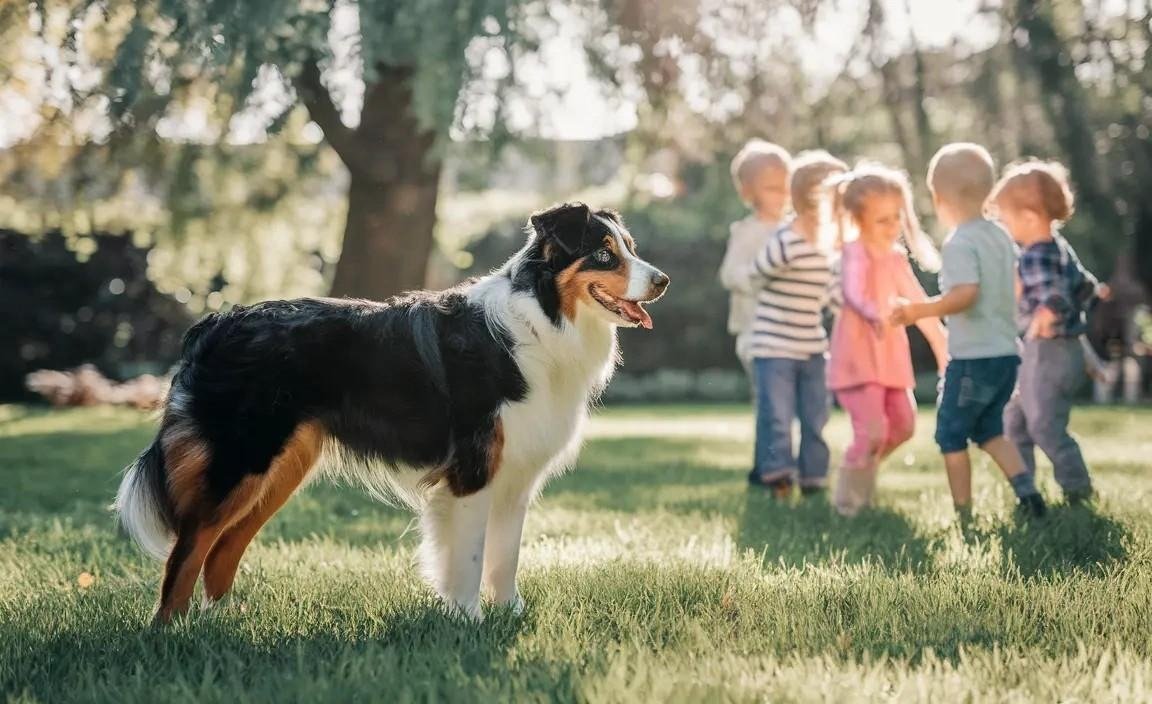
Image Source: PetsCare.com
Australian Shepherds are beautiful dogs that come with a complex temperament. They make rewarding yet challenging companions. Their behavior comes from their background as hardworking herding dogs bred to be smart and have lots of stamina.
Typical personality traits
Australian Shepherds stand out for their remarkable intelligence and knowing how to solve problems. They pick up commands and routines quickly, and they learn simple obedience faster than most other breeds. These dogs are smart enough to think for themselves and make decisions on their own.
These dogs show incredible loyalty to their owners. They’ll follow their people around the house like shadows. This devotion makes them great companions, but they might develop separation anxiety if they’re alone too long.
These dogs take their time warming up to new people. They make alert watchdogs and will let you know when strangers approach, but they’re not usually aggressive. You’ll need to socialize them early to prevent them from becoming too shy or defensive.
Interaction with children and other pets
The American Kennel Club gives Australian Shepherds top marks for being good with kids – 5 out of 5 for kid-friendliness. They’re sturdy enough not to get hurt by clumsy kids, but not so big that they’ll knock children over by accident.
These dogs might try to control children’s movements by gently nipping at their heels. This comes from their herding instincts. Good training helps redirect this natural behavior into something more appropriate.
Australian Shepherds get along with other pets if they’re properly socialized. They might try to herd other animals at home, but most learn to live peacefully with them. Their high energy can be too much for calmer dogs. You should watch them carefully when introducing them to other pets.
Herding instincts and energy levels
Modern Australian Shepherds still have strong herding instincts. Many can’t resist trying to herd anything that moves—birds, dogs, or kids. This can be tough for owners who aren’t ready for it, but it’s great for dog sports.
These dogs have amazing energy levels that last through adulthood and often into their senior years. They need at least 60-90 minutes of exercise each day. This should include both physical activity and mental challenges. Without enough exercise, they might:
- Chew or dig destructively
- Bark too much
- Become hyperactive and unfocused
- Get restless indoors
Just letting them run in the backyard isn’t enough—they need meaningful exercise with their owners. Activities like agility training, frisbee, fetch, and hiking work great for these dogs.
Are Australian Shepherds good family dogs?
Active families who can give these dogs plenty of exercise and mental stimulation will find Australian Shepherds to be fantastic companions. They fit best in homes where people enjoy outdoor activities and can spend time training and exercising them.
These dogs make great family pets because they’re playful, smart, and protective. They get along well with kids and other pets too.
Australian Shepherds aren’t right for every family. People with relaxed lifestyles or limited time for exercise should look at other breeds. Families with very young children should watch their interactions to prevent herding behaviors.
The best home for an Australian Shepherd has:
- Active family members who love outdoor activities
- Regular training and mental challenges
- Good socialization from puppyhood
- Enough space to exercise, preferably with a fenced yard
These conditions help Australian Shepherds grow into well-balanced, loving, and loyal family members who bring lots of energy and happiness to their homes.
Lifespan and Health Expectations
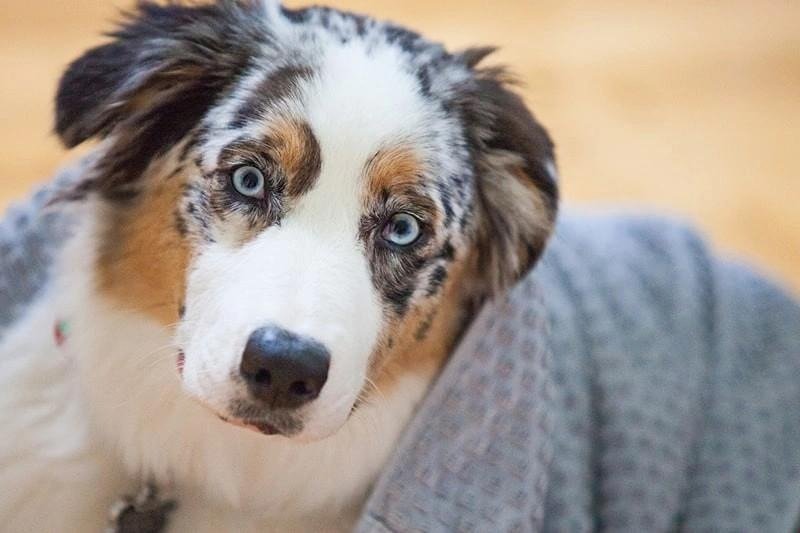
Image Source: ASPCA Pet Insurance
Australian Shepherds combine exceptional hardiness with specific genetic traits that reflect their working dog background. Future owners should learn about these characteristics to help their intelligent herding companions live their healthiest lives.
Average Australian Shepherd lifespan
These dogs live longer than many breeds of comparable size. Most Aussies reach between 12-15 years, which puts them at the higher end of purebred dog longevity. Some exceptionally healthy dogs might even reach 17-18 years with good care.
Recent research from the UK in 2024 reveals promising news. The study tracked 62 deaths and found these dogs lived an average of 13.7 years. This is a big deal as it means that they outlived both purebreds (12.7 years) and crossbreeds (12 years). Their impressive lifespan comes in part from their breeding history. Breeders selected them based on herding skills, intelligence, and overall health instead of looks.
Miniature Australian Shepherds, now officially called Miniature American Shepherds, typically live 12-13 years. This breaks the usual pattern where smaller dogs outlive larger ones.
Common genetic health issues
These dogs are resilient overall, but they can inherit certain health conditions. Here are the most common problems:
- Hip and elbow dysplasia: These joint problems develop when joints form incorrectly and cause arthritis and pain. About 6% of Aussies develop hip dysplasia – lower than similar-sized breeds.
- Eye disorders: The breed faces several eye conditions including progressive retinal atrophy (PRA), hereditary cataracts, and Collie eye anomaly (CEA). These might cause partial or complete blindness at different ages. Hereditary cataracts usually show up between ages 1-5.
- Epilepsy: This inherited brain disorder causes repeated seizures. Scientists haven’t yet developed a genetic test to identify carriers.
- MDR1 mutation: This genetic trait changes how dogs process certain drugs, which can trigger severe nervous system reactions. Half of all Australian Shepherds carry at least one copy of this mutation. Testing becomes crucial.
- Cancer: These dogs show slightly higher rates of lymphosarcoma and hemangiosarcoma. Hemangiosarcoma poses special risks because it often stays hidden until late stages, usually affecting the spleen or liver.
How to extend your Aussie’s life
You can help your dog live longer and better through several key strategies:
Thoughtful breeding: The best puppies come from breeders who test for genetic health issues. Good breeders screen their dogs before breeding to minimize inherited diseases.
Weight management: Your dog needs measured meals and regular exercise to avoid joint problems and weight-related issues. Even active Aussies can gain weight without proper diet monitoring.
Regular veterinary care: Yearly checkups help catch breed-specific issues early. Your dog needs vaccines, dental care, and protection from parasites.
Appropriate exercise: Daily activity keeps joints healthy and minds sharp. Australian Shepherds need 60-90 minutes of exercise each day that combines physical activity with mental challenges.
Genetic testing: MDR1 testing becomes essential – affected dogs must avoid specific medications including certain dewormers, tranquilizers, and pain drugs.
These proactive steps help Australian Shepherds realize their full lifespan potential with fewer health complications.
Weight and Growth Patterns
Australian Shepherds follow unique growth patterns that you need to understand to provide the right nutrition and care throughout their lives. These athletic dogs develop differently based on their gender and genetic makeup, from their puppy days to adulthood.
Weight range by age and gender
Male and female Australian Shepherds grow at different rates. The breed standards show that adult males weigh between 50-65 pounds (22.7-29.5 kg) and stand 20-23 inches tall. Female dogs are smaller, weighing 40-55 pounds (18.1-25 kg) with a height of 18-21 inches.
Here’s how puppies typically grow:
Male Australian Shepherd puppies:
- 8 weeks: 5-7 pounds
- 3 months: 20-25 pounds
- 6 months: 40-46 pounds
- 9 months: 50-58 pounds
- 12 months: 50-65 pounds
Female Australian Shepherd puppies:
- 8 weeks: 4-8 pounds
- 3 months: 15-21 pounds
- 6 months: 30-35 pounds
- 9 months: 38-42 pounds
- 12 months: 40-55 pounds
A male puppy at 6 months should weigh around 40-46 pounds, while females typically reach 30-35 pounds. The weight gap between males and females becomes more noticeable as they get older.
Healthy weight maintenance tips
Your Australian Shepherd’s health and longevity depend on maintaining the right weight. Extra pounds can worsen joint issues like hip dysplasia, which runs in the breed. Overweight dogs also face higher risks of heart disease, diabetes, and mobility problems.
Here’s how to keep your dog at a healthy weight:
Start with high-quality food that matches your dog’s age. Puppies need special puppy food until they’re 12-16 months old, then they can switch to adult or performance formulas. Working Aussies and dogs that go hiking or running with their owners benefit most from performance diets.
Use measuring cups or kitchen scales to control portions. Australian Shepherds might gain extra weight as they age, even with their high energy levels. You should check and adjust their food amounts regularly.
These herding dogs need plenty of exercise – about 1-2 hours daily. Regular activity helps manage their weight and keeps them mentally sharp.
Spaying or neutering affects your dog’s metabolism and might require diet changes. Dogs fixed early might grow taller and leaner because their growth plates close later. Dogs neutered after one year tend to be more compact and heavier.
When to expect full growth
Most Australian Shepherds reach their full height around 12 months but continue to fill out until about 16 months. Males usually take more time to reach their final weight than females.
The growth process usually follows this timeline:
- Height growth stops at 12-13 months
- Dogs reach their adult weight between 16-18 months
- Female dogs mature faster than males
Your dog’s size depends on several things. Genetics set the size limits, but good nutrition and health during growth determine if they reach their full potential. Growth can slow down due to poor diet or parasites. Early spaying or neutering changes growth patterns by keeping growth plates open longer.
Take your puppy to the vet regularly during growth (at 2, 4, 6, 9, 12, and 18 months). Your vet can check if your puppy grows properly and suggest changes to their care if needed.
Grooming Needs and Coat Care
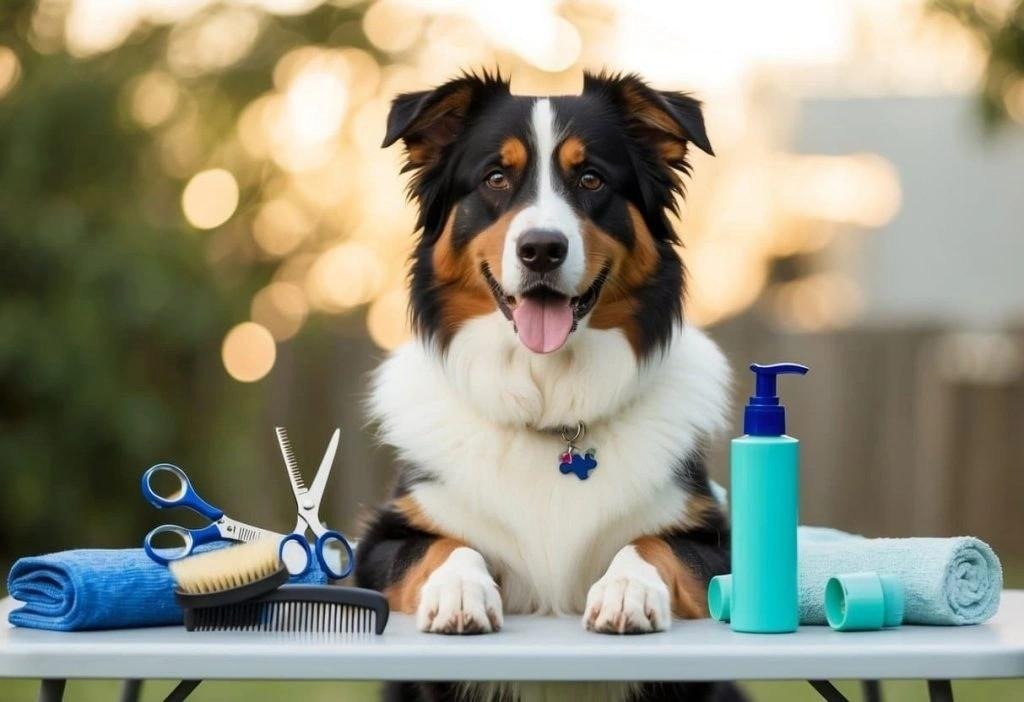
Image Source: Hound Therapy
A well-groomed coat is vital to keep your Australian Shepherd healthy and looking their best. Regular care helps control shedding and keeps your dog comfortable while preventing skin problems.
Brushing and shedding frequency
Australian Shepherds shed year-round. They shed heavily in spring and fall when they “blow” their undercoat. Your Aussie needs brushing 2-3 times weekly. A slicker brush works best, followed by an undercoat rake that reaches the thick bottom layer.
Your dog needs daily brushing during seasonal shedding. Here’s the best way to brush:
- Start with a pin brush or slicker brush to remove surface dirt and loose fur
- Use an undercoat rake next to get rid of dense shed fur
- Work layer by layer until you reach the skin
The right brushing technique makes a big difference. You can reduce loose dog hair in your home by up to 80% during heavy shedding seasons.
Bathing and skin care
Australian Shepherds don’t need much bathing despite their active lifestyle. A bath every 6-8 weeks works best. Too much bathing removes natural oils and can lead to dry, irritated skin. Here’s what you should do when bath time comes:
Give your dog a good brush first to remove loose fur and prevent matting. Use a shampoo made for double-coated dogs. Dogs with sensitive skin do well with oatmeal-based products. Make sure you rinse until the water runs clear because leftover shampoo can make your dog itchy.
Leave-in coat sprays help keep the fur fresh between baths. Dogs who swim or live in humid areas need extra attention. Their coat should be dried completely to avoid skin problems.
Ear, nail, and dental hygiene
Your Aussie needs more than just coat care. These areas need regular attention too:
Check ears weekly for infection signs, redness, or wax buildup. Clean them with a dog-safe solution and cotton pad. Never put anything inside the ear canal.
Cut nails every 3-4 weeks. Your dog’s posture and joints can suffer from long nails. You’ll hear clicking on hard floors when it’s time for a trim.
Dental health matters a lot. Brush your dog’s teeth 2-3 times weekly with dog toothpaste. About 85% of dogs develop dental disease by age three. Regular brushing prevents serious health issues.
Seasonal grooming tips
Your Australian Shepherd’s grooming needs change with the seasons. Spring and fall require more frequent use of deshedding tools to remove loose undercoat.
Summer grooming should focus on removing loose undercoat to help your dog stay cool. Don’t shave your Aussie. Their double coat helps regulate temperature and protects from sunburn.
Winter brings its own challenges. Watch for snow and ice buildup between paw pads. The fur behind ears and where legs meet the body needs extra care to prevent matting.
A professional groomer every 6-8 weeks can help with home care, especially if you’re new to grooming or during heavy shedding periods. These visits include deep brushing, undercoat removal, and nail trimming that keep your Aussie looking and feeling great.
Health and Care Tips
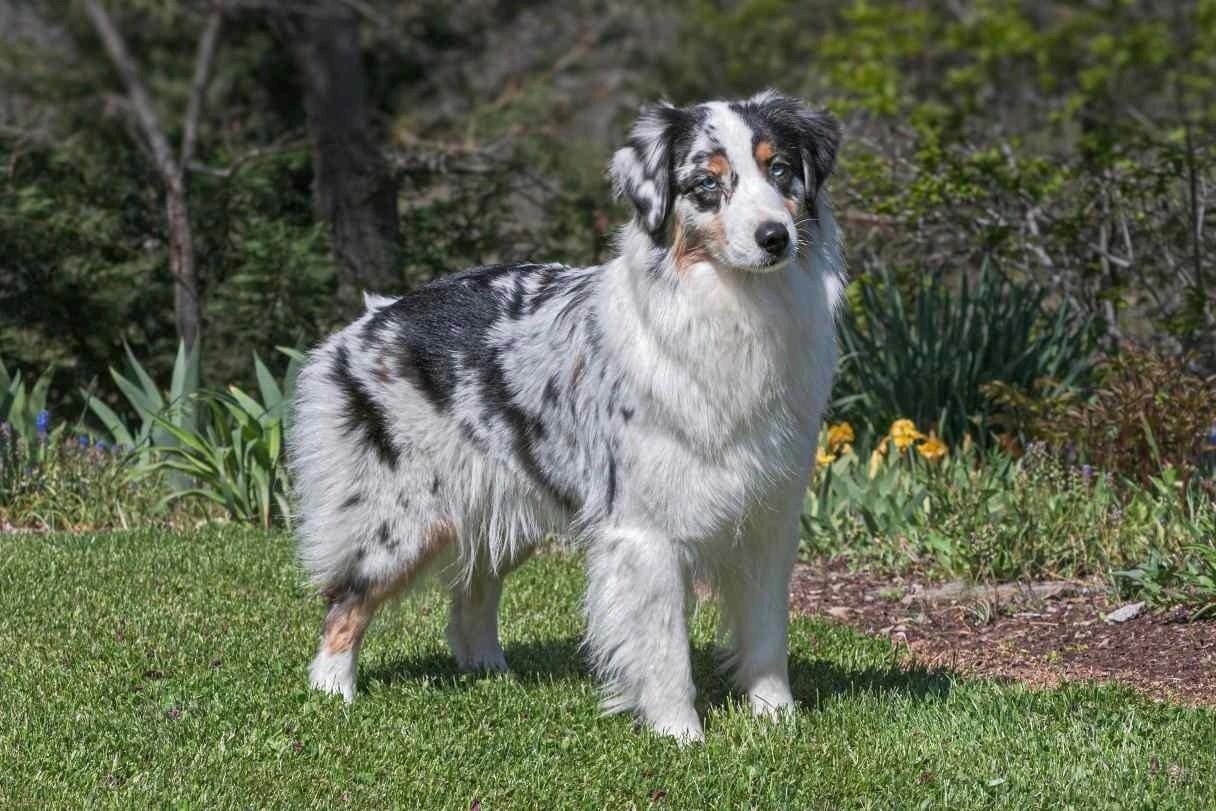
Image Source: CareCredit
Your Australian Shepherd’s wellbeing depends on taking a proactive approach to healthcare. These smart, active dogs need specific care strategies to stay healthy throughout their long life.
Preventive vet care and vaccinations
Regular vet visits are the foundations of Australian Shepherd health care. Annual check-ups help detect common breed problems early. First-year puppies need multiple visits at 2, 4, 6, 9, 12, and 18 months to check their growth properly. Core vaccines (distemper, hepatitis, parvovirus) should be given between 6-16 weeks of age, with boosters every three years. Non-core vaccines like kennel cough need yearly updates.
Your Australian Shepherd should be tested for the MDR1 mutation that makes them sensitive to certain medications. This genetic test is vital because normal doses of common dewormers and pain medications can harm or even kill affected dogs.
Joint and eye health management
Keeping your dog at an ideal weight helps prevent conditions like hip and elbow dysplasia. Joint supplements with glucosamine, chondroitin, MSM, and omega-3 fatty acids can support healthy joint function. Exercise on suitable surfaces builds muscle strength without putting stress on joints.
These dogs need extra attention to eye health due to their risk of cataracts and progressive retinal atrophy. Regular eye exams catch problems early, and supplements with DHA and antioxidants might support vision health. Dogs diagnosed with eye conditions need specialized care plans from a veterinary eye specialist.
Nutrition and supplements
Australian Shepherds do best on high-quality food matched to their activity level. Active dogs might need performance-focused foods with more protein and fat. Clean water should be available at all times.
Helpful supplements for Aussies include:
- Omega-3 fatty acids to support coat, skin, and joint health
- Probiotics to boost digestion and immune system
- Antioxidants like vitamins C and E to protect cells
- Taurine and L-carnitine to support heart function
Exercise for physical and mental health
Australian Shepherds need at least an hour of intense exercise daily, split into several sessions works best. Mental stimulation matters just as much as physical exercise—without it, your Aussie might start destroying things out of boredom.
Agility training, frisbee games, herding activities, and puzzle toys work great for these dogs. Puppies should follow the five-minute rule (5 minutes of exercise per month of age) to protect their growing joints.
Training Guide for Australian Shepherds

Image Source: American Kennel Club
Australian Shepherds need early and consistent training to make use of their remarkable intelligence and natural working abilities. These smart dogs flourish with proper guidance throughout their lives.
Why early training is significant
Your Australian Shepherd’s training should start right after they move into their new home. Their strong problem-solving abilities and quick learning make setting boundaries vital. “If you don’t teach them what you want them to do, they’re going to learn something else and it won’t be what you want,” as experts point out. Starting training early prevents stubborn behaviors that develop when these intelligent dogs lack mental challenges.
Socialization tips for puppies
Aussies go through their most important socialization phase between 7 weeks and 16 weeks of age. Your puppy needs exposure to:
- Different people, places, sounds, and surfaces
- Other healthy, vaccinated dogs in controlled settings
- Household noises (play noise CDs once their ears open around 2 weeks)
- Positive experiences with children and other pets
These naturally reserved dogs might become fearful of strangers or new situations without proper socialization.
Obedience and agility training
Daily training sessions should last 10-15 minutes to keep your dog focused. Start with simple commands like sit, stay, come, heel, and down. Your Australian Shepherd will love agility training – it provides mental and physical challenges. Begin with basic obstacles like jumps and tunnels, then add more complex elements as your dog’s skills improve.
Dealing with separation anxiety
Strong bonds with their owners often lead Australian Shepherds to develop separation anxiety. Help your Aussie adjust to alone time by starting with brief absences and slowly extending the duration. Set up a cozy, secure space with toys that encourage independent play. Stay relaxed when you leave and return home so you don’t reinforce anxious behavior.
Australian Shepherds become well-behaved, balanced companions that direct their natural energy properly through consistent training with positive reinforcement methods.
Price and Adoption in India
Australian Shepherds have become quite exotic pets in India. Their price reflects both their unique status and their growing popularity among Indian pet lovers.
Australian Shepherd price in India
An Australian Shepherd in India can cost anywhere between ₹35,000 to ₹4,00,000. The price varies so much because these dogs are exotic breeds in India’s pet market. Here’s what you can expect to pay:
- Regular quality puppies: ₹35,000 to ₹45,000
- KCI registered puppies: ₹45,000 to ₹60,000
- Show quality puppies: ₹60,000 to ₹90,000
Factors affecting cost
The final price of an Australian Shepherd depends on several key elements. The quality type creates big price differences – whether it’s regular, KCI registered, or show quality. Rare coat colors often fetch higher prices. A puppy’s age and gender also affect the price, with younger pups usually costing more than adult dogs.
Where to buy or adopt responsibly
You should buy from verified breeders who test their breeding dogs’ health. Trusted platforms like Premium Pet House and Mr n Mrs Pet help connect buyers with verified Australian Shepherd breeders in India. You might also want to think over adoption – it’s an ethical choice that helps dogs in need.
Miniature and toy Aussie pricing
More breeders now offer Miniature and Toy Australian Shepherds in India. These smaller versions keep the same coat patterns and personality as standard Aussies. Their prices usually match those of standard Australian Shepherds, though exact costs may vary.
Conclusion
Australian Shepherds are amazing companions if you find the right match. These dogs combine intelligence and loyalty with endless energy that makes them perfect for active people or families who want an involved, trainable pet. While their original purpose was herding livestock, these adaptable dogs now excel as family pets, sports companions, and therapy animals.
You should think over a few things before bringing an Aussie home. These dogs just need 60-90 minutes of daily exercise plus activities that keep their minds busy. Their grooming isn’t too demanding most of the year, but seasonal coat changes mean you’ll need to brush them often to handle the shedding. Getting them used to people and training them early helps create well-adjusted adult dogs, especially since they tend to be cautious around strangers.
These dogs typically stay healthy through their 12-15 year lifespan. You’ll need to watch for genetic issues like hip dysplasia, eye problems, and MDR1 sensitivity. Regular vet visits, proper exercise, and good nutrition help keep your Aussie healthy throughout its life.
Australian Shepherds do best with owners who get their working dog mindset. They build strong bonds with their families and show amazing loyalty and protective behavior. If your family puts in time for training, exercise, and mental challenges, you’ll have a smart, flexible companion ready to join in everything you do.
These dogs aren’t right for everyone – they need owners dedicated to handling their substantial needs. All the same, if you can match their energy and guide them properly, these brilliant herders will reward you with steadfast dedication and friendship for years. The time and money you invest brings back so much more through a versatile, loving partner ready for life’s adventures.
Key Takeaways
Australian Shepherds are high-energy, intelligent working dogs that require dedicated owners willing to meet their substantial physical and mental needs.
• Australian Shepherds need 60-90 minutes of daily exercise plus mental stimulation to prevent destructive behaviors from boredom.
• These dogs live 12-15 years but are prone to hip dysplasia, eye disorders, and MDR1 drug sensitivity requiring genetic testing.
• Their double coat sheds year-round with heavy seasonal periods, requiring brushing 2-3 times weekly (daily during shedding seasons).
• Early training and socialization (7-16 weeks) are crucial as their intelligence can lead to stubborn behaviors without proper guidance.
• In India, prices range from ₹35,000-₹4,00,000 depending on quality, with show-quality dogs commanding premium prices.
Australian Shepherds make exceptional family companions for active households but are unsuitable for sedentary lifestyles or first-time dog owners unprepared for their demanding care requirements.
FAQs
Q1. What is the typical temperament of an Australian Shepherd?
Australian Shepherds are intelligent, loyal, and energetic dogs. They are known for their strong work ethic, herding instincts, and devotion to their families. While they can be reserved with strangers initially, they are generally good with children and other pets when properly socialized.
Q2. How much exercise does an Australian Shepherd need?
Australian Shepherds require a significant amount of daily exercise, typically 60-90 minutes at minimum. This should include both physical activities like running or hiking, and mental stimulation through training or puzzle toys. Without adequate exercise, they may develop destructive behaviors.
Q3. What are the common health issues in Australian Shepherds?
Some health concerns for Australian Shepherds include hip and elbow dysplasia, eye disorders like cataracts and progressive retinal atrophy, epilepsy, and the MDR1 gene mutation. Regular vet check-ups and genetic testing can help manage these potential issues.
Q4. How long do Australian Shepherds typically live?
The average lifespan of an Australian Shepherd is between 12-15 years. With proper care, nutrition, and regular veterinary check-ups, some Aussies may even live up to 17-18 years.
Q5. Are Australian Shepherds good family dogs?
Australian Shepherds can make excellent family dogs for active households. They are loyal, protective, and generally good with children. However, their high energy levels and herding instincts mean they require consistent training, socialization, and plenty of exercise to be well-behaved family companions.