
Australian Cattle Dog Breed Information: Characteristics, Behavior, Temperament, Lifespan, Weight

The Australian Cattle Dog holds a remarkable record in the Guinness Book of World Records. Bluey, who lived 29 years and five months, remains the oldest dog that ever lived. New South Wales settlers bred these tough dogs in the 19th century to herd livestock on Australia’s rough terrain.
These medium-sized dogs typically live 12 to 16 years. Their weight ranges from 15 to 22 kg (35 to 50 pounds), and they stand 43 to 51 cm (17 to 20 inches) tall[-2]. The breed sports two distinct colors—blue and red speckle—which earned them the nicknames “Blue Heelers” and “Red Heelers”. Smart and capable, these dogs rank among the most intelligent breeds. The American Kennel Club officially welcomed them to their registry in 1980. This detailed guide will help you understand their traits, behavior, temperament, health issues, and ownership costs if this loyal and energetic breed catches your eye.
Breed Overview and Origin
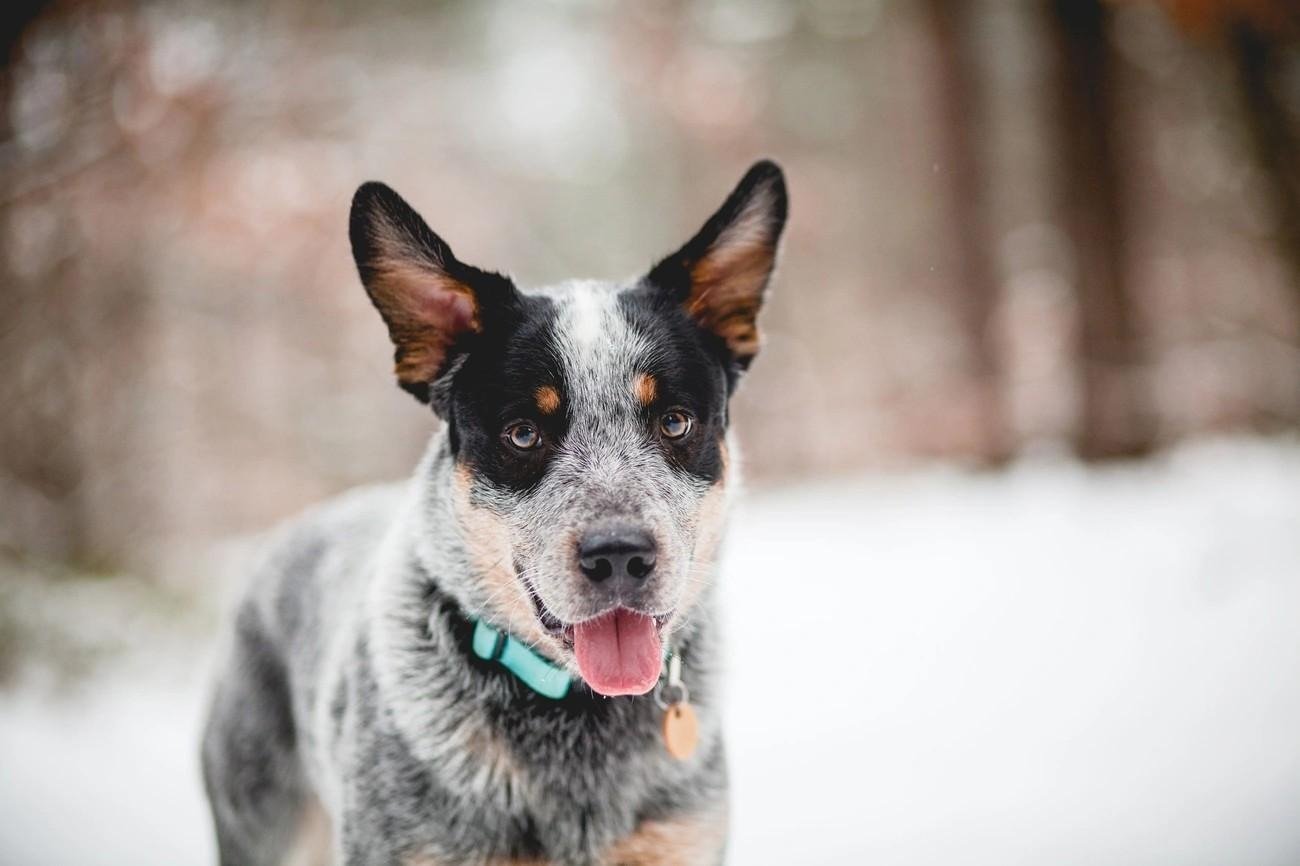
Image Source: The Spruce Pets
The Australian Cattle Dog came to life in Australia during the 19th century. Settlers needed a solution to manage wild cattle across the tough Australian Outback terrain. European herding dogs couldn’t cope with the rugged conditions and wild livestock in the new colony.
Where the Australian Cattle Dog comes from
The story of this remarkable breed started in the 1820s at Dartbrook Station in New South Wales’s upper Hunter Valley. Thomas Simpson Hall, a pastoralist, saw the need for a specialized working dog. He wanted one that could handle Australia’s harsh climate and control semi-wild cattle. Dogs brought from England struggled with the rock-hard ground and fierce horned beasts they faced.
Hall made a lasting impact on Australian agriculture. He experimented with breeding by mixing blue-colored Highland Collies with native dingoes. By 1832, his careful breeding created “Hall’s Heelers” – dogs that showed amazing stamina and cattle-handling skills.
The breed’s story continued in the 1880s when Sydney brothers Jack and Harry Bagust bought some of these dogs. They added Dalmatian blood to create loyalty to master and love of horses. Next came black and tan Kelpie crosses to boost their working skills. The result was an active, compact dog that looked like a dingo but had unique speckled markings.
Why they’re called Blue Heelers and Red Heelers
These dogs got their nickname from their unique herding style. Instead of barking and chasing from behind, they would nip at cattle’s heels to move them. That’s how the name “heelers” stuck. This technique proved valuable when moving stubborn livestock over long distances.
The coat colors give us two main varieties:
- Blue Heelers – Blue or blue-mottled dogs with black patches around their eyes, black ears, and a small white forehead patch
- Red Heelers – Red-speckled dogs with dark red markings instead of black
Both types work equally well, though blue ones have always been more popular. People know them by different names: Australian Heelers, Queensland Heelers, Queensland Blue Heelers, and their official name – Australian Cattle Dog.
Relation to the dingo and working heritage
The sort of thing I love about this breed is its dingo genetics. This stands as the only time anyone successfully bred a wild dog with domestic dogs to create a working breed that follows commands. The dingo genes gave these dogs their toughness, stamina, and ability to work quietly.
You can still see the physical similarities between these dogs and dingoes today. Both have strong, medium-sized builds and stand 17 to 20 inches tall at the withers, weighing 35 to 50 pounds. Their dense, weather-resistant double coats help them thrive in Australia’s harsh climate.
Their working background shaped everything about them. These dogs needed immense stamina, resilience, and determination. They had to think fast when handling large, dangerous cattle groups while still following their handler’s commands. They also protected the drover’s horse, belongings, and the drover when needed.
Australian Cattle Dogs reshaped the scene of Australia’s cattle industry. They made it possible to move livestock across big distances through tough terrain. Their development shows how selective breeding can create the perfect dog for a unique continent’s needs.
Physical Characteristics and Appearance
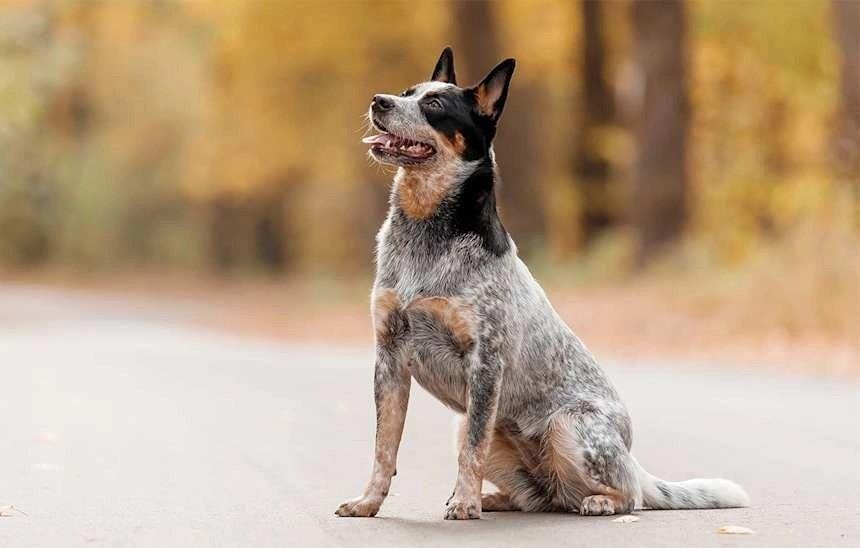
Image Source: Adopt a Pet
Australian Cattle Dogs are strong, compact, and built to last. Their distinctive looks match their role as working dogs perfectly. These medium-sized dogs pack power and agility into a balanced frame that hasn’t changed much over generations.
Size and weight range
These dogs fit right into the medium-sized category. Adult males stand 18-20 inches (46-51 cm) at the withers. Females are a bit smaller at 17-19 inches (43-48 cm) tall. Their weight matches their height nicely – healthy adults weigh between 35-50 pounds (16-23 kg).
The dog’s body follows specific proportions. They’re longer than tall, with their length from breastbone to buttocks exceeding their height at the withers by a ratio of 10 to 9. This creates their athletic, balanced look that defines the breed.
These pups grow fast and reach close to their adult weight within a year. Many keep building muscle and filling out their chest until they’re fully grown at 18-24 months.
Coat types: blue, red, speckled, mottled
The breed’s most striking feature is its coat pattern. They come in just two base colors – blue and red – with some interesting variations:
- Blue varieties show up as blue, blue-mottled, or blue-speckled coats. These dogs have a black base coat mixed with white hairs that create a “blue” look. The coat might appear light gray or almost black, depending on the white hair amount.
- Red varieties display an even red speckle throughout, including the undercoat. The base color looks reddish-brown (like a dingo), and white hairs create that speckled appearance.
These puppies start life almost completely white, except for any solid-colored marks on their face or body. Their adult colors start showing up around 4-6 weeks.
Both colors can have special markings. Blue dogs often show tan on their legs, chest, throat, jaws, and inside their hindlegs. Many sport a white mark on their forehead called a “Bentley mark”.
Their coat has two layers – a short, dense undercoat and a straight, hard-haired outer coat that resists rain. This double coat keeps them protected in all kinds of weather while they work.
Unique features like pricked ears and muscular build
The breed’s muscular body shows its working background. These dogs have powerful, compact frames built for stamina and quick movements. Their broad, somewhat flat skull leads to a clear stop between the eyes and a medium-length, strong muzzle.
Their pricked ears really stand out – medium-sized, straight up, and set wide apart. These alert ears and oval-shaped, dark brown eyes give them a smart, watchful look that matches their working nature.
Strong neck muscles connect to wide shoulders and a deep, muscular chest. The back stays level, and a moderately low-set tail follows the croup’s slope with a slight curve when the dog relaxes.
Straight, parallel legs end in round, arched feet with small, tough toes – perfect for rough ground. Their back end shows lots of muscle, giving them the power they need for quick bursts while herding.
These dogs look strong without being bulky, agile without being fragile, and alert without seeming nervous. They’re perfectly designed working dogs that thrive in tough conditions.
Temperament and Personality Traits
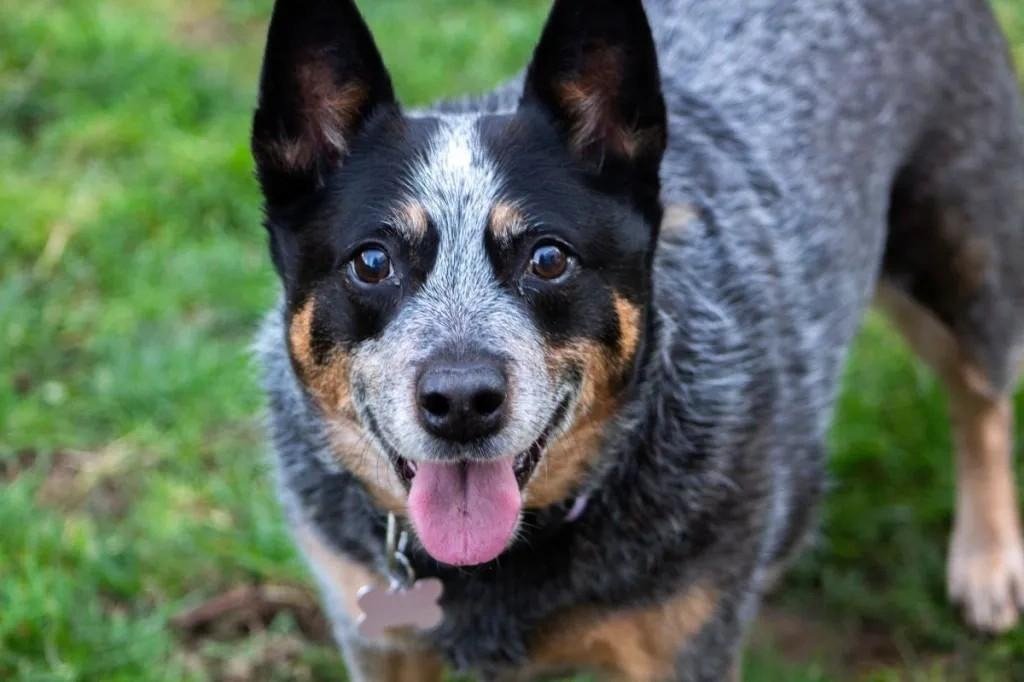
Image Source: DogTime
Australian Cattle Dogs have alert eyes and pricked ears that match their unique personality, which is as distinctive as their speckled coat. These dogs were bred to work hard in tough conditions. Their special mix of traits makes them great working partners and loving companions.
Loyalty and bonding with owners
Australian Cattle Dogs stand out because of their amazing loyalty to their human families. These dogs stick to their owners like glue, which has earned them the nickname “velcro dogs”. They usually pick one family member as their favorite person and build an incredibly strong bond.
These dogs give more than just companionship—they deeply commit to their families and protect what they love. They don’t do well alone for long periods. You might see separation anxiety that leads to destructive behavior. They need human companionship and do best in homes where someone stays around regularly.
The bond between Australian Cattle Dogs and their owners runs deep. One expert puts it perfectly: “What you offer in love, training, and socialization you will get back in fun, loyalty, companionship, and devotion ten times over”. Active people looking for a dedicated four-legged friend will find their perfect match in these dogs.
Protective instincts and alertness
Australian Cattle Dogs stay sharp and aware of everything around them. They’re smart too—ranking 10th in Stanley Coren’s “The Intelligence of Dogs”. Their smarts and territorial nature make them excellent watchdogs.
Their protective nature comes from both their working background and deep family loyalty. Here’s what makes them special:
- They don’t trust strangers easily
- They stay watchful and alert
- They guard their territory and family fiercely
- They quickly pick up on their owner’s feelings
These dogs bark with purpose—only to warn their owners about unusual things or get attention. This makes them reliable guards without being noisy. Well-socialized Australian Cattle Dogs can tell real threats from normal activities.
They’re protective but not aggressive by nature. Still, they’re brave and won’t back down from a fight. Good socialization helps them understand what’s normal and what’s truly threatening.
How they behave with children and other pets
Australian Cattle Dogs can become great friends with kids, especially if they grow up together. Kids who love to play and stay active match these dogs’ energy levels perfectly. Yet their herding instincts need careful handling around children, especially little ones.
These dogs were originally bred to control cattle by nipping their heels. This behavior might show up when they see running children. Without proper training, they might try to “herd” kids by nipping at their ankles. Always watch these dogs when they’re with children.
Australian Cattle Dogs usually get along with other pets if you introduce them the right way. Let them see and smell each other through a fence for a few weeks until they feel comfortable. Their strong prey drive means they might not be safe around small pets like rodents or chickens unless you train and watch them carefully.
Early socialization shapes how these dogs act around both children and other animals. Good training helps control their herding instincts, turning them into wonderful family pets for active homes that understand their special personality and needs.
Behavioral Patterns and Common Challenges
Australian Cattle Dogs make wonderful companions and bring so much joy, but their working heritage can create unique behavioral challenges if you’re not prepared. You need to understand their natural tendencies to help these smart dogs fit into family life.
Nipping and herding behavior
Australian Cattle Dogs were bred to move stubborn cattle by nipping at their heels. This instinct runs deep in their DNA. These dogs will try to “herd” running children, other pets, or even adults by nipping at their ankles if you don’t guide them properly.
This herding behavior usually shows up between six months to a year of age. It’s not aggressive behavior – just their natural drive that needs the right outlet. Your Australian Cattle Dog might think children running and playing are livestock that need to be controlled. They’ll drop their head, crouch, stare intently, and dart forward to nip.
To handle this behavior:
- Look for early signs of herding posture and redirect their attention before they nip
- Teach strong recall commands that override herding instincts
- Give them other ways to use their herding drive through games and activities
- Stay still and quiet when nipped – yelping or running can make things worse
You can change this behavior with early, consistent training. Just remember that these dogs have spent generations doing exactly what you’re asking them to stop.
Excessive barking and chewing
Australian Cattle Dogs aren’t usually problem barkers. In stark comparison to this, they bark with purpose—to alert you about possible threats or tell you what they need. They might bark more if they’re being territorial, too excited (especially as puppies), or haven’t been well-socialized.
These dogs often chew destructively for several reasons:
- They’re bored and need mental stimulation
- They have too much energy
- They feel anxious when alone
- They’re exploring their world, especially as puppies
Positive reinforcement works best to manage barking. Teaching “quiet” and rewarding calm behavior can reduce unnecessary barking by a lot. The “focus” command that rewards eye contact is a great way to redirect their attention from what makes them bark.
For destructive chewing, puzzle toys that give out treats are a great alternative. Dog-proofing your home and using bitter sprays on furniture helps stop inappropriate chewing.
How to manage separation anxiety
Australian Cattle Dogs bond deeply with their owners and can develop separation anxiety when left alone too long. This isn’t just bad behavior – it’s a real panic attack.
You’ll notice signs like:
- Destroying things near doors or windows
- Too much barking, howling, or whining
- Having accidents inside despite being house-trained
- Drooling or panting more than usual
A tired Australian Cattle Dog will rest better when you’re gone, so exercise them well before leaving. Mental workouts matter too – puzzle toys filled with food keep them busy while you’re away.
Serious cases need a complete approach. This means getting them used to you leaving gradually, creating a cozy safe space, and staying calm when you come and go. Sometimes, you might need help from your vet with medication along with behavior training.
Your Australian Cattle Dog needs daily physical and mental exercise to avoid behavior problems. These brilliant dogs will find their own fun—often destructive—if they don’t get enough stimulation. Their working instincts need an outlet through training, interactive games, or challenging activities that tap into their problem-solving skills.
Lifespan, Weight, and Health Overview
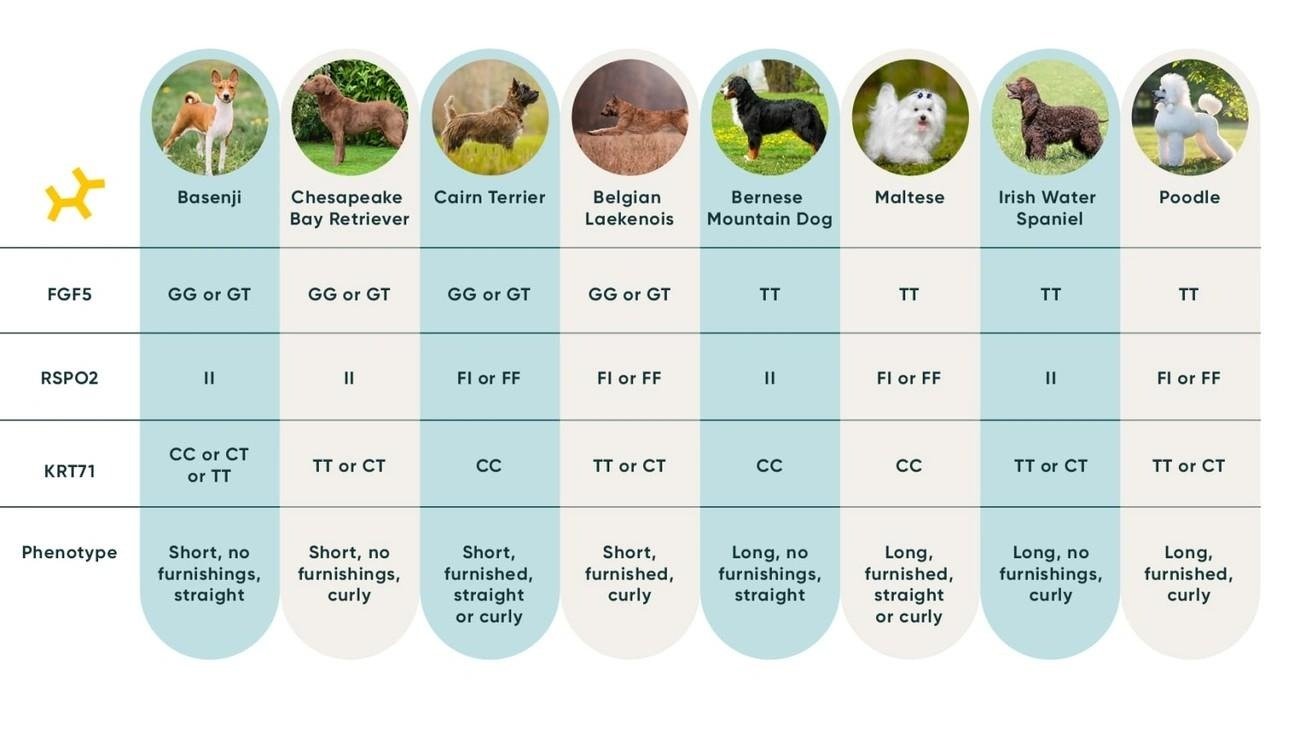
Image Source: Embark
Anyone thinking about getting an Australian Cattle Dog should understand their health profile and life expectancy. These reliable working dogs are known for their durability, but they come with specific health considerations that new owners need to know about.
Average Australian Cattle Dog lifespan
Australian Cattle Dogs live longer than many breeds of similar size. Typically, these hardy dogs live between 12-16 years. A 2024 UK study with 50 dogs showed the breed’s average life expectancy reached 14 years. This number beats both purebred dogs at 12.7 years and crossbreeds at 12 years.
These dogs stay healthy and active well into their senior years. Their sight, hearing, and teeth remain in good condition. With the right care and diet, some healthy dogs might reach 20 years.
The breed holds a special place in dog longevity records. Bluey, an Australian Cattle Dog born in 1910, made it into the Guinness Book of World Records as the oldest documented dog. He lived an amazing 29 years and 5 months.
Weight in kg by age and gender
Australian Cattle Dogs are medium-sized, with clear weight differences between males and females. The breed standards show that healthy adult males weigh between 35-50 pounds (16-23 kg), and females range from 30-45 pounds (14-20 kg).
Most Australian Cattle Dogs reach about 23-27 pounds (10.5-12.2 kg) by six months. They keep growing until around 12 months, when they hit their adult weight. Their muscles and chest continue to develop until they’re fully mature at 18-24 months.
This growth pattern helps build the strong, compact body that serves these working dogs throughout their lives.
Common health problems like PRA and deafness
Australian Cattle Dogs are generally healthy, but they face some breed-specific health issues that owners should watch for:
- Deafness: The breed shows hearing problems in about 10.8% of dogs. This breaks down to 7.5% affected in one ear and 3.3% in both ears[253]. Female dogs face a higher risk, about 1.9 times more than males. A BAER (Brainstem Auditory Evoked Response) test can spot this condition in six-week-old puppies.
- Progressive Retinal Atrophy (PRA): This inherited eye condition leads to vision loss. Night blindness usually starts at 3-5 years old and can progress to complete blindness[232][251]. Dogs can’t be cured but adapt well to losing their sight.
- Hip Dysplasia: This joint problem needs special screening tests. It leads to arthritis and can affect the dog’s movement and quality of life.
Other health issues include elbow dysplasia, urinary stones, knee problems, and circulation issues. A survey showed that 83% of breeders and owners list orthopedic problems as their main concern.
Good breeders reduce these risks through careful screening and genetic testing. This practice helps maintain the breed’s toughness and long life span.
Grooming and Care Needs
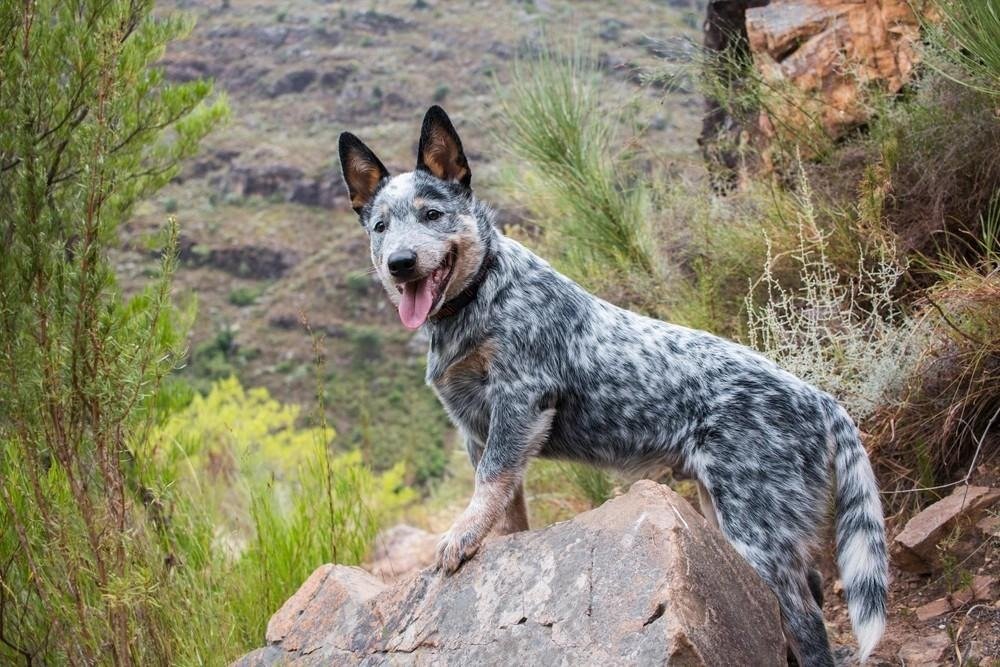
Image Source: Dogster
Australian Cattle Dogs need less grooming than many other breeds. A few specific grooming practices will keep their coat healthy and maintain their overall wellbeing.
Brushing and shedding seasons
Australian Cattle Dogs have a weather-resistant double coat with a dense undercoat and straight, hard-haired outer layer that keeps dirt and moisture away naturally. Their coat needs minimal maintenance compared to longer-haired breeds. Weekly brushing with a slicker brush or bristle brush is enough to remove loose hair, spread natural oils, and keep the coat healthy.
These dogs “blow their coat” twice a year during seasonal changes. You’ll need to:
- Brush daily or several times a week
- Use an undercoat rake or de-shedding brush
- Take the brushing outside to keep hair from spreading indoors
Professional groomers can give a full “blowout” during heavy shedding seasons to remove dead undercoat quickly.
Bathing frequency and coat care
Australian Cattle Dogs stay clean naturally and don’t need frequent baths. Too much bathing strips away essential oils that protect their coat and make it waterproof. Expert recommendations include:
- Baths every 4-6 weeks at most
- Mild, dog-specific shampoo that keeps natural oils intact
- Extra baths only when your dog gets really dirty
Make sure to dry your Australian Cattle Dog completely after baths to avoid skin problems or matting. Natural oils in their coat help with weather resistance—a vital trait from their working background.
Nail trimming, ear cleaning, and dental hygiene
Your Australian Cattle Dog needs more than just coat care to stay healthy. Nail trimming should happen every 4-6 weeks. Long nails will click on hard floors. Sharp clippers or grinders work best, and you should avoid cutting into the quick.
Your dog’s pricked ears need weekly checks for:
- Redness or inflammation
- Unusual odor
- Excess wax buildup
Clean the ears with a vet-approved cleaner and cotton balls. Never put anything deep in the ear canal.
Dental care is a vital part of your dog’s health. Brush your Australian Cattle Dog’s teeth 2-3 times weekly using dog-specific toothpaste. Dental chews help reduce tartar buildup and work great with regular brushing. Poor dental care can lead to tartar buildup and gum disease that affects your dog’s overall health.
Regular grooming sessions are a great way to get closer to your dog while checking their physical condition.
Training and Mental Stimulation
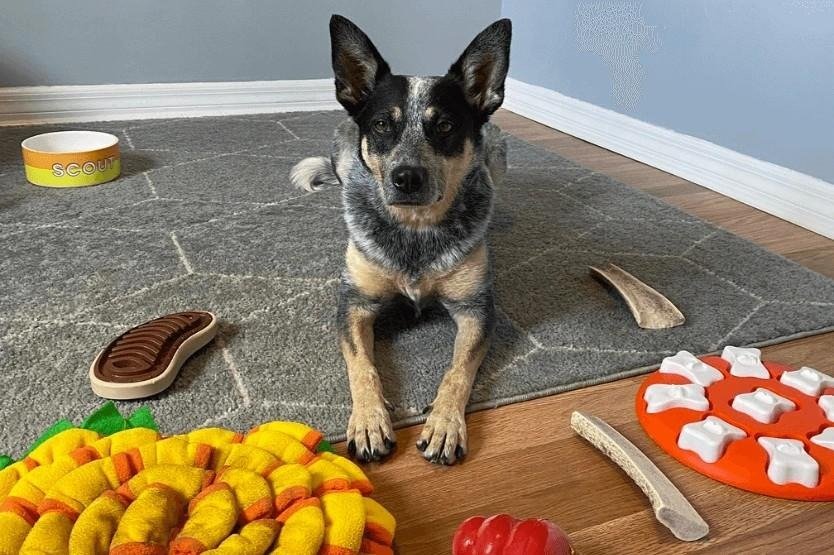
Image Source: Paws and Reflect
Training an Australian Cattle Dog isn’t just a nice-to-have – it’s absolutely essential. These intelligent, independent dogs need well-laid-out guidance to channel their working instincts in positive ways. Their remarkable abilities can quickly become a headache at home without the right direction.
Why early training is essential
Your Australian Cattle Dog’s training clock starts ticking from day one. The best time to start training happens at 7-8 weeks of age when puppies learn basic commands faster. The vital socialization window runs between 3-14 weeks—puppies pick up new experiences especially well during this time. Exposure to different environments, sounds, people, and other animals helps create a balanced personality.
These behavioral challenges pop up when training gets delayed:
- Family members get nipped from excessive herding behaviors
- Unmanaged energy leads to destructive tendencies
- Poor socialization creates territorial aggression
- Dogs become more stubborn as they mature
Best training methods for ACDs
Australian Cattle Dogs respond best to positive reinforcement techniques. Trust builds and good habits stick when you reward desired behaviors with treats, praise, or play. High-value treats work as powerful motivators during training since ACDs love their food.
These dogs need consistency. They’ll test your boundaries the moment they sense any wiggle room in commands or expectations. A firm but gentle approach works best—harsh methods or punishment usually backfire with this sensitive yet strong-willed breed.
Regular kibble turns out to be one of the most effective training tools. Many Australian Cattle Dogs work hard for their everyday food. You might want to turn mealtimes into training sessions by using kibble pieces as rewards before filling their bowl.
Mental enrichment through games and tasks
Australian Cattle Dogs need mental workouts just as much as physical exercise. Their exceptional smarts just need regular brain games to avoid boredom and bad behavior.
Brain-boosting activities that work well include:
- Teaching hand signals with verbal commands—this helps as ACDs might lose hearing later in life
- Treiball—dogs learn to herd balls to specific spots
- Object discrimination games—they learn to find and bring specific items
- Puzzle toys that make them think to get treats
Australian Cattle Dogs thrive on having jobs to do. Their working heritage makes them actively seek purpose and direction. Without clear tasks, they’ll make up their own jobs—usually not in ways we’d prefer.
Price, Adoption, and Ownership Costs in India
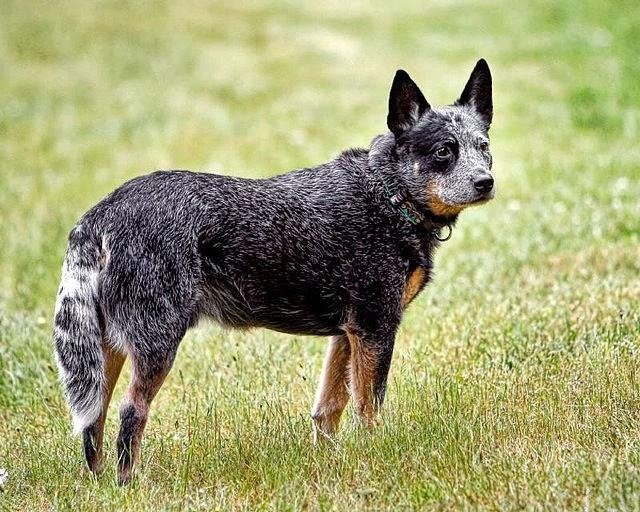
Image Source: Asia Pets
Want to bring home an Australian Cattle Dog in India? You’ll need to think about the money just as much as their personality and care requirements.
Australian Cattle Dog price in India
An Australian Cattle Dog in India costs between ₹25,000 to ₹60,000. These dogs command higher prices due to their scarcity in Indian markets. The breeder’s reputation, puppy’s lineage, location, and market demand shape these prices. Puppies with documented bloodlines or show potential will cost more than standard pets.
Monthly care and feeding costs
These energetic medium-sized dogs eat food worth ₹2,250 to ₹3,000 monthly in India. Regular expenses add another ₹600-₹1,200 to your budget. The total monthly costs run between ₹16,876 to ₹33,752 which includes:
- Veterinary checkups and preventive treatments
- Grooming supplies
- Toys and enrichment items
- Training sessions
Your dog’s 12-15 year lifespan means a total investment of ₹843,804-₹1,687,609.
Should you buy or adopt?
Adoption offers the most ethical path forward. You’ll spend less than buying from a breeder and give a deserving dog a new home. However, if you just need specific traits or documented lineage, choose reputable breeders over pet shops. This choice will give a healthier dog with better temperament.
Conclusion
Australian Cattle Dogs are amazing companions if you have an active lifestyle. These smart, loyal dogs bring together a work ethic, protective instincts, and dedication that sets them apart from other breeds. Their impressive lifespan of 12-16 years gives owners many years of friendship. Their medium size (35-50 pounds) makes them a great fit for different living spaces.
Before you bring an Australian Cattle Dog home, you should think about a few important things:
- These dogs just need lots of daily exercise and mental challenges
- You must start socializing them early and train them consistently to manage herding behaviors
- They make excellent watchdogs because of their protective nature, but proper guidance is key
- Weekly brushing works fine, but they shed heavily twice a year
Your dog’s health needs careful attention. Regular checks for common problems like progressive retinal atrophy, hip dysplasia, and deafness help keep them healthy throughout their lives. These dogs are happiest when they have jobs that put their working heritage to good use.
Indian dog lovers can expect to pay between ₹25,000 to ₹60,000 for an Australian Cattle Dog. Monthly costs for food, healthcare, and enrichment come on top of this. Adoption could be a great option when possible.
Australian Cattle Dogs need more time, energy, and steadfast dedication than most other breeds. But if you meet these needs, you’ll get a fiercely loyal friend with exceptional smarts and deep dedication. Their mix of independence and partnership makes them perfect for active owners who want a dog that works with them instead of just following along.
These dogs aren’t right for every home. But the right owners discover something truly special – a connection that goes way beyond typical pet ownership.
Key Takeaways
Australian Cattle Dogs are exceptional working companions that require dedicated owners who understand their unique needs and remarkable capabilities.
• Early training is non-negotiable – Start socialization at 7-8 weeks to prevent herding behaviors like nipping and manage their strong-willed nature effectively.
• High exercise demands are mandatory – These dogs need substantial daily physical and mental stimulation; without it, they become destructive and develop behavioral problems.
• Exceptional longevity with health considerations – They live 12-16 years but require screening for breed-specific issues like deafness (10.8% affected) and progressive retinal atrophy.
• Intense loyalty creates separation challenges – Their “velcro dog” nature means they bond deeply with one person and struggle with being left alone for extended periods.
• Investment extends beyond purchase price – In India, expect ₹25,000-₹60,000 initially plus ₹16,876-₹33,752 monthly for comprehensive care throughout their lifetime.
Australian Cattle Dogs reward compatible owners with unmatched devotion and intelligence, but they’re best suited for active households that can provide consistent leadership, adequate exercise, and purposeful activities that honor their working heritage.
FAQs
Q1. What are the key traits of Australian Cattle Dogs?
Australian Cattle Dogs are highly intelligent, alert, and courageous working dogs. They are extremely loyal to their owners, protective of their family, and wary of strangers. These dogs have a strong work ethic and require plenty of physical and mental stimulation to thrive.
Q2. How long do Australian Cattle Dogs typically live?
Australian Cattle Dogs have an impressive lifespan, typically living between 12 to 16 years. With proper care and good genetics, some individuals may even reach 20 years of age. The breed holds the record for the oldest documented dog, with one Australian Cattle Dog named Bluey living to 29 years and 5 months.
Q3. Are Australian Cattle Dogs suitable for apartment living?
Australian Cattle Dogs are not well-suited for apartment living or small spaces. They require a high degree of exercise and mental stimulation, including extended sessions of running, jogging, or agility training. These dogs do best in homes with large, secure yards where they can expend their energy.
Q4. How much exercise do Australian Cattle Dogs need?
Australian Cattle Dogs have high exercise requirements. They need substantial daily physical activity and mental stimulation to prevent boredom and destructive behaviors. Owners should plan for extended sessions of running, playing fetch, or engaging in dog sports like agility or herding trials to keep them happy and healthy.
Q5. What are the grooming needs of Australian Cattle Dogs?
Australian Cattle Dogs have relatively low grooming needs. Weekly brushing is usually sufficient to maintain their coat, except during shedding seasons (twice a year) when more frequent brushing is necessary. They only need occasional baths, typically every 4-6 weeks, to avoid stripping their coat of natural oils. Regular nail trimming, ear cleaning, and dental care are also important aspects of their grooming routine.