
Aidi or Atlas Mountain Dog Breed Information: Characteristics, Behavior, Temperament, Lifespan
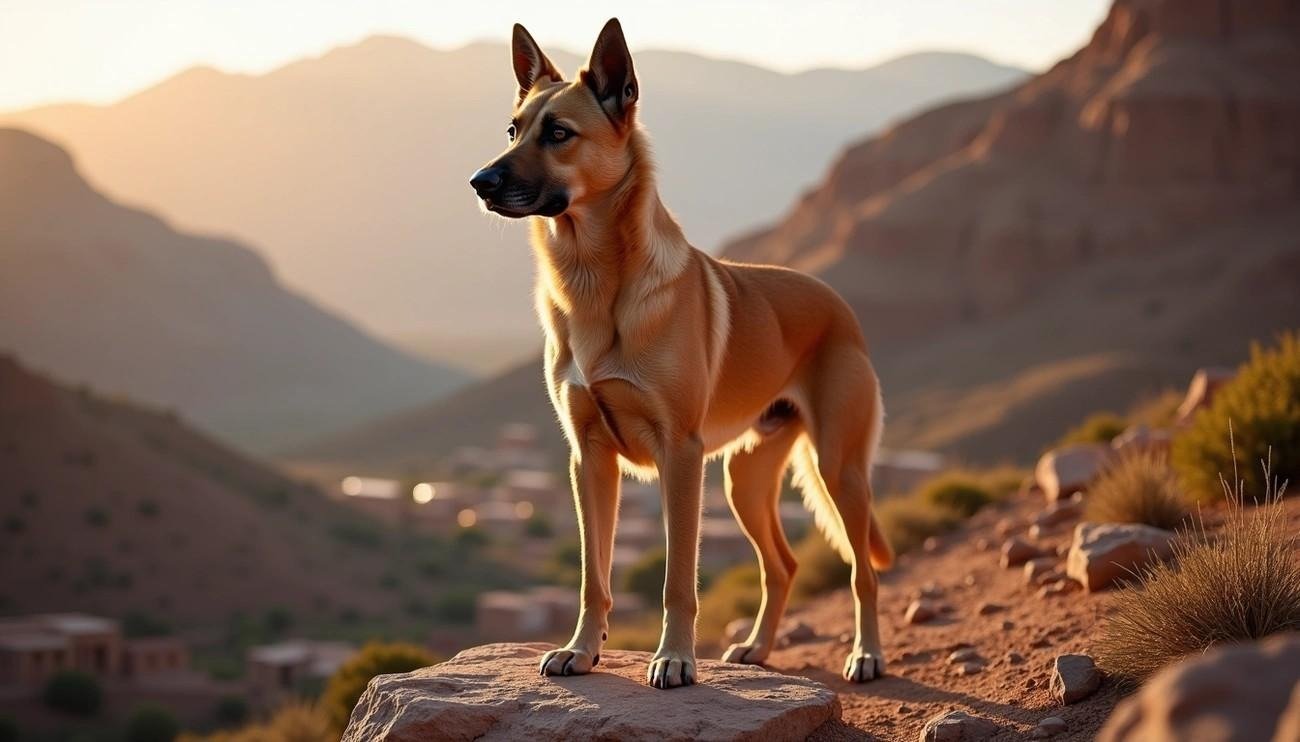
The Aidi breed comes from the Atlas Mountains of Northern Africa. Most dog enthusiasts outside its native region rarely see this unique mountain dog. These medium-sized canines have served as expert guardians for centuries and protect livestock from predators like jackals. Their territory spans 2,500 kilometers across North Africa’s mountainous regions.
The Atlas Mountain Dog’s exceptional qualities make it an extraordinary companion. These dogs create deep bonds with their families while showing affection, playfulness and fierce protective instincts. An Aidi’s lifespan typically ranges from 10-12 years. Males can grow up to 64 cm tall at the withers, while females reach 52-62 cm. Their weight generally falls between 23-26 kg (50-57 lbs) [-3]. Though Morocco’s working dogs are their main claim to fame, the Aidi’s loyalty and intelligence make them an excellent choice for anyone looking for an uncommon but devoted canine companion.
Breed Origin and History
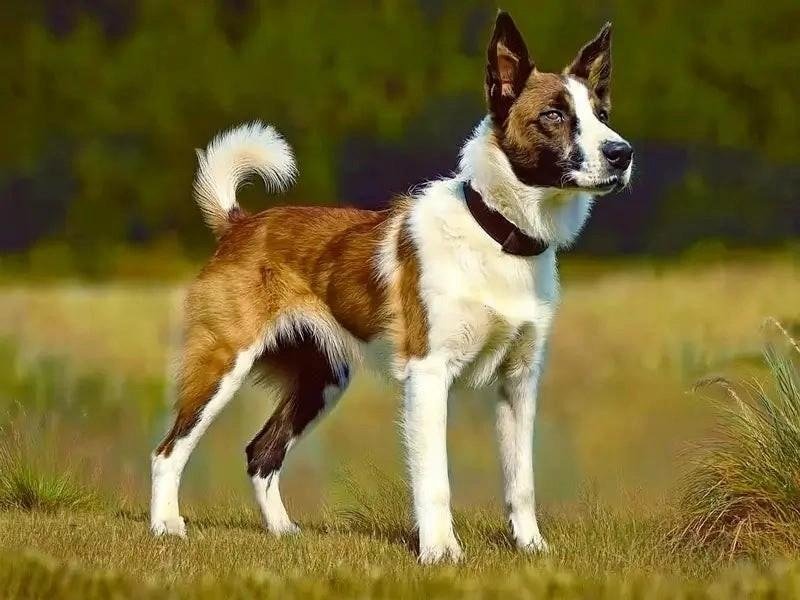
Image Source: Holistapet
Breed Origin and History
Where the Aidi comes from
The Aidi breed’s roots run deep in North Africa, specifically in Morocco’s rugged Atlas Mountains. These mountains, spanning approximately 2,500 kilometers across Morocco, Algeria, and Tunisia, turned the Aidi into a tough and sturdy dog that thrives in harsh conditions.
The magnificent breed’s exact origins remain a bit of a mystery, with two competing theories. One view suggests the Aidi is native to North Africa and evolved naturally among the indigenous Berber tribes. The second theory points to Phoenician traders who brought these dogs while operating in the Mediterranean between 1550 BC and 300 BC. Those who support the Phoenician connection point to their dye production centers in what’s now Morocco, which matches up with the Aidi’s recognized homeland.
Written records about the Aidi are hard to find from long ago. Ludwig Beckmann’s 1895 book Die Rassen des Hundes (The Breeds of Dogs) contains one of the earliest mentions, describing an ‘Algerian Spitz’—likely referring to the Aidi.
The Fédération Cynologique Internationale (FCI) officially recognized the breed in 1963. The breed was wrongly labeled as the “Atlas Sheepdog” at first—a mistake that experts fixed in 1969 by clarifying that Aidis never worked as herding dogs.
Role in North African culture
The name “Aïdi” comes from Tamazight, the Amazigh language, and it simply means “dog”—showing the practical bond between the Berber people and this breed. The Aidi has helped nomadic tribes in North Africa survive for hundreds of years, especially the Berbers and Tuaregs.
Unlike their European cousins, Aidis never herded flocks. These powerful dogs served as guardians instead, protecting:
- Camps and settlements from intruders
- Livestock from predators like jackals, wildcats, and wolves
- Property and possessions of their nomadic owners
The most alert and aggressive Aidis would stand guard around camps at night, creating a protective circle against dangers. They roamed freely during the day and kept watch for anything that might threaten their human families or livestock.
The Aidi holds a unique place in Berber society. While not as revered as “noble” breeds like the Sloughi, people have always valued their practical contributions. Moroccan clubs dedicated to keeping the breed pure have sprung up recently, showing a growing appreciation for their historical importance.
Connection with the Sloughi breed
The sort of thing I love about the Aidi’s history is how well it worked alongside another North African breed—the Sloughi sighthound. These breeds developed a partnership that made the most of what each dog did best.
The Aidi and Sloughi made an impressive hunting team. Thanks to its amazing nose and sharp awareness, the Aidi would find and track prey. The swift Sloughi would then chase it down. This teamwork shows off the Aidi’s adaptability and smarts, plus the sophisticated hunting methods North African tribes developed.
The Aidi stayed alert and ready to protect both people and animals from threats while the Sloughi hunted. This arrangement helped both breeds work at their best in their challenging environment.
Moroccan hunters still pair these breeds today, with the Aidi’s nose working perfectly with the Sloughi’s speed and agility. This long-standing partnership shows just how deeply the Aidi is woven into North Africa’s cultural fabric.
Atlas Mountain Dog Characteristics and Appearance
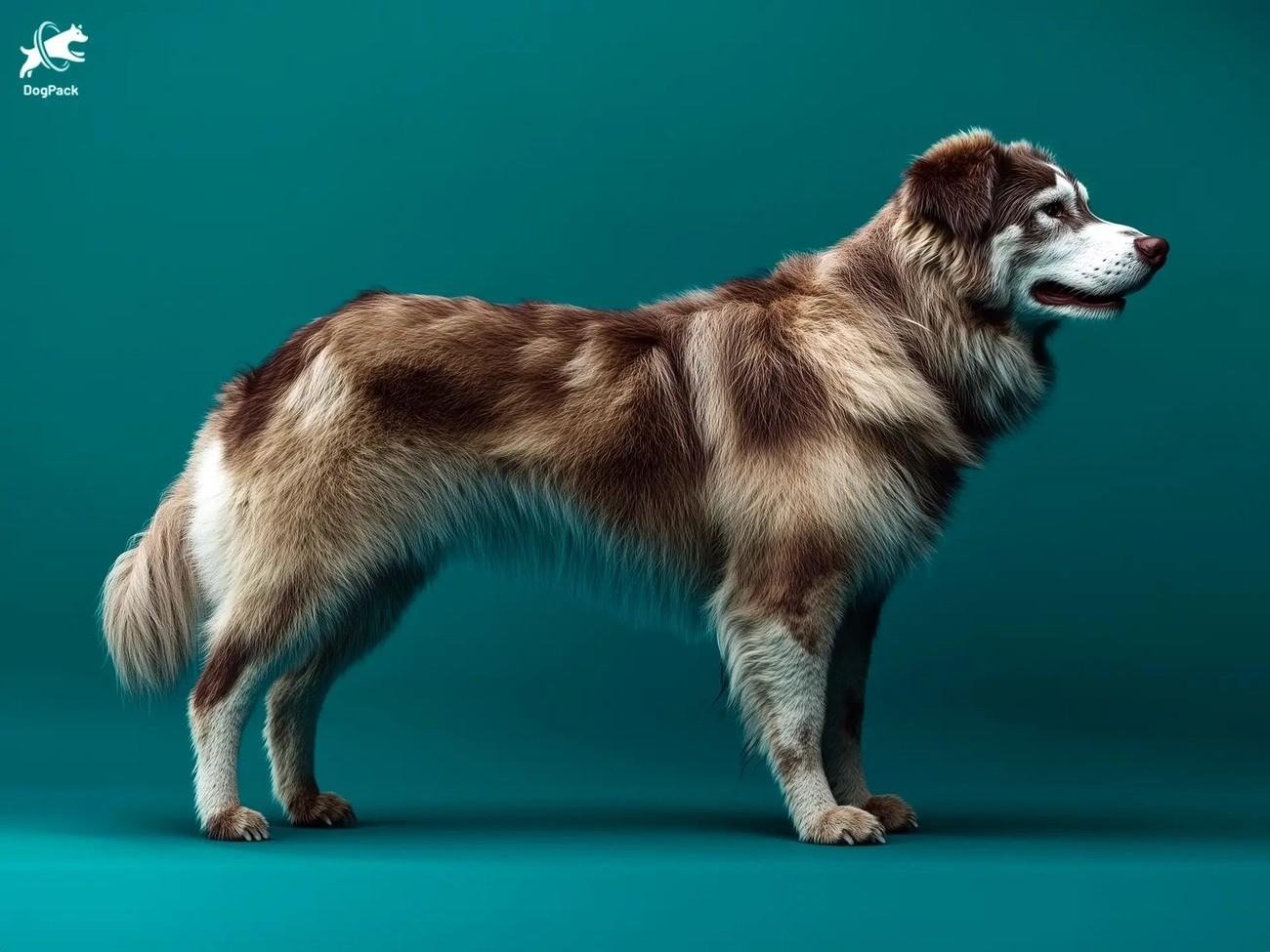
Image Source: DogPack App
The Atlas Mountain Dog shows a remarkable balance of function and beauty. This breed’s physical traits reflect its heritage as a protector and guardian, perfectly adapted to North Africa’s harsh conditions.
Coat type and colors
The Aidi’s standout feature is its remarkable coat—thick, coarse, and weather-resistant. This natural armor protects against extreme temperatures and predators. The dense fur shields the dog from scorching sun and provides warmth during cold mountain nights. This protective fleece helps defend against jackals and other predators that threaten livestock.
The breed needs less grooming than other long-haired dogs. A firm bristle brush works well for regular maintenance, and baths are only needed when the dog gets really dirty. These simple grooming needs show the Aidi’s background as a working dog rather than a show animal.
Coat colors vary widely across the breed, including:
- Pure white
- Solid black
- Black and white combinations
- Tawny (ranging from pale sand to deep red)
- Pale red variations
Each color has the same thick, protective quality that makes this breed special. A lean, muscular body built for mountain terrain lies beneath this impressive coat.
Size and Aidi weight in kg
The Aidi fits perfectly in the medium-sized dog category with an athletic, balanced frame that values function over form. Adult dogs stand between 52-62 cm (20-24 inches) at the withers. Males and females reach similar heights, though males tend to be slightly larger.
A healthy adult Aidi weighs around 25 kg (55 lb). These dogs are muscular but never bulky—a trait that lets them move easily across rough terrain. This blend of strength and agility makes them excellent working dogs.
Eight-week-old Aidi puppies weigh about 9-10 pounds. These dogs reach full physical maturity around 18 months, showing their characteristic solid, powerful build.
Distinctive physical features
The Aidi has several unique features beyond its impressive coat. The breed’s “bear-like” head stands out while staying proportionate to their body. This creates a dignified yet friendly expression.
A tapered muzzle ends in a black or brown nose that matches their coat color. The dog’s strong jaws have tight lips in black or brown, matching their coat. These powerful jaws come from their history of fighting predators.
The Aidi’s medium-sized eyes are dark with matching rims and show intelligence and alertness. Their ears are unique too—medium-sized, tipped forward, and dropping slightly. Some parts of Morocco still practice ear cropping and tail docking, though this is becoming rare.
The heavily plumed tail creates an eye-catching silhouette. A deep chest reaches to the elbow while staying moderate in width. The broad, muscled back shows a slight dip behind the withers without looking sway-backed.
Round paws with solid pads complete the picture. Their nails match their coat color in either black or brown. This practical foot structure helps them move confidently across their native terrain.
Aidi Temperament and Behavior
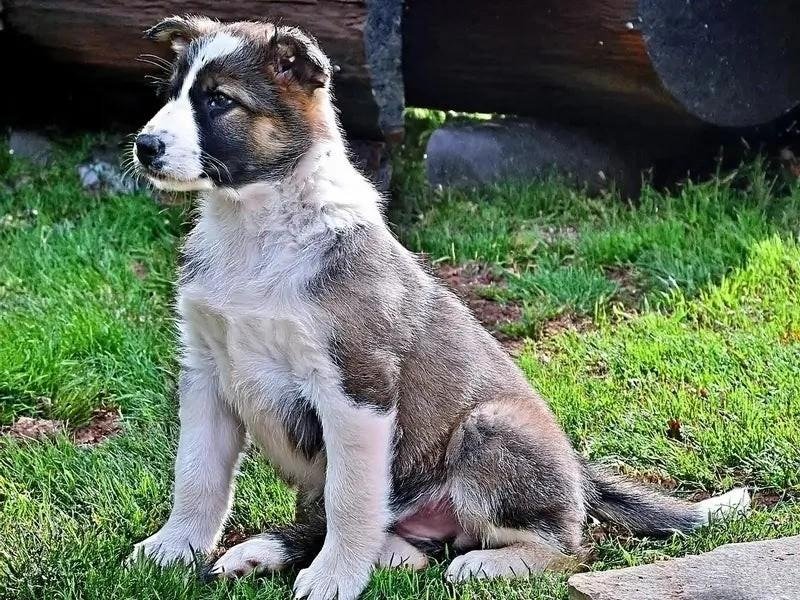
Image Source: Holistapet
Aidi Temperament and Behavior
The Aidi’s complex temperament perfectly balances protection with affection behind its impressive physical appearance. Anyone thinking about bringing this remarkable breed home should understand these distinctive traits.
Protective instincts
The Aidi’s extraordinary protective abilities are the life-blood of its character. These dogs show remarkable guarding instincts and know how to assess threats accurately. Unlike other protective breeds that might overreact, the Aidi responds to perceived dangers in the quickest way possible.
Their alertness never wavers—they spot any changes or potential threats around the house. This watchful nature comes from centuries of guard duty where the bravest Aidis protected tribal camps from predators and intruders.
The Aidi’s protective nature stands out because it combines with intelligence:
- They separate real threats from normal disturbances
- Their protective responses come from careful thought, not impulse
- They stay calm under pressure and make good decisions
Well-trained Aidis aren’t aggressive without reason. They simply carry out their ancient guardian role with courage and skill.
Interaction with family and strangers
The Aidi’s personality shows an interesting mix—fierce protection yet deep affection for family members. These dogs build strong bonds with their humans that go beyond basic companionship. They show incredible gentleness and love toward family members, especially children.
History shows Aidis excel with children, showing both protective instincts and patience. Many owners find their dogs watching over their children’s rooms at night, showing their natural protective spirit. Notwithstanding that, early socialization helps keep these interactions positive.
Strangers get a different reception from an Aidi. These dogs take time to study unfamiliar people before warming up to them. This isn’t aggression—it’s the natural caution of a guardian breed that needs time to evaluate newcomers.
Experts disagree about Aidis and other animals. Some say territorial tendencies might cause issues with other dogs, while others believe proper socialization helps Aidis live peacefully with other pets. Success depends on early exposure and proper introductions.
Energy levels and alertness
Aidis need proper outlets for their substantial energy. These dogs require at least 60 minutes of daily physical activity to stay healthy and well-behaved. Dogs that don’t get enough exercise might start destroying things out of boredom.
Their high energy matches their sharp minds. The Aidi runs on activities that challenge both body and brain:
- Long walks or jogs
- Agility courses
- Puzzle games and mental challenges
- Having specific tasks or responsibilities
Physical and mental stimulation matter equally—an Aidi without purpose can become restless or develop bad habits. As owners say, “a tired Aidi is a happy Aidi”.
The Aidi’s sharp senses deserve special mention. They notice details humans might miss, making them excellent watchdogs. This awareness comes naturally to the breed—they simply stay tuned to their surroundings.
Future owners should know Aidis aren’t suited for lazy lifestyles. These dogs come from working backgrounds and keep those instincts today. They need involvement and purpose to reach their full potential.
Atlas Mountain Dog Lifespan and Health
Atlas Mountain Dog Lifespan and Health
Your Aidi’s health profile helps you provide the best care throughout their life. Good health practices will keep these robust dogs vital and protective for years.
Average lifespan of the Aidi
Aidi dogs live longer than most medium-sized breeds. These hardy canines typically live between 10 to 12 years. Their impressive lifespan shows their natural toughness, which developed as they adapted to rough mountain environments over centuries.
Good care with exercise, proper diet, and regular health checks can help your Aidi live beyond these typical years. These dogs stay healthy and energetic well into their senior years. They often stay active and alert longer than other breeds their size.
You can help your Aidi live longer with regular preventive care and good lifestyle choices. These working dogs need regular exercise to keep their heart healthy and weight in check throughout their lives.
Common health issues
Despite their natural toughness, Aidis can develop certain health conditions that owners should watch for:
- Hip dysplasia – This inherited condition affects the hip joint and can cause pain and limited movement. Extra weight can make this condition worse.
- Elbow dysplasia – Another inherited joint problem that ranges from mild to severe. Dogs with serious cases feel pain when they move.
- Cataracts – Older dogs often develop this eye condition, which looks like cloudy eyes. Some cases lead to vision loss, but dogs usually adapt well.
These problems show up less often:
- Gastric dilatation-volvulus (bloat) – This emergency happens when the stomach fills with gas and twists. Your dog needs immediate vet care.
- Epilepsy – Dogs with this brain disorder have seizures. The right medicine can help control them.
- Progressive Retinal Atrophy – This eye problem runs in families and can lead to vision loss over time.
These dogs stay healthier than many purebreds. Their tough mountain background means they have fewer serious genetic issues than heavily bred dogs.
Preventive care and vet visits
Taking care of health problems early works better—and costs less—than treating advanced conditions. Your Aidi needs several key things to stay healthy:
Regular vet checks are the life-blood of preventive health. Yearly visits let vets catch small changes before they become big problems. These checkups include physical exams, shots, and advice about preventing parasites based on your dog’s needs.
Older Aidis need more screening tests. Blood work, urine tests, and sometimes x-rays help track organ health and catch age-related problems early. These tests give vets a baseline to spot changes over time.
Weight control matters a lot for these active dogs. The right weight helps protect joints and reduces the effects of conditions like hip dysplasia. A good diet and exercise plan keeps your dog from getting overweight, which can shorten their life and cause health problems.
Joint supplements can help your aging Aidi stay mobile. Good skin and coat care prevents problems under their thick fur.
Regular preventive care helps these amazing dogs live their fullest lives as happy, healthy companions.
Aidi Grooming and Care Needs
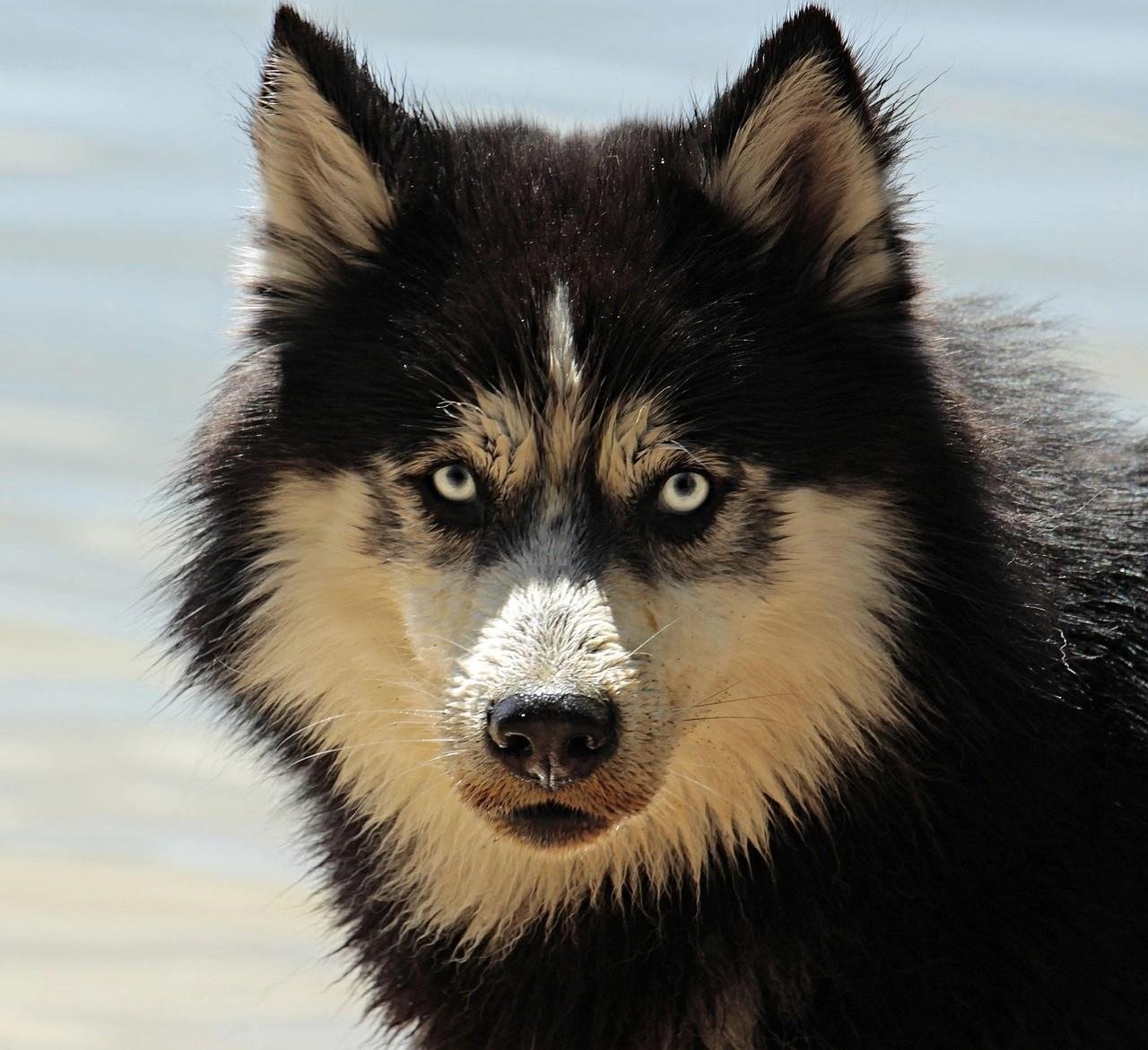
Image Source: https://pixabay.com/
Aidi Grooming and Care Needs
Your Aidi’s distinctive weather-resistant coat needs regular attention. The good news is these Atlas Mountain Dogs are easier to groom than many other long-haired breeds. Taking good care of your dog’s coat helps build a stronger bond between you both.
Brushing and shedding
Your Aidi’s thick double coat needs regular care to stay healthy. You should brush your dog two to three times weekly with a firm bristle brush to remove loose fur, dirt, and debris. This prevents matting and tangling. Regular brushing removes dirt, stops tangles from forming, and spreads natural oils that keep their coat soft and shiny.
Atlas Mountain Dogs shed in a predictable pattern. These dogs shed moderately most of the year. They “blow their coat” twice yearly, usually in spring and fall, which means much heavier shedding. You’ll need to brush your dog daily during these seasons to handle the extra hair loss and keep your home cleaner.
These brushes work best for regular care:
- Pin brush with plastic-covered bristle ends (prevents scratching the skin)
- Slicker brush (especially effective during heavy shedding periods)
- Grooming mitt (helps remove loose surface fur)
Regular brushing gives you a chance to check your dog’s skin for irritation, parasites, or anything unusual that might need a vet’s attention.
Bathing frequency
Many new Aidi owners are surprised to learn these dogs need few baths. Your dog’s coat has natural protective oils that too much washing can remove. This can lead to dry skin and coat problems. You should only bathe your Aidi every two to three months or when they get really dirty or smelly.
Use a mild dog-specific shampoo when you need to bathe your dog to protect their skin. Make sure you rinse thoroughly since leftover shampoo can irritate the skin. Dry your dog with towels first, then let them air-dry or use a low-heat hair dryer to avoid trapping moisture in their thick coat.
The Aidi’s weather-resistant coat naturally handles different weather conditions from their herding background. This means you should work with their coat’s natural oils rather than trying to keep them squeaky clean.
Ear, teeth, and nail care
Your Aidi needs more than just coat care. Their folded ears need regular cleaning to stay healthy. Check their ears weekly for redness, swelling, or strange smells to catch problems early. Clean their ears with a solution your vet recommends instead of water, which can get trapped and let bacteria grow.
Good dental care matters a lot. Bad teeth can cause bigger health issues later. Brush your dog’s teeth at least three times weekly with special dog toothpaste. This stops tartar buildup and helps prevent gum disease and other health problems.
Nail care rounds out your grooming routine. Cut your Aidi’s nails monthly, or as needed if they don’t wear down naturally. Be careful not to cut into the quick—the pink area with blood vessels and nerves—as this hurts and causes bleeding.
Here’s what you need in your grooming kit:
- Firm bristle brush and slicker brush
- Mild dog shampoo
- Dog-specific toothbrush and toothpaste
- Nail trimmers designed for medium-sized dogs
- Ear cleaning solution recommended by your veterinarian
Starting these care routines early helps your dog get used to being handled, which makes future grooming much easier.
Atlas Mountain Dog Training Guide
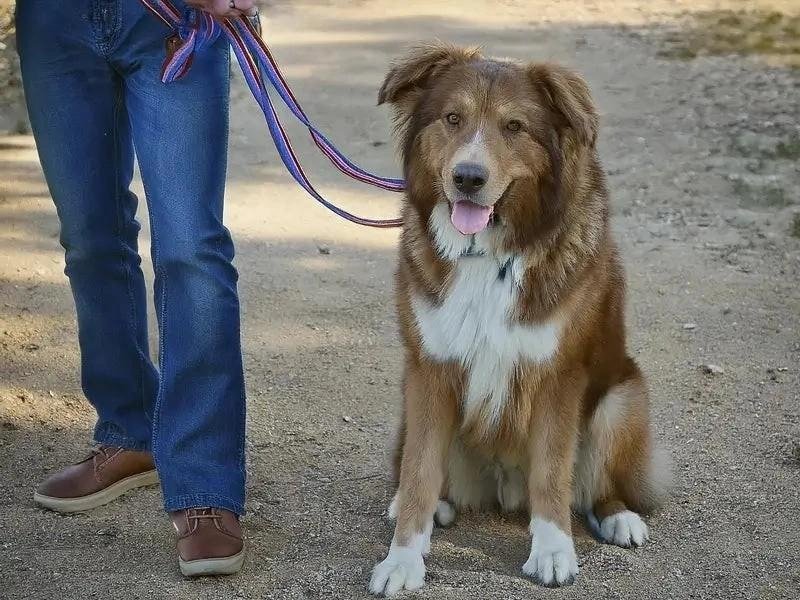
Image Source: Holistapet
Atlas Mountain Dogs need a special training approach that acknowledges their unique temperament and natural instincts. Unlike many companion dogs, the Aidi developed as a guard dog, which shapes how they learn and respond to training.
Training challenges and tips
Aidis present unique training challenges because of their independence and strong will. These smart dogs pick up things quickly but might question commands that don’t align with their guardian instincts. Your training sessions should stay under 15 minutes because Aidis lose interest if lessons drag on too long.
The breed’s independent nature can overwhelm first-time dog owners. A consistent approach works best with these strategies:
- Reward good behavior with treats and praise instead of harsh corrections
- Stay patient but firm as you give commands
- Make training fun through games and different activities
- Start teaching simple commands like “sit” and “lay down” during puppyhood
Your Aidi will connect commands with actions through repetition and clear communication. They respond best to training that offers rewards they find motivating.
Socialization needs
Your Aidi’s development depends heavily on early socialization. These naturally protective dogs might become too suspicious or reactive without enough exposure to different environments, people, and animals.
Start socializing your puppy right after bringing them home. Take them to parks where they can interact safely with other dogs. This helps them learn the difference between normal situations and real threats.
The breed’s strong protective instincts mean they need controlled exposure to various situations. Yes, it is especially important for them to have positive experiences with children if they’ll live in a family home.
Mental stimulation and obedience
Atlas Mountain Dogs need plenty of mental challenges along with physical exercise. Their intelligence requires activities that push both their minds and bodies.
These dogs made life-or-death decisions while guarding livestock before domestication. Now they thrive on mental challenges through:
- Puzzle toys that reward problem-solving
- Games like hide-and-seek or scent work
- Advanced obedience training beyond the basics
Aidis often shine in canine sports like agility, tracking, and obedience trials. These activities give them the mental workout they need to avoid boredom behaviors like excessive barking or destructive chewing.
Your success with this amazing breed depends on staying consistent, whatever training approach you choose.
Aidi Dog Price in India and Availability
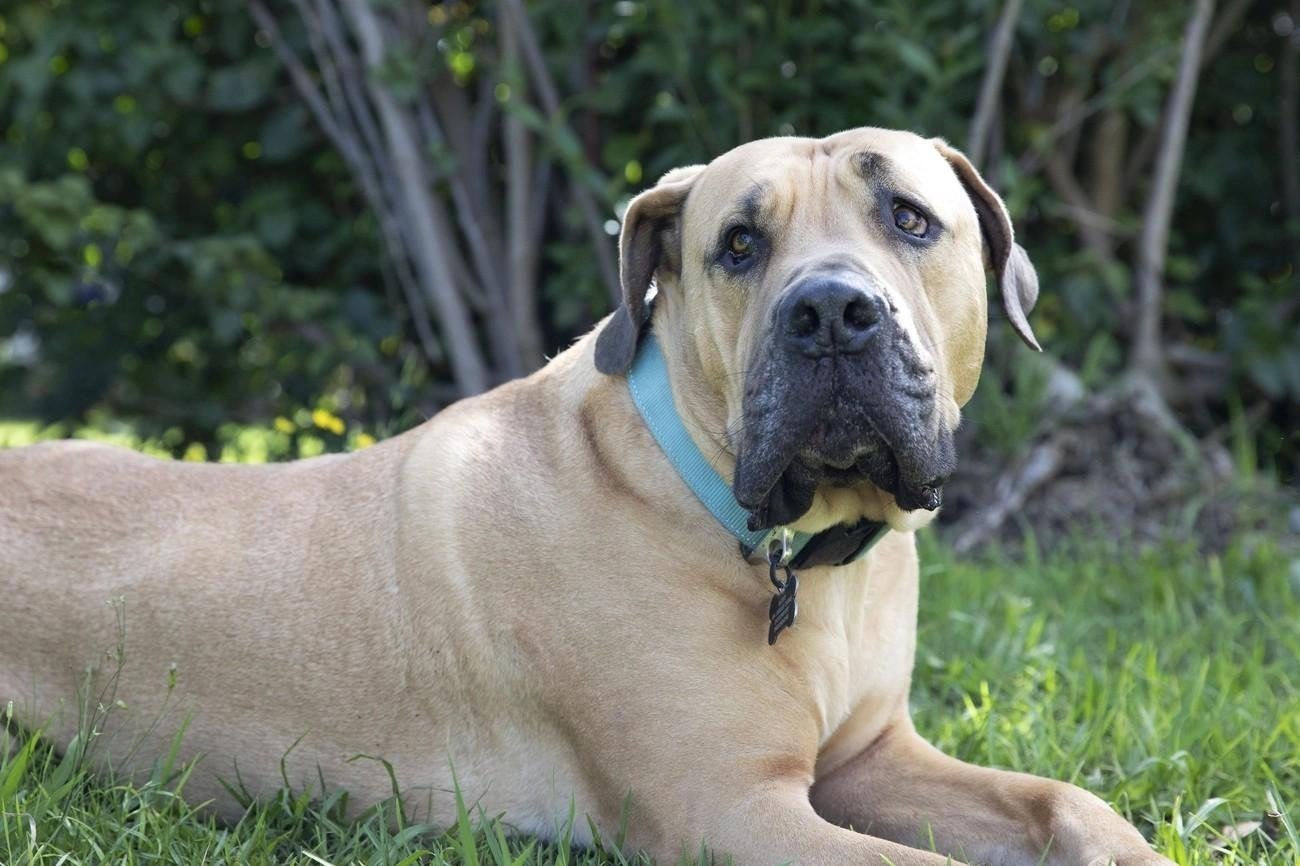
Image Source: The Spruce Pets
Aidi Dog Price in India and Availability
Getting your hands on an Aidi dog in India can be tricky since these dogs come from North Africa and aren’t widely available worldwide. Anyone looking to own this special guardian breed should know what to expect in terms of price and where to find one.
Average cost of an Aidi dog
An Aidi puppy in India costs between INR 25,314 and INR 42,190 as a starting point. The price goes up quite a bit for top-quality dogs, especially those with strong family lines. Some Aidi puppies from premium bloodlines can cost anywhere from INR 42,190 to INR 84,380. This puts them in the higher price range among working breeds.
You might save money by adopting from a shelter. The catch is that finding an Aidi in Indian shelters is next to impossible since these dogs are rare outside North Africa.
Factors affecting price
The price of Aidi puppies varies based on several things:
- Pedigree quality – Dogs from proven Moroccan bloodlines cost more
- Training level – A trained adult dog’s price is much higher than an untrained puppy’s
- Import considerations – Shipping costs from Morocco drive up the final price
- Breeder reputation – Good breeders who test their dogs’ health charge premium rates
The dog’s coat color can affect the price too. Rare colors often cost more because collectors love unique-looking dogs.
Availability in India and abroad
Aidis are hard to find worldwide and have “average” availability. This means there are enough dogs to keep the breed going, but they haven’t faced the overbreeding problems that popular breeds deal with.
Finding trustworthy Aidi breeders in India is tough. These dogs are rare here, and there aren’t many ways to import them. You’ll likely wait a while and jump through some hoops to get one.
The breed thrives in Morocco and nearby North African countries where it started. Small groups of dedicated breeders in Europe and North America keep the breed’s working traits alive, but they’re few and far between.
Pros and Cons of Owning an Aidi

Image Source: PetGuide
Pros and Cons of Owning an Aidi
Getting an Atlas Mountain Dog needs careful thought about its strengths and limitations. This balanced overview will help you decide if this unique breed matches what you’re looking for.
Advantages of the breed
Aidis make exceptional watchdogs that stay alert and guard their territory naturally. Their steadfast dedication builds deep bonds with family members—they stick with you through thick and thin. These dogs show amazing gentleness around children and naturally take on a protective role.
Smart and quick learners, they respond well to short and fun training sessions. Active people will find a perfect outdoor buddy in these energetic and playful dogs. Their grooming needs are simple since they need baths only every few months.
Challenges to consider
These dogs just need 30-60 minutes of daily exercise. An Aidi might start destroying things without enough physical activity. Their stubborn streak can be tough on new dog owners.
Space is a significant factor—Aidis need plenty of room and won’t do well in apartments. They hate being alone and might get anxious if left by themselves too often.
Is it the right dog for you?
The perfect Aidi owner leads an active life and has a secure outdoor area. These dogs adapt well to their surroundings as long as they get enough exercise. Families with kids will find both a loyal friend and protector in an Aidi.
New dog owners should know that training success depends on patience and routine. People who make time for an Aidi’s needs end up with a loyal, bright companion that lasts a lifetime.
Conclusion
The Aidi is a remarkable breed with special qualities that set it apart from others. These Atlas Mountain Dogs are fiercely loyal and protective. They guard their home and family with steadfast dedication. Their thick, weather-resistant coat shows how well they’ve adapted to tough mountain environments. The coat needs less maintenance than other long-haired breeds.
You won’t find many Aidi dogs outside North Africa, but they deserve more attention. They live 10-12 years, show great intelligence, and have a balanced temperament. These medium-sized dogs weigh around 25 kg and can switch naturally between being alert guardians and loving family members.
New dog owners should think about the Aidi’s strong-willed nature and exercise needs before bringing one home. The breed does best with consistent training, early socialization, and 30-60 minutes of daily exercise. Their working instincts might turn into problem behaviors without enough activity.
Future owners need to take a good look at their living situation. Aidis need room to move around and do best with secure outdoor spaces. On top of that, their protective instincts need proper training. They must learn to tell real threats from everyday situations.
Good health care helps make the most of this breed’s natural toughness. Regular vet visits, proper diet, and preventive care help catch issues like hip dysplasia early. The dog’s thick double coat needs regular brushing, especially when they’re shedding.
Finding an Aidi in India isn’t easy, and prices run from ₹60,000 to ₹1,20,000 based on pedigree and breeder quality. The search takes patience and careful research to find good breeders.
Active households with space and time are the best match for an Aidi. Families that put effort into training get more than just a guardian – they get a devoted companion with ancient instincts and sharp intelligence. These Atlas Mountain Dogs combine protection, loyalty, and affection in a way that gives committed owners years of faithful companionship.
Key Takeaways
The Aidi or Atlas Mountain Dog is a rare North African guardian breed that offers unique qualities for dedicated owners willing to meet their specific needs.
• Ancient Guardian Heritage: Originating from Morocco’s Atlas Mountains, Aidis were bred as livestock protectors, not herders, developing exceptional protective instincts over centuries.
• Medium-Sized Powerhouse: Weighing 25kg with a 10-12 year lifespan, these dogs combine strength with agility in a weather-resistant double coat requiring minimal bathing.
• High Exercise Demands: Aidis need 30-60 minutes daily activity and mental stimulation to prevent destructive behaviors from their working dog energy levels.
• Protective Yet Family-Friendly: While naturally suspicious of strangers, they’re gentle with children and form deep family bonds when properly socialized early.
• Training Challenges: Their independent, strong-willed nature requires consistent, patient training with short 15-minute sessions and positive reinforcement methods.
• Limited Availability: Rare in India with prices ranging ₹25,000-₹84,000, these dogs suit active households with secure outdoor space rather than apartment living.
For those seeking an uncommon yet devoted guardian companion, the Aidi rewards committed ownership with unwavering loyalty and natural protective abilities that have been refined over centuries in North Africa’s challenging mountain terrain.
FAQs
Q1. How trainable are Aidi dogs?
Aidi dogs are generally easy to train due to their high intelligence. Their affectionate and playful nature, combined with their quick learning ability, makes them responsive to training. However, consistency and positive reinforcement are key to success with this breed.
Q2. What are some common health concerns for Aidi dogs?
Like many active breeds, Aidis can be prone to hip and elbow dysplasia, especially as they age. Regular veterinary check-ups and joint supplements can help manage these issues. It’s important to stay proactive about their health to ensure they remain active and comfortable throughout their lives.
Q3. Are Aidi dogs prone to excessive barking?
Aidis are naturally alert and may bark to warn their owners of potential threats or unfamiliar situations. While not typically excessive barkers, their protective instincts can lead to some vocalization. Proper socialization can help manage this behavior and ensure they respond appropriately to their environment.
Q4. How effective are Aidi dogs as guard dogs?
Aidi dogs excel as guard dogs due to their alert nature and protective instincts. They are naturally vigilant and loyal to their families, making them effective at deterring potential threats. Their combination of sensitivity and energy also means they require plenty of exercise and interaction to thrive in this role.
Q5. What grooming needs do Aidi dogs have?
Aidi dogs have a thick, weather-resistant double coat that requires regular brushing, especially during shedding seasons. However, they need infrequent bathing – only every few months or when particularly dirty. Their minimal grooming needs make them relatively low-maintenance compared to some other long-haired breeds.