
Artois Hound Breed Information: Characteristics, Behavior, Temperament, Lifespan, Weight
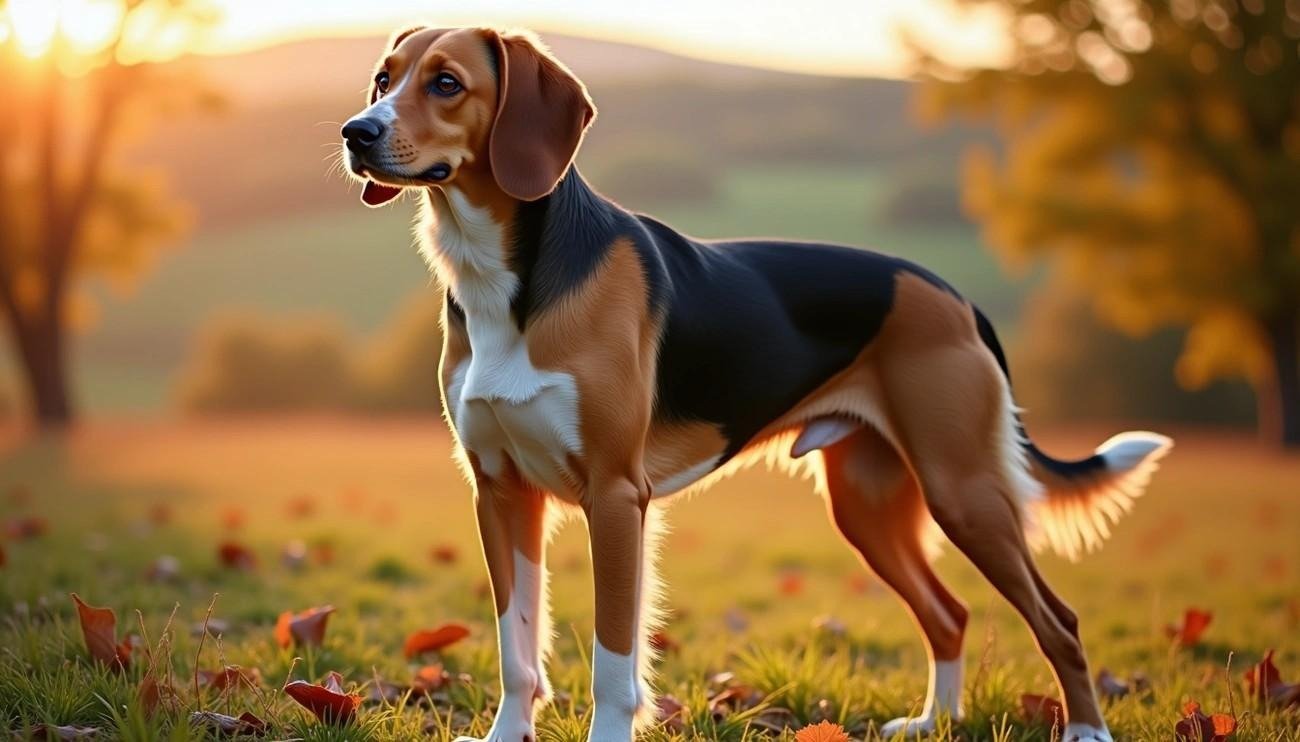
The Artois Hound stands as a rare scent hound breed with only about 500 registered dogs worldwide. Despite their lack in numbers, these dogs have a rich heritage that dates back to the 1400s. French nobility showed great preference for them during the 1800s. These remarkable dogs have had quite an experience of near extinction and revival. They’ve made a strong comeback since 1975.
These medium-to-large sized dogs typically live between 12 to 15 years and weigh around 28 to 30 kg. Their exceptional hunting abilities make them stand out. A pack of six to eight well-matched Artois Hounds can satisfy even the most demanding huntsman’s expectations. The breed’s temperament beautifully balances independence with affection. This makes them great family companions while they retain their strong scenting instincts. Their rarity means finding Artois Hound puppies can be challenging. Anyone interested should understand this breed’s unique characteristics and needs before bringing one home.
Breed Origin and History
This 500-year-old hunting breed comes from the northern French region of Artois. The first written mention of these dogs appears in a 1609 letter, where Prince Alexandre de Gray talks about “a pack of little d’Artois dogs”. Historical records show these hounds existed even earlier, dating back to the 15th century.
From French nobility to near extinction
The Artois Hound, called “Chien d’Artois” in France, became hugely popular during the 16th and 17th centuries. French aristocrats prized these dogs for their exceptional tracking skills. These hounds were so valuable that nobles often gave them as prestigious gifts.
During their golden age, the Artois Hound proved excellent at tracking various game, including:
- Foxes
- Wild boar
- Hares
Selincourt watched these dogs in action and couldn’t believe their abilities. He noted they could follow a hare’s trail that had passed an hour earlier, even in dry conditions. This amazing sense of smell made them one of the best hunting breeds of their time.
The breed’s looks changed over time. The earlier dogs had lighter colors—white with fawn and gray markings—unlike today’s darker tri-colored ones. Back then, two different types shared the Artois name: a smaller Basset Hound-type and a larger ‘Picardy Hound’.
The 19th century brought serious challenges to the breed. French hunters started preferring English breeds like the Foxhound. The pure Artois Hound became rare. Le Couteulx de Canteleu wrote in his 1890 Manual of French Hunting that pure specimens were hard to find, but he managed to keep his opinion that they remained “one of the best breeds for hare hunting”.
Things got worse as breeders mixed Artois Hounds with other breeds, especially the now-extinct Normandy Hound. These crosses led to taller dogs with scroll-type ears, which changed the breed’s traditional look substantially.
Some breeders tried to bring back the original type. Ernest Levair and his cousin M. Therouanne undertook a task that lasted 20 years to restore the breed’s authentic traits. Another breeder, Mallard, worked with Artois Hounds too, though his dogs looked somewhat different from historical descriptions.
The two World Wars nearly wiped out the breed. After World War II, many thought the Artois Hound had disappeared completely. The breed’s luck changed in the 1970s when M. Audrechy decided to save these dogs. He searched for the few remaining purebreds, including dogs from the Prince de Conde’s line, to start a new breeding program.
Thanks to these preservation efforts, today’s Artois Hound looks much like its ancestors. The breed has bounced back impressively since 1975, with about 500 dogs now in stud books.
The Artois Hound’s connection to the Beagle
The Artois Hound shares an interesting link with one of today’s most popular dog breeds. Its home in northern France, right next to the English Channel, meant these dogs likely mixed with various English hounds throughout history.
Dog experts guess that the Artois Hound played a big part in creating the beloved Beagle. Some sources hint that the Artois Hound might even be the Beagle’s ancestor.
Northern France’s closeness to England created natural chances for cross-border breeding. Dog historian M. Therouanne noted, “By the 19th century it became popular among French hunters to avail themselves of the dogs from the British Isles”. This exchange of dog genetics probably went both ways.
The breed that might have helped create the Beagle later ended up in its shadow. The Beagle now enjoys worldwide fame, while the Artois Hound stays relatively unknown outside France. This shows how breeds can take very different paths over time, even when they share genetic ties.
Physical Characteristics and Appearance
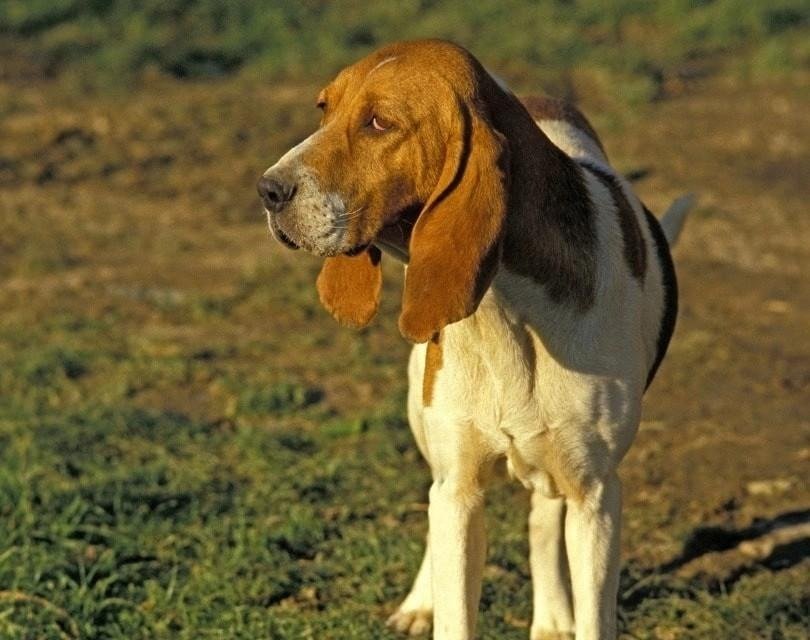
Image Source: Dogster
The Artois Hound is a medium-sized dog with perfect proportions and muscular build. Its physical traits show its rich hunting background. This breed combines strength, agility, and elegance – qualities refined through centuries of selective breeding.
Height, weight, and body structure
These dogs make an impressive yet balanced figure, standing between 53 to 58 centimeters (21 to 23 inches) at the withers. They weigh between 28 to 30 kilograms (62 to 66 pounds), giving them a solid presence without looking bulky. Both males and females share similar size ranges, with just a 1-centimeter height variation allowed.
The Artois Hound’s body structure has specific proportions that help its hunting skills:
- A rectangular profile with body slightly longer than tall
- Chest extending to elbow level, about half the dog’s height
- Well-rounded ribs that give plenty of lung space
- Broad, straight back with slightly arched loin
- A gentle slope in the croup area
The dog’s strong, muscular forelegs stand straight to the ground. Powerful hindquarters with long, muscled thighs and balanced hock angles provide driving force for long runs. This balanced build creates an easy, flowing movement that lets them keep pace during extended hunts.
Coat type and color patterns
A short, dense coat lies flat on the Artois Hound’s body. This practical coat needs little care but offers good protection from weather and brush. The thick, tough texture forms a snug protective layer.
The breed’s most eye-catching feature is its tricolor pattern. These dogs show a dark fawn tricolor coat that looks like a hare’s or badger’s fur. The pattern has:
- A white base
- Large fawn patches
- Black markings or overlay
- A mantle pattern covering the back and sides
The head usually shows fawn coloring, sometimes with black overlay that makes the breed stand out. This three-color mix helps handlers spot their dogs in different terrains while letting them blend in enough to hunt effectively.
Distinctive facial features
The Artois Hound’s head has unique features that set it apart from other scent hounds. A strong, broad, and fairly short skull with rounded top makes up the head, though without prominent occipital bones. The clear stop between forehead and muzzle creates a distinct profile.
The muzzle looks slightly shorter than the skull, and the upper lip covers the lower lip in a square shape. This design, along with a straight nasal bone, creates excellent scenting abilities. The black nose is strong with wide-open nostrils that maximize scent detection.
The eyes and ears really make this breed unique. The eyes are:
- Round shaped
- Dark brown colored
- Set wide apart
- Show a gentle, almost sad expression
The ears are remarkable:
- Set at eye level
- Wide at the base
- Round at the tips
- Long enough to reach the nose
- Some dogs have twisted ears
The breed has a strong jaw with complete, evenly spaced white teeth meeting in a scissors bite. A fairly long, muscular neck sometimes shows a slight dewlap at the throat.
These physical traits create a unique medium-sized hound. The breed perfectly balances strength, stamina, and keen senses – exactly what it needs for its traditional hunting role.
Behavior and Temperament
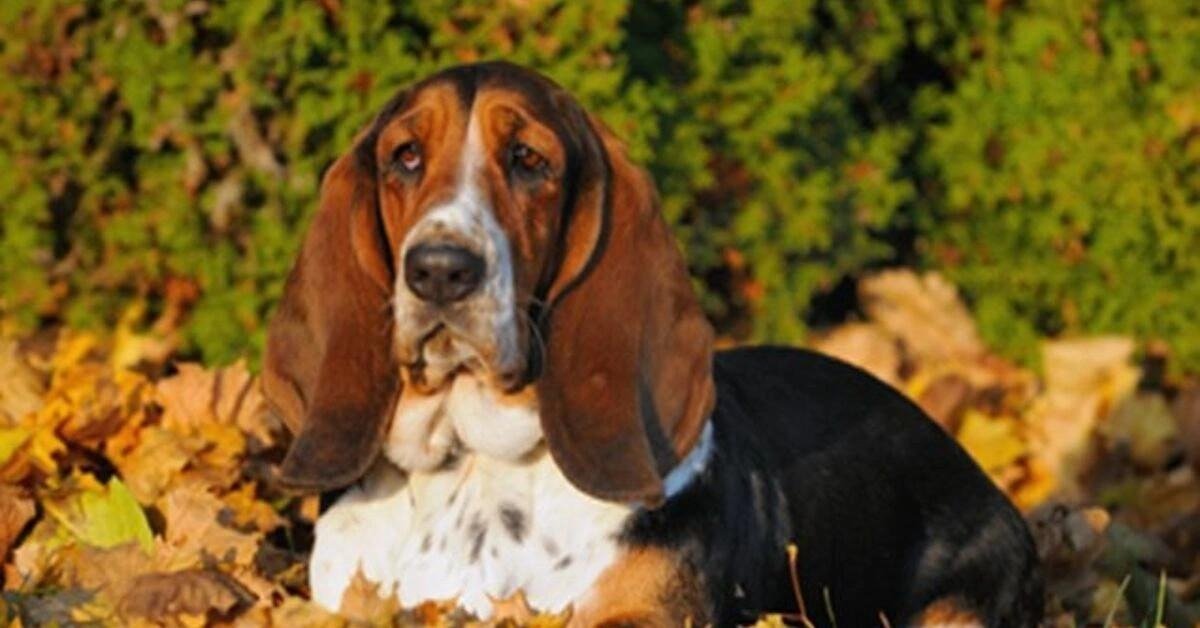
Image Source: PetGuide
The Artois Hound’s exceptional hunting skills come with a complex temperament that sets them apart. These dogs show the sort of thing I love – a unique mix of independence and devotion that many dog owners look for in a balanced companion.
Independent yet affectionate
Artois Hounds demonstrate a remarkable dual personality. We primarily trained them as hunters with an independent streak, and they tackle challenges with unwavering courage and determination. Their self-sufficient nature doesn’t stop them from building deep connections with their human families.
These hounds are prominent for their:
- Strong loyalty to their families
- Deep affection for their owners
- Close bonding with one or two family members in particular
As one breeder notes, “Although they can be stubborn, Artois Hounds are ultimately very loyal dogs who will bond very closely with their owners”. Their loyalty shows in their need for companionship. These dogs hate being left alone too long and need regular family interaction to avoid anxiety or depression.
Their independent streak sometimes appears as stubbornness, but consistent training helps manage this trait. Even with their occasional headstrong behavior, Artois Hounds stay affectionate and loving toward their caretakers.
Hunting instincts and scent drive
An Artois Hound’s defining trait is its remarkable hunting ability. These dogs have an extraordinary sense of smell that drives their actions and instincts. In fact, their powerful noses override all other senses, making them focus on scenting and tracking above everything else.
People valued these hounds for tracking scents in tough conditions. They could follow a hare’s trail from an hour ago, even in dry weather. This amazing skill comes from their physical features and focused, determined temperament.
Off the hunting field, Artois Hounds need plenty of mental and physical stimulation. They excel at:
- Scent tracking activities
- Obedience training
- Interactive games that challenge their minds
Families thinking about this breed should understand this vital part of their character. Experts say, “This breed lives to hunt and needs just as much mental stimulation as physical exercise”. So, training them for hunting or dog sports gives them a perfect outlet for their natural instincts.
Interaction with children and families
These hunting dogs adapt well to family life. They’re hardy, well-balanced and affectionate, both in the field and at home. Well-socialized Artois Hounds show a gentle, friendly nature that makes them great companions.
They usually interact positively with children and make excellent playmates. Most show protective instincts toward younger family members. But it’s worth mentioning that supervision is needed, especially with small children. One authority notes, “Since these are larger, high-energy dogs, it’s always a good idea to supervise your children while they are playing with an Artois Hound… these dogs could easily knock your child over if they get excited”.
A family should consider the Artois Hound’s energy needs. Though energetic outdoors, they stay relaxed and even-tempered when raised inside. Daily exercise is essential, but they rarely become hyperactive at home.
Their strong prey drive can create challenges with other pets. They get along with dogs they’ve known since puppyhood, but their hunting instincts “will kick in as soon as they see a small animal they don’t know, such as a squirrel or rabbit”. This makes them unsuitable for homes with cats or small pets unless they’re well-socialized early.
Lifespan and Health Overview
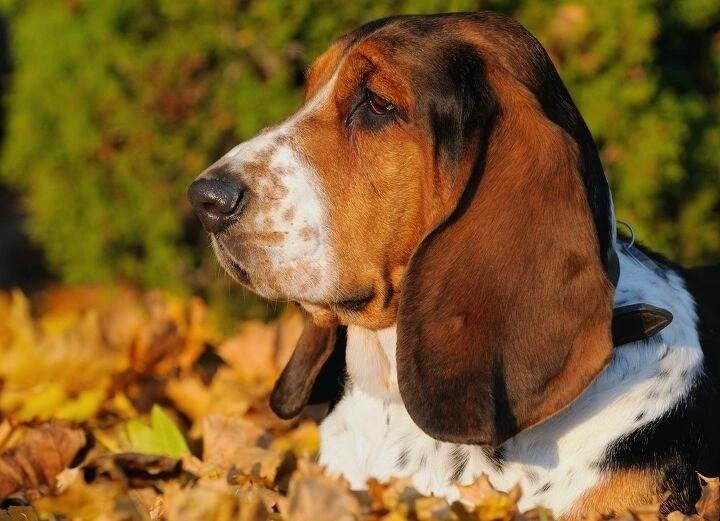
Image Source: PetGuide
You need to think about your Artois Hound’s health profile and longevity to plan proper care. These rare French hunting dogs stay healthy throughout their lives.
Average lifespan of the Artois Hound
Artois Hounds live remarkably long lives compared to other medium-to-large sized dogs. The average lifespan ranges between 12 to 14 years. Some Artois Hounds can live up to 15 years with good care. They outlive many breeds of similar size.
Their working heritage and low inbreeding rates contribute to their durability. Royal Canin, a prominent authority on canine health, suggests a lifespan of 10 to 13 years. These varying estimates come from different population samples studied by canine experts.
Your loyal companion will be part of your family for over a decade, which means a long-term commitment.
Common health issues to watch for
Artois Hounds face fewer breed-specific health problems than most purebred dogs. No known genetic conditions link specifically to the Artois Hound. You should still watch for these potential health issues:
- Ear infections: The most common issue these hounds face. Their long, floppy ears create warm, dark spaces where bacteria and yeast grow easily. Regular cleaning prevents painful infections.
- Hip dysplasia: Joint problems can develop like many medium-to-large breeds. This inherited condition affects hip joint formation and may cause arthritis and mobility issues as dogs age.
- Cryptorchidism: One or both testicles don’t descend into the scrotum. This needs veterinary care though it’s not immediately dangerous.
- Joint issues: Some dogs develop elbow dysplasia or other joint problems that limit movement.
- Anesthesia sensitivity: These hounds might react strongly to certain anesthetics—tell your vet before any procedures.
The dog’s floppy ears need extra attention. Dark, humid ear canals let microorganisms thrive. Make ear cleaning part of your regular grooming routine.
Preventive care and vet checkups
A healthy Artois Hound needs proactive healthcare. Vets recommend these checkup schedules:
- Puppies: Visits every 3 to 4 weeks until 4 months old
- Adult dogs: Complete checkups once a year
- Senior dogs (over 7-8 years): Checkups twice yearly
Regular wellness visits help vets spot subtle changes you might miss. They check weight, teeth, gums, eyes, ears, heart and lungs during these visits.
Senior Artois Hounds need more diagnostic tests. Blood work can show early signs of kidney or liver problems. Checking blood sugar and thyroid function helps catch age-related issues early. Early detection means better outcomes and lower treatment costs.
Home care matters just as much as vet visits. Good diet, regular exercise, and consistent grooming keep your hound healthy. Brush their teeth regularly to prevent gum disease, just like humans do.
Your Artois Hound can enjoy many active, healthy years with proper preventive care and quick attention to developing issues.
Grooming and Maintenance Needs
Artois Hounds are a breath of fresh air for anyone tired of high-maintenance dog grooming. These dogs have practical coats that line up perfectly with their background as hunting companions.
Brushing and bathing routine
Taking care of an Artois Hound’s coat doesn’t take much work. A weekly brushing session with a hard or rubber-bristled brush will keep their coat looking great. This quick routine gets rid of loose hair and helps blood flow well under the skin.
These dogs don’t need many baths. Too much bathing can actually harm them by removing the natural oils that protect their coat and skin. You should only bathe your Artois Hound when they get really dirty or start to smell after their outdoor adventures.
A damp cloth or brush works fine for light dirt. If you need to give them a bath, warm water and mild dog soap will do the trick. This simple approach makes Artois Hounds great pets for people who want easy grooming.
Ear cleaning and dental care
Your Artois Hound’s long, floppy ears need extra attention. These ears create the perfect warm, dark spots where bacteria and yeast love to grow, which can lead to infections.
Here’s how to care for their ears:
- Make sure their ears are completely dry after they get wet
- Use a vet-approved solution to clean their ear canals weekly
- Stay away from cotton swabs that could hurt their ear canal
- Look out for signs of infection such as redness, odd smells, or lots of scratching
Dental care is a vital part of keeping your Artois Hound healthy. Good dental habits prevent gum diseases that can cause serious health issues. Start teeth brushing slowly or give them special dental chews that help remove plaque. Best results come from brushing their teeth 2-3 times each week with dog toothpaste – never use human toothpaste because it contains ingredients that can harm dogs.
Nail trimming and coat care tips
Good nail care keeps your dog comfortable and moving well. Your dog’s nails shouldn’t touch the ground when standing still. Regular nail trims are needed if exercise doesn’t wear them down naturally.
Safe nail trimming tips:
- Get nail clippers made just for dogs
- Take off small bits at a time to avoid the quick
- Keep styptic powder ready in case of bleeding
- Start nail trimming early if you have a puppy
Remember those dewclaws – they need trimming too since they don’t wear down from walking. Artois Hounds are perfect for people who want a dog with an easy-care coat and simple maintenance needs.
Training and Socialization Guide
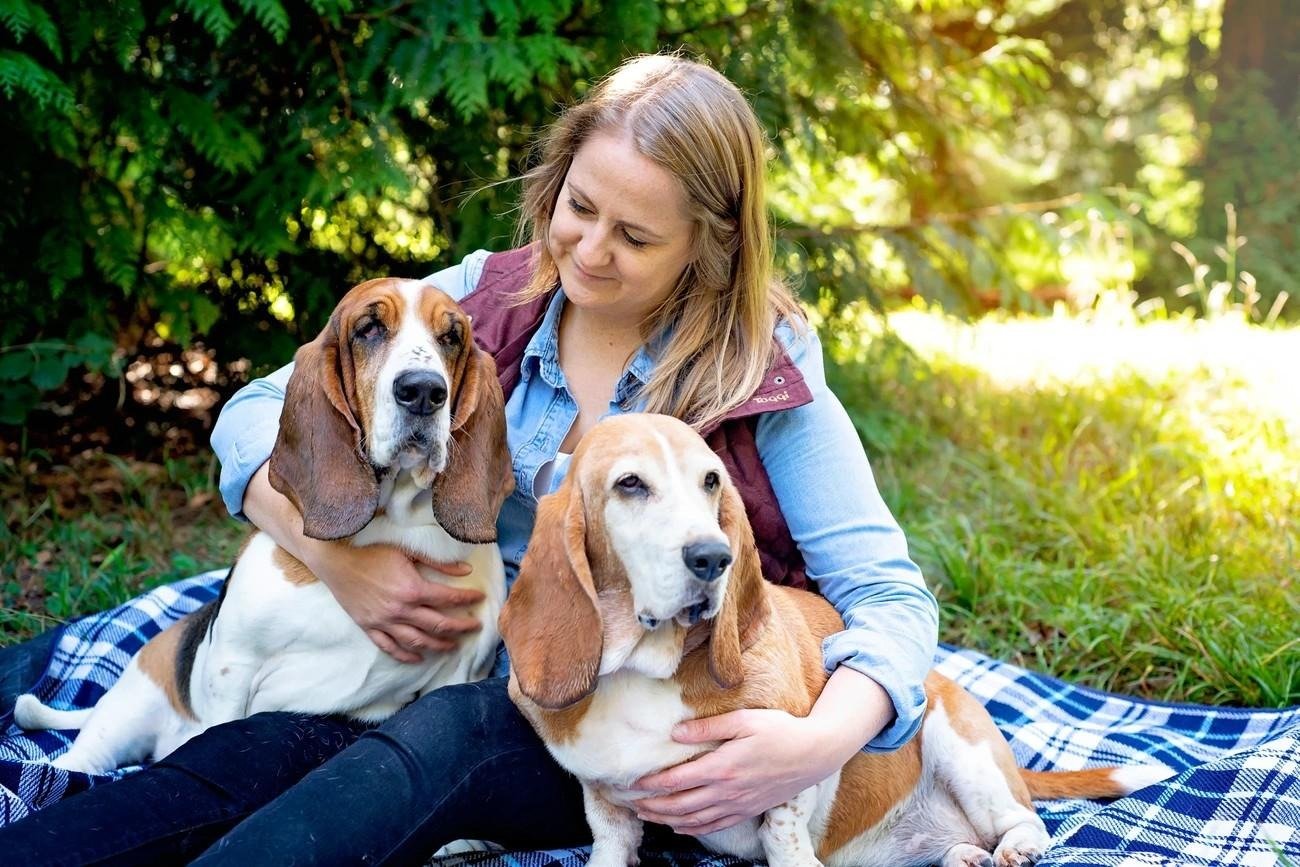
Image Source: No Fuss Fill
Training an Artois Hound takes patience and a deep understanding of their hunting background. These dogs can be more challenging to train than other breeds, and you just need specialized techniques to achieve good results.
Training challenges and solutions
Artois Hounds have a strong independent nature that makes standard training methods less effective. Their stubbornness and tendency to get distracted by scents can frustrate many first-time owners.
You can overcome these challenges by:
- Letting the family member with the strongest bond become the dog’s trainer
- Making training fun and brief (1-5 minutes max) to keep their attention
- Training them right before meals when they’re most food-motivated
- Using their love of scents as a reward—let them sniff around after they follow commands
The best time to shape an Artois Hound’s behavior is during their growth period. They’re more likely to accept human leadership at this age. Adult Artois Hounds without previous training might be harder to control.
Early socialization tips
The life-blood of raising a well-adjusted Artois Hound is proper socialization. Your puppy should experience different environments, people, animals, and sounds to avoid developing fears. Start this process as soon as your puppy arrives home.
Here’s how to socialize effectively:
Start by introducing your dog to people who look and act differently—try wearing different clothes at home so your dog learns to handle visual changes. Next, set up controlled meetings with well-behaved dogs before visiting dog parks. Finally, touch your puppy’s paws, ears, and mouth often to prepare them for grooming and vet visits.
Note that the critical socialization window closes around 4-5 months, but socializing throughout the first year helps their development.
Best practices for obedience training
Artois Hounds need training methods that match their hunting instincts. They respond well to consistent, firm leadership without harsh treatment. These smart dogs thrive with positive reinforcement like clicker training.
The key to obedience is working with their natural drives. These dogs can be picky eaters, so finding what motivates them—treats, playtime, or scent work—is significant.
Hunting families can channel their Artois Hound’s skills into hunting or dog sports. This satisfies their instincts and builds a stronger bond through meaningful activities.
Success comes from understanding and working with your Artois Hound’s natural instincts. This approach helps create a responsive, well-behaved companion while preserving their special breed characteristics.
Artois Hound Price and Availability in India
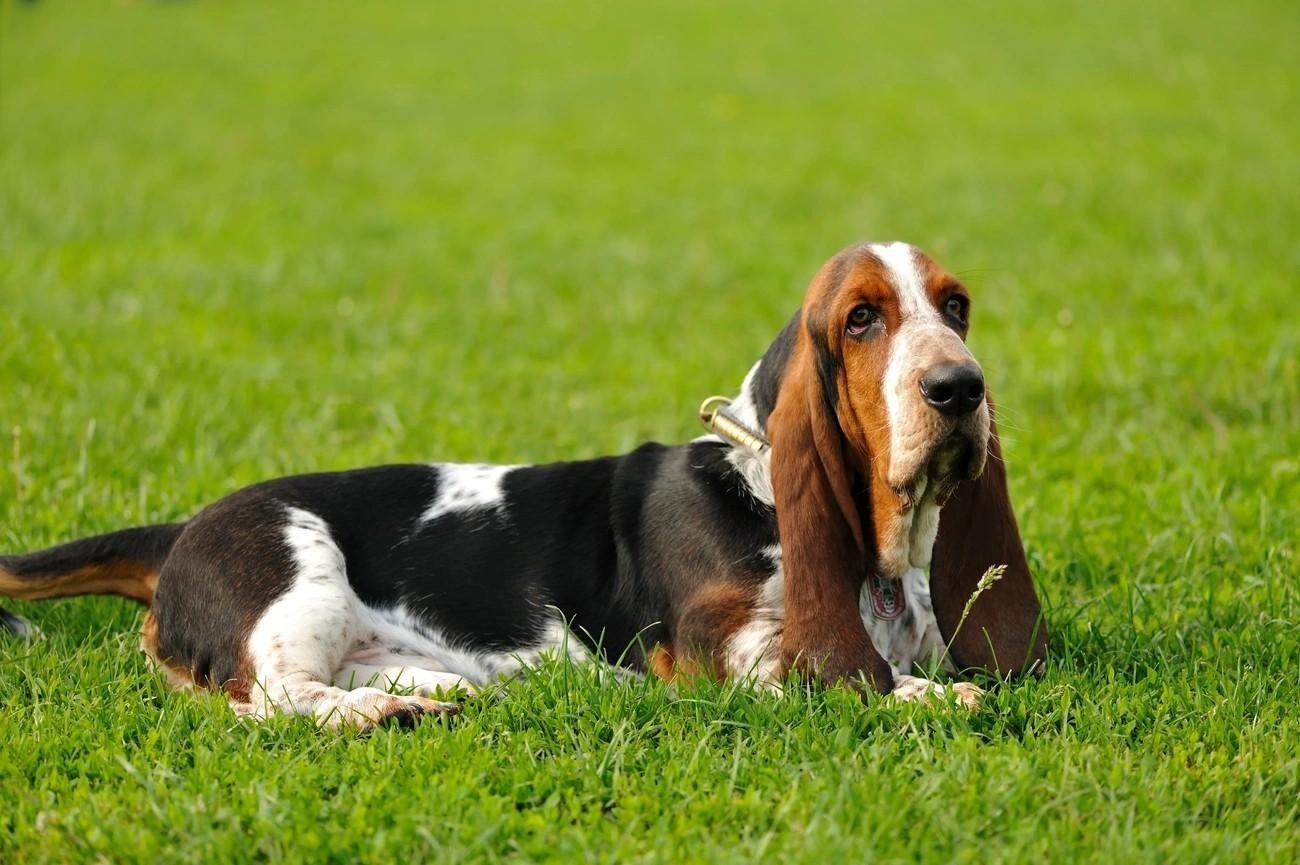
Image Source: Happy Pet
Getting your hands on an Artois Hound in India is quite a challenge. These distinctive French scent hounds are incredibly rare with only 500 registered dogs worldwide. The Indian pet market barely knows they exist.
Typical price range in India
The price of an Artois Hound in India isn’t easy to nail down because they’re so hard to find. Looking at similar rare hound breeds in India, you might need to spend anywhere between ₹80,000 to ₹2,00,000 for a purebred Artois Hound. These numbers come from what other imported rare hounds cost, though prices can swing a lot based on availability.
Local hound breeds like the Mudhol sell for ₹5,000 to ₹25,000. This is a big deal as it means that Artois Hounds cost much more mainly because they’re rare internationally and expensive to import.
Factors affecting cost
The price of an Artois Hound depends on several things:
- Breeder reputation – The best breeders test their dogs’ health and focus on socialization, so they charge more (₹15,000 to ₹25,000 for similar breeds)
- Pedigree quality – Dogs with proven bloodlines and good health records cost more
- Location – You’ll pay more in big cities like Delhi and Mumbai than in smaller ones
- Age and gender – Puppies between 2-6 months usually cost more than grown dogs
Where to find Artois Hound puppies for sale
The sort of thing I love about rare breeds is the chase. Right now, India doesn’t have any dedicated Artois Hound breeders. Here’s what you can do instead:
- Reach out to international breed clubs that might connect you with export-friendly breeders
- Look into services that specialize in importing rare breeds
- Keep an eye on high-end pet websites where rare breeds sometimes pop up
Indian retailers stock books about Artois Hounds, but finding actual dogs remains a tough task. Serious buyers might want to import directly from France, the breed’s homeland, as their best bet.
Pros and Cons of Owning an Artois Hound
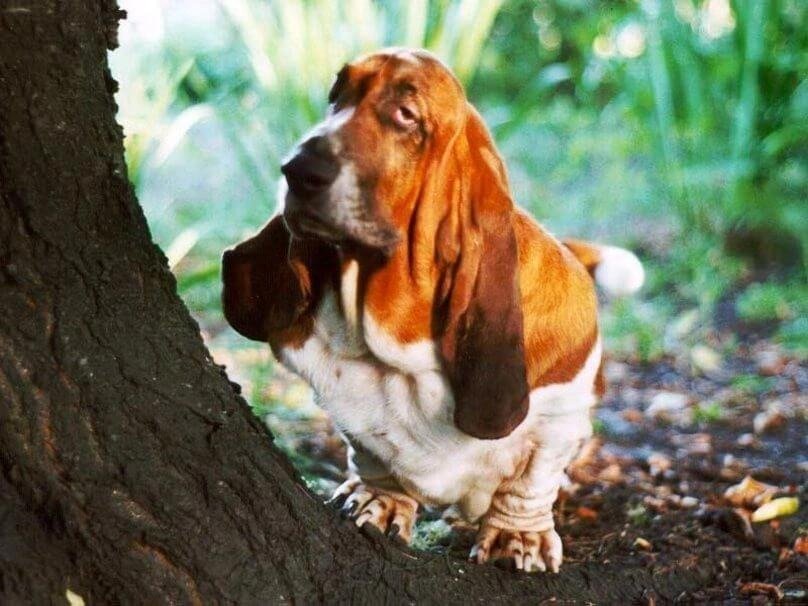
Image Source: DOGICA
You should weigh the pros and cons of an Artois Hound before bringing one home. This rare breed has unique characteristics that might or might not fit your lifestyle.
Advantages of the breed
Artois Hounds are exceptional hunters with unrivaled tracking abilities. They excel at chasing hares and other small game. These dogs make loyal companions and rarely show aggression toward humans. Their friendly nature makes them great with children and other dogs, which adds to their appeal as family pets.
The breed’s health record stands out with fewer genetic issues than most purebreds. Their coat needs minimal maintenance and doesn’t need professional grooming. These smart dogs can tackle complex tasks with proper mental stimulation.
Challenges to consider
Artois Hounds just need lots of exercise, including long daily walks to stay happy. Their strong hunting instincts mean they’ll chase small animals, which can be risky in unfenced areas. The breed’s stubborn streak makes training tough, so you’ll need patience and consistency.
These dogs bark loudly and clearly, which might bother your neighbors. While loyal to their families, they’re too friendly with strangers to be guard dogs. The breed isn’t ideal for first-time dog owners because you need experience with hunting dogs.
Is it the right dog for you?
Active families who can give plenty of daily exercise might find the Artois Hound perfect[392]. These dogs become calm and respectful indoor companions after getting enough activity.
Hunters and outdoor enthusiasts will love these dogs especially. People living in apartments or with limited outdoor space should look at other breeds. Smart dogs like these can develop bad habits such as excessive barking or destructiveness without proper stimulation.
Conclusion
The Artois Hound serves as proof of canine resilience and specialized breeding. These elegant French scent hounds blend exceptional hunting abilities with affectionate family companionship, even though they’re extremely rare. Their rich heritage stretches back to the 15th century and adds to their mystique. The breed’s near-extinction and comeback shows the passionate dedication of breed enthusiasts.
These medium-sized dogs, with their distinctive tricolor coats, need owners who get their unique requirements. The breed runs on plenty of exercise, consistent training, and mental stimulation that taps into their amazing scenting abilities. They can be stubborn sometimes, but their intelligence and loving nature make them great companions if you put time into their development.
These dogs typically live 12-15 years with proper care and stay pretty healthy throughout their lives. Their grooming needs stay minimal, which makes them practical pets. Their long ears need regular cleaning to avoid infections. Any family that brings one home should plan daily walks and fun activities to match their high energy levels.
Getting an Artois Hound in India isn’t easy because they’re so rare worldwide. Future owners might want to look internationally and be ready to spend between ₹80,000 to ₹2,00,000. The price depends on things like pedigree quality and shipping costs.
The Artois Hound fits perfectly with active families, outdoor lovers, and hunters who want a dog that works hard but stays gentle at home. They get along great with kids and other dogs, which makes them excellent family pets. People living in apartments or those who can’t give enough exercise should look at other breeds better suited to smaller spaces.
Bringing an Artois Hound home needs careful thought about both the fun parts and responsibilities. The right family will get a rare and distinguished hound that combines historical importance, working ability, and loyal companionship in ways few other breeds can match.
Key Takeaways
Understanding the Artois Hound’s unique characteristics helps potential owners make informed decisions about this rare French hunting breed.
• Artois Hounds are extremely rare with only 500 registered dogs worldwide, making them nearly impossible to find in India
• These medium-sized dogs (28-30 kg) live 12-15 years and require substantial daily exercise to satisfy their strong hunting instincts
• Their independent, stubborn nature demands experienced owners who can provide consistent training and mental stimulation through scent work
• Weekly brushing and regular ear cleaning prevent infections in their characteristic long, floppy ears that create warm breeding grounds for bacteria
• Expect to pay ₹80,000-₹2,00,000 in India due to importation costs, though finding actual puppies remains extremely challenging
While these loyal, affectionate dogs make excellent family companions for active households, their high exercise needs and strong prey drive make them unsuitable for apartment living or homes with small pets. Their friendly temperament toward strangers also means they won’t function as guard dogs, despite their impressive size and presence.
FAQs
Q1. What is the typical temperament of an Artois Hound?
Artois Hounds are known for their independent nature combined with affection towards their family. They are loyal, courageous, and determined hunters with a strong prey drive. While friendly with people, they can be stubborn at times and require consistent training.
Q2. How much exercise does an Artois Hound need?
Artois Hounds require substantial daily exercise to stay happy and healthy. They need long walks and opportunities to engage their powerful sense of smell. Without proper physical and mental stimulation, they may develop problematic behaviors.
Q3. Are Artois Hounds easy to train?
Training an Artois Hound can be challenging due to their independent nature and tendency to get distracted by scents. They respond best to positive reinforcement techniques and short, interesting training sessions. Consistency and patience are key when working with this breed.
Q4. What is the average lifespan of an Artois Hound?
Artois Hounds typically enjoy a lifespan of 12 to 14 years, with some living up to 15 years with proper care. They are generally healthy dogs with fewer genetic conditions compared to many other purebred dogs.
Q5. Are Artois Hounds suitable for apartment living?
Artois Hounds are not well-suited for apartment living. They require ample space and daily exercise to thrive. These dogs do best in homes with large, securely fenced yards where they can explore and satisfy their hunting instincts safely.