
American Staffordshire Terrier : Characteristics, Behavior, Temperament, Lifespan, Weight kg
 American Staffordshire Terriers are powerful, muscular dogs. These impressive animals stand 17-19 inches tall and weigh 40-70 pounds (18-32 kg). The American Kennel Club first recognized them as Staffordshire Terriers in 1936, and they’ve grown into a unique American breed known for their strength and loyalty.
These dogs live longer than many people expect. A newer study, published in 2024 by UK researchers found their life expectancy reaches 12.5 years, just shy of the 12.7-year average for purebreds. Some sources suggest they can even live up to 16 years[-4][-5]. Future owners should know about certain health risks. North American research shows hip dysplasia affects 24.4% of the breed. These distinctive dogs come in several coat colors, and brindle remains a popular choice.
This piece covers everything you need to know about American Staffordshire Terriers. You’ll learn about their rich history, physical traits, personality, behavior patterns, and how to care for them properly.
History and Origins of the American Staffordshire Terrier

Image Source: American Kennel Club
“These dogs came to America in the late 1800s and were initially for dog fight sport but later at home because of their hard-working, gentle nature.” — The Pit Bull Doctor, Specialized veterinary and behavioral resource for pit bull type dogs
The American Staffordshire Terrier’s story began in 19th-century England. Their rich history intertwines with several modern breeds we know today. These powerful, loyal companions started out quite differently from the family pets we see now.
From bull-and-terrier to AmStaff
English breeders crossed various terrier breeds with Bulldogs to create “bull-and-terrier” dogs. These crossbreeds had the bulldogs’ grit and courage plus the terriers’ agility and spunk. Blood sports like bull-baiting and bear-baiting drove the early breeding until England outlawed these activities in 1835. Underground dogfighting then became more common, and breeders needed dogs with better agility and speed.
The first bull-and-terrier dogs reached America around 1850. Some continued fighting, but many found better purposes on the American frontier. These adaptable dogs excelled at hunting, herding livestock, and protecting homesteads. Their strong work ethic and loyal nature made them valuable companions for settlers heading west.
By the late 1800s, these dogs had made America their home and grown into a uniquely American breed. The United Kennel Club (UKC) recognized them in 1898 as the American Pit Bull Terrier.
Recognition by the AKC and breed development
The early 20th century saw dedicated fanciers working hard to gain American Kennel Club (AKC) recognition. They wanted to showcase these dogs purely as family and show dogs. After careful consideration about the name, the AKC welcomed the breed in 1936 as the “Staffordshire Terrier”.
This recognition came just one year after England’s Kennel Club acknowledged the Staffordshire Bull Terrier, the American breed’s smaller British cousin. Both breed standards shared similar phrases, showing their common heritage despite different paths forward.
The AKC changed the name to “American Staffordshire Terrier” in 1969 to set it apart from the British Staffordshire Bull Terrier. This change highlighted how the American version had grown larger and heavier than its English relatives.
The AKC’s stud book stayed open to UKC-registered American Pit Bull Terriers until the 1970s before closing permanently. Now, both parents must have AKC registration to produce American Staffordshire Terrier puppies.
Differences from the American Pit Bull Terrier
People often mix up American Staffordshire Terriers and American Pit Bull Terriers. The AmStaff grew into a show dog while the American Pit Bull Terrier stayed mainly a working dog. This split in breeding goals created subtle but important differences.
Every American Staffordshire Terrier could technically qualify as an American Pit Bull Terrier, but not every American Pit Bull Terrier meets American Staffordshire Terrier standards. Registry and breeding choices create this difference rather than basic genetic makeup.
American Staffordshire Terriers look more uniform because breeders focused on specific show standards. American Pit Bull Terriers vary more in size and shape since their breeders cared more about working ability and temperament than looks.
The UKC registers both breeds, while the AKC only accepts the American Staffordshire Terrier. This registration difference adds to the confusion between these closely related breeds.
Selective breeding has shaped the American Staffordshire Terrier into its own breed, quite different from its fighting ancestors. Their steadfast dedication to humans remains a treasured trait throughout their development.
Physical Characteristics and Appearance
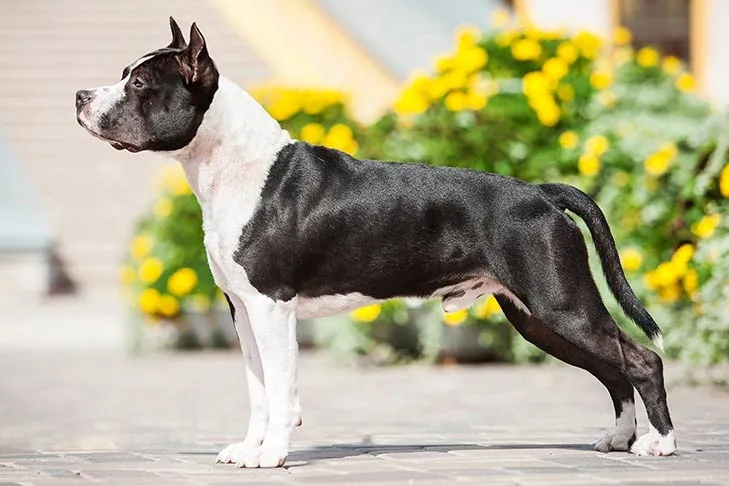
Image Source: American Kennel Club
The American Staffordshire Terrier’s powerful build catches your eye right away. These dogs show off their athletic ability through their muscular frame and confident stance. Their strength and grace make them excellent working dogs and wonderful companions.
Height and weight range in kg
You’ll notice clear size differences between male and female American Staffordshire Terriers. Adult males reach 18-19 inches (46-48 cm) at the shoulder. The females are a bit smaller, measuring 17-18 inches (43-46 cm). Don’t let their modest height fool you – these dogs pack serious muscle.
Males usually weigh between 55-70 pounds (25-32 kg), giving them a compact, muscular look. The females are lighter at 40-55 pounds (18-25 kg). This weight distribution creates their signature stocky, powerful shape without making them look bulky.
The AmStaff’s body has specific proportions that create their unique look. Their broad head, strong jawline, and medium-length muzzle blend together smoothly. Their deep, moderately wide chest and short, straight back give them strength and stability.
Coat type and grooming needs
The American Staffordshire Terrier’s coat makes life easy for their owners. These dogs have short, stiff fur that lies close to their body and shines naturally. Their coat feels firm but glossy, showing off their muscular frame.
AmStaffs need little grooming compared to other breeds. A quick brush once a week with soft bristles or a rubber mitt keeps their coat healthy. This simple task removes loose hair and spreads natural skin oils around.
These dogs shed more during certain seasons, so you might need to brush them more often then. All the same, their short coat makes cleanup pretty simple. They only need baths when they get really dirty or every 4-6 weeks. Too much bathing can strip away their coat’s natural oils, so keep it moderate.
Their ears need regular checks and cleaning to avoid infections, whether they’re cropped (though fewer people do this now) or natural in a rose or half-pricked position. Regular nail trims and dental care complete their basic grooming needs.
Common colors including brindle and blue
American Staffordshire Terriers come in many stunning colors and patterns that make each dog unique. The American Kennel Club accepts most colors, treating them equally with few exceptions.
Black, brown, and white are the most common colors, often with special markings on the chest, face, or paws. Black AmStaffs show off a rich, deep color that makes their muscles stand out. Brown ones range from light caramel to deep chocolate.
Brindle patterns show up often in these dogs. You might see red brindle with its bright red base and black stripes, fawn brindle with tan and brown stripes, black brindle showing subtle tan or brown stripes, or the less common blue brindle with its blue-gray stripes.
The blue coat color comes from a special gene that turns black fur into a grayish-blue shade, and it’s becoming more popular. This color can be very light or so dark it looks almost black in some light. Blue AmStaffs usually have matching blue noses.
The breed also sports other beautiful colors like fawn (solid tan), red (coppery), liver (deep chocolate brown), blue fawn (fawn with a bluish tint), and seal (looks black but shows tan tips in sunlight). Some patterns, like black and tan points that look similar to Rottweiler markings, add even more variety.
The AKC accepts almost every color combination but prefers not to see liver or black-and-tan coats or dogs with more than 80% white fur. Dark eyes and black noses are standard features, except for blue-coated dogs that have blue noses.
Temperament and Personality Traits
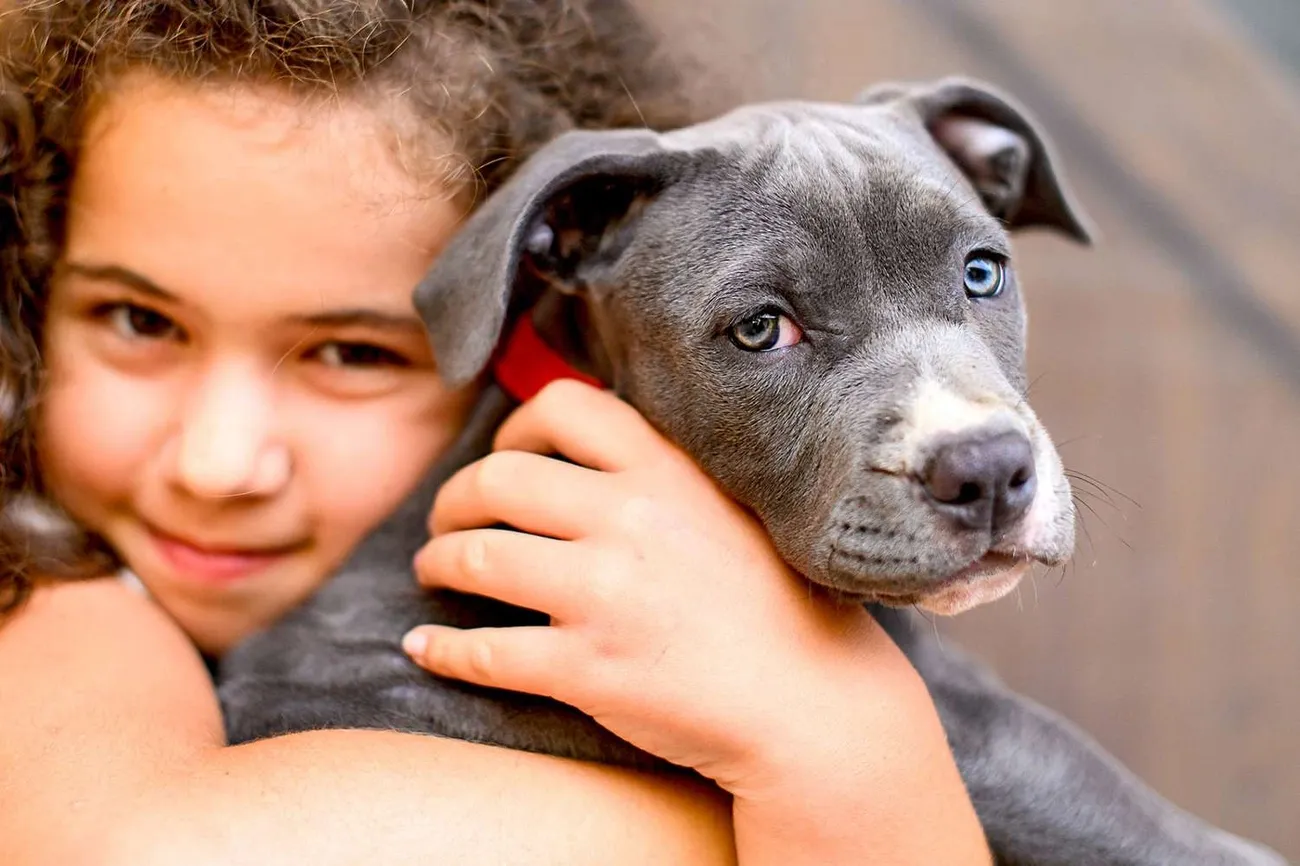
Image Source: Daily Paws
The American Staffordshire Terrier’s muscular build often masks a personality that amazes people who don’t know the breed well. Many people misunderstand these dogs because of their powerful appearance, yet they have a complex temperament that combines deep family devotion with natural courage.
Loyalty and affection toward family
American Staffordshire Terriers show exceptional dedication to their human companions. These dogs are “people-oriented” and thrive on human interaction, creating lasting bonds with their families. AmStaffs love physical contact with their owners and want to be part of family activities.
The breed’s desire to please their human companions makes training easier. They feel happiest as active participants in daily family life and show their excitement through playful behavior. Their affectionate nature leads them to seek cuddle time, which makes them perfect companions for anyone who wants a dog that balances active play with quiet moments.
A breeder organization describes AmStaffs as “keenly aware of their surroundings, game for anything, and lovable ‘personality dogs’ around the house”. Yes, it is their eagerness to please that has made them popular family pets despite breed misconceptions.
Confidence and alertness
The American Staffordshire Terrier radiates confidence. Their self-assured nature and physical strength make them excellent watchdogs. They stay alert to their surroundings and respond to potential threats, from mail carriers to wildlife.
These dogs naturally protect their families. Then they become excellent guardians without showing unprovoked aggression. Their courage runs so deep that people often call it “proverbial”.
AmStaffs learn quickly and respond well to positive reinforcement. In spite of that, some may show stubborn streaks and resist forceful training. The breed picks up commands fast but needs consistent, reward-based training from puppyhood.
Interaction with children and strangers
Well-socialized American Staffordshire Terriers show remarkable patience with children. They can play energetically while respecting boundaries. Some fans call them “nanny dogs,” though adults should always watch when dogs interact with children.
AmStaffs take a balanced approach with strangers. They might seem reserved with new people, which makes early socialization vital. Most AmStaffs become friendly toward visitors after proper introductions while keeping their protective nature.
A full picture of socialization is vital to raise a well-adjusted American Staffordshire Terrier. Puppies need exposure to different people, places, and situations to prevent overprotective or fearful behavior. Meeting other pets early helps control their prey drive, which might create challenges with smaller pets.
Finally, American Staffordshire Terriers from responsible breeders who receive proper socialization typically develop balanced temperaments. Their loyalty, confidence, and affection make them devoted companions for families who understand what they need.
Behavioral Patterns and Socialization
American Staffordshire Terriers combine exceptional physical abilities with unique behavioral traits. Future owners need to understand these characteristics to create an environment where these powerful dogs can thrive.
Playfulness and energy levels
AmStaffs have incredible energy levels and just need regular outlets. These dogs need at least 60 minutes of vigorous exercise daily to stay physically and mentally healthy. Dogs that don’t get enough exercise might become restless and start destructive behaviors like chewing, digging, or barking too much.
These dogs show their playful side through many fun activities. They excel at games like fetch, tug-of-war, and agility exercises. Their stamina – a trait valued since their early breeding days – makes them great companions for adventures from hiking to jogging.
A well-conditioned adult AmStaff can run between three to five miles. Hiking with these energetic companions is a great way to use their abundant energy, and they can handle trails that stretch beyond five miles with proper conditioning.
AmStaffs need mental stimulation as much as physical exercise. Puzzle toys, training sessions, and interactive games keep their minds sharp. Mental engagement helps prevent behavioral issues just as much as physical exercise does.
Prey drive and compatibility with other pets
The breed’s strong prey drive is the biggest problem to think over in homes with multiple pets. AmStaffs might chase small animals, bicycles, or running children. Owners can manage this instinctual behavior through consistent training and proper socialization.
Many AmStaffs get along with other pets after proper introductions. All the same, new owners should know that these dogs have a naturally strong prey drive, which can make living with smaller dogs or cats tricky. This means proper introductions are crucial with animals of all sizes.
Getting an AmStaff used to other animals early in life helps a lot. Teaching them not to chase smaller animals becomes the owner’s job. Dog aggression can develop even in well-socialized AmStaffs, so they should never be alone with other dogs.
Importance of early socialization
AmStaffs go through their most important socialization period between 3-14 weeks of age. Exposing puppies to different people, environments, sounds, and experiences during this time creates a well-adjusted adult dog. Proper socialization helps prevent fear-based reactivity in AmStaffs.
Puppies develop confidence through gradual exposure to:
- People of various ages, ethnicities, and appearances
- Other animals (always supervised)
- Different environments like urban settings and parks
- Various sounds including traffic and household appliances
- Different surfaces such as grass, concrete, and stairs
Owners should watch for stress signals in their AmStaff to help with effective socialization. These signs include excessive panting when not hot, lip-licking, yawning when not tired, stiff body posture, and hiding. Adjusting experiences based on these signs helps create positive associations during socialization.
Older AmStaffs or those who haven’t been cared for properly might need extra time and patience for socialization. Professional puppy training classes are a great way to get structured social development while learning basic commands in controlled settings.
Health Concerns and Lifespan
American Staffordshire Terriers live remarkably long lives despite some breed-specific health challenges. Future owners should know what they’re getting into before welcoming an AmStaff into their family.
Average lifespan of the breed
Good news for AmStaff lovers – these dogs live longer than many similar-sized breeds. Most American Staffordshire Terriers live approximately 12-16 years with good care. A newer study, published in 2024 by UK researchers backs this up. They found AmStaffs live about 12.5 years on average, which beats both purebreds at 12.7 years and crossbreeds at 12 years.
These dogs have strong constitutions that help them live longer. Their weight needs careful monitoring to maximize their healthy years. Extra pounds can make joint problems worse and increase their risk of metabolic disorders and heart disease. Regular vet visits and proper nutrition help these dogs reach their full lifespan.
Common health issues: hip dysplasia, allergies, PRA
American Staffordshire Terriers stay healthy most of the time, but they can face some breed-specific health issues:
Hip and Elbow Dysplasia: A North American study looked at over 1 million hip scans and found that 24.4% of AmStaffs develop hip dysplasia, while 16.1% get elbow dysplasia. These conditions affect joint development and can lead to arthritis, pain, and movement problems as dogs age.
Skin Allergies: These dogs often get allergic skin conditions. You’ll notice intense itching, and they’ll lick and scratch their ears, neck, armpits, belly, and paws. The scratching can create “hot spots” – open infected wounds that need antibiotics. Research shows 20% of young AmStaffs (under two years) get demodicosis, a skin condition, compared to just 0.58% of all dogs.
Progressive Retinal Atrophy (PRA): This inherited condition slowly leads to blindness, starting with night vision problems. While PRA doesn’t cause pain, no treatment exists yet. Owners need to keep their home layout consistent as their dog’s vision fades.
Other health issues include:
- Cerebellar Ataxia affects muscle coordination between ages 3-5
- Hypothyroidism impacts multiple body systems
- Heart conditions show up mostly in older AmStaffs
- Neuronal Ceroid Lipofuscinosis (NCL) causes balance problems
Genetic testing and preventive care
DNA testing helps responsible breeding and ownership since many AmStaff health issues run in families. Available tests can check for:
- Neuronal Ceroid Lipofuscinosis (ARSG mutation)
- Polyneuropathy with juvenile laryngeal paralysis (ALPP mutation) shows up as early as 3 months
- Muscular Dystrophy (MD) symptoms appear around 6 months
AmStaff owners should focus on these preventive care steps:
- Schedule regular vet checkups that screen for breed-specific issues
- Keep your dog at a healthy weight through diet and exercise
- Take care of their teeth to avoid dental problems
- Give joint supplements to dogs at risk of dysplasia
- Don’t let puppies jump too much while their growth plates close (5-14 months)
Your American Staffordshire Terrier can live a long, happy life with genetic screening, preventive care, and awareness of their health needs. These steps help ensure they stay healthy throughout their years with you.
Training and Mental Stimulation
“These dogs are smart, enthusiastically eager to please, and love new challenges.” — The Pit Bull Doctor, Specialized veterinary and behavioral resource for pit bull type dogs
The American Staffordshire Terrier’s sharp mind makes them perfect candidates for training activities and mental challenges. These dogs thrive on exercising both body and brain. This combination forms everything in responsible AmStaff ownership.
Trainability and intelligence
American Staffordshire Terriers are remarkably smart and eager to please, which makes them highly trainable. Their quick learning capabilities help them master new commands and tricks quickly. Their appearances in entertainment roles throughout history show how well they learn and remember new information.
AmStaffs can show an independent streak that some might see as stubbornness. This trait comes from their determination—a quality that becomes an asset during training. Note that consistent, engaging sessions work best with these bright dogs.
These dogs go beyond simple commands. They understand complex concepts and excel at problem-solving challenges. AmStaffs need mental stimulation as much as physical exercise to stay balanced and avoid behavioral issues.
Recommended training methods
Positive reinforcement works best for training American Staffordshire Terriers. They respond well to treats, praise, and play sessions rather than harsh corrections. Punitive approaches often backfire and can damage the trust between dog and handler.
Their energy levels make 10-15 minute training sessions most effective. Owners should keep a playful, upbeat attitude because AmStaffs quickly pick up on their handler’s mood.
This powerful breed needs early socialization and puppy classes. These structured settings help improve manners while building focus with distractions around. AmStaffs thrive with clear boundaries, regular structure, and lots of positive feedback.
Fun activities: agility, obedience, dock diving
Agility training gives AmStaffs a perfect outlet for their physical strength and mental sharpness. This sport teaches them to direct through obstacle courses while following handler commands. The process strengthens their bond. Agility training works all the dog’s muscles and boosts their self-confidence.
Obedience classes offer another great way to get mental stimulation. AmStaffs can learn advanced tricks that challenge their minds:
- Shake hands/high five (builds on natural pawing behaviors)
- Roll over (teaches body awareness and trust)
- Back up (improves spatial awareness)
AmStaffs excel at dock diving too. They also enjoy puzzle toys, scent work, hide-and-seek games, and search-and-rescue training. These mental challenges fight boredom while improving their problem-solving abilities and focus.
Mental exercise matters just as much as physical workouts for a balanced AmStaff. Simple games like “hot and cold”—using voice tones to guide dogs toward hidden treats—can improve their listening skills by a lot.
Feeding and Nutritional Needs
Nutrition is the life-blood of health for the American Staffordshire Terrier and affects everything from energy levels to coat quality and joint health.
Feeding guidelines by age and weight
Adult American Staffordshire Terriers thrive on twice-daily feeding schedules to maintain steady energy levels. Most AmStaffs need about 2 to 2½ cups of high-quality dry food daily. Puppies require smaller, frequent meals that support their rapid growth, and they should gradually transition to adult feeding patterns as they mature. The metabolism in senior dogs slows down, so they need smaller portions to stay healthy.
Portion control makes all the difference—you should measure servings with a cup and adjust them based on your dog’s weight and activity level.
Foods to avoid and treat moderation
Your AmStaff’s daily caloric intake should include no more than 10% treats. These items must never be given:
- Grapes and raisins (cause acute kidney failure)
- Chocolate
- Avocados (contain persin, causing vomiting and diarrhea)
- Cherry plants (contain cyanide)
- Green parts of tomato plants (contain solanine)
Supplements for joint and skin health
The breed tends to develop joint problems, so supplements with glucosamine and chondroitin can help maintain mobility. Fish oil’s omega-3 fatty acids keep the skin healthy and reduce inflammation. You should talk to a veterinarian before adding any supplements to determine the right formulations for your AmStaff’s needs.
Living Environment and Lifestyle Fit
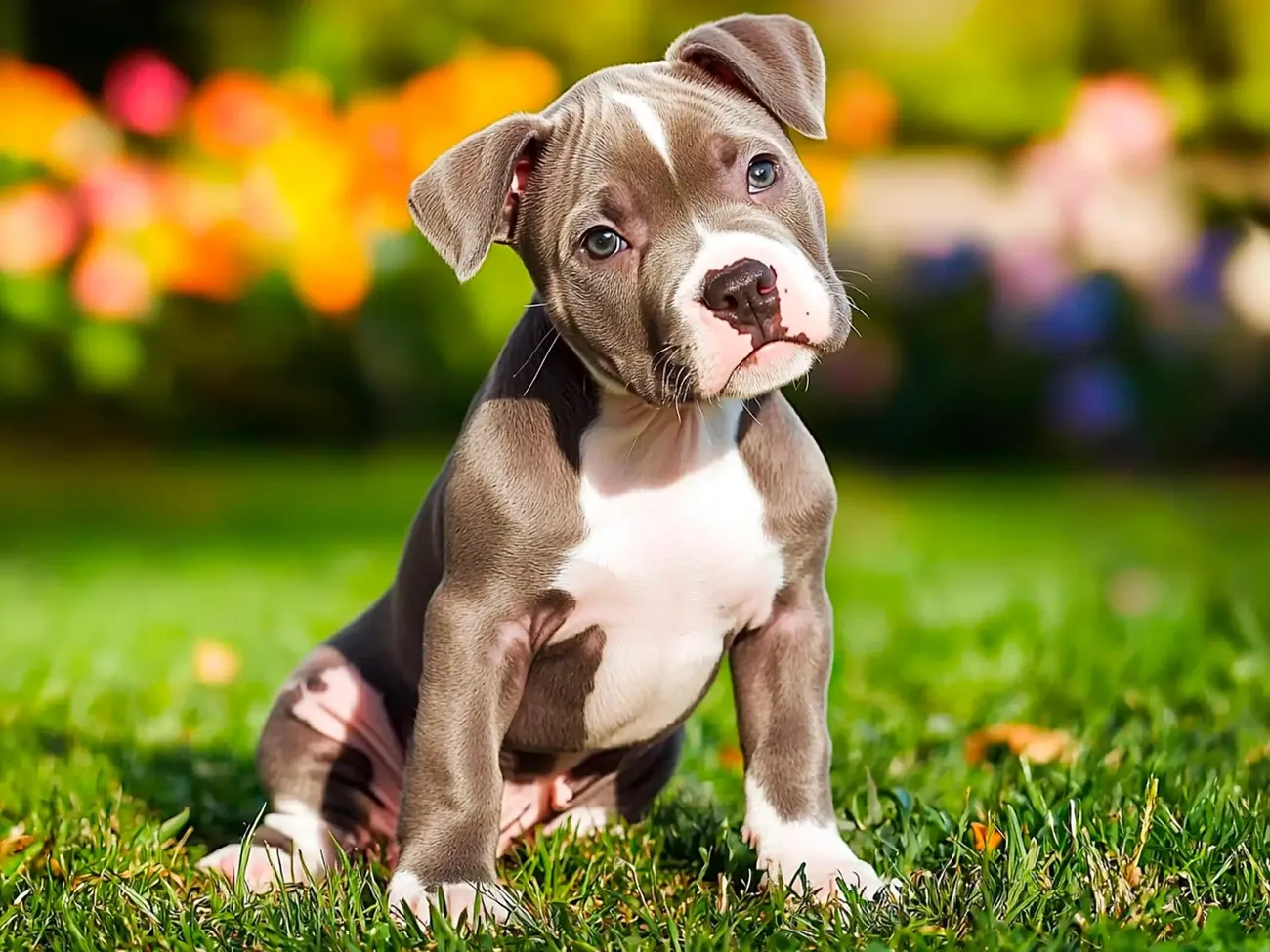
Image Source: DogPack App
Creating the perfect living space for an American Staffordshire Terrier starts with understanding their unique needs and priorities.
Ideal home setup for an AmStaff
American Staffordshire Terriers thrive in homes with dedicated sleeping and play areas. Their muscular joints need support from raised beds, and they love spots where they can watch their family’s activities. A secure fence is vital—keep the area clear of objects they might use to escape. AmStaff puppies need extra protection: remove any hanging wires, electrical cables, and breakable items they could chew.
Exercise requirements and daily routines
American Staffordshire Terriers need 60 minutes of exercise each day. A good routine includes:
- Two daily walks to stay active
- Play sessions (fetch, tug-of-war)
- Brain games to stay engaged
Summer exercise works best early in the morning or late evening to beat the heat. Winter activities might need protective gear. These dogs do best with steady routines—feeding times at 8 AM and 5 PM work great.
Apartment living vs. homes with yards
AmStaffs can adapt to many living situations. They do their best in homes with yards where they can run and play often. Apartment life can work well if they get enough outdoor exercise. Regular walks and planned playtime become the foundation of their day. Both settings need puzzle toys and training to keep their minds busy and prevent destructive behavior.
Conclusion
American Staffordshire Terriers are remarkable companions that blend physical strength with a loyal, affectionate nature. These muscular dogs combine power and gentleness when raised and trained properly. Their lifespan of 12.5-16 years gives families ample time to bond with these devoted pets. Responsible ownership helps them reach their full potential.
New owners should think about the breed’s health challenges before bringing an AmStaff home. The dog’s quality of life depends on regular vet screenings for hip dysplasia, skin allergies, and progressive retinal atrophy. Genetic testing helps identify hereditary conditions early, which allows for better management and care.
AmStaffs run on physical exercise and mental stimulation. Daily activities of at least 60 minutes help channel their energy and prevent behavior problems. These smart dogs also excel in canine sports like agility, obedience, and dock diving – activities that push their physical and mental limits.
Early socialization shapes these powerful dogs into well-adjusted companions. Puppies exposed to different people, animals, and environments grow into balanced adult dogs that handle various situations with confidence. Their protective instincts, directed through positive training, make them great family guardians without becoming aggressive.
The breed adapts well to different living spaces, from houses with yards to apartments, as long as they get enough exercise and mental stimulation. Their short coats need minimal grooming, which makes them easy to maintain despite their active lifestyle.
American Staffordshire Terriers give their dedicated owners endless loyalty and affection. A devoted family companion’s heart beats beneath their muscular exterior. These powerful dogs become gentle, confident pets that bring joy and protection to families who meet their needs through consistent training and proper socialization.
Key Takeaways
Understanding the American Staffordshire Terrier’s true nature helps potential owners make informed decisions about this loyal, powerful breed that thrives with proper care and training.
• AmStaffs are medium-sized dogs weighing 40-70 pounds with 12.5-16 year lifespans, requiring daily exercise and mental stimulation to prevent behavioral issues.
• Early socialization and positive reinforcement training are essential for developing well-adjusted AmStaffs, as their protective instincts need proper guidance.
• The breed faces specific health challenges including hip dysplasia (24.4% prevalence) and skin allergies, making genetic testing and preventive veterinary care crucial.
• Despite their muscular appearance, AmStaffs are affectionate family companions known for loyalty and gentleness with children when properly socialized.
• These intelligent dogs excel in various activities like agility and obedience training, requiring both physical exercise (60+ minutes daily) and mental challenges to thrive.
With responsible ownership that includes proper training, socialization, and health monitoring, American Staffordshire Terriers transform from misunderstood powerful dogs into devoted family guardians that bring years of companionship and protection.
FAQs
Q1. What are the key characteristics of American Staffordshire Terriers? American Staffordshire Terriers are muscular, medium-sized dogs known for their loyalty, intelligence, and affectionate nature. They typically weigh between 40-70 pounds and have a lifespan of 12-16 years. These dogs require at least 60 minutes of daily exercise and mental stimulation to thrive.
Q2. Are American Staffordshire Terriers good with children? When properly socialized, American Staffordshire Terriers can be excellent with children. They are known for their patience and gentle nature, often referred to as “nanny dogs.” However, as with any breed, interactions between dogs and children should always be supervised.
Q3. What health issues are common in American Staffordshire Terriers? Common health concerns for American Staffordshire Terriers include hip dysplasia, skin allergies, and progressive retinal atrophy. Regular veterinary check-ups and genetic testing can help identify and manage these issues early on.
Q4. How much exercise do American Staffordshire Terriers need? American Staffordshire Terriers are energetic dogs that require at least 60 minutes of vigorous exercise daily. This can include walks, runs, playtime, and mental stimulation activities. Without proper exercise, they may develop behavioral issues.
Q5. Are American Staffordshire Terriers easy to train? American Staffordshire Terriers are intelligent and eager to please, making them generally easy to train. They respond best to positive reinforcement methods and consistent, engaging training sessions. Early socialization and obedience training are crucial for developing well-behaved adult dogs.