
Alpine Dachsbracke Breed Information: Characteristics, Behavior, Temperament, Lifespan, Weight
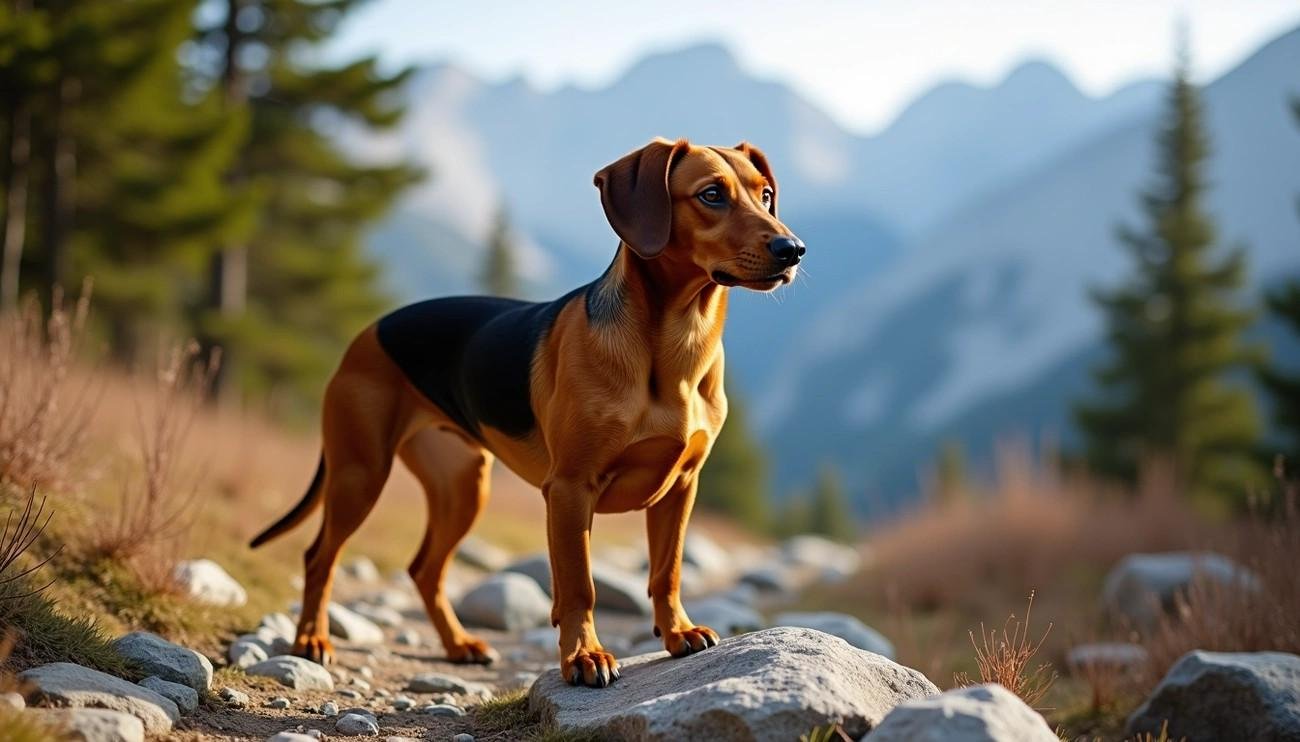
The Alpine Dachsbracke stands out as a remarkable “cold-nose hound” that tracks scents on completely cold trails. This medium-sized hunting breed’s height reaches only 37 centimeters at the withers, and its short legs belie its impressive capabilities.
Austrian breeders developed this specialized hunter to track wounded game like deer and wild boar. The breed’s weight ranges between 16-18 kg, and its lifespan extends from 10-14 years. The Alpine Dachsbracke’s distinctive deer red or black coat and scent hound characteristics complement its strong prey drive and exceptional tracking abilities. While the American Kennel Club hasn’t recognized this energetic breed yet, both the FCI and UKC acknowledge its outstanding hunting capabilities.
Breed Origin and History
The Alpine Dachsbracke’s rich heritage goes back several centuries. Dogs like this breed have been around since ancient times. This hunting companion evolved from modest beginnings into a specialized scent hound that gained royal connections and worldwide recognition.
Where the Alpine Dachsbracke comes from
The Alpine Dachsbracke started in the alpine regions of Austria. You can trace the breed’s roots to the Austrian Alps, though similar dogs lived in parts of Graubünden in Switzerland and the Bavarian Alps. The name tells its story – “Alpine” points to the mountainous regions where it thrived, and “Dachsbracke” shows its hunting heritage.
These dogs proved their worth in high-altitude terrain. Hunters in mountainous regions valued them by a lot. Their exceptional performance in tough landscapes made them popular among alpine hunters.
Historical evidence points to these dogs coming from the Celtic Bracke, also known as the “Segusier”. Roman historian Arrian wrote about this Celtic Bracke, which proves the breed’s ancient roots.
How the breed was developed
Dogs that look like today’s Dachsbracken have been around since the Middle Ages. They changed from high-legged Bracken to dwarf Bracken, with major changes happening in the 19th century.
Breeders created the modern Alpine Dachsbracke by mixing larger hunting dogs with Dachshunds. They crossed breeds like the Austrian Black and Tan Hound with Dachshunds to create the unique look we see today. This careful breeding gave us a dog with shorter legs that kept its strong hunting abilities.
The breed’s history takes an interesting royal turn. Crown Prince Rudolf of Habsburg took Alpine Dachsbrackes on his hunting trips to Egypt and Turkey in the 1880s. These royal connections helped build the breed’s reputation. Historical records show the Prince made his gamekeepers from Mursteg and Ischl bring dogs that looked just like today’s Alpine Dachsbracke on these trips.
These dogs became great at tracking wounded deer and hunting foxes and hares. Their short height and longer ears helped them follow trails better—even when the scent had gone cold.
Recognition by kennel clubs
The Alpine Dachsbracke’s official recognition grew over time:
- 1896 – The first international Dachsbracken Club started but ended in 1908
- 1910 – The Austrian Club for Dachsbracke opened its doors
- 1932 – Austria named the Alpine Dachsbracke as its third Scenthound breed
- 1975 – The FCI changed the name from “Alpine-Erzgebirgs-Dachsbracke” to “Alpenländische Dachsbracke” and made Austria the official country of origin
- 1991 – The FCI accepted the breed as a Scenthound in Section 2
- 1996 – The United Kennel Club (UKC) recognized the breed on January 1
The FCI places the breed in Group 6 Scenthounds along with the Bavarian Mountain Scenthound and the Hanoverian Scenthound. The United Kennel Club stands as the only major kennel club in English-speaking countries that recognizes the Alpine Dachsbracke.
The breed almost disappeared during the World Wars when breeding slowed down. Thanks to passionate enthusiasts, this valuable hunting breed survived. Today, it remains rare outside its native regions, but its legacy lives on.
Physical Characteristics and Appearance
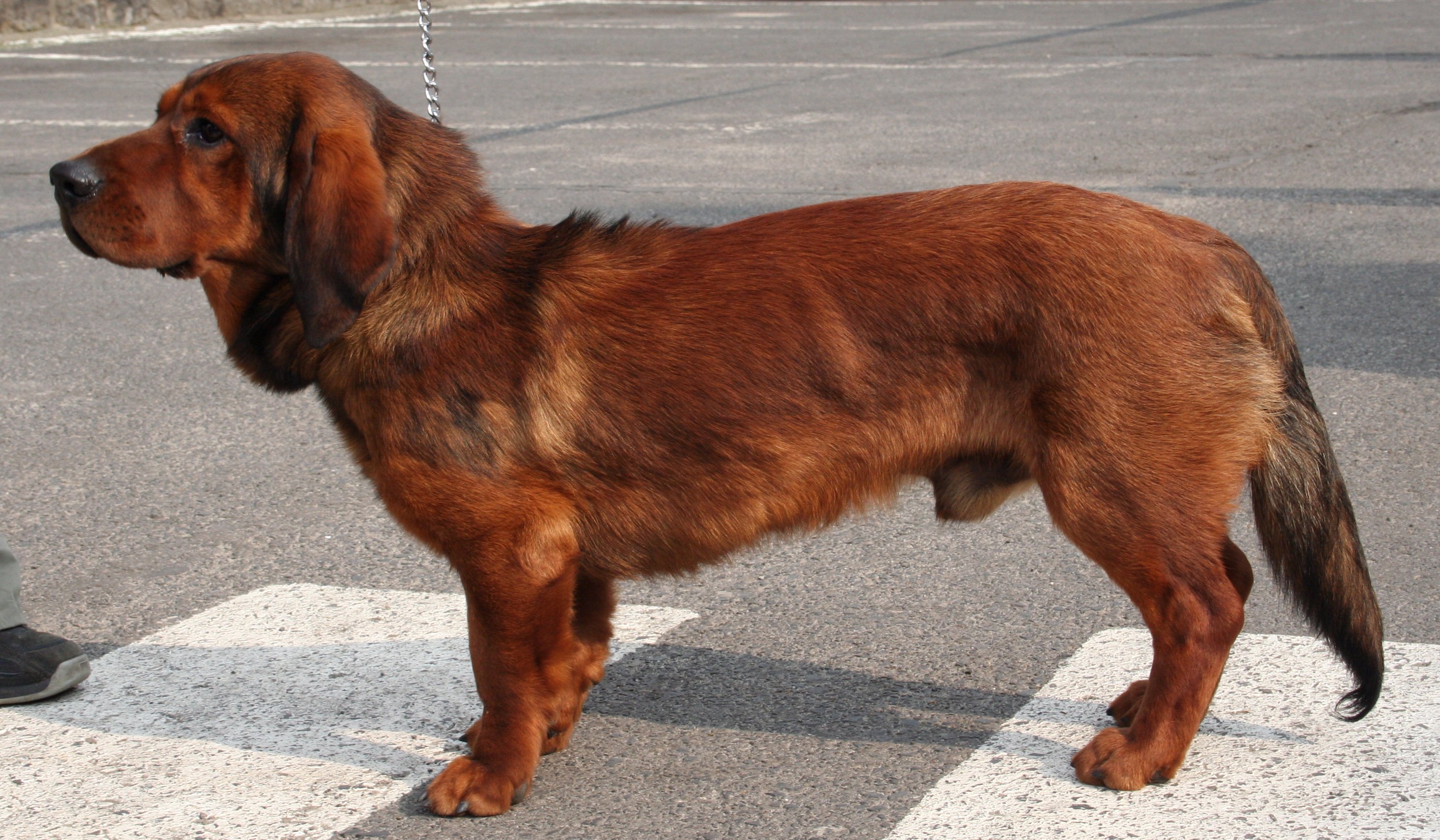
Image Source: en.wikipedia.org
The Alpine Dachsbracke catches everyone’s eye with its long body and short, sturdy legs. This strong scent hound packs both power and agility into a compact frame that lets it move through challenging mountain terrain with ease.
Size and weight range
The Alpine Dachsbracke stands between 34-42 cm (13.5-16.5 inches) at the withers. Males usually reach 37-38 cm, while females stay a bit smaller at 36-37 cm. These hardy hunting partners weigh between 15-18 kg (33-40 lb). They pack quite a punch despite their shorter height.
The breed’s body proportions make it stand out. Its length should be about 3:2 compared to shoulder height. This stretched-out shape paired with shorter legs creates a rectangular profile that serves a clear purpose. The dog can track scents close to ground level while staying strong enough to handle mountain trails.
Alpine Dachsbracke puppies weigh about 9 pounds (4 kg) at 8 weeks old. They take up to 2 years to reach their full adult size. This slow growth helps build their strong bones and muscles properly.
Coat type and color variations
The Alpine Dachsbracke’s thick double coat helps it thrive as a hunting dog in changing mountain weather. The coat features:
- A thick top coat that shields the dog
- A dense undercoat that keeps it warm
- Layers that fit close to keep the dog dry and cozy
The breed standard accepts two main color patterns. Most people prefer the dark “deer red” coat, which may have black-tipped hairs scattered throughout. Black coats with clear red-brown marks on the head, chest, legs, feet, and under the tail work just as well. A small white chest mark looks fine but isn’t required.
Local people call the black and tan dogs “Vieräugl” in their native regions. This name means “four eyes” because of the marks above each eye that look like an extra pair.
Distinctive features of the breed
The Alpine Dachsbracke has several unique features beyond its shape and coat. The head shows a gentle arch with a clear groove between the eyes. A strong muzzle matches the head well – about nine-tenths of the head’s length.
The ears really make this breed special. They sit high without folds and hang wide and smooth against the cheeks. These medium-length ears reach the canine teeth when pulled forward and end in nice rounded tips. Combined with small dark brown eyes, these features give the dog a smart, watchful look.
You’ll notice the chest runs deep and wide with a clear forward projection. The chest depth should measure about half the dog’s height. This gives the dog plenty of lung space – perfect for a working breed that needs stamina while tracking.
The tail sets high and strong where it meets the body. It barely touches the ground and usually hangs somewhat low. Longer hair grows on the tail’s underside, creating what looks like a brush.
Both front and back feet stay round with tight toes. They have tough pads and black nails – exactly what you’d want for a dog bred to work on rough mountain paths. Each physical trait of the Alpine Dachsbracke fits its original role as a skilled hunting partner in tough alpine terrain.
Alpine Dachsbracke Temperament and Personality
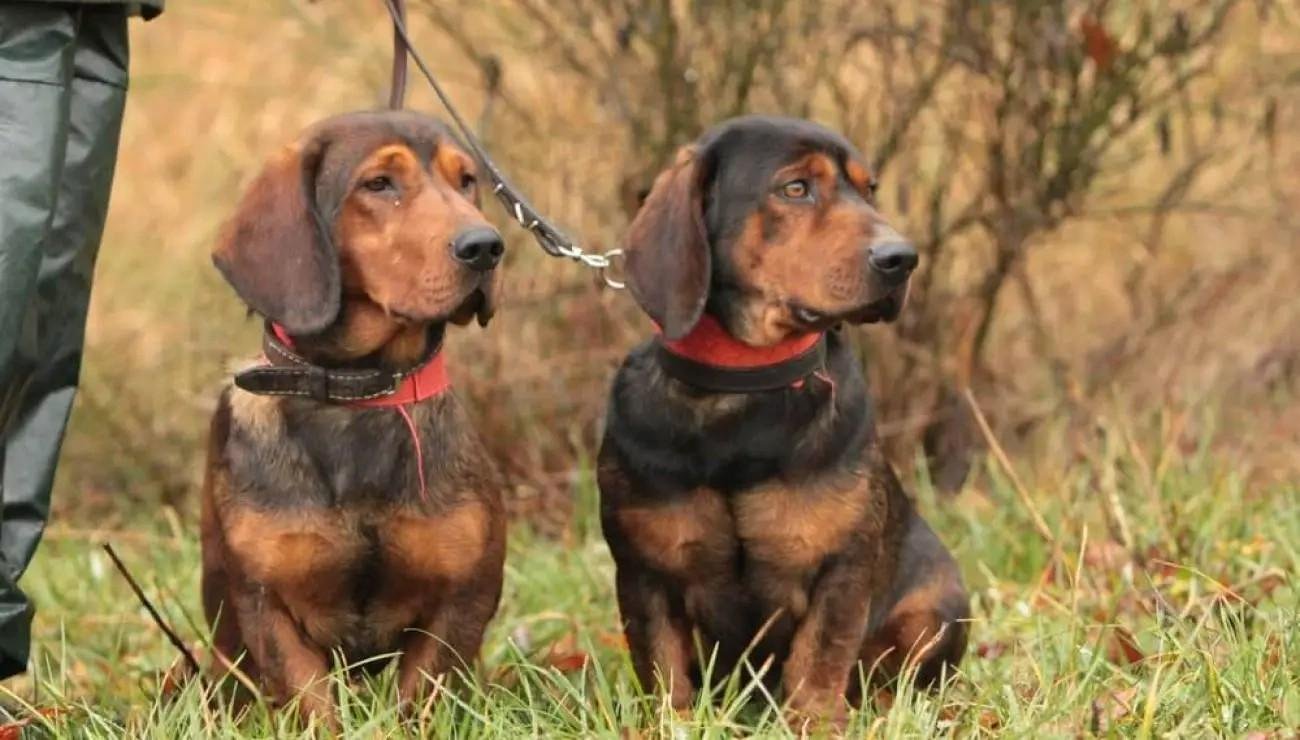
Image Source: PetGuide
The Alpine Dachsbracke’s hunting skills come with a character full of unexpected contrasts and lovable qualities. These dogs blend a working dog’s determination with a companion animal’s friendliness, making them great for both hunting trips and family life.
General behavior traits
The Alpine Dachsbracke shows a well-balanced temperament with a unique mix of traits. These dogs have a calm, confident demeanor and stay alert. This mix helps them stay composed in many situations without getting easily disturbed.
These dogs show a fearless yet friendly personality. Their courage helps them during hunts, while their friendly nature makes them great companions. Many hunting breeds can be nervous, but these dogs stay relaxed most of the time.
The Alpine Dachsbracke’s key traits include:
- Intelligent and independent – they can make their own decisions
- Loyal and devoted – they build strong bonds with their owners
- Brave yet gentle – showing courage while tracking but staying gentle at home
- Headstrong yet trainable – they need consistent training early on
Their hunting background gives them a strong prey drive. New owners should know these dogs might chase small animals without proper training. This instinct stays strong whatever their role as hunters or pets.
Compatibility with children and families
The Alpine Dachsbracke’s way with children makes them perfect family pets. Most of these dogs do great with kids because they’re patient and understanding. Their friendly and gentle nature builds strong relationships with children of all ages.
These dogs make excellent family pets because they don’t demand too much attention. Many owners say their dogs happily rest in a corner while family life happens around them. This balanced energy makes them fit well into household life.
Families thinking about this breed should know Alpine Dachsbrackes stay good-natured most times. Still, adults should watch over any interactions between young children and dogs to keep everyone safe and comfortable.
One practical tip for families with kids: Children must learn not to lift these dogs or put weight on their long backs to avoid injuries.
Interaction with other pets
Alpine Dachsbrackes usually get along great with other dogs. They’re friendly with other canines and don’t guard their territory much. This means they can live happily in homes with multiple dogs after proper introductions.
In stark comparison to this, they need more care around non-canine pets. Their strong hunting instincts might make them chase cats and smaller animals. Early and thorough socialization helps manage this behavior, but the chase instinct might always stay.
Socialization plays a key role in raising an Alpine Dachsbracke with other pets. Meeting different animals early helps promote better relationships. Watching these meetings and using positive reinforcement can improve their behavior around other pets by a lot.
Unlike some independent breeds, Alpine Dachsbrackes think like pack animals and love joining family activities instead of being alone. This means they might not suit homes where they’d spend long times by themselves.
These dogs usually don’t get separation anxiety. Still, leaving them alone for long periods isn’t good for their wellbeing and mental health.
Training and Intelligence
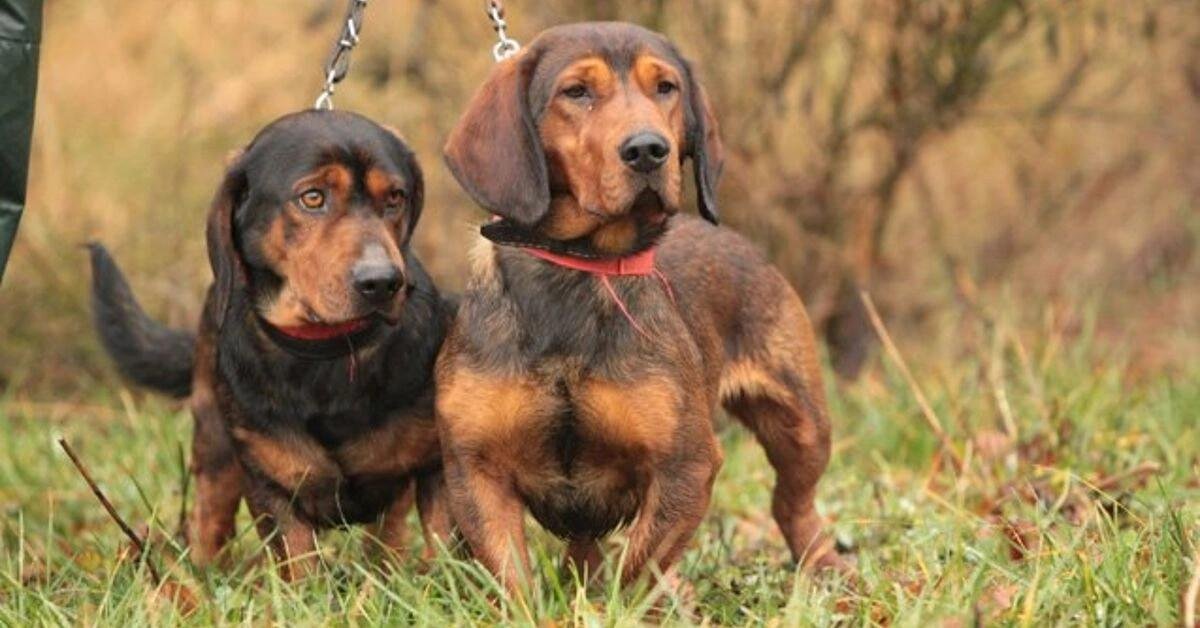
Image Source: World Dog Finder
Intelligence and knowing how to train are the foundations of the Alpine Dachsbracke’s character. These traits shape how these hunting companions fit into family life beyond their field duties. A good grasp of their learning patterns and training needs helps owners build strong bonds with these remarkable dogs.
How easy is it to train an Alpine Dachsbracke?
The Alpine Dachsbracke shows high intelligence, which makes training seem simple on paper. All the same, future owners should know that intelligence doesn’t automatically mean obedience. These dogs have an independent streak and stubborn nature that can make training tricky.
New dog owners might want to look elsewhere, as Alpine Dachsbrackes aren’t usually recommended for beginners. Their mix of smarts and stubborn behavior needs an experienced hand. They love positive reinforcement and enjoy tasks, especially ones that tap into their hunting skills.
Alpine Dachsbrackes pick things up fast. Their strong-willed nature means they might push boundaries sometimes. Their breeding as hunting dogs taught them to make choices on their own in the field. This explains why they sometimes go their own way instead of following orders.
Tips for effective training
Positive reinforcement is the best approach to train an Alpine Dachsbracke. Rewards like treats, praise, and playtime get these dogs motivated and encourage good behavior. This method works great with their eagerness to please while respecting their independent spirit.
Starting socialization early makes a huge difference. Getting Alpine Dachsbracke puppies used to different people, places, and other animals prevents behavior problems down the road. Puppy classes are a great starting point for both socializing and basic training.
Some practical training tips include:
- Keep sessions short and engaging to hold their attention
- Start training early in puppyhood when learning comes easier
- Stay consistent with commands and rules
- Use their hunting instincts in scent work and tracking games
- Practice recall commands often, especially with distractions around
Many owners find that working with experienced trainers helps tackle specific challenges. Professional guidance creates better communication between owners and their Alpine Dachsbrackes.
Common challenges during training
The biggest problem in training an Alpine Dachsbracke is their strong prey drive. Without good training, they’ll chase small animals or lose focus during walks. Control training for these impulses should start early and continue throughout their lives.
These dogs can get lost in interesting smells. Their hunting background means Alpine Dachsbrackes naturally follow their nose and might ignore commands completely when they’re on a scent trail.
Stubbornness is another regular challenge. Alpine Dachsbrackes know what you’re asking but don’t always feel like listening. Training needs patience, and harsh methods will only damage the trust between dog and owner.
Barking can become a problem. Rewarding quiet behavior and teaching commands like “quiet” or “enough” helps manage this. Simple commands like “sit,” “stay,” “come,” and “heel” are the building blocks of a well-behaved Alpine Dachsbracke.
With training that respects their independent nature while setting clear boundaries, the Alpine Dachsbracke ends up as a friendly, balanced, and well-mannered companion. Their intelligence, combined with proper guidance, helps them excel as both hunting partners and family pets.
Exercise and Activity Needs
Alpine Dachsbrackes are born hunters that need plenty of physical activity to stay healthy in body and mind. These working dogs can’t just get by with basic exercise – they really need it to thrive.
Daily exercise requirements
Alpine Dachsbrackes have amazing stamina and high energy levels that require regular physical outlets. Most experts recommend between 60-90 minutes of daily exercise for this breed. Some sources say 30-60 minutes might be enough, while others stress that a full 90 minutes keeps them physically and mentally balanced.
These dogs need structured activity every single day. Their exercise routine should include:
- At least two daily walks of 30-45 minutes each
- A chance for off-leash running in secured areas
- A mix of physical exertion and mental challenges
Exercise intensity matters as much as how long they exercise. Alpine Dachsbrackes run on vigorous physical activities rather than casual walks. As natural hunters, they won’t be happy with just minimal movement – their bodies and minds are built for action.
Living arrangements need careful thought before bringing this breed home. Alpine Dachsbrackes don’t do well in apartments unless given lots of daily exercise. They need space to move freely, making them better suited to homes with large, fenced yards or rural settings.
Best activities for this breed
These dogs excel at activities that tap into their natural hunting instincts and abilities. Tracking exercises rank among the most beneficial and fun activities for this breed. Their exceptional scenting abilities make them perfect for:
- Scent work and tracking games
- Hiking in varied terrain
- Off-leash exploration in secure natural areas
- Fetch and chase games
- Swimming (for those who enjoy water)
Alpine Dachsbrackes love running in woods and fields where they can follow different scents. This freedom lets them express their natural behaviors safely. The right activities channel their hunting drive and prevent frustration and unwanted behaviors.
Families who don’t hunt can find other activities that work just as well. Dock diving, agility courses, and obedience trials give excellent outlets for their energy. Even backyard play sessions can work if they challenge and engage the dog.
Why mental stimulation is important
Physical exercise alone won’t cut it for Alpine Dachsbrackes. Mental stimulation is just as important for their overall wellbeing. These smart dogs just need cognitive challenges to avoid boredom and destructive behaviors.
Mental stimulation satisfies the breed’s problem-solving nature. Dogs might get frustrated and develop behavioral issues without proper mental exercises. Their hunting background created a dog that runs on tasks and challenges.
Good mental stimulation options include:
- Puzzle toys and food-dispensing games
- Scent-based treasure hunts around the home
- Obedience training with progressive challenges
- Interactive play sessions that require thinking
Mental exercise combines smoothly with physical activities. To cite an instance, letting your Alpine Dachsbracke follow scent trails during walks engages both body and mind. This comprehensive approach gives the most complete exercise experience.
These dogs may become unhappy and destructive without enough mental and physical stimulation. Their working dog heritage means they need purpose and activities to stay balanced companions. A well-exercised Alpine Dachsbracke ends up being a happy, healthy, and well-behaved family member.
Health and Lifespan
Your Alpine Dachsbracke can be a loyal companion for many years with good health and proper care. These dogs are quite hardy, but knowing their health profile will help you provide better care throughout their life.
Average lifespan of the Alpine Dachsbracke
Alpine Dachsbrackes live about 12 to 14 years, which puts them in line with average dog longevity. Some sources suggest a range of 10 to 12 years, but these dogs often reach their early teens with good nutrition and attentive care. Each dog’s lifespan depends on its genes, environment, and quality of healthcare.
The dog’s diet, exercise routine, and regular vet visits play a big role in their longevity. These working breeds have a strong physical makeup and stay healthy most of their lives with proper care.
Common health issues
These dogs have a sturdy build, but they can face some breed-specific health challenges you should know about:
- Back problems: Their Dachshund ancestry makes them prone to Intervertebral Disk Disease (IVDD), where spinal disks bulge or rupture
- Hip dysplasia: This inherited condition affects joint development and can limit mobility
- Ear infections: Moisture gets trapped in their droopy ears, which creates perfect conditions for bacteria and yeast
- Obesity risk: They can put on weight quickly without proper diet and exercise
- Genetic conditions: Some dogs might carry genes linked to Chondrodystrophy (CDDY), Hyperuricosuria (HUU), and Neuronal Ceroid Lipofuscinosis 8 (NCL8)
Dental issues and eye problems like cataracts and progressive retinal atrophy[321] can affect some dogs. Genetic testing helps identify carriers of specific conditions and guides breeding decisions.
Preventive care and vet checkups
You can improve your dog’s quality and length of life with proactive health management. The right weight through balanced nutrition and regular exercise is crucial, especially to protect their backs.
Here’s a recommended vet care schedule:
- Puppies: Monthly visits to monitor development and get vaccinations
- Adult dogs (1-6 years): Annual wellness exams
- Senior dogs (7+ years): Checkups every six months
Blood work, urinalysis, and fecal tests become more important as your dog ages. Your dog’s dental health needs attention through regular brushing and professional cleanings.
You should keep your Alpine Dachsbracke from jumping and climbing stairs to protect their back. Their paws and claws need regular checks since soft surfaces like forest floors might not wear them down enough.
Grooming and Maintenance
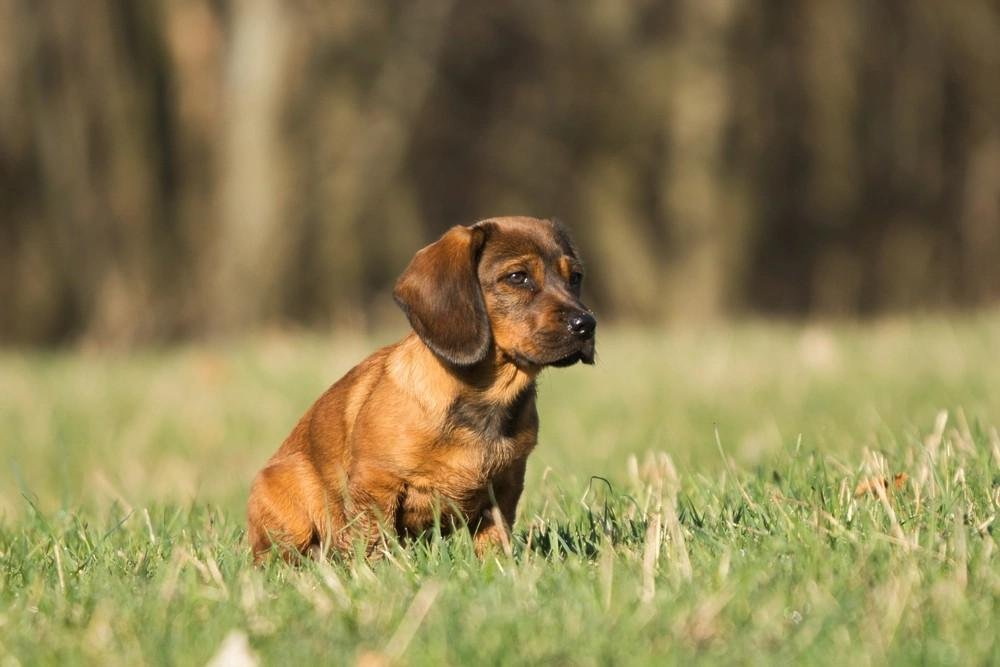
Image Source: Alpine Dachsbracke
A good grooming routine keeps your Alpine Dachsbracke’s distinctive coat healthy and beautiful. Regular care lets you keep these hunting companions in top shape while you watch for any health issues.
How much does the breed shed?
The Alpine Dachsbracke’s dense double coat sheds at a moderate level throughout the year. These dogs shed more heavily during spring and autumn as their coats change with the seasons. Despite what you might hear, Alpine Dachsbrackes aren’t hypoallergenic.
Regular brushing helps control shedding and keeps fur from taking over your home. Your dog will “blow their coat” twice a year without proper care, which can overwhelm your house with fur.
Brushing and bathing tips
Your dog’s coat health depends on how often you brush them. Weekly brushing works well for most dogs in normal conditions. Daily brushing becomes necessary during heavy shedding seasons.
A slicker brush or bristle brush works great for everyday grooming. Here’s what you’ll need for thorough coat care:
- A soft boar’s hair bristle brush to remove loose hair
- A soft slicker brush with plastic-covered bristles to protect skin
- A de-shedding tool for seasonal shedding periods
Bathing needs a balanced approach. Every 2-3 months usually works well, though active dogs might need monthly baths. Too much bathing removes natural oils and can dry out their coat. Stick to dog shampoo and lukewarm water.
Ear and nail care
Alpine Dachsbrackes’ droopy ears make them prone to infections because air doesn’t circulate well and moisture gets trapped. Clean under their ears regularly with a dog-specific cleaning solution.
Their nails need trimming every four weeks at least. Long nails hurt and can affect how they walk, which might cause joint problems later. Good care also means brushing their teeth 2-3 times weekly with dog toothpaste.
Starting grooming when they’re puppies helps them get used to being handled. These regular grooming sessions give you a chance to check for skin problems, parasites, or anything unusual that needs a vet’s attention.
Feeding and Nutrition

Image Source: Dog Breeds Expert
Good nutrition propels the Alpine Dachsbracke’s active lifestyle. These dogs need different diets as they grow, and a smart feeding plan helps them stay at their ideal weight of 15-18 kg. The right diet supports their role as hunting or family dogs.
Diet needs for puppies vs adults
Alpine Dachsbracke puppies need calcium-rich foods to build strong bones that support their long body structure. Strong bones help prevent hip dysplasia and other skeletal problems. Their diet should mix protein for muscle growth and fat for energy.
Adult Alpine Dachsbrackes do well with medium-breed food formulas that have the right nutrient mix. Their nutritional needs move toward maintenance instead of growth as they age. Protein keeps their muscles healthy while omega-3s boost their immune system.
Recommended food types
The best foods include:
- Quality proteins from muscle meat (beef, horse, sheep or game)
- Small amounts of whole grains
- Mixed vegetables with some fruits
- Key minerals and vitamins
Hunting Alpine Dachsbrackes need high-energy foods with enough carbs and fats. You should adjust fat levels based on activity—less during quiet times, more during hunting season.
How to prevent obesity
Extra weight can cause joint problems and back issues in these dogs. Watch portion sizes based on food package guidelines and adjust them for your dog’s activity and age. Keep an eye on any weight changes and talk to your vet about making a diet plan that works for your dog’s food allergies or sensitivities.
Conclusion
The Alpine Dachsbracke is a remarkable breed that perfectly balances hunting skills with family-friendly traits. These dogs make exceptional companions for the right owners, even though you won’t find many outside Europe. Their lifespan of 10-14 years gives owners plenty of time to build strong bonds with these loyal friends.
Anyone thinking about getting an Alpine Dachsbracke should first evaluate if they can handle this breed’s substantial exercise needs. These dogs need 60-90 minutes of daily physical activity to stay healthy in body and mind. They’re also pretty low-maintenance compared to other breeds when it comes to grooming. Their droopy ears need regular cleaning to avoid infections though.
Alpine Dachsbrackes aren’t the best choice for first-time dog owners because of their independent streak. However, experienced handlers will get steadfast loyalty and amazing tracking abilities in return. Smart training helps them become well-balanced family members who can switch roles easily between hunting partner and home companion.
New owners must prioritize regular vet checkups, especially to watch for back problems due to their long spine. Managing their weight is vital throughout their lives because extra pounds can raise health risks substantially.
These unique hounds work great as hunting partners or family pets, bringing centuries of noble heritage into today’s homes. Their deer-red or black coats remind us of hunting traditions, yet they fit naturally into modern family life. An Alpine Dachsbracke becomes a wonderful addition to active households with proper socialization, exercise, and training. They’re perfect for families ready for a devoted and unique canine friend.
Key Takeaways
The Alpine Dachsbracke is a specialized Austrian hunting breed that combines remarkable tracking abilities with family-friendly temperament, making it an excellent choice for experienced dog owners seeking an active companion.
• Alpine Dachsbrackes require 60-90 minutes of daily exercise and excel at scent work, making them ideal for active families with hunting interests or outdoor lifestyles.
• This medium-sized breed weighs 15-18 kg, lives 10-14 years, and features a distinctive elongated body with short legs designed for mountain terrain tracking.
• While intelligent and trainable, their independent hunting heritage makes them unsuitable for first-time owners who need consistent, experienced handling.
• Regular veterinary care focusing on back health is essential due to their elongated spine, with weight management being crucial to prevent joint issues.
• Their moderate grooming needs include weekly brushing and special attention to ear cleaning due to their droopy ears that trap moisture and bacteria.
The Alpine Dachsbracke represents a perfect blend of working dog capability and family companionship, rewarding dedicated owners with unwavering loyalty and exceptional tracking skills that connect modern families to centuries of noble hunting heritage.
FAQs
Q1. What is the typical temperament of an Alpine Dachsbracke?
Alpine Dachsbrackes are known for their calm, confident demeanor combined with constant alertness. They are intelligent, loyal, and brave yet gentle dogs that form strong bonds with their owners. While they have a strong prey drive due to their hunting background, they are generally friendly and good with children when properly socialized.
Q2. How much exercise does an Alpine Dachsbracke need?
Alpine Dachsbrackes require substantial daily exercise, typically 60-90 minutes. This should include at least two 30-45 minute walks, opportunities for off-leash running in secure areas, and activities that engage both their body and mind. They excel at tracking exercises, hiking, and scent work that taps into their natural abilities.
Q3. Are Alpine Dachsbrackes easy to train?
While intelligent, Alpine Dachsbrackes can be challenging to train due to their independent nature. They respond well to positive reinforcement techniques but may test boundaries. Early socialization and consistent training from an experienced handler are crucial. Their strong prey drive and tendency to follow scents can make recall training particularly important.
Q4. What are the grooming needs of an Alpine Dachsbracke?
Alpine Dachsbrackes have moderate grooming needs. They shed year-round, with heavier shedding during seasonal changes. Weekly brushing is typically sufficient, though daily brushing may be needed during heavy shedding periods. Their droopy ears require regular cleaning to prevent infections, and nails should be trimmed every four weeks.
Q5. What health issues are common in Alpine Dachsbrackes?
While generally healthy, Alpine Dachsbrackes can be prone to certain conditions. These may include back problems due to their elongated spine, hip dysplasia, and ear infections. They also have a risk of obesity if not properly exercised and fed. Regular veterinary check-ups, maintaining a healthy weight, and genetic testing for breeding dogs can help manage these potential health concerns.